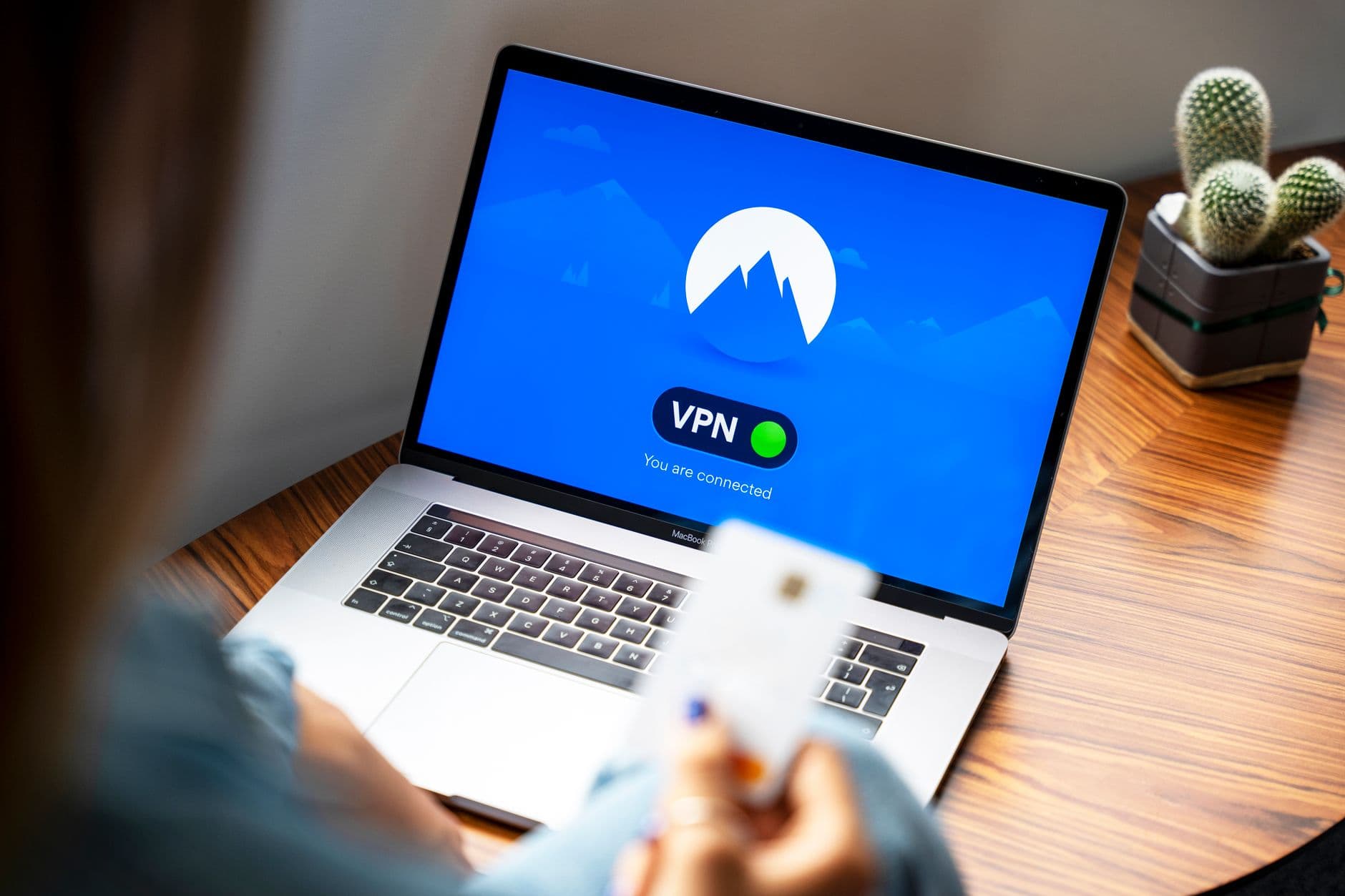
În ultimii ani, peisajul privirii digitale și al libertății internetului în Rusia a devenit din ce în ce mai dificil din cauza unei serii de restricții și interdicții impuse de guvern. Aceste măsuri au dus la o creștere a interesului pentru serviciile VPN, care funcționează ca instrumente importante pentru accesarea Runet-ului în siguranță. Acest articol își propune să ofere un ghid complet despre cum să navighezi complexitățile utilizării unui VPN, indiferent dacă optezi pentru o variantă gratuită sau plătită.
Cu restricții severe asupra anumitor conținuturi, nevoia de a utiliza soluții respectuoase cu intimitatea, precum VPN-urile, nu a fost niciodată mai importantă. Mulți utilizatori caută modalități simple de a instala o aplicație VPN care să le susțină activitățile zilnice, de la verificarea e-mailurilor până la streamingul emisiunilor populare pe platforme precum Telegram. Conform datelor recente, cererea pentru rutare sigură prin diverse rețele cloud a determinat mai mulți furnizori să își îmbunătățească ofertele cu viteze mai mari, inclusiv opțiuni care promovează până la 10 Gbps de bandă.
Când alegi un VPN, vei găsi o gamă largă de opțiuni care includ atât abonamente plătite, cât și servicii gratuite. Unele dintre cele mai populare alegeri sunt renumite pentru caracteristicile lor de securitate și capacitățile anti-cenzură, în timp ce altele pot oferi o acoperire limitată care s-ar putea să nu convină tuturor. Pentru utilizatorii aflați la mijlocul spectrului, care poate nu doresc să facă investiții mari, folosirea unui VPN gratuit poate fi un bun punct de plecare pentru a învăța despre instrumentele care sporesc confidențialitatea. Totuși, pentru cei care caută cea mai bună performanță și securitate, trecerea la un plan plătit cu funcții avansate este probabil cea mai bună soluție.
Această ghidă include și pași detaliați pentru configurarea setării tale, fie că folosești routere dedicate sau aplicații. Mai mult, vom discuta importanța alegerii VPN-urilor care păstrează servere fizice în interiorul țării sau în regiuni apropiate, asigurând astfel cea mai sigură și fiabilă conexiune posibilă. Pe măsură ce pătrundem mai adânc în lumea VPN-urilor pentru utilizatorii din Rusia, vei fi dotat cu toate informațiile necesare pentru a-ți proteja activitățile digitale și a le menține în siguranță și fără restricții.
Înțelegerea necesității VPN-urilor în Rusia
În ultimii ani, utilizarea VPN-urilor (Rețele Private Virtuale) în Rusia a devenit din ce în ce mai importantă atât pentru localnici, cât și pentru străini. Odată cu introducerea unor reglementări stricte privind internetul, înțelegerea necesității VPN-urilor este crucială pentru oricine dorește să navigheze în siguranță peisajul online.
Una dintre principalele motive pentru a folosi un VPN în Rusia este menținerea anonimatului. Deși mulți cetățeni își prețuiesc libertatea online, riscurile asociate cu monitorizarea internetului au crescut. Legea Iarovâia a creat un mediu în care utilizatorii sunt adesea supuși supravegherii, fapt ce face din VPN-uri o alegere preferată pentru cei care doresc să desfășoare activități în anonimat.
VPN-urile permit utilizatorilor să se conecteze la internet prin intermediul unor servere securizate situate în afara Rusiei, mascându-și astfel adresele IP și păstrându-și confidențialitatea. Acest lucru este deosebit de relevant în orașe precum Moscova și Sankt Petersburg, unde există o cenzură grea a internetului și blocarea site-urilor străine.
Accesul neautorizat: Mulți utilizatori întâmpină dificultăți în accesarea anumitor site-uri din cauza blocajelor impuse de guvern. VPN-urile pot ajuta la ocolirea acestor restricții.
Cu ajutorul VPN-urilor, utilizatorii pot accesa conținut străin care ar putea fi blocat în Rusia, îmbunătățindu-și experiența pe internet.
Conexiuni de încredere: Serviciile precum ProtonVPN și Torguard sunt cunoscute pentru caracteristicile lor de securitate. Ele nu păstrează esențial niciun jurnal al activităților utilizatorilor, ceea ce este
Performanță: Multe VPN-uri oferă conexiuni de mare viteză, permițând streaming și navigare fără întreruperi la viteze de până la câteva GBps.
Rețelele Wi-Fi publice pot expune utilizatorii la riscuri atunci când sunt folosite în cafenele sau aeroporturi. VPN-urile oferă un strat suplimentar de securitate împotriva posibilelor scurgeri de date.
Pentru cei care sunt preocupați de configurare și instalare, multe servicii VPN oferă aplicații ușor de utilizat care simplifică procesul. Și, spre deosebire de unele opțiuni gratuite, versiunile plătite asigură, de obicei, o securitate mai bună și viteze mai mari.
Pe măsură ce presiunea pentru un control mai mare asupra utilizării internetului continuă, necesitatea VPN-urilor în Rusia probabil nu va diminua. Înțelegerea diferențelor dintre diverse servicii îi poate ajuta pe utilizatori să ia decizii informate. Indiferent dacă optează pentru soluții open-source sau produse comerciale reputate, capacitatea de a se conecta în siguranță și anonim este vitală în era digitală de astăzi.
În concluzie, utilizarea unui VPN în Rusia nu se referă doar la ocolirea blocajelor sau la accesarea de conținut străin; este vorba despre păstrarea libertății de a naviga pe internet în siguranță și anonim. Prin urmare, integrarea unui VPN de încredere în activitățile dumneavoastră online este esențială pentru oricine navighează pe Runet.
De ce să folosești un VPN pentru confidențialitate online?
În peisajul digital de astăzi, menținerea confidențialității online este esențială, în special pentru utilizatorii din regiuni precum Rusia. Un VPN, sau Rețea Privată Virtuală, oferă mai multe avantaje pentru cei care doresc să-și securizeze activitățile pe internet. Prin criptarea conexiunii, un VPN vă poate ascunde adresa IP, făcând dificilă urmărirea comportamentului dumneavoastră online de către terți. Acest lucru este deosebit de important pentru persoanele care locuiesc în zone cu restricții de internet sau cenzură.
Unul dintre cele mai semnificative avantaje ale utilizării unui VPN este capacitatea de a accesa conținut care poate fi blocat sau restricționat. De exemplu, utilizatorii din Rusia întâmpină adesea limitări pe diverse site-uri web și platforme. Un VPN ajută la ocolirea acestor restricții prin rutarea conexiunii dumneavoastră prin servere situate în țări diferite. Aceasta înseamnă că puteți vizualiza site-uri care sunt în mod normal inaccesibile, chiar și pe cele care oferă știri despre extremism sau subiecte politice.
În plus, un VPN îți poate proteja datele de hackeri, mai ales când folosești rețele Wi-Fi publice. Atunci când ești conectat la rețele nesecurizate, informațiile tale personale sunt în pericol. Un VPN acționează ca o barieră protectoare, asigurându-se că datele tale rămân confidențiale. Această protecție este crucială pentru călătorii frecvenți sau pentru cei care folosesc dispozitive mobile în locații publice.
Mai mult, servicii VPN precum Mullvad și VyprVPN oferă viteze rapide pentru streaming și navigare, unele oferind rate de până la 5 Gbps. Acest lucru permite utilizatorilor să se bucure de experiențe fluide pe platforme precum Instagram, păstrându-și în același timp identitățile în siguranță. Testarea regulată a acestor servicii asigură că acestea îndeplinesc cerințele de performanță, făcându-le potrivite atât pentru începători, cât și pentru utilizatorii experimentați.
Utilizarea unui VPN reduce, de asemenea, potențialul de înregistrare a datelor. Mulți furnizori de VPN reputați garantează lipsa înregistrării activității utilizatorilor, sporind astfel confidențialitatea. Conform unor teste extinse, serviciile care respectă politici stricte de confidențialitate pot împiedica în mod eficient urmărirea sau vânzarea datelor dumneavoastră în scopuri de marketing.
În cele din urmă, VPN-urile permit utilizatorilor să învețe din peisajul global al internetului. Accesarea conținutului din diferite locații, cum ar fi India sau România, poate oferi perspective și informații diverse care altfel nu ar fi disponibile. Acest lucru nu numai că vă îmbogățește experiența online, dar vă permite, de asemenea, să fiți informat despre evenimentele globale.
Pe scurt, un VPN este un instrument puternic pentru îmbunătățirea confidențialității online. Cu capacitatea de a accesa conținut restricționat, de a proteja datele personale și de a oferi o experiență de navigare mai rapidă, este un pas esențial pentru oricine dorește să își securizeze prezența online în lumea digitală din ce în ce mai monitorizată de astăzi.
la cursul Băncii Rusiei din 29.09.2026 · powered by tutkakdoma
Implicații legale ale utilizării VPN în Rusia
Utilizarea VPN-urilor (Rețele Private Virtuale) în Rusia implică un set complex de implicații legale pe care utilizatorii trebuie să le înțeleagă. Deși VPN-urile pot proteja eficient confidențialitatea utilizatorilor și pot permite accesul la conținut necenzurat, ele există și într-un peisaj puternic influențat de reglementările guvernamentale și de interdicțiile regionale.
În ultimii ani, guvernul a luat măsuri semnificative pentru a reglementa serviciile VPN, în special pe cele care nu respectă legile locale. Mulți furnizori VPN mai puțin cunoscuți sunt adesea considerați neatractivi din cauza incertitudinii legate de legalitatea lor. Platforme majore precum WireGuard, preferată pentru performanța sa solidă, au fost supuse verificărilor, iar utilizatorii ar trebui să se asigure că aleg furnizori care îndeplinesc cerințele legale.
Utilizatorii trebuie să fie conștienți că desfășurarea unor activități considerate ilegale, în timp ce sunt conectați printr-un VPN, poate duce la consecințe grave. Testele efectuate de diverse organizații au arătat că, deși VPN-urile pot masca detaliile de autentificare și paginile de navigare, acestea nu îi vor proteja pe utilizatori de scrutin în cazul în care se angajează în practici interzise. Au apărut cazuri în care persoane care locuiesc în Rusia s-au confruntat cu sancțiuni din cauza activităților lor online, subliniind importanța înțelegerii regulilor care guvernează utilizarea internetului în țară.
Opțiuni VPN
Legalitate
Eficacitate
VPN-uri plătite
În general conform cu legile regionale
Conexiuni puternice, stabile
VPN gratuit
Riscant; adesea subperformant
Instabil, poate duce la scurgeri de date
VPN-uri domestice
Monitorizat de guvern
Acces la resurse restricționate
Pentru începători, se recomandă alegerea unor servicii VPN bine stabilite, care au fost testate în contextul rusesc. Utilizatorii experimentați constată adesea că opțiunile plătite oferă funcții de securitate mai puternice și dispun de o infrastructură creată pentru a rezista unei examinări sporite.
În rezumat, în timp ce utilizarea VPN în Rusia oferă beneficii precum rute optimizate pentru conectarea la servere internaționale, utilizatorii trebuie să navigheze un peisaj de reglementări care le pot afecta libertatea online. Înțelegerea acestor implicații legale este esențială atât pentru utilizatorii obișnuiți, cât și pentru nomazii digitali care se bazează pe acces stabil la internet pentru activitățile lor.
Amenințări comune la siguranța online
Siguranța online se confruntă cu numeroase amenințări care pot pune în pericol confidențialitatea și securitatea utilizatorilor. Unul dintre cele mai active riscuri este supravegherea guvernamentală, în special în țări precum Rusia, unde autoritățile implementează măsuri stricte de cenzură. Aceste măsuri pot restricționa eficient accesul la informații și pot limita capacitatea utilizatorilor de a naviga liber. Implementarea unor legi precum Legea Yarovaya a făcut această situație și mai instabilă pentru utilizatorii de internet.
O altă preocupare importantă este dependența de tehnologia care s-ar putea să nu prioritizeze confidențialitatea utilizatorului. Multe servicii sunt concepute pentru a colecta date, nu pentru a le proteja. De exemplu, platformele media și aplicațiile populare îți pot urmări activitatea online și pot partaja aceste informații cu terți. Această practică poate duce la reclame targetate și la un fals sentiment de securitate. Utilizatorii trebuie să fie conștienți că nu toate VPN-urile sunt la fel de fiabile; unele vă pot compromite confidențialitatea în scopul profitului.
Riscurile asociate cu utilizarea serviciilor VPN gratuite nu trebuie neglijate. Multe dintre aceste opțiuni, deși atrăgătoare prin ușurința accesului, au adesea funcționalități de securitate limitate și pot fi mai puțin eficiente comparativ cu soluțiile plătite precum NordVPN sau Astrill. Testele arată că serviciile VPN premium oferă criptare superioară și performanțe mai bune, făcându-le o alegere excelentă pentru cei care caută o soluție prietenoasă cu confidențialitatea.
Când navigați pe Runet sau accesați conținut din locații precum Letonia sau Spania, este esențial să luați măsuri pentru a vă proteja informațiile. Utilizarea blocatoarelor open-source poate ajuta la prevenirea urmăririi, oferind în același timp un strat suplimentar de securitate. Trebuie să acordați prioritate configurării VPN-ului pentru a vă asigura că rămâne eficient împotriva amenințărilor online.
Utilizatorii trebuie să fie, de asemenea, precauți cu privire la programele malware care pot infecta computerele, ducând la riscuri suplimentare. Actualizarea regulată a sistemelor și utilizarea unui software antivirus eficient sunt pași cruciali pentru protejarea datelor dumneavoastră. Pe măsură ce navigați pe internet, amintiți-vă că abilitatea de a ocoli cenzura și de a accesa conținut restricționat trebuie echilibrată cu nevoia de confidențialitate online.
În rezumat, a fi informat despre amenințările comune la adresa siguranței online și implementarea instrumentelor potrivite te pot ajuta să navighezi pe internet în siguranță. Prioritizând confidențialitatea și luând măsuri strategice, poți reduce în mod eficient riscurile asociate navigării online în orice mediu.
Alegerea Serviciului VPN Potrivit
Când selectați un serviciu VPN în Rusia, trebuie luați în considerare mai mulți factori importanți pentru a asigura performanțe și securitate optime. În primul rând, evaluați nevoile specifice pe care le aveți, cum ar fi dacă doriți să accesați conținut blocat sau să vă protejați datele în timp ce utilizați rețele Wi-Fi publice. Performanța VPN-ului va avea un impact direct asupra experienței dumneavoastră de navigare, așa că căutați servicii care oferă viteze fiabile, chiar și atunci când vizionați filme sau utilizați aplicații intensive.
Compară diferiți furnizori de VPN pe baza unor criterii precum locațiile serverelor, tehnologia utilizată și tipurile de criptare pe care le folosesc. Este important să alegi un serviciu cu servere în locații utile pentru ocolirea restricțiilor; de exemplu, Finlanda este o opțiune populară datorită infrastructurii sale avansate și standardelor de confidențialitate. În această comparație, ia în considerare dacă VPN-ul suportă moduri stealth precum StealthVPN sau Shadowsocks, care pot ajuta la ocolirea cenzurii stricte.
În plus, analizează modelele de prețuri ale diferitelor servicii VPN. Unele branduri oferă planuri gratuite cu funcționalități limitate, în timp ce opțiunile plătite pot oferi performanță și fiabilitate mai bune. Multe VPN-uri oferă o perioadă de probă de șapte zile, permițându-ți să le testezi serviciul fără angajament. Asigură-te că verifici politica de rambursare în cazul în care serviciul nu îți îndeplinește așteptările.
Recenziile utilizatorilor pot oferi perspective valoroase asupra avantajelor și dezavantajelor fiecărui VPN. Utilizatorii activi împărtășesc adesea experiențe despre problemele întâmpinate, fie că este vorba despre monitorizare, instrumente de blocare a reclamelor sau preocupări legate de confidențialitate. Dacă ești înclinat spre tehnic, ia în considerare explorarea opțiunilor VPN open-source, deoarece acestea pot oferi o mai mare flexibilitate și transparență.
Pe scurt, pentru a alege serviciul VPN potrivit, trebuie să evaluați cerințele specifice și să comparați funcționalitățile mai multor furnizori. Căutați servicii care oferă securitate robustă, performanță bună pe diferite dispozitive (inclusiv tablete și computere) și capacitatea de a ocoli eficient restricțiile de conținut. Cu o cercetare amănunțită și o analiză atentă, veți putea găsi un VPN care să vă satisfacă nevoile și să vă îmbunătățească experiența online.
Gratuit vs. VPN-uri cu plată
Atunci când iau în considerare serviciile VPN în Rusia, utilizatorii se confruntă adesea cu dilema alegerii între opțiunile gratuite și cele plătite. Ambele categorii au avantajele și dezavantajele lor, care sunt esențiale de înțeles pentru a lua o decizie informată.
VPN-urile gratuite atrag, în general, utilizatorii care caută soluții fără costuri. Cu toate acestea, multe dintre aceste servicii vin cu limitări care pot afecta performanța. Adesea apar probleme precum viteze mai mici, limite de date și locații restricționate. VPN-urile gratuite s-ar putea să nu protejeze complet utilizatorii de supravegherea guvernelor și a ISP-urilor, deoarece modelele lor de afaceri de bază se pot baza pe colectarea datelor sau pe reclame. În unele cazuri, s-ar putea să nu permită accesul la platforme populare de streaming, cum ar fi Netflix sau Twitter, din cauza restricțiilor geografice. Mai mult, opțiunile gratuite ar putea lipsi protocoale de securitate avansate precum IKEv2 sau WireGuard, care sunt cruciale pentru menținerea unei conexiuni securizate.
Pe de altă parte, VPN-urile plătite oferă adesea o experiență superioară. Servicii precum Torguard și-au optimizat strategic ofertele pentru a asigura conexiuni mai rapide și o securitate completă. Plătirea unui VPN înseamnă, de obicei, acces la o gamă mai largă de locații de servere, ceea ce este important pentru ocolirea cenzurii și accesarea conținutului blocat. Mai mult, serviciile plătite oferă, de obicei, politici de confidențialitate solide, ceea ce înseamnă că nu urmăresc activitățile utilizatorilor și nu stochează date personale. Multe VPN-uri reputate oferă, de asemenea, suport clienți fiabil, inclusiv opțiuni de chat și email, care pot fi salvatoare pentru utilizatorii care au nevoie de asistență.
Deși costurile asociate cu VPN-urile plătite pot fi considerate un dezavantaj, este vital să evaluăm valoarea pe care o oferă. Performanța, securitatea și experiența utilizatorului acestor servicii depășesc adesea cheltuielile. Pentru utilizatorii care se bazează pe conectivitate constantă pentru muncă sau studii, cum ar fi cei din Asia, plata unui VPN de încredere poate fi un pas necesar.
Pe scurt, alegerea între opțiunile VPN gratuite și cele plătite în Rusia depinde în mare măsură de nevoile individuale. Utilizatorii care pun accent pe securitate, performanță și accesarea unei game mai largi de conținut ar trebui să ia în considerare investiția într-un serviciu plătit. Între timp, alții ar putea considera VPN-urile gratuite suficiente pentru utilizare ocazională, dar ar trebui să rămână conștienți de riscurile asociate. VPN-ul potrivit poate îmbunătăți semnificativ confidențialitatea și securitatea online, făcându-l o parte importantă a utilizării internetului în lumea de astăzi.