Recomandare: Începeți pe faleză la zori; spațiul dintre râu și catedrale strălucește, începutul zilei, corect, un circuit deschis și calm. Folosiți troleibuzele publice pentru a ajunge în cartierul Teatralnaya și începeți planul.
Prima oprire: complexul fortăreței din epoca țaristă cu ansamblul său de catedrale. Odată centrul puterii imperiale, terenurile ediny găzduiesc catedrale deschise și vederi panoramice asupra râului. Orele de vizitare a interiorului diferă în funcție de sezon, dar începerea înainte de ora 9:00 evită aglomerația; zona este sigură și bine semnalizată, cu numeroase puncte foto de-a lungul falezei. O plimbare cu troica adaugă o legătură tangibilă cu trecutul moșiei și puteți compara detaliile cupolelor și arcurilor la fiecare colț.
A doua oprire: cartierul Teatralnaya din jurul Teatrului Bolșoi și a locațiilor adiacente. Piața publică oferă fațade elegante și un șir de teatre; rezervarea unui tur ghidat oferă opțiuni în limba engleză și informații despre istoria clădirii. Dacă vizitați în zilele deschise când spectacolele sunt oprite, puteți vizita zonele din culise; altfel, bucurați-vă de frescele exterioare și de ritmul străzii chiar înainte de un spectacol. O stație de troleibuze este în apropiere, iar o scurtă plimbare cu troica poate înconjura cartierul pentru a împărtăși o privire asupra culturii capitalei.
Colecția Galeriei Tretiakov prezintă diverse școli de pictură, de la icoane la lucrări moderne. Începeți devreme pentru a prinde lumina care curge prin ferestrele înalte; timpul petrecut în interior este de aproximativ 2-3 ore, permițând o privire amănunțită. Locația este accesibilă prin rețeaua de transport public, cu o stație de metrou directă în apropiere; orele de deschidere variază în funcție de sezon. Include acces la colecțiile permanente și la expozițiile itinerante. Planificați o vizită de lungime potrivită și verificați descrierile în limba engleză.
Strada Arbat oferă experiențe ediny: cafenele, galerii și spectacole stradale. Plimbați-vă de-a lungul aleilor pietonale când ziua se încălzește, deschise până târziu; traseul include numeroase magazine și artiști. Cu troleibuzele în apropiere, puteți reveni rapid în cartierele centrale; lăsați întotdeauna spațiu în programul dvs. pentru a găzdui opriri spontane și pauze de ceai pe bănci care dau spre casele vechi.
Moșia Kolomenskoe se află pe un deal cu spații deschise, un complex de palate regale și Biserica Înălțării. Este o evadare sigură din nucleul urban, cu spațiu pentru plimbări liniștite și locuri de picnic; această moșie include poteci de mers pe jos, o biserică din lemn și plimbări sezoniere cu troica în zilele selectate. Biletele sunt modeste și deschise de la 9:00 la 18:00 în sezoanele tipice; acces prin linii publice sau stația Kolomenskaya din apropiere. Zilele de început aduc mulțimi mai mici, în timp ce weekendurile oferă mai multe evenimente în secțiunile publice ale parcului.
Ghidul Atracțiilor din Moscova
Tezaurul Armurilor conduce: cinci piese deosebite ilustrează armele regale, însemnele sfinte și materialele din epoca bătăliilor; aceste piese au fost create de-a lungul secolelor, acest segment de deschidere creează o imagine clară a puterii imperiale, apoi traseul continuă cu o succesiune de opriri iconice.
În interiorul complexului Kremlin, plimbați-vă prin sălile unde sunt expuse bijuteriile coroanei și armele ceremoniale, cu detalii aurite și vitrine care dezvăluie măiestria expertă; afișajele luminate de foc accentuează designul complex și semnificația istorică a tezaurului.
Catedrala Sf. Vasile se ridică cu culoare sfântă și o dimensiune care domină piața roșie; vederea exterioară oferă unghiuri dramatice, în timp ce capelele interioare păstrează icoane văzute de multe secole, invitând la o vedere reflexivă.
Muzeul de Arte Frumoase Pușkin se află pe Aleea Lavrușinski; amintirile lui Pușkin și piesele lui Alexei se amestecă cu clasicii ruși; galeriile găzduiesc diverse spectacole, iar magazinele din apropiere oferă cărți, printuri și mici suveniruri pentru a comemora vizitele; atmosfera creativă a aleii reflectă tendințele din Renaștere până în cultura contemporană.
Motivele de busuioc din apropiere apar în semnalizarea din jurul arcadelor, amintind oaspeților de moștenirea sitului; lumina de la sfârșitul zilei pe cupole creează o vedere dramatică, invitând la vedere de pe falezele râului și terasele orașului; zilele cu mulțimi mai mici permit un ritm mai calm pentru a examina detaliile.
Orele de vârf aduc cozi de așteptare; orele târzii de după-amiază reduc așteptarea, apoi oaspeții continuă de-a lungul plimbării pe râu până la o vedere finală a siluetelor iluminate pe cer.
Vederile de seară de pe faleză amplifică detaliile; lumina târzie intensifică culorile și închide cercul pe un traseu memorabil.
Piața Roșie și Catedrala Sfântului Vasile: cele mai bune momente pentru a vizita și sfaturi foto
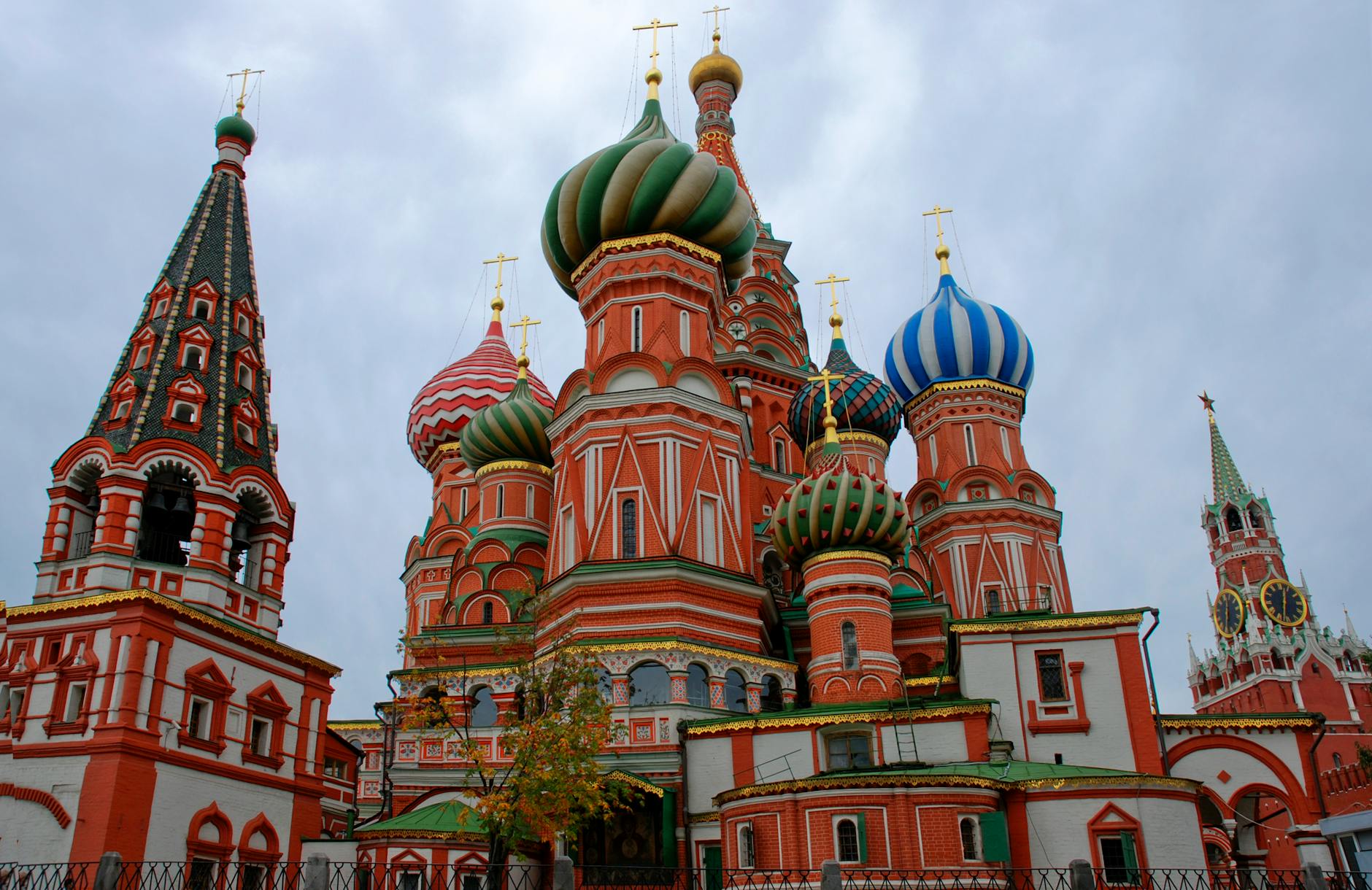
Sosiți în zori pentru a prinde lumina moale pe cupole și pentru a fotografia Catedrala Sfântului Vasile cu mulțimi minime. Fiți atenți la tonurile schimbătoare, deoarece monumentele dezvăluie frumusețe într-o lumină proaspăt actualizată, care s-a dezvoltat de-a lungul secolelor.
În timpul verii, zilele lungi extind ferestrele de oportunitate; după-amiaza târziu dezvăluie tonuri mai calde pe zidărie, inclusiv biserica iconică și clopotele sale unice. Oamenii se vor aduna, adăugând o scară umană care îmbunătățește fiecare compoziție.
Iazurile din apropiere din Grădina Alexandru reflectă culoarea din turnuri, ajutându-vă să creați o compoziție senină cu o notă personală.
Daunele din timpul războiului au modelat orizontul; după bătălii, monumentele au fost reconstruite printr-un efort coordonat de către departamentul de cultură, Yuri contribuind la iluminat și zidărie. Arhivele universitare adaugă context acestor valuri de reconstrucție.
Uită-te la locurile unde spațiul se deschide între structuri; labirintul de căi invită la o vedere unică, personală asupra secolelor de măiestrie. Turnurile clopotniță se ridică deasupra unei biserici și a altor monumente - respectați spațiile și fiți atenți la echipa media care găzduiește sesiuni foto.
Cele mai bune zile includ diminețile de marți, când mulțimile se diminuează; evitați weekendurile dacă căutați simetrie liniștită. Unele momente liniștite apar după ploaie, când trotuarele arată ca sticla și culorile ies în evidență pe fațadele bine conservate.
| Fereastră | Sfat foto | Note |
|---|
| Zori (aproximativ 05:30-07:00) | Utilizați un obiectiv cu unghi larg (16-24 mm) pentru silueta completă; un trepied ajută la capturarea umbrelor subtile pe cupole | Ambianță liniștită, verticale puternice, bună pentru monumente și detalii de clopot |
| Ora de aur (după-amiaza târziu) | Tonuri calde pe cărămidă; reflexii în iazurile din apropiere; compuneți cu ambele turnuri și clopotele bisericii | Culoare vibrantă; urmăriți mulțimile care se adună spre apus |
| Miezul zilei | Umbră sub arcade; căutați scara umană și siluetele; echilibrați cerul luminos cu prim-planul mai întunecat | Contrast mai mare; viteze de declanșare mai rapide recomandate |
| Ora albastră (după apus) | Tonuri subtile, luminile orașului strălucesc; încadrați turlele cu lămpi stradale | Dramă grozavă; mențineți ISO scăzut pentru a păstra detaliile |
Complexul Kremlin și Armurăria: trucuri de ticketing și artefacte de neratat
Cumpărați bilete online oficiale cu 2-3 săptămâni înainte și selectați orele de dimineață pentru a învinge cozile la complexul Armurăriei.
Utilizați site-ul sau aplicația oficială a Kremlinului, confirmați intervalul Armurăriei și săriți peste revânzătorii terți. Aduceți pașaportul sau cartea de identitate națională; fereastra de intrare cu ore precise; intervalele de dimineață sunt de obicei mai puțin aglomerate. Tonurile verde-busuioc apar în unele lucrări de email.
Luați în considerare un traseu ghidat care include fațada Palatului și Armurăria; biletele combinate cu alte muzee ale Kremlinului pot reduce banii totali cheltuiți și pot accelera intrarea; alegeți opțiunea cu ore fixe de grup, astfel încât să se evite întârzierile.
Colecția este cunoscută la nivel internațional ca fiind semnificativă; punctele culminante includ coroane, globuri, sceptre, robe ceremoniale; arme și armuri care acoperă începutul secolului al XVI-lea până în perioada secolului al XX-lea; lucrări ale unor sculptori celebri în aur și email; însemnele secolului al XX-lea ilustrează ritualuri de stat mai noi; unele piese dezvăluie echipamente de luptă sângeroase din secolele anterioare; piese cunoscute atrag turiști din întreaga lume.
Accesul pe stradă este public, cu taxiuri care așteaptă în afara complexului; economii de bani: utilizați biletul grupat, verificați orele afișate lângă stradă; odată intrat, incinta palatului oferă o vedere asupra orașului; ghizi din țări străine se alătură turiștilor; mulți reprezentanți ai companiilor de turism au adus grupuri, cumpărând bilete împreună, ceea ce accelerează intrarea la Armurărie; dacă stați lângă palat, cel mai bun punct de plecare este piața principală spre Armurărie.
Motivele inspirate de Neva există, dar acesta este doar un unghi printre tendințele de pretutindeni în complex; de la epoca palatului până la piesele ulterioare din secolul al XX-lea, ideea rămâne să observăm modul în care armele, însemnele și obiectele ceremoniale reflectă schimbul geografic, cu influențe străine care sosesc din multe țări.
Galeria Tretiakov vs. Muzeul Pușkin: ce colecție se potrivește itinerariului dvs.
Oricare abordare dă roade; alegeți Galeria Tretiakov atunci când zilele sunt limitate și doriți un arc focalizat al picturii rusești sau Muzeul Pușkin atunci când tânjiți după un dialog larg, transcontinental cu maeștrii europeni.
Tretiakov păstrează o moșie de stat a artei rusești, care acoperă secole de la pictura de icoane până la realismul de la sfârșitul secolului al XIX-lea. Intrarea Lavrușinski vă plasează într-un traseu compact, coerent, care menține dezvoltarea și eroismul în vedere pe măsură ce vă plimbați prin expoziție; căutați modul în care colecția curge în interiorul clădirilor principale, oarecum mai dramatic în camerele târzii, și observați modul în care evoluează forma fiecărei compoziții, în timp ce focul stilului național se aprinde din nou cu fiecare pas.
Muzeul Pușkin oferă o pistă paralelă cu capodopere europene alături de sculptură, etnografie și genuri din afara Rusiei; spațiile expoziționale folosesc vitrine și o lumină albastră reținută, care vă ajută să vă concentrați asupra formei. Pânzele bolșoi ale maeștrilor europeni domină sălile principale, în timp ce alte camere prezintă istoria artei evreiești și obiecte de antropologie, toate păstrate într-o stare calmă, civică de expunere. În unele camere puteți observa mulaje din sculptura clasică, întărind un dialog de-a lungul secolelor.
Ritm practic: aproape două zile vă permit să digerați ambele contexte, cu excepția cazului în care domină un singur accent. Lumina zilei de iarnă face ca sticla albastră să strălucească diferit; cerul Neva din exterior colorează camerele cu o nuanță rece, așa că începeți devreme la Lavrușinski, apoi treceți la complexul Volhonka al lui Pușkin și odihniți-vă în curți mici între expoziții. Personalul ține troleibuzele departe de operele de artă, asigurându-vă că puteți privi fără întrerupere.
Alegerea dvs. depinde de preferințe: fie moștenirea rusă profundă, fie o conversație continentală largă. Tretiakov strălucește atunci când frumusețea și dezvoltarea din interiorul unei moșii naționale atrag cel mai mult, în timp ce Pușkin extinde cadrul cu un amestec de pictură, sculptură și material etnografic european. În interiorul acestor săli, zăriți secole de măiestrie, priviți din nou modul în care mulajele și sticla susțin afișajul și observați modul în care temele de antropologie și evreiești adaugă nuanțe itinerariului dvs. Ele recompensează privitorii răbdători.
Muzeul Cosmonauticii: exponate de top și planificarea traseului
Începeți la holul de intrare cu fața de sticlă și îndreptați-vă direct spre expoziția Yuri, ancora care încadrează un circuit strâns prin istoria zborului spațial deasupra Pământului.
Aceste afișaje vă arată că învățați rapid, cu semnalizare care evidențiază reperele, designerii și pașii care au transformat ambiția virgină în misiuni moderne, iar puțină răbdare dezvăluie detalii subtile care au fost ratate la prima vedere.
- Costumul de zbor, casca și fotografiile de antrenament ale lui Yuri Gagarin - ancora cheie a colecției, prezentate cu o cronologie clară și subtitrări care plasează primul zbor orbital deasupra Pământului în cadrul decretului care a stimulat epoca.
- Replica capsulei Vostok 1 - compactă, cu fața de sticlă și însoțită de panouri care explică impulsul de lansare, unghiul de ascensiune și pașii mici, dar decisivi, care ar duce la echipajele ulterioare.
- Roverul lunar Lunokhod 1 - un caz rar de brațe robotice și sisteme de roți; panouri interactive descriu modul în care vehiculul a traversat terenul natural al Lunii și provocările operațiunii de la distanță.
- Modulul de andocare Soyuz și macheta de transfer al echipajului - observați mecanica de andocare, ciclurile de susținere a vieții și modul în care echipajele s-au antrenat pentru a se deplasa între nave în paralel în perioada sovietică târzie.
- Modulul stației spațiale Mir și o expoziție din epoca Salyut - studiați arhitectura modulară, susținerea vieții pe termen lung și evoluția eficienței echipajului, cu instrumente autentice și câteva articole din proiecte cu sediul în Sankt Petersburg și altele.
- Naveta spațială Buran și artefacte de inginerie conexe - comparați principiile de zbor cu cele ale orbitelor timpurii, inspectați plăcile și vedeți cum a fost proiectată protecția termică pentru a rezista la foc și temperaturi extreme.
- Tezaur de artefacte - un mic tezaur de modele, componente și diorame care ilustrează sensibilitățile de design din secolul al XVIII-lea pe care arhitecții de-a lungul secolelor le-au tradus în soluții moderne și altele.
- Colțuri de învățare și lista zonelor interactive - aceste spații invită la implicare practică; o stație de glisare a cardului vă urmărește progresul și vă ajută să planificați următorii pași împreună cu însoțitorii.
Strategia de traseu: începeți cu momentul Yuri, apoi treceți prin fiecare expoziție în ordine, aproximativ 15-20 de minute per afișaj și rezervați 20-25 de minute pentru tezaur și colțurile interactive. Pentru a maximiza eficiența, mențineți întregul circuit compact urmând aspectul frontal și evitând întoarcerea; acordați timp suplimentar dacă doriți să absorbiți contextul arhitectural și alegerile de design pe care arhitecții le-au extras din bisericile din incintele orașului pentru a modela lumina zilei și ritmul.
Sfaturi: cumpărați un singur card de intrare la birou, purtați pantofi confortabili și verificați semnalizarea privind politica referitoare la fotografie; acești pași practici vă ajută să rămâneți împreună cu grupul dvs. în timp ce învățați reperele cheie.
Comoara ascunsă: Piața Izmailovo și alte puncte de vedere neconvenționale pentru o perspectivă unică asupra Moscovei
Începeți cu un plan practic: sosiți devreme, în jurul orei 9:00, cu metroul la Partizanskaya și intrați pe aleile în aer liber ale Pieței Izmailovo. Sute de tarabe căptușesc culoarele din lemn, vânzând cutii de lac, matrioșka, bijuterii din email și postere vintage; mărfuri care așteaptă să fie descoperite, iar prețurile adesea mai ieftine decât chioșcurile centrale. Negocierea adaugă energie, cardurile sunt acceptate la câteva tarabe, numerar în bancnote mici recomandat.
Dincolo de tarabe, Moșia Izmailovo oferă o biserică albastră și o dumbravă unde umbra ierbii încununează un spațiu liniștit. Situl reflectă dezvoltarea care marchează evoluția culturală a Rusiei; monumentele din jurul moșiei arată un amestec de tradiții, în timp ce un punct de observație asemănător unei citadele oferă o vedere care deschide mintea deasupra acoperișurilor. Acest lucru, într-adevăr, oferă o perspectivă calmă, nouă.
Combinați acest lucru cu o discuție de la un ghid local Yuri sau de la câțiva vânzători veterani; ei încurajează schimbul social, împărtășind povești despre modul în care piețele reunesc meșteșuguri și istorii de familie. Așteptați-vă ca meșterii să ofere pălării cu tematică troica, mulaje de animale din lemn și suveniruri inspirate de moșie care reflectă cultura. Tarabele pentru copii care vând jucării moi creează un contrapunct blând la kerfuffle-ul de metal și sticlă al străzilor centrale. O companie locală organizează plimbări scurte care adaugă context, o întoarcere care leagă meșteșugul de cultură.
Aleile în aer liber din apropierea pieței se leagă de cafenele în stil occidental, unde puteți savura băuturi și puteți urmări trecătorii; mulți călători vin cu bani, memorie și minte echilibrate în raport cu ritmul. Această scenă în aer liber este impresionantă, un amestec de epoci care se simte autentic, dar plin de viață. Încurajat de ritm, adăugați o întoarcere spre șoseaua de centură Bolșoi sau o plimbare rapidă spre fațadele inspirate de Sankt Petersburg. Uită-te în sus, uită-te în jur și lasă vederea să te învețe cum Izmailovo aduce o perspectivă unică, împreună cu sentimentul că dezvoltarea ține orașul deasupra, adus la viață de cultura locală.