
Začnite rannou prechádzkou po nábreží Jeniseja v Krasnojarsku, potom sa odvezte električkou k rieke, aby ste zachytili fotografiu hôr na druhej strane vody a vyzdvihnite si niekoľko miestnych produktov pre praktický začiatok.
Sedem zastávok sa rozvíja s kontrastmi: Krasnojarsk, Irkutsk blízko jazera Bajkal, kde sa v lete objavujú tulene nerpa, Novosibirsk - najľudnatejšie mesto na trati, Omsk, Ulan-Ude, Tomsk a Vladivostok, pričom každé ponúka odlišný rytmus, počasie a potravinové cykly. Na preskúmanie oblasti Bajkalu a prechádzky po trhoch by sa malo vyhradiť veľa času; trasa vyvažuje cestovanie po súši s úsekmi po železnici.
Doprajte si kontrasty tajgy a stepi: ochutnajte údené ryby, bobule a miestne produkty z trhov; vychutnajte si čaj uvarený z divokých bylín; v Bajkalskej kotline môžete v lete spozorovať nerpu na ľade alebo brehu a sledovať krvavo-červený západ slnka nad vodou. Eurázijský kultúrny mix sa prejavuje v architektúre, hudbe a jedle, zatiaľ čo okolité stepi a hory rámujú horizont, rezervácie chránia biodiverzitu a ďalšie v regióne.
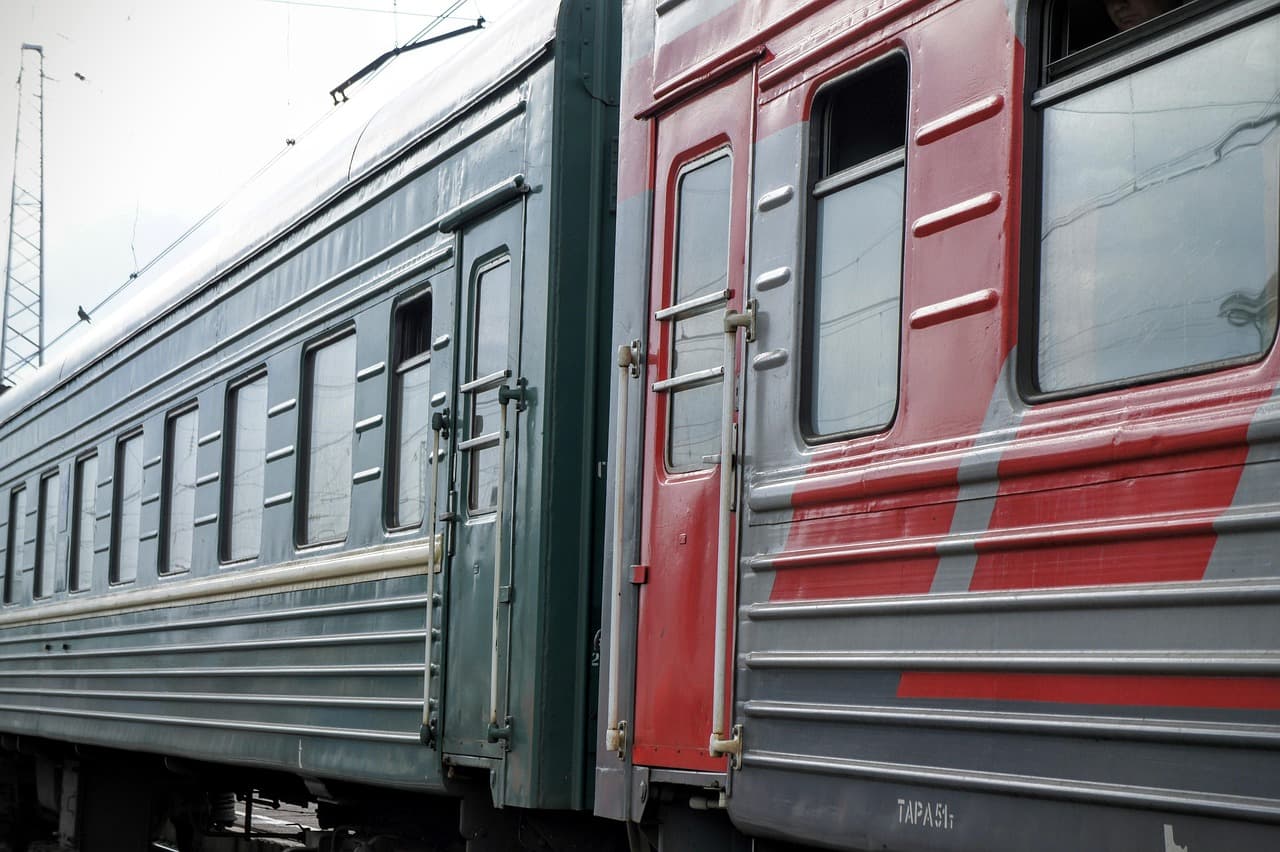
Naplánujte si každú etapu s praktickým tempom: lôžkové vozne na nočné úseky a naplánujte si scénické úseky okolo letného svetla. Pre vizuály čerpajte z fotografických zbierok licencovaných pod by-sa, aby ste ilustrovali svoje rozprávanie.
Keď sa vydáte na pobrežie Tichého oceánu a potom sa opäť vrátite do vnútrozemia, tento sedemdielny oblúk sa premení na spomienku, ktorá s vami zostane dlho po poslednej zastávke; veľká časť príbehu sa odohráva na koľajniciach, pod horami a pozdĺž brehov Jeniseja a Bajkalu, pričom vo vašich pľúcach udržiava sibírsky rytmus.
Praktický plán pre 7 zastávok na Transsibírskej trase
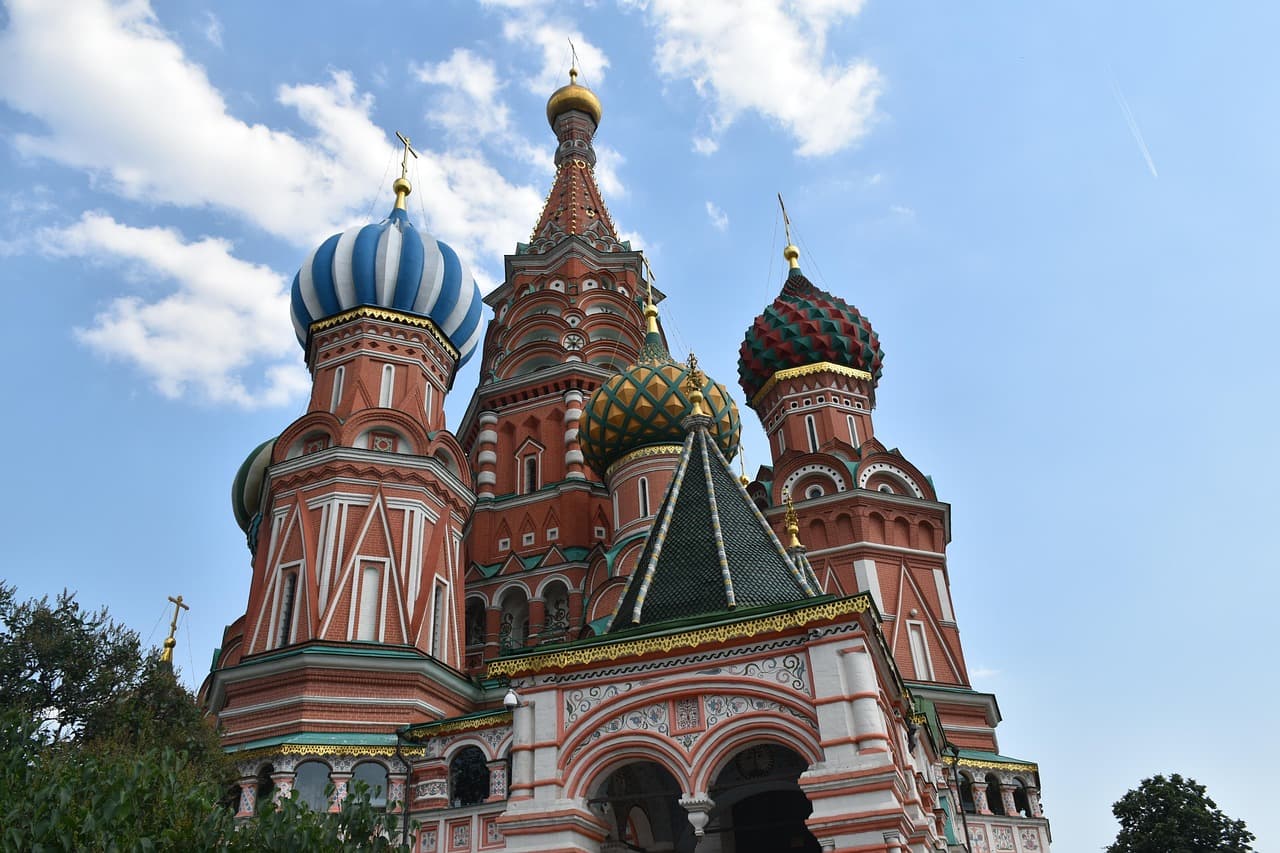
Začnite v Moskve; strávte 2 noci, aby ste si prezreli Červené námestie, Kremeľ a Gorkého park. Cárske dedičstvo je živé v cibuľovitých kupolách a palácoch, slávnych a magických pre priamych prieskumníkov. Čas tu vyvažuje intenzitu mesta s ľahkými prechádzkami v blízkosti námestia a po parkových chodníkoch, pretože si môžete prispôsobiť tempo. Mnohí prešli tento úsek a trhy v blízkosti námestia ponúkajú tovar a bazalku na rýchle zahryznutie predtým, ako sa vydáte ďalej po trans páse smerom ku Kazani. Mnohí cestovatelia cestovali po tejto trase pred vami.
Zastávka 2, Kazaň: vyhraďte si 2 noci na preskúmanie Kazaňského Kremľa, mešity Qol Sharif a ulice Bauman kvôli jedlu a nákupom. Námestie pri rieke je široké a mesto spája európske a ázijské vplyvy, t. j. eurázijskú kultúru. Vyskúšajte jedlá z riečnych rýb a prehliadnite si trhy s tovarom; cárske ozveny sa objavujú v niektorých múzeách, zatiaľ čo moderný život pulzuje ďalej. Mnohí turisti tu trávia čas a cestovateľských skupín bolo v okrajových sezónach menej. Poznamenávajú, že Kazaňské trhy sú vrcholom.
Zastávka 3, Jekaterinburg: zostaňte 1,5-2 noci, aby ste si prezreli Chrám na krvi, Uralskú panorámu a centrálne námestie. Využite rýchlu jazdu lanovkou na útes, aby ste získali široký výhľad na mesto a rieku Iset. Prejdite sa po pešej zóne, popíjajte čaj v kaviarni na nádvorí a skontrolujte, ako táto oblasť spája sovietske dedičstvo so súčasným umením. Ak chcete rýchlejšie tempo, chyťte vlak pokračujúci na východ na ďalšiu zastávku; mnohí turisti trávia čas v múzeách o histórii cárskej éry a ére obliehania. Poznamenávajú, že niektoré exponáty boli pre cestovateľov poučné.
Zastávka 4, Novosibirsk: vyhraďte si 2 noci na preskúmanie Veľkého divadla opery a baletu, Leninovo námestie a nábrežie rieky Ob. Parkové aleje hostia trhy, kde si môžete kúpiť tovar a vyskúšať čerstvé ryby z riečnych stánkov. Veľký dopravný uzol mesta uľahčuje jednodňové výlety do blízkych dedín a vedecká štvrť Akademgorodok ponúka pokojný oddych pre cestovateľov.
Zastávka 5, Krasnojarsk: zostaňte 2 noci, aby ste navštívili prírodnú rezerváciu Stolby, nábrežie Jeniseja a hlavné námestie. Mesto je známe dramatickými výhľadmi na rieku a širokými horizontmi; jazda lanovkou na skalný výbežok poskytuje panoramatické fotografie. Miestne kaviarne podávajú ryby a bylinky; vyzdvihnite si bazalku na trhu, aby ste dodali arómu jednoduchej večeri. Prechádzka pri západe slnka pozdĺž riečneho pásu v blízkosti parku je čarovná, keď počasie spolupracuje. V tieni stromov pri Jeniseji si môžete oddýchnuť.
Zastávka 6, Irkutsk: strávte 2-3 noci v blízkosti Bajkalu; jednodňové výlety do Listvyanky a k Šamanskej skale stoja za to. Späť v meste sa prejdite po historickej štvrti pri rieke, pozrite si Chrám Spasiteľa a oddýchnite si v kaviarni na námestí. Irkutsk je hlavne centrom pre eurázijskú a európsky ovplyvnenú architektúru s drevenými domami a trhmi, kde si môžete kúpiť remeselné výrobky a sušené ryby. Krátka prehánka môže osviežiť dlhý deň objavovania.
Zastávka 7, Charbin: vyhraďte si 2 noci na prechádzku po parku Zhaolin, Central Street a Katedrále sv. Sofie. Charbin zostáva slávny svojimi ulicami v európskom štýle a magickou aurou svojich zimných ľadových expozícií; v iných ročných obdobiach ponúkajú nábrežné promenády široký pás aktivít. Miestne trhy ponúkajú tovar a môžete ochutnať ryby a výdatné polievky. Mesto poskytuje výraznú eurázijskú príchuť, most medzi ruskou a čínskou kultúrou. Veľa času sa dá stráviť putovaním pozdĺž rieky a nasávaním multikultúrnej atmosféry; hovoria, že pokojný večer pri rieke je najlepším zakončením trasy.
Rozdelenie času: rozdeľte dni medzi Moskvu, Jekaterinburg, Omsk, Novosibirsk, Krasnojarsk, Irkutsk a Vladivostok
Vyhraďte si 4 dni v Moskve, 2-3 dni v Jekaterinburgu, 2 dni v Omsku, 3-4 dni v Novosibirsku, 2-3 dni v Krasnojarsku, 3 dni v Irkutsku a 2-3 dni vo Vladivostoku. V Moskve sa zamerajte na červenú tehlovú srdce mesta počas dňa a zlaté hodiny pozdĺž rieky, potom pridajte večerné baletné predstavenie a prechádzku so svetlami pozdĺž nábreží. Zahrňte miestnu zastávku na trhu v Charbine pre tovar a remeselné výrobky a okrem centrálnych pamiatok sa prevezte krátkou linkou metra pre panoramatické výhľady. Veľká časť mágie spočíva v kontrastoch medzi starobylými ulicami a modernou energiou, preto si rozvrhnite hodiny, aby ste sa vyhli únave a zachovali si flexibilitu pre spontánne objavy.
Jekaterinburg, 2-3 dni: prejdite sa po hranici, kde sa Európa stretáva s Áziou, cez pohorie Ural a súčasné ulice mesta. Medzi hlavné body patrí Chrám na krvi, Divadlo opery a baletu a prechádzka pozdĺž rieky Iset. Itinerár sa rozvinul s kultúrnou alianciou múzeí a galérií; v architektúre a dizajne nájdete značky storočnej dynastie. Večery prinášajú svetlá na nábreží; môžete počuť pouličných hudobníkov, ktorí zrazu vstúpia do melódie, a ochutnáte miestne jedlá s mongolskými vplyvmi, ktoré odrážajú regionálne obchodné cesty a bohatú cezhraničnú históriu.
Omsk, 2 dni: usaďte sa do údolia Irtyša s pokojným rytmom. Navštívte pevnosť, regionálne múzeá a niekoľko trhov, kde sa miestny tovar rozlieva zo stánkov. Finančné hodiny pomáhajú plánovať návštevy múzeí, potom si môžete oddýchnuť v parku pri vode alebo pozdĺž ihličnatých alejí. Atmosféra mesta spája európsku a ázijskú citlivosť a ponúka veľa na pozorovanie v kompaktnom itinerári.
Novosibirsk, 3-4 dni: najväčšie mesto na Sibíri si zaslúži viacdňové tempo. Vyhraďte si čas na Novosibirské divadlo opery a baletu, múzejný komplex okolo Leninovo námestia, ZOO a vedeckú štvrť Akademgorodok. S približne miliónom obyvateľov mesto pulzuje mestským životom a aktivitami vhodnými pre rodiny s deťmi. Orientácie a múzeá označujú modernú sibírsku metropolu, ktorá sa nachádza na križovatke histórie a výskumu a rozvíja rôznorodý súbor aktivít pre všetky vekové kategórie.
Krasnojarsk, 2-3 dni: použite rezerváciu Stolby na ukotvenie segmentu zameraného na tajgu, potom sa kĺzajte pozdĺž rieky Jenisej cez ihličnaté lesy. Ihličnany boli hojné v okolitej tajge, vrátane sibírskej brezy a druhov sibirica v regionálnych parkoch. Horské pozadie dodáva drámu denným túram a šancu vychutnať si čerstvý vzduch, zatiaľ čo mestské exponáty odhaľujú dušu riečneho mesta s výrazným kultúrnym rytmom a miestnou kulinárskou scénou, ktorá spája tradičné a súčasné chute.
Irkutsk, 3 dni: ubytujte sa v blízkosti jazera Bajkal pre oblúk zameraný na jazero, potom preskúmajte storočnú drevenú architektúru a múzeá v historickom centre. Nálada Tajgy pretrváva, s ihličnanmi pozdĺž pobrežia a nábrežnými prechádzkami, ktoré odhaľujú pokojné večery a pocit obrovského priestoru. Jednodňové výlety k jazeru ponúkajú jasnú oblohu a reflexívne momenty, zatiaľ čo mestské trhy a kultúrne miesta poskytujú ďalšie remeselné výrobky a predstavenia, ktoré prehlbujú zážitok.
Vladivostok, 2-3 dni: zakončite námorným oblúkom pozdĺž Tichého oceánu. Výhľady na prístav z zálivu Zlatý roh, zastávky v centre mesta a krátke výlety do blízkych prírodných rezervácií sú ideálne. Kozmopolitný okraj mesta spája ruské a ázijské vplyvy a v blízkych rezerváciách nájdete tigre amurské, ktoré lákajú návštevníkov, ktorí chcú širšiu regionálnu perspektívu. Prechodom cez Ďaleký východ, pobrežná scenéria, morské plody a večerné svetlá vytvárajú nezabudnuteľný záver trasy; nebude vám chýbať pocit obrovskosti, ktorý definuje túto poslednú etapu.
Logistika cestovania vlakom: typy vlakov, rezervačné okná a rezervácie sedadiel
Zarezervujte si rezervované miesta aspoň 60 dní vopred na väčšine hlavných trás; počas hlavnej sezóny posuňte na 90-120 dní, najmä pre linky cez sibírske regióny alebo v blízkosti hlavných mestských uzlov. Cestovné poriadky sú presné a často prísne; cestovné poriadky sa podobajú ihlám na kompase, ktoré obmedzujú možnosti na niekoľko hodín.
- Typy vlakov a ubytovanie
- Platzkartny: otvorený, zdieľaný vozeň s tromi cestujúcimi na kupé; nákladovo efektívne pre cestovateľov, ktorým nevadí spoločenské prostredie.
- Kupé: uzavreté, 2-lôžkové kupé s dverami; vyššie súkromie, vhodné pre rodinné skupiny alebo priateľov.
- SV a možnosti vyššej triedy: súkromné alebo polosúkromné kupé s 1-2 lôžkami; zvýšený komfort pre dlhšie úseky cesty.
- Rezervačné okná
- Všeobecný predaj sa otvára približne 60 dní pred odchodom; špičkové obdobia môžu vyžadovať plánovanie 90-120 dní vopred.
- Pre trasy cez rušné uzly alebo scénické úseky v blízkosti jazier a riek sa rezervácie rýchlo zaplnia; použite oficiálnu železničnú stránku alebo dôveryhodných agentov na zablokovanie sedadiel a vyhnete sa stresu na poslednú chvíľu.
- Rezervácie sedadiel a praktické tipy
- Rezervácie: zabezpečte si miesta vopred; pre rodiny si rezervujte blok lôžok v rovnakom vozni, ak je to možné.
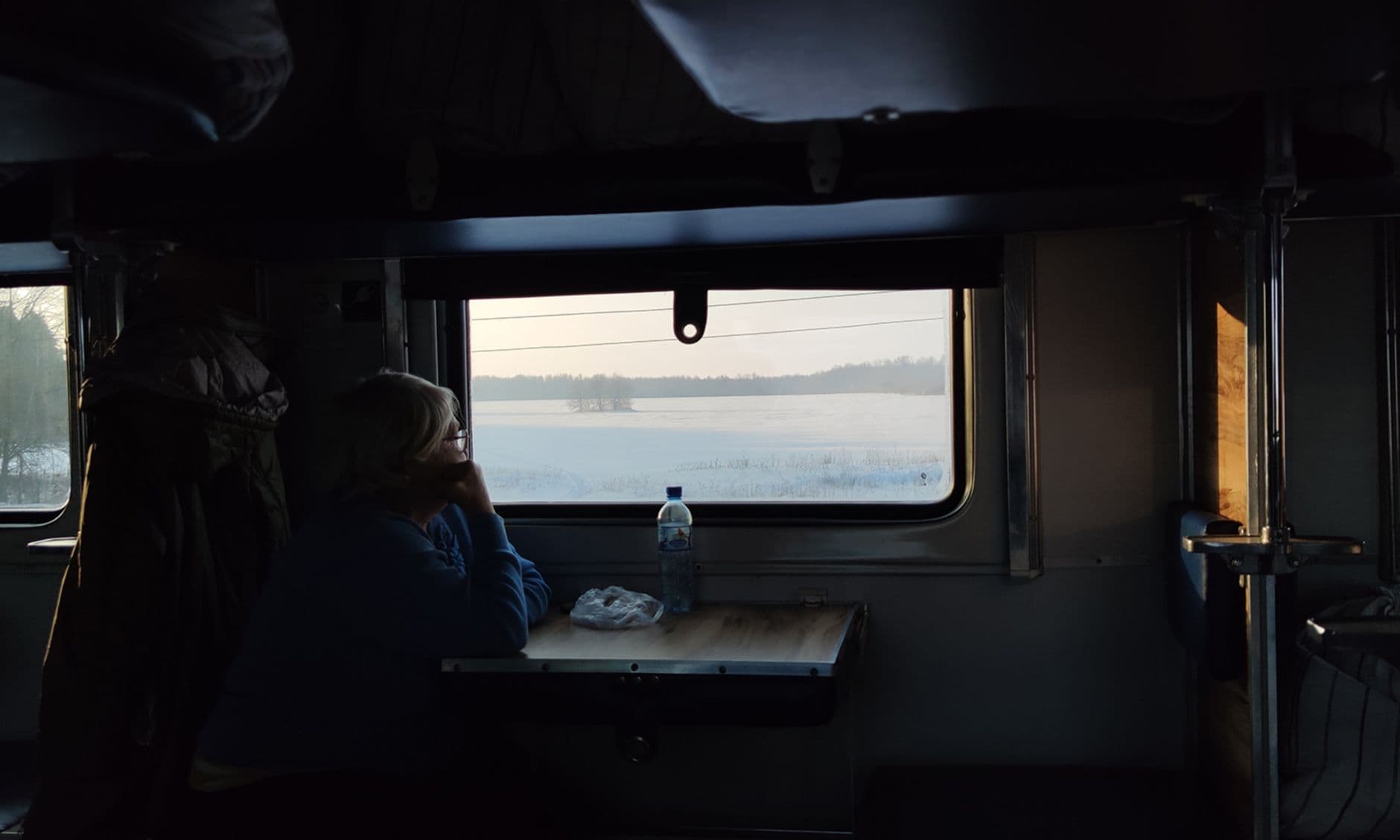
- Umiestnenie okien: uprednostňujte miesta pri okne, aby ste si mohli vychutnať prístupy k rieke, panorámy jazera a mestské svetlá za úsvitu alebo súmraku.
- Zastávky a jedlá: naplánujte si krátku zastávku na pretiahnutie; večera sa zvyčajne podáva v jedálenských vozňoch alebo vo vozni, preto sa zásobte na dlhšie úseky medzi malými mestami.
- Dokumenty: majte pripravené pasy pred kontrolami na mieste; hraničné a colné zastávky sa často vyskytujú v určitých bodoch pozdĺž trasy.
- Či už cestujete sami alebo s rodinou, výber vozňa s dverami (kupé alebo SV) môže znížiť davy a zlepšiť komfort.
Na trasách, ktoré sa rozprestierajú cez rozsiahle pláne a prechádzajú krajinou, sa cestovatelia stretávajú so zmesou mestských ulíc, električkových úsekov a tichých brehov riek; železničná sieť nesie storočia dedičstva od usporiadania zo sovietskej éry až po moderné vylepšenia, so známymi vlakmi a novými službami, ktoré spájajú umelecké štvrte, miesta pri jazere a trhové mestá. Pre plánovačov strategický prístup - zastávka po zastávke, s potvrdenými rezerváciami s dostatočným predstihom a starostlivá rovnováha medzi výhľadmi z okna a súkromím v kabíne - pomáha zabezpečiť plynulejšiu a bezpečnejšiu cestu cez rozsiahlu oblasť.