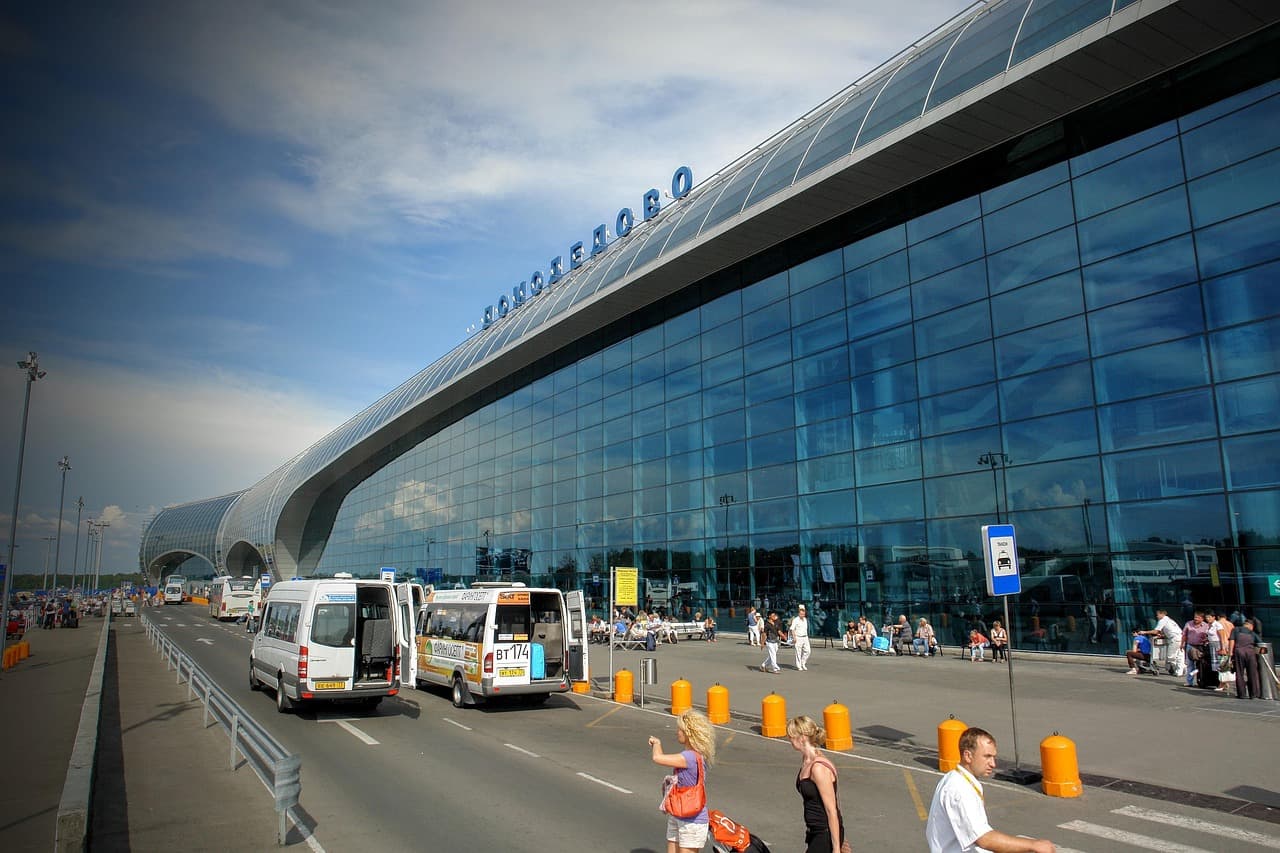

Medzinárodné letisko Šeremeťjevo (SVO) sa nachádza 29 kilometrov severozápadne od centra Moskvy a vybavuje medzinárodné lety cez Terminál B, pričom vnútroštátne lety sú sústredené v Termináloch C a D. Najrýchlejšie spojenie do mesta zabezpečuje vlak Aeroexpress na stanicu Belorusskij, ktorý trvá 35-45 minút. Pre hladký priebeh odbavenia, bezpečnostných kontrol a presunov medzi terminálmi počítajte 2 hodiny pri vnútroštátnych odletoch a 3 hodiny pri medzinárodných letoch.
Naplánujte si príchod s časovou rezervou: na vnútroštátne odlety počítajte s 2 hodinami; na medzinárodné odlety s 3 hodinami. Pomôže vám to bez zhonu prejsť cez servisné prepážky, automaty na odbavenie a bezpečnostnú kontrolu. Stačí dodržať tieto kroky pre hladší začiatok cesty pre cestujúcich.
SVO sa nachádza približne 29 kilometrov severozápadne od centra Moskvy, čo je praktická poloha, vďaka ktorej je letisko dostupné po hlavných cestách. Vzdialenosti do centra mesta sa premietajú do priemernej doby cestovania, s nárastmi počas dopravnej špičky a sezónnej premávky.
Na letisku SVO slúži civilnému letectvu viacero terminálov s jasným značením a vyhradenými radmi pre medzinárodné a domáce odletové brány. Informácie na palubnej vstupenke si vždy overte a v prípade akýchkoľvek zmien terminálu sa spoľahnite na informačné tabule. Pri legitímnom odbavení hľadajte oficiálne prepážky a počas špičky sa vyhýbajte neoficiálnym stánkom.
Pre rýchly prístup do mesta využite vlak Aeroexpress na bieloruskú stanicu; čas cesty je zvyčajne 35-40 minút. Okrem toho regionálne autobusy a taxíky spájajú všetky terminály; aplikácie na objednávanie jázd sú bežné, s jasnými taxametrami a transparentnými cenami. Ak cestujete autom, počítajte s dodatočným časom na parkovanie a vzdialenosťami k blokom terminálov. Pre cestujúcich stačí využiť oficiálne informačné pulty pri príletoch na overenie letových poriadkov; tu môžete získať informácie o aktualizáciách a čase ďalších odletov. Priestor palernaya v terminálovom komplexe ponúka tiché sedadlá a nabíjacie stanice, ak potrebujete rýchly oddych pred ďalším letom.
Na plánovanie budúcich ciest si prezrite oficiálne správy a marketingové materiály, ktoré ilustrujú služby terminálov a informácie o správe batožiny. Komplex SVO naďalej modernizuje samoobslužné automaty a odbavovacie kiosky, aby sa skrátili časy odletov, čo je výhra pre cestujúcich, ktorí hľadajú efektivitu. Tu nájdete praktické tipy, aktuálne vybavenie a spoľahlivú mapu lokality, aby ste sa s istotou orientovali v vzdialenostiach medzi terminálmi.
Praktický sprievodca pre cestujúcich na letiskách SVO, termináloch a doprave
Pred cestou si overte svoj terminál SVO a možnosti transferu. Beloruský Aeroexpress je najrýchlejšie rastúce spojenie z mesta na letisko, s vlakmi každých 20-30 minút a jazdou trvajúcou 35-45 minút; lístky si kúpte na prepážkach agentúry Belorussky alebo online. V špičke očakávajte zápchy v blízkosti železničnej haly; príďte 90 minút pred medzinárodnými letmi a pre aktuálne informácie využite oficiálny server stavu letov. Ponúka rýchly a predvídateľný transfer, najmä ak letíte ranným alebo večerným letom.
Každý terminál združuje funkcie: zóny odbavenia, bezpečnostné kontroly a odletové brány sú organizované podľa haly. Informačné tabule zobrazujú čísla letov a názvy leteckých spoločností vo viacerých jazykoch; ak máte tesný prestup, riaďte sa šípkami k prestupovým prepážkam. Najrušnejšia hala zvyčajne vybavuje medzinárodnú dopravu; ak poznáte čas svojho prestupu, využite prestupové prepážky s kratšími radmi a pozrite si mapy terminálov.
Na letisku SVO nájdete rôzne možnosti stravovania, od rýchleho občerstvenia po reštaurácie s obsluhou. Naplánujte si čas s ohľadom na čakacie doby: v rušných obdobiach sa tvoria rady pred food courtmi; ak máte chuť na zdieľané taniere, hľadajte väčšie stoly a prevádzky rodinného typu. Food courty tiež zverejňujú upozornenia na alergény a ponúkajú menu v angličtine.
K dispozícii je bezplatné Wi-Fi; pripojte sa cez prihlasovaciu stránku a prijmite súbory cookie na rýchlejšie prihlásenie. Letiskový server poskytuje informácie o odletoch a príletoch v reálnom čase; môžete si prispôsobiť upozornenia na vaše brány a čas prestupu. Sledujte informačné tabule pre brány a časy nástupu na palubu a dodržiavajte si primeraný časový odstup medzi prípojami.
Nakupovanie a služby zahŕňajú pošty a asistenciu pre cestujúcich: navštívte personálnu agentúru alebo informačný pult, kde získate pokyny, mapy alebo pomoc so špeciálnymi požiadavkami. Ak chcete poslať balík, kontaktujte kuriérsku agentúru nachádzajúcu sa v príletovej hale. Servisné pulty sa nachádzajú v blízkosti prestupových uzlov a pri každej budove terminálu pre rýchlu pomoc. Požiadajte o zoznam dostupných služieb na informačnom pulte.
Cestujete s príručnou batožinou? Majte nevyhnutnosti po ruke a využite dostupné vozíky na batožinu pri vchodoch. Ak cestujete na bicykli, využite vyhradené parkovisko pre bicykle pri hlavných vchodoch a dodržiavajte bezpečnostné pokyny. Keď si vytvoríte plán pobytu, môžete sa rýchlo presúvať medzi prestupnými bodmi a minimalizovať riziko zmeškaných letov.
Bieloruská stanica je spojená Aeroexpresom; zvážte taxík alebo služby prepravy osôb, ak preferujete službu od dverí k dverám. Nápisy v rušnej hale uvádzajú názvy terminálov a servisné pulty, ktoré pomôžu pri rýchlej navigácii. Pre cestujúcich, ktorí si radi rýchlo prečítajú, články v informačnom kútiku ponúkajú praktické tipy a mapy. Verejné umenie v termináloch zahŕňa dokonca verše od miestneho básnika, ktoré vám spríjemnia čakanie.
Ktoré terminály obsluhujú medzinárodné a vnútroštátne lety a ako medzi nimi prestúpiť
Medzinárodné lety premávajú z terminálu B; vnútroštátne lety sú sústredené v termináloch C a D. Rozdiel medzi medzinárodnými a vnútroštátnymi tokmi je zreteľný z označenia a rozloženia terminálu. Potvrďte svoj terminál na palubnom lístku, na webovej stránke leteckej spoločnosti alebo na informačnom serveri SVO a pozrite si letiskovú mapu na Googli, aby ste videli presnú linku a spojenia. Ak prichádzate vlakom z bieloruských alebo kurských staníc, vezmite aeroexpress do SVO, potom postupujte podľa pokynov k terminálu, v ktorom sa nachádza váš ďalší let. Cestujúci z Ukrajiny alebo iných regionálnych destinácií postupujú rovnakým spôsobom, s dvojjazyčnými značkami, ktoré vás navedú.
Presun medzi terminálmi: spoľahnite sa na jasne označené trasy na presun v rámci letiska. Ak potrebujete prejsť z terminálu B do C alebo D, riaďte sa chodbami na druhom podlaží alebo chodníkmi na prízemí k miestu prestupu. Hľadajte nápisy „Transfer" alebo „Lety s prestupom" a v prípade nejasností sa opýtajte na informačnej prepážke. Systém umožňuje rýchly presun a personál vás môže nasmerovať k východu, ktorý vedie do správneho terminálu.
Pokyny pre jednotlivé terminály: Ak váš medzinárodný let pristáva na termináli B a váš ďalší let odlieta z terminálu C alebo D, použite prestupové zariadenie na presun do vnútroštátneho terminálu na odbavenie. Vo väčšine prípadov zostanete v areáli letiska; nebudete musieť opustiť budovu na ulicu. Ak musíte absolvovať imigračnú kontrolu alebo znovu odbaviť batožinu, dokončite tento krok v prestupovom bode pred pokračovaním na ďalší let.
Praktické tipy: príďte včas, aby ste mali dostatok času na zmeny terminálov; majte pri sebe kartu alebo hotovosť na platby pri pokladniach alebo v obchodoch. Elektrické zásuvky a sedadlá sú k dispozícii v oboch termináloch; sedadlá si môžete rezervovať online, aby ste ušetrili čas. Prineste si príslušenstvo, ako sú nabíjačky alebo adaptéry; niektoré salóniky ponúkajú bezplatné videá, ktoré vám pomôžu relaxovať. Pre aktuálne informácie sa obráťte na informačný pult, mapy Google alebo server SVO. V prípade požiaru postupujte podľa značiek východu k najbližšiemu východu. Kam ďalej? Mapa terminálu vám ukáže cestu k východu, rozloženie zariadenia a miesto, kde si môžete vyzdvihnúť batožinu alebo ju znovu skontrolovať. Užite si cestu.
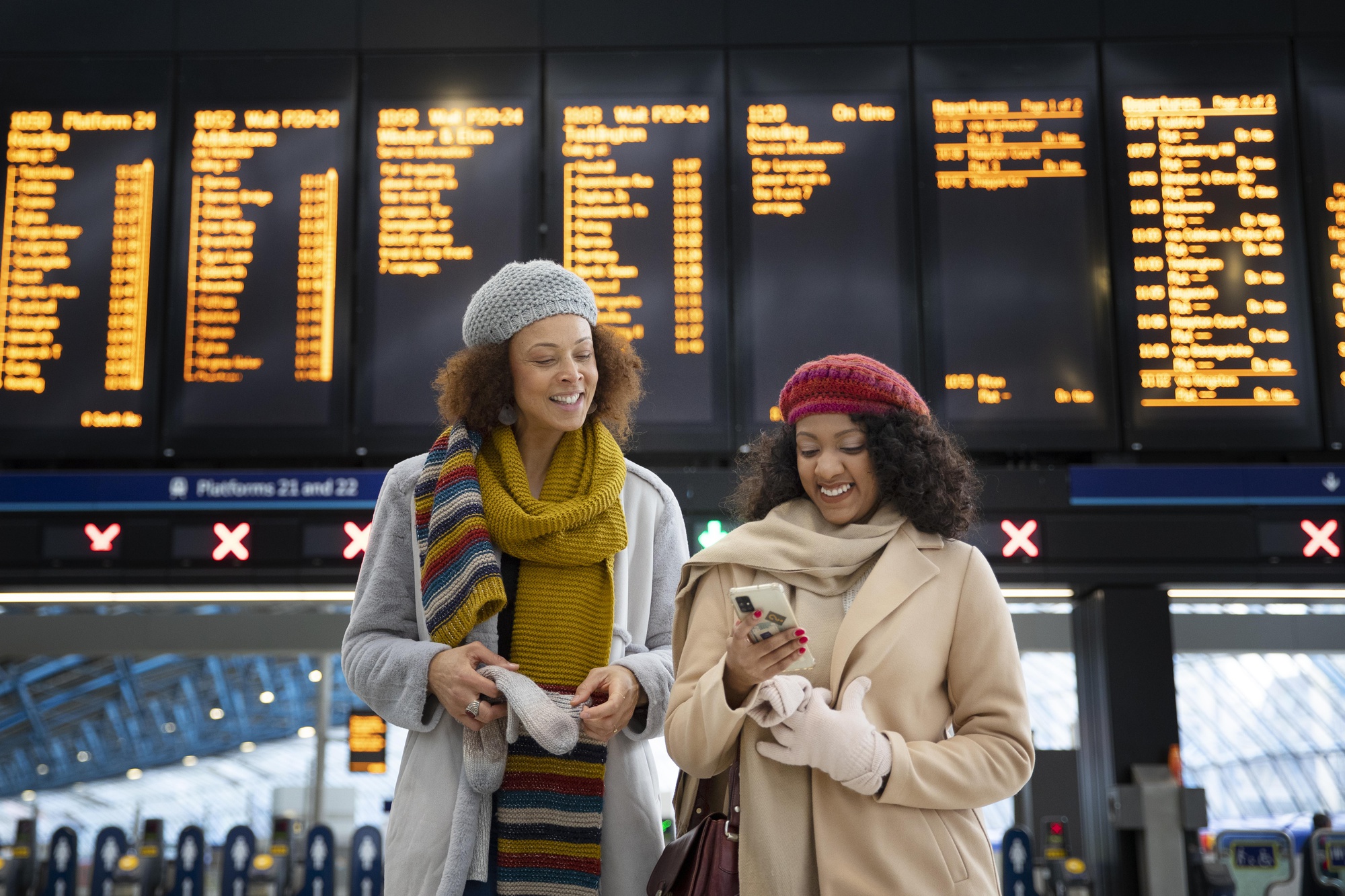
Ako čítať letiskové tabule SVO: kódy, časy, informácie o bráne a aktualizácie stavu
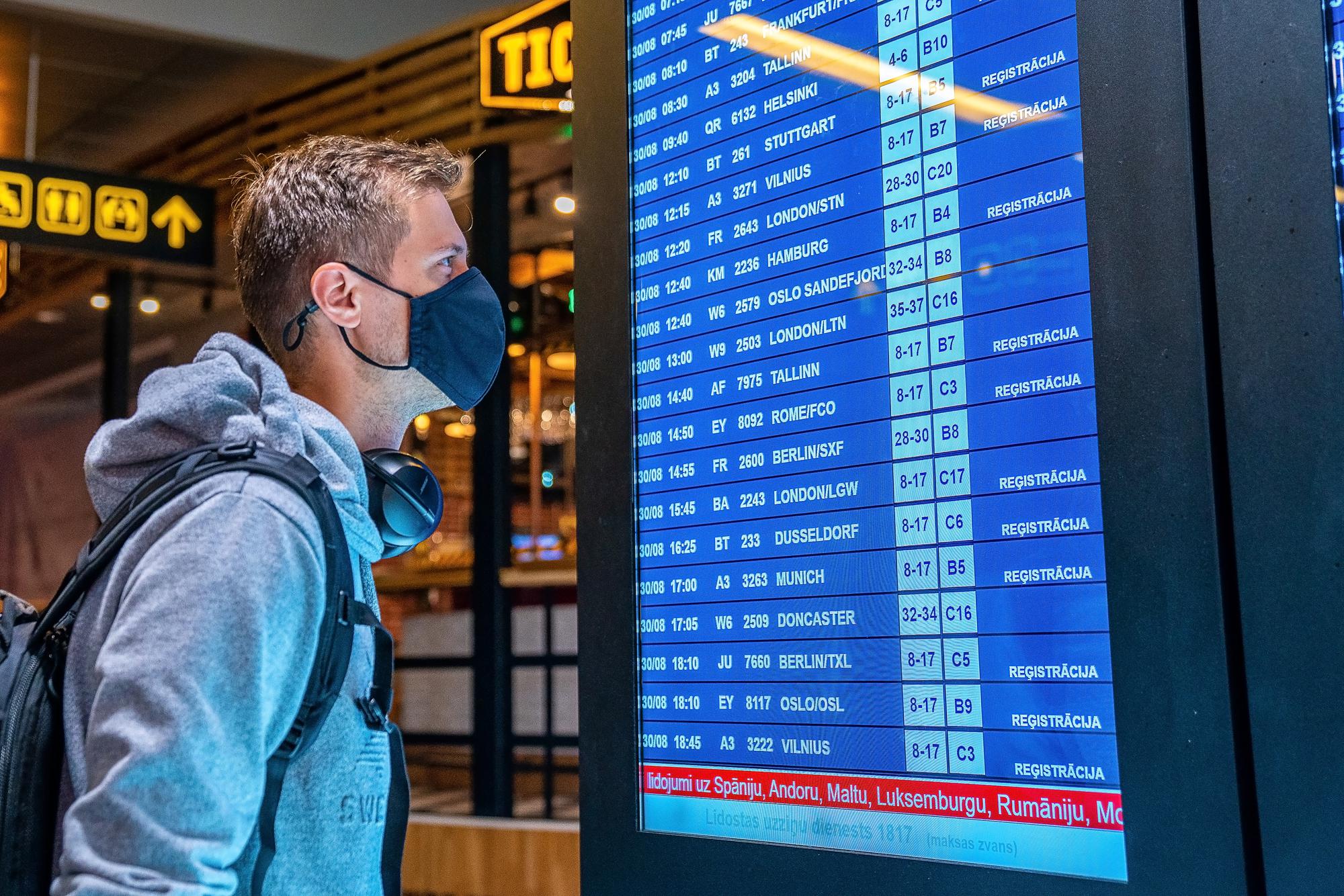
Skontrolujte odletovú tabuľu 30-45 minút pred vaším letom a porovnajte ju s oficiálnymi webovými stránkami alebo s časopisom SVO, aby ste mali prehľad o najnovších zmenách. V čase špičky sledujte značenie a pokyny Sheremetyevo, aby ste sa správne orientovali k vášmu gatu a nástupnej skupine.
KÓDY LETOV A ČÍSLA LETOV: Každý riadok zobrazuje dvojpísmenný kód leteckej spoločnosti, číslo letu a cieľovú destináciu. Napríklad lety spoločnosti Rossiya sa často zobrazujú s kódom SU a číslom (SU 1234). Tabuľa môže tiež uvádzať názov leteckej spoločnosti, najmä na väčších displejoch v strede terminálu.
ČASY: Pozrite si naplánovaný čas a aktuálny odhad. Všetky časy sú uvedené v miestnom moskovskom čase. Ak dôjde k meškaniu, tabuľa aktualizuje sledovanie každých pár minút a zobrazí sa nový predpokladaný odchod, aby ste si mohli prispôsobiť svoje plány. To vám pomôže prispôsobiť sa bez panického behania po centre.
GATES: Čísla brán sa zobrazujú napravo od každého radu letov. Ak brána ešte nie je pridelená, uvidíte „GATE TBD" alebo nápis oznamujúci zmenu. Keď je brána oznámená, stavový riadok a priľahlý nápis vás navedú k miestu, kde sa začína nastupovanie, čím sa zníži pohyb po termináli tam a späť.
STAVOVÉ OZNÁMENIA: Hľadajte štítky ako VČAS, ODCHOD, PRÍCHOD, NASTUP, MEŠKANIE a ZRUŠENÉ. Farby pomáhajú rýchlo skenovať - zelená pre včasné, oranžová pre nástup, červená pre meškania. Ak prestupujete, zdieľanie oznámení so spoločníkmi prostredníctvom vášho telefónu alebo rýchleho výtlačku môže udržať vašu cestu plynulú a predvídateľnú.
DODATOČNÉ TIPY: Využite viacero zdrojov - oficiálne webové stránky letiska, sociálne kanály a informačné tabule priamo na mieste - na získanie úplného obrazu. Tabule s umiestnením sa nachádzajú na viacerých miestach a spolu s odpočinkovými zónami vám pomôžu naplánovať si spánkové zóny, reštaurácie a ďalšie služby. Nárast počtu cestujúcich viedol k väčšiemu počtu tabúľ a rýchlejším aktualizáciám, a v priebehu mesiacov sa mriežka cestovného poriadku obnovuje počas štandardných okien údržby, takže každý vidí aktuálne informácie naprieč zónami letiska Šeremeťjevo.
BIKE, AUTOBUSY A EŠTE VIAC: Ak prídete na bicykli alebo plánujete prestup na autobusy či vlaky, riaďte sa dopravnými ukazovateľmi pri každej tabuli. Mapy zobrazujú miesta prestupových autobusov a zberných bodov, zatiaľ čo centrálny vestibul ponúka rýchly prehľad o reštauráciách a prestupových trasách. Doména aktualizácií v reálnom čase pokrýva tieto trasy, takže môžete sledovať svoje spojenie bez toho, aby ste čokoľvek zmeškali.
FINÁLNE POKYNY: Pre rýchle potvrdenie skombinujte informácie z tabule s rýchlou kontrolou dôveryhodných webových stránok a nápisu sponzora Saraogi, ak je k dispozícii. Tento postup vám pomôže včas stihnúť lietadlo, znížiť stres a udržať vašu cestovnú skupinu informovanú pri pohybe rušnými priestormi letiska.
Kde sa prihlásiť, nechať batožinu a rýchlo prejsť bezpečnostnou kontrolou
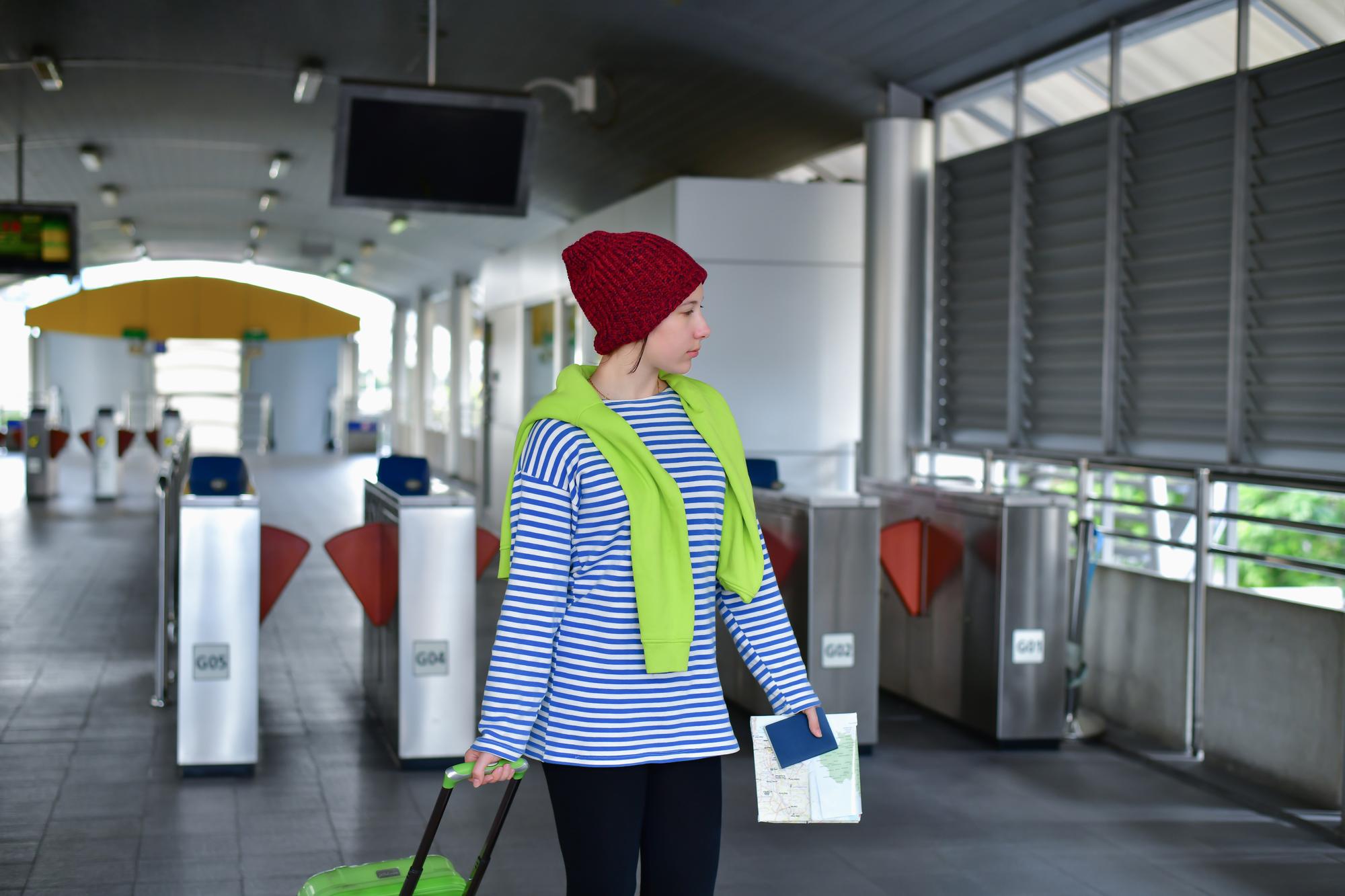
Prihláste sa online u vášho dopravcu najmenej 24 hodín pred odletom a použite odovzdanie batožiny na prízemí, aby ste ušetrili čas. Prineste si pas, palubný lístok a všetky potrebné víza; majte dokumenty pripravené na okamžité naskenovanie.
- Nájdite správnu odbavovaciu zónu na prízemí pri prepážke vašej leteckej spoločnosti; ak už máte mobilnú palubnú vstupenku, použite samoobslužné kiosky na tlač palubnej vstupenky a označenie batožiny.
- Pre batožiny choďte k prepážkam na odovzdanie batožiny označeným podľa sekcie terminálu; vybrané prepážky slúžia pre vnútroštátne aj medzinárodné lety, rôzni prepravcovia môžu mať oddelené pruhy; označenia vás navedú k správnej stanici a pomôžu udržať plynulý pohyb v rade.
- Majte na pamäti potreby napájania: na dobíjanie zariadení počas čakania využite nabíjacie stanice v blízkosti pracovných stolov.
- Poznajte blízke salóniky: ak máte prístup do salónika, zvážte, že si najprv odložíte batožinu a potom sa vyberiete na bezpečnostnú kontrolu; salóniky slúžia ako pokojné miesto v lete alebo v ktoromkoľvek ročnom období.
- Rodina s bábätkom: využite rodinné priehradky alebo vyhradené pruhy v blízkosti; batožinu pre bábätko si prineste cez kontrolu a kočíky si zjednodušte.
Tipy na rýchly bezpečnostný priechod: ak sú k dispozícii, využite vybrané rýchle pruhy, dodržiavajte uvedené časy a pripravte sa na skenovanie odstránením opaskov, hodiniek a veľkej elektroniky; majte pripravené palubný lístok a pas a priložte ich k čítačke, keď budete požiadaní.
- Tekutiny umiestnite do priehľadnej tašky a elektroniku do samostatných nádob; to zvyšuje efektivitu a skracuje čakacie doby.
- Majte svoje osobné veci usporiadané a vyhýbajte sa tlačenici; zamestnanci na pozemnej stanici vás nasmerujú do správneho pruhu.
- Ak nehovoríte po rusky, spoľahnite sa na anglické nápisy a zamestnancov; jasné pokyny urýchlia proces a minimalizujú zmätok.
- Bežné davy vrcholnia ráno a skoro popoludní; naplánujte si extra čas alebo využite značky radov, ktoré označujú najkratší rad.
Po bezpečnostnej kontrole a pozemnej podpore: keď prejdete bezpečnostnou kontrolou, skontrolujte si palubný lístok na obrazovke a potom choďte k najbližším bránam alebo do salónikov; v termináli si môžete pozrieť videá, ktoré vysvetľujú smery a služby.
Poznámky: SVO ponúka priestor pozemnej stanice s nabíjacími zásuvkami a blízkymi miestnymi službami; majte pri sebe powerbanku a dôležité veci majte na dosah ruky; takto dosiahnete plynulý priebeh a udržíte rad v pohybe.
tip pre básnikov: tichá chvíľa v radoch môže pôsobiť ako krátka báseň o rytme a efektivite, vedená usmerňujúcim personálom a obsluhujúcimi agentmi, ktorí udržiavajú plynulý chod.