


Sidney'den Çin vizesi başvurusu yapmak göz korkutucu bir süreç gibi görünebilir, ancak doğru rehberlik ve hazırlıkla çok daha yönetilebilir bir hâle gelir. Bu kapsamlı adım adım rehber, başvurunuzu sorunsuz ve verimli bir şekilde sunmanız için gerekli adımları anlamanıza yardımcı olacaktır. Gereken toplam belge sayısı, başvurduğunuz vize türüne ve konaklamanızın amacına göre değişebilir. Bu nedenle, Çin makamları tarafından belirtilen özel gereksinimlere uygun şekilde dikkat göstermek önemlidir.
Başvuru sürecine başlamak için tüm zorunlu belgeleri toplamanız gerekir. Bunlar genellikle pasaportunuz, seyahat planınız ve varsa imzalı davet mektuplarını içerir. Güncel göçmenlik düzenlemelerini gözden geçirdiğinizden emin olun; bunlar son politika değişikliklerine veya kişisel durumunuza bağlı olarak farklılık gösterebilir. Tamamlanmış başvuru formunuzun bir ekran görüntüsü, Canberra'daki Chinese Visa Application Service Center'daki randevunuzdan önce her şeyin düzenli olduğundan emin olmak için sıkça istenir.
Başvuru yaparken, hazırlığın anahtar olduğunu unutmayın. Gümrük sürecini yönetirken saygılı ve anlayışlı olmak, başvuru sahibi olarak size olumlu yansıyacaktır. Ana gereksinimleri anlayıp belgelerinizi düzenli tutmanız, süreci sadece hızlandırmakla kalmaz, aynı zamanda Çin norm ve düzenlemelerine uyma konusundaki kararlılığınızı da gösterir. Belgeleriniz için olası randevu zamanlarını ve gönderim seçeneklerini içeren bir plan yapmanız gerekir. Sonuç olarak, vizenizi başarıyla alabilmek, tüm prosedür hakkında önceden organize olmayı ve bilgi sahibi olmayı gerektirir.
Çin Vize Türlerini Anlamak

Çin vizelerinin çeşitli türlerini anlamak, Sidney'den ya da başka bir yerden Çin'e seyahat planlayan başvuru sahipleri için çok önemlidir. Her vize türü belirli bir amaca hizmet eder ve kendine özgü gereksinimler ile işlem adımları içerir. İşte yaygın vize türlerinin bir özeti:
- Turist Vizesi (L Vizesi): Bu vize, turizm ve eğlence aktivitelerine izin verir. Otel rezervasyonu ve dönüş bileti olması önemlidir.
- İş Vizesi (M Vizesi): Çin'de ticari faaliyet yürütmek veya ticaret yapmak isteyenler için tasarlanmıştır. Genellikle bir Çin şirketinden resmi bir davet mektubu gereklidir.
- Çalışma Vizesi (Z Vizesi) : Çin'de çalışmayı amaçlayan yabancı profesyoneller için gereklidir. Başvuranların, başvuru için işverenlerinin doğru belgeleri sağladığından emin olmaları gerekir.
- Öğrenci Vizesi (X Vizesi): Bu vize kategorisi, Çin'de eğitim almayı amaçlayanlar içindir. Bir eğitim kurumuna kayıt olmak zorunludur.
- Transit Vizesi (G Visa): Çin üzerinden üçüncü bir ülkeye geçiş yapıyorsanız, bu vize kısa süreli konaklamalara izin verir. İlerideki seyahatinizi rezerve ettiğinizden emin olun.
Türleri anlamanın yanı sıra, belirli amacınız için doğru vizeyi almak ve başvuru sürecini titizlikle takip etmek çok önemlidir. Başvurunuzu düzenli tutmak için işte bazı faydalı adımlar:
- İhtiyacınıza en uygun vize türünü, Visahq gibi güvenilir web sitelerini ziyaret ederek araştırın.
- Tamamlanmış bir başvuru formu, vesikalık fotoğraflar ve destekleyici mektuplar dahil olmak üzere tüm gerekli belgeleri toplayın.
- Metni paylaşmadığınız için çevirebilmem mümkün değil. Lütfen çevirmemi istediğiniz metni gönderin.
- Başvurunuzu, elçilikler ya da Brisbane'deki gibi belirlenmiş vize merkezleri de dahil olmak üzere uygun yere teslim edin.
- Gerekli ücretleri ödeyin ve onayı bekleyin; bazı başvuru sahipleri diğerlerine göre daha uzun bekleme süresi yaşayabilir.
Başarılı bir başvuru şansını artırmak için, vize başvurularıyla ilgili görgü kurallarını aklınızda bulundurun. Belgelerinizi özenle imzalayın ve sorulacak sorulara dürüstçe yanıt vermeye hazırlanın. İyi bir hazırlık, sorunsuz bir sürecin yolunu açacaktır.
Son olarak, belirli vizelerin yenilenmesi gerektiğini unutmayın. Uzun süreli konaklamalar veya çalışma için, vizenizin süresi dolmadan önce gerekli işlemleri yaparak Çin'deki konaklamanızla ilgili sorunların ortaya çıkmasını engelleyin.
İster iş, ister eğlence, ister eğitim amaçlı seyahat ediyor olun, Çin vizelerinin inceliklerini anlamak seyahatinizi çok daha yönetilebilir kılar ve bu dinamik ülkede muhteşem deneyimler yaşamanızı sağlar.
Çin vizelerinin farklı türleri nelerdir?
Çin'e seyahat etmeyi düşünürken, mevcut olan çeşitli Çin vize türlerini, her biri belirli amaçlar için tasarlanmış, anlamak çok önemlidir. İşte karşılaşabileceğiniz başlıca vize türleri:
En yaygın vize, Turist Vizesi (L Vizesi) olup, Çin'e turizm veya aile ziyareti amaçlı seyahat etmenizi sağlar. Genellikle geçerli bir seyahat planı ve otel rezervasyon detaylarını sağlamanız gerekir. Bu vize için ücretler değişiklik gösterebilir ve en güncel bilgi için visahq ile kontrol etmeniz önerilir.
Çalışma Vizesi (Z Vizesi) veya Öğrenci Vizesi (X Vizesi) planlayanlar için bu vizeler gereklidir. Bu vizeler, işvereninizden veya bir üniversiteden davet mektubu gibi ek belgeler ister ve seyahatten önce başvurulmalıdır. İstihdam ya da eğitim amacınızı belirten tüm beyanların açık ve dürüst olmasına özen gösterin, aksi takdirde sorun yaşayabilirsiniz.
Ayrıca ticari faaliyetler, fuarlar ve konferanslar gibi etkinlikler kapsamında Çin'e giriş yapan bireylere yönelik Business Visas (M Visa) da mevcuttur. Bu vize, bir Çinli iş ortağından davet mektubu gerektirir.
Geçici ziyaretler, örneğin aile buluşmaları gibi durumlarda, Çin'de aile bağları bulunan kişilere Aile Ziyareti Vizeleri (Q Vizesi) verilir. Vatandaş veya kalıcı ikamet eden kişiyle olan ilişkinize bağlı olarak vizenin geçerlilik süresi ve gereklilikleri farklılık gösterebilir.
Ayrıca, Çin üzerinden başka bir destinasyona giderken geçiş yapıyorsanız Transit Vizesi (G Vizesi) geçerlidir. Bu, Çin havalimanlarında aktarma yapan yolcular için uygun bir seçenek olabilir; ancak genellikle gümrükten çıkmadan belirlenmiş alanlarda kalmanız gerekir.
Başvuru sürecinizde, başvuru formu, fotoğraflar ve gerekirse daha önce alınmış vizeler dahil olmak üzere tüm gerekli belgelere sahip olduğunuzdan emin olun. İşlem süreleri değişkenlik gösterebilir; bu yüzden başvurunuzu erken başlatmak ya da hatta hızlı hizmetleri tercih etmek, sorunsuz seyahat planları için yolu açar.
Eğer acil hizmetlere ihtiyacınız varsa, bir kurye hizmeti kullanabilir veya bölgenizdeki en yakın Çin Başkonsolosluğu'na, ister Sidney, Melbourne ya da Adelaide'de olsun, başvurabilirsiniz. Sorunlar ortaya çıkabileceği için hazırlıklarınızı titiz bir şekilde yapmanız çok önemlidir.
Her zaman pasaportunuzun, planladığınız konaklamadan en az altı ay daha uzun süre geçerli olduğundan emin olun; bu, tüm vize türleri için ortak bir gerekliliktir. Başvurunuzu hazırlarken ihtiyacınız olabilecek her şeyi toplamak faydalıdır; tüm mektupların ve belgelerin doğru doldurulduğundan ve seyahat planlarınızın iyi belgelenmiş olduğundan emin olun.
Sonuç olarak, çeşitli vize türlerini bilmek ve gerekli belgeleri önceden toplamak, olası engellerden kaçınmanıza yardımcı olacaktır. İster Büyük Çin Seddi'ni geziyor olun, ister iş toplantılarına katılıyor olun, doğru planlama, Çin'e sorunsuz bir yolculuk sağlamak için gereklidir.
Amacınıza Uygun Doğru Vize Tipi Nasıl Seçilir?
Çin'e Sidney'den vize başvurusu yaparken ilk adım, ülkede yapmayı planladığınız faaliyetlere göre ihtiyaç duyduğunuz vize türünü anlamaktır. Çin vize sistemi, turist, iş, öğrenci ve daha fazlası gibi farklı amaçlara hizmet eden çeşitli kategoriler sunar. Eğer görülmesi gereken yerleri gezmeyi planlayan bir yolcusanız, muhtemelen genellikle L vizesi olarak bilinen turist vizesi için başvuracaksınız.
Vize türleri, izin verilen giriş sayısına göre ayırt edilebilir. Tek giriş vizesi yalnızca bir ziyaret için geçerlidir, ancak uzun bir dönem içinde birden fazla giriş seçeneği de bulunur. Eğer konaklamanız ülkeye birden fazla kez girip çıkmayı gerektiriyorsa, birkaç gün, hafta ya da ay sürebilen çok girişli vize başvurmayı düşünün.
Başvurduğunuz vize türünün belirli gereklilikleri hakkında bilgi toplamak çok önemlidir. Yaygın gereklilikler arasında geçerli bir pasaport, doldurulmuş başvuru formu, güncel bir fotoğraf, seyahat planı ve bazen konaklama belgesi ya da Çin'deki belirlenmiş bir sponsordan davet mektubu bulunur. Dışişleri Bakanlığı tarafından belirlenen güncel sağlık düzenlemelerine bağlı olarak gerekli olabilecek tıbbi yönergeler ve aşı kayıtlarına dikkat edin.
Ayrıca, işlem süresinin farkında olun. Vizeler genellikle birkaç saat ila birkaç gün içinde işlenir; yoğun sezonlarda gecikmeler yaşanabilir, bu yüzden başvurunuzu önceden yapmanız tavsiye edilir. Seyahat planınızda değişiklikler öngörüyorsanız, planlamanızda esnekliği hesaba katın. Gidiş-dönüş bileti, vizeleriniz onaylandıktan sonra seyahat tarihleriniz değişirse özellikle avantajlı olabilir.
Özel toplantılara veya iş toplantılarına katılmayı planlayanlar için bu tür etkinliklere yönelik özel vizeler bulunmaktadır. Onay şansını artırmak ve ülkeye girişinizin reddedilme ihtimalinden kaçınmak için tüm uygunluk kriterlerini karşıladığınızdan emin olun.
Başvurunuzu tamamlamadan önce, hataları en aza indirmek için tüm detayları iki kez kontrol edin. Gerekli tüm belgeleri sağlayarak ve yönergelere sıkı sıkıya uyarak deneyiminizi artırabilirsiniz. Dikkatli bir hazırlıkla, Çin'e yolculuğunuz keyifli ve sorunsuz olabilir.
Turist ve İş Vizesi Arasındaki Farklar
Çin'e seyahat etmeyi planlayan yolcular, turist vizesi ile iş vizesi arasındaki farkları anlamalıdır, çünkü her biri farklı bir amaca hizmet eder. Turist vizesi genellikle eğlence ve dinlenme amaçlı seyahat eden bireyler için tasarlanırken, iş vizesi ticari faaliyetlerde bulunması gerekenler içindir. Bu ayrım, başvuru süreci, gereksinimler ve izin verilen aktiviteler açısından iki tip arasında önemli ölçüde farklılıklar bulunduğu için çok önemlidir.
Turist vizesi başvurusu yaparken, genellikle seyahat planının temel bir programını sunmak gerekir; bu, gidiş-dönüş planlarını, otel rezervasyonlarını ve uçuş rezervasyonlarını doğrulamalıdır. Bu vize belirli bir süre için geçerlidir ve seyahatçilerin Çin'i iş amaçlı faaliyetlerde bulunmadan keşfetmesine olanak tanır. Turist vizesiyle ilişkili maliyetler genellikle iş vizelerine kıyasla daha düşüktür; iş vizeleri başvuru sürecinin karmaşıklığı nedeniyle sık sık ek ücretler içerir.
Buna karşılık, iş vizesi başvurusu genellikle daha fazla belge sunmayı gerektirir; örneğin belirlenmiş bir Çin şirketinden davet mektubu, kartvizitler ve ilgili taraflarca imzalanmış mektuplar gibi. Çin Dışişleri Bakanlığı, başvuranın amacının iş planlarıyla uyumlu olduğundan emin olmak için bu başvuruları sık sık inceler.
Her vizenin neler içerdiğini bilmek, başarılı bir seyahat için esastır. Doğru vizeye sahip olmak, varışta gümrük sorunlarını önlemeye yardımcı olabilir. Bazı seyahat edenler aceleyle yanlış vize türüne başvurabilir ve bu da seyahat planlarında gecikmelere neden olabilir. Bu yüzden, seyahatinizi planlarken ihtiyaçlarınıza uygun vizeyi seçtiğinizden emin olmanız hayati önemdedir.
Genel olarak, bu farklılıkları anlamak vize başvuru sürecini hızlandıracak ve Çin'de seyahat ederken deneyiminizi iyileştirecektir. Turizm ya da iş amaçlı seyahat ediyor olsanız, gereklilikleri bilmek ve gerekli belgeleri önceden hazırlamak sorunsuz bir yolculuğun temel unsurlarıdır.
Gerekli Belgeleri Hazırlama
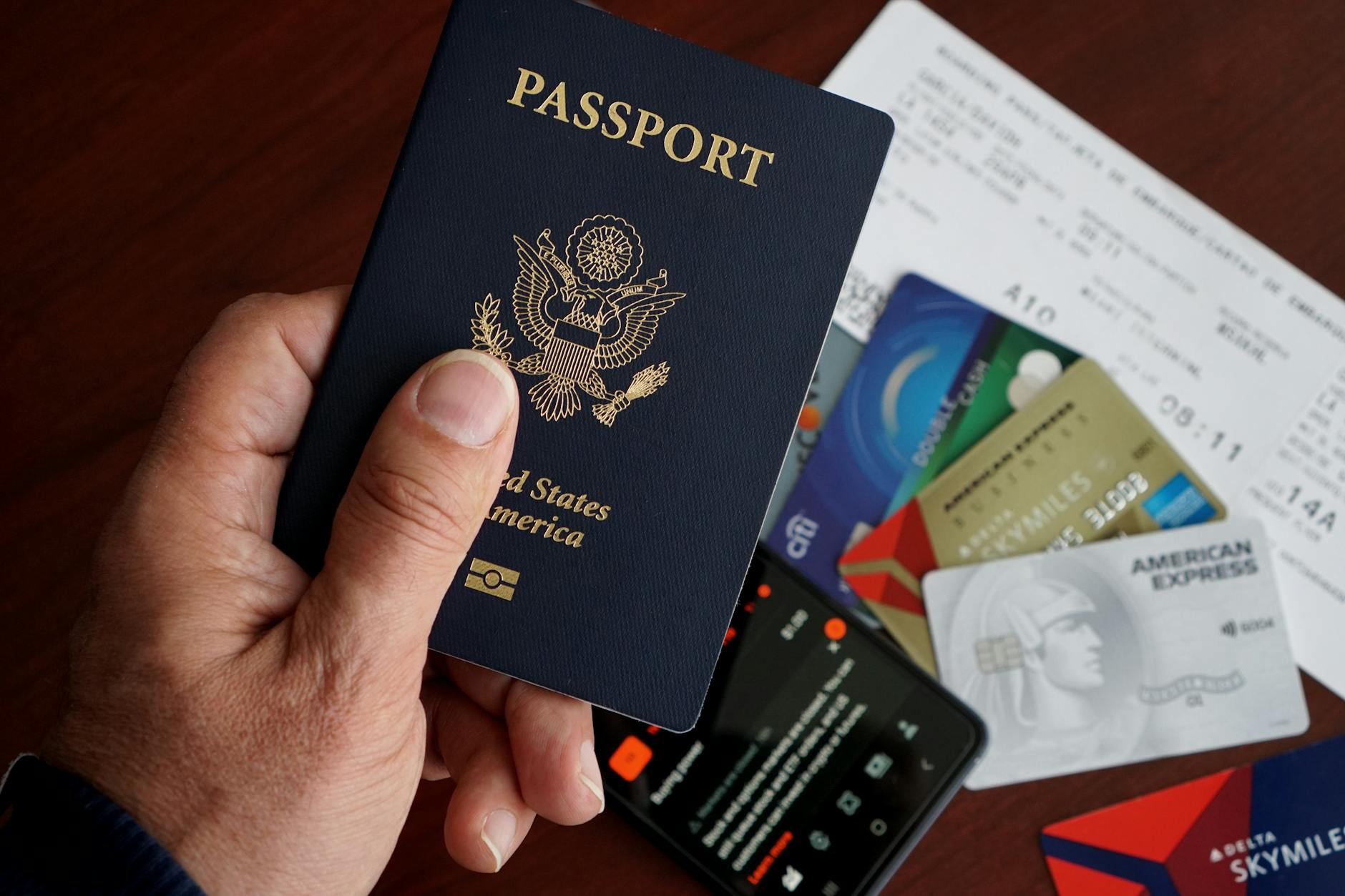
Sidney'den Çin'e vize başvurusu yaparken, gerekli belgeleri titizlikle hazırlamak çok önemlidir. Konsolosluk, başvurunuzu etkili bir şekilde işleme koymak için eksiksiz bir belge seti ister. Başlamak için pasaportunuzun, Çin'de planladığınız konaklamadan en az altı ay sonrasına kadar geçerli olduğundan ve vize damgası için en az iki boş sayfa içerdiğinden emin olun.
Metin sağlanmadığı için çevirecek bir içerik bulunmamaktadır. Lütfen çevirmemi istediğiniz metni paylaşın.
Pasaport boyutunda bir fotoğraf için genel gereksinimler şu şekildedir (ancak her ülkenin ve kurumun kendi belirlediği özel kurallar olabileceğinden, kesin bilgiler için ilgili konsolosluk ya da pasaport birimiyle iletişime geçmeniz önemlidir):
1. Arka Plan - Tek renk, açık tonlu (genellikle beyaz veya çok açık gri) bir arka plan kullanılmalıdır. - Arka planda gölgeler, desenler veya nesneler bulunmamalıdır.
2. Fotoğraf Boyutu ve Çözünürlük - Çoğu ülke için 35 mm × 45 mm (yaklaşık 2 × 2 inç) ölçülerinde olmalıdır. - Çözünürlük, 300 dpi (dots per inch) veya daha yüksek olmalıdır. - Fotoğrafın yüz kısmı (çenenin altından tepeye kadar) genellikle 32 mm - 36 mm arasında olmalıdır.
3. Poz ve Görünüm - Yüz tamamen görülebilir, doğrudan kameraya bakılmalı ve nötr bir ifadeyle (gülümsemeyin, ağız kapalı olmalı) çekilmelidir. - Gözler açık olmalı, gözlük takılıyorsa gözler net bir şekilde görülmelidir; parlak yansımalar olmamalıdır. - Kıvrımlı saç, kulakları ve çene çizgisini örtmemelidir. - Şapka, başlık, kulaklık gibi aksesuarlar genellikle yasaktır (dini nedenlerle izin verilebilenler hariç).
4. Renk ve Kalite - Fotoğraf renkli olmalı, siyah-beyaz veya sepya kabul edilmez. - Net, aşırı aydınlık ya da karanlık olmamalı; yüz detayları (cilt tonu, göz rengi vb.) belirgin olmalıdır. - Fotoğraf üzerinde kırpma, döndürme, renk düzeltmesi, filigran, logo ya da metin eklenmemelidir.
5. Kıyafet - Arka planla kontrast oluşturan (örneğin açık arka plan için koyu renk) sade bir üst giyilmeli; desenli, çok parlak ya da yansıtıcı kıyafetlerden kaçınılmalıdır. - Üniforma, askeri kıyafet gibi resmi dışındaki kıyafetler genellikle tercih edilmez.
6. Dosya Formatı ve Gönderim - Dijital başvurularda JPEG (en fazla 350 KB) ya da PNG formatı istenebilir.…
Başvuru formunuzu hatasız ve doğru bir şekilde doldurmalısınız. Öğrenci vizesi için, Çin'deki kurumdan gelen kabul mektubunu ve mali durumunuzu kanıtlayan belgeleri ekleyin. Bir grup olarak seyahat ediyorsanız, her üyenin kendi başvurusunu doldurup göndermesi gerekmektedir.
Başvuru formu ve fotoğrafın yanı sıra sağlıkla ilgili belgeler de önemlidir. Çin hükümeti tarafından talep edilen, özellikle acil durumlarda veya Hong Kong'a giderken gerekli olabilecek aşı kanıtlarınızı yanınızda bulundurduğunuzdan emin olun. Bazı durumlarda bir tıbbi muayene raporu da gerekli olabilir.
Brisbane'daki Çin Konsolosluğunda ya da Sydney'deki konsoloslukta bir randevu alın, böylece randevunuzun onaylandığından emin olabilirsiniz. Belgeleriniz hazır olduğunda, konsolosluğun belirttiği sıraya göre düzenlendiğinden emin olun. Sunulduğunda başvurunuz hızlı bir şekilde işleme alınacak ve gönderim sürelerini takip etmek, vizenizi ne zaman alabileceğinizi anlamak açısından çok önemlidir.
Herhangi bir iptal veya reddetme durumunda, gelecekte benzer durumların yaşanmaması için konsolosluğun sunduğu nedenleri anlamak tavsiye edilir. Konaklamanız sırasında ana kara Çin'in kültür ve zengin tarihini keşfetmek isterseniz, vize sürenizle uyumlu planlar yapın ve seyahatiniz boyunca tüm belgelerinizin geçerli kalmasını sağlayın.
Vize başvurunuz için hangi belgelere ihtiyacınız var?
Sydney'den Çin'e vize başvurusu yaparken, sorunsuz bir başvuru süreci için doğru belgeleri toplamak çok önemlidir. Genellikle aşağıdaki belgeler istenir:
- Vize Başvuru Formu: Bu form, gerekli tüm bilgileri içerecek şekilde doğru bir şekilde doldurulmalıdır. Güncel sürümü konsolosluğun web sitesinde bulabilirsiniz.
- Pasaport: Pasaportunuz, Çin'de kalmayı planladığınız süreden en az altı ay daha uzun süre geçerli olmalı ve vize için en az iki boş sayfa içermelidir.
- Güncel Fotoğraf: Konsolosluğun belirttiği şartlara uygun bir pasaport boyutunda fotoğraf gereklidir.
- Uçuş Güzergahı: Bu, gidiş-dönüş uçuşları da dahil olmak üzere seyahat planlarınızın kanıtını ifade eder. Detayların düzenli ve hatasız olduğundan emin olun.
- Konaklama Detayları: Ziyaretiniz sırasında konaklayacağınız yeri teyit eden belgeler veya mektuplar, örneğin otel rezervasyonları.
- İş Daveti (gerekiyorsa): İş amaçlı ziyaret ediyorsanız, Çin'deki kuruluştan ziyaretinizin özel ayrıntılarını içeren bir mektuba ihtiyacınız olacak.
- Sağlık Sigortası: Çin'deki konaklamanızı kapsayan güncel sağlık sigortası kanıtına sahip olmanız tavsiye edilir.
- Ekonomik Kanıt: Konaklamanız süresince kendinizi destekleyecek mali kapasitenizi gösteren belgeler, örneğin banka hesap özetleri veya işvereninizden maaş mektupları.
- Ek Belgeler: Başvurduğunuz vize türüne bağlı olarak ek bilgi gerekebilir. Bu, şirketlerden, kuruluşlardan veya hatta hükümet mektuplarından gelen belgeleri içerebilir.
Gereken belgelerin yoğun dönemlerde değişebileceğini anlamak iyidir; bu yüzden konsolosluk ya da vize merkezlerinden gelen değişiklikleri yakından takip etmek önemlidir. Bu belgeleri hazırladıktan sonra, gerektiğinde net bir imzanın bulunup bulunmadığını kontrol edin.
Herhangi bir sorunuz veya destek talebiniz olursa, bölgenizdeki başkonsolosluklarla doğrudan iletişime geçmek, başvuru sürecinizde size gerçekten yardımcı olacaktır. Bu, işlemlerin sorunsuz ilerlemesini ve gereksiz gecikmelerle karşılaşmamanızı sağlar.
Her şey düzenlenip hazır olduğunda, başvurunuzu sunmaya devam edebilir ve tüm gereksinimleri karşıladığınızdan emin olabilirsiniz. Her belge, vizenizi temin etmede kritik bir rol oynar ve sonuçta Çin'e başarılı bir ziyaretin gerçekleşmesini sağlar.
Fotoğraf Gereksinimleri: Bilmeniz Gerekenler
Sidney'den Çin vizesi başvurusunda bulunurken, temel gerekliliklerden biri belirli kriterlere uyan bir fotoğrafı sunmaktır. Bu belge, seyahatiniz ve göçmenlik işlemleri sırasında kimlik tespiti de dahil olmak üzere çeşitli amaçlara hizmet eder. Sorunsuz bir yolculuk için fotoğraf gereksinimlerini ayrıntılı bir şekilde anlamak çok önemlidir.
Vize kategorilerinin belirli tipleri vardır ve fotoğraf şartları bu kategorilere bağlı olarak biraz değişiklik gösterebilir. Ancak, tüm başvuru sahiplerine genellikle uygulanan genel gereksinimler bulunmaktadır. Aşağıda, fotoğrafınızı hazırlarken dikkate almanız gereken ana gereksinimlerin bir özeti yer almaktadır.
| Lütfen çevirmemi istediğiniz metni paylaşır mısınız? | Description |
|---|---|
| Size | The standard size is 33mm x 48mm. Ensure your photo fits within these dimensions. |
| Background | A plain white background is usually necessary. Avoid any patterns or distractions. |
| Recent Photo | The photo should be taken within the last six months to reflect your current appearance. |
| Facial Expression | Maintain a neutral expression with your mouth closed. Look straight at the camera. |
| Head Position | Your face should be fully visible with no shadows, and your head should occupy about 70-80% of the height. |
| Accessories | Glasses may be worn, but they should not cause reflections or cover your eyes. Head coverings for religious purposes are allowed but must not obscure your face. |
It is important to collect these photos carefully before submitting your visa application. If your photo does not meet the specific requirements, your visa may be denied, which would mean additional waiting times and problems in your immigration process. Therefore, taking the time to ensure your photo is correct is essential.
Additionally, consider the option of utilizing professional companies specializing in visa photos to avoid potential issues. For instance, many photo service providers in cities like Sydney are organized to assist with visa applications and understand the exact specifications needed, which can save you the trouble of re-taking the photo.
Lastly, remember to seal your photos in an envelope when submitting them with your visa application. This helps protect them from damage during the shipping process. By paying attention to these details, you improve your chances of securing the visa without unnecessary delays.
How to Prepare Your Invitation Letter?
When applying for a visa to China, one of the most important documents you must prepare is the invitation letter. This letter is crucial as it can positively influence the approval of your visa. Here are the main considerations to keep in mind while drafting your invitation letter.
Firstly, ensure that the letter includes accurate details about both you and your host. This includes names, dates of birth, passport numbers, and the correct spelling of every term. Normal etiquette dictates that you use a professional tone throughout the document. It's better to keep it organized and clear.
Your invitation letter should start with a warm greeting and state your intention for the trip. Mention the type of visa you are applying for and the specific dates you plan to arrive in China as well as when you intend to leave. A round-trip plan will help clarify your intentions to the authorities.
In addition, it's essential to describe the purpose of your visit. Whether it's for business, tourism, or family reasons, provide a summary of your planned activities. This context helps in monitoring your trip and signifies your commitment to leaving the country after your visit.
One common requirement is to secure a proof of your relationship with the host. This could include previous correspondence or photographs shared together. If you were born in a different country than your host, mentioning these details can assist in making your case stronger.
Furthermore, provide your host's background information such as their business registration details, address, and contact numbers. In situations where the host is a private individual, include their identification documents or business cards to complete the picture. Consider asking your host for assistance in writing this part of the letter to ensure all necessary details are provided.
It's crucial to note that problems can arise if any information is incorrect or missing. Therefore, double-check every detail before sending it off. You have the option to send the letter via courier to ensure its safe delivery to you.
Once you've received the letter, make sure to keep it with your other visa documents for the appointment at the visa application center. This helps in providing the consular officer with a complete overview of your travel intentions.
Özetle, iyi hazırlanmış bir davet mektubu yalnızca vize başvurunuzu güçlendirmekle kalmaz, aynı zamanda Anakaradaki Çin'i ziyaret ederken kurallara ve düzenlemelere uyma isteğinizi de yansıtır. Doğru bir yaklaşımla, onay sürecinin daha sorunsuz ve gereksiz gecikmelerden arındırılmış olduğunu göreceksiniz.


