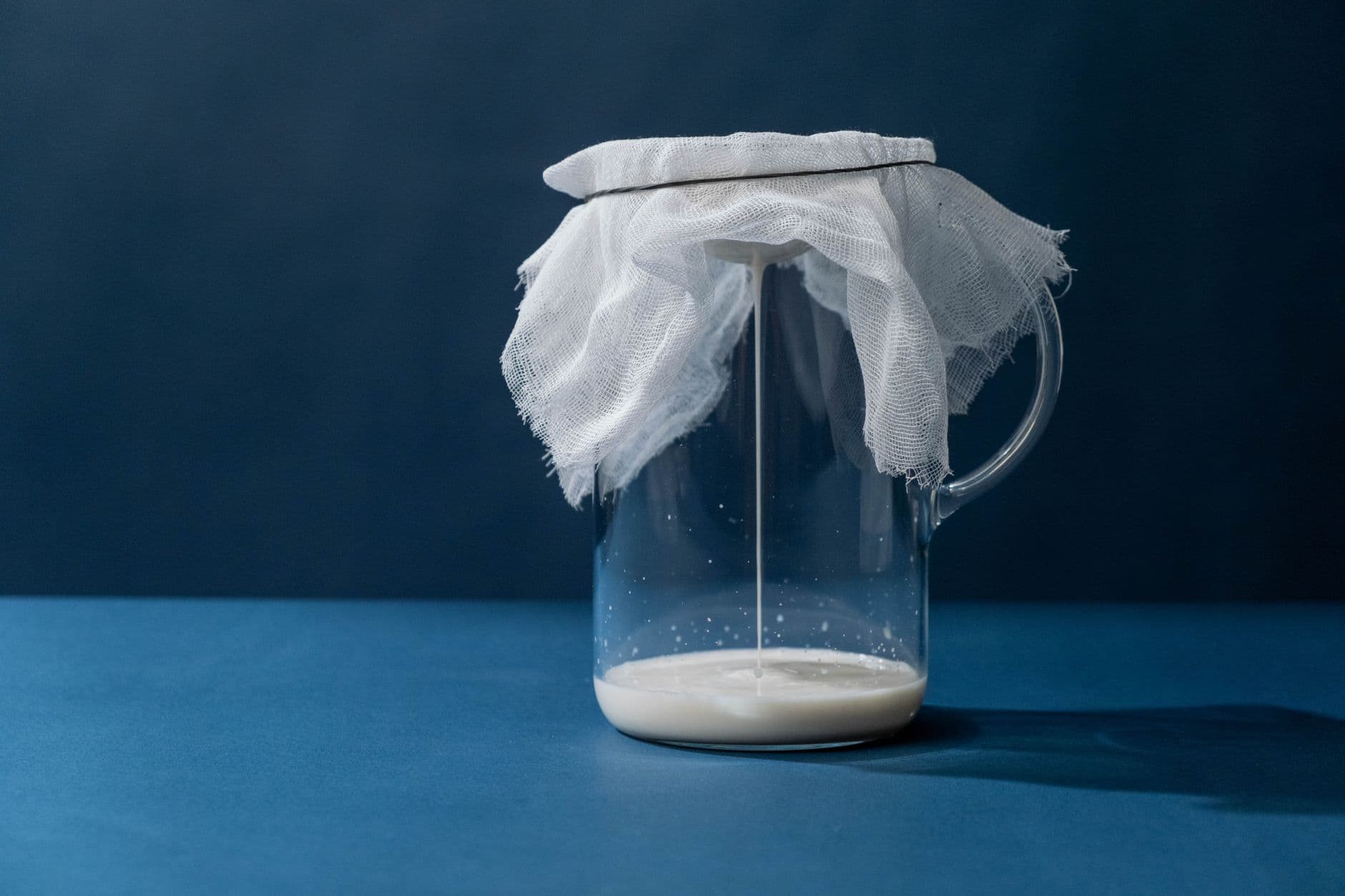

2 yemek kaşığı canlı simbiyotik tane ve 1 litre tam yağlı süt ile başlayın, ardından yaklaşık 24 saat oda sıcaklığında bekletin. Bu, hafif bir keskinliğe ve pürüzsüz bir dokuya sahip, gazlı, probiyotik açısından zengin bir içecek elde etmenizi sağlar. Hazır olduğunda, hafif bir köpürme ve hafif bir süt aroması fark edeceksiniz. Başlangıç zenginleştirmesini asla atlamayın; her partinin temelini oluşturur.
Hava değişimine izin vermek için yaklaşık 10 cm çapında ve geniş ağızlı bir cam kavanoz kullanın; nefes alabilen bir kumaşla örtün ve bir lastik bantla sabitleyin. Asitler reaksiyona girebileceğinden metal kapaklardan kaçının. En iyi sonuçlar için, partileri tutarlı tutmak için Rus menşeli bir başlangıç ile başlayın. Kavanozu mutfak tezgahına yerleştirin ve ana kültürlenme penceresi sırasında buzdolabından kaçının; bu genellikle oda sıcaklığına bağlı olarak 20-28 saat sürer. Ardından yüzeyde hafif kabarcıklar belirdiğinde ve koku keskinleştiğinde süzmeye devam edin.
24 saat sonra, içeceği plastik bir elekten geçirin ve taneleri başka bir parti için ayırın. Taneleri temiz suyla kısaca durulayın, ardından başlangıç kavanozuna geri koyun. Bu, simbiyotik bir kültürü sürdürür; lezzet artar ve karbonasyon ilk çalıştırmadan sonra bile ortaya çıkar. Oda serin ise, bu daha uzun sürebilir; daha sıcak mutfaklarda, geçişi 18-26 saat içinde bekleyin.
İşlemi yavaşlatmak ve soğuk bir ferahlık geliştirmek için süzülmüş içeceği buzdolabına aktarın; zamanla derinlik kazanır ve daha pürüzsüz bir ağız hissi verir. Sabahı düzenli bir ritüel olarak kullanarak 5-7 gün içinde tüketin. En iyi sonuçlar için sade tutun veya meyve, bir tutam tuz veya bir miktar sade yoğurt ile karıştırın. İçecek probiyotikler ve vitaminler içerir ve sade peynirle veya smoothie'ler için bir baz olarak tüketilebilir; birkaç parti genel dengeyi iyileştirecektir.
Elinizle temizliği koruyun ve metal aletlerden kaçının; daima temiz kavanozlar ve mutfak eşyaları kullanın. Mümkün olduğunca, malzemeleri yemek kaşığı ile ölçün ve tutarlılık için saatleri takip edin. Kabı asla aşırı doldurmayın ve süreci asla aceleye getirmeyin - sakin biyo-işlemin gelişmesine izin verin ve en taze, en iyi ayarlanmış partiyi alacaksınız.
Süt Kefiri: Pratik Ev Kılavuzu
Öneri: Bir cam kavanoz (0,5-1 litre) kullanın, 400-500 ml taze bir sütlü içecek ve 1-2 yemek kaşığı güvenilir bir başlangıç ekleyin, 24-36 saat boyunca 20-22°C'de kültürleyin, ardından süzün ve buzdolabında saklamak için şişeleri doldurun.
Ekipmanı temiz tutun ve karıştırma ve taşıma sırasında metalden kaçının. Tahta bir kaşıkla karıştırın, plastik veya paslanmaz bir elekten geçirin ve sıvıyı sıkı kapaklı şişelere aktarın. Bu yaklaşım kontaminasyonu en aza indirir ve lezzetleri sabit tutar; bazı haneler başlangıcı torbalarda veya kavanozlarda arkadaşlar arasında paylaşır, bu da daha geniş bir toplulukla bağlantıda kalmaya yardımcı olur ve her parti için kaynak bulma konusundaki endişeyi azaltır.
Malzeme kalitesi önemlidir: yaklaşık %2-3 yağ içeren süt ürünlerini hedefleyin; ultra pastörize ürünler aktiviteyi yavaşlatabilir, bu nedenle pastörize veya hafif işlenmiş süt ürünlerini seçin. Kültür, çoğu süt bazında iyi tolere edilir. Birçok test cihazının gösterdiği gibi, bir tutam magnezyum içeren mineral dokuyu iyileştirebilir. Bitkisel bazlı bir alternatif için, lezzet ve asit dengesinin farklı olacağını unutarak badem veya hindistan cevizi içeceğini deneyin. Daha sıcak ilkbahar havalarında kültür daha hızlı çalışma eğilimindeyken, daha soğuk mevsimler daha uzun süreler gerektirir; yine de zamanlama, normal oda sıcaklıklarında 24-48 saatlik öngörülebilir bir aralık gösterir.
Sık karşılaşılan sorun: içecek çok ekşi veya çok sulu hale gelir. Lezzetleri dengeli değilse, döngüyü kısaltın veya başlangıcı azaltın ve kabın temiz olduğundan emin olun. Kötü bir koku veya küf belirirse, partiyi atın ve yeni bir başlangıçla başlayın. Süzdükten sonra peynir altı suyu ayrılması fark edebilirsiniz; bu tehlikeli değildir ve tekrar karıştırılabilir veya tariflerde kullanılabilir. Pratik testlerin gösterdiği gibi, zamanı ve sıcaklığı ayarlamak asit seviyelerini kontrol etmeye yardımcı olur.
Saklama ve yeniden kullanım: süzün ve şişeleyin, ardından buzdolabında saklayın; bir sonraki çalıştırma için taze sütle beslemek için her partiden 2-3 yemek kaşığı başlangıç ayıırabilirsiniz. Şişeler kapalı kalmalı ve serin bir yerde saklanmalıdır; başlangıcı başkalarıyla paylaşabilir veya güvenilir bir kaynaktan küçük bir tedarik sağlayabilirsiniz. Dikkatli bakımla, geleneğiniz yıllarca aktif kalabilir; birçok hane, sık sık besleme ve ilkbahar güneşinde mutfak pencere pervazında ara sıra dinlenme ile aktif kültürleri korur. Kısa bir molaya ihtiyacınız varsa, başlangıç bir haftaya kadar serin bir köşede asılı tutulabilir. Daha fazla rehberlik için, pazar seçenekleri ve barcharov ve diğer deneyimli üreticilerden paylaşılan ipuçları hakkında bilgi, bilgili kalmanıza yardımcı olur.
Evde Otantik Süt Kefiri Nasıl Yapılır: Adım Adım Plan
Öneri: temiz bir şişe, bir süzgeç ve yoğurt tipi bir başlangıç hazır bulundurun; sütlü içeceği hafif bir köpürme ve gerçek bir keskinlik fark edene kadar sabit 22-25°C'de tutun, ardından şişeleyin ve en iyi doku için buzdolabında saklayın.
Birinci aşama - hazırlık: cam eşyaları sterilize edin, nefes alabilen bir kapaklı bir şişe hazırlayın ve bir süzgeç hazır bulundurun. Başlangıç kültürünü, bir kaşığı ve az miktarda taze sütlü içeceği bir araya getirin. Temel kural, tutarlı sonuçlar elde etmek için temiz ekipmandır.
İkinci aşama - kültürleme: sütlü içeceği şişeye dökün, başlangıcı ekleyin ve hafifçe karıştırın. Hava değişimine izin vermek için gevşek bir şekilde örtün, ardından doğrudan güneş ışığından uzak, sıcak bir yere yerleştirin. Isıya bağlı olarak, bu oturum 24-48 saat sürebilir; daha hafif bir profil istiyorsanız, süreyi kısaltın. Daha hafif bir başlangıçla daha az köpük görecek olsanız da, asıl amaç dengeli, yoğurt tipi bir keskinliktir.
Üçüncü aşama - süzün ve şişeleyin: katıları temiz bir kap üzerinde süzgeç kullanarak süzün ve süzülmüş içeceği toplamak için hafifçe bastırın. Biraz boşluk bırakarak yeni bir temiz şişeye aktarın ve üzerini örtün. Zaman içindeki lezzet değişikliklerini izlemeye yardımcı olmak için tarih ve Aralık veya Mart parti numaralarıyla etiketleyin. Bu adım, aradığınız temiz, pürüzsüz dokuyu yakalar ve işlem tekrarlanabilir bir rutin haline gelir.
Dördüncü aşama - saklama ve kullanım: şişelenmiş içeceği buzdolabında saklayın ve 5-7 gün içinde veya daha sert bir ısırık tercih ederseniz daha uzun süre tüketin. Süzülmüş sıvıyı smoothie'ler için bir baz olarak kullanın veya tahıl gevreğinin üzerine dökün ve daha güçlü bir lezzet istiyorsanız çift fermantasyon döngüsünü düşünün - sadece oda sıcaklığında daha uzun süre bırakmanın asitliği artırdığını bilin. Aşağıdaki ipuçları yardımcı olur: servis yapmadan önce hafifçe karıştırın, çapraz kontaminasyondan kaçının ve katıları ve sıvıları kepçelemek için ayrı bir mutfak eşyası bulundurun.
Notlar: bu içecek, keskinliği ve köpürmesi nedeniyle genellikle kombucha ile karşılaştırılır, ancak süt bazlı bir seçim olmaya devam eder. Bir soru ortaya çıkarsa, küçük bir parti ile başlayın ve zamanlamayı ayarlayın, ardından hemen kullanmak için şişeleyin. Bu yaklaşım, döngüleri aceleye getirmekten daha iyi sonuçlar verir ve etkili olmak için herhangi bir hap takviyesi gerektirmez. Okuduğunuz için teşekkürler; daha fazla sorunuz varsa, neyi ayarlamak istediğinizle yanıtlayın ve temiz bir süzgeç ve sabit sıcak bir noktaya erişiminize bağlı olarak planı buna göre uyarlayacağım.
Adım 1 Malzemeler: Süt, kefir taneleri, cam kavanoz ve sanitasyon araçlarını toplayın
Temiz, kapalı, geniş ağızlı bir kavanoz hazırlayın ve bu öğeleri yerel bir kaynaktan toplayın; bu, inkübasyonu öngörülebilir ve güvenli hale getirir. Düzenli kalan tam bir çalışma istasyonu bulundurun; fark yıllarca süren uygulamadan sonra ortaya çıkıyor. Litre süt sıvısı başına 2-3 yemek kaşığı başlangıç kültürü oranı kullanın; 20-24°C'de 24-48 saat içinde pürüzsüz, keskin profillere yerleşecektir. Bu kurulum, tutarlılık ve lezzet için açık bir kaseden çok daha iyidir ve süt ürünlerinin vitamin açısından zengin profilini korur.
- Konteyner ve kapak: Lastik bir bantla sabitlenmiş nefes alabilen bir bez veya kağıt kapaklı 1 litrelik geniş ağızlı cam kavanoz; kapalı kurulum, inkübasyon sırasında tozu ve hava akımlarını en aza indirir.
- Süt sıvısı: Güvenilir bir kaynaktan taze, yerel süt; pastörize iyidir, ancak homojenize edilmemiş seçenekler genellikle daha dolgun bir vücut verir.
- Başlangıç kültürleri: Litre başına 2-3 yemek kaşığı; fermantasyonu yavaşlatabilen veya daha kalın bir dokuya yol açabilen aşırı miktarlardan kaçının.
- Süzgeç: İnkübasyondan sonra katıları yakalamak için ince gözenekli, reaktif olmayan; taşınmayı önlemek için partiler arasında iyice durulayın.
- Mutfak eşyaları: Karıştırmak için tahta veya plastik kaşık, ölçü kaşıkları ve kavanozlar için temiz bir şişe fırçası; reaktif metallerden kaçının.
- Sanitasyon araçları: Hafif sabun, sıcak su, havlular ve hızlı sterilizasyon için isteğe bağlı gıda güvenli bir dezenfektan veya %5 sirke çözeltisi; kullanmadan önce ellerinizi yıkayın.
- Termometre veya zamanlayıcı: Bir zamanlayıcı zamanı takip etmeye yardımcı olur; bir termometre, tutarlı sonuçlar için inkübasyon sıcaklığını izlemeye yardımcı olur.
- Etiketleme ve saklama: Ayrıca, parti tarihini, süt kaynağını ve dokuyla ilgili notları belirtmek için su geçirmez bir işaretleyici veya bant kullanın; bu, popülerliği ve kaynak değiştirmek veya oranı ayarlamak gibi gelecekteki ayarlamaları izlemeye yardımcı olur.
Aylara göre notlar alın; birçok üretici Mart ve Kasım aylarında daha yüksek aktivite fark eder. Kullanmadan önce ellerinizi yıkayın, hoş bir aroma olup olmadığını kontrol edin ve kolonilere dikkat edin; aktivite arttıkça küçük tomurcuklar görünebilir. Kötü bir tat üretecekse, taze bir parti ile tekrar başlayın ve oranı buna göre ayarlayın.