


Şafakta Serçe Tepeleri'nde başlayın, şehir uyanırken ve nehir ilk ışığı yansıtırken parıltıyı yakalayın; ışığın en canlı hale geldiği an tipik olarak gün doğumundan sonraki ilk 30 dakika içinde gerçekleşir. Sakin havalarda, güneş açıları kubbeleri sıyırdığında pozlamalar artar ve geniş açılı çerçeve geniş bir ufku düzgün bir şekilde yakalar. Yaya yolları ağı aracılığıyla erişim basittir; salon ve temiz silüetler arayan katılımcıları çeken gözlem platformları bulunur. Parlak günlerde çekim yapıyorsanız kitinizde dereceli bir ND bulunmalı ve bir tripod uzun gölgeleri sabitlemeye yardımcı olabilir.
Ostankino TV Kulesi'nden asansörle gözlem güvertesine çıkın; zirve ziyaretçilere açıktır ve başkentin merkezi ekseni boyunca ve ötesine uzanan fotojenik bir süpürme sunar. İlgili hava koşulları önemlidir: açık günlerde pozlamaları daha uzun süre itebilirsiniz ve cam koridorlarda temsil edilen şehir güçlü video materyali sunar. Renklerin doygunlaştığı gün doğumu veya gün batımı civarında bir zaman planlayın ve erişilebilirliği sağlamak için bilet saatlerini önceden kontrol edin.
Bir diğer klasik bakış açısı da nehrin üzerindeki bakış noktasıdır; burada zemin hafifçe eğimlidir ve birkaç patika parkın salon benzeri gezinti yerine giden yolları ana hatlarıyla belirtir. Renkler açar ve sahne uzaktan fotojenik görünür; ufukta kiliseler ve çerçeveden geçen nehir bulunur. Lensi sakin bir rüzgarla hizaladığınızda, yansımalar doğal bir ayna haline gelir ve geniş açılı çekimleriniz şehri sahneyi düzgün bir şekilde temsil eden tek, kompakt bir kompozisyonda yakalayabilir.
Merkezi rıhtımlar boyunca, şehir silüeti havayla değişir; kule katmanlarının farklı ışıkta nasıl temsil edildiğini karşılaştırmak için birden fazla rota planlayın. Renk paleti çelik maviden sıcak altına kayar ve sakin bir akşam suda daha net yansımalar sağlar. Video klipler için kompakt bir kamera ve hızlı fotoğraflar için bir akıllı telefon getirin; kiliselerin ve katedral kulelerinin pozlamaları başkentin parıltısının yaşayan sembolleri haline gelir.
teşekkür ederim.
Moskova'daki En İyi Panorama Görüntüleme Noktaları
Şafakta Serçe Tepeleri'nde başlayın; bu, bugün şehrin en geniş panoramasını sunar; Kremlin kubbeleri ilk ışığı yakalar ve Moskova Nehri çerçeveyi genişletir.
Vorobyovy Gory, nehir vadisi üzerinde geniş bir görüntüleme alanı sunan 261 metrelik bir çıkıntı sunar; bu noktadan merkezi bölgeleri ve Kremlin silüetini kapsarsınız ve site biletsiz erişilebilir durumda kalır.
Ostankino TV Kulesi, Moskova'nın dört bir yanına ulaşan daha yüksek, 340 metrelik bir bakış açısı sağlar. Görüntüleme güvertesi, başkentin ve çevredeki manzaranın 360 derecelik bir panoramasını sunar; saatler genellikle sabah geç saatlerden akşama kadar sürer ve biletler yüzlerce ruble civarında değişir.
Moscow City OKO kuleleri, Doğu Kulesi'nin 89. kattaki görüntüleme alanından, yaklaşık 375 metre yükseklikten üstün bir 360 derecelik panorama sunar. Güverte sınırlı вместимость'e sahiptir ve rotasyon başına birkaç düzine ziyaretçiyi ağırlayabilir; asansör erişimi hızlıdır ve tabandaki lobi kafeler ve bilet gişelerine ev sahipliği yapar.
Kolomenskoye Parkı, Yükseliş Kilisesi'nin yanındaki tepede, güney bölgeleri ve nehir kıvrımı üzerinde topraklanmış bir panorama sunar; site müzelerin ve tarihi bir manastır yerleşim bölgesinin yakınında bulunur ve çekiminizden sonra bağlam sunar.
Bolotnaya Rıhtımı ve yakındaki Novodevichy Manastırı bölgeleri, merkezi kubbeler ve köprüler üzerinde başka bir açı sağlar; bu rota daha sakin bir sabah seansı için uygundur ve bölgede bir gezinti ile bağlantı kurar.
Sokolniki bölgesi, hafif bir tepe ve park yolları ile kompakt, erişilebilir bir seçenek sunar; sabah görüntülemesine katılın, ihtiyaçlarınızı bildirin ve haritaların yayınlandığı lobi alanının ötesine uzanan bir rota planlayın.
Serçe Tepeleri (Vorobyovy Gory): gün doğumu ve gün batımı çekimleri için en iyi bakış açıları ve rotalar
Gün doğumunda vorobyovy gory'deki üst görüntüleme terasına gidin; bu bakış açısı nehir ve uzak saraylar üzerinde parıltı sağlarken, şehir soluk ışıkta uyanır.
En yakın erişim noktaları Universitet ve Frunzenskaya istasyonlarıdır ve tepenin kenarı boyunca ana gözlem yerine doğru istikrarlı bir tırmanış vardır.
Universitet'ten uzun bir merdiven ağaçların arasından ve akademinin yanından geçerek bazen özel etkinliklerin yapıldığı salon benzeri bir platforma ulaşır. Bu rota, nehrin yakınındaki manastırların ve uzak kıyıdaki kilise kubbelerinin silüetlerini oluşturarak aşağıdaki havuzun net bir görüntüsünü sunar.
Kasım sabahları soluk hava getirir; şafak parıltısı nehir kıvrımlarına düşerken, vorobyovy gory boyunca uzanan gory sırtı tanınabilir bir silüet olarak kalır. Bölgeyi haritalıyorsanız, هذا الاسم ana yolların yakınındaki yerel rehberlerde ve haritalarda görünür.
Batı kanadındaki gün batımı daha sıcak tonlar verir; geniş manzaralar ve şehirdeki dramatik bir parıltıyı suda yansıtan sağdaki korkuluğun yakınında durun. Hava kuru olduğunda alacakaranlık ışığı daha zengin olma eğilimindedir ve çekimi özel hissettirir.
Pratik notlar: bir tripod taşıyın, nehir kıvrımını çerçevelemek için geniş bir lensle başlayın, ardından manastırların yakınındaki kuleleri izole etmek için daha uzun bir odak uzaklığına geçin. Bu noktaya yeniyseniz, akademi yakınında faaliyet gösteren yerel fotoğrafçılardan veya fotoğraf şirketlerinden hızlı bir rehberlik düşünün.
Ek olarak, yakındaki sirk alanlarındaki etkinlikler sırasında kalabalıklara dikkat edin; en yakın istasyonlardan erişim kolay olmaya devam ediyor ve nehir boyunca çevredeki gelişmeler keşfedilecek birçok bakış açısı sunuyor. kaynak: yerel rehberler, kasım şafağı ve alacakaranlığının en güçlü parıltıyı sağladığını, provaların ve şehir etkinliklerinin kalabalık ritmini şekillendirdiğini vurguluyor.
Moskova silüeti fotoğrafları için en iyi zamanlar: altın saat, mavi saat ve hava durumu ipuçları
Öneri: Renk ve derinliği en üst düzeye çıkarmak için Poklonnaya Tepesi veya Serçe Tepeleri'nden altın saatte şehir silüetini çekin. Uzak kubbeler ve nehir hatları, tek bir çerçevede patlayan çeşitli bir panorama oluşturur.
Zamanlama aralıkları: altın saat, gün batımının etrafında yaklaşık 60 dakika sürer; mavi saat, mevsime bağlı olarak gün batımından yaklaşık 20-40 dakika sonra gelir. İlkbaharın sonlarında gün batımları 21:00-21:30 civarında gerçekleşir; kışın ise 16:15-16:45 civarında. En iyi günlerde, ışık açısı yavaşça konakları ve tarihi mahalleleri süpürerek panorama boyunca ince gradyanlar üretir.
Hava durumu notları: keskin hava keskin kenarlar verir; açık gökyüzü cesur silüetler sunarken, hafif pus orta düzeyde nem olduğunda yüzen bir parıltı ekler. Kirli günler nehrin yakınında daha sıcak tonlar yaratırken, rüzgarlı akşamlar tripod dengesini sarsabilir; bu durumda daha ağır bir kurulum kullanın. Bulutlar gün batımından sonra pembeleri tutarsa, özellikle nehir gözlem noktalarının yakınında mavi saatin yoğunlaşması için birkaç dakika bekleyin.
Ekipman ipuçları: bir tripod, uzaktan deklanşör veya zamanlayıcı kullanın ve RAW çekin; hem gökyüzünde hem de şehirde ayrıntı yakalamak için pozlamaları parantez içine alın; ISO 100-200, f/8-f/11 civarında diyafram açıklığı ile başlayın; uzak öğeleri içeren bir açıyı vurgulamak için genişten ortaya odak uzaklığını değiştirin. Bir kol veya mikrofiber bulundurarak lensleri herhangi bir spreye karşı koruyun.
Nehir boyunca yürüyüş rotaları çeşitli bakış açıları sağlar; bu seçenek açıları karşılaştırmanıza olanak tanır. Pazar günü, arseny Akademisi düzenli olarak düzenlenen rehberli fotoğraf yürüyüşleri sunmaktadır; yeni açılar denemeye cesaret edenler gözlem fırsatları kazanacak ve nehir yolunu tarihi konakları ve modern kuleleri içeren bir panoramaya doğru takip edebilirsiniz. Becerilerinizi keskinleştirmek istiyorsanız, bu oturumlar yardımcı olur.
Kalabalık oturumlar sırasında işaretli yollara uyun, insanlardan uzak durun ve ekipmanı sabitleyin; daima bir şişe su taşıyın. Gezinti yerlerinde dolaşırsanız, yayınlanan kurallara ve güvenlik yönergelerine uyun ve sokak lambaları ve uzak silüetler tarafından oluşturulan hassas hatlara dikkat edin.
Açılar ve kompozisyonlar: nehir kıyılarından, köprülerden ve tepelerden silüeti çerçeveleme
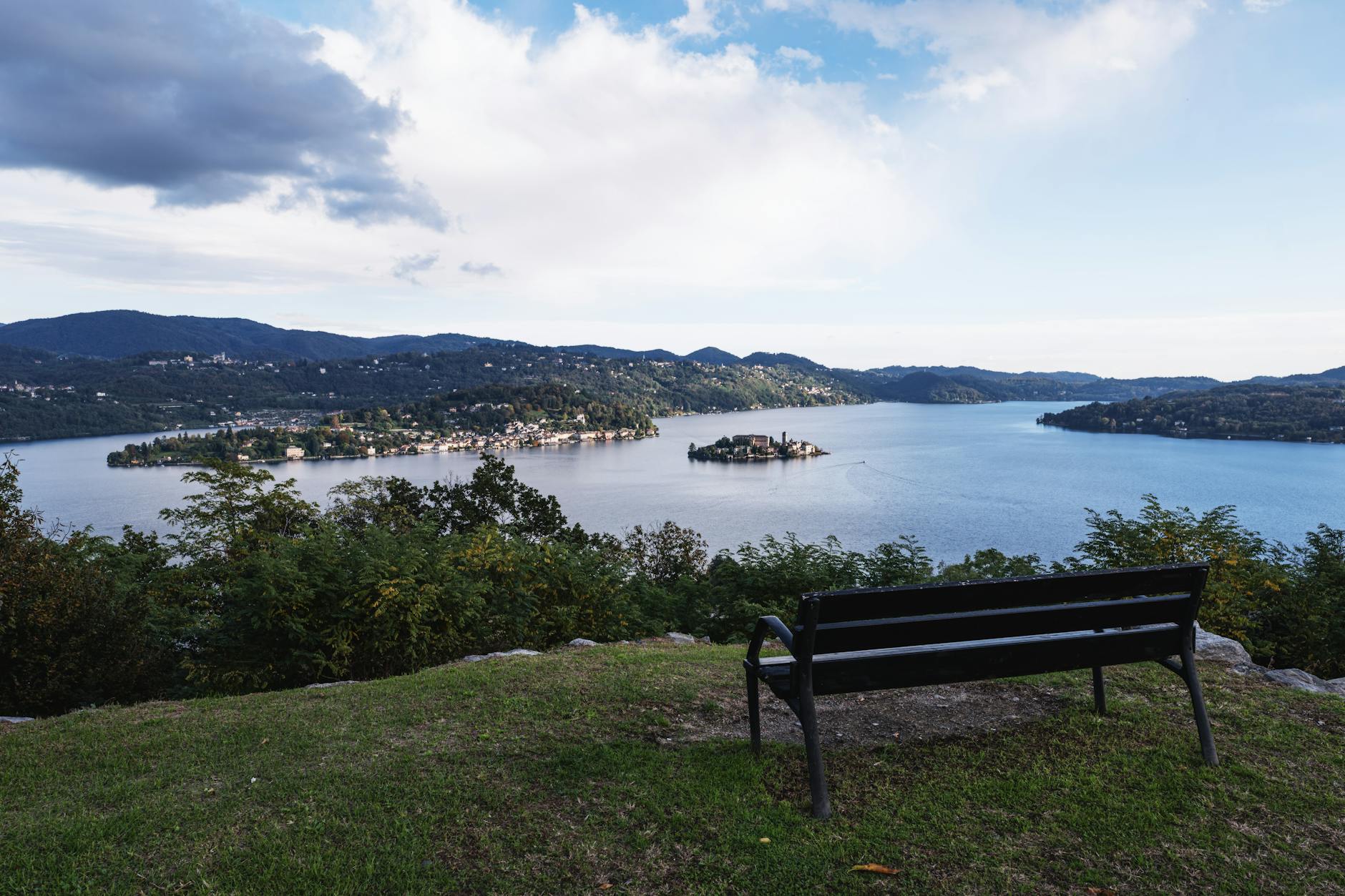
Altın saatte kendinizi nehir kıyısında konumlandırın, geniş açılı bir lens kullanın ve su ve gökyüzünü içeren yansıtıcı bir çekim kilitleyin ve dramatik bir çerçeve sunun.
- Nehir kıyısı çerçevelemesi: rıhtım boyunca alçak bir açı seçin, su yansımalarının alt üçte birini doldurmasına izin verin, bina silüetlerini orta zeminde tutun ve ışığın cepheler boyunca nasıl değiştiğini izleyin. Kısa pozlamalar dalgalanmaları dondurur; parıltıyı artırmak için mavi saatte daha uzun bir pozlamaya geçin. Kompakt bir tripod getirin; bu iyi kurulum rüzgarda dengeye yardımcı olur ve kompozisyonlar arasında geçiş yapmaya hazır tutar. Bu gelenek sabır gerektirir.
- Köprü bakış açısı: köprü kemerlerinin silüeti çerçevelediği açıları arayın; korkuluklardan gelen çizgileri en yüksek kulelere doğru hizalayın; yüksekliği vurgulamak için dikey bir yönde çekim yapın; birkaç tekne veya yaya eklemek insan ölçeği ekler. Kalabalık azalana kadar sabırlı kalırlar; korkuluğa yığılan aptallardan kaçının; güneşin kulelerin arkasına battığı zaman dikkat çekmeye değer.
- Tepe stratejisi: bir tepeden doğal bir ön plan kazanırsınız; derinlik eklemek için ağaç hatları veya bir bank ekleyin; yakın ve uzak öğeleri keskin tutmak için f/8-f/11'i hedefleyin; uzak kuleleri korumak için daha küçük bir diyafram kullanın; bu konum katmanlamaya ve mekansal ritme dikkatinizi ödüllendirir.
Kompozisyon ritmi: birkaç belirli ilkeyi izleyin, ancak esnek kalın. Nehir kıyılarından veya köprü açıklıklarından gelen yönlendirici çizgileri kullanın; bir binayı dikey bir çapa olarak çerçeveleyin; pencereleri veya kemerleri kullanarak çerçeve içinde bir çerçeve düşünün. Çevre bağlam sağlarken, formun vurgulanmasına yardımcı olurlar; buna palmira alanı, yerleşim blokları ve ölçek veren diğer ayrıntılar dahildir.
Işık ve zamanlama: mavi saat veya altın saat ruh hali ve renk verir. Işık hızla değiştiği için birden fazla çalıştırma planlayın. Çoklu pozlamalarla çok katmanlı çekimler, dinamik aralıkları yakalamaya yardımcı olur; bu, materyali internette veya rahat galerilerde paylaştığınızda kullanışlıdır. Çekim sırasında kısa ayarlamalar sizi kontrol altında tutar; bir anı kaçırırsanız, sonradan kurtarabilirsiniz, ancak canlı olarak temel ruh halini yakalamayı hedefleyin.
Pratik ipuçları: Yanınızda hafif bir tripod, küçük bir çanta ve yedek bir pil getirmek, enerjinizin tükenmemesini sağlar; bakış açılarını karşılaştırmak için noktalar arasında hareket edin - nehir kıyıları, köprüler ve tepeler. Farklı açıları gösteren kısa bir serinin tadını çıkarabilirsiniz; bu, bir alan profilinde veya çevrimiçi bir özellikte iyi bir malzeme haline gelebilir. Kendinize bir ritim ve huzur duygusu getirin - yakındaki müzikal bir sokak havası, çizgiden ve ışıktan uzaklaşmadan atmosfer katabilir; çevrenin farkında olmak, sakinler ve ziyaretçiler de dahil olmak üzere başkalarına saygılı kalmanıza yardımcı olur.
Moskova Şehri ve OKO Kulesi: çatı panoramaları için erişim, zamanlamalar ve güvenlik ipuçları
En iyi konumu ve temiz çerçevelemeyi sağlamak, ışığı en üst düzeye çıkarmak ve kalabalıkları en aza indirmek için çevrimiçi olarak bir sabah yuvası ayırmalı ve 15 dakika erken gelmelisiniz; bu pratik bir başlangıçtır ve ziyaretin hızını belirler.
Erişim, Moskova Şehri kompleks lobisinde başlar; güvenlik taraması, OKO Kulesi gözlem podyumuna yüksek hızlı asansörlerle yolculuktan önce gelir; güverteye ulaşmak için geçerli bir bilet veya geçiş gereklidir, aksi takdirde giriş lobide durur.
Zamanlamalar ve erişim aralıkları mevsime göre değişir; 2025 yılında genellikle 10:00-22:00 arasında çalışırlar, son çıkış yaklaşık 21:30'dadır; güncel programı onaylamak için resmi sayfayı kontrol edin. Tekrar ziyaret etmek isterseniz, sabahlar en rahat zaman olmaya devam ediyor.
Güvenlik ipuçları: rahat ayakkabılar giyin, rüzgara göre giyinin, hafif bir ceket ve su getirin, ellerinizi görünür tutun, ekipmanınızı tutun; rüzgar esintileri sırasında korkulukların arkasında kalın ve cama yaslanmaktan kaçının; tripodlarla fotoğraf çekimi kısıtlanabilir; çocuklara gözetim altında tutulmalıdır; çantalar kontrol edilebilir. Güverte net görüş hatları ve güvenilir güvenlik kontrolleri sunar.
Fotoğrafçılık ve çerçeveleme ipuçları: çekiminize hem Moskova Şehri hem de OKO'nun silüetini dahil etmeyi hedefleyin; güvertede birden fazla bakış açısı bulunur ve yakındaki pavyonlar derinlik katabilir; kentsel değişiklikleri belgelemek isterseniz, gelişmeler ortaya çıktıkça takip edebilirsiniz; Rus üniversitelerinden araştırmacılar genellikle panoramaları analiz eder ve palmira stüdyoları bir şekilde dikkati yönlendirmek için tabela düzenine katkıda bulundu; ölçeği iletmek için yakındaki binaları dahil edin.
Dikkat: yükseklikteki rüzgarlar sürpriz yapabilir; silüet, OKO'da roket benzeri bir silüete sahiptir; yakındaki bazı cepheler geçmiş fırtınalarda yıkıldı; her zaman yayınlanan talimatları izleyin ve bariyerler içinde kalın; koşullar kötüleşirse, bölümler geçici olarak kapanabilir; bazı plaketler şehir kilometre taşlarını anmaktadır.
Anma ve araştırma: bu bakış açısı şehir kilometre taşlarına dikkati destekler; Rus üniversiteleri ve araştırmacılar kentsel büyümeyi birden fazla açıdan inceliyor ve ziyaretleri bağlam ve verilerle zenginleştiriyor.
Zaryadye Parkı ve Kremlin nehir kıyısı: pratik noktalar ve kompozisyon fikirleri
Nehir akıntısını Kremlin silüetleriyle birleştiren geniş, dramatik bir manzara elde etmek için Zaryadye Parkı'nın nehir kıyısındaki terasını ilk ışıkta ziyaret edin. Bu hareket, şehir manzarası çalışmalarında kendinize sağlam bir başlangıç kelime dağarcığı oluşturur ve daha sonraki çekimleri destekleyen etkileyici bir temel oluşturur.
Parkın kenarından nehir ve tarihi merkez üzerinde geniş bir bakış açısı kazanırsınız. Altın saat aydınlatması taş rıhtımı yuvarlar ve tuğla kulelere renk katar.
Ölçekleri karşılaştırmak için Zaryadye ve nehir kıyısını Kolomenskoye'ye isteğe bağlı bir uzantıyla bağlayan kompakt bir devre planlayın. Yürürken mimari, su dokusu, sokak hayatı ve yansımalar dahil olmak üzere çeşitli konular izlenebilir.
Kompozisyon fikirleri: geniş bir lens kullanarak nehri çapraz olarak hizalayın; ufku üst üçte birinde tutun; ön plana taş duvarlar veya ağaç silüetleri yerleştirin. Hareketi iletmek için nehirle birlikte dönün; antik taş ve modern cam arasındaki kontrastı ortaya çıkarmak için daha düşük açılardan çekmeye cesaret edin. Işık kaydığında, dokuyu korumak için ISO ve deklanşörü ayarlayın ve çeşitli bir fotoğraf setiyle memnun kalacaksınız.
İsterseniz, konuları, hızı ve kompozisyonu tartışmak için yerel bir fotoğrafçıyla kısa bir oturum ayırtın; katılımcıları memnun edecek ve internet üzerinden çevrimiçi olarak paylaşmaya hazır fotoğraflar verecektir.
Nehir kıyısındaki birkaç pratik nokta etrafında rotanızı planlamanızı tavsiye edin: Zaryadye Parkı'nın terasında başlayın, ardından Kremlin kıyısına doğru taş rıhtım boyunca yürüyün ve son olarak samimi sahneler ve insan ölçekli çerçeveler için sokak mutfağı büfelerinin yakınındaki rıhtımda dolaşın.
| Alan | Kompozisyon fikri | İdeal ışık | Notlar |
| Zaryadye Parkı terası | Arkada Kremlin ile nehir hattını çerçevelemek için korkuluğun kenarı; taş ve cam panellerden ön plan dokuları | Altın saat veya mavi saat | Kenarda dolaşabilecek kalabalıkları izleyin |
| Kremlin nehir kıyısı rıhtımı (Bolşoy Kamenny Köprüsü yakınında) | Çapraz nehir yönlendirici çizgileri; ölçek için taş rıhtım ve ara sıra tekneler dahil edin | Mavi saat veya sabah erken saatler | Yayaların farkında olun; yansımaları yakalamak için çekimlerinizi hızlandırın |
| Kolomenskoye bakış açısı (mesafe seçeneği) | Nehirin yönlendirici çizgi olarak kullanıldığı uzun menzilli panorama; bir telefoto kullanarak kuleleri su boyunca sıkıştırın | Gün batımı parıltısı | Toplu taşıma ile bir gün planlayın; konuları ölçekler arasında karşılaştırın |
| Mutfak ve mutfak büfelerinin yakınındaki nehir kıyısı | Rıhtım boyunca insanların hareketi ve samimi katılımcılar; hareketi iletmek için daha yavaş deklanşör uygulayın | Akşam neon parıltısı | Yerinde düzenleme fırsatı arayın; kalabalık kapasitesine dikkat edin |


