15 традиційних російських страв, які повинні спробувати всі відвідувачі, — це борщ, пельмені, блини, окрошка, щі, солянка, салат Олівер, селедка під шубою, вінегрет, вареники, пирожки, сирники, квас, кисель і драники. Разом вони відображають супи, вареники, салати, блини та напої, які визначають російську домашню кухню та меню ресторанів — практичний список для дегустації під час подорожі до Москви.
Російська кухня ситна і сезонна, а не гостра, заснована на буряках, капусті, житі, картоплі, прісноводній рибі, сметані та кріп. Готується за допомогою повільних технік, таких як тушкування, заквашування та випікання. Смакуйте починаючи з легких страв, а закінчуючи багатими: солона закуска або салат, потім суп, потім пельмені або м'ясний стріл, і завершіть солодкими оладками або кисломолочним напоєм, наприклад, квасом. Ось кожна страва, що вона на смак і як подається.
15 Традиційних Російських Страв, Які Варто Спробувати
Борщ — густа червона супа з буряка, капусти, моркви та цибулі; подається гарячою з ложкою сметани; його незвичайні, давні корені проходять через багато сільських кухонь, роблячи його чудовим початком для дослідження історії регіональної кухні.
Пельмені — невеликі м'ясні пельмені, які варять і подають з маслом; основна страва для сімейних зборів і ринкових крамниць, улюблена страва, яка демонструє майстерність тіста та контраст між ніжним начинням і хрусткими краями.
Блини - тонкі коржі, які подають з ікрою, сметаною або варенням; ці кругляші перекочують від сніданків до святкових стілів, що робить їх універсальною стравою для гостей і улюбленою стравою на святах.
4) Окрошка — холодна літня супова страва на основі квасу з дрібнозрубаними овочами, такими як огірок і редиска; освіжаюча під час теплих днів на міських майданах і дачах.
5) Щі - капустяний суп з квашеної або свіжої капусти, часто з м'ясом або грибами; давня основа селянської кухні, легко готується великими порціями для сімейних обідів.
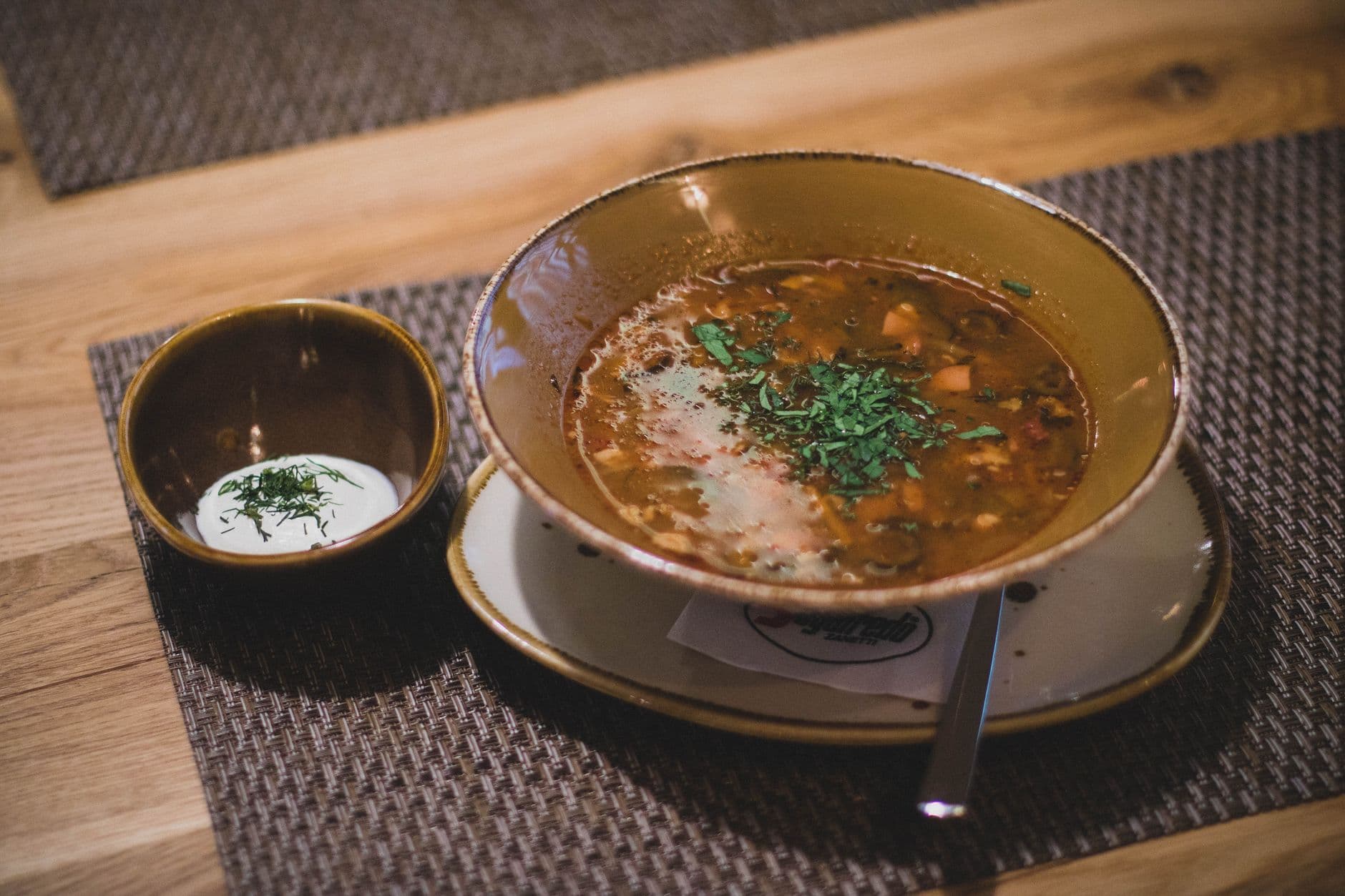
6) Солянка — густа, гостра супова страва з огірками, оливами, каперсами та м'ясом; її яскрава, пикантна природа робить її видатною на спільних столах і хорошим прикладом того, як смакові профілі розвиваються завдяки регіональним змінам; її властивості включають яскраву, кислу фінішну ноту, яка збалансовує більш насичені страви.
7) Салат Олів'є — яйця, картопля, мариновані огірки та дрібненько нарізані м'ясні продукти, з'єднані майонезом; улюблене страва на святкових прийомах, історія походження якої веде від міських кафе до сільських кухонь, відображаючи суміш впливів та запомінювальний перелік текстур.
8) Шуба - селядка під шубкою; шар за шаром з буряка, картоплі та майонезу, пов'язана з зимовими святкуваннями та довгими сімейними зустрічами, пропонує хрусткий кріп і кремовий контраст, який багато господарів вважають основою.
9) Вінегрет — салат на основі буряків і картоплі з маринованими овочами; його яскраві кольори та хруст роблять його надійною закускою на багатьох столах, що допомагає підкреслити спадщину простих і корисних інгредієнтів.
Вареники - пельмені, набиті картоплею, сиром або фруктами; версія з фруктовою начинкою розширює список десертів і закусок, пропонуючи універсальну страву, яку люблять в домах і на ринках, справжню частину списку.
Пірошки - невеликі печені або смажені пиріжки з різними начинками, такими як м'ясо, капуста або гриби; ці невеликі випічки добре підходять для пікніків і зборів, часто подаються як закуски та легкі перекуси.
Сирники - сирники з творогу, посипані цукром і подаються з варенням; улюблена ранкова страва в кафе та домах, з ніжною кремовою текстурою всередині та тонкою скоринкою ззовні, запрошує до довгих розмов.
Квас — це легко заквашений хлібний напій, м'який та освіжаючий; він доповнює страву та пропонується гостям під час свят, що втілює довгу традицію заквашування та щоденних звичаїв гідратації.
14) Кисель — це фруктовий десертний напій, який готують з ягід, щоб отримати гладку, трохи солодку підливу; подають теплим або холодним, він є частиною оповідань про осіннє врожайне збирання та приємного завершення трапези.
Драники — смажені до хрусткості картопляні оладки; проста стравка з цілих продуктів, яка підкреслює різноманітність картоплі, часто подається з сметаною та зеленню; біля столу вони супроводжують різноманітні м'ясні страви та зелень, роблячи надіжний фінал до списку дегустації.
Пельмені, Борщ та Блини: Основні техніки, традиційні начинки та поради щодо подачі
Зробити тісто: 3 склянки борошна, 1 велике яйце, 1/2 склянки холодної води, 1 ч. л. солі. Змісити до гладкості, загорнути, дати відпочити 30 хвилин. Розкатати до товщини 1,5-2 мм, вирізати кола, покласти 1 ч. л. начинки (свинина-говядина-цибуля), защіпнути, кип'ятити у солоній воді, поки не підіймуться, відкинути, завершити кусочком вершкового масла. Заморозити залишки на пергаменті для подальшого використання; багато рецептів документують цей підхід, і текстура залишається надійною навіть під час занятого тижня.
Начинка для пельменів залишається класичною: рівні частини фаршу з свинини та яловичини, дрібно подрібнена цибуля, сіль та перець; деякі додають часник або гриби для насиченості. Ця суміш дає насичений смак і стала продуктом регіональної практики, особливо в радянських кухнях, з найстарішими варіантами, які нахиляються до більш багатих сумішей. Досліджуйте конкретні зміни, щоб підлаштувати смак, і ви побачите, як ця основа стає полотном для регіональних відтінків.
Для борщу готуйте бульйон на основі буряків: обсмажте або відварите буряки, щоб підсилити колір, а потім тушкуйте з капустою, картоплею, морквою та цибулею; ложка томатної пасти, лавровий лист, часник і трохи оцту доповнять смак. Подавайте гарячим або холодним, завершуючи сметаною та свіжим кріпом. У багатьох домівках ця страва символізує сезон зустрічей і тепла, що підтримує здоров'я; солений огірок у приданні та невелика рюмка самогону - часто отриманого з самогонних апаратів - додають контрасту до яскравих бурякових ноток. Західні варіанти іноді підкреслюють солодші буряки або фруктові гарніри, демонструючи, як досвід формує смакові уподобання, а події стають можливістю спробувати щось нове.
Блини готують з тіста, яке складається з молока, яєць та борошна: 2 склянки молока, 3 яйця, 1 1/2 склянки борошна, 2 столові ложки цукру, 1/2 чайної ложки солі; дають постояти 20 хвилин, потім смажать на розігрітій, легонько змащеній олією сковорідці, поки не з'явиться пухирці та не застійняться краї. Типові кругляші виходять м'якими, піднімаються і тримають тепло під чистою серветкою. Начинки включають копчену рибу, смажені гриби, солений сир або фарш; додатками можуть бути масло, майонез або ложка сметани. З боку огірки або фруктовий компот надають хрусткий контраст, а кілька зерен ікри підвищать презентацію, особливо під час святкових заходів. Така подача залишається універсальним способом дослідити текстури, здоровий баланс та культурний смак, який став основою в багатьох домогосподарствах, пропонуючи швидкий шлях до ситної страви, яка добре переносить подорожі та спільні застілля.
| Dish | Основна техніка | Начинки та ідеї для подачі |
|---|
| Pelmeni | Розкатайте тісто тонко, виріжте кола, запечатайте злегка, відварите в солоній воді, поки не підіймуться, і завершіть маслом. | Начинка: свинина-говядина-цибуля; варіанти: баранина, гриби; подача: сметана, кріп, огірки; опціонально: майонез окремо |
| Borscht | Буряковий суп з капустою, картоплею, морквою; тушкувати, закінчувати сметаною та кріпом | Бур'яни додають кольору; додатки: сметана; гарніри: житній хліб, солодкі огірки; ікра за бажанням. |
| Blini | Тонке тісто; смажити на розігрітій сковорідці до золотистого кольору; скласти стопкою та тримати в теплі | Начинка: копчена риба, гриби, солений сир; додатки: масло, майонез; гарніри: огірки, фруктовий компот |
Пирожки, Сирники та Вареники: Тісто, Начинки та Комбінації для Швидкого Сніданку
Оберіть пиріжки з дріжджового тіста з начинкою з сиру та картоплі для надійної, компактної страви в дорозі.
- Пірошкові тіста: Засмажене на молокі та вершковому маслі тісто з дрождами дає більшу, повітрянішу структуру; яйця допомагають з'єднати, а трохи сметани додає ніжності.
- Начинки: найпоширеніша — сир з картоплею; інші тверді варіанти включають гриби, буряк та комбінацію сиру з млинцем, яка не розсипається під час споживання.
- На ходу: невелика склянка фруктового компоту, свіжі зелені, такі як кріп або цибулева зелень, а якщо хочете більш насиченого смаку, смужка копченого оселедця для контрасту; стрілка компоту освіжає між ковтками.
- Сирники (Тісто/Начинки): Густий сирний (творожний) тісто змішують з молоком та яйцями, потім легко перемішують з борошном; начинки переважно солодкі (ваніль, родзинки), але можна додати щепотку солі для солонуватого відтінку.
- На ходу: сметана або яскраве фруктове варення підкреслить пухнастий центр; розгляньте невелику асорти менших ягід для справжнього балансу смаку.
- Типи: щоб вони залишалися функціональними при русі, обсмажте їх у легкому шару і завершіть м'яким запіканням, щоб закріпити зовнішню частину, зберігаючи при цьому внутрішню вологість.
- Вареники: Тонке тісто з борошна та води (яйце за бажанням) дає ніжну оболонку, придатну для різних начинок; це тісто легко заморожувати для подальшого приготування страв.
- Начинки: картопля з смаженою цибулею залишається класикою; сир з картоплею — улюблена комбінація; капуста, гриби або буряки додають кольору та різноманіття; сучасні варіації можуть включати невелику кількість риби, наприклад, осетра, для димного відтінку.
- На ходу: легкий салат з буряка, дрібнозрубаний зелений та склянка фруктового компоту надають контрасту; подавайте з молоком або кефіром для швидкого насичення; тримайте порції компактними для їжі в дорозі.
Українські столи часто подають ці пельмені з буряком і салатом Олівіє, тоді як грузинський вплив додає трав'яні суміші та димні акценти; несподівано, вугільно-копчені овочі або гриби можуть підвищити набивку без ускладнення смаку. Згідно з попередніми дегустаторами, найуніверсальніший підхід — тримати кілька видів тіста та набивок, що дозволяє готувати дешеві, високоякісні закуски, які справді виглядають унікально. Додавання кількох "функціональних" компонентів — кріп, петрушки та м'яти — дозволяє адаптувати їх до більш насиченого або легшого страву, залежно від апетиту. Вони призначені для споживання в дорозі, але їхня набивка залишається цілісною та смачною, що свідчить про якість, якій можна довіряти.
Яловичина Струганова, Щі та Солянка: Методи приготування, основи бульйонів та регіональні варіації
Практичний план: обсмажте яловичину порціями до темно-золотистого кольору, злегка відварюйте легким напоєм, зіскребіть припалену частину і приготуйте багаторівневий соус у міцних посудинах. Тримайте стійке кипіння, а потім завершіть кислуватою закінченням зметанкою. Цей підхід дає гнучке тріо, де стандарти адаптуються за регіонами, але техніки залишаються однаковими. Цей сенс помітний на національних зборах і фестивалях.
- Техніка приготування Бефстроганоф: наріжте яловичину тонкими скибочками, обсмажте порціями до бронзовості країв, вийміть, на цій же сковороді обсмажте нарізану цибулю та гриби, поверніть м'ясо, додайте бульйон і трохи соку або сухого білого вина, тушкуйте 15-25 хвилин, потім вмішайте сметану; тримайте температуру низькою, щоб запобігти згортанню.
- бульйонні основи: яловичий бульйон як основа; рідина від замочування грибів додає насиченості; невелика кількість курячого бульйону може полегшити смак; легка кислинка, схожа на борщ, іноді з'являється в регіональних варіантах, балансуючи насиченість.
- регіональні варіації: брянські кухні часто використовують сушені гриби для інтенсивності смаку; глиняні горщики "Марані" використовуються у вибраних селах для впливу на розподіл тепла; подавати з картоплею, яєчною локшиною або підсмаженим хлібом; на фестивалях та сімейних бенкетах строганов є центральною стравою культурного розмаїття; національні стандарти наголошують на вершковому, збалансованому фініші, і він стає серцем столу.
Техніки приготування щі: капуста як головний герой; варити на повільному вогні з яловичим або овочевим бульйоном до
бульйонні основи: бульйон з вираженим капустяним смаком на основі яловичого або змішаного бульйону; гриби та обрізки м'яса посилюють смак; опціональні томатні або розсольні добавки можуть надавати яскравості, зберігаючи прозорість.
регіональні варіації: українські версії часто включають квашену капусту та грибний відвар; у брянському регіоні можуть додавати сушене м'ясо або копченості; подавати зі свіжою зеленню та салатом для балансу; на святкових столах щі часто поєднують з житнім хлібом та буряком як частину культурної трапези.
Техніка приготування солянки: змішайте різні види м'яса (яловичина, свинина, ковбаса) з нарізаною цибулею; обсмажте до прозорості; додайте мариновані овочі (солоні огірки, оливки, каперси), томатну пасту або подрібнені помідори та бульйон; варіть до отримання насиченої, терпкої консистенції; наприкінці додайте лимонний сік та трави для надання свіжості.
бульйонні основи: м'ясний бульйон як основа; томатна основа та розсіл забезпечують кислотність; овочевий бульйон може регулювати насиченість; деякі варіації включають сушені фрукти або цедру цитрусових для загострення смаку.
регіональні варіації: брянські кухні включають сушені гриби для насиченості; українські варіанти додають кріп і перець; святкове меню подає солянку поряд з борщем і культурними салатами як частину ширшого асортименту; ця страва має зігріваючий, кисло-солоний смак, який займає особливе місце у світових кухнях та святкових заходах.
Оселедець під шубою, ікра та холодець: текстура, приготування та сезонні свята
Рекомендація: Побудуйте тарілку навколо трьох основних страв - оселедця під шубою, ікри та холодцю - для створення текстурного контрасту та чіткого, практичного складання. Кожен компонент пропонує особливий смак і набір насичених шарів, що стануть основою столу.
Текстура відіграє важливу роль: верхній шар оселедцевих пластів забезпечує кремовий контраст, коли овочі дрібно натерті, ікра додає шовковисту, солону хвилю, а холодець — ніжне желе, що скріплює страву. Підхід до нашарування та декорування зберігає візуальний баланс страви та відповідає кільком переходам смаків у кожному шматочку — від хрусткого до того, що тане в роті.
Деталі збирання: яка послідовність гарантує акуратну порцію? Будуйте на охолодженій основі з дрібно нарізаної капусти або тонкого шару картоплі, додайте помітну смужку буряка або моркви для кольору, потім додайте оселедець під шубою або викладіть ікру тонким шаром, і завершіть сформованим шаром холодцю у формованому кільці, щоб зберегти акуратний вигляд. Для прихованого сюрпризу переверніть форму безпосередньо перед нарізанням, щоб желе розкрилося. Цибулю та мариновані огірки наріжте кубиками для хрустких акцентів; гриби можна додати як тонкий, землистий штрих, хоча вони є необов'язковими. Цей список кроків забезпечує чудовий результат, який тримає форму при подачі на тарілці в стилі їдальні.
Сезонні події: літні посиденьки за столовим столом неподалік Києва виграють від легших доповнень, таких як мариновані овочі та нарізані фрукти, причому тріо розташовується окремими секціями, щоб зберегти кожен смак. Відвідування ринків дарує солодкий буряк, свіжу капусту та додаткові гриби для прикраси. Для завершення використовуйте нарізану кубиками цибулю та зелень; такий підхід зберігає привабливість страв для великої компанії, залишаючись при цьому бюджетним з фінансової точки зору.
Значення та властивості: тріо пропонує типовий баланс текстур, від хрусткої капусти до ніжного желе та шовкової ікри. Чесно кажучи, контраст дозволяє легко оцінити смаки як окрему страву або як стандартний перелік закусок, що сподобається гостям, які цінують багатошарове оздоблення та чітке розмежування між компонентами.
Квас, Медовик та торт Наполеон: ферменти, солодощі та парі до десертів
Для швидкого першого спаровування подавайте охолоджений квас з тонким шматочком медового торта та шматочком торта Наполеон.
Квас — це слабоалкогольний напій на основі жита. Пивоварні виробляють солодкий, легкий кислуватий смак, який очищує піднебіння між ковтками, а ці напої гарно поєднуються з медовіком і кремовими шарами торта Наполеон.
Медовік пропонує кілька медовішних шарів з кремовим начинням. Начиння розташоване між шарами, зазвичай це сметана або вершкове крем, а торт залишається комфортним і насиченим, а під час дегустації проявляються різні текстури.
Наполеонський торт подається з хрусткими листами тіста та вершково-ванільним кремом; начинка легка, але ситна, створюючи гладкий контраст з кислуватістю квасу та солодкістю Медовика. Загальна текстура інша, але єдинорідна.
На заходах або в ресторанах добре підходить компактна дегустаційна дошка: сілка на хрусткому житньому хлібі з сметаною, шматочками огірка та кількома шматочками медовика та Наполеона. Це створює збалансований смаковий досвід, який підкреслює внесок кожного компонента. Читачі знають, що солона риба та молочні продукти збалансовують мед та випічку, а огірки додають хруст.
ЧАСТО ЗАДАВАНІ ПИТАННЯ: Традиційна російська кухня
Що найвідоміший традиційний російський страв?
Борщ, густа суп із буряків, який подають гарячим з сметаною та кріпом, є стравою, найбільше асоційованою з Росією, за якою йдуть пельмені (м'ясні пельмені) та блини (тонкі оладки).
Що замовляти на початок у російському ресторані?
Почніть з першої страви, наприклад, з борщу або щів, продовжте стравою з пельменями або варениками, а завершіть сирниками або блинами. Склянка квасу або компоту гарно доповнить стіл, не перебиваючи смак їжі.
Чи російська кухня гостра?
Номер. Російська кухня солодка і комфортна, а не гостра; смак надають кріп, сметана, соління, гриби та жито. Солянка, приготована з соління та каперсів, є найкислішою серед звичайних страв.
Що таке традиційна російська страва?
Медовик (медовик з медовими коржами) і Наполеон (торт з бісквітним тістом і ванільним кремом) — це класичні святкові торти, а кисель, густа фруктова напій-десерт, — традиційна щоденна солодкість.