Оберіть цей список для планування ідеального дня в Москві: п'ять величних освячених церков і соборів, що поєднують історію з живими богослужіннями.
Кожен об'єкт розташований в адміністративному центрі Москви або навколо її історичних кілець, поєднуючи барокові фасади з затишними інтер'єрами. Один підноситься поруч із колишнім палацом, інший виходить на річку, а третій відкриває тихий двір, де під час недільних молитов літургія наповнює залу; кожен об'єкт належить до живої московської традиції та запрошує вас затриматися.
В Іванівському районі та навколо центральних кварталів Москви будівлі розповідають чітку історію: бані соборів блищать на сонці, головні церкви охороняють багатовікові ікони, і кожен останній погляд на шпилі залишає спогад, до якого хочеться повертатися знову і знову. Петля поєднує освячені простори з практичним комфортом і послугами, готовими для допитливих відвідувачів.
Складіть компактний маршрут, який підійде для ранку або дня: почніть рано, щоб уникнути натовпу, одягніться відповідно до правил відвідування соборів та візьміть фотоапарат, щоб зафіксувати цибулинні куполи, що сяють над вулицями Москви. Цей список призначений для невеликих груп або сімей, які бажають отримати незабутні, автентичні враження від сакральних будівель міста та їхньої палацової величі, що знаходяться в межах легкої доступності громадського транспорту. Замовте екскурсію, щоб почути історії літургій, пов'язаних з кожним місцем, та дізнатися, чому ці простори залишаються центральними для служби та ідентичності міста.
Вичерпний путівник по церквах і соборах Москви
Почніть з чіткого маршруту: з Великої Дмитрівки, увійдіть до комплексу Кремля та перевірте дату й години перед відвідуванням кожної церкви. У неділю ви часто зможете побачити службу; у четвер відбуваються спокійні вечірні служби та є можливість дослідити інтер'єри з меншою кількістю відвідувачів. Колекція формує багатовіковий комплекс, який є центром адміністративного та духовного життя Москви, запрошуючи порівняти стилі, текстури та ритуали різних будівель.
- Благовіщенський собор (Кремль) — заснований наприкінці XV століття, собор знаходиться в центрі комплексу. Його інтер'єри зберегли суворий іконостас та фрескові розписи, що свідчать про перехід від середньовічного до ранньомодерного російського мистецтва. Перевіряючи дату будівництва, заплануйте коротку паузу, щоб почитати про бічні каплиці та про те, як стіни зберігають століття богослужінь.
- Собор Василія Блаженного (Собор Покрова Пресвятої Богородиці, що на рову) — побудований у 1555-1561 роках, його цибулясті бані та вежі з райдужними смугами роблять його візуальною родзинкою Червоної площі. Хоча його часто сприймають як музей, інтер'єр демонструє, як ритуальний простір еволюціонував від церемонії до публічного видовища. Він стоїть на міській площі великого масштабу і є частиною історичного центру, внесеного до списку ЮНЕСКО, що пояснює ретельне збереження його дати та фасаду.
- Успенський собор — завершений приблизно в 1475-79 роках, цей собор був головною церквою митрополитів, місцем коронацій та державних обрядів. Його інтер'єри зберігають урочистий ритм арок та фресок, а навколишні території пропонують погляд на адміністративне життя, яке керувало Москвою століттями.
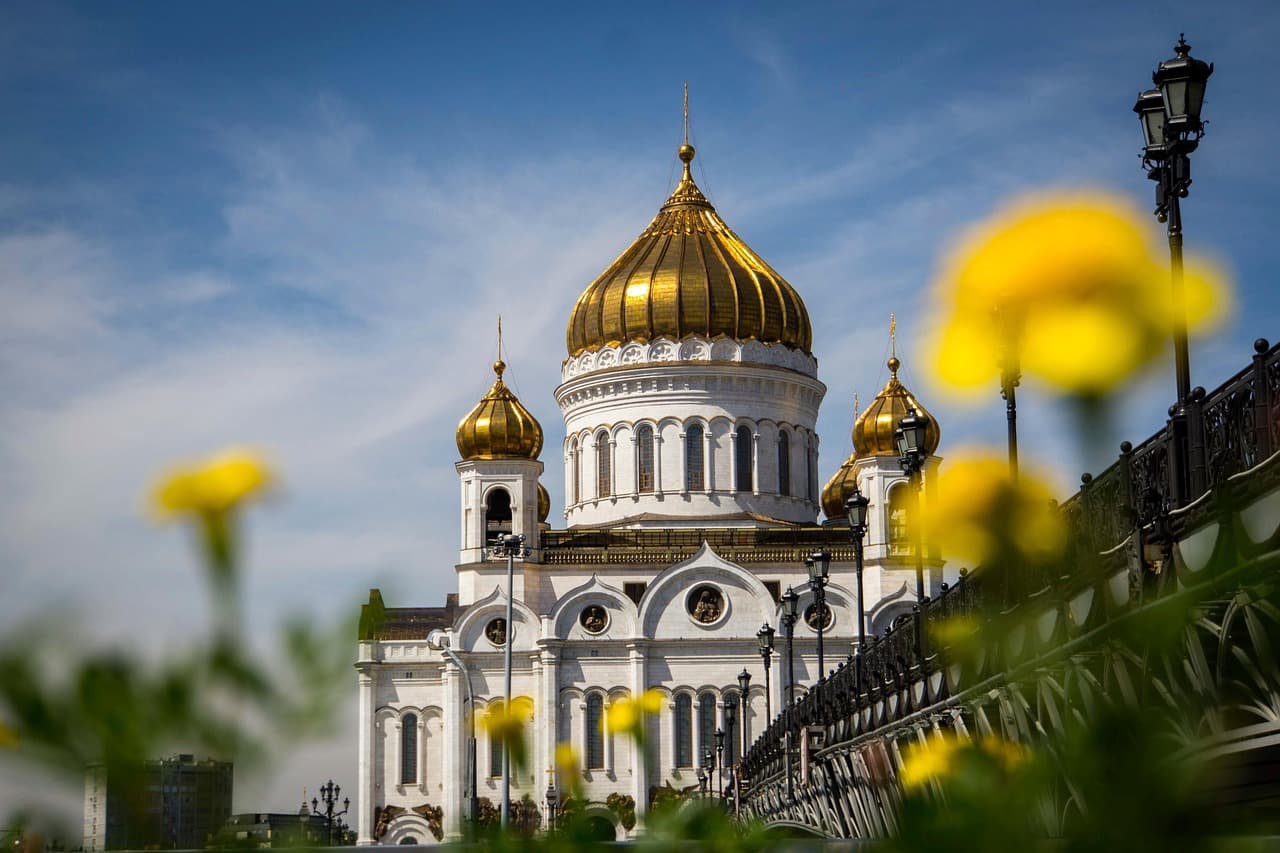
- Собор Христа Спасителя — збудований між 1839 і 1883 роками, потім перебудований у 1990-х роках після його знесення за радянських часів. Комплекс включає монументальний неф і драматичний іконостас. У неділю тут збираються багато людей на літургію; у четвер часто проводяться молитовні заходи, і відвідувачі можуть перевірити дату спеціальних богослужінь, щоб запланувати свій візит у час, коли менше людей.
- Церква Покрови на Рву — історична церква XVI-XVII століть поблизу рову, відома своїм компактним інтер'єром та сильною іконографією. Її внутрішній простір зберігає атмосферу відданої парафіяльної церкви, яка досі служить як місцевим жителям, так і гостям у тихішому місці, ніж найжвавіші об'єкти Кремля.
Поза межами центрального кремлівського поясу заплануйте глибше занурення в кілька інших районів. У слободах ви знайдете дерев'яні каплиці та менші інтер'єри, що контрастують із величними кам'яними ансамблями в центрі. Сусідній мотив застави з'являється на старих сторожових постах уздовж навколишніх стін, нагадуючи відвідувачам, що сакральна архітектура Москви виросла як з фортечного мислення, так і з відданості.
- Коломенське — Церква Вознесіння — чудова дерев'яна церква XVI століття, збудована у 1532 році, розташована в парку, що робить її чудовим місцем для південного відпочинку. Її проста, елегантна форма вплинула на подальший дизайн церков у Москві та за її межами.
- Римо-католицька та інші релігійні громади - У Москві є римо-католицькі парафії з окремими храмами, як-от парафія Непорочного Зачаття. Ці місця діють у межах ширшого християнського об'єднання традицій та розкладів; перевірте їхні календарі, якщо бажаєте порівняти літургійні стилі під час окремої поїздки.
Практичні поради для максимального враження від візиту: перевіряйте дату та точний час роботи заздалегідь, особливо для головних об'єктів, які можуть зачинятися раніше по неділях або мати спеціальні вечірні програми по четвергах. Очікуйте великі внутрішні простори та акцент на іконографії, вівтарях та іконостасах, з ретельною увагою до входів та внутрішніх частин під час переходу від просторів Благовіщення до величних куполів. Якщо ви плануєте кілька візитів, повертайтеся знову в різні пори року, щоб відчути зміни настрою інтер'єрів та те, як денне світло фільтрується крізь кольорове скло в різний час доби.
Всередині Собору Василя Блаженного в Москві: планування, ікони та приховані деталі
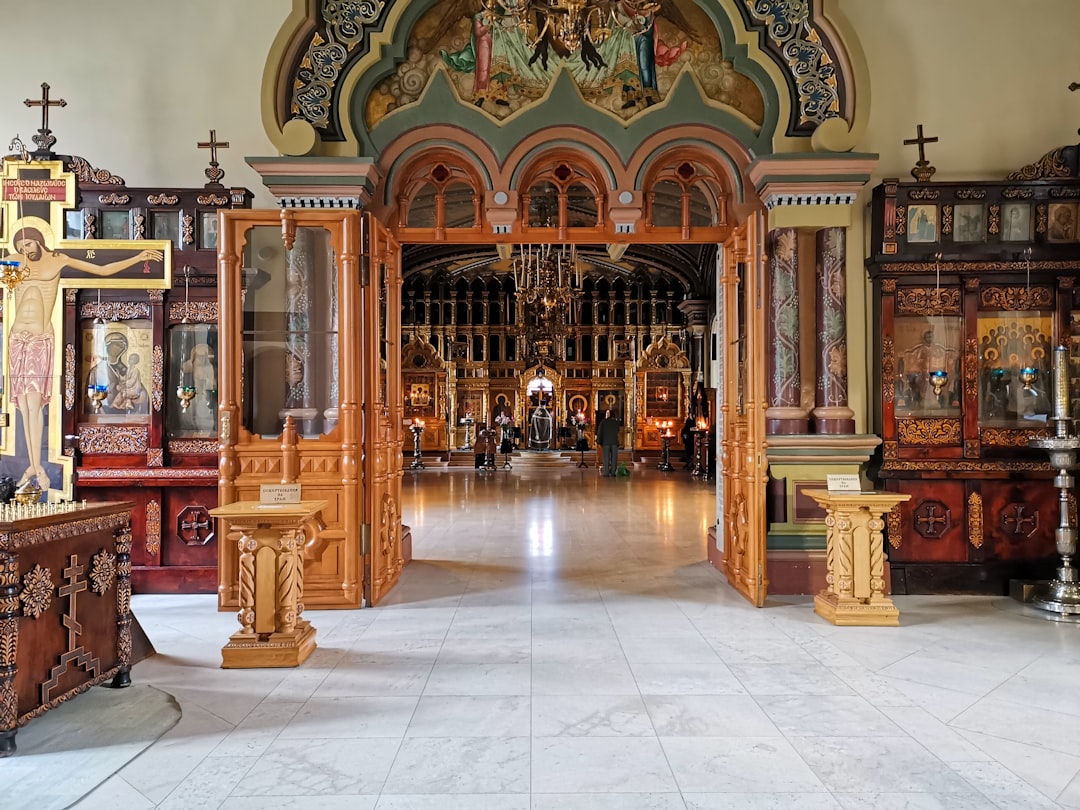
Спочатку відвідайте центральну залу, щоб побачити, як світло грає на численних іконах і різьблених деталях, що прикрашають арки.
Кафедральний собор утворює ансамбль із дев'яти каплиць навколо центрального ядра, задуманий як єдиний простір, а не окремі церкви. Він належить до москворецької традиції та був заснований у XVI столітті на честь переможного моменту в історії Москви. Декоративні роботи надійшли з іванівських майстерень, а на дарувальних табличках згадується Луї, який придбав раму для однієї ікони.
Всередині інтер'єри сяють теплими тонами та золотом, а ікони вишиковуються стінами в безперервній послідовності навколо нефа. Сцени Різдва з'являються в кількох нішах, а різдвяна символіка проходить крізь фрески та ризи. Ця іконографія належить до спільної майстерні, що допомагає відвідувачам читати послідовність вівтарів як єдину оповідь, а не як окремі експозиції.
Навколо маршруту центральні куполи та навколишні каплиці запрошують до уважного огляду. Шукайте івановські мотиви, заховані в кутках і в декоративних рамах, де зберіглася фарба. Район Замоскворіччя розташований одразу за мурами, а Москворецький район показує, як церква інтегрується з містом. Якщо ви хочете порівняти церковну естетику, відвідайте сусідню баптистську церкву в тому ж районі, щоб порівняти декоративні підходи.
Щоб дізнатися приховані деталі, дослідіть останню освячену каплицю: її фрески під іконостасом розкривають багатошаровий процес підготовки. Місце було засноване раніше, потім розширене та знову освячене як частина релігійного життя Москви. Інтер'єри зберігають важко здобуту історію з багатьма розповідями, від різдвяних свят до вертепів, які й досі надихають відвідувачів. Це місце залишається домом для поклоніння багатьом поколінням, пов'язуючи минуле з сьогоденням.
Зовні Собору Василя Блаженного: зовнішня архітектура, вежі та найкращі місця для фото
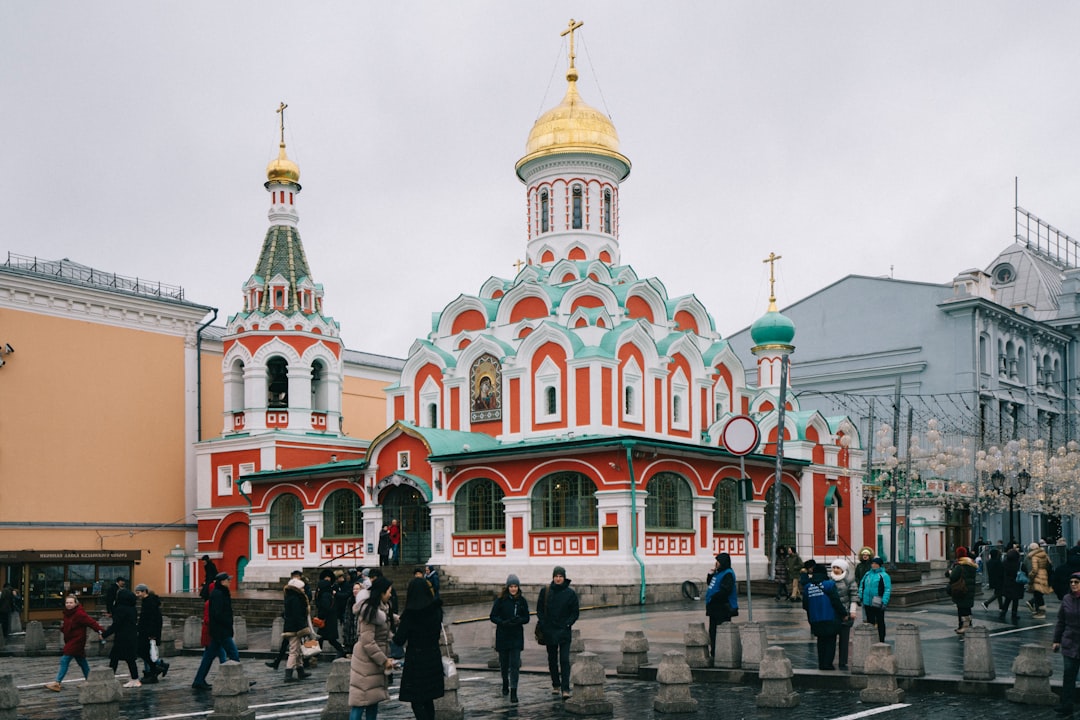
Почніть з крупного плану з краю Червоної площі, біля кремлівської стіни, в золоту годину, щоб передати головний силует Собору Василя Блаженного. Ця точка зору підкреслює барвисті куполи, цегляну кладку та високі, тонкі вежі, що визначають це місце.
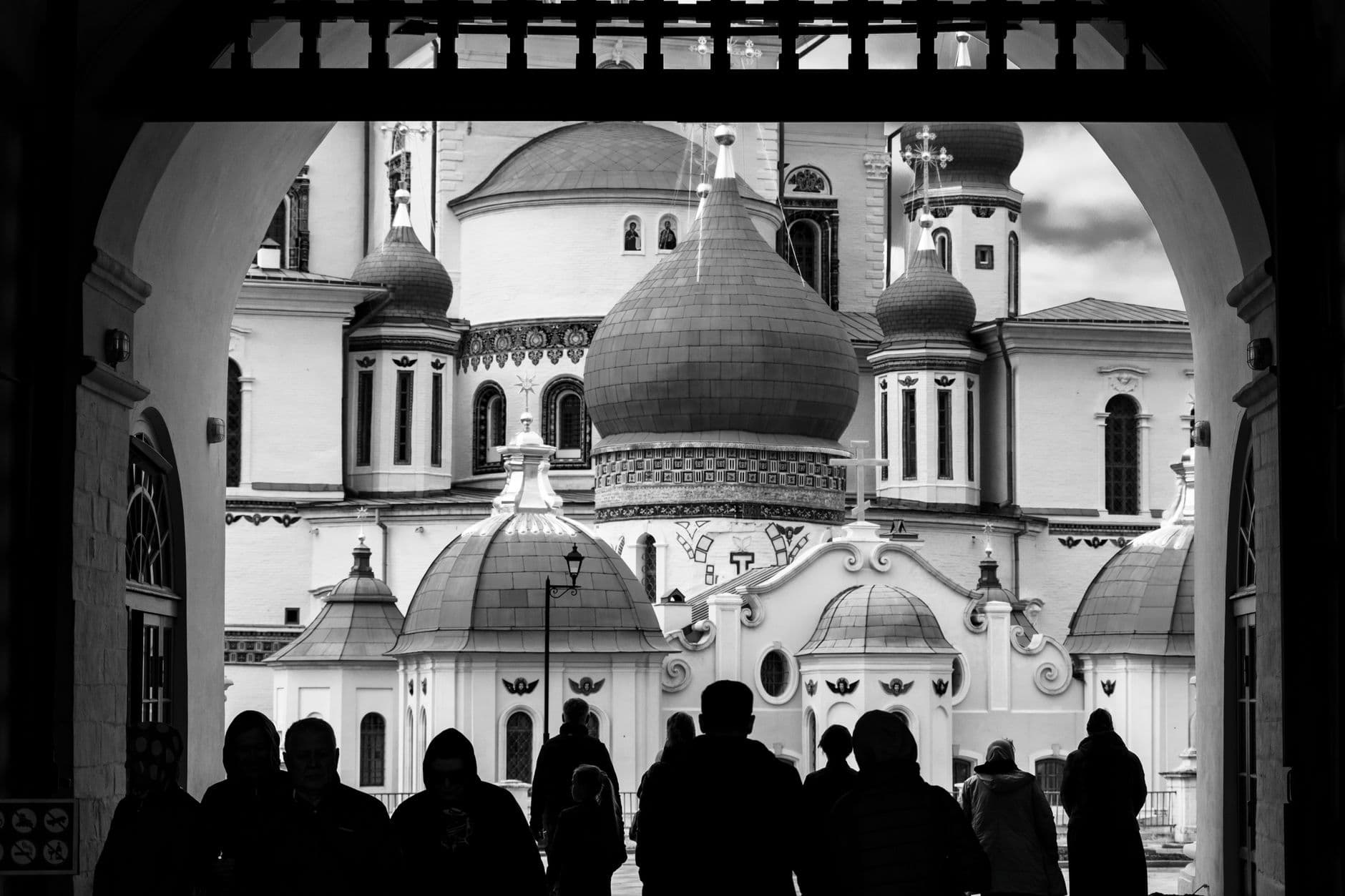
Зовнішній вигляд поєднує облицювання з великої цегли з білими деталями, створюючи лабіринт арок, ніш та декоративних смуг. Центральна вежа підноситься над іншими, тоді як інші куполи вінчають менші каплиці; разом вони утворюють кластер, що став символом Москви шістнадцятого століття. Мотиви Успіння та Благовіщення представлені в різьбленому камені та плитці; відчувається традиція, пов'язана з каплицею Миколи та сусіднім монастирем і єпископськими резиденціями, що зберігається століттями. Цей католицький об'єкт розташований серед численних соборів, які розповідають історію Росії.
Звідти ви можете вибрати ракурси, що поєднують собор із сусідніми визначними пам'ятками. Станьте біля краю річки біля Яузи, щоб отримати відблиски, або обрамте головні вежі Кремля за цибулинами куполів. Ці краєвиди розкривають історію Росії, правду, яку ви знаєте з фасадів, освітлених як ікона Успіння, разом із небом. У четвер та вівторок натовпи рідшають, що полегшує фотографування головних фасадів без перешкод. Кожна точка огляду підкреслює деталь - каплицю Миколи, наступне крило монастиря та єпископську резиденцію - тож ви можете зафіксувати останнє століття турботи, видиме в камені. Там, коли групи проходять, з'являється тихий момент.
| Spot | Vantage | Найкращий час | Notes |
|---|
| Червона площа, край, біля кремлівської стіни | Повний фасад із вежами та куполами в одному кадрі | Золота година | Класичний кадр головного профілю; будьте обережні з натовпом біля річки |
| Нікольська вулиця, кут | Куполи на тлі стіни кремля | рано вранці | тиша перед натовпом; висвітлює деталі Благовіщення |
| Оглядовий майданчик Александра Гарден | Вежі собору, що здіймаються над зубцями мурів | пізній полудень | м'яке світло на цеглі та черепиці |
| Набережна Яузи | Віддзеркалення з дзвіницями собору вдалині | sunset | драматичні кольори; захопити контур Кремля спокійною водою |
Години роботи та квитки до Собору Василя Блаженного: коли відвідати та поради щодо придбання квитків
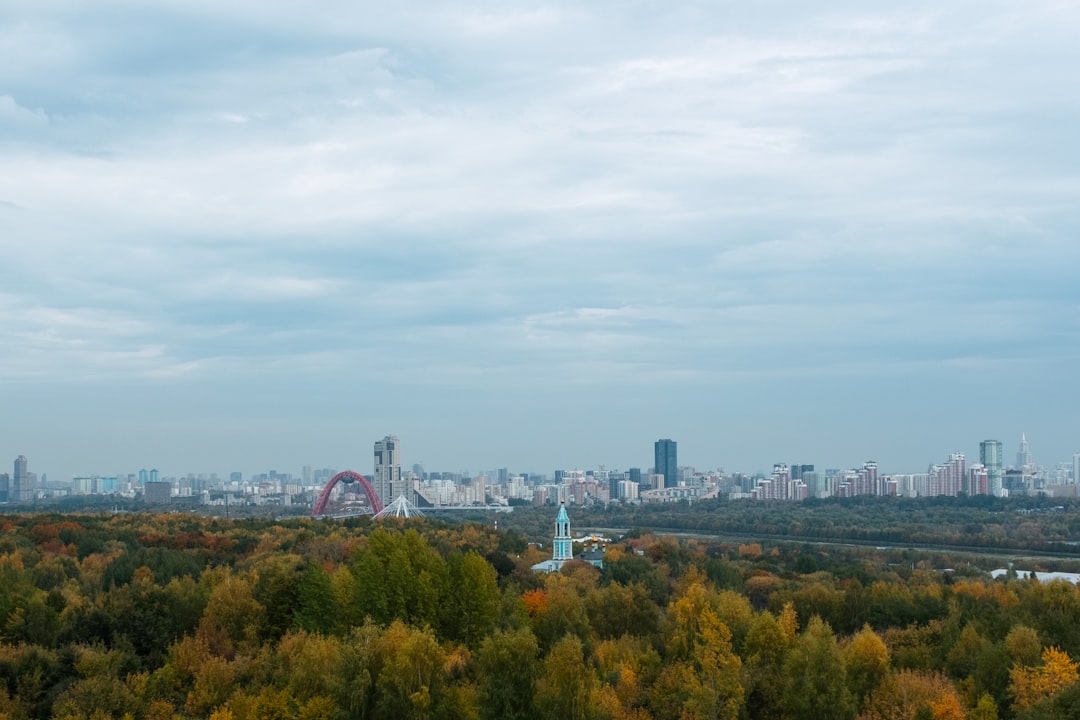
Відвідуйте у будні вранці, щоб уникнути натовпу та насолодитися спокійнішими залами. Ось швидкий список порад для планування вашого візиту: години роботи зазвичай з 11:00 до 17:00, останній вхід до 16:00; перевіряйте офіційний сайт для точної дати та будь-яких сезонних змін.
Щоб заощадити час, купуйте квитки онлайн на офіційному сайті та вибирайте варіант "тільки собор" або комбінований квиток до музеїв Кремля; онлайн-квитки призначають часове вікно, особливо в піковий сезон. Якщо ви плануєте відвідати в п'ятницю, бронюйте заздалегідь і намагайтеся потрапити на ранковий час, перш ніж збереться багато людей.
Всередині помилуйтеся Успінням Пресвятої Богородиці та каплицями архангелів; на території є кілька каплиць, кожна з яких прикрашена вишуканими іконами. Історичний будинок на Меншиковому провулку, де колись жив писар, розташований поруч із провулком, що відходить від головної вулиці, утворюючи компактний маршрут у центральному районі.
Закріплені гіди, іноді на ім'я Микита, надають стислий контекст біля адміністративного входу. Щоб максимально справити враження, виділіть 60-90 хвилин на інтер'єр та каплиці, потім прогуляйтеся алеєю та провулком, щоб відчути, як еволюювало місто, що, ймовірно, залишить у вас переможне відчуття історії.
Поради щодо дати та сезону: відвідайте міжсезоння, щоб уникнути натовпів; п'ятничні ранки зазвичай менш людні, ніж вихідні. Від станції Єлохів, шлях до об'єкта простий, а архітектура XV століття повинна справити сильне враження, яке захочеться повторити.
Примітка: сусідні музейні таблички стосуються епохи Голокосту в історії Москви, додаючи контексту вашій прогулянці від центральних провулків до монастирського комплексу; правила фотографування діють у певних каплицях, тому дотримуйтесь вказівних знаків.
Монастирі та собори Москви: сусідні пам'ятки для одноденного маршруту
Почніть від Єлохівського собору, патріаршої резиденції, потім зробіть коло через Данилів монастир, собори Кремля та Новодівочий монастир, щоб отримати насичений, різноманітний день, що поєднує історію з місцями для роздумів.
Данилівський монастир розташований у Замоскворіччі і датується 1280-ми роками. Його цегляні форми та інтер'єри розкривають середньовічну Москву, яку багато відвідувачів не помічають; обитель зосереджена навколо церкви Святої Трійці, і цей простір належить як ченцям, так і допитливим мандрівникам. Плануйте тут 60-75 хвилин, щоб насолодитися тихими подвір'ями між різьбленими арками.
Московський Кремль вміщує три головні собори, розташовані неподалік один від одного. Успенський собор є найдавнішою спорудою на цій території, завершеною у 1479 році та присвяченою Успінню Пресвятої Богородиці; всередині зберігаються ікони, зокрема Святої Катерини. Сусідні Благовіщенський собор та Архангельський собор вражають позолоченими банями та циклом фресок, що символізують переможні століття Москви. На огляд інтер'єрів та краєвидів з навколишніх стін закладіть 60-90 хвилин.
Новодівочий монастир, об'єкт зі списку ЮНЕСКО, заснований у 1524 році, поєднує спокійний монастир із Преображенською церквою та ставками, що відбивають куполи. Комплекс поєднує культурні форми — російські та європейські впливи з дотиками французьких декоративних мотивів — поряд із тихою парковою прогулянкою, яку багато відвідувачів використовують для відновлення сил. Заплануйте тут близько 90 хвилин для відвідування головних церков та внутрішнього двору.
За бажанням, коротка прогулянка після Новодівичого монастиря через Таганку відкриє вам приховані каплиці та вуличні ікони, а потім з'єднає з Замоскворіччям, де ви зможете отримати ширше уявлення про релігійне життя Москви, побачивши мечеті та церкви. Цей маршрут підкреслює, як міський релігійний ландшафт змішує традиції, і є компактним способом порівняти менші, окремі простори з величними ансамблями Кремля. У грудні враховуйте коротший світловий день та можливі зимові закриття, а в понеділок вранці деякі об'єкти відчиняються пізніше - це означає гнучкий темп для комфортного дня.
Ознайомтеся з цим планом і адаптуйте його до свого темпу. Якщо ви почнете рано, ви насолоджуватиметеся прохолоднішими інтер'єрами, тихішими подвір'ями та чіткішими краєвидами культурної та архітектурної спадщини Москви. Послідовність — від Єлохова назовні до Замоскворіччя та Таганки — пропонує практичну, винагороджуюче насичену вибірку церковного життя Москви за один день, з виразним відчуттям, що спадщина віри міста залишається живою та доступною.
Топ-5 соборів Москви: швидкі поради щодо відвідування та оптимальний час
Заплануйте відвідування Кремля на світанку, щоб побачити дзвони та м'якше світло, а потім перемістіться на навколишні площі для фотографування на вулиці, перш ніж натовп прибуде.
Застереження: години роботи, церемонії та доступ можуть змінюватися відповідно до літургійного розкладу. Перевіряйте офіційні джерела перед відвідуванням та дотримуйтесь дрес-коду та правил фотографування всередині кожного храму.
- Собор Христа Спасителя. Будівництво розпочалося в 19 столітті, офіційно завершено в 1883 році, потім зруйновано в 1931 році та відновлено для богослужінь у 1990-х роках. Величезний купол і позолочений фасад створюють вражаючий силует над річкою. Найкращий час для відвідування — рано вранці або пізно вдень, коли світло падає на білий екстер'єр, і ви можете прочитати написи на камені. Якщо ви відвідуєте під час церемонії, дотримуйтесь шанобливої дистанції та уникайте фотографування зі спалахом; прилегла відкрита територія ідеально підходить для швидкої фотосесії перед тим, як ви перейдете до наступної пам'ятки.
- Успенський собор у Кремлі Найстаріший серед московських кремлівських соборів, задуманий наприкінці XV століття та завершений близько 1489 року. Всередині спокійна висота склепінь та розписані фресками стіни запрошують зосередитись на божественній історії мистецтва. Прибувайте до формування ранкової черги, оскільки розклад церемоній може обмежити доступ до інтер'єру. Собор є частиною комплексу, внесеного до списку ЮНЕСКО; плануйте свій візит у компактній послідовності з сусідніми фасадами та очевидно історичними подвір'ями.
- Благовіщенський собор у Кремлі. Побудований наприкінці XV століття (приблизно 1474-1489 рр.) як центр царських богослужінь, його затишна нава контрастує з навколишньою величчю. Швидка порада щодо часу: відвідайте собор одразу після відкриття або під час перерви між службами, щоб насолодитися іконостасом та тихими куточками. Зовнішній фасад та прилеглі території, схожі на монастир, створюють компактне, історичне відчуття, яке ідеально підходить для короткої, зосередженої прогулянки, після якої можна перейти на сусідні площі.
- Архангельський собор (Архангельський собор) у Кремлі. Збудований у 1505-08 роках, він містить гробниці кількох царів, що надає простору відчуття значної історії. Порада для відвідувачів: ранкове або пізнє вечірнє світло підкреслює різьблений фасад і стрункі куполи; фотографування всередині може бути обмежене під час церемоній. Ця будівля є частиною того ж архітектурного комплексу, тому коротке, вчасно сплановане відвідування добре поєднується з іншими кремлівськими соборами та прилеглими червоноцегляними стінами.
- Kazan Cathedral (Cathedral of the Kazan Icon of the Mother of God) Constructed in the 1810s-1820s as a symbolic bridge between empire-era design and traditional iconography, it sits near Red Square and is accessible after you've completed the Kremlin circuit. The square-facing facade has a clear, strong line for photos, while the interior hosts a concise devotional space with a focused set of ceremonies. Best timing is late afternoon when the crowd thins and the sun catches the gold on the dome; then you can continue to nearby metro stops, using rogozhskaya as a convenient transfer point for other city sights.
Прочитайте цей посібник перед відвідуванням, щоб мінімізувати час, витрачений на двері та черги. Якщо ви плануєте короткий, символічний візит до Москви, ці п'ять місць пропонують стислий перелік, щоб зрозуміти релігійну історію міста, від найдавніших коренів століть до сучасного відродження. Кожен об'єкт є частиною ширшого дому російського церемоніального життя, який відвідувачі часто асоціюють із божественною архітектурою фасаду та купола.