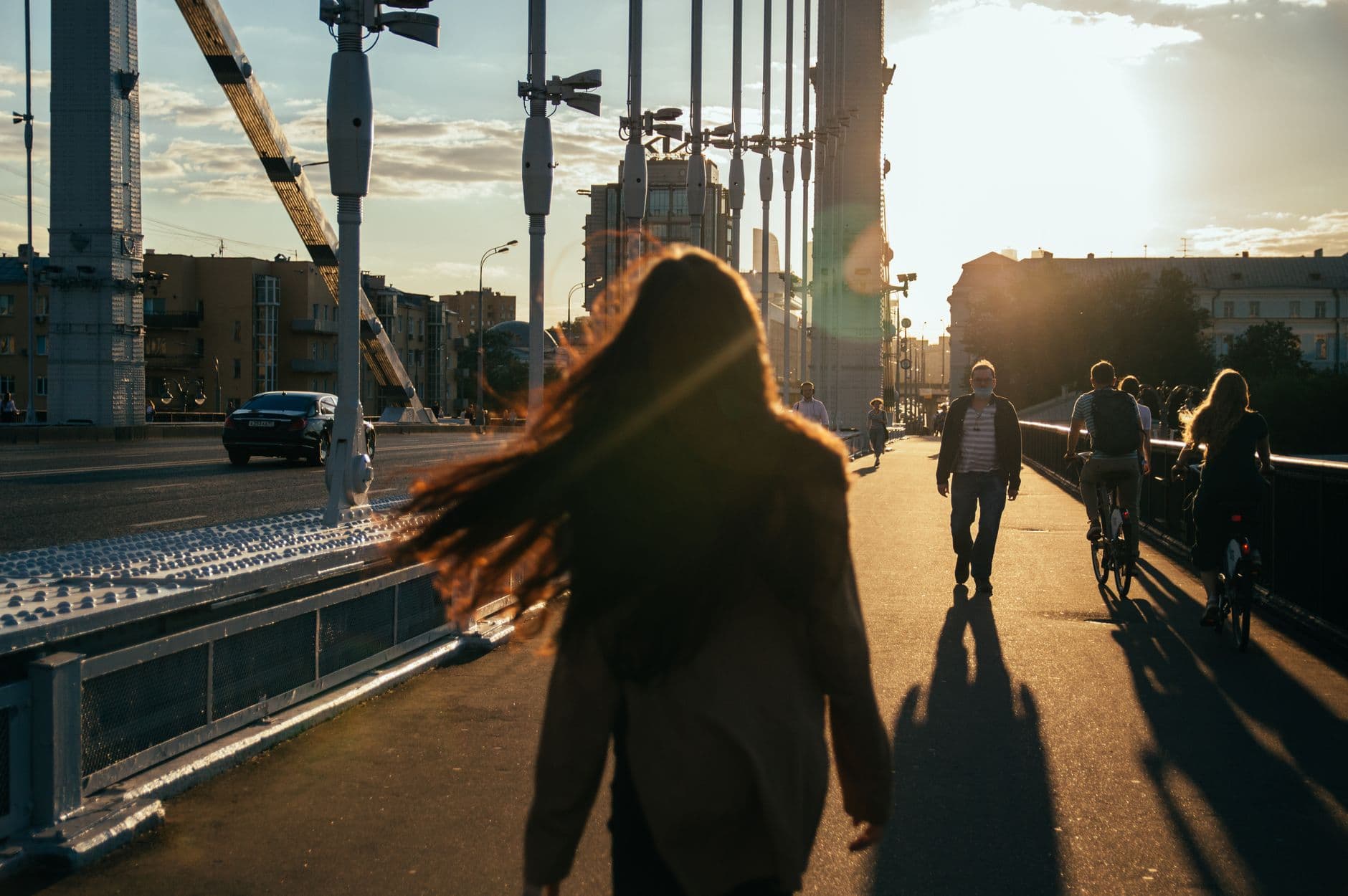
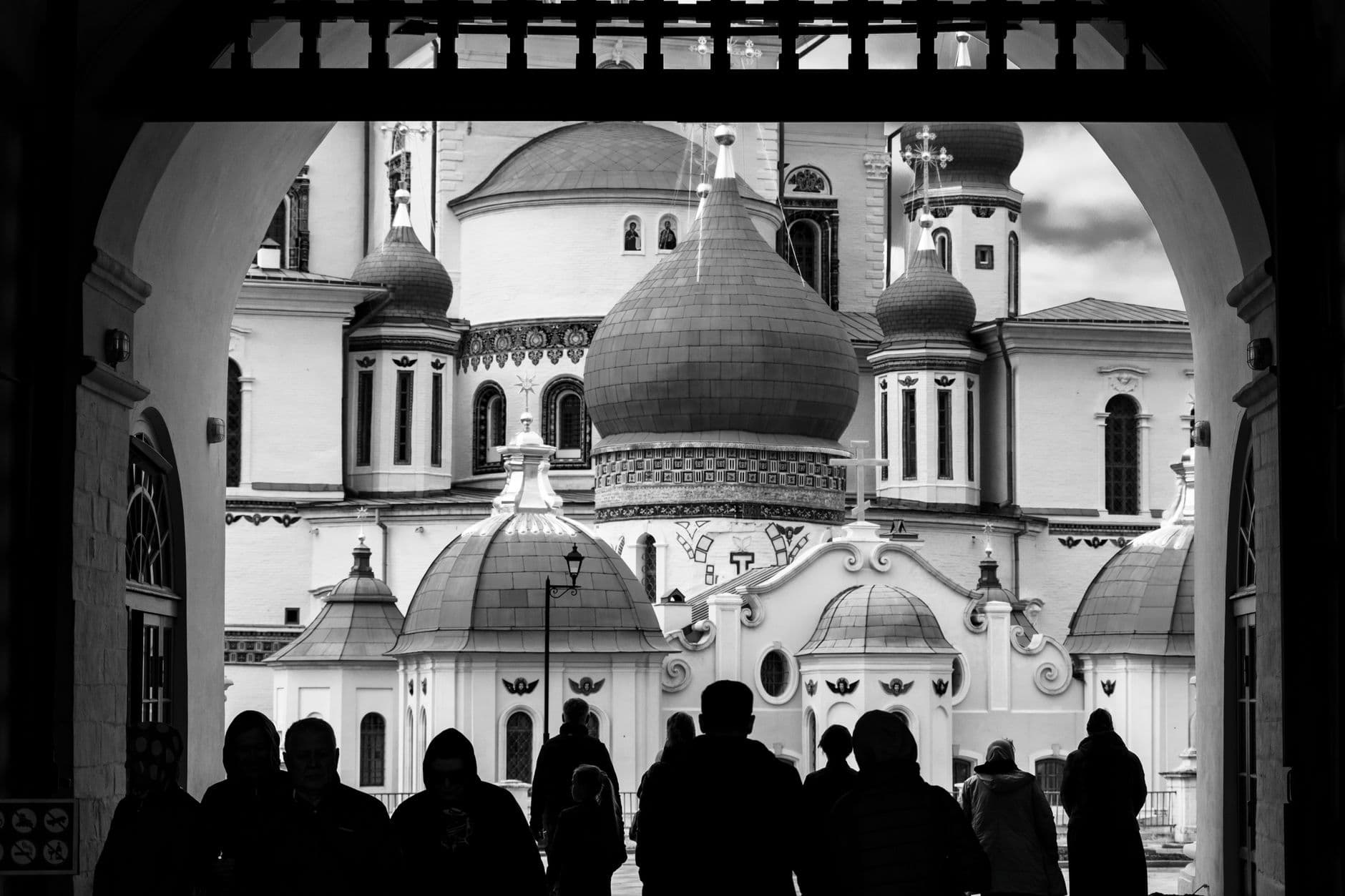
Гідований ранковий прогулянка починається від Заряддя та прямує до річки, а потім переплітається з історичною пішохідною артерією міста. Цей чарівний маршрут нагороджує мандрівників тактильними деталями: бронзовими табличками, вирізьбленими балконами та вітринами, які по-різному ловлять світло, коли день змінюється. Навіть якщо часу мало, ця компактна послідовність дає хороше уявлення про місце та запрошує повернутися, щоб помітити те, що спочатку залишилося непоміченим.
З кожним кроком з'являються кривоарбатські нитки як якір між старим і новим. За склом видно залишки століть-старі будинки, а горківський ансамбль обрамляє горизонт своїми галявинами та стежками. Якщо вам потрібний контекст, зупиніться в тихому дворику, де письменник може спостерігати, як він є частиною міського діалогу, і порівняти нотатки про дизайнерські рішення, які важливі в історії міського життя вдень або після заходу сонця.
Для тактичного задоволення виберіть кафе поблизу Заряддя та пройдіться назад до річки, потім йдіть уздовж краю алеї, поки не досягнете початкової точки. Та ж палітра кольорів знову з'являється, запрошуючи вас торкатися текстур і поверхонь. Російський шарм цього місця посилюється, коли ви затримуєтеся, а потім знову рухаєтеся повільніше, помічаючи сестер архітектури та важливі деталі, які сформували цей коридор. Якщо ви прийшли з іншими, під час прогулянки ви можете знайти сестер у дизайні вікон і карнизів, а письменник у вас записує настрій і значущі моменти, які можуть стати матеріалом для майбутніх творів. Маршрут запрошує вас залишитися, поки ви не вирішите затриматися або рушити далі, а потім повернутися.
Як почати та спланувати ідеальну 2-3-годинну прогулянку
Початок з точного плану: 2-3-годинна прогулянка, що починається від Лаврінських воріт, рухаючись уздовж боку до Столешникова і повертаючись через Смоленський. Мета — відчути античність і колір у пішохідному циклі, який залишається на тротуарах і двориках. Найкраще підходять ранок або вечір, при цьому вечір надає тепле світло, яке надає фасадам блиск; ліхтарі вздовж арок створюють м'яке полум'я. Виділіть 15 хвилин для зупинки в майстерні, де місцеві художники демонструють свої роботи, і зверніть увагу, що можуть бути обмеження щодо інтер'єрів або використання спалаху. Завжди тримайте комфортний темп, спрямовуючись на приблизно 5-6 км загалом, а не на довшу відхилення.
Маршрутний опис
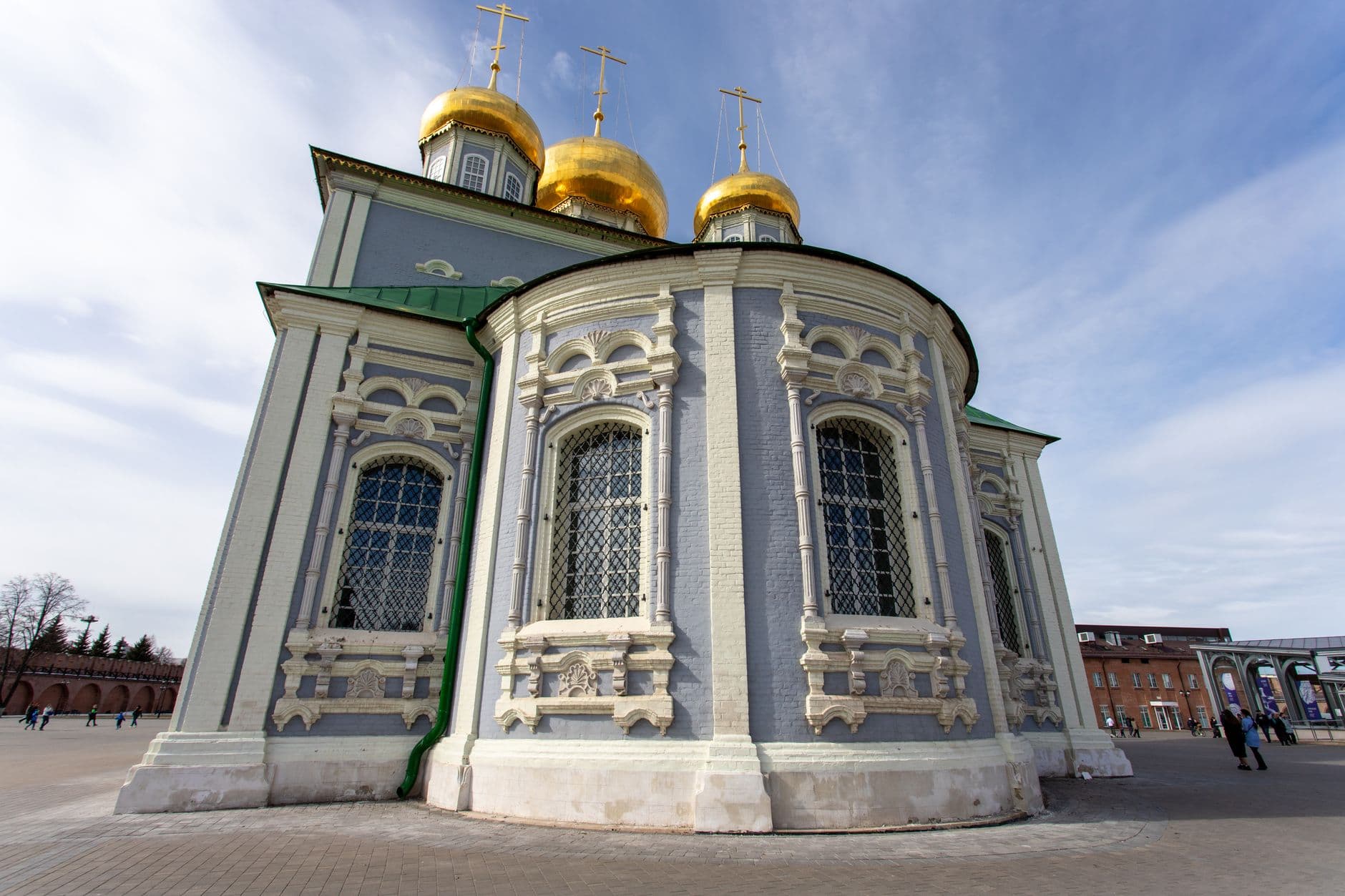
Від Лаврінських воріт продовжуйте до камер епохи Меншикова та старих воріт; короткий поворот на Столешникову приведзе вас до фасадів бутіків; потім поверніть до Іванівської та групи церков. Повертайтесь через Смоленську, слідуючи ліворуч, де колись стояли величні боярські будинки, а сходинки розкривають шар історії. Маршрут залишається пішохідним, з лавками та двориками, які запрошують до детального огляду кольорових фасадів, вирізьбленого каменю та написів у різноманітному минулому Росії.
Практичні поради
Вечір часто найкращий час для фотографування; возьміть легку куртку, оскільки температура падає. Існують обмеження на фотографування в приміщеннях; зосередьтеся на зовнішніх фасадах, якщо не впевнені. У понеділок багато малих магазинів працюють з скороченим графіком, тому плануйте маршрут, який приділяє більше уваги архітектурі, воротам і церквам. Надійте зручний взуття, возьміть воду і залиште місце для спонтанних зупинок біля Іванівських воріт або поблизу кластерів студій Лаврушинського, щоб спостерігати за повсякденним життям. Цей компактний маршрут пропонує значний досвід без перевантаження.
Повинні побачити пам'ятки, статуї та приховані деталі вздовж Арбату
Почніть з Вешняківського входу та виділіть годину для зосередженого маршруту, який розкриє спадщину столиці та міську тканину Росії: теплі, добре збережені будівлі вздовж бульвару, внутрішні двори та приховані деталі, які ви пропускаєте, поки не сповільните свій крок. Цей маршрут демонструє міську спадщину Росії.
Хоча петля компактна, ви не просто дивитеся фасади; кожен куточок приховує невеличку історію, яка дає зрозуміти, як тут відновлювали спадщину та як тут живуть.
Висвітлені та приховані скарби
вешняківський вхідний блок - старовинний, добре збережений фасад із величезним карнизом; на табличці згадується симонів та культурне життя, яке колись проходило через сусідні штаб-квартири та офіси.
Горківський блок - викарбуваний герб над входом, який відновили та перетворили на культурний офіс; задні сходи показують, як будівля функціонувала як невеликий штаб позаду куліс; високо помітні деталі, які легко помітить уважливий спостерігач.
Іванівський двір за тихими воротами - це теплий внутрішній простір за старим будинком; цегляна кладка добре збережена, а невелика інформаційна табличка пояснює його роль у культурному житті кварталу, вхід видно на задній стіні.
Сімоновська дошка та скульптура поблизу — це скромний маркер біля дверей; він пов'язаний із письменником Сімоновим і надає уявлення про літературну спадщину району; статуя поруч добре підтримується.
xybca doorway sign - маленька викарбувана табличка з написом xybca на задньому двери; для любителів головоломок вона додає шматочок фантазії до маршруту та запрошує придивитися ближче.
скритий дворик кафе - за звичайними воротами ховається мікро-простір; культурна спадщина відкривається на маленькій табличці та теплому світлі ліхтаря ввечері; можна розслабитися і спостерігати за життям вулиці.
великий рельєф на фасаді - блок із великим рельєфом, що зображає цех; вхід веде до відновленої сходинки та заднього коридору; історія будівлі тихо працювала позаду, багато років будучи офісом.
Прогуляйтеся назад по бульвару, щоб продовжити свій шлях; вас чекають нові відкриття, і ви з великою ймовірністю повернетеся з новими враженнями про культурну спадщину росії.
за курсом ЦБ РФ на 03.10.2026 · powered by tutkakdoma
Топ-кафе, заклади харчування та місця з випічкою для швидкої перерви
Близький переривчастий майданчик біля входу булат
Відвідайте кафе «Ворота» для швидкої перерви: еспресо з теплими пирогами та шматочком вершків. Є вікно, з якого відкривається вид на Горьківський двір і міські стіни — ідеально для короткої зупинки перед наступною прогулянкою. Вироби, натхненні Федорівною, мають легкий відтінок релігійного бароко, а персонал працює в простому, гармонійному ритмі. Кафе, яке підтримує резиденцію, пропонує відповідні закуски, коли захочете чогось солоного. Ці закуски, створені з турботою, мають значення як для місцевих, так і для гостей. Близький фасад Булата додає сцені текстури.
Смачні стравки у стилі спадщини поблизу Мельникова та Єлизавети
Близько розташована територія Мельникова містить пекарню з стриманим стилем, де поєднуються схід і захід. Тут подають пирожні Елізабет з ніжним глазуром і легким посипанням піском на корочці, що додає їм rustic хруст. Дякуючи постійним тренуванням і уважним працівникам, обслуговування швидке, дружнє та стабільне. Місцеві пекарі, які працювали з цукром і зерном, допомагають створювати смак, а техніки випічки, що використовуються сьогодні на кухні, мають глибокі історичні корені. Атмосфера нагадує про вагу історії. Відвідування пекарні — це як невеликий урок історії, де використовуються техніки випічки XV століття, а стіни навколо шепотять про значущість міста. Ви можете жити поблизу або відвідати — слідуйте ритму: смикайте, відкушуйте, прогуляйтеся, повторюйте. По всій території ці місця запрошують на спокійну перерву між визначними пам'ятками.
Інстаграмні ракурси: найкращі точки зору, освітлення та час для зйомки
Почніть у Микільському проїзді з першими променями світла, націліть на Кліментівський двір і чекайте, поки натовп розсіяється; масивні колони відкидають довгі тіні, які ведуть очі вздовж природної композиції. Якщо місце переповнене, перейдіть на протилежний кут через 15 хвилин, щоб зловити спокійніші відбиття в ставках і більш тихий вигляд з іншого ракурсу.
Найкращі виглядові точки включають Кліментовський двір для вузького коридору фасадів, Варварку для розгорнутої фасадної панорами та Микільську для деталей, обрамлених історичними дверними проходами. Текстури, від арок до храмових фасадів і віддалених силуетів замку, створюють глибину зображення. Додайте невиразний людський елемент - актора, що проходить, або людину з табличкою з прізвищами предків - щоб додати життя без зайвого безладу.
Освітлення: золотий годинник і блакитний годинник дають теплі та холодні тони відповідно. Розмістіться так, щоб зловити сонце, що скользить по спандрелях, або відблиски від ставків або скла. Ширококутний об'єктив зберігає лінії фундаменту; довга фокусна відстань стискає текстуру та додає драматизму; уникніть блиску вдень, шукаючи тіні під арками або вузькими проходами.
Часова стратегія: іноді найкращий кадр з'являється після того, як натовп розходиться або після того, як кіноекіпаж звільняє кут. Понеділки вранці можуть приносити спокійніші кадри; заплануйте вікно приблизно 60 хвилин навколо світанку або сутінків. Для присвячених, гідних заголовків кадрів працюйте з послідовністю біля меж 15-го будинку та біля проходів, де повітря відчувається кінематографічним.
Перегляд
Ідеальне світлове вікно
Timing
Notes
Миколаївський проїзд
золота година
світанок до ранку
спокійний настрій; відображення в ставках; стежте за натовпом і корегуйте кут.
Кліментовський двір
пізній післяполудень
пізній післяполудень до заходу сонця
довгі тіні підкреслюють ритм арок; використовуйте низький кут, щоб підкреслити фундамент.
Варварська філія
блакитна година
сутінки до раннього вечора
Теплі лампи контрастують з холодним камінням; обмежте перешкоди від прохожих.
музейний куточок
М'яке світло дня через арки
після робочого часу
архітектурні текстури та тихі дворики; ідеально для кіно-кадрів.
15-й корпус фасаду
захід сонця до блакитної години
після 15-го
Освітлення по краях підкреслює статуї та ніші; використовуйте довшу експозицію для непорушних натовпів.
Практичні поради: натовпи, етикет, транспорт та покупки
Прибудьте після 15:00, щоб уникнути найбільших натовпів і довгих черг вздовж центральних набережних біля Малої Феодорівки та Андріївського узвозу. Відреставровані фасади сяють у вечірньому світлі, візки на тротуарах заповнені закусками та сувенірами, а чарівна, колірна, хамелеонова атмосфера наповнює повітря, коли вуличний артист виступає на розі.
Знайти місцеві звичаї: тримайте голос помірно, стоїть у черзі в порядку та уникайте заблоковування проходів. Для іноземців важлива ціноуявність; вежливо торгуйтеся лише там, де це припустимо, і заздалегідь перевіряйте здачу. Основа хороших манер сягає коріннями до оповідань предків про стриманість у стресових ситуаціях; за словами місцевих, спокійна поведінка біля ікони архангела в центральному дворику оцінюється.
Транспорт: сервіси спільного користування з'єднують Малу зону та центральні райони; очікуйте величезних натовпів біля входу до метро, тому плануйте маршрути та розгляньте можливість пішохідних прогулок вздовж набережних, коли це можливо. Хоча тут багато людей, можна знайти спокійні куточки. Для груп рекомендується заздалегідь замовляти сервіс спільного користування; після реконструкції знаки можуть змінитися, тому слідуйте онлайн-навігації та уникайте повернення назад. Це важлива інформація для планування вашого дня.
Покупкові поради: шукайте відремонтовані магазини з чіткими ціновниками; уникайте натискових візків, що продають спонтанні покупки. Обирайте речі яскраві та якісно зроблені; віктор веде чарівний кіоск біля Малої Феодоровської, де пропонує друки та дрібні ремесла - надійний варіант для сувенірів. Якщо можливо, купуйте у Союзу місцевих майстрів; іноземцям слід мати при собі дрібні гроші та перевіряти автентичність за допомогою квитанцій або зразків. Район навколо Андріївського узвозу та Феодоровської наповнений мотивами архангела та історичною атмосферою, що надає місцю живучу атмосферу.