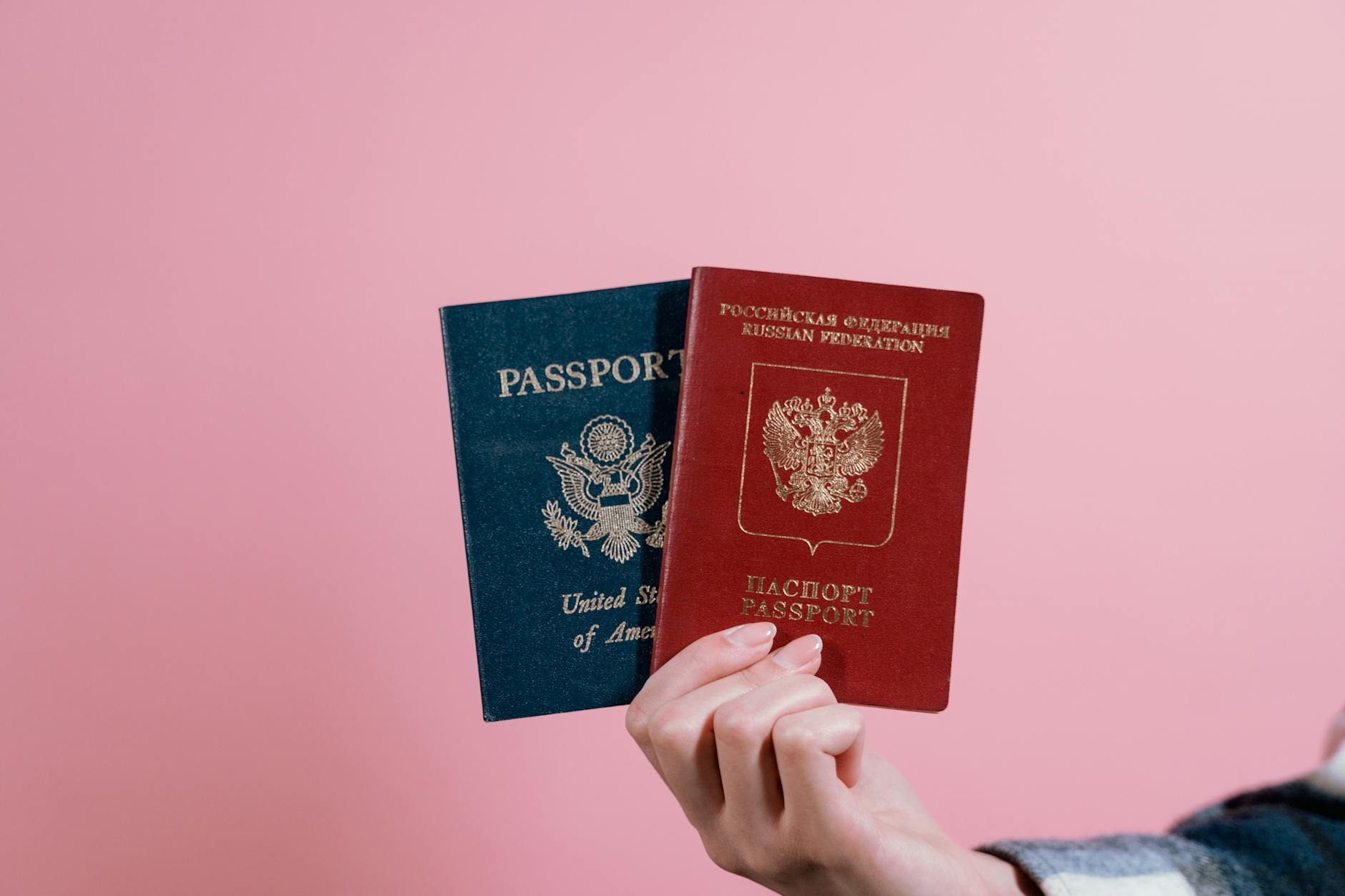
Отримання німецької візи може бути важливим кроком для громадян Росії, які бажають відвідати Німеччину за різними причинами, включаючи туризм, роботу або відвідини родини. Цей всеосяжний посібник надає пошаговий підхід, щоб заявоники могли точно відповідати вимогам і уникнути поширених помилок у процесі подачі заявки. Як Німеччина є країною, відомою своїми національними стандартами та високим рівнем життя, не дивно, що багато хто прагне потрапити до цієї європейської держави.
Перший крок у процесі оформлення візи — це зрозуміти конкретну мету вашого візиту та переконатися, що у вас є необхідні документи, включаючи достатні кошти на весь період перебування. Існують різні типи віз, наприклад, туристичні та робочі, кожен з яких має власні вимоги, які потрібно виконувати. Важливо чітко вказати ваші зв'язки з Росією під час подачі заявки, щоб підкреслити намір повернутися.
Одне має зазначити, що правильне заповнення анкетних форм є ключовим для успіху. Недавні зміни в процедурах візового оформлення означають, що заявителі можуть стикатися з новими інструкціями. Дослідні ресурси, такі як вебсайт visahq.com, можуть надати актуальну інформацію та форми. Крім того, не забудьте підготуватися до можливих інтерв'ю, які можуть включати представлення сертифікованих документів та деталей медичного страхування. Ці кроки допоможуть забезпечити більш плавний процес подачі заявки.
У цьому гайді ми розглянемо кілька етапів оформлення візи, включаючи підготовку документів, подачу заявки, оплату та те, що можна очікувати під час інтерв'ю на візу. Дотримуючись цієї структури, громадяни Росії можуть значно збільшити свої шанси на отримання схваленої візи, що дозволить їм повноцінно насолоджуватися запланованими подорожами до Німеччини.
Розуміння типів німецьких віз
Отримання німецької візи включає кілька ключових кроків, оскільки існує різні типи, призначені для різних цілей. Для громадян Росії розуміння цих категорій є вирішальним для успішного проходження процедури подачі заявки. Тут ми розглядаємо основні типи віз у межах Шенгенської зони та їх особливості.
- Короткострокова віза (Тип C): Ця віза зазвичай дійсна протягом 90 днів у період 180 днів. Вона охоплює туризм, бізнес або відвідування родини. Щоб подати заявку, вам потрібно надати фотографію паспортного зразка, маршрут подорожі та запрошення, якщо ви відвідуєте когось у Німеччині.
- Довгострокова віза (Тип D): Якщо ви плануєте перебувати в Німеччині більше 90 днів, вам потрібна довгострокова віза. Цей тип візи залежить від мети вашої поїздки, наприклад, роботи або навчання. Ви повинні подати оригінали документів, які підтверджують вашу мету, разом із медичним страхуванням, яке покриває ваш перебування.
- Візова робоча картка: Ця віза потрібна, коли у вас є пропозиція роботи від німецького роботодавця. Заявка повинна містити сертифікований трудовой договір, підтвердження ваших кваліфікацій та будь-які відповідні медичні документи. Термін обробки може відрізнятися залежно від місцезнаходження вашої приймаючої компанії.
- Студентська віза: Для тих, хто планує навчатися в Німеччині, ця віза вимагає підтвердження прийому від німецького навчального закладу, доказ володіння мовою та достатні кошти для проживання. Вам доведеться відвідати візову приймальню для подачі необхідних документів.
Цікаво, що тип візи, яку вам потрібно оформити, залежить від ваших конкретних планів і тривалості перебування в країні. Наприклад, туристична віза не підійде, якщо ви плануєте працювати або навчатися. Переконайтеся, що всі документи правильно заповнені та подані, щоб уникнути затримок у розгляді вашої заявки.
У надзвичайних ситуаціях може знадобитися негайна допомога місцевих органів влади або посольства. Також важливо перевірити офіційні політики щодо можливих підвищених вимог або змін у процесі оформлення, особливо з урахуванням поточної геополітичної ситуації, яка може вплинути на правила подорожування.
Перед подачею заявки рекомендується відвідати сайти, такі як visahq.com, щоб отримати актуальну інформацію та рекомендації, оскільки вони надають детальні відомості про різні типи віз, необхідні документи та загальні процедури. Нарешті, розуміння конкретних вимог для бажаного типу візи допоможе спростити процес подачі заявки та полегшити ваше перебування в Німеччині.
Шенгенська віза: короткострокові подорожі
Отримання шенгенської візи необхідне для іноземних туристів, які планують короткострокову поїздку до Німеччини та інших країн Шенгенської зони. Ця стаття надає пошаговий посібник, зокрема для російських заявників, які планують відвідати країни з туристичною чи іншою метою. Шенгенська віза зазвичай дозволяє перебування до 90 днів протягом 180-денного періоду.
Рішення про видачу візи залежить від кількох факторів, включаючи мету візиту, фінансові можливості та повноту заявки. Важливо переконатися, що всі вимоги виконані, а всі форми заповнені правильно. Перед подачею заявки рекомендується перевірити офіційний сайт за актуальною інформацією щодо необхідних документів та процедур.
Заявка зазвичай передбачає заповнення онлайн-форми, де потрібно вказати особисті дані та інформацію про заплановану поїздку. Форму також може знадобитися перекласти українською мовою. У зв'язку з триваючими глобальними надзвичайними ситуаціями можуть бути введені додаткові заходи, такі як карантинні протоколи, і заявителям слід бути готовими до можливого підвищеного контролю під час процесу отримання візи.
Для туризму часто корисно, щоб заявителі додавали заяву, в якій описували свій маршрут і заплановані дії під час перебування в Німеччині. Демонстрація справжнього інтересу та добре продуманого плану може збільшити шанси на отримання візи. Зверніть увагу, що можуть видаватися багаторазові або одноразові візи, залежно від індивідуальних обставин та планів подорожі.
На завершення, розуміння різних етапів та вимог для візи Шенгену є важливим для успішної подорожі до Німеччини. Дослідна підготовка та дотримання офіційних рекомендацій можуть значно спростити процес заявки та допомогти заявителям подолати будь-які труднощі, які можуть виникнути.
Національна віза: довгострокове перебування
Для громадян Росії, які планують тривалий перебування в Німеччині, Національна віза є важливим кроком. Цей тип візи видається для різних цілей, включаючи роботу, навчання або возз'єднання сім'ї. Процес подачі заявки включає кілька етапів, які необхідно дотримуватися для успішного подання.
Перший крок у процедурі оформлення Національної візи - відвідування офіційного сайту німецького посольства або консульства. Тут заявителі можуть знайти конкретну інформацію, адаптовану до свого регіону, включаючи Єкатеринбург, де є місцеві центри прийому заяв на візу. Важливо зібрати всі необхідні документи до подачі заявки, оскільки недоповнені заявки можуть призвести до підвищеної перевірки та затримок.
У плануванні вашої подорожі переконайтеся, що у вас достатньо коштів для покриття всіх витрат, пов'язаних із перебуванням, включаючи проживання та щоденні витрати. Документи, які часто потрібні, включають підтвердження фінансових засобів, розпорядження щодо проживання (наприклад, бронювання готелів) та дійсне подорожнє повідомлення.
Після збору всіх документів вам потрібно подати заявку на національну візу. Цей процес зазвичай включає заповнення анкети та оплату необхідних зборів. Більшості заявників також доведеться перекласти свої документи англійською або німецькою мовою, особливо якщо вони містять юридичні заяви.
Під час вашого візиту до центру прийому заяв на візу будьте готові пред'явити документи для перевірки. Найпоширеніші типи довгострокових віз включають візи для роботи, навчання та возз'єднання сім'ї. Кожна з цих категорій має свої конкретні вимоги, тому важливо дотримуватися пошагового керівництва, наведеного на сторінках посольства.
У разі надзвичайних ситуацій Національна віза дозволяє громадянам користуватися різними державними послугами без правових перешкод, з якими стикаються туристи під час коротких поїздок. Тому рекомендується подати заявку заздалегідь до запланованої подорожі, щоб уникнути можливих проблем.
| Вид візи | Документи, які потрібні для оформлення | Fees |
|---|---|---|
| Робоча віза | Оферта на роботу, підтвердження кваліфікації, фінансові засоби | €100 |
| Студентська віза | Університетський лист-довідка про прийом, підтвердження коштів, медична страховка | €75 |
| Візова підтримка для родинного об'єднання | Довідка про родинні зв'язки, документи про фінансову підтримку | €80 |
На завершення, отримання національної візи для довгострокового перебування вимагає ретельного планування та підготовки. Дотримуючись поради та рекомендацій, які містяться на офіційному сайті, громадяни Росії можуть ефективно пройти процедуру оформлення візи та забезпечити безперебійний перехід до свого майбутнього в Німеччині.