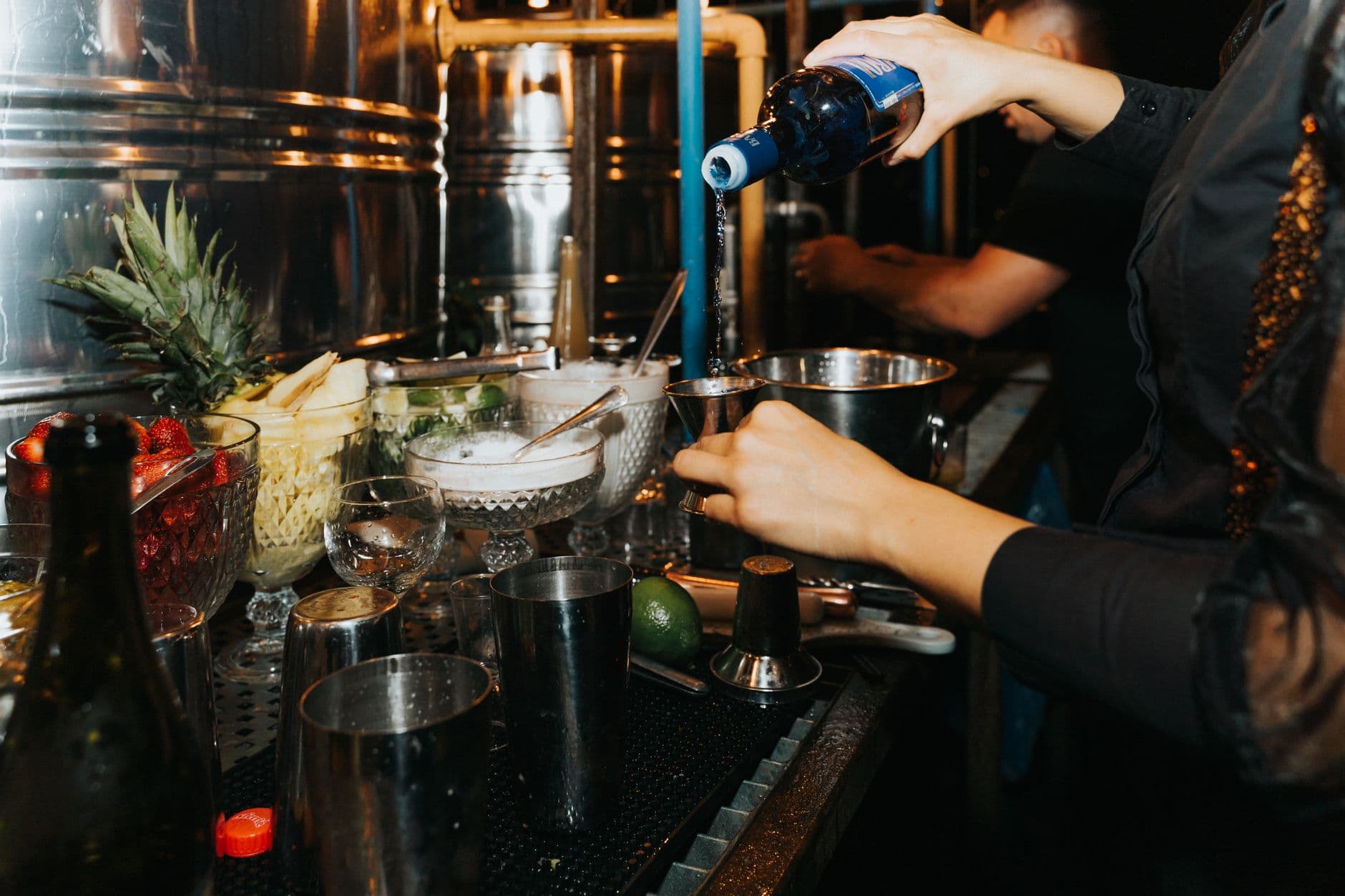
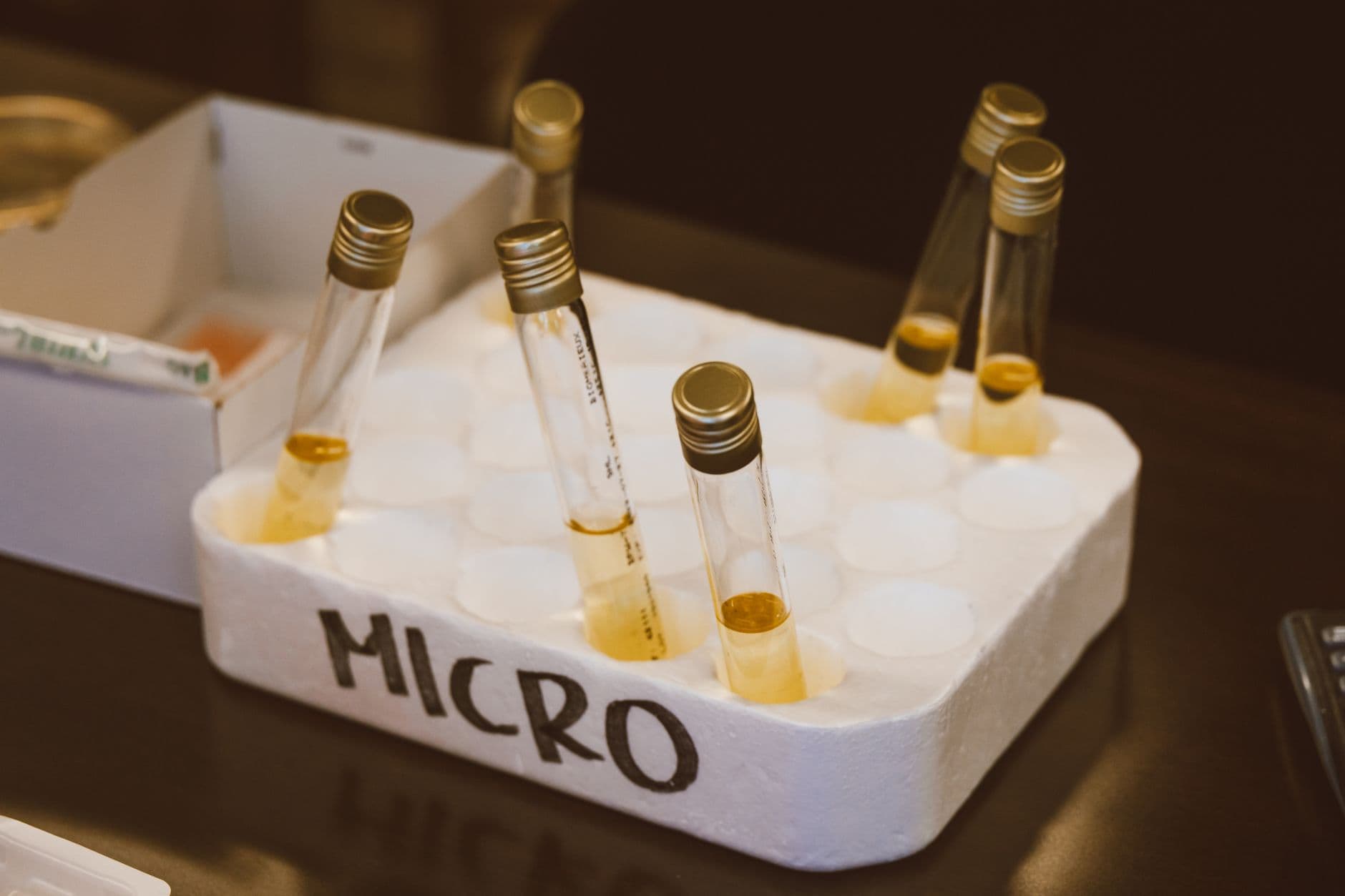
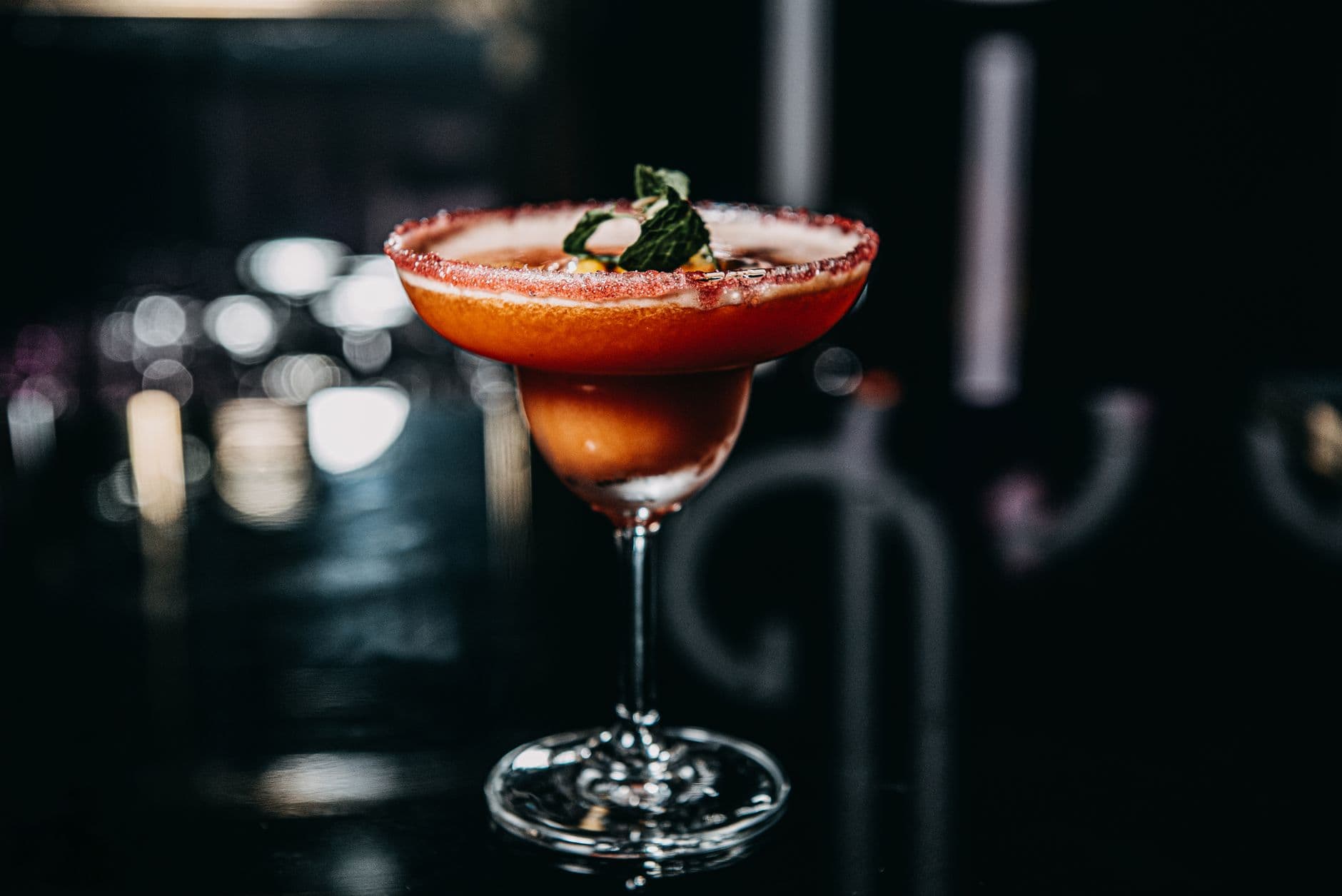
Спочатку зробіть практичну перевірку: порівняйте два зразки пліч-о-пліч - етикетку преміум-класу та крафтовий купаж - а потім занотуйте дані про аромат, текстуру та післясмак. Зверніть увагу на такі речі, як те, як вода (розведення) змінює відчуття в роті. У різних пляшках маркетингові зображення рідко розповідають всю історію; ніколи не покладайтеся на гарний текст на етикетці.
Одне вперте переконання полягає в тому, що цей нейтральний спирт не має смаку. Дані від дегустаційних комісій показують тонкі нотки: м'яку зернову солодкість, мінеральну гостроту від якості води та чистий післясмак, коли фільтрація видаляє сполуки сірки. Їх основа має значення; чотири змінні визначають характер: джерело зерна або картоплі, якість розведення та мінеральний баланс, кількість дистиляцій та фільтраційне середовище - це чотири змінні, оцінені за літературними критеріями. Зображення бездоганних етикеток рідко відображають ці відмінності.
Престиж бренду не гарантує чистоту. Дані незалежних дегустацій показують, що ціна та сприйнятий престиж погано корелюють з результатами тестів. На багатьох ринках юридичні стандарти фіксують 40% ABV і все ще дозволяють різні шляхи фільтрації. Бувало: деякі виробники заявляють про надвисоку чистоту, але незначна вимірювана різниця проявляється в сліпих тестах. Аромати можуть перегукуватися з нотами, що нагадують дим, включаючи сигарети, оскільки ці ознаки походять від розчинників або відновних сполук під час обробки. Не покладайтеся на гасла; вивчіть список інгредієнтів і етапи виробництва. Причина неправильного сприйняття часто полягає в брендингу, а не в базовому матеріалі, тому сліпі порівняння мають значення.
Чотири конкретні перевірки керують надійною оцінкою. По-перше, перевірте інгредієнти: лише багаті на цукор зерна або картопля плюс чиста вода; по-друге, перегляньте кількість дистиляцій і метод фільтрації; по-третє, підтвердьте юридичні заяви на етикетці про походження та обробку; по-четверте, порівняйте з контрольним зразком у сліпій установці. Ці перевірки реєструють дані та дозволяють порівнювати результати випробувань. Розуміння, яке випливає з контрольованих процесів, допомагає відокремити шум від сигналу. На практиці виявляється, що під час дегустацій пліч-о-пліч з'являються тонкі відмінності в ароматі та відчутті в роті; дані, отримані під час випробувань, підтверджують ці спостереження. Ці знання стають хорошим інструментом, коли ринки різняться, де відрізняється маркування.
Поширені міфи про горілку розвінчано: практичні факти, які ви можете використовувати
Рекомендація: зберігайте спиртні напої при температурі близько 15°C у прохолодному, стабільному місці; морозильна камера не ідеальна для щоденного використання, оскільки коливання можуть приглушити аромат і смак без запаху та вплинути на безпеку. Звичайно, стабільне середовище зберігає консистенцію в різних пляшках.
Збовтане проти перемішаного реальність - стереотипне переконання говорить, що перемішані напої зберігають смак; насправді, як перемішані, так і збовтані підходи працюють, залежно від мети суміші. Дистилятори наголошують, що відмінності полягають у розведенні та текстурі, а не в безпеці; здається, немає шкідливого ефекту, коли якість льоду та техніка є надійними. Для тих, хто стурбований зміною смаку, ефект мінімальний при правильному методі.
Факт про зберігання в морозильній камері - Температура в морозильній камері може зберігати напої дуже холодними, але немає виграшу в безпеці, і аромат, як правило, приглушений. Ми дізналися в дегустаційних лабораторіях, що коротке охолодження в холодильнику або полоскання склянки дає кращу чіткість смаку без запаху під час подачі. Для таких брендів, як delcheva, збереження чистого профілю виграє від уникнення тривалого заморожування.
Помилкове уявлення про відсутність запаху - хоча багато хто описує основу як таку, що не має запаху, існують тонкі смакові нотки, які варіюються залежно від зерна або основи, дистиляції та фільтрації. Експерти допомагають з'ясувати, що відсутність запаху не дорівнює відсутності смаку; є легкий смак навколо зерна або кукурудзи, навіть у нейтральних стилях. Це усвідомлення має значення, коли ви хочете оцінити якість, не покладаючись лише на аромат.
Культура та вибір - історії бабусі та пісні бренду вбік, справжнім показником є послідовність у якості, контроль температури та чиста дистиляція. Завдяки належній практиці шкідливі домішки зводяться до мінімуму, а профіль залишається безпечним і гладким. Хоча профіль може бути м'яким, корисно порівняти кілька брендів, включаючи delcheva для еталонного смаку.
Практичні висновки - щоб оптимізувати досвід, тримайте пляшки подалі від тепла та світла та уникайте частих перепадів температури; подавайте в чистому вигляді при температурі близько 6-12°C або використовуйте холод для коктейлів при 4-6°C. Звичайно, немає потреби в екзотичних ритуалах; використовуйте чистий посуд і переконайтеся, що в кімнаті немає запахів, оскільки це може вплинути на сприйняття. Якщо заплановано дегустацію, почніть з невеликої кількості та оцініть прогресування при належній температурі; це допомагає виявити надійну якість і безпечні характеристики.
Чи горілка не має смаку, чи вона має відчутні нотки?
Відповідь: Не без смаку; відчутні нотки існують навколо більшості пляшок. Насправді, поняття спирту без смаку є спрощенням. Чотири фактори формують профіль: затор (жито, пшениця, кукурудза або картопля), конгенери ферментації, дистиляційні зрізи та фільтрація. Відмінності між брендами походять від цих елементів, окремо, і від того, як рідина зберігається перед випуском. Всупереч міфу про відсутність смаку, реальність показує, що нотки з'являються навколо кожної пляшки, а не ізольовано.
Зазвичай помічені нотки включають зернову солодкість, перечну пряність, цитрусову цедру, ваніль і мінеральний край від води. У різних брендах ви можете знайти спектр від чітких, нейтральних ліній до більш повних, хлібних або вершкових фінішів. Реальність така, що багато сучасних виразів розроблені для гладкості, але вони рідко бувають повністю без характеру. Урядова структура забезпечує безпеку та чистоту, тоді як поєднання вибору процесу та техніки визначає смак, а не удачу. Фільтрація може діяти як пригнічувач більш різких нот, зміщуючи баланс у бік більш доступних профілів. Давайте порівняємо близько чотирьох типових шляхів: профілі з прямим зерном, кукурудзяно-солодкі лінії, картопляно-багаті текстури та змішані стилі, які поєднують інгредієнти. Суміш допомагає пояснити, чому дві пляшки можуть мати різний смак, навіть якщо вони походять від одного бренду.
Щоб надійно оцінити нотки, читачі повинні прочитати етикетку, щоб дізнатися про затор, метод дистиляції та етапи фільтрації. Конкретні деталі сприяють аромату та відчуттю в роті. Під час дегустації в магазині дайте зразкам трохи відпочити в руці, щоб вони трохи нагрілися, помітьте аромат перед тим, як зробити ковток, і врахуйте післясмак. Ви помітите відмінності в чотирьох зразках пліч-о-пліч: суміші з житнім смаком можуть давати перець і сухофрукти; розливи на основі пшениці, як правило, мають легку хлібну скоринку та вершки; сорти на основі кукурудзи підкреслюють солодкість і чисте відчуття в роті; вирази на основі картоплі можуть відчуватися вершковими з тонкими земляними тонами. Відмінності, хоч і тонкі, мають значення для балансу коктейлю або стилю потягування. Зазвичай це справедливо для різних брендів, і ви, ймовірно, помітите варіації залежно від затору та фільтрації.
Практичний висновок: шукайте бренди, які публікують затори, використовують вдосконалені режими дистиляції та застосовують цільову фільтрацію. Якщо читач хоче більше виразності, будинки, натхненні бабусею, або крафтові будинки часто дають більш виражені нотки, ніж пляшки масового ринку. Зберігайте в прохолодному, темному, сухому місці, подалі від сонячного світла, і обережно поводьтеся з ними під час дегустації, щоб зберегти аромат. У дискусіях і читанні liquorcom ви знайдете вказівки щодо зберігання, обробки та подачі; ці фактори впливають на аромат і смак протягом усього терміну служби напою. Якщо вам потрібен надійний партнер для коктейлів, бренд з контрольованою фільтрацією зазвичай дає збалансований, приємний досвід, який помічає приємні нотки, а не без смаку.
Чи справді росіяни п'ють горілку літрами?
Перевірка реальності: сеанси розміром з літр не є нормою. Для тих, хто замовляє пляшку, звичайний розмір становить 0,5 або 0,7 літра, що зберігає скромні порції на людину; 1 літр з'являється переважно у великих замовленнях або на великих зібраннях. Законний вік вживання алкоголю становить 18 років, і магазини дотримуються суворих норм перевірки та відповідального обслуговування. Таким чином, образ безперервного споживання, як з відра, не є репрезентативним для типової поведінки. Замовлення пляшки групою зазвичай призводить до 1-2 пляшок протягом вечора.
У Росії вживання алкоголю є культурною практикою, пов'язаною з їжею та тостами; типові порції становлять близько 25-40 мл на чарку, часто запиваються водою. Дані, отримані спостерігачами, показують зменшення кількості епізодів запою з 2000-х років, хоча існують регіональні відмінності. Коли хтось замовляє пляшку на вечірку, загальний обсяг протягом кількох годин, як правило, становить 1-2 пляшки, а не один літр. Це не єдиний зразок по всій країні.
Міркування щодо бренду та якості: вибирайте продукти від ліцензованих виробників; перевірте етикетку на предмет законного походження, ABV та методу дистиляції. Зокрема, шукайте бренд з чистою фільтрацією та чіткою історією створення; деякі магазини мають лінійку teodora, а також міжнародні назви. Для більш гладкого досвіду деякі виробники пропонують варіанти без запаху, які продаються для легкого потягування, але смак залишається виразним. Для тих, кому цікавий процес, пам'ятайте, що основний дистильований спирт виробляється із зерна або картоплі та змішується з водою для досягнення бажаної міцності; правда про чистоту полягає в неупередженому тестуванні та прозорому маркуванні. Давайте порівняємо варіанти за ціною, відгуками та спадщиною бренду, щоб зробити мудрий вибір, який допоможе їм почуватись впевнено в тому, що вони купують.
Правда проти стереотипу: давня ідея про те, що росіяни п'ють літрами, є надмірним спрощенням, яке можна знайти на деяких зображеннях. Реальність залежить від регіону, віку та контексту. Практика зазвичай передбачає помірний темп, з тостами та водою між раундами, а також різноманітність уподобань, включаючи пиво чи вино в багатьох домогосподарствах. Якщо потрібне видовище, сплануйте захід з відповідальним замовленням тостів і забезпечте доступ до безалкогольних напоїв. Хоча надмірне вживання алкоголю залишається проблемою в деяких районах, поточні моделі навколо великих міст і сільських районів показують варіації; гусак не є господарем культури, і ідея нескінченних узливань не є точною в більшості повсякденних ситуацій. Цей підхід поважає правові норми та культурний контекст і допомагає кожному насолоджуватися збалансованим створенням вражень від брендів, які, безумовно, відображають правду, а не сенсаційні образи.
Чи є горілка найміцнішим поширеним спиртним напоєм за ABV?
Не набагато. У звичайній роздрібній торгівлі базова лінія для цього прозорого нейтрального дистиляту становить близько 40% ABV; існують вищі докази, але вони не є типовими для повсякденних пляшок.
Там, де ABV варіюється за категоріями, концентрація та смак відрізняються. Для тих, хто шукає більш міцні варіанти, джин військово-морської міцності становить близько 57% ABV, тоді як роми з надмірною міцністю та пляшки в стилі абсенту охоплюють приблизно 50-75% ABV. Між цими основними рівнями кілька пляшок підкреслюють потенцію, але стандартні 40% ABV залишаються якорем, перш ніж будь-яка вода буде додана в коктейль.
Для тих, хто стежить за дієтою або враховує целіакію, більшість дистилятів не містять глютену шляхом дистиляції, якщо ароматизатори не містять слідів глютену. Припустімо, що вищий ABV не гарантує кращий смак. Завжди перевіряйте етикетки, якщо продукт прямо не вказує, що він не містить глютену. Тим, хто має чутливість до глютену, слід з обережністю ставитися до ароматизованих або настійних варіантів. Ми спостерігали, що деякі бренди підтримують відмінні, ароматні профілі, зберігаючи при цьому свідому концентрацію алкоголю.
Короткий висновок:
- Базова лінія: 40% ABV є нормою; більшість пляшок знаходяться тут.
- Вищий діапазон: джин при 57% ABV; роми з надмірною міцністю та продукти сімейства абсенту досягають 50-75% ABV.
- Приклади брендів: delcheva і teodora випустили видання з високим ABV, показуючи, що міцність може поєднуватися з балансом.
- Етикетки, кампанії та амбасадори: прочитайте ABV на етикетці; кампанії можуть підкреслювати потенцію, але справжня сила - це те, що в пляшці.
- Смак проти міцності: ті, хто має відмінні, ароматні нотки, все ще можуть процвітати при нижчому ABV, тоді як вища концентрація змінює відчуття в роті; пам'ять про аромат має значення під час дегустації.
- Примітка: у цій категорії також існують варіанти без смаку; без аромату чи текстури досвід обмежений.
Чи відображає ціна якість горілки?
Відповідь проста: ціна не гарантує високу якість; літературне визначення якості ґрунтується на базовому матеріалі, чистоті дистиляції та чистому фініші, а не на престижі етикетки.
Основа на основі зерна зазвичай забезпечує більш жорсткий контроль смаку, тоді як профіль без запаху полегшує поєднання з коктейлями. Спробувавши нову пляшку, оцініть початковий аромат і післясмак; якщо є різке печіння, перегляньте. Зображення на етикетці можуть вводити в оману, і навіть зображення, зроблені під час маркетингових зйомок, можуть не відображати смак.
Ціни часто відображають упаковку, маркетинг і дистрибуцію, а не лише чистоту. За 15-25 доларів США пляшка може забезпечити дивовижну чіткість; за 30-50 доларів США консистенція, як правило, покращується; за 60-100+ доларів США текстура може бути більш гладкою, хоча немає універсального правила, що вища ціна означає кращий смак або довший фініш. Вони мають цінність для майстерності, що стоїть за основою, але рухомий зв'язок ціни та якості не є фіксованим і залежить від виробника.
Після практичного тесту перевірте джерело на основі зерна, чисту воду та надійну фільтрацію. У сліпих порівняннях пляшки середнього діапазону можуть відповідати дорогим варіантам; спроба кількох пліч-о-пліч допомагає піднебінню визначити, що має значення. Будь ласка, зробіть дегустаційну нотатку від руки; запишіть смак без запаху, гладкий і збалансований, що підтримує кращі рішення для пиття та рецептів мартіні.
Відкрийте для себе, а потім вирішіть щодо цінності за критеріями, що виходять за межі ціни: продукт з високою чистотою, лаконічним смаковим профілем і стабільним фінішем. Любов до добре зробленої пляшки зростає, коли аромат залишається тихим, а текстура тримається; гарний брендинг може привернути увагу, а зображення на етикетці можуть бути переконливими, але досвід пиття залишається остаточним тестом. Визначення якості в цьому контексті - це чисте, свіже відчуття в роті, яке добре поєднується з міксером або стоїть окремо в чистому вигляді.
Чи може горілка претендувати на користь для здоров'я або лікувати хвороби?
Рекомендація: немає доказової бази для переваг для здоров'я або лікування етанолом у будь-якій кількості; дані, отримані з досліджень, не підтверджують таких результатів, і виправдана лише обережна інтерпретація.
Дані, отримані в контрольованих дослідженнях, не показують надійних переваг; результати спостережень часто виявляють невеликі асоціації, зазвичай від трьох до п'яти відсотків, але ці сигнали не доводять причинно-наслідковий зв'язок і значною мірою залежать від способу життя та супутніх факторів здоров'я.
Між маркетинговими заявами та науковими звітами ефекти тепла або настрою є тимчасовими та не перетворюються на профілактику чи лікування захворювань. Щоденне споживання не рекомендується як стратегія охорони здоров'я; натомість моделі цілісної їжі, регулярна фізична активність, достатній сон і вакцинація забезпечують більш чіткі, доведені переваги. Амбасадори здоров'я наголошують на помірності та контексті, а не на загальних вигодах.
На ринках Петербурга та в багатьох засобах масової інформації поширюються зображення та заяви в літературному стилі, які здаються переконливими; однак значна частина цього дискурсу покладається на безглуздий сенсаціоналізм, а не на достовірні дані. Те, що сприяє фактичному благополуччю, залишається доведеним у дослідженнях, а не в глянцевих сигналах чи гаслах.
Три практичні висновки: по-перше, ліків від етанолу не існує; по-друге, потенційні асоціації зі зниженим ризиком не є надійним доказом користі; по-третє, кращі результати досягаються завдяки підходам, заснованим на доказах, а не будь-якому щоденному споживанню.
| Заява |
Докази |
Практичний висновок |
| Користь для здоров'я або лікування |
Рандомізовані дослідження не показують причинного зв'язку; дані часто суперечливі, а результати між дослідженнями різняться. |
Покладайтеся на перевірені заходи способу життя для покращення здоров'я всього тіла. |
| Підвищення настрою або тепло як терапія |
Короткочасні психологічні ефекти, які не змінюють хворобу; щоденне вживання збільшує ризик шкоди та залежності. |
Шукайте безалкогольні стратегії для підтримки настрою та енергії. |
| Стратегія профілактики здоров'я |
Не відповідає стандартам доказів для зниження ризику; вище споживання збільшує ризик раку та захворювань печінки. |
Віддавайте перевагу практикам, підкріпленим доказами, а не будь-якому регулярному споживанню. |