


Російська кухня - це чудовий калейдоскоп смаків і традицій, сформований її величезною географією та різноманітним населенням. У серці цієї кулінарної подорожі лежить окрошка, освіжаючий холодний суп, який втілює креативність традиційної російської кулінарії. Часто подається в кафе та буфетах по всій країні, ця страва включає суміш овочів, м'яса та квасу, що робить її обов'язковою для спробування для всіх, хто прагне дослідити смаки Росії.
Коли ви зануритеся глибше в цю гастрономічну пригоду, ви зустрінете культові страви, такі як строганов і вареники, кожна з яких має свою власну історію та регіональні варіації. Ці страви зазвичай можна знайти на жвавих ринках і затишних закладах, де аромат тушкованої цибулі, м'яса та вершкових соусів наповнює повітря. Поруч, можливо, склянка морсу або трохи вина доповнює ці ситні страви, роблячи загальний досвід ностальгічним і історичним.
У місті Санкт-Петербург, місці, де зустрічаються багата культура та кулінарна майстерність, ви можете знайти заклади, які відвідували царі та місцеві жителі. Річка Фонтанка протікає через це мальовниче місто, пропонуючи чудові тла для його історичних ресторанів. Тут гурмани можуть насолодитися свіжою оселедцем поряд з місцевою квашеною капустою і поділитися історією, насолоджуючись автентичним російським обідом. Для тих, хто прагне чогось солодкого, не пропустіть десертні варіанти, приготовані з пухкого тіста, які обов'язково задовольнять будь-який смак.
З різноманітністю страв, приготованих з любов'ю та турботою, кулінарний ландшафт Росії є відображенням її багатої спадщини та різноманітних впливів з Європи. Незалежно від того, чи ви досвідчений кухар, чи новачок на кухні, слідкуйте за нами, коли ми представляємо колекцію улюблених рецептів. Кожен рецепт розроблений, щоб допомогти вам відтворити улюблені смаки та аромати, які передавалися з покоління в покоління, гарантуючи, що суть російської кухні буде насолоджуватися в кожному домі.
1 РОСІЙСЬКА КУХНЯ: кухонна суміш, яку важко визначити
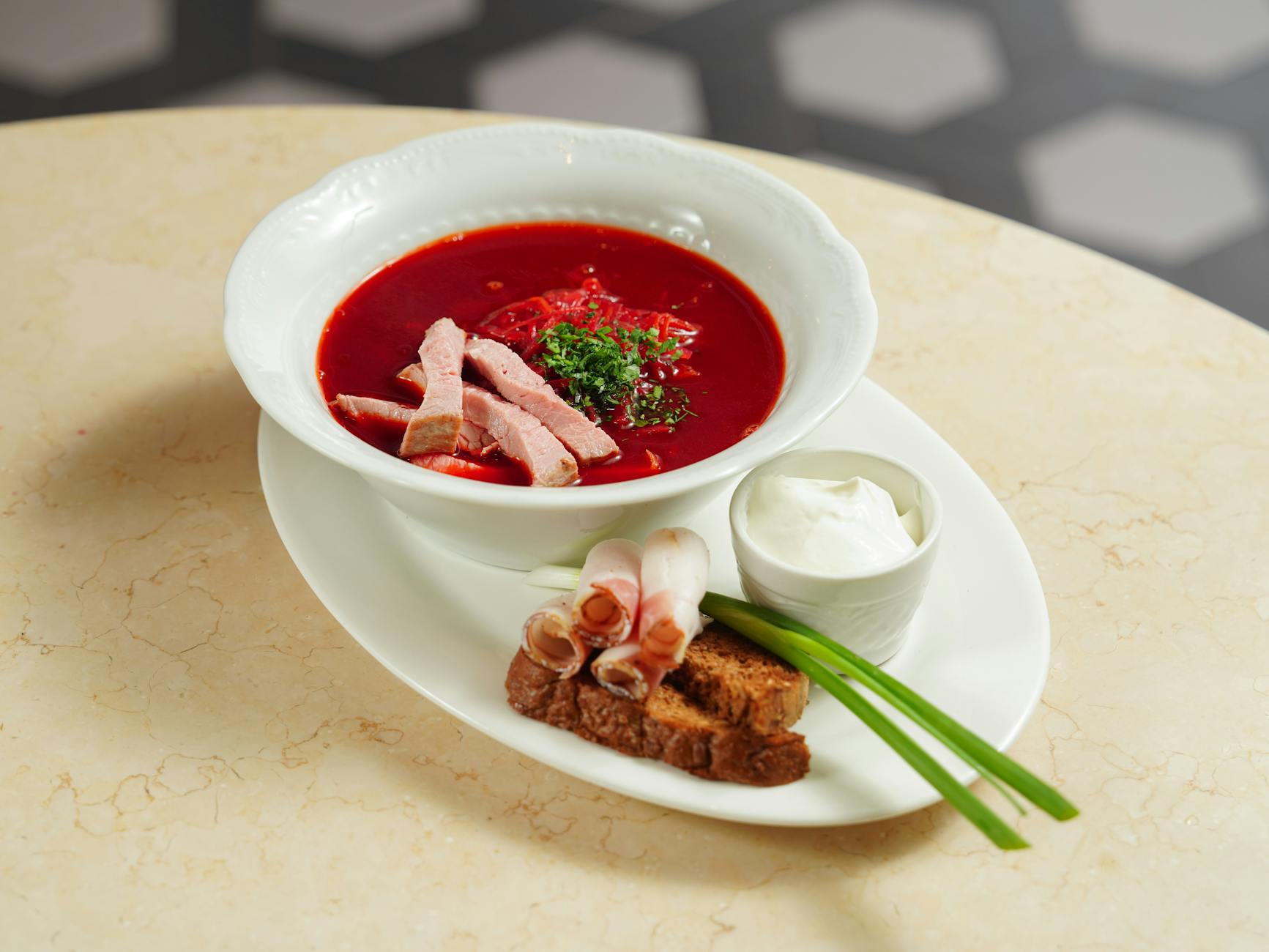
Російську кухню важко визначити через її багату історію та різноманітні впливи, які вона поглинала протягом століть. Від густоти супів до ложки сметани, яка часто прикрашає страви, кожен смак розповідає історію традиції та культури. Рецепти сильно відрізняються, відображаючи географічну величезність країни, причому кожен регіон вносить свої унікальні різновиди.
У Москві ви можете знайти заклади, що подають популярні страви, такі як пельмені з приправленою свининою або яловичиною, які часто варять і подають з міцною чаркою горілки. Протягом зимових місяців люди насолоджуються густими супами з буряків, такими як борщ, тоді як легші закуски, такі як млинці, часто споживаються під час святкувань. Ці тонкі млинці можна начинити різноманітними начинками, часто солодкими, такими як вишні, або солоними варіантами, які добре поєднуються з пивом.
Подорожуючи за межі Москви до таких регіонів, як Казань, можна виявити пряні відтінки татарської кухні, де можна зустріти страви, на які вплинули як російські, так і вірменські смаки. Використання помідорів і спецій ще більше покращує кулінарний досвід, привертаючи увагу гурманів у всьому світі. Перед тим, як спробувати ці страви, завжди є сильний культурний аспект, який слід враховувати, оскільки манери та презентація сприймаються серйозно на російських зібраннях.
Під час будь-якої кулінарної пригоди в Росії не слід упускати з уваги важливість сезонних інгредієнтів. Різні рецепти створюються на основі того, що доступно, перетворюючи основні продукти, такі як картопля та капуста, на комфортну їжу, яка зігріває серце. Мистецтво російської кулінарії охоплює як спільний аспект спільного прийому їжі, так і складні техніки, що передаються з покоління в покоління.
| Страва | Основний інгредієнт | Спосіб приготування |
|---|---|---|
| Пельмені | Свинина | Варені |
| Борщ | Буряк | Густий суп |
| Млинці | Пшеничне борошно | Смажені на сковороді |
| Салат Олів'є | Різноманітні овочі | Змішаний |
Досліджуючи російські меню, пам'ятайте, що ця кухонна суміш - це не лише про живлення тіла, але й про обмін досвідом. Справжня суть російської кухні полягає в її здатності об'єднувати людей, чи то в сімейному домі, чи на жвавому розі вулиці. Кожна страва, кожне приготування відображає багатий і різноманітний гобелен культур, переплетених у самій Росії.
Розуміння регіональних варіацій російських страв
Російська кухня така ж величезна і різноманітна, як і сама країна, причому кожен регіон пропонує свої унікальні смаки та традиційні рецепти. Ця стаття має на меті висвітлити, як виникають ці варіації, під впливом місцевих інгредієнтів, економічних умов та історичних традицій.
В урбаністичних центрах, таких як Санкт-Петербург, де протікає річка Нева, ви можете знайти кулінарні впливи з різних культур, що призводить до злиття смаків. Ресторани в місті часто подають традиційні страви з сучасним поворотом, привертаючи як місцевих жителів, так і туристів. Наприклад, хоча улюблені пельмені є основним продуктом, деякі ресторани пропонують унікальні начинки з інтенсивними спеціями, які відображають більш сучасну палітру.
На відміну від цього, сільські райони можуть дотримуватися своїх улюблених традицій, виробляючи ситні та прості страви з легкодоступних інгредієнтів. Сільська «бабуся» може готувати млинці, начинені грибами або асортиментом овочів, підкреслюючи ностальгічний смак дому. Ці рецепти зазвичай передаються з покоління в покоління і залишаються значною мірою незмінними, оскільки вони містять справжній комфорт і тепло.
Крім того, російська кухня не без своїх регіональних спеціалітетів. Наприклад, сибірські купці історично привозили баранину та спеції з Центральної Азії, що призвело до появи певних страв, які значно відрізняються від тих, що в західній частині країни. Кожен вид страви має свою власну історію, сформовану економічними умовами та доступністю інгредієнтів у регіоні.
Крім того, закуски, такі як квас (ферментований напій) та різні види випічки, популярні по всій Росії, але їх рецепти можуть відрізнятися. У деяких регіонах невеликі пекарні можуть посипати свої пиріжки маком, тоді як в інших їх можуть посипати цукром. Ця регіональна різноманітність не тільки збагачує кухню, але й демонструє винахідливість людей, які адаптують свої рецепти до того, що доступно.
Досліджуючи російські страви, важливо зазначити, що вони не тільки смачні, але й можуть бути досить корисними, особливо коли свіжо приготовані. Любов Ломоносова до натуральних інгредієнтів відлунює в кулінарних традиціях, де морква, картопля та курка часто з'являються в корисних рецептах.
Підсумовуючи, російська кухня є чудовим прикладом того, як географія, історія та культура формують спосіб приготування та подачі їжі. Розуміння цих регіональних варіацій пропонує глибше розуміння багатої кулінарної спадщини Росії, яку варто досліджувати з кожним шматочком.
Ключові інгредієнти, що визначають російську кулінарію
Російська кухня пропонує чудовий асортимент делікатесів, які демонструють багату культурну спадщину країни. Основні інгредієнти складають основу цих рецептів, забезпечуючи унікальні смаки та текстури. Одним з основних компонентів є картопля, яку можна приготувати незліченними способами, від густих супів до ситних гарнірів. Цей універсальний бульбоплід, часто доданий до салатів, підвищує поживну цінність страв.
Іншим важливим інгредієнтом є буряк, який славно використовується в культовому борщі, міцному та ароматному супі, який часто включає різні види м'яса. Його насичений колір і злегка солодкий смак роблять його улюбленцем у російських домогосподарствах. Крім того, корюшка, маленька риба, знайдена в річці Неві, зазвичай насолоджується як солона закуска, часто в парі з витонченими винами або місцевим алкоголем.
Молочні продукти, особливо сметана та молоко, також незамінні в російській кулінарії. Сметана служить кремовою начинкою для вареників або як топінг для супів, додаючи смачну гостроту. Баранина, хоча й менш поширена, з'являється в різних регіональних спеціалітетах, пропонуючи багатий смак, який доповнює страви.
У сфері закусок купці в історичних містах, таких як Москва, вдосконалили рецепти, які включають оливки та інші начинки, загорнуті в тісто. Ці приготування часто еволюціонують у різні версії, задовольняючи місцеві смаки, зберігаючи при цьому оригінальну суть. Парки та заклади по всій країні забезпечують ностальгічну атмосферу, де можна насолодитися цими автентичними рецептами.
Список ключових інгредієнтів є обширним, з основними продуктами, такими як зерно, м'ясо та овочі, що формують основу традиційних страв. Деякі вимагають більше зусиль для приготування, але результат - це щось справді винагороджуюче - кулінарний досвід, який відображає історію та культуру Росії. Незалежно від того, чи ви прагнете ситних основних страв, чи легких салатів, російська кухня має щось для кожного.
Традиційні техніки приготування: від варіння до випікання
Російська кухня може похвалитися багатим різноманіттям традиційних технік приготування, які підвищують смаки її улюблених страв. Серед основних методів варіння, приготування на пару та випікання відіграють життєво важливу роль у створенні кулінарних шедеврів. Кожна техніка підходить для різних інгредієнтів, демонструючи універсальність російських смаків.
Варіння часто використовується для ситних страв, таких як картопляні супи або начинені млинці, які згортаються з різними начинками. Цей метод допомагає витягти природні смаки інгредієнтів, забезпечуючи задовільний досвід. Ресторани часто пропонують варені страви в парі з огірками та оливками, забезпечуючи освіжаючий хруст.
Приготування на пару - це ще одна широко прийнята техніка, яка набуває популярності завдяки своїм корисним властивостям. Вона зазвичай використовується для приготування овочів та вареників, зберігаючи їх поживні речовини, одночасно підвищуючи їх смаки. Традиційні страви, такі як пельмені, часто готуються на пару, подаються з ложкою сметани, що робить їх улюбленою комфортною їжею, яка зігріває душу.
Випікання, з іншого боку, є мистецтвом, яке призводить до безлічі смачних випічок та десертів. Відвідування затишних закладів столиці часто виявляє спокусливий вибір тортів та десертів з вишнями. Знаменитий торт Катерини з його багатими шарами та солодкими начинками - один з таких десертів, який радує як місцевих жителів, так і туристів. Для тих, хто хоче побалувати себе, солодкі смаки випічки роблять кожен шматочок можливістю відчути суть російської кухні.
На додаток до цих популярних технік, кожен рецепт містить унікальні повороти та версії, які підкреслюють регіональне різноманіття російської кулінарії. Вина та традиційний алкоголь часто супроводжують страви, покращуючи загальний досвід обіду. Для тих, хто досліджує світ російської кухні, ці традиційні методи приготування - це не просто про харчування, але й про розповідь багатої історії культурної спадщини.
Перед тим, як розпочати свою кулінарну подорож, настійно рекомендується ознайомитися з місцевими турами, які зосереджені на традиційних техніках приготування. Участь у практичних заходах, таких як випікання або варіння на рідній кухні, забезпечує захоплюючий досвід, який підвищує ваше розуміння цих перевірених часом практик. Досліджуйте, вчіться та насолоджуйтеся чудовими смаками російської кухні через ці традиційні методи.
Основні російські спеції та трави для покращення смаку
У серці російської кухні спеції та трави відіграють ключову роль у підвищенні смаків традиційних страв. Від жвавих ринків Казані до сімейних кухонь, ці ароматні добавки стали основним продуктом на святкуваннях та повсякденних стравах. Багато з цих інгредієнтів є доступними та легкодоступними, дозволяючи кожному насолоджуватися багатою кулінарною спадщиною без великих витрат.
Часник є базовим, але потужним компонентом у російській кулінарії, часто використовується в стравах, таких як солянка та різні закуски. Ваші смакові рецептори оцінять тепло, яке він додає, роблячи будь-яку страву смачною та ностальгічною. Крім того, кріп широко поширений у російській кухні, часто прикрашає страви, такі як окрошка та різні салати. Його виразний смак добре поєднується зі сметаною, покращуючи багатство незліченних рецептів.
Буряк, ще один ключовий інгредієнт, не тільки забезпечує яскравий колір, але й глибину смаку салатам та супам. Борщ є класичним прикладом, де буряк сяє, роблячи його улюбленцем протягом зимових місяців. Крім того, використання чорного перцю є простим, але ефективним способом підвищити смак страв. Його можна знайти у всьому, від начинок вареників до більш вишуканих основних страв.
Для тих, хто хоче досліджувати далі, спеції, такі як коріандр та лаврові листки, є важливими для розвитку глибших смаків у тушкованих стравах, таких як щі. Ці інгредієнти часто поєднуються з куркою або яловичиною, створюючи комфортну страву, яка зігріває душу. Приготовані м'яко та багаті на смак, ці страви ідеально підходять для спільного споживання з родиною та друзями, роблячи їх чудовим вибором для зібрань.
Під час вашої кулінарної подорожі не забудьте дослідити різні типи закусок та десертів, які можуть покращити ваш досвід. Рекомендуємо спробувати солодке частування, прикрашене горіхами та медом, яке може бути чудовим завершенням після ситної страви. Від закусок до десертів, кожна страва розповідає історію, дозволяючи вам відчути суть російської культури з кожним шматочком. Незалежно від того, чи відвідуєте ви місцевий ринок, чи ресторан у палаці, ви обов'язково знайдете щось варте смакування, завжди повертаючи вас до смаків, які роблять російську кухню такою унікальною.
Класичні російські страви, які варто спробувати вдома
Дослідження російської кухні вдома може бути чудовою подорожжю, наповненою багатими смаками та традиційними рецептами, які витримали випробування часом. Ці класичні страви не тільки популярні в Росії, але й знайшли чудове місце в кулінарних закладах по всій Європі, особливо в таких містах, як Ломоносов та Мійо.
Не можна обговорювати російську їжу без згадки борщу. Цей буряковий суп пропонує кремову текстуру, часто супроводжується ложкою сметани та скибочкою темного житнього хліба. Його зазвичай подають гарячим, але також можна насолоджуватися холодним протягом літніх місяців. Додавання огірків як гарніру підвищує смаковий досвід, роблячи кожен шматочок особливим.
Щі, традиційний капустяний суп, є ще одним основним продуктом, який підкреслює суть російської гастрономії. Ця страва варіюється залежно від сезону і ідеально підходить для зігрівання в холодні дні. Поєднання ніжної капусти, картоплі та ароматних бульйонів створює комфортну страву, яку багато хто любив протягом поколінь.
Для тих, хто насолоджується чимось більш ситним, солянка є обов'язковою для спробування. Цей густий суп включає асортимент м'яса, мариновані огірки та оливки, забезпечуючи складний смаковий профіль, який обов'язково вразить будь-якого гостя. Його часто вважають чудовою закускою для будь-якого зібрання, особливо в парі з хорошими російськими винами.
Млинці, які є згорнутими млинцями, часто начиненими різними начинками, такими як сир або ікра, пропонують чудовий спосіб відчути російські кулінарні традиції. Їх можна знайти в місцевих пекарнях та на ринках, роблячи їх доступними для всіх, хто бажає відтворити їх вдома. Прикрасьте їх сметаною та свіжим кропом для справжнього частування.
Ще одна страва, варта згадки, - це холодець, желейна м'ясна страва, яка може здатися незвичною, але є улюбленою під час святкових подій. Її унікальна текстура та поєднання смаків роблять її свого роду кулінарною пригодою, якій неможливо опиратися.
Багато з цих страв відображають історичний та культурний контекст Росії, демонструючи поєднання впливів з різних регіонів. Незалежно від того, чи відвідуєте ви кафе в Москві, чи тестуєте новий рецепт на своїй кухні, смаки традиційної російської їжі, безумовно, будуть приємним досвідом, який розширює ваші кулінарні горизонти.
Отже, зберіть свої інгредієнти, почніть готувати та вирушайте в гастрономічну подорож через російську кухню. Ви виявите, що ці класичні страви не тільки наповнюють ваш шлунок, але й плекають зв'язок з багатою кулінарною спадщиною!
Як поєднувати російські страви з напоями
Поєднання російських страв з напоями може значно покращити ваш обідній досвід. Незалежно від того, чи насолоджуєтеся ви традиційними основними стравами, закусками чи смачними десертами, правильний напій може підвищити їх багаті смаки.
Ось кілька рекомендацій щодо поєднання:
- Горілка: Цей класичний російський алкоголь є чудовим вибором для страв з сильним смаком. Розгляньте можливість поєднання її з оселедцем або свиними пирогами. Інтенсивний смак горілки доповнює солоні начинки, створюючи чудовий баланс.
- Квас: Ферментований напій, виготовлений з житнього хліба, квас ідеально підходить для легших страв, таких як млинці або риба. Його злегка кислий смак чудово поєднується з кремовими топінгами, які часто використовуються на млинцях.
- Чай: Основний продукт російської культури, чай чудово поєднується з традиційними десертами, такими як медовик (медовий торт) та пряники. Заспокійливий смак чаю доповнює солодкі шари цих десертів.
- Ягідний компот: Цей освіжаючий напій можна подавати з ситними стравами, такими як картопляні млинці або голубці, начинені м'ясом. Солодкість компоту балансує солоні спеції в їжі.
Відвідуючи кафе в центральній Москві, не дивуйтеся, якщо їхні меню містять конкретні поєднання напоїв з традиційними стравами. Наприклад, міцні трав'яні настої іноді подаються разом зі стравами з буряком, забезпечуючи унікальну глибину смаку.
Хоча є багато доступних варіантів, те, що ви виберете, повинно залежати від особистого смаку. Тур статтями, що описують регіональні спеціалітети, покаже, що кожен може знайти ідеальну пару для своєї улюбленої російської страви. У Мійо, наприклад, місцеві кафе часто пропонують інтенсивні напої та міцні спиртні напої, які часто рекомендуються для супроводу кремових, насичених спеціями страв.
Пам'ятайте, ключ до чудових поєднань полягає в балансі смаків. Продовжуйте експериментувати з різними комбінаціями - зрештою, багатство російської кухні заслуговує на те, щоб насолоджуватися найкращими доступними напоями!


