Рекомендую запланувати місячний тур, побудований навколо поїздок потягами між широкими, зручними вузлами, з проживанням, яке включає сніданок. Такий підхід зберігає щоденні рутини передбачуваними, коли ви досліджуєте головні пам'ятки; забронюйте ніч поблизу Большого театру для іконічного досвіду.
Між містами для довгих відстаней краще відмовитися від таксі; потяги скорочують час подорожі та витрати. У пікові місяці забронюйте заздалегідь, щоб забезпечити найдешевші тарифи та гнучкі опції зміни; чи підходить вам цей варіант? Розгляньте можливість багатоміського проїзного, якщо він пропонується.
Що робити далі? Питання, на які потрібно відповісти, включають, як виглядає ваш щоденний ритм, де зупинитися поблизу метро, і скільки ви відвідуєте музеїв. Чи здається вам цим планом правильним? Запитайте консьєрж про міські паспорти, вхід до музеїв та чи включені аудіогіді; складіть карту типового дня, що поєднує найкращі екскурсії з комфортними обідами та фіксованим місцем для сніданку.
Розміщення: обирайте варіанти з сніданком і можливістю вечері; прагніть до найдешевших легітимних баз у хороших районах; це зменшує щоденні витрати, зберігаючи комфорт. Щоб наповнений день, поєднуйте щирий сніданок з обідом у місцевій кав'ярні та вечерю в умерених бістро, щоб максимально використати кошти.
Між світами великих міст оцініть типові витрати за категоріями: проживання, харчування, транспорт. Використання зразка цього місяця допоможе вам планувати, що робити та про що запитати, де зупинитися, що подивитися, і коли бронювати квитки та поїзди, щоб максимально використати кошти.
Подорожування до Росії: чи це дешево чи дорого?
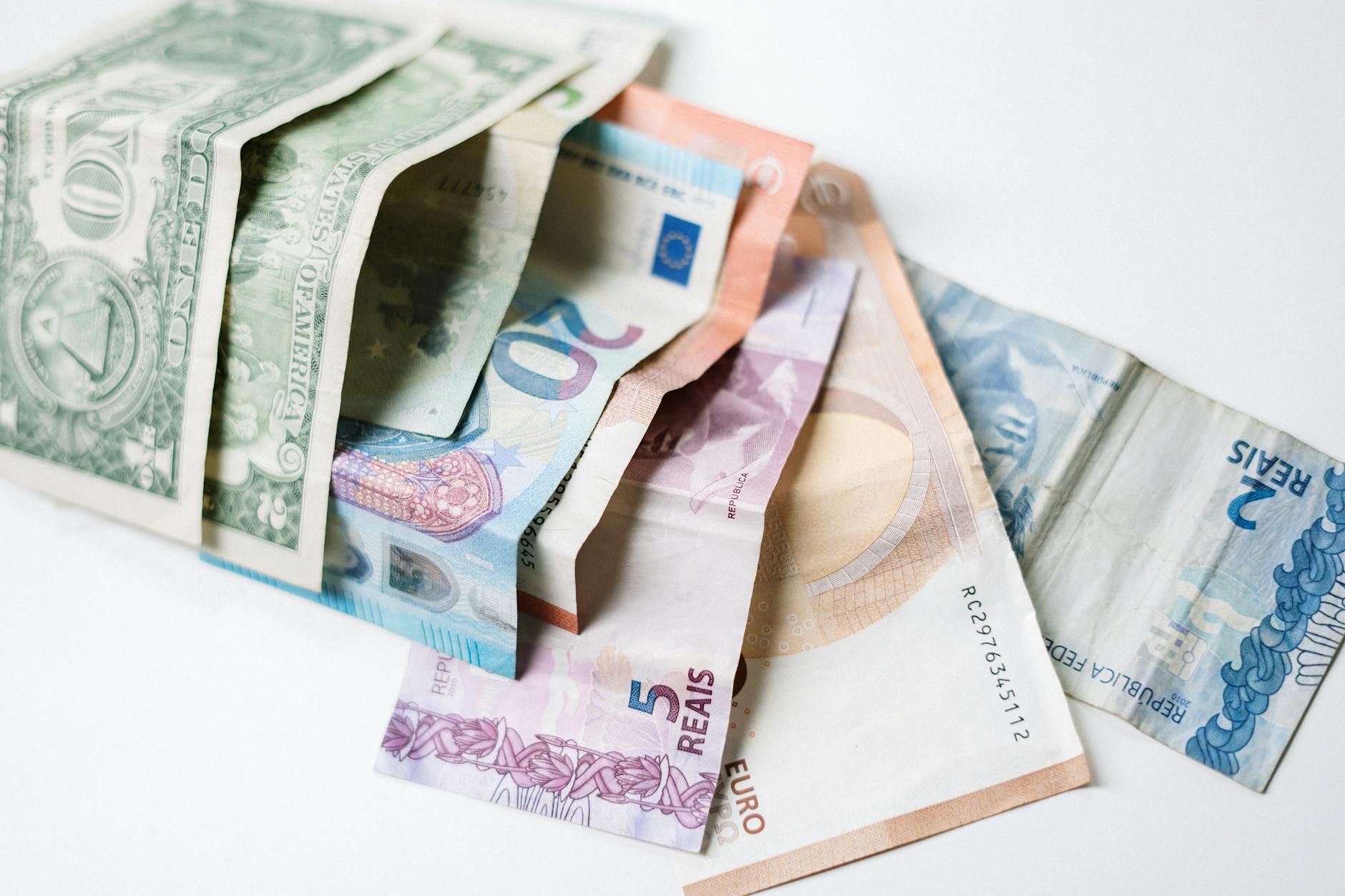
Рекомендується виділити 2 000-4 000 руб. на день для комфортного перебування у найбільшому столичному місті в позасезонні місяці, з однією кімнатою та харчуванням на традиційних ринках; використовуйте метро для більшості перевезень і купуйте квитки заздалегідь, коли це можливо, щоб зберегти час.
У практиці найбільші економії приходять від поєднання доступного проживання, дешевих їжі та ефективного транспорту. У пікові місяці ціни на номери в центрі зростають; у міжсезоння можна зменшити щоденні витрати на 30-40%, обираючи варіанти поза центром і дотримуючись економної стратегії. Типовий тиждень включає бюджетні страви, кілька відвідувань музеїв за окремими квитками та місцевий транспорт, все це планується так, щоб мінімізувати зайві поїздки на таксі.
- Розміщення: окремі кімнати в бюджетних готельних будинках або хостелах поблизу, але не в самому центрі, можуть коштувати 2,000-4,000 РУБ за ніч у міжсезоння; приватні кімнати в центрі міста можуть досягати 4,000-6,000 РУБ. Для економії коштів шукайте місця з включеним сніданком і традиційною атмосферою.
- Харчування та напої: страви з ринків та неформальних закладів харчування зазвичай коштують 250-500 РУБ за порцію, літр молока — близько 60-100 РУБ; кава — 150-200 РУБ. Виділяйте 700-1,200 РУБ на день для харчування та тримайте при собі готівку для вуличних закусок.
- Транспорт: поїздки метро коштують близько 60-65 РУБ за одну поїздку; таксі починаються від 100-150 РУБ, а потім стягується плата за кілометр; для довших переїздів потяги та міжміські автобуси пропонують хорошу вартість. Використовуйте транспортну картку з щоденним лімітом (лімітами), щоб утримувати витрати на стабільному рівні.
- Квитки та місця: квитки на один вхід до музеїв або галерей зазвичай коштують 300-700 РУБ; концерти або спеціальні виставки часто коштують 1,000-2,500 РУБ. Замовляйте онлайн, коли діє дійсна знижка.
- Гіди та екскурсії: економічні групові тури варіюються від 1,000 до 2,500 РУБ на особу; приватні гіди можуть коштувати 3,000 РУБ і більше. Для більшості днів добре працюють самостійні маршрути з надійними гідами, надані офіційними порталами.
- Ринки та покупки: ринки пропонують свіжі фрукти, хліб та готову їжу за нижчими цінами, ніж у туристичних районах. Порівняйте прилавки та обирайте товари з чіткою ціною, щоб уникнути несподіванок; цей підхід вже довгий час показує свою ефективність.
- Ліфти та канатні дороги: у курортних місцях або на панорамних пагорбах однобічна поїздка на ліфті може коштувати 300-700 РУБ; абонементи на день можуть знизити вартість за поїздку, якщо ви плануєте досліджувати.
- Сезонність і планування: подорожувати можна протягом усього року; найгарячіші місяці приваблюють найбільше туристів і вищі ціни на розміщення, тоді як пізня осінь і рання весна часто пропонують найкращі знижки. Якщо ви плануєте відвідати багато музеїв, розгляньте міські карти або проїзні, і перевірте їх дійсність перед покупкою.
Практичні поради: блогери з Азії підкреслюють, що твердий план витрат з дотриманням щоденного ліміту та вибір однієї бази на тривалий період дозволяють досліджувати столицю без перевитрат. Багато росіян віддають перевагу ринкам для свіжих страв, ранкових рутин і легкого сполучення між районами. Для ранкових початків ви, як правило, знайдете кращі тарифи на транспорт і популярні пам'ятки, тому плануйте свій день відповідно і уникайте найгарячіших годин у піковому сезоні. Такий підхід вже багато років перевірений багатьма мандрівниками.
З підсумком: з чітким бюджетом і легким доступом до традиційних ринків ви зможете насолоджуватися широким спектром досвідів, тримаючи витрати значно нижче контролю, навіть коли плануєте відвідати кілька міст протягом року. Якщо ви віддаєте перевагу компактному графіку, почніть з плану на один тиждень, зосередженого на столиці, а потім розширюйте маршрут до сусідніх міст за допомогою економічних поїздів або автобусів, щоб максимально використати кошти, досліджуючи культурну спадщину країни.
Міський бюджет: Москва, Санкт-Петербург та регіональні міста
Базуйся в економічних районах і користуйся залізницею для денних екскурсій, а потім витрачай кошти на смачні обіди в кафе та сандунах для гармонійного балансу. Забронюй проживання в нецентральних частинах, щоб скоротити щоденні витрати, і закупуй молочні продукти та хліб у місцевих магазинах, щоб покрити звичайні трапези. У двох найбільших хабах росії різниця в цінах між центром і околицями значна, тому плануй відвідувати конкретні райони поза туристичним маршрутом для автентичних і доступних досвідів.
У Москві встановіть щоденний бюджет приблизно 4 000-7 500 рублів, залежно від вибору житла. Оберіть бюджетні готелі на околицях або хостели у міському кільці; номер у цих місцях коштує приблизно 3 500-5 500 рублів за ніч. На харчування відведіть 1 200-2 000 рублів на день, поєднуючи кафе з простими, смачними стравами, такими як грибні страви або салати; також можна купити хліб (буханку) та молочні продукти на ринках, щоб розтягнути бюджет. Транспортні витрати за допомогою метро економні: квиток в один бік коштує близько 60 рублів, а щоденний ліміт — близько 250 рублів. Музеї та екскурсії зазвичай пропонують квитки в діапазоні 400-1 200 рублів, а в деякі дні вход безкоштовний; обирайте конкретні маршрути, щоб зменшити ходивку; їх пропозиції залежать від умов.
У Санкт-Петербурзі можна трохи дешевше провести день: проживання 2,900-5,000 рублів; харчування 1,100-1,800; транспорт подібний до Москви; квитки в музеї 350-1,000 рублів. Щоб економити, можна знімати житло в районах, таких як Васильєвський або Адміралтейський, і користуватися дешевшими місцевими варіантами. Для смачної традиційної їжі шукайте недорогі кафе, місцеві їдальні (канти) та закусочні, які дозволять контролювати витрати. Однопутівкові поїздки між столицями та сусідніми містами можуть бути недорогими, якщо забронювати заздалегідь, а день можна провести з безкоштовною прогулянкою вздовж річки та відвідуванням парі музеїв, де на деякі дні пропонують екскурсії з гідами.
Регіональні міста пропонують найкращу ціну. Розміщення коштує 1,800-3,500 рублів; харчування — 800-1,400; транспорт між центрами міст часто дешевий, з доступними одноразовими залізничними квитками. Локальні ринки та придорожні кафе пропонують найпростішу та економну їжу. Шукайте місця, де харчуються місцеві, а не великі туристичні кафе — різниця в витратах справжня. День можна провести, прогулявшись по місту безкоштовно, відвідавши місцевий парк і легким обідом з житнього хліба та молочних продуктів; можна отримати елегантний досвід, не переплачуючи.
Швидкий перелік: напиши листа своєму майбутньому "я", встанови собі щоденний ліміт витрат, відстежуй витрати в простому щоденнику та корегуй; перевір, чи пропонують регіональні залізничні проїзні ліміти на день; потім обирай варіанти, які мінімізують повернення назад і максимізують час із місцевими та їхніми традиціями. Умови, такі як сезонність, попит і центральність, впливатимуть на пропозиції, тому плануй заздалегідь і тримай свій розклад простим, особливо в пікові періоди.
Smart Booking: Коли заздалегідь бронювати та де знайти дешеві розміщення
Забронюйте 6-8 тижнів наперед для внутрішніх міських перебувань і 2-3 місяці наперед для популярних міжнародних маршрутів; налаштуйте сповіщення про ціни та порівняйте на прямих сайтах і агрегаторах. Це особливо ефективно, коли в певні періоди року спостерігаються коливання пропозицій, що дозволяє знайти вільні номери та тримати витрати в комфортному діапазоні. Якщо ви були в минулому році в сезон високого попиту, дійте зараз, щоб забронювати нижчі тарифи.
Плануйте, відстежуючи різні канали: офіційні сторінки об'єктів, авторитетні платформи бронювання та нішеві сайти, орієнтовані на місцевих або іноземних відвідувачів. Регулярно перевіряйте оновлену доступність щодня. Економіть час, вибираючи проживання у середині тижня. Детальні нотатки допоможуть порівняти варіанти, включаючи перевірку чистоти та відгуків. Для міських поїздок міський паспорт може покрити транспорт та відвідування музеїв, звільнивши кошти для проживання. Якщо ви вже бували в місті, використайте цей досвід, щоб уточнити попередження та уникнути місць з обмеженими умовами скасування. Розгляд варіантів допомагає уточнити ваші вибори.
Для неформальних відпусток з гнучким графіком розгляньте проживання в районах поблизу центру міста, але не в основному туристичному кільці; ви зможете швидко змінювати плани і при цьому користуватися хорошими можливостями. Для французького вихідного перевірте, чи є в місцевих алкогольних пропозиціях коньяк або списки вин, але основна увага зосереджена на самому перебуванні. Спілкування з хазяями або менеджерами нерухомості може відкрити можливості пізнього заселення та потенційні бонуси. Також перевірте посуд і аменіті для забезпечення комфортного перебування в компактному номері, що може підвищити вартість.
Зберігайте журнал дат і часів, коли плануєте відвідувати ринки та музеї, включаючи відвідування районів для їжі чи нічного життя. (Молочні продукти, хліб, капуста тощо можуть з'явитися в бюджетних стравах.) Використовуйте це, щоб керувати витратами та підтримувати реалістичні очікування.
| Сценарій | Найкращий час для бронювання | Середня вартість проживання за ніч (USD) | Notes |
|---|---|---|---|
| Внутрішній міський відпочинок (2-4 дні) | 14-28 днів до | 60-110 | Серединні тижневі перебування часто мають більше вільних місць; громадяни можуть отримати кращі тарифи. |
| Міжнародний міський тур (4-7 днів) | 60-90 днів до | 90-180 | Можна використовувати комбінації Citypass; зберігати гнучкі дати. |
| Вихідні (2 дні) | 21-40 днів до | 75-140 | Шукайте незвичайні райони з зручним транспортом. |