Встановіть орієнтир бюджету: оренда однокімнатної квартири в центрі становить близько 60 000-90 000 РУБ на місяць; на окраїнах пропонують 35 000-60 000 РУБ. Використовуйте портали бронювання, довірливі сайти, авторизуйтеся, щоб зберігати оголошення, а потім закріпіть вигідну ставку, укладаючи угоду заздалегідь.
Комунальні послуги та інші витрати складають 8 000-12 000 РУБ на місяць у сучасній квартирі, інтернет - близько 500-1 000 РУБ, мобільний інтернет - 400-900 РУБ. Продукти харчування - 25 000-40 000 РУБ на особу, залежно від уподобань. Витрати на харчування в кафе та ресторанах - 6 000-12 000 РУБ на місяць. Витрати на транспорт варіюються: місячний проїзний на метро - 2 500-3 500 РУБ; виклик таксі або каршеринг - 1 000-3 000 РУБ. Ціни змінюються залежно від сезону, тому перевіряйте ціни щомісяця. Для пари ці цифри приблизно подвоюються, і є додатковий запас на сезонні підвищення.
Ринок праці в цій країні пропонує можливості в різних галузях. Зарплати залежать від посади та галузі: середньорівневі посади зазвичай оплачують 80 000-180 000 РУБ на місяць (брутто); старші посади досягають 250 000-500 000 РУБ або більше у фінансах, IT або міжнародних командах. Роки досвіду збільшують шанси на більшу мобільність і розширення обов'язків. Складіть карту зарплат на авторитетних сайтах, а потім увійдіть, щоб порівняти пропозиції та встановити реалістичні очікування.
Культура та повсякденне життя формують витрати: історичні пам'ятки вздовж набережних, палацовий район у старих кварталах та галереї надають цінність, якщо їх відвідувати за розкладом або у дні безкоштовного входу. Розплануйте відвідування на пізні пополудні, щоб максимально використати можливості. Використовуйте офіційні сайти для перевірки годин роботи та забронюйте заздалегідь, якщо це доцільно, щоб уникнути черг. Протягом усього року сезонні програми розширюють можливості для дослідження без значних витрат.
Розумне планування: вимагайте орендну угоду з чітко розділеними комунальними платежами, якщо потрібно, і підтверджуйте графіки оплати в рублях. Використовуйте один логін для орендних порталів, банківських додатків і транспортних карток, щоб спростити відстеження. Створіть невеликий додатковий буфер для сезонних змін цін, особливо навколо Нового року та літніх фестивалів, коли попит на мобільність зростає по всій столиці. Реалістична назва в резюме, поєднана з надійними рекомендаціями, покращує можливості для переговорів про сприятливі умови оренди та послуг.
Фінансове планування для експатріантів
Створіть резервний фонд на шість місяців у ліквідних активах, розміщений у рублевих і валютних рахунках, щоб зберегти фінансову свободу під час нестабільності ринку. Цей резерв стабілізує ваш домашній бюджет і допоможе покрити раптові змінни орендної плати, медичні витрати або подорожі, не торкаючись довгострокових інвестицій.
Створіть бюджетно-ефективну структуру, визначивши групи витратних категорій: житло, комунальні послуги, харчування, транспорт, охорона здоров'я, страхування та дозвілля. Зуспішні цілі з документованим планом і відстежуйте кожну проведену транзакцію за категоріями, щоб уникнути перевитрат, одночасно формуючи бюджет, до якого ви звикнете регулярно переглядати щотижня.
Житловий стратегічний план має розділити територію на зони з різними вартістями оренди; розміщення в зовнішніх районах дозволить зменшити витрати, зберігаючи при цьому легкий доступ до пам'яток. При оцінці варіантів враховуйте плани квартир у західному стилі, можливості оренди на короткий термін та загальний стиль, який ви бажаєте для свого житла.
Доходи та управління валютою: вирішуйте, як надходять зарплати та де зберігаються кошти. Якщо можливо, розподіляйте доходи між рахунками, щоб зменшити валютні ризики, відстежуйте вказані курси обміну та вирішуйте питання з конвертацією. Світи онлайн-банкінгу та філіалів відрізняються за комісіями; обирайте установи з прозорими валютними витратами та прийнятними термінами переказів, щоб зберігати гнучкість щодо будь-яких годинних заробітків.
Страхування та безпека: перевірте медичне, майнові та пожежне страхування, щоб запобігти втратам без страхового покриття. Міцний план охоплює медичні надзвичайні випадки, пошкодження майна та особисту відповідальність; розгляньте додаткове покриття для перешкод у подорожах та захист ваших розміщених коштів.
Культура та ризики: ваші цілі повинні балансувати між стабільним бюджетуванням і насолодою від пам'яток міста, але враховувати ризики, пов'язані з геополітичними змінами. Хоча макроекономічні шоки можуть змінювати ціни та умови обміну, диверсифікація по валютах, активах і джерелах фінансування допомагає залишатися на курсі. У екстремальних випадках геополітична подія, наприклад, геноцид, підкреслює глобальну проблему, яка підсилює необхідність обережного планування.
Діяти слід так: створити резерв на шість місяців, розподілити витрати за категоріями, обрати житло в доступних районах, відкрити два або три рахунки в надійних банках, стежити за курсами валют, які публікуються, і щорічно переглядати бюджет. Після шести місяців скорігувати статті бюджету, зменшити витрати на необов'язкові речі та переконатися, що ваші вибори відповідають вашим цілям, зберігаючи при цьому свій стиль життя та почуття свободи.
Оренда в Москві: Типові ціни за районом та розміром квартири
Рекомендується вибирати квартири на зовнішніх кільцях для кращого співвідношення ціни та якості - однокімнатна квартира коштує 40 000-70 000 РУБ на місяць, двокімнатна - 70 000-120 000 РУБ; у центральних районах ціни становлять приблизно 90 000-170 000 РУБ за 1КК і 150 000-260 000 РУБ за 2КК.
Ціни розраховуються за місяць і за розміром квартири, а комунальні платежі часто оплачуються окремо. Опубліковані ціни в рублях можуть відрізнятися при порівнянні валют на міжнародних сайтах, тому перевіряйте курси і розраховуйте вартість перебування за актуальними курсами. Відстань до лінії між центральними районами та центром міста сильно впливає на вартість і можливості для переговорів.
- Центральні райони (Тверський, Мещанський, Арбат): 1К 90 000-170 000; 2К 150 000-260 000; 3К 230 000-380 000 рублів. Типові розміри: 28-45 м² для 1К, 50-90 м² для 2К, 90-120 м² для 3К.
- Внутрішні райони (Пресня, Басманний, Хамовники, Дорогомілово): 1-кімнатні - 65 000-110 000; 2-кімнатні - 110 000-180 000; 3-кімнатні - 170 000-280 000 рублів. Типові площі: 35-50 м², 55-85 м², 85-110 м².
- Зовнішні райони всередині Садового кільця (райони-супутники, такі як Бульварне, Ізмайлово, Капотня): 1К 40 000-90 000; 2К 70 000-150 000; 3К 110 000-210 000 рублів. Типові розміри: 40-60 м², 60-90 м², 90-130 м².
- Нові московські території (Коммунарка, Рубльово-Архангельське, Воскресенське): 1К - 30 000-70 000; 2К - 60 000-110 000; 3К - 90 000-140 000 рублів. Типові площі: 40-60 м², 60-90 м², 90-140 м².
Деякі поради: при порівнянні валют зосередьтеся на тижнях зі стабільним курсом обміну; перегляди у вихідні дні переповнені, сплануйте робочі дні, якщо можливо. Завжди перевіряйте базові комунальні послуги та додаткові витрати - не всі оголошення включають опалення, гарячу воду або інтернет. Опції продовження важливі: уточніть, чи дозволяє оренда перебування після початкового терміну без оплати за продовження. Власники житла все частіше очікують необхідні документи, підтвердження доходів і поручителя для довготривалих перебувань.
Сайти та звіти показують цінові моделі, які нагадують світові тенденції в різних валютах; навіть звіти з інших міст, таких як Чикаго або Шанхай, вказують на подібні ціни в порівняльних районах, що допомагає налаштувати очікування. Чітка межа між вартістю в центрі міста та околицях: території, які ближче до центральних ліній, коштують дорожче, тоді як території за межами центру за ті ж гроші пропонують більші площі. Вивчення кількох сайтів допомагає уникнути переплати за дорогую угоду, яка не відповідає вашим потребам на рік.
Для довготривалого проживання розраховуйте загальну вартість з базової орендної плати, комунальних платежів, обслуговування та випадкових ремонтів. Деякі орендодавці надають базову меблівку; інші вимагають додаткових платежів за меблі. Якщо ви домовляєтесь про довший термін, можна отримати кращу місячну ставку та зменшити хаос на вихідних у черзі пошуку. Райони міста різняться за характером та інфраструктурою - кафе, парки та гуманне ставлення управління покращують щоденне життя, особливо на вихідних, коли ви просто хочете тихого куточка для роботи чи відпочинку.
Комунальні послуги та Інтернет: що очікувати щомісяця
Плануйте виділяти 8 000-15 000 РУБ щомісяця на комунальні послуги та інтернет у типовій орендованій квартирі в Москві, де зимове опалення підштовхує бюджет до верхньої межі. Цей бюджет дозволяє передбачити сезонні підвищення тарифів до вересня.
- Електрика та опалення
Електрика: 1,000-2,500 РУБ у теплі місяці; 1,800-4,000 РУБ у холодні місяці. Використовуйте світлодіодне освітлення, запускайте повні завантаження, відключайте пристрої в режимі очікування та встановлюйте розумні вилки, щоб обмежити "примарну" споживання. Ціни коливаються та відрізняються за станціями, районами та ізоляцією.
- Опалення: централізоване в більшості будинків; зимові витрати зазвичай 2,000-6,000 РУБ за компактну квартиру; більші приміщення — 8,000-12,000. У вересні та на початку холодів очікуйте поступове збільшення, оскільки місто корегує тарифи та правила.
Вода та каналізація
Холодна вода: 300-700 РУБ щомісяця; гаряча вода, 200-600 РУБ, залежно від споживання та сезону. У деяких будинках гаряча вода включена до загальних платежів; перевірте у власника та ознайомтеся з договором.
Управління відходами та обслуговування приміщень
Вивіз сміття та обслуговування: 300-700 РУБ; може з'являтися як окремий пункт у платіжних документах і залежить від району. Перевірте, чи включено це в базову орендну плату або стягується додатково.
Інтернет та телебачення
Інтернет: 300-700 РУБ за базовий тариф; 1,000-2,000 РУБ за оптоволокно з вищою швидкістю. Пакети телебачення коштують 250-600 РУБ. Програми відрізняються залежно від провайдера, і ви можете вибирати між пакетами, щоб підібрати їх під свої потреби. Якщо вам потрібне стабільне стримінг, орієнтуйтеся на швидкість 100-200 Мб/с.
Якість та пакети: у різних провайдерів часто включено фіксовану плату за встановлення та акційний період; розгляньте використання карток або онлайн-платежів для спрощення управління. Ціни зазвичай знижуються у вересні, коли починаються акції.
Мобільні дані SIM та інтернет: 350-600 РУБ на місяць за 5-10 ГБ; 1,000-2,000 РУБ за безліміт. Поширений підхід — поєднання домашнього інтернету з місцевою SIM, щоб знизити витрати та уникнути плати за роумінг.
Оплата, правила та налаштування
Способи оплати: приймаються банківські картки; деякі провайдери вимагають переказів або платежів через електронні гаманці. Пізні штрафи незвичайні, але можуть застосовуватися в деяких будинках. Перевірте правила в вашому договорі, щоб уникнути додаткових витрат.
Початкові поради: підтвердьте показники лічильників при заселенні, перевірте, чи включено гарячу воду, і уточніть розподіл плати за послуги за комунальними послугами. Це важливо для планування грошового потоку та уникнення несподіванок.
Практичні заощадження та нотатки
Прийміть базовий мінімалістичний підхід: встановіть місячний ліміт і порівняйте пропозиції різних провайдерів; це досить простий підхід допомагає. На практиці Аліса та Дональд повідомляють, що швидке перемикання на тарифний план з низькою вартістю та стабільною картою маршрутизатора покращує надійність без втрати швидкості.
Сезонна обізнаність: вартість коливається за сезонами; у вересні часто пропонують знижкові тарифи на інтернет та пакети. Уникайте золотих планів з зайвими доповненнями; обирайте тип договору, який відповідає реальному використанню та може бути змінений пізніше.
Зберігайте декілька побутових речей під рукою, щоб зменшити кількість виїздів за замінами; тримайте окремий бюджет на таксі, відокремлений від комунальних платежів, і скористайтеся громадським транспортом, де це можливо, щоб загалом зберегти кошти. Бути проактивним важливо при плануванні платежів і перевірці рахунків.
Електрика: 1 000-4 000 руб.
Опалення: 2 000-12 000 РУБ
Вода/каналізація: 300-1300 РУБ
Сміття/утримання: 300-700 РУБ
Інтернет: 300-2000 руб.
Мобільні дані: 350-2000 РУБ
Продукти та харчування: діапазони бюджету та поради
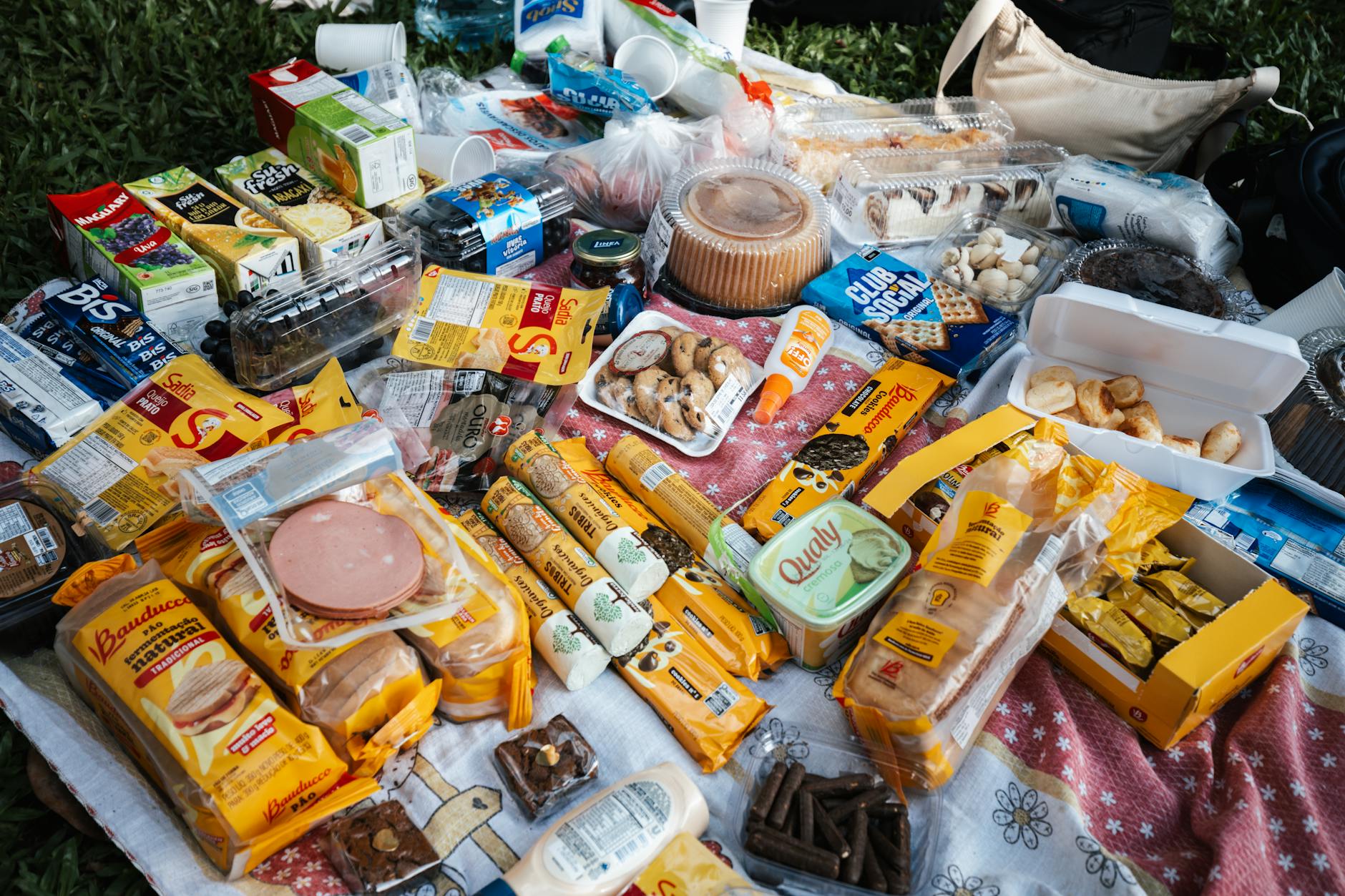
Ваш бюджет розпочався з базової суми приблизно 25 000-35 000 РУБ на продукти харчування на одну особу в столицях Росії, а потім швидко корегувався залежно від уподобань і акцій.
Список покупок зазвичай споживає базовий бюджет: молочні продукти 2 000-4 000 РУБ, м'ясо 3 000-7 000, овочі 3 000-6 000, фрукти 2 000-4 000, зернові та випічка 2 000-3 500, інші основні продукти 2 000-4 000; загальна сума часто становить тисячі рублів, нижче верхнього рівня, якщо ви віддаєте перевагу місцевим продуктам.
Ціни на харчування за межами: дешеві страви варіюються від 350 до 700 РУБ; середньоцінні страви на двох осіб — від 2 500 до 4 500 РУБ; кави — від 120 до 250 РУБ; напої — від 200 до 500 РУБ. Швидкі перекуси та випадкові закуски можуть підвищити тижневі витрати, тому балансуйте з домашнім харчуванням.
Економні поради: шукайте сезонні продукти, порівнюйте ціну за кілограм, користуйтеся програмами лояльності; купуйте оптом під час глибоких знижок; уникайте імпульсних покупок; плануйте страви на основі того, що зараз у продажу; чергуйте меню, щоб зменшити відходи. Якщо потрібно ще більше скоротити витрати, переходите на менші упаковки та робите розумні покупки. Якщо ви бачите вигідну пропозицію в іншому місці, скористайтеся нею; інакше розгляньте альтернативи, такі як товари власних торговельних марок, щоб знизити витрати.
Транспортні витрати формують витрати; місячний проїздник робить загальні витрати передбачуваними. Знання, де робити покупки, допомагає економіти тисячі; архітектура міста та спілка продавців впливають на те, де з'являються знижки на полицях. Огляд банерних акцій та вихідних ярмарків допомагає створити стабільний список і зменшує піки.
Стартовий список включає молоко, яйця, хліб, макарони або рис, кухонну олію, сезонні овочі, фрукти, молочні продукти, йогурт, сир, чай або каву та основні спеції; додайте м'ясо або рибу кілька разів на тиждень. Приблизний тижневий витрати становить 4,000-7,000 РУБ залежно від вибору та кількості, з місячним загальним показником близько 25,000-35,000 РУБ. З'явилися нові ринки в районах, що розширюють можливості, тому стежте за новинами та оновлюйте список, щоб покрити основні потреби.
Ти формуєш звичку, яка може тривати довгі роки; пам'ятай, що ціни змінюються, іноді досить швидко, тому відстежуй чеки та корегуй відповідно, підтримуючи тісний бюджет і позитивний настрій.
Транспорт: опції громадського транспорту та місячні проїзні.
Отримайте картку «Троїка» в будь-якому касі метро та поповніть її на місячний тариф. Це пропонує виняткову вигоду і найкращий спосіб максимізувати ефективність. Входите на станції одним торканням, а пересадки протягом двох годин зберігають доступ до трьох маршрутів, з'єднуючи життя по всьому місту.
Метро — це основа, але три основні види транспорту працюють з карткою: метро, автобус і трамвай. Мережа тролейбусів та приміські поїзди розширюють можливості для відвідування віддалених районів. Пересадки між видами транспорту прості, а відкрита мережа дозволяє легко планувати маршрути для мандрівників з усього світу. Для британських мандрівників система зрозуміла і зручна для навігації.
Щомісячні проїзні дають неограничену кількість поїздок протягом календарного місяця. Щомісячний варіант швидко окупається, якщо ви їздите щодня; очікуйте витрати у кілька тисяч рублів. Ціни вказані в рублях, а один проїзний покриває більшість популярних маршрутів у місті та сусідніх зонах; вартість виглядає вигідно.
Практичні поради для британських мандрівників: купуйте в офіційних кіосках або через довірений додаток і завантажуйте місячний тариф, який відповідає вашим годинам. Визнавайте офіційні програми та інформаційні центри, які надають допомогу англійською мовою, полегшуючи адаптацію новим прибульцям і жителям.
Часовий вхід існує на деяких маршрутах для управління піковим попитом. Перевірте карту маршрутів для трьох ключових коридорів на заході; пізніше в день обслуговування залишається надійним, хоча частота зменшується. Система підтримує відкрите планування з простими пересадками та меншою кількістю пересадок для досягнення вашого призначення.
Для планування бюджету витрати на бензин у таксі або сервісах виклику таксі швидко наростають; добре обраний проїздний зменшує загальні витрати на подорожі та підходить для різних потреб, від коротких доручень до довших поїздок, з системою, придатною для менших районів у центрі міста. Тут немає ядерних ціновіх хитрощів; тарифи прозорі та оголошуються заздалегідь.
Будьте обережні з підозрілими пропозиціями біля вокзалів; навколо входів є шахраї. Дотримуйтеся офіційних кас і законних поповнень; увага для мандрівників - вибачте за незручності, але дотримання офіційних каналів убере вас від шахрайства.
Ця мережа торкається життя по всьому місту; її надійність і широкий охват роблять її найкращим варіантом для багатьох мешканців і відвідувачів, які хочуть досліджувати західні райони та інші частини міста. Вона залишається відкритою для мандрівників з усього світу, а програми забезпечують постійну підтримку для пізніших прибулих та тих, хто приїжджає з невеликих містечок, пропонуючи зручне навігацію та передбачувані витрати.
Охорона здоров'я, страхування та ліки: витрати з власного кишені та покриття
Отримайте приватний медичний план протягом тижнів після приїзду, який покриває візити до лікарів, тести та призначені ліки; порівняйте п'ять поставників, щоб не переплачувати.
Публічне медичне страхування надає безкоштовну первинну медичну допомогу та екстрений прийом, але терміни очікування можуть бути довгими, і багато ліків повністю не покриваються. Доступ до фахівців залежить від місця проживання; приватні клініки заповнюють цей пробіл, тому слід передбачити витрати з власного гаманця.
Приватні відвідини лікаря зазвичай варіюються від 1 500 до 5 000 рублів; спеціалісти — 2 000-6 000 рублів. Базова приватна консультація коштує дешевше в деяких районах, тоді як госпіталізація в приватному закладі може становити від 8 000 до 25 000 рублів за день, залежно від типу кімнати та рівня обслуговування. Під час планування матимете чітке уявлення про суми, щоб уникнути несподіванок у рахунку. Якщо ви подорожуєте поїздами або пішки, виберіть клініку на зручній відстані, щоб мінімізувати час і стрес.
Ліки широко доступні в аптеках поблизу кожного району; фармацевтичні товари перебувають у постійному розвитку, покращуючи доступність. Генераліки допомагають зменшити рахунок на 30-70% порівняно з брендовими ліками; завжди перевіряйте активну речовину на пляшці та рецепті. Пам'ятайте, що потрібно взяти з собою пляшку та рецепт під час відвідування іншої аптеки, щоб уникнути додаткових подорожей. Для дорогих терапій шукайте програми знижок або допомоги пацієнтам; деякі плани економлять кошти, об'єднуючи покупки ліків. Ціни відрізняються залежно від району та серед населення.
Нерецептурні засоби, такі як анальгетики, вітаміни та навіть напої, не впливають на страхування; однак деякі клініки тиснуть на швидкі тести, що завищують рахунок. На мою думку, невинні пацієнти заслуговують на чіткі пояснення і повинні уникати зайвих тестів; завжди вимагайте деталізованого рахунку, який перелічує кожен візит, процедуру, ліки та знижки; цифри в рахунку допомагають зрозуміти, куди йде гроші. Якщо ви забули якусь деталь, попросіть копію чеківки та зберігайте її разом із вашими записами. Пам'ятайте, що поміркованість важлива: перед процедурами або тестами уникайте пива, щоб забезпечити точні результати.
Обираючи постачальників, враховуйте близькі варіанти, які можна дістатися пішки або громадським транспортом, включаючи потяги. П'ять практичних кроків допомагають зменшити витрати: перевірте наявне покриття; обирайте дженерики; порівняйте ціни в аптеках; вибирайте пакетні плани, якщо вони пропонуються; резервуйте преміум-кімнати лише за медичною необхідністю. Розвиток системи включає телемедицину та цифрове планування, що зменшують відвідування; це підтримує швидкий темп для рутинних справ і зменшує загальні витрати.
Ціни відрізняються залежно від району та народу; в деяких місцях приватні клініки пропонують компактні вікна обслуговування, а в інших продовжуються довгі черги. Зберігайте спокійний підхід, дотримуйтеся графіку та сприяйте прозорості, вимагаючи детальних рахунків і квитанцій, щоб відстежувати кожен компонент витрат. Для щоденних потреб поблизу знаходяться клініки, аптеки та невеликі магазини, що допомагають підтримувати безперервність догляду, не відходячи далеко від дому.
Освіта, догляд за дітьми та школи: витрати на залежних
Оберіть місце, де надійні навчальні заклади зосереджені поблизу вашого житла, щоб мінімізувати години, витрачені на дорогу, і максимізувати розвиток, щоб на обличчі дитини завжди лишався посмішка. Така близькость також сприяє взаємодії з викладачами та однолітками, де життєрадісний щоденний розпорядок підтримує стабільний прогрес. Під час переїзду враховуйте готелі, які пропонують програми для дітей, поки ви шукаєте стабільний варіант.
Регіональні провайдери зазначають, що найбільша різниця полягає між муніципальними та приватними закладами. Муніципальні центри підтримують низькі тарифи, іноді з коротшими годинами роботи, тоді як приватні центри встановлюють вищі ставки за розширене догляд та спеціалізований персонал. Такі встановилені заклади, як правило, підтримують вищі стандарти, що завойовує довіру батьків, які цінують передбачувані графіки та терплячих викладачів у вирішальні ранні роки.
Типові вартість та тарифи, виражені у місцевих грошових одиницях, допомагають сім'ям планувати заздалегідь. Для муніципальних дитячих садків та дошкільних закладів очікуйте 0-12 000 РУБ на місяць. Приватні центри стягують близько 60 000-180 000 РУБ на місяць, що приблизно дорівнює 700-2 000 доларів США на місяць. Міжнародні школи K-12 публікують щорічну плату за навчання у діапазоні 15 000-40 000 доларів США, з додатковими витратами на іспити, форму та транспорт. Няні або оу-пери стягують близько 600-1 000 РУБ за годину, що дорівнює приблизно 25 000-70 000 РУБ на місяць залежно від кількості годин. Клуби після школи коштують близько 5 000-25 000 РУБ на місяць, пропонуючи важливий час розвитку поза основними годинами.
| Option | Типовий щомісячний платіж (РУБ) | Річний внесок (USD) / примітки | Notes |
|---|
| Муніципальний дитячий садок | 0-12,000 | 0-140 місячний еквівалент | Низький рівень, залежить від місця; часто коротші години роботи |
| Приватний дитячий садок/дошкільний навчальний заклад | 60,000-180,000 | 700-2,000 | Продовжені години роботи часто доступні; штучне освітлення та добре обладнані приміщення є звичайними |
| Міжнародна школа (K-12) | N/A | 15 000-40 000 на рік | Уніформи, іспити, транспорт зазвичай додатково |
| Няня / гувернантка | 600-1000 гривень на годину | 25 000-70 000 на місяць (залежить від годин) | Оригінальний текст відсутній. Будь ласка, надайте текст для перекладу. |
| Післяшкільні гуртки | 5,000-25,000 | 60-300 щомісяця | Важливий для соціального спілкування та структурованого заняття |
Планування з урахуванням конвертації валют за стабільним курсом допомагає уникнути несподіванок; курси коливаються, іноді через регіональні події. Найдешевшою опцією залишається муніципальний варіант, але найбільші довгострокові вигоди приходять від міжнародних або відомих приватних центрів, де структуровані програми та підтримувані приміщення забезпечують стабільний прогрес. Якщо порівнювати з Чикаго, спектр подібний за широтою, але місцеві опції в компактному радіусі можуть забезпечити швидший доступ до спеціалізованих англомовних програм та регіональних мереж, де безвикидний транспорт і стабільний графік мінімізують порушення щоденних рутин.