Завжди бронюйте житло поблизу транспортних вузлів і замовляйте офіційні таксі заздалегідь. Це зменшує об'їзди та допомагає вам безпечно орієнтуватися. Під час планування вашого перебування, включіть список найближчих служб, години роботи та екстрені контакти для інших мандрівників. Відвідувачам, які прибувають з Сибіру, цей підхід може бути особливо корисним для підтримки стабільного розпорядку дня.
Знайте поширені шахрайства та де шукати допомогу; майте при собі скромну кількість місцевої валюти та картку для більшості покупок. yandextaxi є кращим варіантом для поїздок у неробочий час. Якщо вам потрібні вказівки, запитуйте персонал у закладах або інших мандрівників, а не покладайтеся на незнайомців у натовпі. Будьте обережні з напоями від невідомих господарів або закладів, щоб запобігти фальсифікації.
Обирайте житло з прозорою політикою безпеки та надавайте перевагу ліцензованим гідам для будь-якої екскурсії. Цей підхід підтримує вивчення культури, зберігаючи плани в рамках місцевих правил і уникаючи непотрібного ризику; він пропонує зупинятися у надійних операторів, щоб зменшити ризик і зберегти надійність.
Години роботи громадського транспорту та розклад на вихідні можуть змінюватися; фактори, такі як погода та скупченість людей, швидко змінюють умови. Уникайте зон з обмеженим доступом і дотримуйтесь розміщених оголошень поблизу військових об'єктів. Для попередніх поїздок корисним є зберігання копій документів і окреме зберігання коштів. Якщо ви плануєте одноденну екскурсію, де маршрут є гнучким, підготуйте запасний план і карту на випадок зміни часу в дорозі.
Інструктаж з безпеки в столиці 2025
Завжди майте при собі посвідчення особи та його цифрову копію. Майте відскановану копію паспорта, адресу вашого проживання та номери телефонів екстрених служб, збережені на вашому телефоні. Цей простий захід допомагає мандрівникові швидко вирішувати питання з владою та підтримує реалізацію ваших планів.
Будьте уважні до скупчень людей навколо популярних місць і транспортних вузлів, де працюють кишенькові злодії. Тримайте цінні речі в передній кишені або поясі для грошей; використовуйте міцну сумку та не демонструйте великі суми готівки. Якщо ви п'єте в громадських місцях, пийте бутильовану воду з надійних джерел.
Поводження з транспортом: користуйтеся ліцензованими таксі або сервісами на основі додатків; перевіряйте дані автомобіля, номерний знак і дані водія, перш ніж сісти в машину. Поділіться деталями своєї поїздки з другом і уникайте неліцензованих водіїв або вуличних зазивал.
Бар'єри для чіткого спілкування: мовні відмінності можуть сповільнити допомогу; майте при собі невеликий розмовник або офлайн-додаток для перекладу. Шукайте офіційні знаки та вказівники в громадських місцях, щоб залишатися на безпечних маршрутах.
Управління грошима: витрачайте лише те, що вам потрібно; надавайте перевагу оплаті карткою в надійних місцях; уникайте демонстрації цінних речей у людних місцях. Використовуйте готельні сейфи для важливих речей і ведіть короткий список речей, які ви носите з собою.
Екскурсії та навігація: навігація встановленими маршрутами; використовуйте офлайн-карти та шукайте видимі патрулі безпеки в центральних районах. Якщо ви відчуваєте себе в небезпеці, перейдіть у людне, освітлене місце та швидко повідомте про це персонал або поліцію.
Ідентифікація та контакти: повідомте свій готель або туроператора, якщо плани зміняться. Поділіться своїм маршрутом і контактами з кимось, кому ви довіряєте. У разі втрати повідомте про це найближчі органи влади та отримайте замінні документи якомога швидше.
Російський контекст: пам'ятайте про поточні правила та запобіжні заходи, продиктовані здоровим глуздом. ідея: майте компактний план, який включає номери телефонів екстрених служб, адресу готелю та маршрут, яким ви маєте намір слідувати.
Поради з безпеки подорожей до Москви 2025: Ваш практичний посібник; - Що робити, якщо у мене надзвичайна ситуація в Москві
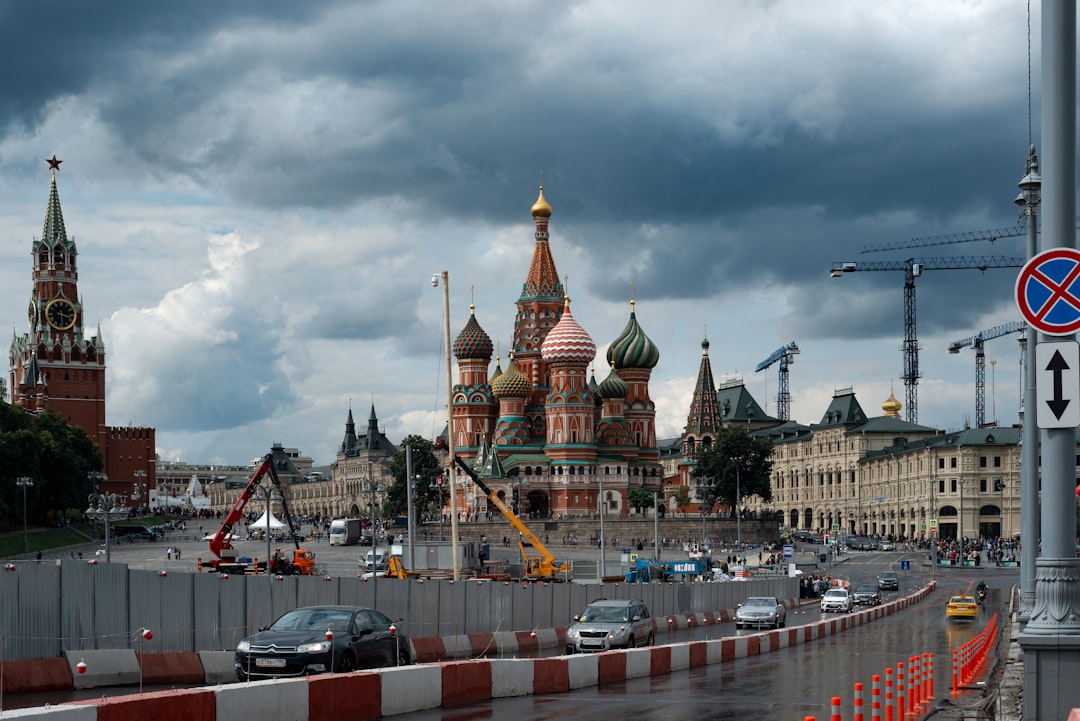
Наберіть 112 з будь-якого телефону, щоб викликати термінову допомогу. Вкажіть точне місцезнаходження за станцією метро або вулицею, коротко опишіть ситуацію та залишайтеся на лінії, поки оператор не закінчить. Якщо російська мова є складною, попросіть допомогу англійською мовою. Перейдіть у добре освітлене, людне місце та уникайте віддалених вулиць.
У разі потреби медичної допомоги зверніться до цілодобової лікарні або клініки; пред'явіть паспорт і будь-які страхові документи. Якщо вам потрібні ліки за рецептом, запитайте в аптеці; майте під рукою готівку або картку для оплати.
У дорозі обирайте ліцензовані таксі або сервіси за викликом; підтвердьте дані водія та транспортного засобу, перш ніж сісти в машину. Покладайтеся на станції та офіційні стоянки; тримайте сумки близько та спереду; будьте уважні до оточення та не демонструйте цінні речі під час поїздки.
Безпека грошей: носіть готівку дрібними купюрами, уникайте демонстрації великих сум і використовуйте готельні сейфи для тривалого перебування. Якщо незнайомець пропонує допомогу або просить гроші, ввічливо відмовтеся непомітно. Відстежуйте транзакції та не діліться особистими даними на вулиці.
Для отримання консульської підтримки знайдіть велике посольство або консульство своєї країни та збережіть його адресу та контактні номери. Поділіться приблизним маршрутом з довіреною особою вдома та знайте, куди звернутися до місцевої поліції, якщо це необхідно.
Обирайте житло в усталених, привабливих районах поблизу великих станцій; перевірте цілодобову рецепцію та добре патрульоване оточення. Перебування в таких районах забезпечує ефективний доступ до допомоги та зменшує ризик, роблячи поїздку більш комфортною та незабутньою.
У закладах харчування ключовим є уважне поводження з алкоголем, їжею та готівкою; не залишайте сумочки без нагляду біля ресторанів або барів; оплачуйте карткою, коли це можливо, і зберігайте чек як доказ витрат.
Громадські місця, такі як церкви та історичні місця, можуть бути привабливими, але будьте уважні до натовпу та поточних подій. Дотримуйтесь розміщених вказівок, тримайте цінні речі непомітно та прямуйте до виходів, якщо скупченість зростає або посилюється охорона.
Наявність компактного набору для безпеки допомагає: копія сторінки даних паспорта, номери телефонів екстрених служб і цифрові копії в захищеному додатку. Майте при собі готівку та картки для витрат за потреби та сплануйте швидкий маршрут до найближчого відділку поліції або клініки, якщо виникнуть проблеми.
Проголошення простого плану вголос при вході в незнайомі місця - знати, де знайти добре освітлені станції, лікарню чи посольство - зменшує паніку. Будьте в курсі подій через офіційні канали та зберігайте вхідні повідомлення на захищеному пристрої, щоб мінімізувати небажані відволікання під час поїздки.
Створіть особистий набір для безпеки та зберігайте важливі документи в цифровій формі
Почніть з компактного, захищеного від погодних умов набору, до якого ви можете отримати доступ однією рукою: водонепроникний чохол для копій, невелика аптечка першої допомоги, запасний акумулятор, компактний ліхтарик і заламінована картка з контактами екстрених служб. Включіть дві друковані копії важливих документів: сторінки паспорта та візи, номери страхових полісів і розширені контактні дані місцевих органів влади. Якщо пристрій втрачено або сумку загублено, ця установка вирішує поширену проблему, і ризик залишається.
Оцифруйте важливі документи: відскануйте сторінки паспортів, віз і страховок; зберігайте дві зашифровані резервні копії на автономному USB-накопичувачі та в перевіреному хмарному сховищі для їхніх документів. Використовуйте надійний PIN-код або біометричний замок на пристроях і ввімкніть віддалене стирання, якщо пристрій втрачено.
У людних місцях - соборних площах, ринках, транспортних вузлах - тримайте цінні речі в безпеці, носіть поясну сумку, стійку до крадіжок, і не демонструйте цінні речі. Ті мільйони відвідувачів нагадують, що крадіжки залишаються ризиком; зберігайте сонцезахисні окуляри, гаманці та телефони близько до тіла та ніколи не залишайте спорядження без нагляду.
Якщо офіцери або персонал просять документи, пред'явіть перевірені копії на своєму пристрої; покажіть офлайн-версії, якщо вас попросять, і майте під рукою контактні дані свого посольства. Цей підхід забезпечує швидкий доступ до ваших даних і зменшує затримки.
Погода або навколишнє середовище впливають на плани: під час снігу або дощу тримайте набір сухим; вимикайте пристрої, коли вони не використовуються, щоб заощадити енергію, і носіть з собою компактну пляшку води, щоб підтримувати водний баланс. Не забувайте регулярно пити. Носіть сонцезахисні окуляри в яскраві дні та тримайте пляшку з водою під рукою.
Культура залишається все ще живою та популярною, з культовими церквами та площами, які приваблюють мільйони людей; будьте пильні до напруженості та уникайте ризикованих районів після настання темряви. Кращий захист включає офлайн-копії, простий план резервного копіювання та звичку оновлювати набір щосезону, враховуючи алергії та інші зміни. Ці заходи пропонують більш плавну та безпечну подорож для тих, хто пересувається містом з компаньйонами.
Наберіть 112 і збережіть місцеві номери телефонів екстрених служб для поліції, пожежної служби та медичної допомоги
Наберіть 112 зараз і збережіть ці номери у своїх контактах: 102 для поліції, 101 для пожежної служби, 103 для медичної допомоги та 112 як загальнонаціональну лінію. Якщо 112 видається як основний маршрут, розглядайте його як першу інстанцію; в іншому випадку тримайте під рукою спеціалізовані номери. Покладіть їх на картку у свій гаманець і збережіть коротку записку у своєму телефоні для подорожей містами та околицями.
Базова підготовка починається з усвідомлення: кишенькові крадіжки є поширеним явищем поблизу станцій і ринків, і напруженість може спалахнути навколо людних місць. Добре сплановані, ввічливі дії роблять вас безпечнішими.
- Збережіть номери на своєму пристрої та на невеликій картці у своєму гаманці; чітко позначте: 112, 102, 101, 103. Якщо можливо, додайте коротке поле адреси та найближчу станцію для швидкого доступу.
- Знайдіть пункти екстреної допомоги на великих станціях і поблизу ринків, церков і соборної площі; знайте найближчий до вашого маршруту; у разі інциденту ввічливо зверніться до персоналу та надайте інформацію про своє місцезнаходження та точні деталі орієнтирів.
- Уникайте носіння цінних речей у очевидних місцях; використовуйте добре захищену сумку, яку носять спереду; на людних ринках кишенькові крадіжки значно вищі; тримайте телефони та гаманці у внутрішніх відділеннях і тримайтеся в межах досяжності супутників.
- У разі інциденту повідомте диспетчеру своє точне місцезнаходження, найближчі орієнтири, кількість залучених людей і травми, якщо такі є; за потреби ідентифікуйте себе як відвідувача; говоріть спокійно та ввічливо, щоб отримати чіткі інструкції; якщо мова є бар'єром, попросіть оператора, який говорить англійською, що зменшить затримки.
- Дотримуйтесь суворих оголошень і обмежень у певних зонах; якщо ви не впевнені, перейдіть на безпечну, добре освітлену площу або станцію, перш ніж звертатися за допомогою; завжди дотримуйтесь офіційних вказівок і уникайте паніки.
- Загальна примітка: у містах Росії моделі злочинності різняться; перевіряйте місцеві оголошення та уникайте дослідження незнайомих провулків після настання темряви; така обізнаність значно знижує ризик.
- Ідея: плануйте маршрути, використовуючи офіційні карти громадського транспорту, і позначте найближчі станції та номери телефонів екстрених служб; це допоможе вам підготуватися під час подорожей і досліджень.
- Порада для відвідувачів: щоб побачити приголомшливу архітектуру поблизу церков і соборів, приєднуйтесь до екскурсійних маршрутів у світлий час доби та тримайте речі в безпеці; ніколи не залишайте сумки без нагляду на станціях або на ринках.
- Такі запобіжні заходи допомагають зменшити напругу та ризик злочинності; ввічливість з персоналом і владою часто приносить швидшу допомогу.
Розпізнавайте поширені шахрайства навколо транспортних вузлів і як їх уникнути
Тримайте цінні речі в безпеці в передніх кишенях і використовуйте сумку через плече, яку тримайте спереду; зберігання гаманців і карток в окремих відділеннях допомагає уникнути швидкої крадіжки в людних терміналах.
Обережний мандрівник повинен ігнорувати запропоновану допомогу біля входів; відволікання в зайнятому собороподібному залі або на території може призвести до кишенькових крадіжок; зверніться до непомітної, контрольованої інформаційної стійки для отримання вказівок.
Вибираючи поїздку, покладайтеся лише на офіційних операторів або надійні додатки; остерігайтеся таксі з кутів вулиць із завищеними цінами та тактикою переплати; уникайте тих, хто використовує незнайомі назви, як-от yandextaxi; переконайтеся, що лічильник працює та надано роздрукований чек; якщо ціна здається завищеною, пройдіть до позначеної черги.
Заздалегідь сплануйте свій маршрут, використовуючи офіційні дошки; залишайтеся в добре освітлених, опалюваних зонах очікування, а не в погано освітлених кутах; зберігайте високу обізнаність і уникайте публічного розголошення деталей подорожі, особливо на людних територіях, де незнайомці можуть підслухати плани.
Запити про особисті речі або одяг, наприклад, про спідню білизну, слід ігнорувати, якщо вони супроводжуються приманкою або відволіканням; мандрівники, які зберігають концентрацію, забезпечують чудову безпеку та зменшують ризик - тримайте гроші в безпеці та остерігайтеся незвичайних запитів.
| Сценарій | Тривожні сигнали | Дія |
|---|
| Шахрайство на стоянці вуличного таксі | Непозначені автомобілі, відмова від лічильника, дивні ціни, тиск щодо переплати, поспіх | Використовуйте офіційні стійки або надійні додатки, вимагайте лічильник, підтвердьте вартість проїзду перед поїздкою |
| Крадіжка з відволіканням біля автоматів з продажу квитків | Кілька людей створюють відволікання, сумка або гаманець залишені без нагляду | Тримайте сумку спереду, застібайте кишені на блискавку, перейдіть у контрольовану зону, ігноруйте пропозиції допомоги |
| Поради щодо маршруту від самозванця | Неперевірені скорочення, незнайомці, які закликають вас поспішати | Перевірте офіційні дошки/додатки, перевірте маршрут, дотримуйтесь відомих знаків |
| Підроблені квитки або тиск щодо оплати | Незвичайні способи оплати, підозрілі продавці, дивні квитанції | Купуйте лише в офіційних кіосках, зберігайте квитанції, перевіряйте функції безпеки |
Плануйте безпечний транзит: рекомендовані маршрути та поради для метро, автобусів і ліцензованих таксі
Скористайтеся метро для швидких переїздів між історичними центрами та мальовничими районами. Придбайте картку «Тройка» на будь-якій станції або в кіоску, поповніть готівкою або карткою та торкніться на вході та виході. Безконтактний пропуск зменшує вартість проїзду та прискорює пересадки. Шукайте двомовні знаки та дотримуйтесь оголошень на платформі, щоб визначити правильну лінію та пункт пересадки, особливо під час великого скупчення людей. Поїздка пропонує приголомшливі краєвиди вздовж річок та історичних вулиць, що робить дослідження приємним з самого початку.
Цільові маршрути з'єднують центральні розв'язки поблизу церков і площ з музеями та набережними. Зберігайте пересадки стислими, використовуючи головні коридори, які з'єднують кілька визначних пам'яток; подорожі в непікові години мінімізують тертя та сприяють безпечнішому та приємнішому дослідженню. Почніть поблизу центрального вузла та сплануйте один цикл, щоб охопити кілька визначних пам'яток, зберігаючи реалістичні очікування для більш спокійного дня.
Автобуси забезпечують ширше охоплення районів за межами залізничних ліній. Перевіряйте номери на зупинках і бортових дисплеях і використовуйте програму перекладу, щоб підтвердити зупинки, якщо це необхідно. Картка «Тройка» приймається в більшості міських автобусів; майте готівку для старих транспортних засобів, які потребують точної здачі. Цей підхід допомагає уникнути затримок і підтримує стабільний темп, збираючи спогади про приголомшливі пейзажі та визначні пам'ятки Москви.
Ліцензовані таксі: надавайте перевагу сервісам на основі додатків або надійним місцевим радіотаксі; перевірте номерні знаки та переконайтеся, що лічильник працює, перш ніж сісти в машину. Уникайте непозначених автомобілів або вуличних викликів, щоб запобігти переплаті; наполягайте на лічильнику та підтвердьте маршрут, якщо запропоновано фіксовану ціну. Майте готівку та картку та тримайте гаманці в безпеці в передніх кишенях, щоб зменшити ризик кишенькових крадіжок під час пікових коридорів.
Планування з місцевим мисленням підтримує безпечніший транзит. Майте під рукою компактний інструмент перекладу та невелику колекцію контактів екстрених служб. Для опалення перевірте внутрішні налаштування; взимку опалення може бути сильним, тому одягайтеся шарами та попросіть відрегулювати вікно, якщо це необхідно. Алергію або чутливість до ароматів можна контролювати, сидячи біля відкритих вентиляційних отворів або попросивши прохолодніший автомобіль. На людних платформах будьте в курсі оточення та шукайте знаки як латинським, так і кириличним шрифтом, щоб історичні церкви та пейзажі Москви залишалися доступними протягом усієї подорожі.
Негайні дії після інциденту: зберігайте спокій, зв'яжіться з владою та повідомте своє місцезнаходження
Повільно дихайте, перейдіть у безпечне місце поблизу та визначте своє місцезнаходження. Негайно зателефонуйте до місцевих органів влади, вказавши, де ви знаходитесь, що сталося та чи є поранення. Якщо присутні інші, призначте одну особу для передачі деталей, поки ви зберігаєте спокій.
Поділіться своїм поточним місцезнаходженням за допомогою Google Maps або надішліть текстові координати довіреній особі. Якщо сигнал слабкий, перейдіть на Wi-Fi і попросіть когось із кращим прийомом допомогти.
Зберігайте ввічливу, стійку присутність з реагуючими та сторонніми особами. Відповідайте на запитання лаконічно, уникайте спекуляцій і дотримуйтеся теми. Очікуючи допомоги, обмежте рухи, які можуть погіршити ризик.
Запишіть ключові факти: час і точне місце, помітні деталі про одяг і транспортні засоби, напрямки та будь-які камери, які зафіксували сцену. Якщо ви знаходитесь поблизу поїздів або їдалень, згадайте ці місця реагуючим і зверніть увагу на місцеву валюту, яка використовується в сусідніх містах.
У кафе/їдальні попросіть персонал про безпечний притулок і використовуйте встановлені виходи для пересування. Будьте уважні до напоїв і обслуговування напоїв, зверніть увагу на базилік на привабливих столах і тримайте речі в полі зору, поки ви витрачаєте час на пошук допомоги.
Сплануйте свої наступні кроки: уникайте зовнішніх просторів під час сильного снігу, прямуйте до сусідньої, добре освітленої будівлі та подумайте про те, щоб триматися подалі від військових контрольно-пропускних пунктів зовні. Якщо вам потрібен транспорт, використовуйте поїзди або автобуси з установлених вузлів, щоб дістатися до безпечнішого місця, а не блукати, і націлюйтеся на місце з персоналом, де допомога легко доступна.
Знання від тих, хто має місцевий досвід, допомагає. Ідея: використовуйте Google для офіційних оновлень і покладайтеся на загальні вказівки. Якщо хтось поблизу говорить кирилицею, жести та знаки можуть допомогти вам зорієнтуватися. Жінкам-мандрівницям та іншим відвідувачам зберігайте спокій і ввічливо звертайтеся за допомогою до влади, якщо це необхідно поблизу вас.