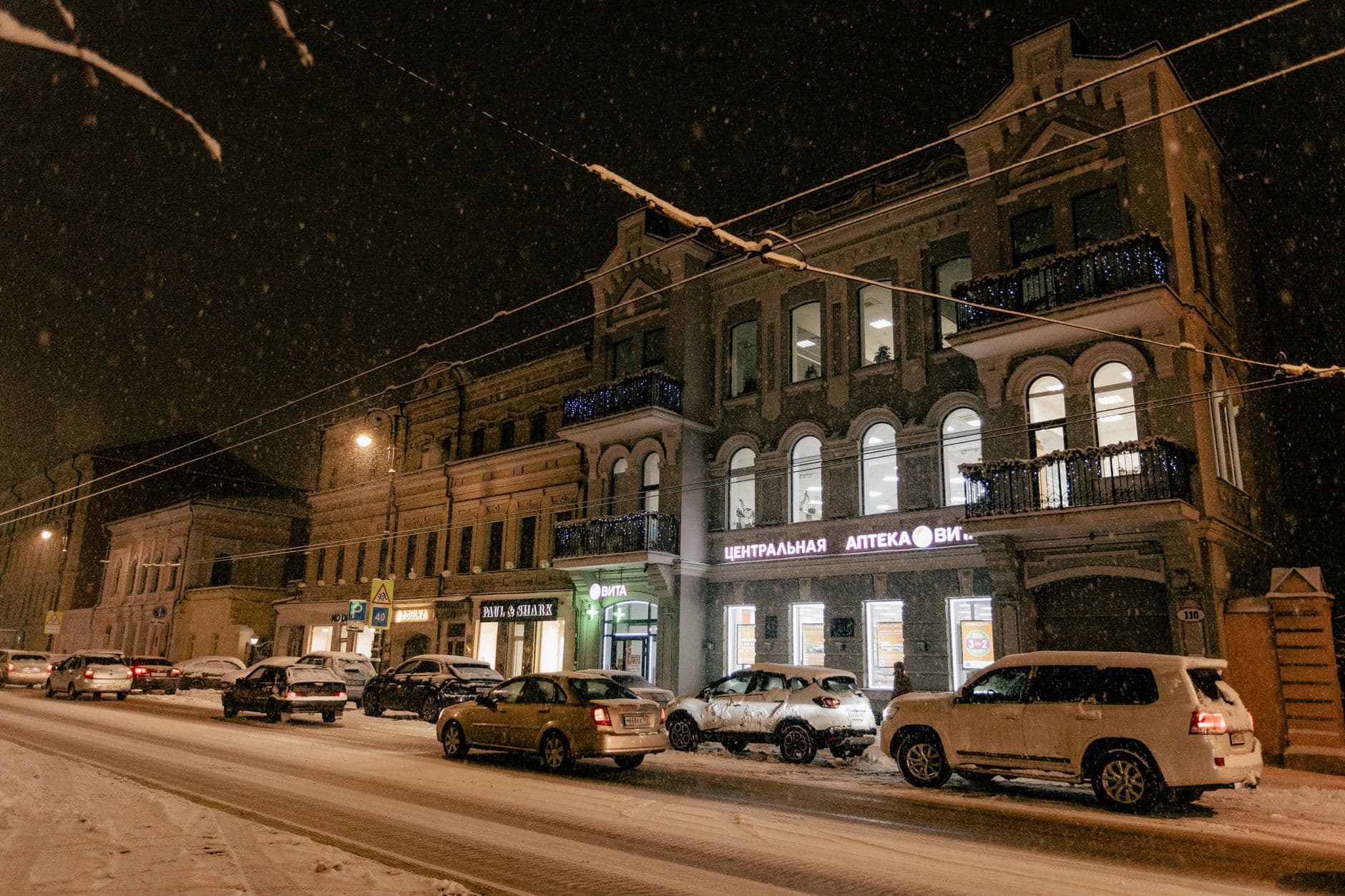
аеропортний трансфер слід забронювати виключно через ліцензовані агентства; перевірте стан автомобіля перед виїздом з парковки; вимагайте безпосереднього договору з чіткою відповідальністю; вам знадобиться картка для покриття повертального депозиту.
Ціни залежать від міста та сезону; щоденні тарифи зазвичай коливаються від 2500 до 5000 РУБ; Москва залишається великим хабом із періодом пікового попиту; кілька агентств пропонують тижневі пакети, що знижують щоденні витрати; депозити стягуються з картки; повернення коштів відбувається протягом декількох робочих днів після перевірки.
Ознайомтеся з інформацією про обмеження відповідальності; базова страховка включена; додаткова страховка від колізій зменшує відповідальність; вимагайте письмову полісу, яка перелічує компоненти, такі як франшиза, термін дії, виключення; фактично виявлені попередні пошкодження під час передачі мінімізують суперечки; допомога 24/7 протягом подорожі.
Перевірте запасне колесо, набір інструментів, домкрат, запасні лампи; перевірте точність показів бензинового датчика; зафіксуйте пошкодження знімками, щоб надати докази агентствам при доставці; це допоможе зробити подорож плавною.
У Москві рух транспорту, плануйте додатковий час; вузькі вулиці, трамвайні колії, агресивні водії вимагають підвищеної уваги; обганяйте лише там, де це дозволено; паркуйтесь на офіційних стоянках; повертайте автомобіль з повним баком; інакше стягується додаткова плата за заправку; стійка аеропорту надає швидку допомогу.
Навігатор налаштуйте: завантажте карти Москви, аеропортів, основних маршрутів; збережіть інформацію про агентства, номери екстрених служб; подорож буде корисною завдяки чіткому плану; буферному часу; перевірці запасного колеса; ви додасте цінності, зазначивши пошкодження, пробіг, рівень палива; термін дії поліса покращить комфорт під час довгих поїздок.
Оренда автомобіля в Росії: практичний посібник для мандрівників
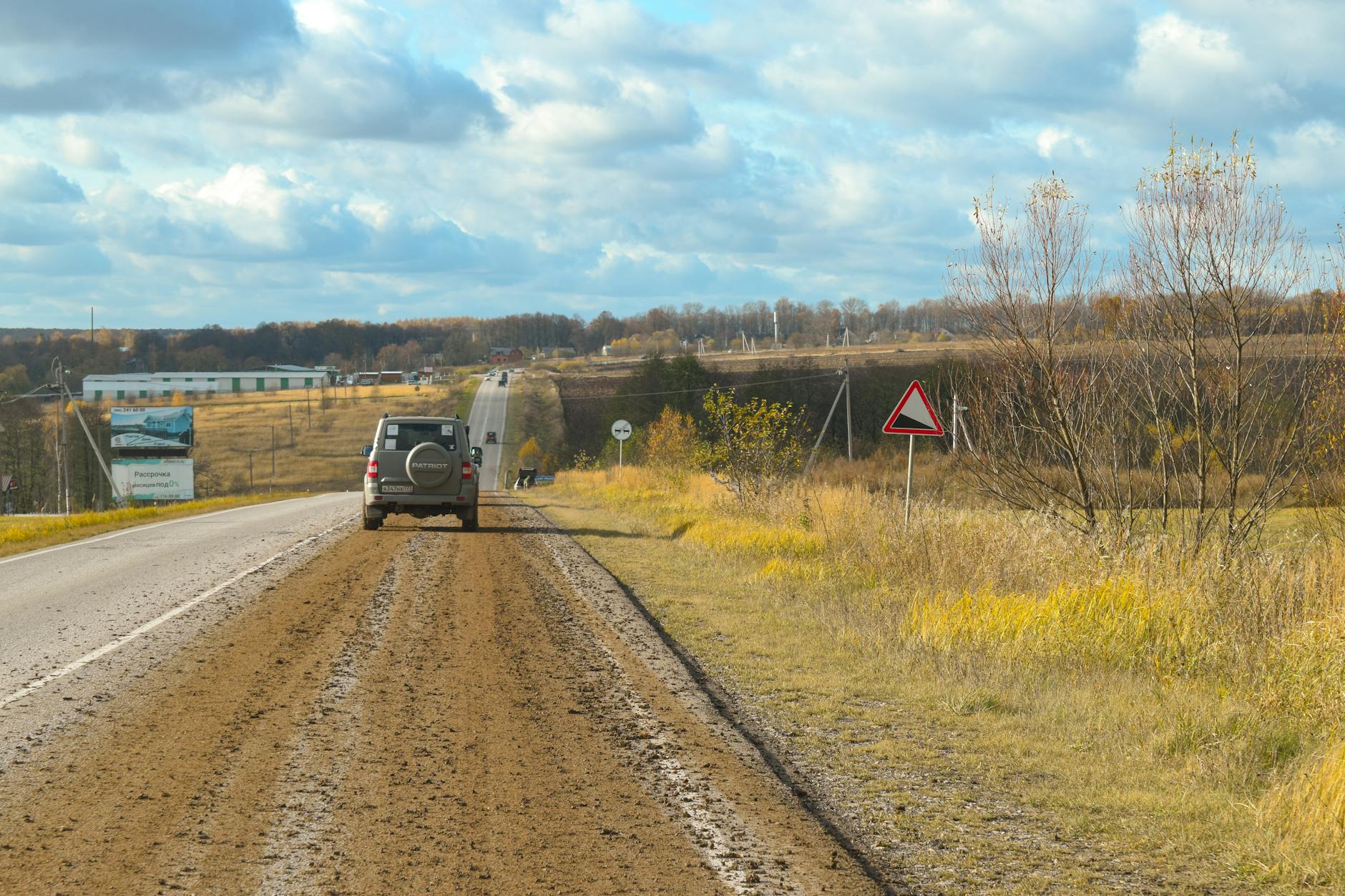
Перед забором перевірте ліміти пробігу, пов'язані з вашим планом; запросіть чітку ціну сьогодні; підтвердьте політику щодо пошкоджень у договорі.
Аеропортні стійки, офіси Краснодара або міські прилавки пропонують варіанти транспортних засобів з пакетом зручностей; перевірте політику щодо палива, час огляду, правила повернення.
Ринкові лідери конкурують на прозорість; пріоритезують письмову підтвердження, видимий пробіг, чіткий термін використання.
Оберіть лідера ринку, щоб зменшити ризик.
Читайте умовні слова політики уважно. Звертайтеся за роз'ясненням деталей покриття.
При отриманні, перевірте показники лічильника; запишіть показники одометра; документуйте будь-які пошкодження; зробить фотографії; збережіть квитанцію.
Замовте, коли умови будуть оформлені письмово; збережіть квитанцію; збережіть її сьогодні для посилання.
Стається під час використання; якщо трапляються інциденти, зв'яжіться з постачальником політики; посилання на цитату; запитати заміну транспортного засобу.
Дивіться статтю; відвідайте httpswww1carescomruenservicesrent-a-carhtml; кілька варіантів у Краснодарі, часто зустрічаються заїздки до аеропорту.
Перевірте остаточний рахунок, переконайтеся, що цитата відповідає позиціям, зверніть увагу на додаткові витрати, підтвердіть офіційне підтвердження.
Вивод: довіряйте поради друзів від лідера ринку; використовуйте метри, кілометраж, копії чеків.
Орендування автомобіля в Росії: практичні рекомендації та вимоги для мандрівників; орендуйте автомобілі від економ-класу до бізнес-класу з або без водія в Мурманську
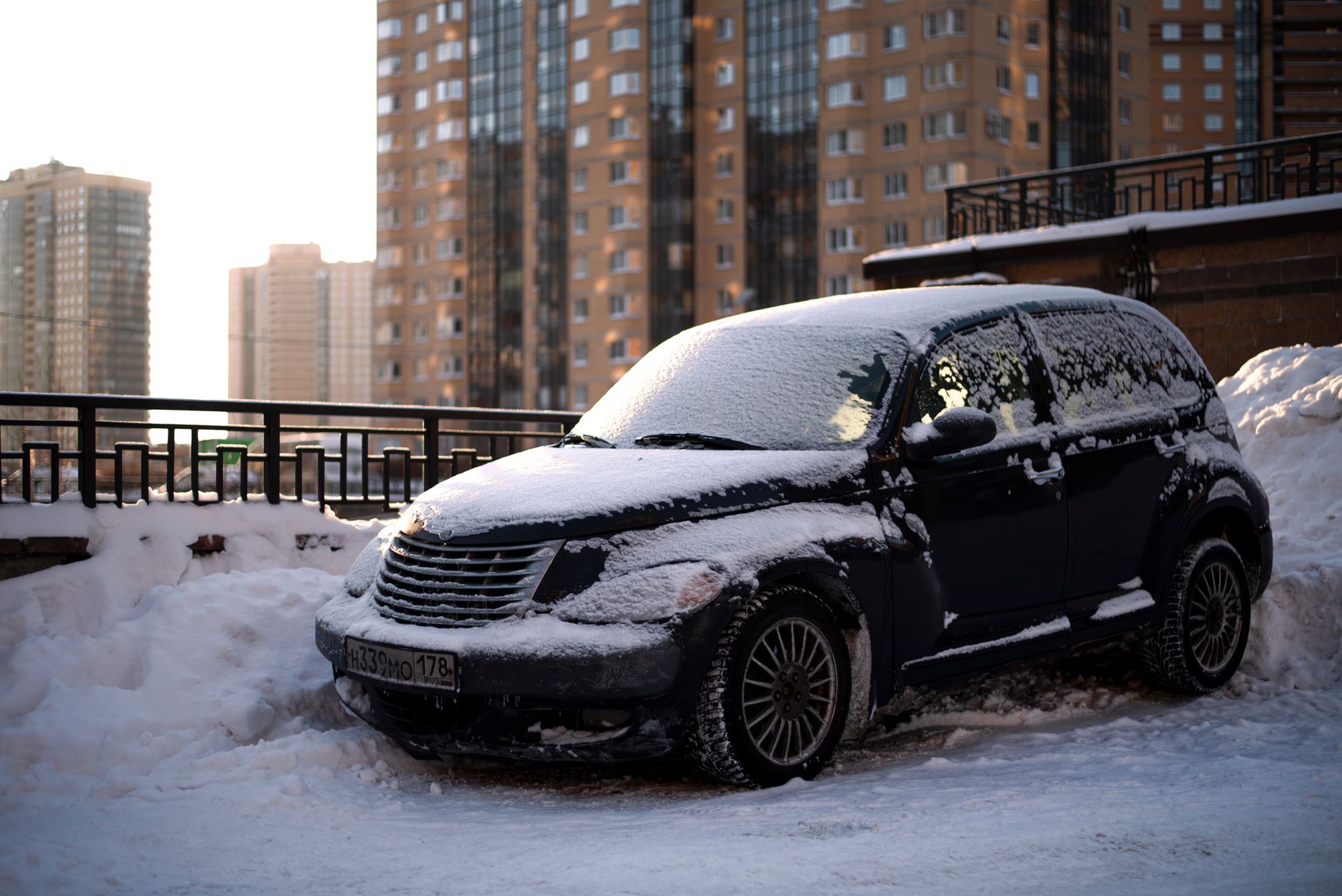
Перший крок: забронюйте заздалегідь у авторизованих агентствах у Мурманську; виберіть автомобілі від економ-класу до преміум-флітів; орендуйте з водієм або самостійно; запитайте письмову підтвердження щодо ліміту пробігу, політики щодо палива, умов доставки; перевірте, чи включає автомобіль офіційні наклейки.
Візьміть паспорт; для водіння на дорогах приймається російський водійський посвідчення; міжнародне водійське посвідчення необов'язкове; мати кредитну картку для застави; отримати розрахунковий документ з переліком платежів; перевірити, чи вказано ліміт пробігу.
На доставці перевірте наклейки на лобовому склі; перевірте показник швидкості; випробуйте фари, гальма; перевірте шини; зафіксуйте будь-які вмятини; підпишіть форму обробки; вимагайте квитанцію, яка покриває крадіжку або пошкодження.
Українські автомагістралі надають швидкі маршрути; діють обмеження за вмістом алкоголю в крові; взимку потрібні зимові шини; перевірте наявність покриття в віддалених ділянках; переконайтеся, що номерний знак дійсний; перевірте технічний стан гальм і світл.
Запитайте про деталізовані ціни; базову ставку; ліміт пробігу; страховку відповідальності; уважні будьте до комісійних зборів; послуги на дорозі; захист від крадіжки; підтвердьте штрафи за пізнє повернення; переконайтеся, що політика щодо палива фіксована; вимагайте підписаного підсумку.
Доставка включає:
- забірання в аеропорту;
- доставку до міського офісу;
- віддалену доставку до Мурманська;
- вказівку місця повернення;
- доступ до багажного відділення;
- перевірку, чи збігається показник спидометра з даними оформлення;
- отримання штампованого підтвердження повернення послуг.
Оцінки від агентств мають значення; багато відгуків допомагає; перевірте наявність наклейок; забезпечте доступ до аксесуарів, таких як дитячі крісла, навігатори, багажні рейки; розгляньте автопарк бренду Avis; порівняйте з базовими показниками Москви; перевірте покриття в Росії; зберігайте запис пробігу за роками використання; російські послуги застосовуються до інших.
Прибудьте з документами; обробкою займаються дві особи; переконайтеся, що є доступ до офіційних квитанцій; збережіть копію договору оренди; якщо повертаєте, перевірте процедуру на стійці видачі; збережіть копію звіту про обслуговування.
Документи та ліцензії для оренди в Мурманську: що потрібно підготувати мандрівникам
Підготовте ці документи перед забором у Мурманську, щоб забезпечити безпосередню обробку в аеропорту або міській адміністрації.
- Паспорт оригінал; віза; копія паспорта; термін дії має покривати період оренди.
- Водійське посвідчення; переклад на російську мову; Міжнародне водійське посвідчення (МВП), яке приймається багатьма організаціями; вимога до досвіду: іноземні права зазвичай вимагають принаймні 1 рік досвіду.
- Вік: 21+; іноді 23+; потрібно підтвердження досвіду; ознайомтеся з політикою огляду перед бронюванням.
- Спосіб оплати: кредитна картка на ім'я основного водія; деякі офіси приймають дебетові картки; квитанція видається після оплати; підтвердіть суму депозиту перед підписанням.
- Страхування: ОСАГО обов'язкове; перевірте покриття; додаткові опції включають КАСКО; застосовуються фіксовані франшизи; ознайомтеся з угодою щодо обмежень.
- Звіт про стан автомобіля: оглянути зовнішній вигляд; зфотографувати існуючі пошкодження; зазначити царапини; вмятини; проблеми зі склом; запросити офіційний звіт про пошкодження; пошкодження, виявлені пізніше, можуть бути оплачені; вам потрібно підписану копію з офісу.
- Опції доставки: можливий заїзд до аеропорту; заїзд до міського офісу; іноді пропонується доставка безпосередньо до готелю; потрібно підтвердити вікно години; сьогоднішні домовленості можуть змінюватися в сезон високого попиту.
- Документація при отриманні: копія договору оренди; сума, що стягнута, вказана на квитанції; деталі доставки до аеропорту або міського офісу; зберігайте контактні номери для підтримки; зв'язки в Москві або окремі відвідування міст можуть впливати на час.
Мурманський ринок пропонує багато варіантів; розмір флоту залежить від постачальника; клієнти, які обслуговують міжнародних клієнтів, надають багатомовну підтримку; ви порівняєте пропозиції від постачальників, які доставляють до аеропорту або готелю; ціна залежить від періоду; категорії транспортного засобу; обраного страхування; ви знайдете компроміс між низькими тарифами; надійна послуга залишається ключовою.
Політика щодо палива вимагає повернення з повним баком; знаки на автострадах вказують швидкість; стан доріг змінюється залежно від сезону; сьогодні водіям слід стежити за прогнозом погоди; ви знайдете на ринку багато варіантів на вибір.
У разі пожежі або аварії дзвоніть у служби надзвичайних ситуацій; зв'яжіться з прокатною компанією; політику заміни транспортного засобу пояснено в угоді; зберігайте квитанції.
Правила щодо водійських посвідчень: вимоги Росії, міжнародні дозволи, обмеження за віком
Перед тим, перевірте умови з прокатною компанією; якщо ваш посвідчення водія не містить латинського алфавіту, отримайте Міжнародний посвідчення водія або сертифікований переклад; носите паспорт під час отримання авто; може бути потрібно внести заставу; більшість компаній вимагають вік від 21 до 75 років; деякі класи вимагають 23, інші — 25; обмеження залежать від категорії транспортного засобу. Просто переконайтеся, що всі пункти відповідають умовам оренди.
Міжнародні дозволи: приймаються широко; ліцензії кирилицею вимагають Міжнародного водійського посвідчення або офіційного перекладу; обмеження за вмістом алкоголю в крові виражаються в проміле; підтвердження з боку прокатної компанії перед отриманням авто зменшує ризики.
Вікові обмеження: мінімум 21 рік; вищі пороги 23 або 25 років застосовуються для деяких класів транспортних засобів; максимальні обмеження зазвичай 70 або 75 років; доведення віку має бути представлено при бронюванні; у районах Краснодара філії поблизу Кремля демонструють однакові пороги.
Документи, які потрібно мати: паспорт, водійські права, переклад або Міжнародний водійський посвідчення; референція бронювання; переконайтеся, що у вас є дійсні водійські права; заповніть форму оренди на стійці; деякі офіси вимагають паспортну картку; можуть запитати наклейки на водійських правах або наклейку на автомобілі. Їхні документи повинні бути готовими до перевірки на стійці.
Політика щодо палива та пробігу: перевірте діапазон пробігу, який включено; політика деяких країн обмежує пробіг; якщо є обмеження, плануйте кожну подорож через регіони, включаючи Краснодар, Рубінськ, Кремлівські зони.
Умови технічного стану автомобіля: перевірте килимки, бак з паливом, стан миття; повідомте про дрібні подряпини перед початком поїздки; зробить фотографії; деталі політики ремонту вказані компанією; більшість фірм вимагають повернути автомобіль з таким самим рівнем палива; зберігайте документацію для будь-якої претензії.
Оплата, бронювання: заздалегідь підтвердьте спосіб оплати; деякі фірми вимагають внести заставний внесок; зберігайте квитанції; заздалегідь переконайтеся, що ваше бронювання відповідає замовленій моделі; більшість агентств вимагають від вас оплатити в місцевій валюті; зберігайте копію бронювання для перевірки.
Нотатки щодо ліцензування на незнайомих ринках: більшість міжнародних мандрівників прибувають з ліцензією на свою ім'я; умови страхування перелічують виключення; майже всі оператори вказують мінімальний вік; політика допомагає уточнити умови оплати.
(Примітка: Назви міст, вулиць, музеїв тощо не згадуються в тексті, тому не потребували перекладу. Бренди, адреси, ціни та інша конкретна інформація також відсутні.)
Варіанти автомобілів та ціни: від економ-класу до бізнес-класу, з водієм або без.
Почніть з седана економ-класу: мінімальна щоденна вартість, прості документи, плавне повернення. На місцевих ринках бензинові двигуни забезпечують передбачуване споживання палива на автомагістралях; рух спливає легше з водієм у години пік; розгляньте можливість допомоги місцевого друга з навігацією та мовною підтримкою сьогодні. Кожна опція орієнтована на різні маршрути; ви знайдете варіанти, підходящі для мандрівників на короткі відстані; ринок пропонує безпілотні варіанти; також є послуги з водієм. Інша опція — преміум-седан з водієм.
| Option | Типова щоденна ціна (РУБ) | Driver | Автомобіль | Notes |
|---|
| Економний седан - без водія | 3 500-5 500 руб. | No | Sedan | Мінімальна вартість; стандартний бак палива; миття за запитом |
| Економний седан - з водієм | 6 000-9 000 руб. | Yes | Sedan | Водій, слідуйте за вказівками; рух спокійний; допомога мовою країни |
| Стандартний седан - без водія | 5 500-8 000 руб | No | Sedan | Збалансований комфорт; більший бак; щоденний пробіг гнучкий |
| Стандартний седан - з водієм | 9 000-12 000 руб. | Yes | Sedan | Повна підтримка; поради щодо навігації; миття включено в багато автопарків |
| Бізнес-клас седан - без водія | 9 000-15 000 руб | No | Sedan | Преміум-комфорт; покращені опції безпеки; більша дальність ходу |
| Бізнес-клас седан - з водієм | 15 000-25 000 руб | Yes | Sedan | Повна послуга; особистий помічник; підтримка 24/7; мовна послуга |
Клієнти повинні пред'явити документи; ліцензія повинна бути дійсною; потрібно перевірити історію. Місцевий персонал повідомлений про обраний варіант; щоденні перевірки включають стан миття; килимки на підлозі; рівень палива в баку; чітка політика щодо палива; оголошення про пожежну безпеку розміщені. Повернувся подорожній отримає користь від чітких даних про ліцензію. Сьогодні можна організувати заїзд поблизу автомагістралей; лідер ринку забезпечує відповідність вимогам; мінімальні незручності під час пікової навантаженості.
Страхування, відповідальність і допомога на дорозі: що покривається, а що — ні
Підтвердьте всеосяжну угоду, яка надає захист відповідальності, захист від крадіжки та захист від зіткнень, перед прибуттям; попросіть квитанцію з офісу, в якій перелічені надані захисти, обмеження та умови. Це допоможе у випадку пошкодження.
Перевірте, чи покриває поліс:
- третю сторону (цивільну відповідальність);
- крадіжку;
- зіткнення;
- чи залишаються захищеними кузов, сидіння, аксесуари;
- дахова вантажна рейка;
- дитячі автокрісла;
- чи є безпосередній доступ до допомоги на дорозі.
Європейські оператори часто встановлюють суворі умови; перевірте, які умови застосовуються на автомагістралях, за кордоном або при їзді поза маршрутом, що можуть анулювати захист; вказівки компанії можуть вказувати обмеження, виключення.
Залиште чітке підтвердження письмово; у разі пошкодження повідомте про дії в офіс компанії; надайте фотографії; підписане підтвердження; звіт поліції, якщо є; квитанцію.
Повернення процесу: після прибуття перевірте тіло на наявність подряпин; зафіксуйте будь-які пошкодження; документуйте фотографіями; стан повернення має бути зазначений у квитанції.
Доступність; безпосередня присутність офісу поблизу Кремлівських районів може прискорити надання послуг, ви отримаєте безпосередню підтримку у термінованих випадках; зручність залишається пріоритетом, великий досвід на європейських маршрутах; присутність сприяє історії плавних процесів.
Стан страховки: перевірте, чи залишається автомобіль застрахованим за угодою під час повернення; вкажіть обмеження, зазначені в полісі; збережіть копію підтвердження.
Історія перевірена: досвід, набуті з цією компанією, створює надійну історію на європейських маршрутах; присутність при прибутті в європейських офісах сприяє більш плавному процесу, виписаний квитанція, що підтверджує, що умови виконані.
Політика зняття, повернення, палива та пробігу в Мурманську: як уникнути додаткових витрат
Пік-ап у аеропорту Мурманська надає безпосередній доступ до автомобілів, розташованих у зоні терміналу; сьогодні більшість клієнтів завершують процес майже миттєво, використовуючи стіл всередині терміналу; це зменшує ризики переміщення; запобігає зайвим витратам.
- Перевірте автомобіль на наявність пошкоджень; зробіть фотографії зовнішнього вигляду; зробіть фотографії салону; відзначте існуючі позначки в договорі з часовою міткою; рекомендації джерела підтримують справедливі рішення щодо ремонту.
- Представте ліцензію; громадянам США потрібно мати Міжнародний водійський посвідчення; перевірте придатність у обраних організаціях до приїзду; це запобігає затримкам при отриманні.
- Місцеві правила щодо віку: водій повинен відповідати мінімальному віку; деякі автомобілі вимагають 23 або 25 років; перевірте стійку прокату; сьогодні виберіть відповідний варіант.
- Депозитна політика: повернений блокування на карті; сума залежить від класу автомобіля; очікуйте 5 000-20 000 ₽; кошти повертаються після повернення, якщо немає пошкоджень або крадіжки.
- Політика щодо палива: повний бак при отриманні; повернення з таким самим рівнем; заправка за літр стягується за літр; доступні варіанти включають безкоштовне заповнення при поверненні, якщо це можливо.
- Політика пробігу: більшість угод включають базову відстань; регіон Мурманська охоплює довгі маршрути; поїздки до Москви або Владивостока спричинять додаткові витрати за кожен кілометр; підтверджуйте тарифи в договорі.
- Повернення: повернутися до того самого пункту здачі; стійки аеропортів можуть стягувати плату за зміну місця; завжди отримуйте квитанцію з вказаним часом повернення; рівень палива при поверненні; не виїжджайте без квитанції.
- Страхування та захист від крадіжок: перевірте охоплення; якщо не включено, розгляньте додатковий захист; збережіть документ полісу для посилання; у разі інциденту негайно зв'яжіться з агентством.
- Правові обмеження: діють норми проміле; утримайтеся від водіння у стані сп'яніння; громадяни з-за кордону повинні ознайомитися з місцевими правилами перед водінням; дотримуйтеся норм безпеки на дорозі; повертайте автомобіль у чистому стані, щоб уникнути штрафів; ці правила діють повсюдно.
- Дорожня готовність: погода в Мурманську створює льодяні поверхні доріг; потрібні зимові шини; якщо рекомендують, возьміть ланцюги; перевірте шини, смітники, світло; це зменшить витрати на ремонт пізніше.
- Історичні нотатки: оповідання про царів або кремлівські дороги зберігаються в місцевих переказах; практичні терміни в Мурманську відрізняються від Москви, Рибінська, Владивостока; накази від агентств регулюють виїзд, повернення, паливо, пробіг; століття досвіду впливає на сьогодення.