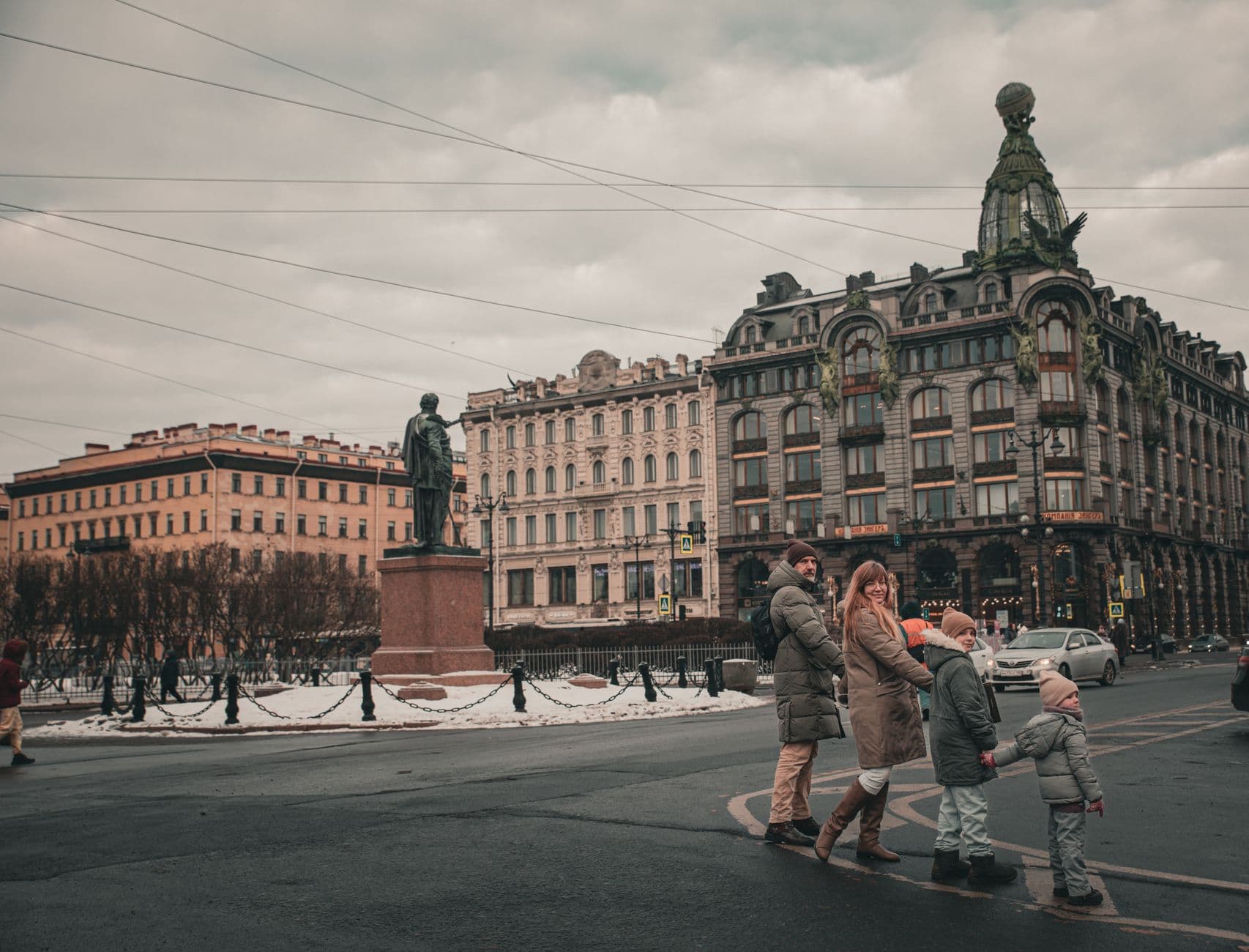
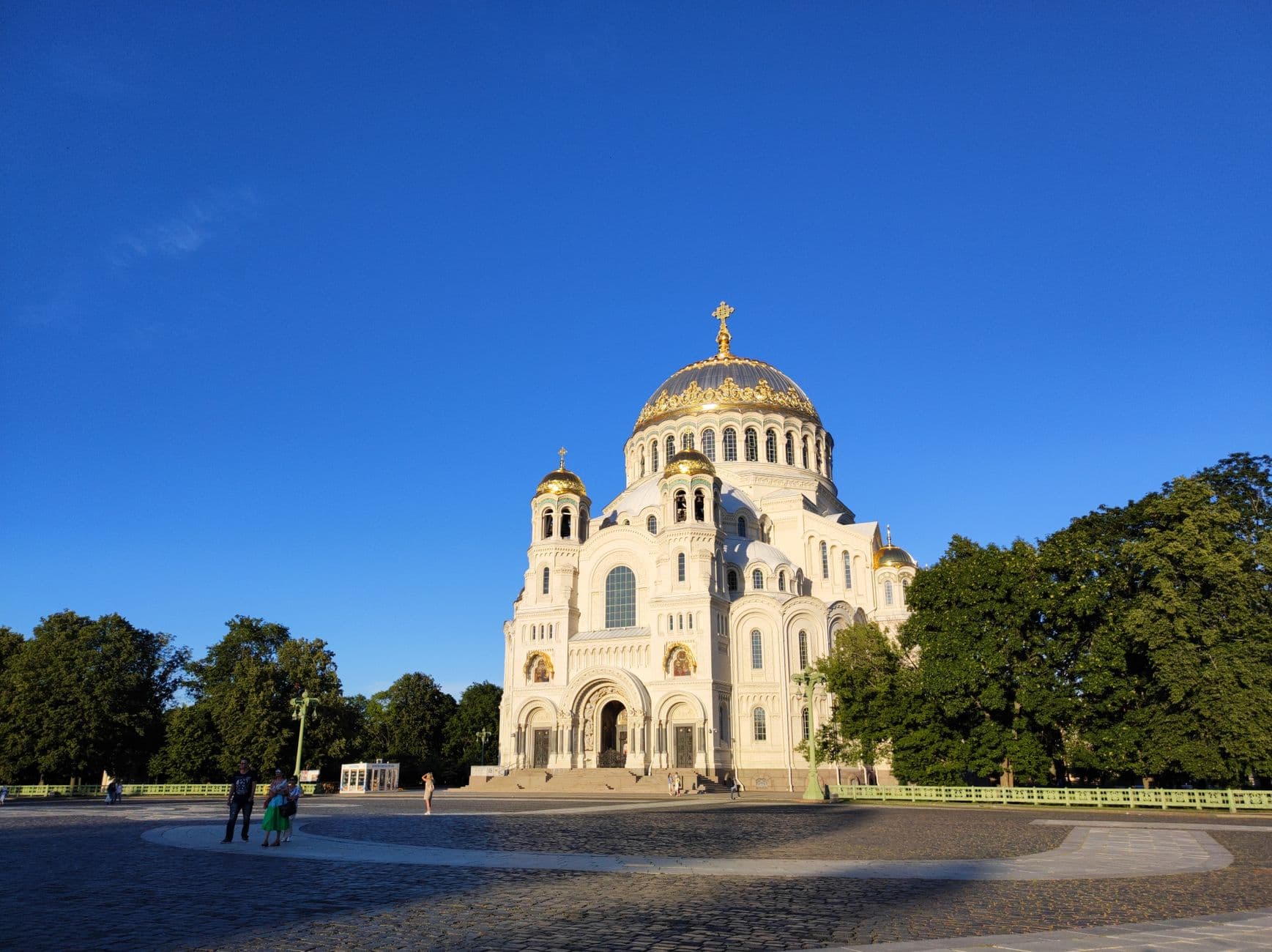
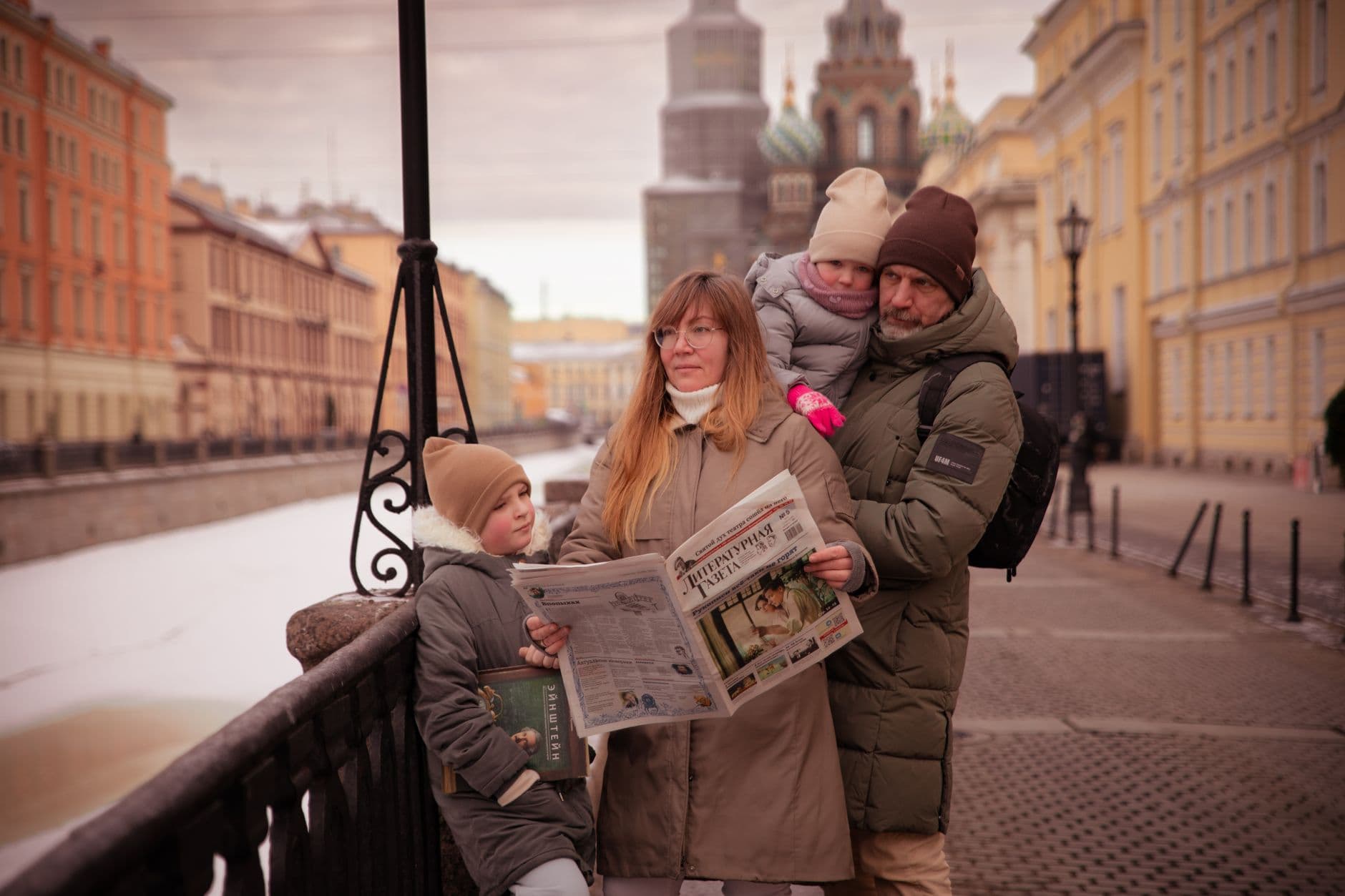
Заселяйтесь у своєму житлі протягом перших годин після прибуття та завжди носите з собою дійсний паспорт і картку медичного страхування. Це допоможе вам швидко реагувати на будь-які ситуації під час подорожей містами та узбережжями озер, а також спокійно вирішувати всі питання.
Перед від'їздом вивчіть карти та завантажте офлайн-путівники. У серпні клімат варіюється від теплих південних днів до прохолодних вечорів біля води, тому упакуйте довгі рукави, теплий свитер, легку дощову куртку та міцну взуття для довгих піших прогулок між містами. Компактний список речей допоможе утримати все організованим і зменшити зайвий багаж, а дешеві варіанти транспорту можна знайти заздалегідь.
Кордонні контролі та митні процедури можуть вплинути на прибуття. У великих хабах іноземці повинні очікувати простого перевірки документів і декларацій щодо заборонених предметів; обов'язкові декларації існують щодо певних товарів. Тримайте під рукою копії бронювань, підтверджень реєстрації та страхових документів, щоб прискорити обробку; використовуйте офіційні обмінні кіоски для дешевих обмінів з прозорими курсами. Якщо щось здається незрозумілим, запитайте співробітників або свого господаря про вказівки до правильних черг або відділів там.
Мешканці та росіяни схильні бути гостинними у містах, особливо в районах озер. Вітайтеся простим привітом і титулом, якщо це зазначено; поважайте майно та вивішені правила; уникайте гучного поведінки в тихих зонах. При використанні таксі обирайте зареєстровані послуги з таксометрами або фіксованими тарифами; підтверджуйте вартість перед початком і тримайте невеликий резервний фонд на випадок неочікуваних витрат у серпні або інших місяцях там.
Під час подорожей завжди мати при собі важливі номери: адресу готелю, місцеві номери екстрених служб і контакти вашого посольства. Плануйте лише те, з чим зможете впоратися за один день, віддавайте перевагу комфортним, безпечним маршрутам і передбачуваним розкладам; між деякими містами великі відстані, тому заздалегідь перевіряйте розклад руху поїздів і автобусів. Користуйтеся надійними картами та рекомендаціями господарів, щоб знайти все, що потрібно; пропозиції екскурсій або безпечних, комфортних досвідів численні і часто дешеві, якщо забронювати заздалегідь.
Безпека під час перебування в Росії: поради щодо безпеки для відвідувачів; 12 причин, чому кожен повинен відвідати Росію
Перевірте години роботи ринків, аеропортів і музеїв на офіційних сторінках, потім сплануйте маршрут, який пов'язує Санкт-Петербург із близькими ринками та ресторанами; збережіть копію вказівок на своєму телефоні, щоб відстежувати прогрес.
Візьміть рублі для дрібних покупок і користуйтеся банкоматами з логотипами банків; розраховуйте кілька сум і зберігайте їх у різних місцях; завжди носите з собою документ і сканкопіюйте його на випадок втрати; туристично орієнтовані банки у великих містах надають співробітників, що говорять англійською, і зрозумілі квитанції.
Для доступності, запросіть кімнату, пристосовану для інвалідних візків, заздалегідь підтвердьте доступні варіанти транспорту, а також обирайте готелі з рівними входами; центральні райони пішохідні та добре позначені кирилицею та латинським алфавітом.
У багатолюдних місцях захищайте цінні речі; уникайте небажаної уваги, тримайтеся поблизу супутників або персоналу; якщо до вас звертається незнайомець, відійдіть до місця з персоналом або до лобі готелю; поради персоналу готелю допомагають обрати безпечні маршрути. Для мандрівників на самоті тримайте простий маршрут і поділіться ним із довіреною особою вдома, щоб залишатися координованими тут.
У сільській місцевості в серпні слід уникати зустрічей із дикими тваринами, такими як ведмеді; дотримуйтеся позначених стежок, слідуйте правилам парку та майте при собі аптечку першої допомоги; не наближайтеся до тварин і тримайте камери наготові для знімків дикої природи.
Під час відвідування культурних пам'яток таблички та меню можуть бути кирилицею; фотографування зазвичай дозволено в музеях, але спалах часто обмежено; вежливо запитайте про це простим реченням і зверніться до невеликої ідеї кирилицею, щоб спілкуватися з персоналом або водіями таксі.
Валюта та пропозиції: багато закладів мають фіксовані ціни; завжди перевіряйте актуальні курси обміну та уникайте подвійного конвертування; на ринках і в ресторанах можна платити рублями або карткою; банкомати видають готівку з розумними лімітами та годинами роботи; це надає гнучкість поєднувати кілька галерей і відмінних закладів харчування за один день. Ось приклад маршруту, щоб максимально використати відвідування: починайте з музею, потім прогуляйтеся до сусіднього кафе, і завершіть у популярному магазині сувенірів.
Практичні плани з безпеки для мандрівників у Росії
Створіть двосторінковий план безпеки перед виїздом з дому: перелічте місцеві номери екстрених служб, деталі реєстрації в готелі та надійний контакт для ночних поїздок. Додайте дані вашого russpass, копії необхідних документів та запис про кафе, яке ви плануєте відвідати, а також адресу найближчого медичного закладу. Вправляйтеся з друкованою картою, щоб не плутатися в натовпі.
Одяг і погода: у великих містах і вздовж берегів озер заморожені тротуари вимагають міцних чобіт, тепла та зчеплення. Запакуйте запасну пару чобіт у ручну поклажу; перевірте їх у вестибюлі перед виходом. Взимку тримайте легкий вітровку, рукавички та теплу шапку; якщо погода погіршає, шукайте притулку в кафе або транспортному вузлі.
Грошові справи: носите долари дрібними купюрами та користуйтеся банкоматами в банках або на стійках готелів; уникайте демонстрації великих сум. У закладах, де подають водку, будьте обережні з шахрайством; на ринках часто продають товари за завищеними цінами; вітайте продавців ввічливою «спасибі» та відмовляйтеся від настирливих пропозицій. Оглядайтесь, щоб порівняти вартість; жестикулюйте руками, якщо назва вимовляється інакше, ніж пишеться. Прикладом можуть бути назви вулиць, які вимовляються інакше, ніж пишуться. Деякі продавці нечесні.
Транспортний план: оберіть кілька безпечних маршрутів через густонаселені зони та дотримуйтеся позначених будівель або офіційних станцій. При користуванні таксі або каршерингом підтверджуйте дані водія та номер автомобіля, і уникайте в'їзду в нереєстровані транспортні засоби. Поділіться своїм маршрутом з супутником і повідомляйте про ключові моменти, особливо після вечірніх зустрічей. На круїзах або озерних паромах слухайте оголошення екіпажу та дотримуйтеся інструкцій щодо рятувальних жилетів.
Основи особистої безпеки: тримайте при собі компактний зарядний пристрій для телефону, основні ліки та невеликий ліхтар. Дотримуйтеся розумного плану під час відвідування великих музеїв, церков або будівель; відмічайте виходи, таблички з надписами про надзвичайні ситуації та визначені зони. Коли шукаєте напрямок, довіряйте офіційним вказівникам або персоналу довірливого кафе. Якщо почуваєтеся некомфортно, перейдіть у освітлене місце і скористайтеся картографічною програмою, щоб знайти безпечний шлях назад до вашого готелю.
Дякую допомагає у щоденних спілкуваннях; вимовляйте звичайні назви вулиць чітко, оскільки місцеві вимовляють їх по-різному в популярних туристичних районах. Дотримуйтеся стриманої поведінки, уникайте демонстрації дорогоцінних речей і будьте уважні до незвичайних прохань; якщо потрібна допомога, звертайтеся до обслуговуючих стійок у транспортних вузлах або в лобі готелів.
| Area | Actions |
|---|
| Документація | Несіть копії; зберігайте підтвердження реєстрації в готелі та russpass; увімкніть доступ до офлайн-карт. |
| Мобільність | Використовуйте зареєстрований транспорт; перевіряйте номери; плануйте маршрути до великих пам'яток; перевіряйте розклади паромів. |
| Money | Отримайте невеликі купюри доларів; не демонструйте великі суми; знімайте гроші лише в офіційних банках.
(Примітка: У цьому випадку переклад зберігає оригінальний текст, оскільки всі назви, адреси, бренди та конкретні дані вже були в оригіналі відсутні. Якщо б були конкретні назви міст, вулиць тощо, вони були б перекладені відповідно до українських стандартів.) |
| Особиста поведінка | Обмежте споживання алкоголю; відповідь: спасибі; утримайтеся від настирливих пропозицій |
| Натовпова безпека | Зупиняйтеся в освітлених зонах; тримайте цінні речі близько; користуйтеся інформаційними пунктами з персоналом на вузлах. |
Паспорт та безпека документів: копіюйте, зберігайте та захищайте
Скопіюйте сторінку з даними вашого паспорта та збережіть скан у захищеному зашифрованому хмарному сховищі; тримайте оригінал у окремій схованці в вашому житлі - це дуже корисно.
Основні заходи включають наявність двох резервних копій: фізичні копії, які зберігаються в іншій сумці, ніж гаманець, і цифрові копії, збережені офлайн на пристрої з відключеним віддаленим доступом.
Несіть лише необхідне: копію паспорта, іншу ідентифікаційну картку та пару карток; використовуйте безконтактні платежі, щоб обмежити обіг готівки, а також перевірте, що пристрій, на якому зберігаються копії, залишається офлайн, коли не використовується.
Організуйте замовлення у надійних магазинах та офіційних каталогах; купуйте нові документи лише в державних установах або ліцензованих агентствах.
У напруженій ситуації, наприклад, під час поїздок метро країни або відвідування сіл, розподіліть зберігання між сейфом готелю та другою сумкою; приблизно плануйте, куди можна швидко дістатися, якщо потрібно.
Увага до себе має значення, нагадуючи про оточення; залишайтеся уважними, тримайте голову вище, дивіться навколо та уникайте викладання всього в переповнених місцях громадського транспорту; розміщуйте копії в невиразних конвертах.
Рублеві транзакції нагадування: зберігайте квитанції окремо від копій; використовуйте м'який сповіщення на телефонах для виявлення несанкціонованого доступу.
Іконічні механізми включають позначення предметів, використання другого шару захисту, такого як шифрування, та наявність віддаленого резервного копіювання, до якого можна отримати доступ за допомогою другого фактора.
Перевіряйте свій стан щодня, переконайтеся, що все в порядку, і тренуйте базові навички, такі як ніколи не залишати документи без нагляду навіть на короткий час.
Після покупки перевірте особистість на касі; перевірте ціни в рублях, підтвердьте свої дані на екрані та зберігайте квитанції в окремій папці.
Безпечний транспорт: обирайте легальні таксі та сервіси замовлення поїздок
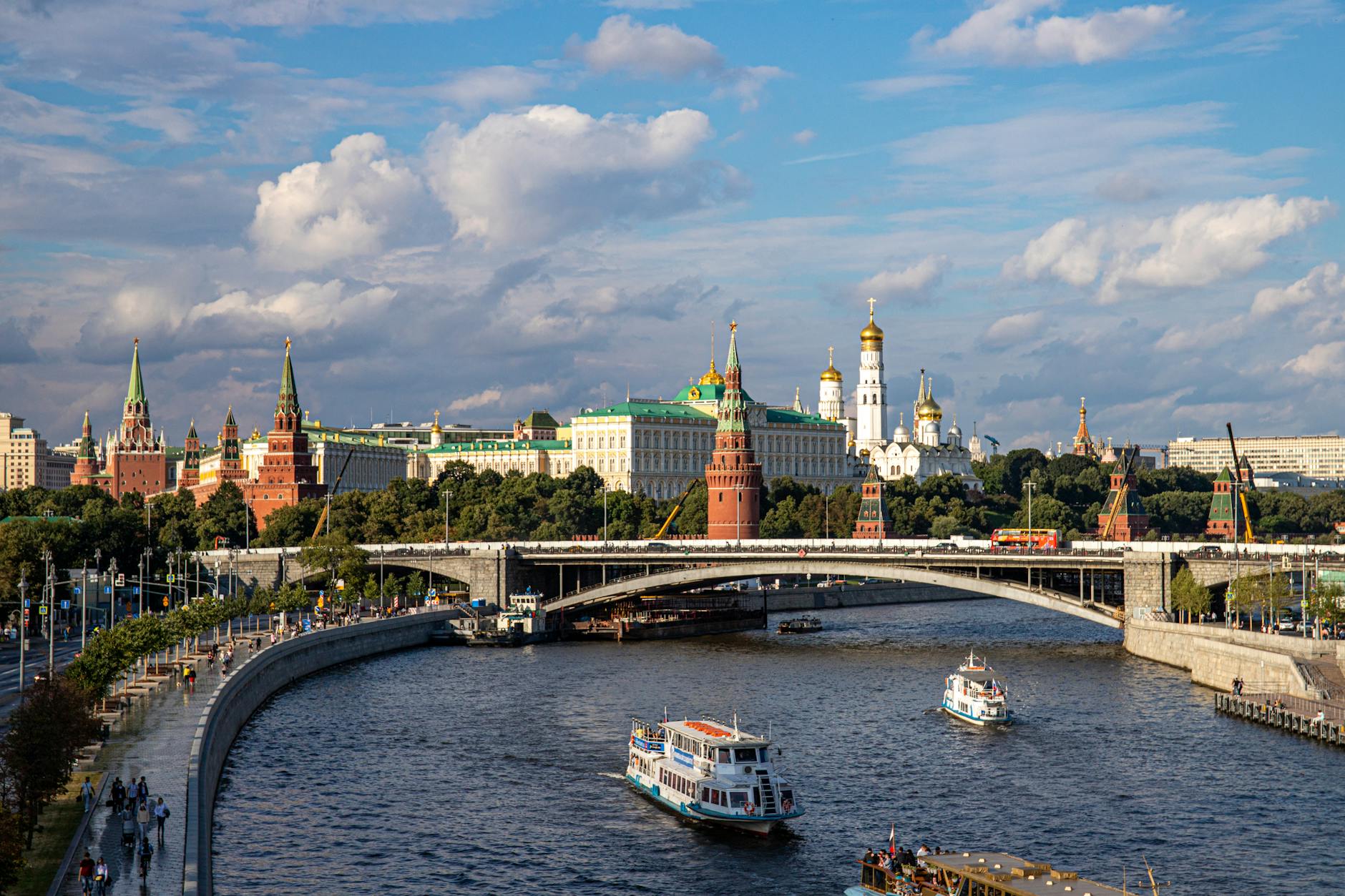
Оберіть ліцензовані таксі або офіційні сервіси виклику таксі з GPS-стеженням і видимими ідентифікаційними даними водія до зустрічі. Вартість поїздки відображається заздалегідь; якщо таксометр не використовується або ціна здається підозрілою, скасуйте замовлення та запросіть іншу поїздку. Є дешеві варіанти, але спочатку перевірте їх легітимність.
Перед посадкою перевірте модель, колір та номер автомобіля; у додатку відображається ID водія, номер автомобіля та фото. Якщо щось не збігається, не сідайте. Місце призначення у додатку повинно відповідати вашому планованому пункту призначення; доступні водії повинні з'явитися швидко.
Способи оплати різні: багато послуг приймають картку, електронний гаманець або готівку в місцевих грошах. Якщо платите готівкою, запросіть деталізований чек через додаток і вкажіть точну вартість. Якщо можливо, оплачуйте через додаток, щоб миттєво покрити вартість поїздки.
Під час подорожі діліться своєю поточною локацією з довіреною особою в соціальних мережах; шукайте затишну, добре освітлену кабіну та привітний персонал; спостерігайте за поведінкою водія; якщо маршрут здається підозрілим, попросіть швидку коректимку або завершіть поїздку.
Пакуйте практичні речі: ліки в оригінальній упаковці; возьміть адаптер для зарядки; носите паспорт і його копію; знайте основи місцевої мови; запишіть свою адресу призначення кирилицею, щоб полегшити спілкування.
Сусідні ринки з куполами поблизу районів харчування; дотримуйтесь правил, таких як уникайте нічних маршрутів через темні вулиці; години роботи різняться; плануйте маршрут у світлий час доби.
Ідучи самотужки або з компанією, вибір варіантів стає простішим за допомогою простого пошагового плану та чек-листа: легітимність, прозорість цін, квитки та чіткі відомості про транспорт.
Уникніть шахрайства: як розпізнати туристичні пастки та кишеньників
Безпечно зберігайте цінні речі з самого початку: носите лише те, що вам потрібно, тримайте готівку та картки в прихованому кишені або грошовому поясі, а копії важливих документів тримайте окремо від основної сумки. Швидка перевірка зменшить ризик у натовпі, коли ви віддаляєтеся від своїх речей.
- Більшість шахрайств базуються на відволіканні уваги в натовпі біля визначних пам'яток; вони розраховують на швидке викрадення - ігноруйте незнайомців, які пропонують швидкі екскурсії або зробити фотографії; тримайте увагу на своїй сумці та гаманці.
- Попередня ціна: вимагайте попередніх цінованих пропозицій у вашій мові; порівняйте з розміщеним тарифом; якщо сума змінюється, йдіть геть.
- Офіційні канали переважають над вуличними табличками: запитайте співробітників офіційних інформаційних кіосків; підтвердьте за допомогою бейджу; якщо сумніваєтеся, перевірте іншим джерелом - джерело: рекомендації міста з офіційних каналів.
- Відволікаючі схеми: фальшиві петиції, хитрість з камерами або незнайомець, який перешкоджає вашому руху, тоді як поплічник викрадає речі; вони розраховують на втому в натовпі. Не слідуйте за незнайомцями або не приймайте несподіваних провідників; залишайтеся з супутником або попросіть допомоги у сусіднього співробітника.
- Трик з транспортом: водій пропонує скорочений шлях до обмеженої зони; відмовтеся та використовуйте перевірені додатки; користуйтеся таксі лише з офіційних стоянок або бронювання через додатки; у разі плутанини біля 11-го перехрестя, перевірте маршрут на своїй карті.
- Харчування та покупки: запитайте переклад рахунку; перевірте суму заздалегідь; віддавайте перевагу туристично орієнтованим місцям з прозорою ціновою політикою; уникайте товарів, ціни на які встановлюються на основі агресивної мови або питань експорту.
Рекомендації: плануйте маршрути, відстежуйте витрати за допомогою квитанцій та перевіряйте платежі через додаток; носите мінімальну кількість готівки; знайте надійне джерело і дотримуйтеся його.
Фінансова безпека: Управління готівкою, банкоматами та використанням карток
Несіть з собою лише необхідну на день готівку і скористайтеся картками для більшості платежів.
- Виведення коштів у банкоматах всередині відділень банків або великих торговельних центрів; уникайте вуличних терміналів. Під час літніх подорожей селами з куполами та вигнутими вулицями тримайте при собі прикритий гаманець із невеликою сумою, щоб зменшити часті виведення коштів.
- Перевірте курс, вказаний на терміналі; деякі провайдери стягують фіксовану комісію за виведення плюс відсоток. Якщо курс здається високим, перейдіть до іншого банкомата або зв'яжіться з англомовною лінією підтримки, щоб підтвердити розміри комісій.
- Використовуйте платіжні картки з чипом EMV і PIN-кодом; уникайте смужок магнітної стрічки; увімкніть безконтактну оплату, де це можливо. Під час введення PIN-коду прикривайте клавіатуру; якщо хтось намагається вас відволікти, відійдіть. Це не ідеально, але добре захищає ваші кошти.
- Для онлайн-покупок використовуйте одноразові віртуальні картки, якщо це можливо; читання повідомлень банку/додатку допомагає виявити несанкціоновані платежі; увімкніть сповіщення про кожну покупку та стежте за активністю.
- Використовуйте додаток-планувальник та Яндекс.Карти, щоб знайти банкомати, постанови, які приймають картки, та англомовні служби підтримки; це зменшує ризик, особливо під час місяців, коли ви досліджуєте традиції та літні подорожі, з різноманітними варіантами від банків до приватних постановачів.
- У невеликих селах торговці можуть не приймати картки; носите з собою додаткові готівкові гроші та тримайте їх у окремій комірці; бути підготованим робить довгі дні у чоботах легшими.
- Коли купуєте квитки на авіакомпанії або пароми, сплачуйте карткою онлайн або у касі; перевірте остаточну суму та курс валют на квитанції; уникайте сумнівних обмінних пунктів.
- Зберігайте швидкий довідник поблизьких банкоматів, банків та англомовних контактів для вирішення термінових потреб; розумніші вибори виходять з постійного моніторингу та обдуманого планування, що дуже корисно під час широкого дослідження регіону.
Охорона здоров'я та готовність до надзвичайних ситуацій: страхування, лікарні та місцеві номери
Отримайте повну міжнародну медичну страховку з покриттям екстреної евакуації, носите з собою особисту страховку, а також зберігайте доступними контактні номери страхової компанії; цифровий екземпляр на телефоні обов'язковий у місцевіх лікарнях. Якщо потрібно, надайте короткий опис покриття медичному персоналу.
Утримуйте квитки, бронювання та номери поліс під рукою; клініки в Росії, включаючи Санкт-Петербург, часто вимагають підтвердження особистості. Майте при собі як фізичні, так і цифрові копії, оскільки їх можуть запитати на кількох мовах. Місцевий персонал може надати вказівки до потрібного відділу.
Номера екстрених служб: Для всіх екстрених випадків набирайте 112; швидка допомога - 103; пожежна служба - 101; поліція - 102. Мешканці користуються цими номерами у повсякденних ситуаціях, а в великих містах вони працюють з надійним покриттям.
Лікарні та клініки: У великих містах Росії є багато лікарень; багато з них розташовані в іконічних будівлях і надають як державні послуги, так і приватні клініки. Шукайте заклади з міжнародним рівнем обслуговування, англомовним персоналом і послугами перекладу. Англомовний персонал і послуги перекладу є характерними особливостями деяких центрів. Ці заклади пов'язані з міжнародними мережами, що охоплюють світ.
Вартість різниться: приватні консультації в великих містах варіюються від 1 500 до 3 500 рублів за сеанс; екстрений виїзд може перевищувати 8 000 рублів, залежно від аналізів і процедур; деякі пакети послуг, продані в місцевих рублів, включають комплекти послуг в обраних місцях.
Оплата: приватні клініки часто вимагають оплати на місці; приймаються готівка або картка; перевірте, чи компенсує ваш страховик витрати пізніше, і отримайте квитанції з офіційними печатками та кодами послуг.
Аеропорти та підтримка на місці: Великі аеропорти мають медичні служби з багатомовними послугами; співробітники можуть зв'язатися з англомовним персоналом і ліцензованими клініками, тоді як місцеві служби в місті допомагають організувати догляд. Тут, у Санкт-Петербурзі, співробітники аеропортів можуть допомогти з напрямками, квитками та транспортом, якщо потрібно. Кафе поблизу пропонують швидкий відпочинок, легкий доступ до перекусу та місце, де можна оцінити ситуацію з спокійним настроєм.
Практичний додаток: У Росії на табличках використовується стандартна кирилиця; місцеві часто зустрічають вимовлені терміни; носіння копії полісу, номерів екстрених служб і особистого документа покращує обробку ситуації. Для віддалених маршрутів поблизу сибірських озер краща підготовка зменшує затримки — узгодіть з готелем і тримайте наготові запасний варіант тут.
Цифрова безпека: безпечне бронювання, публічний Wi-Fi та захист даних
Забронюйте лише на офіційних платформах або в додатку оператора; перевірте HTTPS і джерело оголошень, потім порівняйте два незалежні сторінки та відскануйте слова, що використовуються в описах. Збережіть підтвердження з ідентифікаторами; використовуйте картку з захистом від шахрайства; якщо пропозиція виглядає підозріло, вийдіть і перевірте через другий джерело. Це особлива перевага.
Публічні мережі несуть ризик: ніколи не вводить дані для входу на відкритому Wi-Fi; увімкніть VPN, відключіть автозаповнення та вийдіть після кожної сесії. Використовуйте двофакторну аутентифікацію для бронювань та банківських операцій; розгляньте можливість використання локальної SIM-картки для критично важливого доступу. Якщо заклад використовує термокамери на вході, дотримуйтеся вимог.
Створіть розумний план обробки даних; мінімізуйте обмін даними під час реєстрації; використовуйте менеджер паролів; увімкніть двокрокову аутентифікацію та портативний резервний копій; перевірте дозволи та відключіть не потрібний доступ додатків.
Зима в Москві випробовує терпіння; при плануванні подорожі довіряйте офіційним потягам або маршруткам з чіткими маршрутами; деякі подорожі передбачають пересадки між зупинками, інші — прямі рейси. Візьміть надійну камеру і утримайтеся від публікації конфіденційних сканів; носите долари дрібними купюрами і будьте готови до пунктів, де приймають лише готівку. На сільських околицях біля готелів можуть з'явитися ведмеді, тому тримайте речі закритими та поважайте дику природу. Одягайтеся так, щоб бути найтеплішими на морозі.
Підготовте фрази кирилицею та англійською для отримання допомоги або цитат; використовуйте чіткі слова, будьте ввічливими та поважними до жінок-мандрівниць та персоналу. Зберігайте контактні номери в безпечному списку.
English version:
Prepare phrases in Cyrillic and English to seek help or quotes; use clear words, be polite, and show respect to women travelers and staff. Store contact numbers in a safe list.
Деякі ситуації вимагають швидких дій: якщо хтось пропонує сумнівну угоду, зробіть паузу, хоча й виникають сумніви; утримуйтеся від надання особистих даних; перевіряючи деталі, якщо є можливість, виберіть безпечніші кроки. Якщо ви п'яні, почекайте, поки протверезієте, перш ніж завершити будь-яке бронювання.