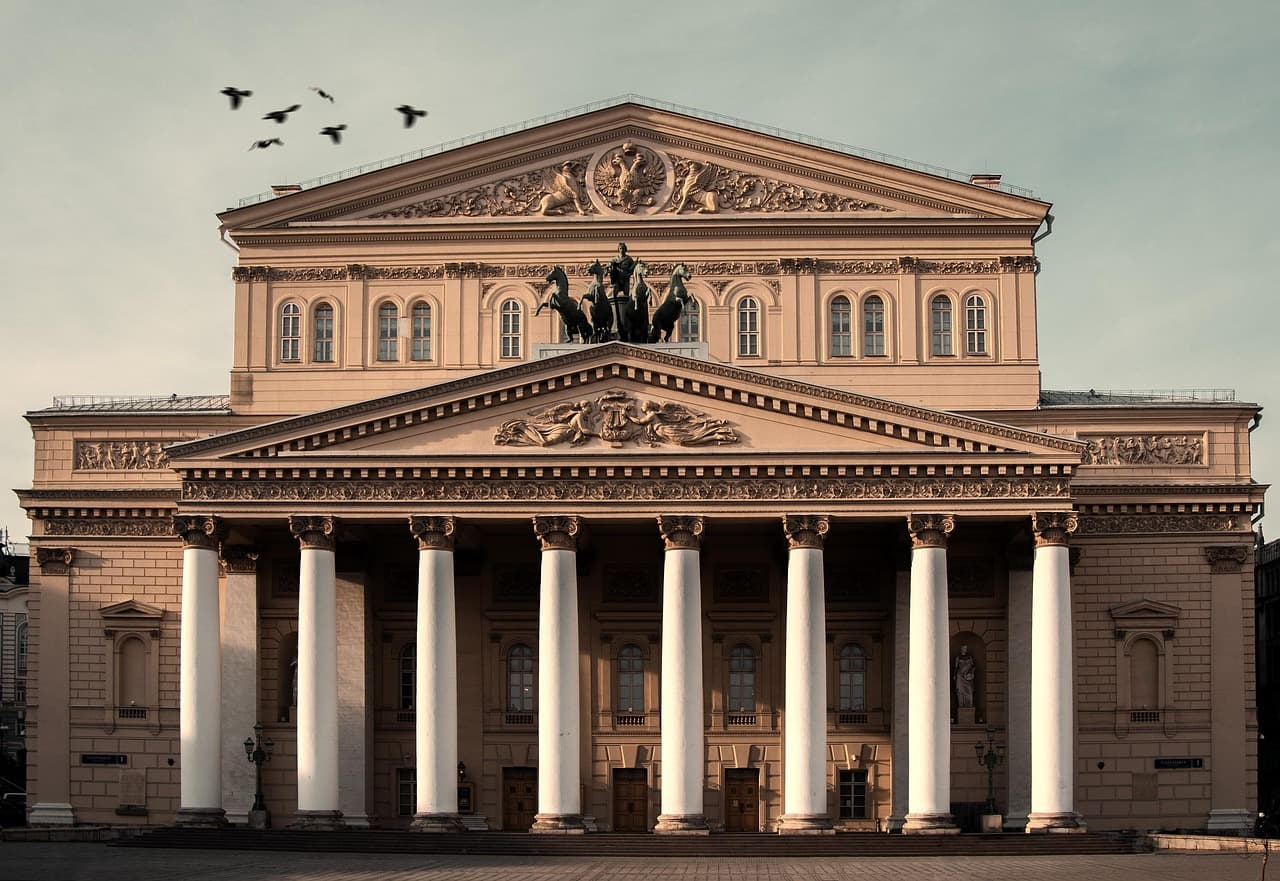

Забронюйте квитки на аншлаг вистави на сцені Большого театру для незабутніх вражень від Москви. З моменту відкриття у 1776 році Большой театр перебуває в центрі російського мистецтва, куруючи програми, які приваблюють глядачів з усього світу. У театрі періодично відбуваються прем'єри поряд із вічною класикою, тому сплануйте візит, щоб побачити велику постановку наживо.
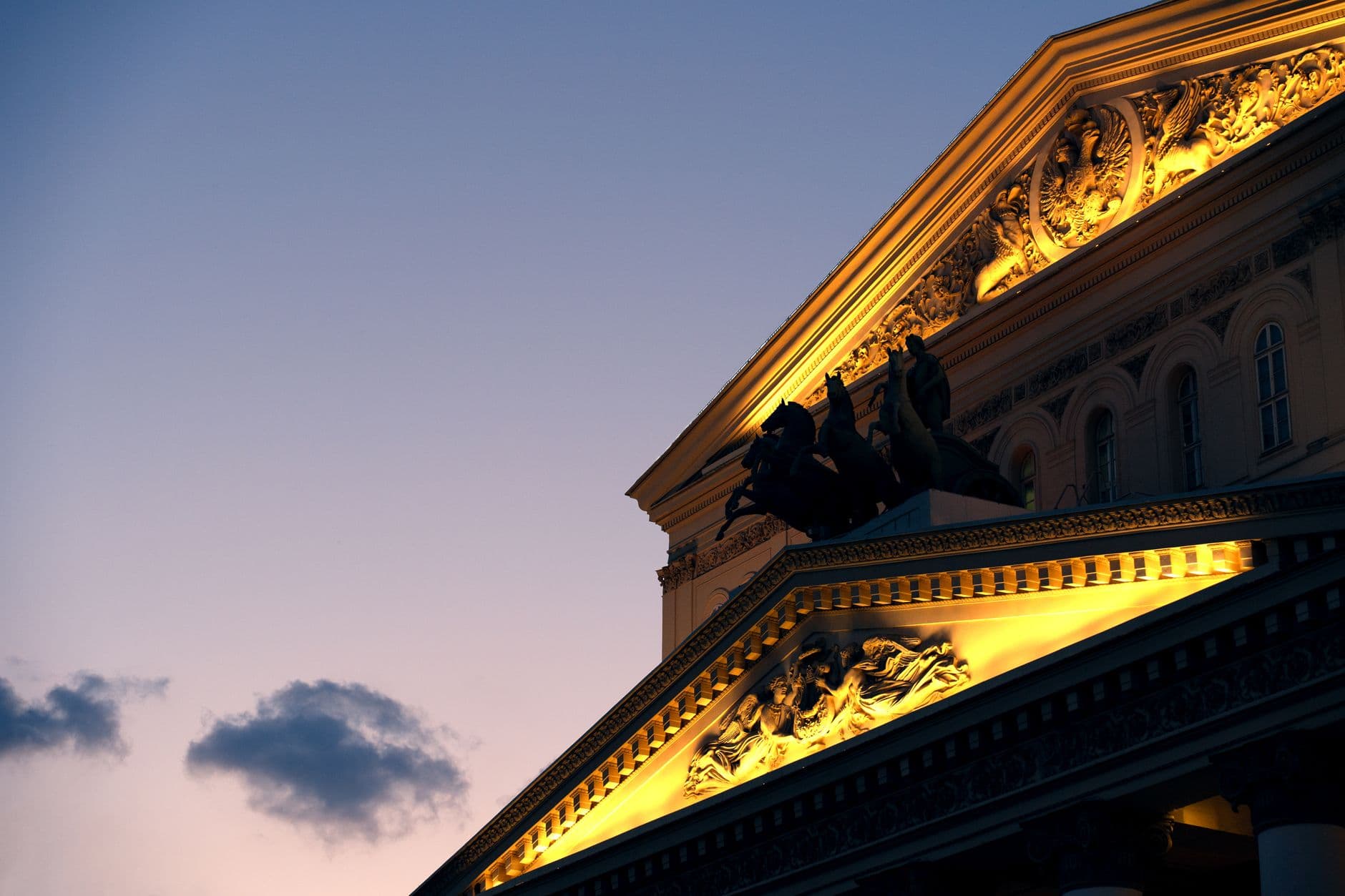
Зовні будівля виконана в стилі неокласицизму з високими колонами та суворим силуетом, що домінує на набережній Москви. Всередині театральний простір використовує насичені червоні кольори, позолоту та чіткі лінії огляду, щоб тримати глядачів у захопленні від підняття завіси до останньої ноти.
Історично Большой театр виріс із театрального життя кінця XVIII століття і став національним символом під патронатом, зокрема, князівських кіл. Джерела зазначають, що патронаж епохи Олександра підтримував багато сезонів; розвиток театру тривав завдяки амбітним перебудовам після пожеж та модернізації у XX столітті, зберігаючи сцену готовою для виконання балетів та опер.
Сьогодні Большой театр ставить багато вистав як балету, так і опери, зокрема «Лебедине озеро», «Лускунчик», «Спартак» та «Жизель», які регулярно збирають повні зали. Плануйте заздалегідь: бронюйте квитки за кілька місяців до бажаної дати та перевіряйте наявність місць у касі; квитки часто надсилаються на ваш мобільний пристрій. Якщо вам потрібна допомога, зателефонуйте до адміністрації та ознайомтеся зі строгими правилами входу до театру, зокрема щодо дрес-коду. Перш ніж піти, прогуляйтеся театральним фойє, щоб зорієнтуватися, а потім займіть своє місце завчасно, щоб встигнути до початку вистави. 22-й рівень майстерності сценографії забезпечує резонанс постановкам Большого, незалежно від того, чи відвідуєте ви довготривалу класику, чи сучасне замовлення.
Як забронювати квитки до Большого театру на жовтень 2025 року: покрокова інструкція
Придбайте квитки на жовтень 2025 року до Большого театру на офіційній сторінці бронювання зараз, щоб отримати найкращі центральні місця в залі.
Відвідайте Большой театр у Москві, щоб ознайомитися з виставами опери та симфонічними програмами. Місце відображає імперську спадщину Москви, з неокласичним фасадом та історією, яка розпочалася задовго до післявоєнних реконструкцій. Розвиток у сталінську епоху сформував культурний ландшафт міста, і сьогодні каса підтримує запити щодо зручних місць та оглядових можливостей. У програмках до вистав можуть згадуватися такі постаті, як Іван, додаючи контексту до кожної вистави. Якщо у вас є особливі побажання, вкажіть їх під час оформлення замовлення або зв'яжіться з касою за телефоном.
Крок за кроком
| Action | Де натиснути | Notes | |
|---|---|---|---|
| 1 | Відкрийте офіційну сторінку бронювання Большого театру та виберіть жовтень 2025 року | Календар або вибір дати | Виберіть тип вистави: опери чи симфонічні концерти |
| 2 | Виберіть конкретний показ та перегляньте схему місць | Сторінка виконання → Карта місць | Центральні місця та місця в ложах зазвичай найкращі; уникайте крайніх бокових лож, якщо хочете повніший огляд |
| 3 | Виберіть місця та кількість | Схема місць → Додати до кошика | Максимум за замовлення варіюється; розгляньте місця за повну ціну для найкращої акустики |
| 4 | Введіть дані гостя та будь-які побажання | Форма оформлення замовлення | Повні імена, вік (за потреби), побажання щодо доступності чи інші запити |
| 5 | Перейти до оплати | Платіжна сторінка | Використовуйте безпечний метод; деякі замовлення потребують телефонної верифікації для підтвердження |
| 6 | Отримати та зберегти електронний квиток | Посилання на електронну пошту або SMS | Принесіть квиток до аудиторії або скористайтеся домашнім принтером, якщо це дозволено |
Контакти та практичні поради
Квитки можна забрати в касі в Москві або отримати в цифровому вигляді, якщо це доступно. Для запитів або особливих побажань щодо місць скористайтеся формою на сайті або зателефонуйте за номером бронювання, вказаним на офіційній сторінці. Будівля з її імперською архітектурою та пострадянськими реставраціями розташована поруч із гамірною московською вулицею; фасад вказує, де саме вхід. Якщо ви відвідуєте театр, навколишні будівлі та зони фойє заслуговують на швидкий огляд перед тим, як пройти до свого місця. Архівісти зазначають, що закулісні зони колись обслуговувалися персоналом і навіть покоївкою, згідно з історичними записами; сьогодні персонал супроводжує гостей та забезпечує доступність.
Вибір місць для оптимального огляду та вигідної ціни
Обирайте місця в центральних секторах партеру, приблизно 5-12 рядів, для найкращого огляду сцени Большого театру під час коронаційних сцен, маршів, сцен "Лускунчика" та творів Верді. Для мешканців московської культури ці місця забезпечують пряму видимість виконавців і диригента, зберігаючи при цьому прийнятну ціну.
Щоб отримати найкраще співвідношення ціни та якості, порівняйте середні ряди на першому балконі або найближчі місця на другому ярусі. Ви все одно чітко бачитимете хореографію та диригента, таким чином отримавши чудовий огляд. Квитки в цих зонах часто коштують дешевше, ніж у центрі партеру, і там менше перешкод.
Пояснення зон сидінь
Центральні місця в партері (оркестрі) забезпечують найкращу лінію видимості зі сценою, що робить їх ідеальними для вистав "Верді" та "Жизель", де важливі синхронність і симетрія. Огляд залишається стабільним, коли виконавці рухаються по всій ширині сцени, а ви зберігаєте чітку лінію огляду під час найдинамічніших моментів. Цей досвід є предметом гордості для театру та його глядачів протягом усього сезону, оскільки оригінальна трупа втілює там великі постановки.
Перший балкон пропонує збалансовану перспективу: широкий огляд сцени та якісний звук, з ціновою перевагою над партером. Якщо ви віддаєте перевагу вищому ракурсу, ця зона тримає вас під час концертів і балетів, як-от «Лускунчик», і при цьому всі важливі деталі залишаються видимими.
Поради щодо покупки з урахуванням співвідношення ціни та якості та надійності
Перегляньте офіційну карту та порівняйте варіанти на різних платформах перед покупкою квитків. Віддавайте перевагу місцям по центру партеру або в середині першого балкону для найкращого поєднання огляду та вартості. Нещодавно театр додав пакети, які включають майстер-класи за лаштунками та академічні лекції, що підійде для шанувальників, які планують відвідати кілька вистав. Вибір місця відповідає темпу головного диригента, таким чином тримаючи вас в унісон під час кульмінаційних моментів.
Для лож обирайте центральне розміщення, щоб мінімізувати перешкоди; твердо дотримуйтесь свого плану щодо вибору місць та перевірте вид на карті. Таким чином ви отримаєте преміальний досвід, не сплачуючи повної вартості за місця, тоді як квитки пов'язують вас із гордістю театру за його оригінальну історію та його незмінну компанію в культурному житті Москви.
Дрес-код, безпека та що взяти з собою
Одягніться в зручний, охайний одяг та взуття на пласкій підошві, а також прибувайте заздалегідь, щоб пройти перевірку безпеки без проблем.
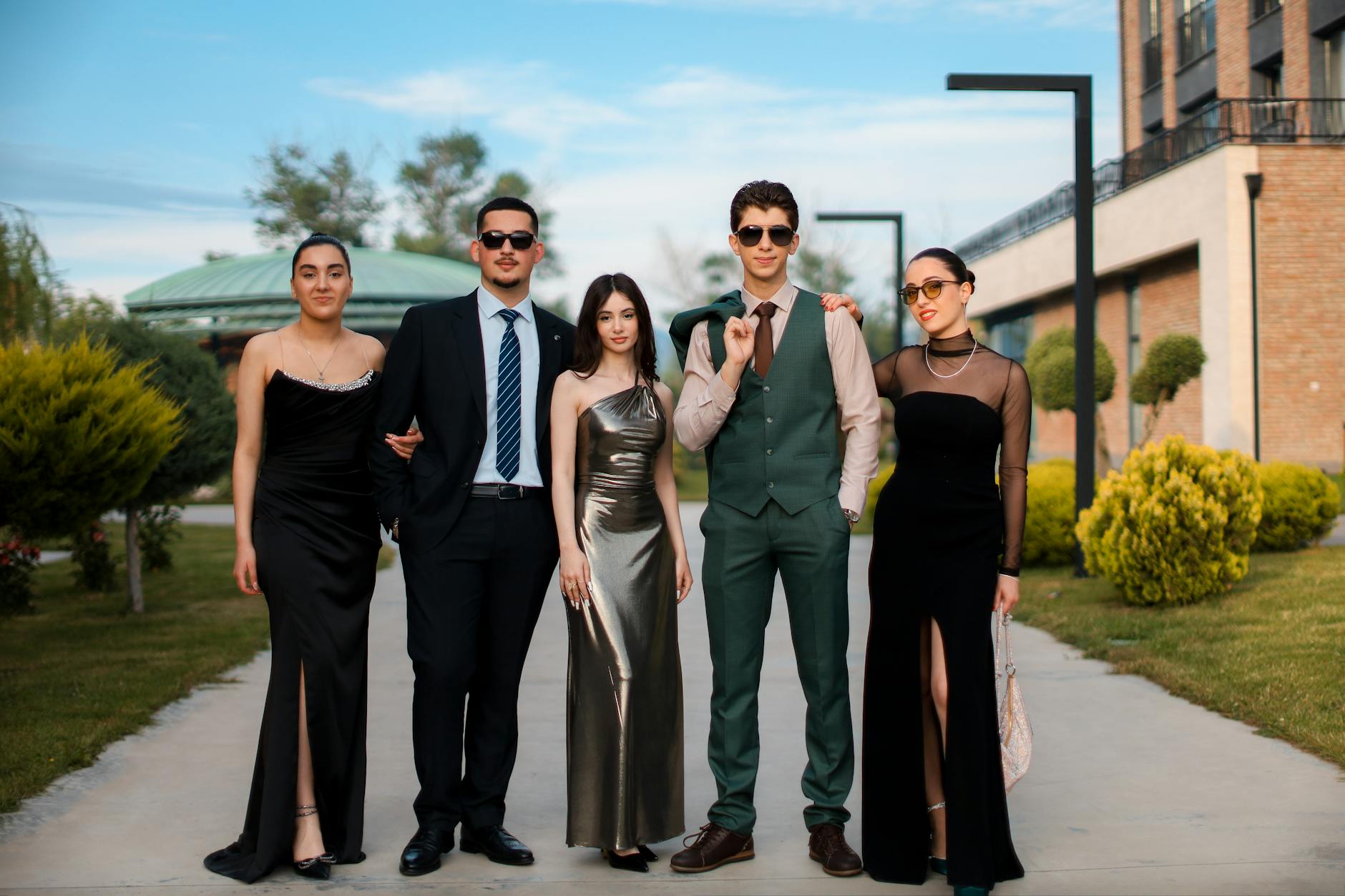
Перевірки безпеки можуть додати кілька хвилин, якщо будуть затримки; тому черги можуть бути довгими, тому візьміть з собою квиток та дійсне посвідчення особи, і принесіть лише невелику сумку, щоб прискорити вхід.
Для шкільних груп та інших відвідувачів незабаром у Большому театрі відбудуться майстер-класи та прем'єри, що розпочалися в історичну, імперську та пострадянську епохи; простір поєднує природне освітлення з грандіозною архітектурою, пропонуючи унікальний досвід для тих, хто хоче дізнатися більше про сцену виконавського мистецтва росії.
Театр розташований неподалік від озерного краю та Малого району, де можна прогулятися перед виставою або після неї; освітлення та сценографія в стилі Аполлона додають вечору міфічної атмосфери.
Офіційний вебсайт містить актуальну інформацію щодо політики щодо фотографування та того, що можна приносити до зали; перевірте її заздалегідь, щоб спланувати свій візит у свій розклад.
У Великому театрі проводяться спеціальні заходи, а персонал допоможе вам знайти найкращі варіанти доступних місць та групових відвідувань; багато відвідувачів приїжджають зі заходу та сходу на прем'єри та гастролі, часто повертаючись незабаром для повторного візиту.