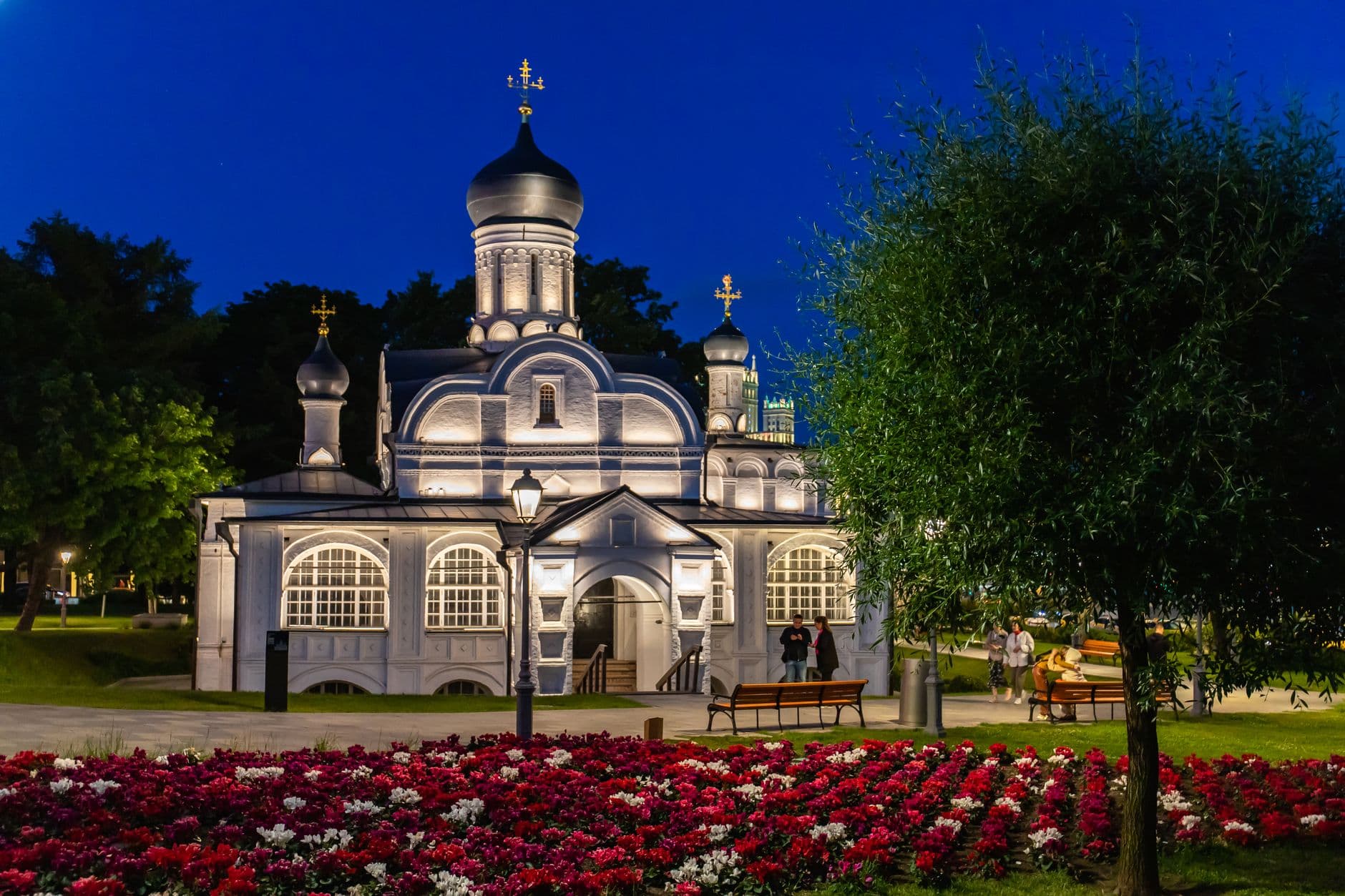
Begin with a clear plan: Arrive at opening time to maximize time and read information while crowds are light. This perfect setup suits a day that starts with marine displays, moves through technology pavilions, and ends with arts venues along a walkable axis from the riverfront to the central clusters. vdnh
Take a middle loop to see a mix of arts spaces, technology showcases, and entertainment hubs, designed into a compact route. whether your aim is a quick overview or a deep dive, the route stacks information at every turn and reveals the story of each pavilion.
Food options: cheap bites abound across the complex. Look for american cuisine and other global flavors; you can grab from noodles to burgers without overspending, and there are many little stands near the main entrances.
Practical information: official information desks are located near the main gate; you can read maps, buy tickets in advance to save time, and take advantage of offers for groups or students. This gives you an opportunity to plan efficiently.
If you plan into a single day, schedule time for a visit to the marine pavilion and a brief stroll through the arts and technology halls; you'll find little gaps for rest, and the layout supports many short stops to absorb the information without fatigue.
How to reach VDNKh: Metro, tram/bus options, and driving routes
Take Metro to a northern hub, exit toward the wide avenue, then walk or hop a tram or bus to the gates. Metro tickets cost around 65 rubles per ride; consider a daily pass if you plan more than one ride. Another option is to read the real-time boards at the station for the latest departures. The ride through historical quarters is good for a quick feel of the city, and the route can become part of your trip through the capital. Since signs translate Cyrillic to Latin letters, reads are easier for visitors. If you arrive with a wheel, the entrance contains accessible ramps; bring a compact map so you can follow that path smoothly. The area hosts cafes, a museum cluster, and several arts venues, making visits that blend culture and history a must-do. Still, the flow between gates is straightforward, and the view over wide boulevards is pleasant for a first impression.
Metro access and tickets
From central lines, switch to the north-eastern branch and alight at the final stop; then follow signs toward the main gate. Tickets can be bought at kiosks or via machines; contactless payments are widely accepted. A day pass is a good value for those planning multiple trips, while single tickets remain cost-effective for shorter stays. The corridor runs through historical blocks, offering a quick peek at architecture that tells a story of the country's past. Between pauses for photo stops, you can enjoy the ride and the surrounding atmosphere; this transit time is a nice way to read about history while laying out plans for a longer itinerary. If you read at the boards, you'll notice how the language shifts between scripts, which helps travelers translate basic directions without fuss. For those who arrive with a crew, you'll find that the station's exits lead you to the green lawns and the museum precincts in minutes.
Driving and last-mile options
Driving offers flexibility: park in surface lots near the main gate; pricing varies by site and duration. The route from the city center takes roughly 30-45 minutes in light traffic; during peak hours, expect longer delays. If you're coming from outside the city, plan for additional time, and use a reliable GPS to stay on track that avoids narrow lanes. In the cockpit of a rental car, navigation is straightforward with live maps; there are also good car-sharing options nearby. Cars may stay in lots for several hours, so bring a wallet or card for the meters. Between visits, there are cafes and casual eateries where locals host conversations about history; you can also visit a nearby museum to deepen your understanding of the area's past. Bring water and comfortable shoes for a good middle-distance stroll, and you'll enjoy the views over broad avenues and the historic skyline. This driving route connects you with must-do spots above and beyond the main gates, and you might be surprised by how smoothly the journey between districts unfolds for both families and solo travelers.
Must-see pavilions and exhibitions: a practical itinerary
Starting point: Spacecraft and cosmonautics cluster in the northeast zone-a must-do for every first-timer. Spacecraft models, space suits, and a capsule let you grasp the drama of launches in a compact, easy loop. The location is straightforward from the main gate; guided visits are offered, particularly helpful if you want a curated context. If you're short on time, this block translates a century of space history into a few clear milestones, just enough to set expectations for the day. Even small detours reveal unexpected details along the route.
-
Spacecraft and cosmonautics cluster: the layout is compact and highly engaging. Expect authentic models, flight suits, and a replica rocket; worth the time for a quick frame of reference before the broader circuit. Allow about twenty minutes here, then continue along the easy route.
-
Industrial heritage row: this zone highlights industry evolution, with displays spanning several eras and interactive stations. It offers tangible insight into the country's material progress; plan 60-90 minutes, and if you're riding a bike, you can separate this portion from other blocks to optimize time. This sequence presents top attractions and is particularly useful for curious travelers.
-
Lunch along street and alley: the main avenue hosts quick bites and coffee, while a hidden alley behind the pavilions hides family-run eateries favored by locals for eating between visits. Easy to fit in as a short break before resuming the circuit.
-
Afternoon science and design: this section covers research, agriculture tech, and design heritage. It's a strong pick for families and curious travelers; translations on several boards help you understand topics without a guide, but a guided nearby talk can deepen the experience. The route is clear and easy to follow, with a few stairs and gentle ramps to accommodate riders and walkers alike.
-
Evenings finale: a compact loop to see illuminated pavilions and fountains; finish with a short overview to contextualize what you've seen. This is particularly popular with locals and visitors who want a calm end to the day. In the evenings, guided discussions are sometimes offered to summarize the highlights and suggest next visits.