


Прийдіть на світанку, щоб відчути тихі стежки, м'які тіні та людський масштаб дизайну, який відкриває текстури ґрунту вздовж звивистих маршрутів. Прогулянка сонячними терасами пропонує продумані точки огляду, де міський шум стихає, а ваш темп сповільнюється.
Архітектор створив планування, де зустрічаються ґрунт, вітер і світло; дизайнери нашарували тераси водними каналами та затіненими галереями. Волкова, дизайнер, каже, що реальні маршрути винагороджують дослідників; експерт зазначає, що доступність вбудована в кожну рампу та тактильну панель; такі системи вимагають постійного тестування та зворотного зв'язку.
Екран на перехрестях показує історії рослин і громадянські дані. Сюрпризи з'являються, коли за поворотами стежок відкривається скульптура носорога, натяк на місцевий фольклор. Нижче, затінені ніші пропонують місця для відпочинку для сімей і самотніх дослідників.
Функції доступності охоплюють всі сезони: пандуси, тактильні карти та аудіогіди; такі опції вимагають врахування потреб мобільності та зору. У магазині біля входу продаються карти та багатомовні путівники; стежте за оновленнями на екрані в режимі реального часу.
Цей англійський посібник представляє рекомендації від професора, експерта та архітектора щодо планування насиченого, людського масштабу дня.
Зарядьє Парк Москва: Інформативний гід
Почніть з пакету екскурсій з гідом, що охоплює підняту секцію та скляний павільйон для сильної переваги над набережною столиці.
Локація поєднує чотири мікроклімати в чітку тему: міський ліс, луг, тундра та прибережна зона. Дизайнери створили дизайн, який поєднує природні текстури з технологіями: цифрові карти, кліматичні датчики та розумне освітлення вздовж шляхів циркуляції. Розроблені елементи збалансовують легкість і довговічність. Знаки Зарядьє допомагають орієнтувати гостей. Механізми та системи органів інтегруються з ландшафтними особливостями для підтримки води, тепла та тіні.
Відстані між визначними пам'ятками вказані в метрах; туалети та затінені місця для сидіння розміщені біля головних перехресть для легкого доступу. Палітра та матеріали підкреслюють сучасність прохолодними тонами, поважаючи історичне оточення.
Ресторани та інші заклади вздовж петлі пропонують швидкі перекуси та варіанти з місцями для сидіння; замовляйте біля прилавків або кіосків, а потім насолоджуйтеся краєвидами з піднятих терас. Простір запрошує до зборів або тихих моментів разом.
Час доби змінює кольори та тіні на склі та металі; однак ранок і пізній день дають оптимальні контрасти з відображеннями річки. Цей проект втілює сучасність; запрошує місцевих жителів і гостей прогулятися, дізнатися та пообідати разом, вшановуючи століття міського дизайну, підкреслюючи ідентичність Зарядьє та його простір.
Зарядьє Парк Москва: Одне з найкращих місць у світі для відвідування - Перший публічний парк за 50 років
Рекомендація: почніть біля воріт біля високовської секції, а потім завершіть всю петлю через центральні тераси та відкриті газони, щоб насолодитися швидким, наповненим природою колом, перш ніж зберуться натовпи. Другий прохід відкриває текстури на фасадах і мікрокліматичні зміни вздовж ліній схилу.
Зосередьтеся на конкретних зонах, включаючи мікрокліматичні кишені, сад на даху та фон церков уздовж набережної; кожна зона пропонує окрему тему та вигідну точку для фотографій і тихих моментів.
Вимоги доступності, зазначені офіційними особами, гарантують, що пандуси та доріжки підходять для всіх відвідувачів; час дозволяє швидко пересуватися відкритими просторами; знаки від бюро карт показують розташування воріт і планування секцій.
Технічне обслуговування, наголошене муніципальним бюро, включає регулярну обрізку, зрошення та здоров'я рослин для підтримки яскравої природи протягом багатьох років; поверхні даху містять мікрокліматичні кишені та забезпечують тінь у спекотні періоди.
Які обмеження по висоті застосовуються поблизу піднятих точок огляду; відвідувачі повинні залишатися на позначених стежках, щоб захистити рослини та не турбувати делікатні мікрокліматичні кишені.
| Центральна особливість | Сад на даху з місцевими рослинами |
| Точки доступу | Ворота біля високовської секції; додатковий вхід біля головної площі |
| Тема | Міська природа, культура, архітектура |
| Секція | Відкриті майданчики, затінені павільйони, залоподібні простори |
| Офіційний статус | Офіційно визнано громадською зеленою зоною після десятиліть |
| Рослини | Місцеві кущі та трави розкинулися по терасах |
Як дістатися до парку Зарядьє: варіанти транспорту, входи та поради щодо паркування
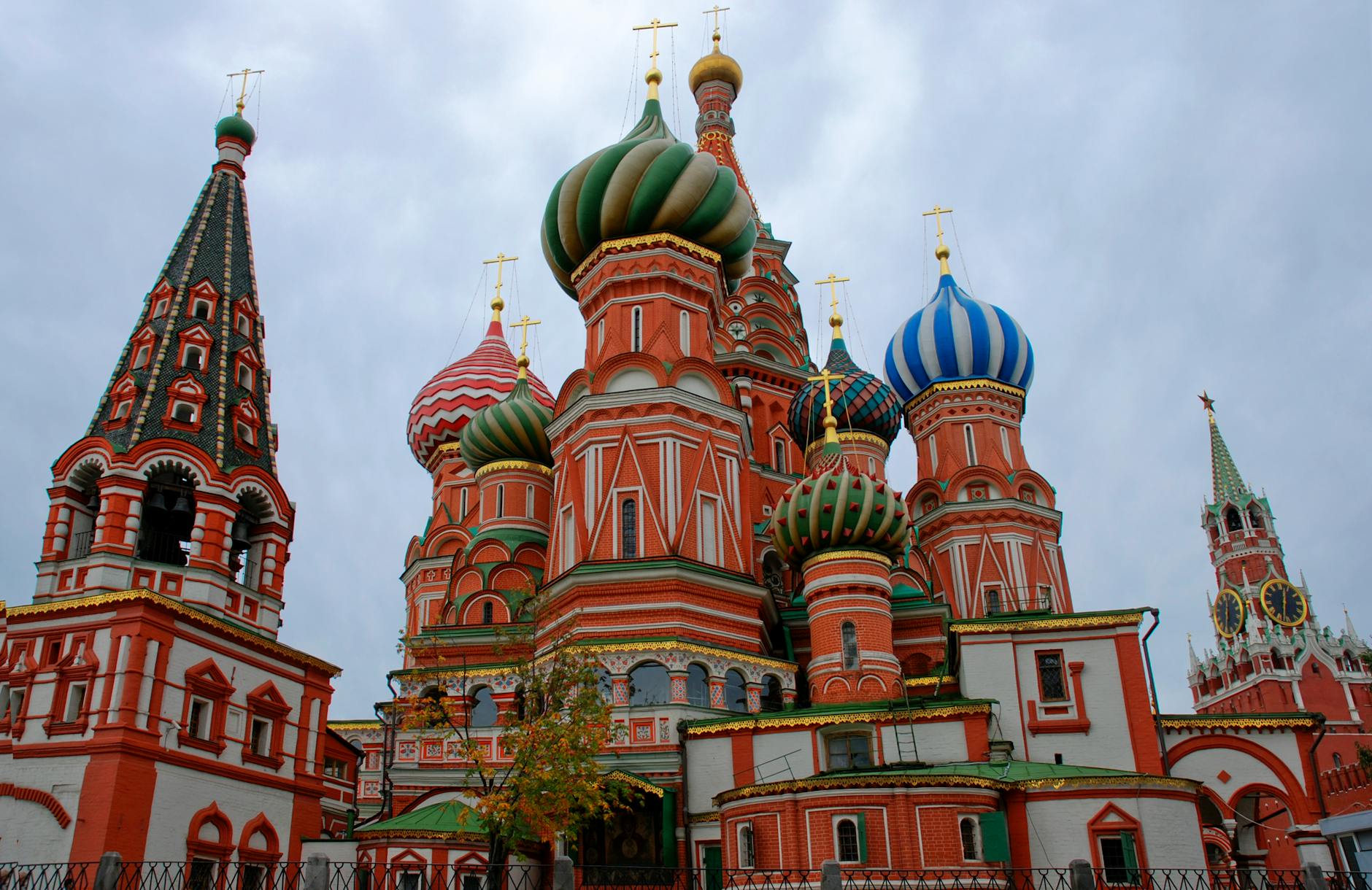
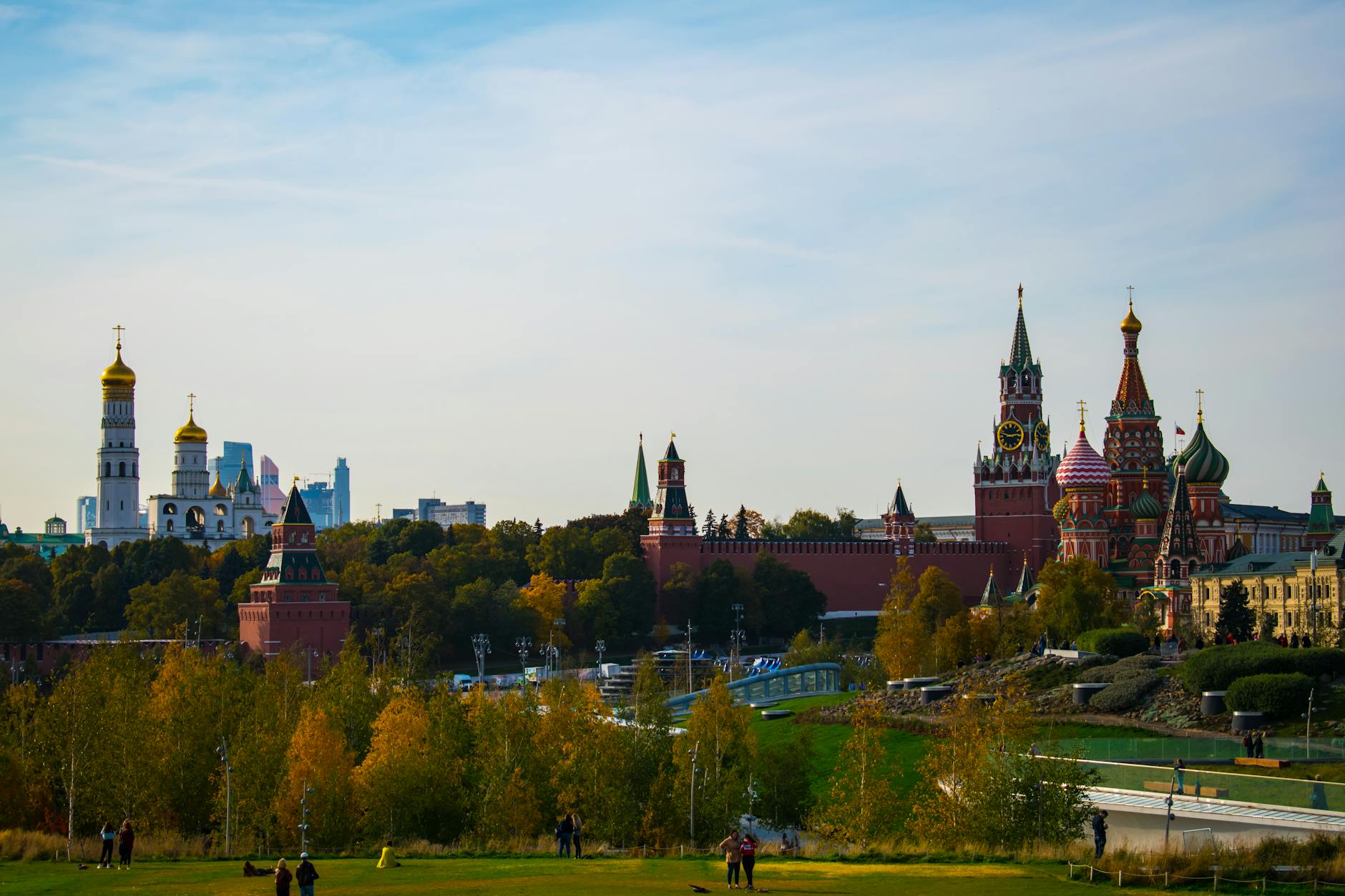
Почніть зі станції метро Театральна; вийдіть у бік річкової набережної та дотримуйтесь знаків до входів на набережну.
Від Театральної або Китай-города 5-12 хвилин пішки приведуть до входів на територію.
Крім того, автобусні маршрути вздовж Охотного ряду та найближчі трамвайні зупинки пропонують гнучкий час.
Три входи пропонують варіанти: південний вхід на набережну вздовж річки, східний вхід в аркаду біля будівельного комплексу, західний вхід на пагорби зі сходами.
Варіанти паркування включають міські стоянки навколо району та підземний гараж під сусідньою будівлею; квиткові автомати керують платежами; години роботи 6:00-22:00; обмеження по висоті 2,0 м; обмеження тривалості 2 години.
Повна доступність через пандуси та широкі тротуари підтримує інвалідні візки та дитячі коляски.
Виставки та програми розширюють пропозиції у вихідні дні, забезпечуючи більш тривалі години для сімей і відвідувачів.
Квитки на виставки можна придбати онлайн або в касах; для деяких заходів потрібне попереднє придбання квитків.
Фундаменти відображають російську спадщину та західний вплив, зливаючись у розвиток районного масштабу.
Архітектурні концепції виникли в результаті командної роботи дизайнерів, інженерів і міської влади, створивши повноцінну будівлю з набережними та монументальними формами.
Зовнішня плитка, скляні навіси та ландшафтні фасади підкреслюють сучасний фасад, поважаючи традиції.
Планування парку та найкращі точки огляду: зони, тераси та місця для фотографій
Почніть з прибережної зони, маючи панораму, яка поєднує історію з сучасною формою, запрошуючи кожного глядача намітити особистий шлях.
Зони розходяться вздовж центральної осі, дійсно з дзеркальними басейнами, зеленими схилами та відкритою площею; щоб відвідати кілька точок огляду за один прохід, намітьте чіткий маршрут.
Місця для фотографій з'являються на терасах, сходах і піднятих платформах; шукайте гарні ракурси біля екранів, що показують виставки та програми, для кожного ракурсу.
Видимість з верхніх рівнів досягає далеких веж, дозволяючи відвідувачам кадрувати відображення, маючи тихі куточки.
Архітектура поєднує штучні елементи з природними текстурами, дозволяючи денному світлу проникати крізь лінії даху та скло, створюючи дзеркальний настрій, форми будинків.
Зупинки та сегменти направляють рух: дотримуйтесь покажчиків між зонами, рухаючись у спокійному темпі, щоб насолодитися деталями; необхідні знаки безпеки залишаються розміщеними.
Настрій оазису походить від водних каналів, засаджених берегів і музичних інсталяцій, які запрошують людей зупинитися для роздумів.
Реконструкція зберігає історію читабельною, додаючи тераси, забезпечуючи видимість з дахів і терас.
Виставки рухаються вздовж маршрутів, з екранами та панелями, що направляють допитливі уми; програми поєднують мистецтво та інформацію.
Поради: беріть з собою легке спорядження, вибирайте схід сонця або пізній день для більш плавних відображень; завдяки продуманому плануванню запрошуйте друзів приєднатися.
Архітектурні особливості: кліматичні павільйони, мости та оглядові майданчики
Почніть з верхніх оглядових майданчиків на заході сонця, щоб зафіксувати змінні силуети на лініях річки та горизонті.
Кліматичні павільйони обладнані різноманітними інтер'єрами, які змінюються відповідно до сезонних тем, запрошуючи до порівняння між наземними кліматами та міськими мікрокліматами.
Плавальні мости простягаються через тераси, забезпечуючи швидкі переходи між зонами без скупчення людей.
Оглядові майданчики забезпечують панорамні види та оновлені маршрути через скляні стіни, щоб зафіксувати міські настрої.
Сучасні форми поєднуються з практичними деталями: металеві каркаси, дерев'яні візерунки, системи затінення; верхні тераси залишатимуться прохолодними.
Крім того, питні фонтанчики розташовані біля офіційних входів; гід Анна зазначає колективні зміни маршрутів, пропонуючи свіжий погляд на міські лінії.
Близькість ВДНГ додає контексту; гід Анна зазначає, як зміни пір року змінюють світло на стінах павільйонів.
Найкращий час для відвідування: пори року, натовпи та оптимальні вікна для фотографій
Пізня весна або рання осінь забезпечують ідеальний баланс: приємні температури, керовані натовпи, прощаюче світло. Якщо ви прагнете спокійніших сеансів, вибирайте будні дні та починайте на світанку або затримуйтеся до вечора.
- Пори року в загальних рисах
- Весна (квітень-травень): помірна відвідуваність; м'яке ранкове освітлення; найкращі вікна: 05:00-08:00 для зміни кольорів; синя година біля сходу сонця або після заходу сонця дає глибокі тони.
- Літо (червень-серпень): дні довгі; натовпи більші у вихідні дні; ранкові години в середині тижня (04:30-07:00) і вечірні (21:00-22:30) пропонують контури без тіні та прохолодніше повітря.
- Осінь (вересень-жовтень): помірні натовпи; тепле світло; вікна: 06:30-09:00 та 17:30-19:30.
- Зима (листопад-лютий): короткий день; м'які полуденні тіні рідкісні; вікна: 09:30-11:00 та 15:30-16:30; мороз або сніг додають контрасту.
- Динаміка натовпу та темп
- Будні дні, як правило, тихіші; вихідні дні приводять сім'ї та гідів; плануйте маршрути навколо стендів і плаваючих платформ, щоб мінімізувати затори.
- Ранні ранки до 9:00 та вечори після 19:00 скорочують час очікування в черзі на офіційних точках огляду; ви з більшою ймовірністю зафіксуєте чисті відображення та уникнете відволікаючих факторів.
- У напружені дні використовуйте найбільші оглядові майданчики, розташовані вздовж найширших променадів; ці місця дають широкі види та чисті фони.
- Командна робота між господарями та відвідувачами допомагає намітити маршрути, поділитися порадами щодо часу та координувати вікна для фотографій для спеціальних подій.
- У переповнені вечори щільність натовпу може бути російською; регулюйте темп і кадрування, щоб зберегти композиції чистими.
- Вікна для фотографій і практичні поради
- Зміни освітлення: націлюйтеся на золоту годину після сходу сонця або перед заходом сонця; синя година безпосередньо перед світанком або після заходу сонця додає настрою.
- Ключові ракурси: обертайтеся навколо фойє та за пам'ятниками, щоб відкрити свіжі відображення; використовуйте екрани або скляні поверхні для тонких ефектів.
- Обладнання та робочий процес: носіть необхідне спорядження, зберігайте запасні батареї та використовуйте програмне забезпечення для швидкої перевірки гістограми; плануйте зйомки з простим списком кадрів для ефективності.
- Практичність подорожей: намітьте маршрути за допомогою офіційних карт; зв'яжіться з Олександром Кузнєцовим, щоб дослідити особливості дизайну за лаштунками; на вас чекають сюрпризи та поради від господарів.
- Мова та інформація: інформаційні панелі пропонують вказівки англійською та російською мовами, допомагаючи мандрівникам орієнтуватися в розкладах і вікнах подій.
- Плавальні перспективи: досліджуйте плаваючу платформу в сутінках, щоб зловити відображення; за скляними конструкціями ви можете створити шаруваті екрани в кадрі. Це частина планування подорожі.
- Доступ до фойє: З простору фойє швидко з'єднайтеся з піднятими палубами за допомогою скляних коридорів; попередній перегляд екрана допомагає налаштувати кадрування.
Зручності та доступність: послуги для сімей з дітьми, туалети та доступ для людей з обмеженими можливостями
Почніть у фойє, скористайтеся ліфтами, щоб дістатися до верхнього поверху, а потім прогуляйтеся внутрішніми приміщеннями з дітьми; плануйте ранки для меншої кількості людей.
Послуги для сімей з дітьми включають паркування дитячих колясок, столики для сповивання та карти, орієнтовані на дітей; персонал підтримує оновлені внутрішні знаки. Крім того, зображення та фотографії в брошурах допомагають вам орієнтуватися на маршрутах у години пік; карти районів, розміщені біля фойє, показують визначні пам'ятки та шоу на сцені.
Туалети з доступними блоками розміщені біля головних коридорів; сидіння розташовані у фойє та куточках для сидіння навколо ресторанів. Крім того, кіоски замовлень біля фуд-холів допомагають сім'ям організовувати харчування без черг; варіанти маргарити з'являються на окремих прилавках у поточні дні.
Доступ для людей з обмеженими можливостями включає пандуси, переходи на рівні підлоги та широкі двері; ліфти забезпечують доступ до всіх поверхів; доступ до сцени для шоу включає альтернативні маршрути для інвалідних візків; поточні конструкції можуть вимагати коротких об'їздів; знаки вказують на найближчі ліфти та туалети; на кожному поверсі ваші варіанти залишаються зрозумілими.
Дослідження відвідувань підтверджують легку навігацію, незважаючи на конструкції, створені в останні дні; внутрішні макети показують зображення варіантів шляхів, з назвами та вказівками, розміщеними на видимій висоті; звіти районного бюро обговорюють оновлення головними командами для покращення доступності.
Зображення з поточних днів показують інші визначні пам'ятки, але доступність залишається пріоритетом протягом усіх сеансів; вам рекомендується завантажувати карти, запитувати персонал в інформаційному бюро про поточні маршрути та ділитися відгуками під час прогулянки коридорами навколо ресторанів.

