Moskva, město bohaté na historii a architektonickou velikost, má jedinečnou filmovou přitažlivost. Jeho majestátní bulváry, bohatě zdobené stanice metra, starobylé pevnosti a impozantní sovětské stavby dlouhodobě slouží jako okouzlující kulisa pro vyprávění příběhů. Pro filmaře, jak ruské, tak zahraniční, nabízí hlavní město neopakovatelnou paletu vizuálních možností. Proto je prozkoumání Filmových lokací v Moskvě fascinující cestou do srdce filmového kouzla, odhalující místa, kde vznikly stovky filmů a televizních seriálů. Tyto rozpoznatelné prostory příběhům dodávají autentičnost a dramatický náboj.
Storied History of Filming in the Capital
Moskevský vztah k kinematografii sahá až do počátku 20. století. Město se rychle stalo centrem ruské a později sovětské filmové tvorby. Raní průkopníci využívali jeho rozmanitou městskou tkáň k vyprávění poutavých příběhů, od rušných ulic zachycených v dokumentárních filmech po velké náměstí, která sloužila jako kulisy pro epické dramata. Bohatá vizuální slovní zásoba Moskvy se tak stala nedílnou součástí se rozvíjející filmové řeči.
Po desetiletích, jak se filmová technologie vyvíjela a příběhy se stávaly složitějšími, Moskva nadále poskytovala inspirující plátno. Sovětská éra, zejména, zaznamenala rozmach filmů, které představovaly Moskvy ikonické památky, často nabité ideologickým významem. Mnoho klasických sovětských filmů, které dodnes znějí, výrazně využívá jedinečnou tvář města. Tato dlouhá a slavná historie znamená, že mnohá Filmová místa Moskvy mají zvláštní místo v filmové folklóru, hluboce zakořeněná v kulturní paměti.
Ikony na stříbrném plátně
Některé moskevské památky jsou okamžitě rozpoznatelné pro publikum po celém světě díky svému častému výskytu ve filmech a televizních pořadech.
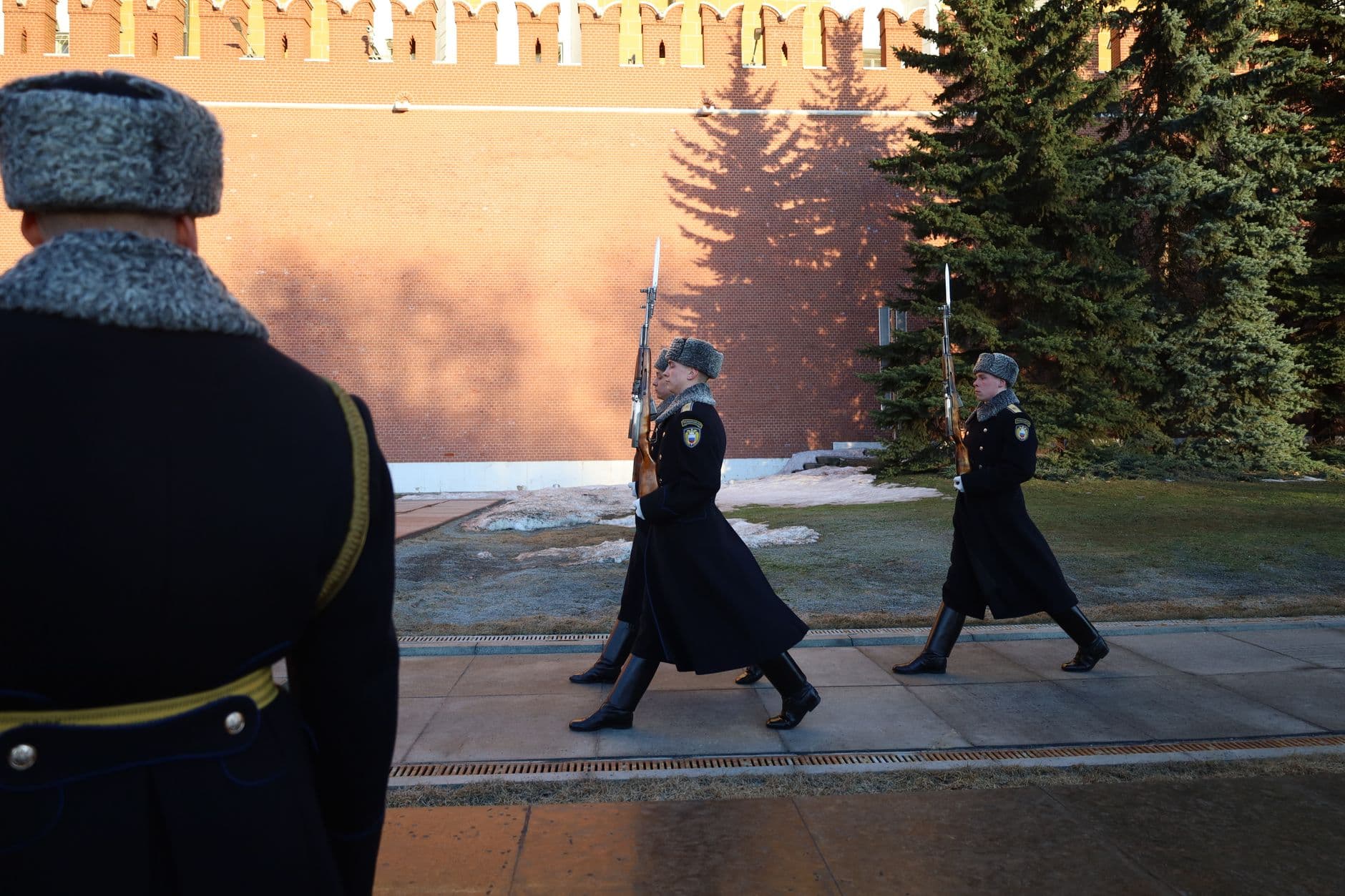
Červený náměstí a Kreml jsou bezesporu nejznámějšími památkami Moskvy. Jejich impozantní přítomnost a historická váha z nich udělaly oblíbená místa pro špionážní thrillery, historické dramata a akční blockbustery. Filmy jako Mission: Impossible - Ghost Protocol slavně zobrazují Toma Cruiseho, jak šplhá po zdi Kremlu, a nabízejí dechberoucí, napínavou scénu. Také Bourne Supremacy zahrnoval záběry z Červeného náměstí, čímž posílil jeho reputaci jako kulisy pro mezinárodní intriky. Ruské historické eposy často využívají starobylé katedrály a paláce Kremlu, aby vyvolaly určité historické období. Toto centrální místo nabízí neporovnatelný vizuální dopad.
Moskevské metro, se svými bohatě zdobenými stanicemi z mramoru, mozaik a soch, neustále slouží jako dramatické a atmosférické místo. Jeho podzemní velikolepost byla ztvárněna ve mnoha filmech, často dodávající pocit tajemna nebo únikové cesty v thrilleru. Stanice "Majakovská" se svou futuristickou výzdobou nebo "Komsomolská" s jejími složitými mozaikami jsou zvláště oblíbené. Hluboké tunely a přeplněné nástupiště metro nabízejí jedinečné prostředí pro různé filmové nálady, od klaustrofobního napětí až po každodenní život. Proto scény natočené v jeho labyrintních chodbách přispívají významně k vizuální identitě Moskevských filmových lokací.
Za tímto se Bolšoj divadlo často stalo symbolem ruské kultury a umělecké excelence. Jeho nádherná fasáda a bohatě zdobené interiéry se objevily ve filmech, které zkoumají svět baletu a opery. Stadion Lužniki, obří sportovní komplex, byl zobrazen ve filmech zobrazujících velké sportovní události, ukazující moderní infrastrukturu města. I malebný Gorkij park, se svými různými atrakcemi a uvolněnou atmosférou, poskytl kulisu pro veselější nebo romantičtější scény. Tyto různorodé památky opravdu personifikují rozmanitost moskevských filmových lokací.
Moderní Moskva: Nový kinematografický obzor
Vznik Moskevského mezinárodního obchodního centra (Moskva City) přidal městu novou, působivou dimenzi jeho filmové přitažlivosti. Tento shluk futuristických mrakodrapů s lesknoucí se skleněnou a ocelovou fasádou symbolizuje moderní Rusko a jeho dynamiku. Pro současné filmy a seriály nabízí Moskva City elegantní, městský pozadí, které ostře kontrastuje s historickým jádrem města.
Tyto mohutné budovy se staly symbolem současného Moskvy, často se objevují v thrillerech, dramatech a dokonce i sci-fi produkcích. Vyzdvižené chodníky, panoramatické výhledy a moderní architektura nabízejí výraznou vizuální identitu. Filmy zachycující rychlý svět financí nebo mezinárodních intrik stále častěji využívají impozantní skyline Moskvy City. Jeho odrazové plochy a složité návrhy poskytují jedinečný estetický dojem, což z něj dělá stále oblíbenější volbu mezi moskevskými filmovými kulisami pro projekty, které vyžadují pocit městské sofistikovanosti a modernosti. Režiséři a kameramani oceňují geometrické linie a hru světla.
Ruský film: zachycení duše města
Ruské filmaři samozřejmě nejvíce využívali rozmanitou scenérii Moskvy. Mnoho milovaných ruských filmů a populárních televizních pořadů je neoddělitelně spjato s konkrétními místy v hlavním městě, které se stávají nedílnou součástí dějového pletence.
Klasické sovětské filmy jako Moskva nevíra v slzy (který získal Oscara za nejlepší cizojazyčný film) krásně zachycují proměnu města v průběhu několika desetiletí, využívají autentické ulice, byty a veřejné prostory k vyprávění hluboce lidské příběhy. Stejně tak ikonická novoroční komedie Ironie osudu zobrazuje rozpoznatelné moskevské ulice a bytové domy, vytvářející pocit intimní blízkosti pro ruská publikum. Tyto filmy nabízejí pohled na různé éry moskevského života.
V současné ruské kinematografii hrají moskevské filmové lokace stále hlavní roli. Oblíbené televizní seriály jako Metoda (Метод) nebo Lidé jako my (Лучше, чем люди) často využívají moderní moskevské prostředí - od elegantních bytů a high-tech kanceláří po rušné ulice a módní kavárny, které odrážejí současný životní styl města. Fantastické filmy jako Stražci noci a Stražci dne využívaly speciální efekty, aby proměnily známé památky v bojiště nadpřirozených sil, a tak spojily realitu s fantastikou. Navíc historické dramata jako Mistr a Markétka (nové adaptace) pečlivě rekonstruují Moskvu minulých dob, často využívají zachovalé architektonické soubory nebo filmové kulisy, které napodobují minulost.
Mezinárodní produkce a jejich zobrazení Moskvy
V některých mezinárodních produkcích se podařilo natáčet přímo v Moskvě, jiné však využily jiné města, zejména Budapešť, jako náhradní místa z logistických nebo politických důvodů. Přesto však Moskva často zůstává dějovým prostředím.
Filmy jako A Good Day to Die Hard a Jack Ryan: Shadow Recruit jsou natáčeny v Moskvě, i když některé scény byly natočeny jinde, čímž posilují obraz města jako centra globální moci a intrik. Další filmy, jako The November Man, využívají moskevské pamětihodnosti, aby vytvořily pocit místa pro své špionážní příběhy. I starší filmy jako Doktor Živago, které byly většinou natočeny na složitých scénách nebo v jiných lokacích, vyvolávají atmosféru Ruska v bouřlivých dobách, s Moskvou jako jejím symbolickým srdcem.
Růstající trend mezinárodních koprodukcí a úsilí Ruska o zjednodušení povolení k natáčení postupně činí přímý přístup k filmovým lokacím v Moskvě pro zahraniční týmy realističtější. Tím se nabízí vzrušující příležitosti pro autentičtější zobrazení města na světové filmové scéně. Jedinečná směs architektonických stylů, od carské velikosti po stalinistické monumentálnost a moderní mrakodrapy, nabízí vizuálně bohatou mozaiku, kterou je obtížné napodobit.
Filmové studia a produkční zařízení
Za přírodními kulisami je Moskva domovem významných filmových studií, která sehrála klíčovou roli v dějinách ruského a sovětského filmu. Mosfilm je jedním z největších a nejstarších filmových studií v Evropě, často označovaný jako ruský Hollywood. Založený v roce 1924, produkoval přes 2 500 filmů, včetně mnoha mistrovských děl.
Mosfilm nabízí rozsáhlé zařízení, včetně filmových studií, složitých venkovních kulis (například trvalé ulice "Starý Moskva" nebo "Sankt Petersburg"), oddělení kostýmů a rekvizit s obrovskými sbírkami, a také zařízení pro postprodukci. Návštěvníci se často mohou zúčastnit prohlídek Mosfilmu, při nichž uvidí historické kulisy a rekvizity, což poskytuje fascinující pohled do procesu filmové tvorby a dědictví moskevských filmových lokací jako konstruovaných realit. Tento živý muzeum ruského filmu je důkazem trvalého přínosu města k tomuto uměleckému oboru.
Nedávno byly zřízeny iniciativy jako Moskino Film Committee a Moskino Cinema Park, které mají dále podporovat filmovou tvorbu ve městě. Cinema Park se zejména rozvíjí v obrovskou venkovní filmovou lokalitu s různými tematickými scénami, včetně ulice z 40. let v Moskvě, nádraží a dokonce i "berlínské ulice". Tyto specializované zařízení mají přilákat více domácích i mezinárodních produkcí. Zjednodušují logistiku natáčení složitých scén a nabízejí připravená prostředí, čímž dále zvyšují přitažlivost Moskvy jako předního filmového místa.
Trvalý půvab Moskvy na plátně
Přitažlivost moskevských filmových lokací pro filmaře je nepopiratelná. Město s vícevrstvou historií, spojené s moderním dynamismem, nabízí nevyčerpatelný zdroj inspirace. Jeho monumentální rozměry a charakteristické vizuální prvky umožňují hrát různé role, od působivého pozadí pro politické thrillery až po romantické prostředí pro charakterové dramata. Propojení starých katedrál s futuristickými mrakodrapy nabízí vizuální bohatství, které jen málo jiných světových měst dokáže nabídnout.
Jak se globální chuť po rozmanitých příbězích stále více rozrůstá, Moskva se chystá hrát ještě výraznější roli v mezinárodních produkcích. Její jedinečná směs Východu a Západu, dramatická historie a živý současný život z ní dělají ideální kulisu pro příběhy, které znějí s globálními publikami. Pro filmové nadšence návštěva těchto rozpoznatelných míst nabízí hmatatelnou spojitost se story, které se odehrály na plátně, a přináší filmové zážitky k životu v naprosto ponořujícím způsobem.
Moskva je více než jen kulisou; je aktivním účastníkem příběhů, které vykresluje. Od ikonické Rudé náměstí po složitý metropol a moderní Moskvu-City je město samotné hvězdou, která neustále přispívá k vizuální velikosti a vyprávěcí síle filmů a seriálů z Ruska i jiných zemí.