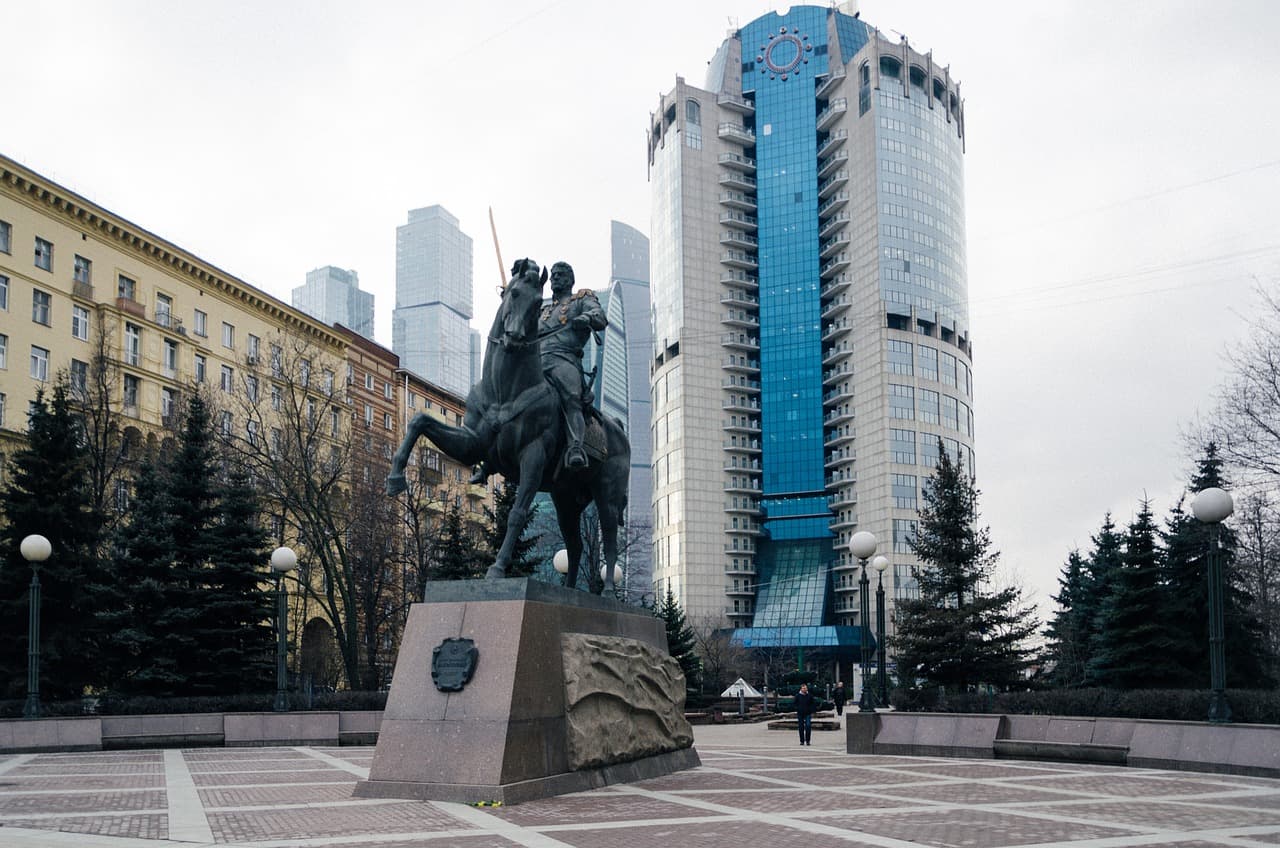
Doporučení: Začněte s okruhem kolem Kremlu a Rudého náměstí za úsvitu. Světlo na zdech a absence davů zkracují dobu přesunů, protože bezpečnostní kontroly probíhají hladce před 9. hodinou ranní. Ačkoli je vzduch chladný, nálada je svěží a zve vás, abyste udávali tempo pro celý den.
Po tomto úvodu navštivte čtvrť Bolšoj teatr a zúčastněte se komentované prohlídky opery a muzea. Otevírací doba se liší podle sezóny; plánujte příjezd mezi 10:00 a 17:00. Pro rychlé osvěžení vyhledejte nedaleké kavárny a butiky a okolní soubor historických fasád je ideální pro fotografie. Na prohlídku hlavních prostor potřebujete zhruba 90 minut, s volitelným přístupem do zákulisí, který přidá další hodinu.
Treťjakovská galerie uchovává sbírku národního umění, která je čím dál bohatší s každou chvílí strávenou uvnitř; s každou novou expozicí působí živě. Vstupenky se obvykle pohybují od 600 do 900 rublů, speciální výstavy jsou naceněny zvlášť. Pokud spěcháte, vraťte se podél řeky do parku - oblast jezera v blízkosti panství nabízí klidný protipól k galeriím.
Projděte se po Arbat ulici, mezi kočáry, hudebníky a živými stánky. Pro chladné odpoledne se schovejte do kavárny v knihkupectví; zde můžete cítit tep města a pořídit si suvenýr. Ulice je rozdělena na úseky s obchody a domy a můžete objevit diskrétní nádvoří s architekturou k obdivování. Pokud se zdržíte do večera, nádvoří osvětlená ohněm nabízejí jinou atmosféru.
Novoděvičí klášter a jeho hřbitov se nacházejí západně od centra, obklopené stromy a klidnou vodní plochou, která působí jako skryté zrcadlo uprostřed ruchu. Ranní návštěva se dobře hodí k procházce podél řeky; okruh trvá asi dvě hodiny a je v kontrastu s městštějšími čtvrtěmi, kde se podobné procházky obvykle dělají.
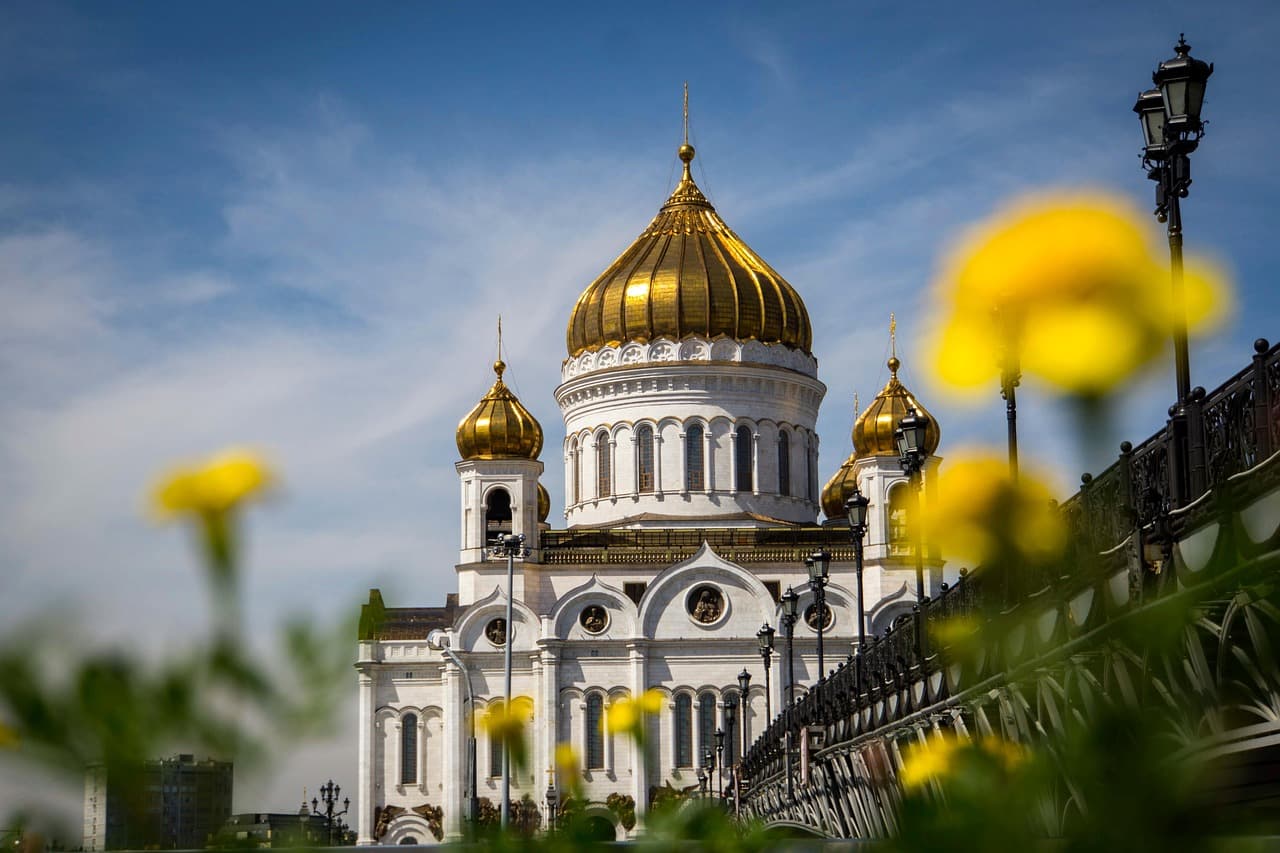
Pro kompaktní kulturní blok si prohlédněte Chrám Krista Spasitele a přilehlé pozemky, poté se projděte nedalekými arkádami, kde umělci prodávají řemesla. Pokud si potřebujete udělat nákupní přestávku, mé nákupní tipy zahrnují místní designéry a vintage kousky; tato sbírka nabídek odráží řemeslnou scénu země, zejména v podzimním světle.
Mezi těmito možnostmi si načasujte své kroky podle aktualizací v reálném čase a zůstaňte flexibilní; ačkoli se jízdní řády liší podle sezóny, je známo, že hlavní trasa poskytuje stručný pohled na umělecký tep města. Fanoušci alexvtyurin a ellensburg často poznamenávají, že kombinace galerií, náměstí a trhů vytváří osobní mapu, na kterou nezapomenete, protože každý úsek odhaluje jinou tvář země.
Nejlepší čas k návštěvě Moskvy: roční období, počasí a faktory davů
Doporučení: Naplánujte si návštěvu na pozdní jaro nebo začátek podzimu, abyste vyvážili příjemné teploty s menším počtem davů. Optimální období zahrnuje zhruba polovinu května do začátku června a konec srpna do října, s denními teplotami kolem 18-25 °C a mírnými nocemi. Odpolední procházky parky, podél ohybu řeky a do historických čtvrtí působí přirozeně a uvolněně a přístup k hlavním památkám zůstává plynulý. Pokud chcete během jedné návštěvy zhlédnout celou muzejní expozici, pracovní dny ráno nabízejí nejkratší fronty a můžete se pohybovat starověkými galeriemi s menším počtem přerušení.
Zimní období (prosinec-únor) přináší svěží vzduch, sváteční světla a vánoční trhy. Denní teploty se pohybují kolem -5 až -8 °C a mohou klesnout i níže; v noci pak -10 až -15 °C. Délka dne je krátká (asi 9-10 hodin v období vrcholu sezóny), proto si na odpoledne nebo večer naplánujte vnitřní aktivity, jako jsou muzea, operní představení a speciální výstavy. Pro ty, kteří doufají, že uvidí propracované interiéry, tato sezóna nabízí hluboké slevy a klidná místa bez davů.
Letní období (červen-srpen) přináší jasné dny a teploty kolem 22-28 °C, s občasnými vlnami veder a vyšší vlhkostí. Davy se shlukují u hlavních památek, zejména o víkendech, proto začněte hned při otevření a po odpolední siestě. Venkovní aktivity zazáří: kola podél nábřeží, procházky u jezer a stinná nádvoří nabízejí přirozenou úlevu. Jakmile se přesunete za centrální památky, otevře se vám přístup do hlubokých přírodních zákoutí a najdete nespočet parků, kde se místní i návštěvníci mohou snadněji nadechnout, vyhnout se davům a užít si klidnější tempo po část dne. Kdybyste se přestěhovali na okraj města, objevili byste skryté zahrady a příležitost zachytit jiné světlo na vodní hladině.
Strategie a přístup pro davy: U muzeí, galerií a sídel z královské éry jsou všední dopoledne vaší nejlepší volbou, abyste se vyhnuli namačkaným frontám. Večery během vánoční sezóny září trhy, koncerty a představeními, proto si včas zarezervujte vstupenky na oblíbené pořady v opeře nebo výstavních síních. Pokud preferujete klidnější zákoutí, vyhledejte menší podniky a tematické procházky, které se zaměřují na konkrétní sbírku, nebo prozkoumejte francouzskou výstavu, abyste si diverzifikovali zážitky. Kromě známých míst existuje mnoho dalších možností, kde se můžete dozvědět o starověkých řemeslech a moderním designu.
Praktické poznámky a příběhy hostů: dopravní systém - metro a říční trajekty - spojuje všechny části města. V teplejších měsících si můžete zpomalit tempo jízdou na kole po nábřeží nebo procházkou u jezera; v zimě tyto samé trasy září světly. Je tu poznámka od karina_mandarinaa, která bydlela v butikovém hotelu a odpoledne strávila návštěvou muzeí, poté si užila operu. Pokud se podíváte do knih hostů, najdete mezi cestovateli z dalekých krajů jména jako cleelum, yakima a boylston. водопад se nachází v klidném parku, připomínka toho, že příroda prosakuje mezi městskou zástavbou. Vždy existuje možnost, jak udržet davy pod kontrolou a vychutnat si esenci metropole vlastním tempem. Jsou tu poznámky od cestovatelů.
Nejlepší měsíce pro venkovní prohlídky a pěší túry
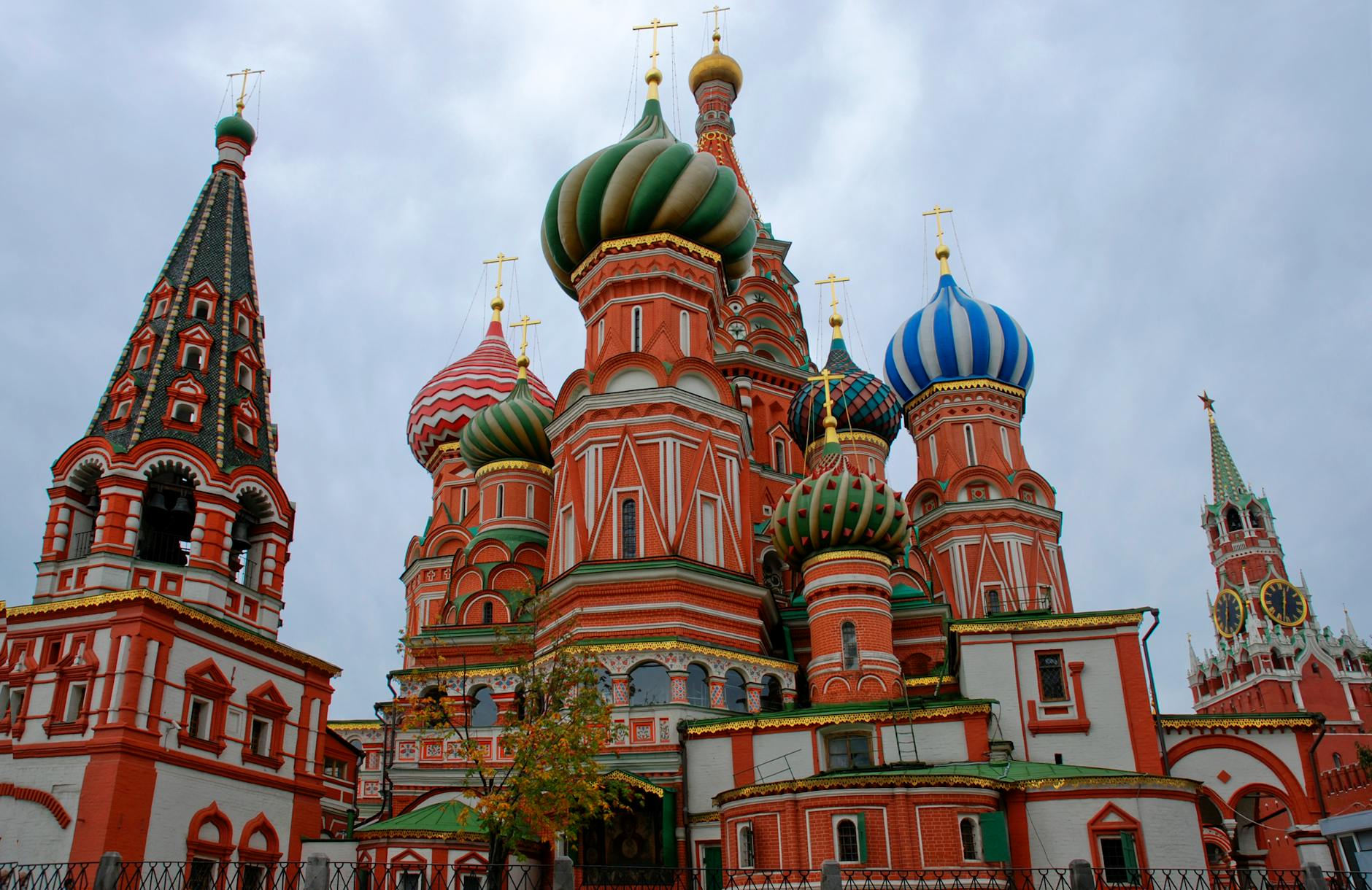
Květen a září nabízejí nejpříjemnější podmínky pro venkovní prohlídky a pěší výlety: denní teploty kolem 18-22 °C v květnu a 14-19 °C v září, delší denní světlo zasahující do večera a méně davů ve všední dny. V Moskvě přináší jaro a začátek podzimu prodyšný vzduch, mírnou vlhkost a přátelské podmínky pro dlouhé procházky podél nábřeží, skrz zahrady a do lesů v blízkosti centra města.
Pro městské průzkumníky nabízí pozdní jaro až začátek podzimu dostatek času pro kompaktní trasu. Květy v květnu zaplní zahrady, zatímco září nabídne jantarové světlo a chladnější vzduch. Vizuální momenty jsou hojné podél nábřežních cest a ve stinných uličkách, ukazují městské textury. Pravděpodobně najdou klidné chvíle ve všední dny, což fotografům usnadní vytváření jedinečných kompozic.
Praktické tipy: navrhněte průvodce s flexibilní trasou, která propojuje městský park s nábřežní promenádou. Začněte brzy, abyste se vyhnuli horku; vezměte si s sebou vodu, noste pohodlné boty a naplánujte si občasné lehké stoupání k vyhlídkovým bodům. Kontrolujte aktuální informace z místních zdrojů; publikované jízdní řády vám pomohou zůstat v obraze. Prohlídka na místě během pracovních dnů snižuje davy, což ponechává více prostoru pro vizuální poznámky a dodatečné fotografie.
Pro fotografy nabízí moskevská nábřeží, pláže u vody a stinné lesy jedinečnou směs. Plán přátelský k průkopníkům je trasa ve stylu Cheney, která spojuje tři obvody krátkými, rozmanitými úseky. Říká se, že to nabízí optimální rovnováhu mezi sluncem a stínem, s vizuálními momenty a ukázkou městského života. Koalice průvodců publikuje aktualizace a tipy (včetně jwpt); ve všední dny je snazší pohybovat se mezi zastávkami. Vyhraďte si v zahradách a na vyhlídkách více času na zachycení širší škály architektury a zeleně. Návrh Idahowould zůstává v paměti.
Provozní doba, vstupenky a přístup během hlavní sezóny
Rezervujte si vstupenku s časovým vstupem online nejméně 14 dní předem pro hlavní sezónu, protože oblíbené lokality fungují s přísnými časy; pořadí "nutno vidět" se často rychle vyprodá.
Přijďte mimo davy, když zamíříte na nedělní dopoledne; okolní náměstí zůstávají rušná, ale snáze se jimi prochází, zvonice zvoní a přirozený vánek umocňuje zážitek, zejména pro návštěvníky, kteří se poprvé zajímají o historii.
Vjezd do centra města je možný, ale parkovací místa v blízkosti hlavních náměstí rychle mizí; využijte oficiální parkoviště nebo možnosti veřejné dopravy, abyste se vyhnuli dlouhému čekání a dopravním zácpám, které mohou narušit vaše plány.
Místní poznámka od garcie zdůrazňuje jedinečné prostředí s železnými akcenty kolem náměstí a svědectvím desítek epoch; tato pýcha designu se předává z generace na generaci a dělá návštěvu nezapomenutelnou pro ty, kteří zůstanou s připraveným plánem.
Chcete-li maximalizovat zájem a zároveň se vyhnout frontám, zvažte pořízenou vícesitesovou vstupenku, která pokrývá klíčová místa a parky; tato možnost je vysoce doporučena pro návštěvníky s omezeným časem, protože zjednodušuje vstup a zkracuje čas strávený ve frontách.
Pamatujte na praktické tipy: pijte dostatek tekutin, své věci mějte v bezpečí v malé tašce a naplánujte si svůj itinerář tak, abyste navštívili místa v centru města brzy ráno nebo ve všední dny, kdy bývá méně lidí.
| Venue | Běžná otevírací doba (špička) | Vstupenka pro dospělé (RUB) | Online spoření | Nejlepší doba k návštěvě | Tipy pro přístup |
|---|---|---|---|---|---|
| Kremlská zbrojnice | 9:00-18:00; prodlouženo do 19:00 o vybraných víkendech v červnu-srpnu | 1400-1800 | až 20 % online | Všední rána; vyhněte se nedělnímu odpoledni | Metro Okhotnyj Rjad; kompaktní bezpečnostní fronty; preferujeme veřejnou dopravu; parkování v okolí je omezené |
| Treťjakovská galerie | 10:00-18:00; některé dny do 21:00 během hlavní sezóny | 600-1000 | asi 15 % online | Úterý-čtvrtek dopoledne | Treťjakovská; prostorné galerie; parkování poblíž nábřeží může být omezené |
| Gorkého park (kulturní zóna) | 6:00-24:00 | Zdarma (jízdy 300-800) | liší se podle atrakce | Běžný den, pozdní dopoledne až brzké odpoledne | Vstup přes zvonkové vrátnice; oficiální jízdy mají jasný ceník; pěší stezky jsou dobře osvětlené, ale vyhněte se jízdě vnitřním kruhem po setmění |