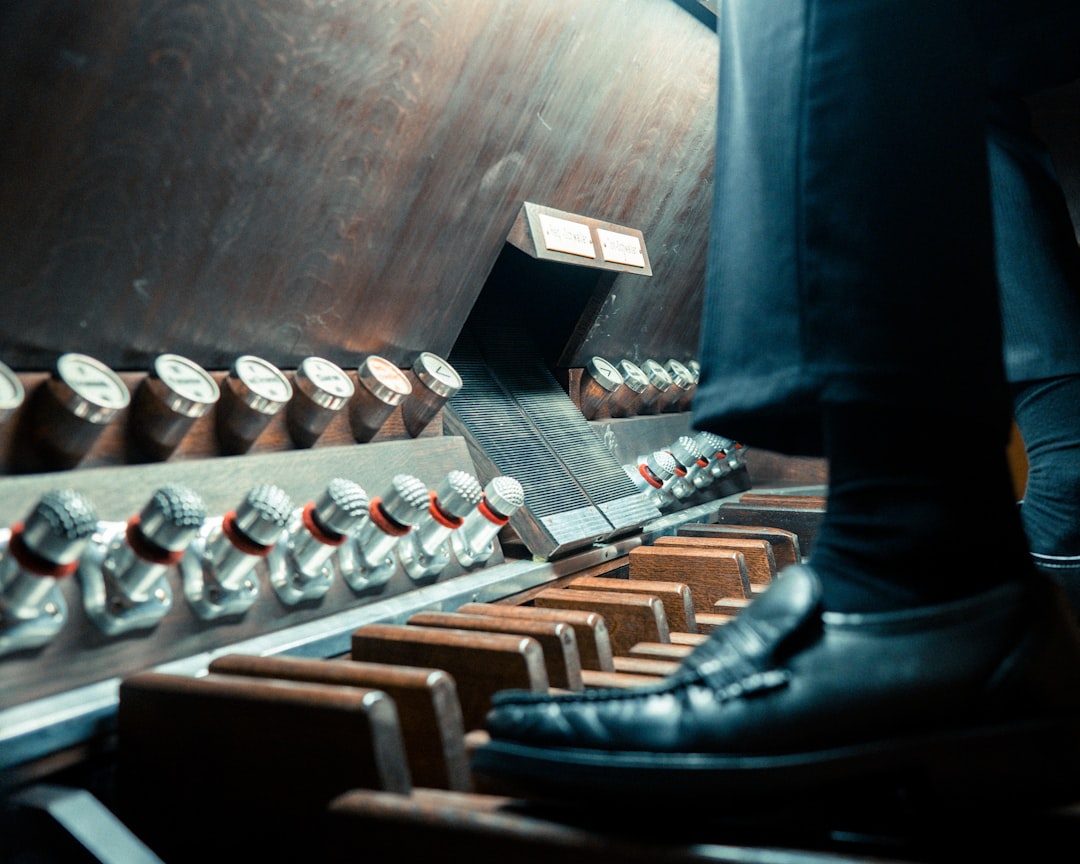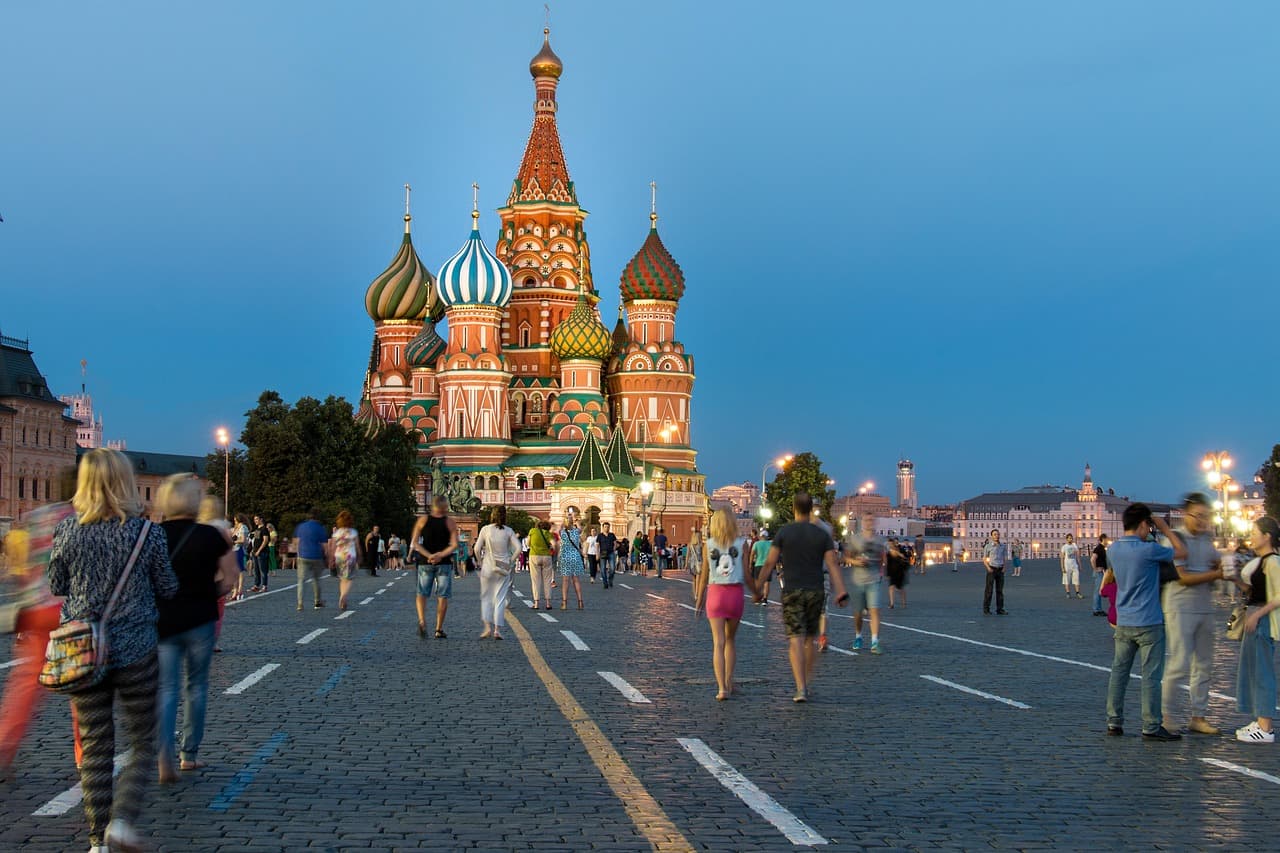

Συνιστάται να ξεκινήσετε από ένα σημείο όπου βρίσκεται η φωνή του οργάνου για να φτάσετε στις πίσω σειρές. Να είστε συνειδητοποιημένοι ότι η γεωμετρία του χώρου διαμορφώνει τον κύκλο των ανακλάσεων, παρέχοντας συγκεκριμένους, εκτεταμένους ήχους που αποκαλύπτουν το χαρακτήρα του οργάνου.
Το κτήριο της καπέλας που βρίσκεται στο κέντρο του πανεπιστημίου απολαμβάνει ένα συμπαγές όγκο και στερεά πέτρα που επιστρέφουν τους ήχους προς το κοινό. Η τελευταία σειρά ακούει τις μελωδίες με σαφήνεια, και ένα συναυλία με έργα του Μπετόβεν σε αυτό το χώρο γίνεται μια μελέτη της κληρονομιάς, με ένα φινάλε που φαίνεται αναπόφευκτο και ακριβές. Ο σολίστ μπορεί να εξερευνήσει τις αντιθέσεις μεταξύ βελουδένιου λεγκατό και σαφούς αρτικουλάρισμα.
Το μουσείο έχει μια ροτόντα με ευρύ, ανοιχτό ταβάνι που δημιουργεί εκτεταμένες ανακλάσεις. Η εξοπλισμός περιλαμβάνει μια φορητή κονσόλα και ρυθμιζόμενους σταθμούς. Τα τραγούδια αλλάζουν με την κίνηση του κοινού, συμπεριλαμβανομένων επιλογών από τον Μπετόβεν, που αποκαλύπτουν την έκταση του οργάνου σε ένα δημόσιο, συνειδητό περιβάλλον.
Το μπαλκόνι της Καθεδρικής C προσφέρει μια δυναμική ακουστική που μεταβάλλεται καθώς αυξάνεται το πλήθος. Αυτός ο χώρος, που βρίσκεται στο κέντρο της πόλης, επεκτείνει την αντίληψη καθώς οι κολώνες και οι τόξοι φιλοξενούν τον ήχο. Συμβουλές: φτάστε νωρίς για να ανακαλύψετε ποιες αντανάκλασεις ταιριάζουν με τη θέση που θα καθίσετε, και ακολουθήστε έναν κύκλο ακρόασης που οδηγεί σε ένα τέλειο τέλος καθώς οι καλλιτέχνες ξεπερνούν τα όρια του ρεπερτορίου.
Τρία μέρη για να ακούσετε μουσική από όργανα με παγκόσμια ακουστική
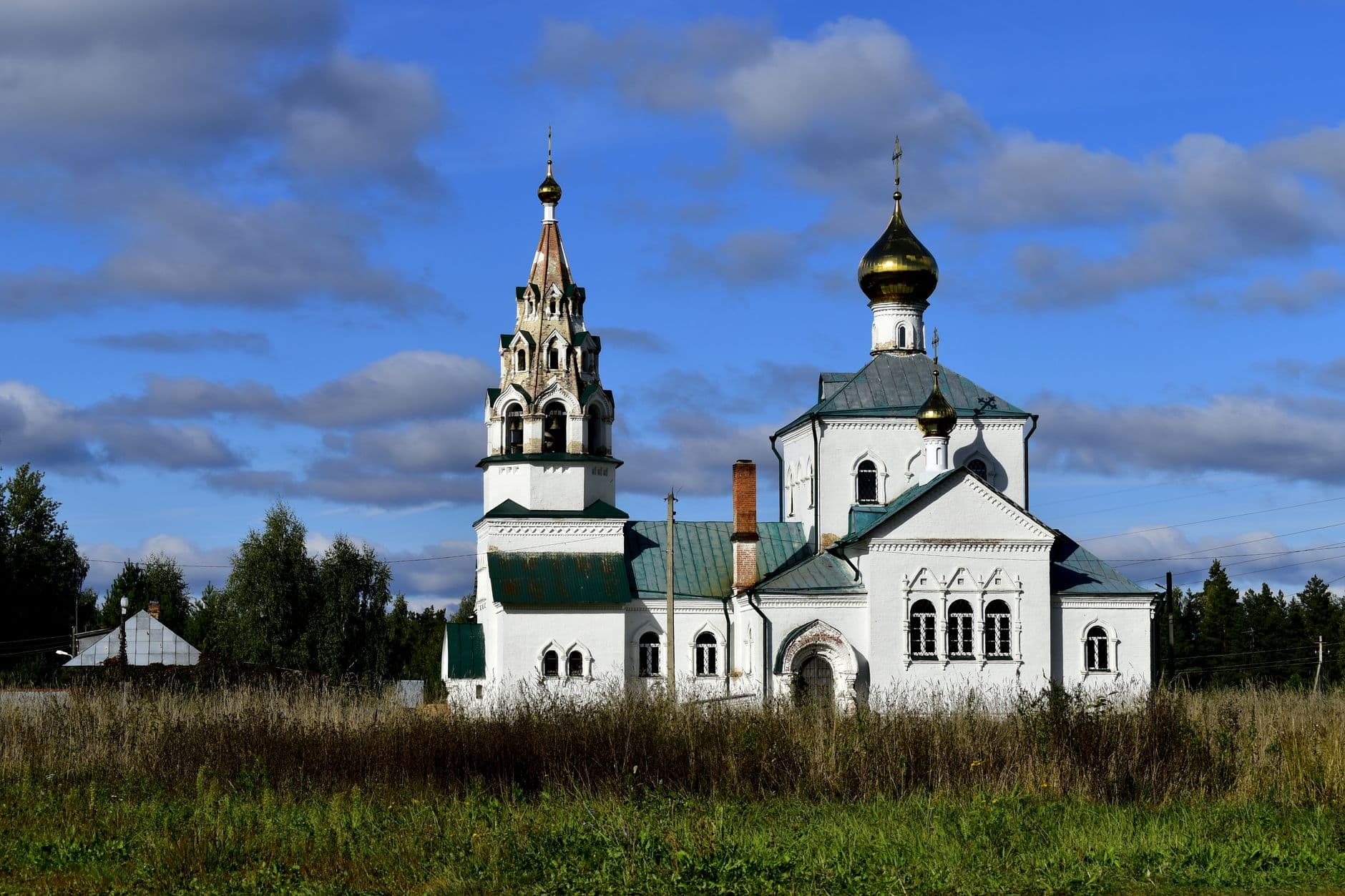
Το κτήμα Κούσκοβο προσφέρει ένα φυσικό περιβάλλον με μεγάλη ανακούφιση, ιδανικό για το όργανο με πνευστά. Η Έλενα στα μανουάλ και ο Ευγένιος στα πεντάλ παρουσιάζουν ένα συμπαγές πρόγραμμα: φαντασία, ένα σύντομο κομμάτι με σόλο γραμμές, ένα χορωδιακό και μια τελική τοκάτα, με ένα σύντομο διαλείμμα πιάνου για αντίθεση. Η ανακούφιση στο κεντρικό ναό κάνει τις γραμμές του φούγκα να λάμπουν και η προσοχή του ακροατή να γίνεται πιο οξεία. Αυτή η τοποθεσία είναι εξαιρετική για ιδιωτικές βραδιές τις Κυριακές.
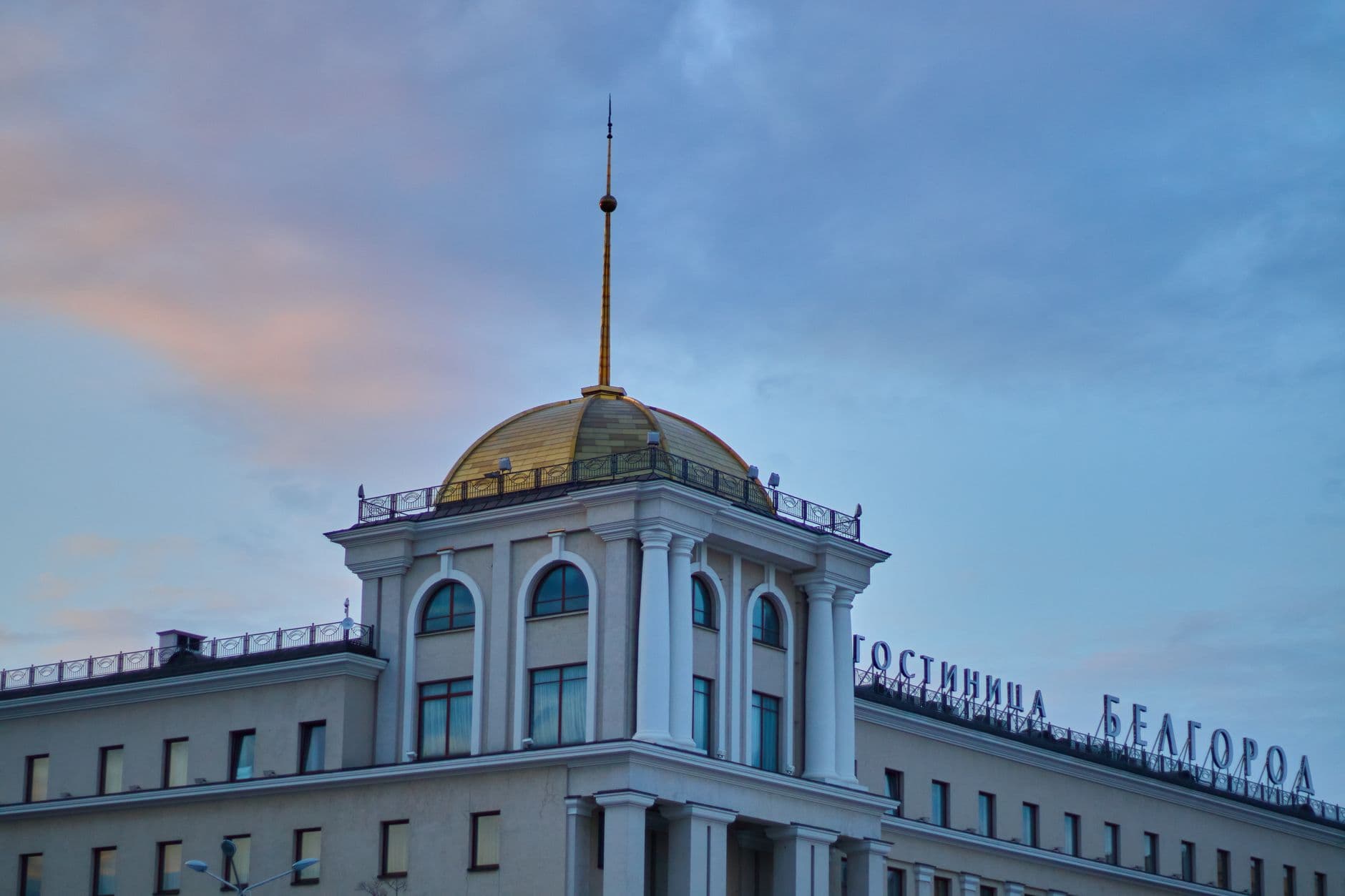
Το κτίριο Κριβίτσκαγια στο κέντρο της πόλης προσφέρει μια λαμπρή, ισορροπημένη απόδοση σε όλες τις συχνότητες. Ο Βλαντίμιρ ξεκινά με μια ζωντανή φαντασία, ο Ευγκένι ακολουθεί με ένα πυκνό φούγκα, και η Ελένα παρουσιάζει ένα μελωδικό κομμάτι εμπνευσμένο από τον Ραχμάνοφ, ενώ ένα τελικό χοραλικό κομμάτι ολοκληρώνει το χώρο. Το πρόγραμμα ρέει με φυσικό τρόπο, και ο χώρος προκαλεί σε προσεκτική ακρόαση. Κάποια κομμάτια αποκαλύπτουν ένα ωραίο δυναμικό εύρος. Οι καλλιτέχνες τιμάται για την τέχνη τους.
Η αίθουσα Γιαροσλάβα βρίσκεται σε ένα κτίριο κοντά στο Βλαντίμιρ, φιλοξενώντας προγράμματα κάθε Κυριακή που συνδυάζουν τοκκάτα και φαντασία με ένα ήσυχο χορωδιακό τέλος. Ο χώρος είναι εσωτερικός, αλλά προβάλλει τον ήχο με εκπληκτική έκταση. Καλλιτέχνες όπως η Έλενα, ο Ευγένιος και άλλοι εκτελεστές τιμάται για την ευαισθησία τους. Το πρόγραμμα περιλαμβάνει μερικά κομμάτια που θυμίζουν τον Ραχμάνοφ, και το συνολικό αποτέλεσμα είναι εξαιρετικό για τους λάτρεις της ακριβούς εκτέλεσης και της ζεστής υφής. Η ακρόαση εδώ γίνεται μια κοινή στιγμή, με το κοινό να είναι συγκεντρωμένο και να τραβιέται από τον ήχο.
Αξιολογήστε τον Χρόνο Ανακλάσεων (RT60) για έργα οργάνου
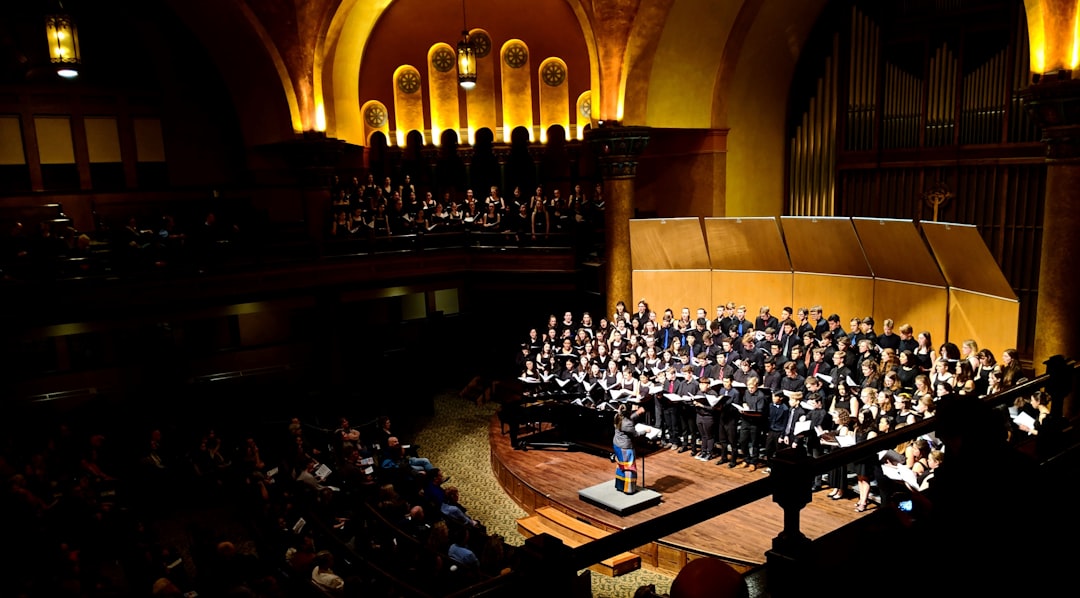
Συνιστάται στην αίθουσα Μόσχας, για ένα σημαντικό πρόγραμμα συναυλίας, να στοχεύετε σε RT60 κοντά στα 2.0 δευτερόλεπτα για το ρεπερτόριο του οργάνου. Μετρήστε με ένα καλιμπραρισμένο μικροφώνιο σε απόσταση 1.6-2.0 μέτρων από το πληκτρολόγιο, χρησιμοποιώντας είτε ένα λογαριθμικό sweep είτε ροζ θόρυβο, και υπολογίστε το RT60 με προσαρμογή φθίνουσας (μέθοδος T30). Αυτή η ρύθμιση υποστηρίζει καθαρά τελικά και ένα ευρύ δυναμικό εύρος σε επιλογές όπως τα έργα του Καμπαλέφσκι και του Κορόμποφ, ενώ εξασφαλίζει στους συμμετέχοντες ισορροπημένη διατήρηση σε θερινές συνθήκες.
Ο σχεδιασμός και η εκτέλεση βασίζονται σε αποφάσεις που λαμβάνονται με συνείδηση αποκατάστασης: ένα σχέδιο αποκατάστασης υπό την ηγεσία ενός οικονόμου θα πρέπει να περιλαμβάνει ακουστικές επεμβάσεις που μπορούν να προσαρμοστούν χωρίς να αλλάξουν το χαρακτήρα της αίθουσας, διατηρώντας το μοναδικό της χαρακτήρα ενώ παρέχουν σταθερά αποτελέσματα για δημοφιλή έργα και λιγότερο γνωστό ρεπερτόριο.
Τι να μετρήσετε και πού να επικεντρωθείτε: Ο χρόνος RT60 σε χαμηλές συχνότητες (125-250 Hz) είναι κρίσιμος για τους βασικούς τόνους· οι ζώνες μεσαίων/υψηλών συχνοτήτων (1-4 kHz) αποκαλύπτουν την καθαρότητα για την άρθρωση στο φινάλε και άλλα πυκνά μέρη· επαναλάβετε τις μετρήσεις με το κοινό παρόν για να εκτιμήσετε τις συνθήκες παρουσίασης.
- Μέτρηση ρύθμιση: τοποθετήστε το μικρόφωνο στο κέντρο της σκηνής, 1.5-2.0 μέτρα από το όργανο, ύψος 1.2 μέτρα, με ελάχιστες ανακλάσεις από κοντινό έπιπλο κατά τη συλλογή δεδομένων.
- Εξοπλισμός: αναλυτής 1/3-οκτάβας ή 1/1-οκτάβας, πηγή sweep ή impulse, και ένα πρόγραμμα λογισμικού για την εξαγωγή του T30 σε κάθε ζώνη.
- Ζώνες συχνοτήτων: αναφέρατε το RT60 για 125 Hz, 250 Hz, 500 Hz, 1 kHz, 2 kHz και 4 kHz για να καταγράψετε την πλήρη τόνωση του ρεπερτορίου.
- Το υγρασία και η θερμοκρασία επηρεάζουν την απορρόφηση. Προβλέπετε μικρές μεταβολές το καλοκαίρι και προσαρμόστε το σχέδιο προσθέτοντας ή αφαιρώντας φορητούς απορροφητές ανάλογα με τις ανάγκες.
- Στούντιο-τύπου χώροι: RT60 0.7-1.0 δευτερόλεπτα δίνουν σφιχτή διακριτικότητα για προσωπικά κομμάτια. Χρησιμοποιήστε αυτό ως βάση για δωμάτια προπόνησης ή μικρά στούντιο μέσα σε ένα χώρο.
- Αίθουσες για συναυλίες με μέτριο όγκο: RT60 1.3-1.7 δευτερόλεπτα υποστηρίζουν καθαρό ύφος χωρίς να θυσιάζουν τη μεγαλοπρέπεια σε θερινές συνθήκες.
- Μεγάλες αίθουσες συναυλιών: RT60 1.9-2.3 δευτερόλεπτα διατηρεί ευρύτατα συγχορδίες και γραμμές πεντάλ, διατηρώντας την άρθρωση σε ποικίλα ρεπερτόρια.
Πρακτικές προσαρμογές για να επιτευχθούν οι στόχοι: εγκαταστήστε κινητά πανό και πάνελ από ύφασμα κοντά στο πίσω μέρος και τις πλευρές για να ρυθμίσετε την απορρόφηση των χαμηλών συχνοτήτων· χρησιμοποιήστε ελαφριές οθόνες για να διακόψετε τους μακρούς δρόμους ανακλάσεων χωρίς να αλλάξετε την αισθητική· ρυθμίστε το διάταγμα των καθισμάτων για να τροποποιήσετε την απορρόφηση όταν οι συμμετέχοντες παρευρίσκονται σε ένα ρεσιτάλ ή μια λειτουργία.
Για μια σουίτα από δημοφιλείς συνθέτες όπως η Καμπαλέφσκαγια ή ο Κορόμποφ, συντονίστε το RT60 με τις δυναμικές απαιτήσεις των κύριων τμημάτων και του φινάλε. Χρησιμοποιήστε πιο σύντομα και καθαρά τμήματα σε στιγμές με λιγότερη ανακλάση για να αποφύγετε τη θολότητα σε πυκνά ακορδάτα, και επιτρέψτε μεγαλύτερες αποσβέσεις σε λυρικά μέρη για να δημιουργήσετε μια αίσθηση φαντασίας.
Επιχειρήματα σε ένα πλαίσιο αποκατάστασης: ο σχεδιασμός του οικονόμου πρέπει να περιλαμβάνει μετρημένους στόχους RT60, τεκμηριωμένα αποτελέσματα δοκιμών και ένα πρόγραμμα για προσωρινές και μόνιμες προσαρμογές. Διατηρήστε ευελιξία για τις θερινές συνεδριάσεις χρησιμοποιώντας φορητές λύσεις, ενώ διατηρείται η βασική ταυτότητα της αίθουσας.
Οι αποφάσεις που βασίζονται σε δεδομένα υποστηρίζουν ποικίλες επιδόσεις, από προσωπικές εκτελέσεις έως μεγάλες τελετές. Η υπηρεσιακή φιλοσοφία επικεντρώνεται στην εξασφάλιση ακριβών μετρήσεων, αξιόπιστων επανασυντόνισεων και σαφούς επικοινωνίας με τους συμμετέχοντες καλλιτέχνες και το προσωπικό, συμπεριλαμβανομένων δημοφιλών προγραμμάτων συναυλιών με έργα του Βαλέρι Καμπαλέφσκι και του Μιχαήλ Κορόμποφ.