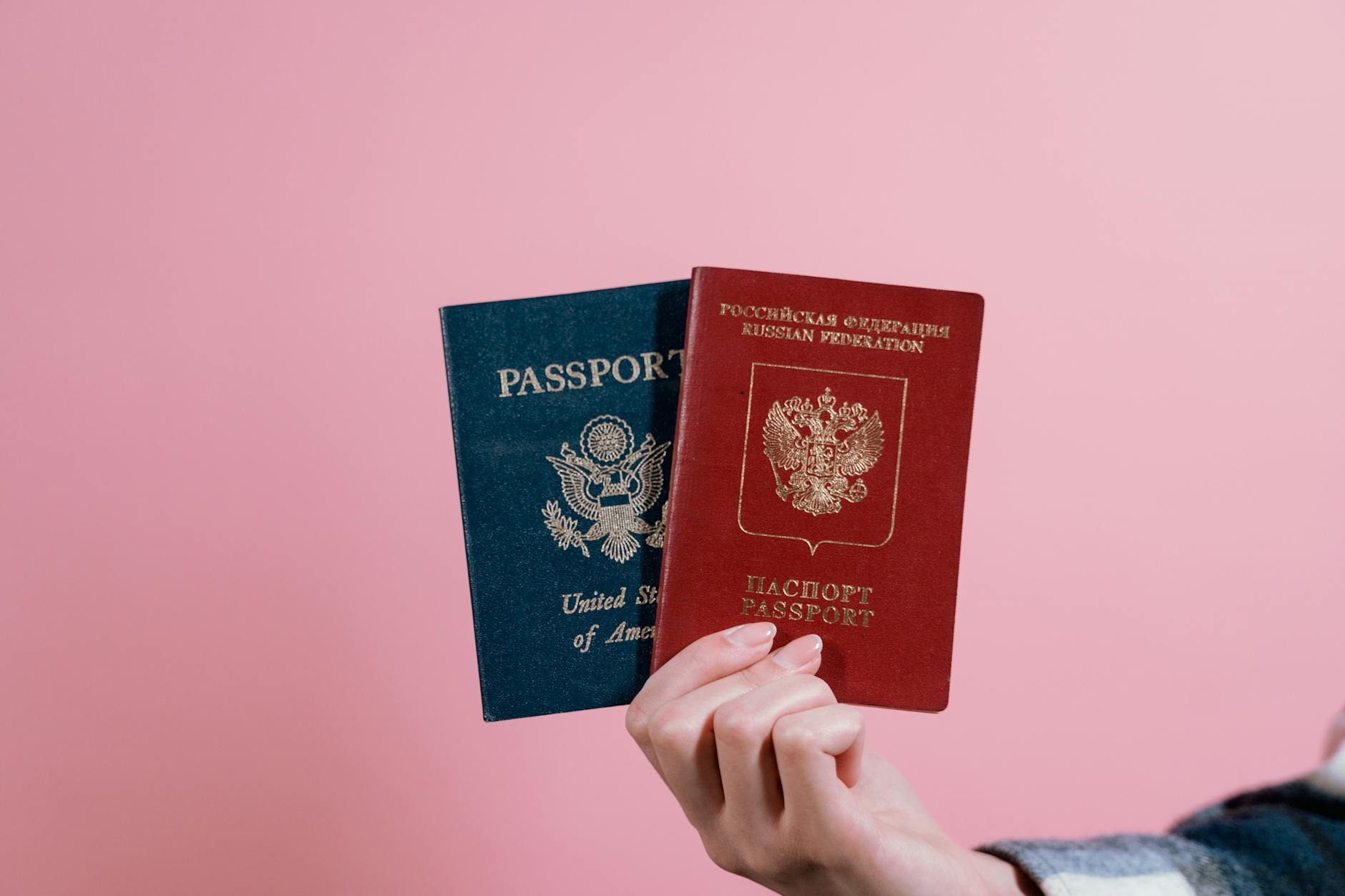
Λήψη βίζας για τη Γερμανία μπορεί να είναι ένα σημαντικό βήμα για τους Ρώσους πολίτες που επιθυμούν να ταξιδέψουν στη Γερμανία για διάφορους λόγους, όπως τουρισμό, εργασία ή επισκέψεις σε συγγενείς. Αυτός ο ολοκληρωμένος οδηγός στοχεύει να παρέχει μια βήμα προς βήμα προσέγγιση, εξασφαλίζοντας ότι οι αιτούντες μπορούν να πληρούν με ακρίβεια τις απαιτήσεις και να αποφεύγουν κοινά λάθη στη διαδικασία υποβολής αίτησης. Καθώς η Γερμανία είναι μια χώρα γνωστή για τα εθνικά της πρότυπα και την υψηλή ποιότητα ζωής, δεν αποτελεί έκπληξη το γεγονός ότι πολλοί επιθυμούν να εισέλθουν σε αυτήν την ευρωπαϊκή χώρα.
Ο πρώτος βήμας στη διαδικασία αίτησης βίζας είναι η κατανόηση του συγκεκριμένου σκοπού της επισκέψεώς σας και η εξασφάλιση ότι διαθέτετε τα απαραίτητα έγγραφα, συμπεριλαμβανομένων των απαιτούμενων κεφαλαίων για τη διάρκεια της παραμονής σας. Υπάρχουν διάφοροι τύποι βίζας, όπως τουριστικές και εργασιακές, καθένας με τα δικά του πρότυπα που πρέπει να πληροίτε. Είναι σημαντικό να διατυπώσετε με σαφήνεια τους δεσμούς σας με τη Ρωσία κατά την υποβολή της αίτησης, προκειμένου να τονίσετε την πρόθεσή σας να επιστρέψετε.
Ένα σημαντικό σημείο είναι η ακριβής συμπλήρωση των φόρμων αίτησης, καθώς αυτό είναι κρίσιμο για την επιτυχία. Οι πρόσφατες αλλαγές στις διαδικασίες βίζας σημαίνουν ότι οι αιτούντες μπορεί να αντιμετωπίσουν νέες οδηγίες. Πηγές όπως η ιστοσελίδα visahq.com μπορούν να παρέχουν ενημερωμένες πληροφορίες και φόρμες. Επιπλέον, βεβαιωθείτε ότι προετοιμάζεστε για πιθανά συνεντεύξεις, οι οποίες μπορεί να περιλαμβάνουν την παρουσίαση πιστοποιημένων εγγράφων και λεπτομερειών για την ιατρική κάλυψη. Αυτά τα βήματα θα βοηθήσουν στην εξασφάλιση μιας πιο ομαλής διαδικασίας αίτησης.
Σε αυτόν τον οδηγό, θα περιγράψουμε τις διάφορες φάσεις της διαδικασίας αίτησης βίζας, συμπεριλαμβανομένης της προετοιμασίας των εγγράφων, της υποβολής της αίτησης, των χρεώσεων και του τι πρέπει να περιμένετε κατά τη διάρκεια της συνέντευξης για τη βίζα. Ακολουθώντας αυτήν την οργανωμένη προσέγγιση, οι πολίτες της Ρωσίας μπορούν να αυξήσουν σημαντικά τις πιθανότητες έγκρισης της βίζας, επιτρέποντάς τους να απολαύσουν πλήρως τα προγραμματισμένα ταξίδια τους στη Γερμανία.
Κατανόηση των Τύπων Βίζας της Γερμανίας
Η λήψη βίζας για τη Γερμανία περιλαμβάνει αρκετές βασικές βήματα, καθώς υπάρχουν διάφοροι τύποι που σχεδιάζονται για διαφορετικούς σκοπούς. Για τους πολίτες της Ρωσίας, η κατανόηση αυτών των κατηγοριών είναι κρίσιμη για την επιτυχή διέλευση της διαδικασίας αίτησης. Εδώ αναλύουμε τους κύριους τύπους βίζας της Σχεγγέν και τις ειδικότητές τους.
- Βίζα για σύντομη παραμονή (Τύπος C): Αυτή η βίζα είναι συνήθως έγκυρη για έως και 90 ημέρες εντός μιας περιόδου 180 ημερών. Καλύπτει τουρισμό, επαγγελματικές ή οικογενειακές επισκέψεις. Για να υποβάλετε αίτηση, πρέπει να υποβάλετε μια φωτογραφία τύπου διαβατηρίου, ένα πρόγραμμα ταξιδιού και μια επιστολή πρόσκλησης αν επισκέπτεστε κάποιον στη Γερμανία.
- Μεγάλη Βίζα (Τύπος D): Αν σκοπεύετε να μείνετε στη Γερμανία για περισσότερο από 90 ημέρες, θα χρειαστεί να αποκτήσετε μια μεγάλη βίζα. Αυτός ο τύπος βίζας εξαρτάται από τους λόγους της παραμονής σας, όπως εργασία ή σπουδές. Θα πρέπει να υποβάλετε τα πρωτότυπα έγγραφα που αποδεικνύουν τον σκοπό της παραμονής σας, μαζί με ασφάλιση υγείας που καλύπτει τη διαμονή σας.
- Βίζα εργασίας: Αυτή η βίζα απαιτείται όταν έχετε προσφορά εργασίας από εργοδότη της Γερμανίας. Η αίτηση πρέπει να περιλαμβάνει πιστοποιημένο συμβόλαιο εργασίας, επιβεβαίωση των προσόντων σας και οποιαδήποτε σχετικά ιατρικά έγγραφα. Ο χρόνος επεξεργασίας μπορεί να διαφέρει ανάλογα με την τοποθεσία της εταιρείας σας.
- Φοιτητικό Βίζα: Για όσους σχεδιάζουν να σπουδάσουν στη Γερμανία, αυτό το βίζα απαιτεί αποδεικτικό εισαγωγής από ένα γερμανικό εκπαιδευτικό ίδρυμα, γλωσσομάθεια και επαρκή κεφάλαιο για τα έξοδα διαβίωσης. Θα πρέπει να παραστείτε σε μια συνάντηση σε κέντρο υποβολής αίτησης βίζα για την υποβολή των απαραίτητων εγγράφων.
Αξίζει να σημειωθεί ότι ο τύπος του βίζα που πρέπει να υποβάλετε εξαρτάται από τους συγκεκριμένους σκοπούς σας και τη διάρκεια της παραμονής σας στη χώρα. Για παράδειγμα, ένα τουριστικό βίζα δεν θα είναι επαρκές αν σκοπεύετε να εργαστείτε ή να σπουδάσετε. Βεβαιωθείτε ότι όλα τα έγγραφα συμπληρώνονται με ακρίβεια και υποβάλλονται για να αποφευχθούν καθυστερήσεις στην επεξεργασία της αίτησής σας.
Σε περίπτωση έκτακτης ανάγκης, μπορεί να χρειαστεί να ζητήσετε άμεση βοήθεια από τις τοπικές αρχές ή την πρεσβεία. Είναι επίσης σημαντικό να ελέγξετε τις επίσημες πολιτικές σχετικά με οποιεσδήποτε αυξημένες απαιτήσεις ή αλλαγές στη διαδικασία υποβολής αίτησης, ειδικά με τις τρέχουσες γεωπολιτικές καταστάσεις που μπορεί να επηρεάσουν τους κανονισμούς ταξιδιού.
Πριν από την υποβολή της αίτησης, συνιστάται να επισκεφθείτε ιστοσελίδες όπως το visahq.com για τις τελευταίες πληροφορίες και οδηγίες, καθώς παρέχουν λεπτομερείς πληροφορίες για διάφορους τύπους βίζας, τα απαιτούμενα έγγραφα και τις κοινές διαδικασίες. Τελικά, η κατανόηση των συγκεκριμένων απαιτήσεων για τον επιθυμητό τύπο βίζας θα βοηθήσει στην απλοποίηση της διαδικασίας υποβολής και θα διευκολύνει τη διαμονή σας στη Γερμανία.
Βίζα Σένγκεν: Ταξίδια βραχύχρονης διαμονής
Η απόκτηση βίζας Σένγκεν είναι απαραίτητη για ξένους τουρίστες που σχεδιάζουν μια βραχυπρόθεσμη επίσκεψη στη Γερμανία και σε άλλες χώρες της ζώνης Σένγκεν. Ο παρών οδηγός έχει ως σκοπό να παρέχει μια βήμα-βήμα οδηγία ειδικά για ρωσικούς αιτούντες που σκοπεύουν να επισκεφθούν για τουριστικούς ή άλλους συγκεκριμένους λόγους. Η βίζα Σένγκεν επιτρέπει συνήθως παραμονή έως 90 ημερών εντός μιας περιόδου 180 ημερών.
Η απόφαση για την έκδοση βίζας εξαρτάται από διάφορους παράγοντες, όπως ο σκοπός της επίσκεψης, τα οικονομικά μέσα και η ολοκλήρωση της αίτησης. Είναι σημαντικό να διασφαλιστεί ότι πληρούνται όλες οι απαιτήσεις και ότι όλες οι φόρμες συμπληρώνονται με ακρίβεια. Πριν από την υποβολή της αίτησης, συνιστάται να συμβουλευτείτε τον επίσημο ιστότοπο για τις πιο ενημερωμένες πληροφορίες σχετικά με τα απαραίτητα έγγραφα και τις διαδικασίες.
Η διαδικασία υποβολής αίτησης συνήθως απαιτεί από τους αιτητές να συμπληρώσουν ένα έντυπο online, παρέχοντας προσωπικά στοιχεία και πληροφορίες σχετικά με την προγραμματισμένη επίσκεψή τους. Αυτό το έντυπο μπορεί επίσης να απαιτεί μετάφραση στην αντίστοιχη γλώσσα. Λόγω των συνεχιζόμενων παγκόσμιων κρίσεων, μπορεί να εφαρμοστούν πρόσθετα μέτρα όπως πρωτόκολλα καραντίνας, και οι αιτητές πρέπει να είναι έτοιμοι για πιθανή αυστηρή εξέταση κατά τη διαδικασία έκδοσης βίζας.
Για τον τουρισμό, είναι συχνά ωφέλιμο για τους αιτούντες να συμπεριλάβουν μια δήλωση που περιγράφει το πρόγραμμά τους και τις προγραμματισμένες δραστηριότητες τους στη Γερμανία. Αυτή η απόδειξη πραγματικού ενδιαφέροντος και ενός καλά οργανωμένου σχεδίου μπορεί να αυξήσει τις πιθανότητες για την έκδοση βίζας. Να έχετε υπόψη ότι μπορεί να εκδοθούν βίζες πολλαπλών ή μονής εισόδου, ανάλογα με τις ατομικές συνθήκες και τα ταξίδια.
In conclusion, understanding the various steps and requirements for a Schengen Visa is vital for successful travel to Germany. A thorough preparation and adherence to official guidelines can significantly ease the application process and help applicants navigate any challenges that may arise along the way.
National Visa: Long-term Stay
For Russian citizens planning a long-term stay in Germany, the National Visa is a vital step. This type of visa is issued for various purposes, including work, study, or family reunification. The application process involves several steps that must be followed to ensure successful submission.
The first step in applying for a National Visa involves visiting the official German embassy or consulate website. Here, applicants can find specific information tailored to their area, including Yekaterinburg, which has local visa application centres. It's essential to gather all necessary documentation prior to submitting your application, as incomplete submissions could lead to increased scrutiny and delays.
In planning your trip, ensure that you have sufficient funds to cover all costs associated with your stay, including accommodation and daily expenses. The documentation required often includes proof of financial means, accommodation arrangements (such as hotel bookings), and a valid travel declaration.
Upon gathering your documents, you will need to apply for a National Visa. This process typically involves filling out an application form and paying the required fees. Most applicants will also need to have their documents translated into English or German, particularly if they include legal declarations.
During your appointment at the visa application centre, be prepared to present your documents for verification. The most common types of long-term visas include those for work, study, and family reunion. Each of these categories has specific requirements, so it's crucial to follow the step-by-step guide provided on the embassy's pages.
In emergencies, having a National Visa allows citizens to access various public services without the legal barriers faced by tourists on short trips. Therefore, it is advisable to submit your application well in advance of your planned trip to avoid any potential issues.
| Visa Type | Required Documentation | Fees |
|---|---|---|
| Work Visa | Job offer, proof of qualifications, financial means | €100 |
| Student Visa | University acceptance letter, proof of funds, health insurance | €75 |
| Family Reunion Visa | Proof of relationship, financial support documents | €80 |
Συμπερασματικά, η απόκτηση Βίζας Εθνικής Κατοικίας για μακροχρόνια παραμονή απαιτεί προσεκτικό σχεδιασμό και προετοιμασία. Ακολουθώντας τις συμβουλές και οδηγίες που βρίσκονται στην επίσημη ιστοσελίδα, οι πολίτες της Ρωσίας μπορούν να διαχειριστούν αποτελεσματικά τη διαδικασία αίτησης βίζας και να εξασφαλίσουν μια ομαλή μετάβαση στο μέλλον τους στη Γερμανία.