Recommandation : Voyager pendant l'été augmente les chances de morsure, alors prévoyez suffisamment de temps pour aligner les marées, la météo et les processus d'autorisation gérés par les autorités locales. Le guide fournira un plan personnalisé et un calendrier réaliste pour éviter les jours perdus.
Les statistiques montrent que la période de pointe s'étend de fin mai à début septembre. Le nombre de jours ouverts par saison est en moyenne de 16 à 22 par navire, la plupart des voyages durant de 3 à 4 jours. Les permis pour les zones proches de la côte sont délivrés par les autorités régionales et peuvent être fournis par l'opérateur de service, qui doit remplir les documents à l'avance. Les voyageurs doivent réserver 2 à 3 mois à l'avance pour s'assurer une place.
La plupart des prises se font avec des leurres artificiels et des présentations naturelles, les trophées rares apparaissant lorsque les conditions sont réunies. Le temps peut changer rapidement, alors apportez une paire d'équipements adaptés aux jours calmes et aux jours agités. Les gammes de poids typiques utilisent des bas de ligne de 60 à 120 lb pour les cibles pélagiques ; les montages plus lourds sont utiles contre les poissons plus gros. Recherchez les bancs en eau libre loin des ports bondés, revenez vers les lignes de dérive productives après chaque marée et soyez prêt à vous adapter à la volée.
Le choix de l'opérateur dépend de la sécurité, de la transparence et des antécédents. Recherchez les statistiques année par année et une politique de sécurité claire ; les entreprises les plus fiables fournissent un plan simple et un prix fixe. La gestion locale des pêches implique des fermes et des écloseries à proximité qui éclairent les évaluations des stocks et les quotas, alors choisissez un équipage qui respecte les quotas et suit les meilleures pratiques. Apportez votre confiance, et le guide adaptera un programme autour de votre poids cible, de votre rythme et de vos cibles préférées, pendant que vous vous concentrez sur les morsures les plus gratifiantes.
Conseils pratiques pour l'emballage et le voyage : apportez un vêtement de pluie, une glacière robuste et des piles de rechange ; les ponts ouverts permettent une circulation facile pendant le combat avec un poisson ; la répartition du poids est importante lorsqu'un poisson fait une longue course, et des plans de secours aident si le temps change. La côte Pacifique offre les meilleures chances lorsque vous voyagez léger et que vous vous déplacez avec l'eau plutôt que contre elle.
Pêche en haute mer au Kamchatka : Chartes offshore, espèces et appareil photo pour documenter
Recommandation : réservez une expédition de 4 à 5 jours dans les eaux du nord avec un opérateur agréé en juillet-août pour maximiser les prises et minimiser les jours agités. De plus, attendez-vous à de longues journées en mer et prévoyez des changements entre les sites au fur et à mesure que les courants se déplacent ; c'est à ce moment que la plupart des morsures se produisent, et les moments passés sur l'eau peuvent être gratifiants pour les débutants qui restent concentrés.
Types de cibles et approche : les prises les plus fiables proviennent du flétan, de la morue charbonnière, de la lingue, du sébaste et du flet le long du plateau et près des bancs. Les bateaux jumeaux partagent une approche simple : commencez peu profond pour apprendre à manipuler la ligne, puis déplacez-vous plus profondément au fur et à mesure que la morsure le dicte. Les débutants bénéficient de séances régulières et peu stressantes ; les femmes et les novices prennent souvent confiance grâce à un encadrement patient de l'équipage. Ici, la morsure se produit souvent le matin et en fin d'après-midi, et des opportunités pélagiques peuvent apparaître lorsque des bancs traversent les chenaux ; bien que les voiliers soient rares dans ces eaux, vous pouvez apercevoir brièvement d'autres gros poissons de sport entre les dérives. Le mérou est rare ici, mais il apparaît parfois dans des poches protégées près de la structure.
Équipement et matériel : utilisez une canne de classe 50 à 80 lb avec une tresse de 50 à 80 lb, plus un bas de ligne en fluorocarbone de 60 à 100 lb. Pour les cibles de fond et de milieu d'eau, installez des poids bancaires de 8 à 16 oz pour atteindre rapidement la profondeur. Les hameçons circulaires de tailles 4/0 à 6/0 fonctionnent bien pour le flétan et la lingue ; emportez des hameçons de rechange et un couteau pour le montage. Ayez une deuxième canne légère (30 à 40 lb) pour le flet ou le sébaste plus petit. Une glacière robuste garde les prises fraîches et facilite le transport des photos ; apportez des pinces supplémentaires, une gaffe avec précaution et un coupe-fil. L'équipement doit être vérifié quotidiennement pour l'usure et l'accumulation de sel, et l'équipage du bateau peut ajuster l'équipement entre les courses pour maximiser les chances de se connecter avec eux.
Sécurité et accessibilité : les débutants et les femmes bénéficient d'un rythme de journée calme et d'un encadrement clair de la part des pêcheurs ; portez un VFI, utilisez un harnais de sécurité lorsque vous marchez sur le pont et fixez l'équipement pendant les accalmies. L'équipage aide à débarquer les gros poissons pour éviter les blessures ; reculez des lignes pendant un combat et communiquez avec l'équipage de pont pour coordonner les mouvements entre les morsures. Avec la bonne approche, la plupart des participants se sentent à l'aise pour manipuler les lignes, les moulinets et l'équipement dans des conditions changeantes, et ils repartent avec un équilibre de vie renforcé grâce à la mer.
Stratégie de caméra pour le voyage : apportez un boîtier étanche aux intempéries ou un compact robuste avec un boîtier étanche, ainsi que des piles et des cartes mémoire de rechange. Photographiez en RAW pour préserver la couleur et les détails ; utilisez une vitesse d'obturation de 1/1000 s ou plus rapide pour l'action, et une ouverture moyenne (f/5,6 à f/8) pour la profondeur de champ. Un objectif grand angle (16 à 35 mm) capture les scènes de pont et les lignes, tandis qu'un téléobjectif (70 à 200 mm) isole le pêcheur et le poisson cible. Prenez quelques photos par-dessus l'épaule pour montrer les lignes et le rythme de jigging, et chronométrez les prises de vue entre les frappes pour éviter les enchevêtrements. Rangez l'équipement dans un sac étanche entre les passages et gardez un petit stabilisateur portatif pour des clips vidéo plus fluides ; cela devient un ajout riche à votre vie de voyage et aide les sœurs et les amis à la maison à se sentir plus proches du moment.
Logistique et choix : prévoyez un horaire flexible car le temps peut changer rapidement ; la plupart des voyages se déroulent mieux lorsque vous sélectionnez un navire avec des couchettes stabilisées, un grand espace de pont et un équipement de sécurité fiable. Si vous voyagez avec des compagnons, divisez les tâches afin que chacun participe au montage, au débarquement et à la photographie du moment. Un bateau plus grand offre généralement plus de rangement pour l'équipement et un espace de refroidissement pour les prises et les rafraîchissements, ce qui rend l'expérience globale plus agréable pour les débutants et les pêcheurs chevronnés, et augmente vos chances de repartir avec des souvenirs vivants des eaux du nord.
Choisir une charte offshore : type de bateau, expérience du capitaine et forfaits de voyage
Recommandation : commencez avec un navire stabilisé, chaud et confortable de 28 à 36 pieds qui a une cabine fermée et une conduite éprouvée dans les eaux agitées ; exigez un capitaine avec au moins cinq saisons de travail sur la côte Pacifique, y compris un succès prouvé près des canyons et des plateaux en eau profonde. Pour une valeur solide, verrouillez un plan de 2 à 4 jours qui équilibre les morsures de jour avec des fenêtres plus longues, et n'hésitez pas à ajuster l'horaire si des changements de vent se produisent.
Le type de bateau est important : optez pour une conception de pont de type walk-around ou un bateau de sport de taille moyenne qui accueille confortablement de 2 à 6 pêcheurs. Un mini-écart entre une disposition compacte et un transporteur plus grand donne souvent le meilleur mélange de maniabilité et d'espace partagé ; en hiver, privilégiez un navire avec une cabine chauffée, un équipement de dégivrage fiable et une plateforme stable pour les longs trajets. Un bateau bien équipé avec des porte-cannes, des moulinets électriques et une cuisine efficace maintient l'équipage motivé et la journée productive lorsque la morsure est lente près des canyons.
Expérience du capitaine : examinez un registre vérifiable des nuits en mer le long de la côte russe et demandez des références auprès des opérations de pêche près de ponoi et starichkov. Le bon skipper communique clairement les mises à jour météorologiques, les exercices de sécurité et les plans de pêche, et il possède une solide compréhension des zones d'alimentation saisonnières et des changements de modèles courants. Son leadership donne le ton au groupe, façonnant la fréquence à laquelle la ligne se tend et la durée pendant laquelle vous restez sur un endroit productif.
Forfaits de voyage : les chartes privées et les itinéraires en petits groupes sont courants, avec des options de 2 à 3 jours comme base et des programmes plus longs pour les pêcheurs sérieux. Les forfaits doivent inclure le matériel, les leurres et l'équipement de base, ainsi que la glace, le carburant et la gestion des permis ; les repas et les boissons chaudes ajoutent généralement de la valeur en hiver. Recherchez les itinéraires qui couvrent plusieurs cibles - vivaneaux, maquereaux, mérous - et offrent un plan clair pour les débarquements, les pauses à terre et les points de dépôt flexibles afin de maximiser les moments où les poissons se nourrissent.
Cibles et géographie : les meilleures courses se produisent là où la terre plonge dans les canyons et les corniches au large, avec des points chauds connus près de ponoi et starichkov ; attendez-vous à ce que les enveloppes hivernales ralentissent certains jours, mais un capitaine compétent s'adaptera en se déplaçant vers les bancs, les courants ou les bords de structure adjacents. Discutez de la dynamique de la pêche avec l'opérateur et vérifiez que votre plan comprend un mélange de sessions de longue journée et de courtes attentes, afin que votre groupe puisse rester productif sans s'épuiser ; le but est une action constante plutôt qu'une seule grosse morsure.
Conseils de réservation : demandez un itinéraire écrit, incluez une contingence météorologique claire et confirmez ce qui se passe si les mers ferment la route. Ne tardez pas si un capitaine ou un navire préféré devient disponible ; le capital de bonnes expériences réside dans une préparation solide, un équipement fiable et un équipage qui entre et sort en douceur d'une journée de pêche chargée. Si vous arrivez avec des apprentissages de voyages précédents et une volonté de vous adapter, votre niveau de confort et la chance de débarquer des poissons comme le vivaneau, le maquereau et le mérou augmentent rapidement - bientôt vous saurez quel endroit, quel bateau et quel capitaine font le meilleur match à long terme.
au taux de la Banque de Russie du 21.10.2026 · powered by tutkakdoma
Espèces par saison : cibles de saumon quinnat, de saumon kéta, de flétan et de sébaste au large
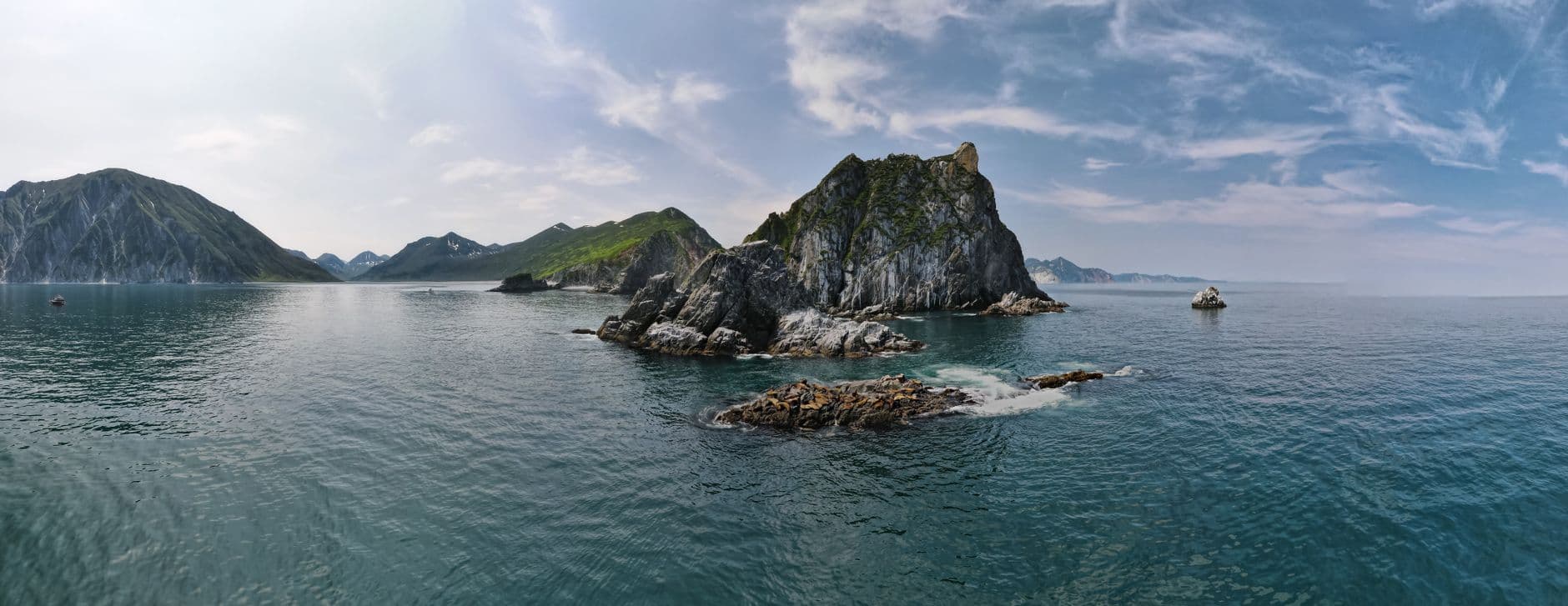
Réservez un voyage d'une journée complète au Kamchatka pour cibler le saumon quinnat, avec des opportunités de flétan et de sébaste ; imaginez le kilomètre de côte, la ligne qui se brise lorsque vous commencez à pêcher, et profitez de superbes paysages et de cascades qui jaillissent sur le pont.
Le printemps (avril-mai) se concentre sur les cibles de fond le long des étagères accidentées. Portez un équipement résistant aux intempéries, gardez un rythme léger mais régulier et surveillez les signes de maladie les jours venteux. Déplacez-vous avec le passage des marées pour prolonger vos opportunités ; le sébaste et le flétan réagissent aux dérives patientes, faisant de cette saison une aventure naturelle pour les sports et les familles.
L'action du saumon quinnat culmine au milieu de l'été, généralement de juillet à août. Effectuez deux à quatre courtes dérives pour localiser les bancs ; déployez un équipement robuste (test de 50 à 80 lb) et de grandes cuillères ou des leurres de jigging. Ils se regroupent souvent près des embouchures des rivières, de sorte que les marques ou les oiseaux vous aident à repérer l'action. Cette période est idéale pour les frères ou les amis qui chassent plusieurs endroits et quelques moulinets de combat mémorables, transformant chaque arrêt en un ensemble productif.
Les courses de saumon kéta ont lieu de la fin du printemps au début de l'été, offrant une action constante près des deltas et des chenaux côtiers. Utilisez un matériel de poids moyen et des montages vibrants pour retenir leur attention pendant les longues dérives ; attendez-vous à plusieurs prises par sortie, une bonne raison de sourire et de maintenir le rythme pour une journée complète sur l'eau.
Le flétan monopolise la saison en eau libre de la fin du printemps à l'automne. Ciblez les profondeurs autour de 80 à 160 mètres sur des fonds sablonneux ou mixtes avec des montages d'appâts ou des montages de jigging lent. Prévoyez des poissons de 5 à 30 kg, avec des trophées potentiels supérieurs à 40 kg ; utilisez des pratiques de manipulation et de remise à l'eau sûres pour les spécimens sous-dimensionnés, et arrêtez-vous après une forte frappe pour vous recomposer et viser à nouveau. Des morsures constantes se produisent tout au long de la journée lorsque vous trouvez des corniches et des trous qui concentrent les poissons.
Les prises accessoires rares dans cette région peuvent inclure le mahi-mahi, mais l'ordre du jour principal reste ancré sur le saumon quinnat, le saumon kéta, le flétan et le sébaste. Tout au long de l'année, un bon capitaine vous aide à rester concentré sur les courants naturels, les fenêtres météorologiques et les fenêtres de morsure ; les choix de matériel et d'équipement doivent être prêts pour les aventures, avec des points d'action apparaissant le long du kilomètre de côte ; imaginez le retour au lodge après une journée sur l'eau, en apercevant un dernier oiseau de mer se recroqueviller pendant que vous chargez le bateau.
Équipement et matériel : cannes, moulinets, lignes, bas de ligne et montages pour la pêche au large du Kamchatka
Doit avoir deux ensembles à bord : une canne à pêche à la traîne à action rapide de 60 à 80 lb et un bâton vertical de 100 à 130 lb, réglés pour les longs combats contrôlés dans les zones en eau libre. Associez-les à des moulinets pouvant contenir 300 à 350 m de tresse de 80 à 100 lb et un topshot en fluorocarbone de 60 à 120 lb. Fixez un bas de ligne enroulé de 1,8 à 2,5 m ou un bas de ligne en fluorocarbone avec un nœud robuste ; gardez un moulinet de rechange monté à l'identique pour un changement rapide. Ce montage est confortable à manier lors de longs combats et peut résister à la puissance des grosses morsures dans les eaux du nord.
Les moulinets doivent être de qualité marine, avec des freins étanches et une résistance à la corrosion. Recherchez des modèles avec une capacité d'alimentation de 250 à 350 m de tresse lourde et un ramassage de ligne fiable pour faciliter le tir du matériel dans des conditions difficiles. Privilégiez les rapports d'engrenage de 4,1:1 à 4,9:1 pour équilibrer l'alimentation en plomb de ligne avec le couple pendant une morsure. Assurez-vous d'un engagement de freinage en douceur et de composants de caution ou de rotor robustes, puis gardez une bobine de rechange prête tout au long de la journée afin qu'une course soudaine ne vous ralentisse pas sur le bateau.
Lignes et bas de ligne : ligne principale tressée de 80 à 100 lb, avec des bas de ligne en fluorocarbone de 60 à 120 lb de 1,5 à 2,5 m de long. Attachez avec un nœud FG ou un double-uni et protégez les nœuds avec un petit manchon enroulé si nécessaire. La longueur du topshelf dans les profondeurs modérées réduit l'abrasion des fonds rocheux. Vérifiez chaque session pour les entailles ; si des dommages apparaissent, remplacez immédiatement. Dans les endroits étroits près des embouchures des rivières et des groupes d'îles, un peu de longueur supplémentaire sur le bas de ligne peut empêcher les défaillances de la ligne pendant le combat.
Les options de montage incluent : 1) un montage de fond à deux hameçons chargé de poids bancaires de 400 à 600 g pour maintenir l'appât sur le fond, 2) des droppers à trois hameçons espacés le long d'un bas de ligne de 1,2 à 1,8 m pour les appâts traînés lentement, et 3) un montage de plomb coulissant pour les descentes verticales contrôlées. Utilisez des sertissages solides et des émerillons durables ; évitez les bords tranchants sur les hameçons pour minimiser les dommages aux morsures ciblées. Pour une résistance supplémentaire à l'abrasion, soutenez la ligne principale avec du fluorocarbone traînant dans le nœud, et, là où les courants sont forts, ajoutez une courte longueur de bas de ligne plus lourd pour éviter les coupures. À la première lumière près des côtes voisines, ces montages restent plantés pendant que vous ajustez la profondeur pendant la dérive.
Pratique à bord : marchez sur le pont avec l'équipement à la main pour placer chaque canne dans un support sécurisé avant une longue course. Gardez la chaise de combat ou une plateforme stable à portée de main pour le confort physique pendant les longs combats. Lorsqu'une morsure se produit, alimentez la ligne en douceur et évitez de secouer ; une pression constante vous aide à débarquer le poisson sans emmêler les composants du montage. Pour la sécurité, maintenez la ligne à travers les guides et maintenez un chemin clair entre votre corps et la canne pour éviter que le fouet de la ligne ne blesse les mains ou l'équipement. Après une prise, rincez les montages et inspectez les hameçons, les sertissages et les buses ; rien ne doit être laissé endommagé dans le sac de matériel.
Notes spécifiques au site : les embouchures des rivières voisines et les plateaux insulaires détiennent souvent les meilleures zones d'alimentation, et les équipes de guidage locales peuvent vous indiquer des endroits productifs avec un minimum de mouvement. La première lumière marque fréquemment une fenêtre de morsure maximale, et une fenêtre météorologique calme vous permet de faire des lancers plus longs avec un meilleur contrôle. Élaborez un plan simple qui tient compte du temps de dérive entre les points de repère et du temps nécessaire pour changer de montage entre les lancers ; un peu de préparation permet de gagner du temps tout au long de la journée et maintient le moral de l'équipage élevé. Les familles de pêcheurs dans les ports voisins partagent des conseils, alors gardez votre équipement accessible et prêt pour des changements rapides de plan pendant les sessions d'une journée.
Entretien de l'équipement et sécurité : rincez l'équipement après chaque session, séchez avant d'emballer et rangez les moulinets avec les freins relâchés pour éviter la corrosion. Utilisez une ceinture ou un harnais confortable et rembourré pour répartir la charge lorsque vous combattez un gros poisson ; une position sûre et stable minimise la fatigue et vous maintient prêt pour la prochaine morsure. Un plair bien fait pour le voyage - des objectifs clairs, des étapes prévisibles et un plan réaliste - aide à guider votre approche du bateau au quai, vous assurant de repartir avec une meilleure technique et moins d'occasions manquées. Avec une configuration réfléchie, l'apprentissage devient plus facile et votre taux de réussite augmente à mesure que vous gagnez en confiance dans la manipulation d'équipement lourd, la pêche en eaux agitées et le partage des résultats avec d'autres équipages.
Logistique et accès : ports, permis, conseils à l'équipage et meilleures fenêtres de voyage
Recommandation : Basez-vous depuis la principale porte d'entrée de la région du Kamchatka, Petropavlovsk-Kamchatsky, et voyagez entre mai et septembre lorsque la lumière du jour est longue et que les jours en eau libre sont fiables ; coordonnez-vous avec un opérateur local pour organiser un transfert unique de l'aérodrome au quai.
Ports et accès : L'ancrage principal est la baie d'Avacha à l'intérieur de PKK ; de là, la plupart des voyages commencent, avec des points de débarquement secondaires le long de l'arc sud utilisés pour les incursions. Pré-organisez les emplacements de quai et confirmez les heures de chargement ; ayez les documents nécessaires et une copie numérique des permis ou licences au besoin.
Permis : Les autorisations de pêche sportive sont contrôlées régionalement ; votre opérateur déposera généralement les documents nécessaires, mais les voyageurs doivent vérifier ce qui est nécessaire pour les espèces que vous prévoyez de cibler, comme le maquereau et le voilier. Apportez des copies de passeport et de visa, et confirmez les limites de quota avec le bureau local avant de commencer.
Conseils à l'équipage : Embauchez un capitaine avec une expérience éprouvée en eau salée et un équipage de pont capable de manipuler de l'équipement lourd ; généralement, un pourboire de 15 à 20 % du tarif journalier est de coutume. Ces frères manipulent les lignes, l'équipement et la préparation des appâts vivants ; discutez de l'équilibre du poids et ciblez les canyons et les zones autour de votre site préféré pour assurer la sécurité et l'efficacité, et assurez-vous de pouvoir filmer des vidéos sans interrompre les opérations.
Meilleures fenêtres de voyage : Dans la région du Kamchatka, le meilleur moment pour y aller est entre la fin mai et le début septembre, lorsque le lever du soleil est long et que le temps est plus clément. Pour un programme de qualité trophée, ciblez les bancs près des bords des canyons et des récifs ; prévoyez un peu de flexibilité au cas où des fronts arriveraient, et gardez à l'esprit que des blocs météorologiques d'une demi-journée peuvent apparaître ; cette fenêtre vous aide à profiter de poissons de classe trophée pendant que vous apprenez la configuration des lieux.
Planification et personnalisation : Personnalisez votre itinéraire en sélectionnant le site et les zones que vous souhaitez explorer ; communiquez vos objectifs à l'équipage afin qu'il adapte la journée autour de votre cible, que vous préfériez une course rapide entre les canyons ou une session détendue près d'un banc connu ; emballez léger sur le poids et n'apportez que ce qui est nécessaire, et soyez prêt à vous adapter rapidement au fur et à mesure que les mers s'ouvrent et se ferment, vous aidant à vivre pleinement cet endroit du Kamchatka et à profiter des opportunités de prise de vue pour des photos et des vidéos.
Préparation et prise de vue vidéo : équipement de caméra, paramètres, stabilisation, étanchéité et gestion des données
Commencez avec un boîtier sans miroir robuste et étanche aux intempéries associé à un zoom stabilisé (24 à 105 mm) et une mini-caméra d'action compacte comme sauvegarde. Ce cercle d'équipement est vraiment polyvalent pour les prises de vue environnementales larges et les gros plans serrés lorsque les poissons percent la surface ou qu'un cavalier change de direction. Gardez la configuration simple pour maximiser la fiabilité au fil des années de travail dans les baies voisines le long de la côte Pacifique près des zones d'Avacha et de Listvenichnaya, où le monde s'attend à d'excellentes images.
Boîtier de caméra : étanche aux intempéries, IBIS, gestion thermique fiable pour les longues prises de vue
Kit d'objectifs : zoom polyvalent (grand à télé court), ajoutez une focale fixe rapide (50 mm) pour les sujets isolés
Protection : joints de boîtier étanches, filtres d'objectif, inserts antibuée, protection contre la pluie pour l'audio
Média : cartes haute vitesse (UHS-II), deux emplacements pour cartes si disponibles, SSD portable pour l'ingestion à bord
Notions de base sur les paramètres : filmez en 4K ou 6K si votre kit le permet, 24 à 30 ips pour un mouvement naturel, 60 ips ou plus pour les prises de vue d'action
Obturateur : doublez la fréquence d'images (par exemple, 1/60 s pour 30 ips) pour maintenir un mouvement naturel
ISO : contrôle manuel avec ISO automatique plafonné à 3200 ; comptez sur la compensation d'exposition pour protéger les hautes lumières
Balance des blancs : définissez une balance des blancs fixe en fonction des conditions d'éclairage diurne ou nuageuses, puis verrouillez
Mise au point : AF continu avec suivi du visage/sujet si disponible ; activez l'accentuation de la mise au point pour les tractions manuelles
Profilage : utilisez un profil de journal ou un mode HDR si disponible ; exposez à droite sans écrêter
Audio : protégez du vent le micro interne ou ajoutez un micro-cravate externe ; conservez une piste de sauvegarde de la caméra d'action
Stabilisation : activez IBIS et IS de l'objectif, utilisez un monopode ou un petit cardan si possible
Technique de mouvement : gardez votre corps comme base, les genoux pliés, les panoramiques petits et délibérés ; évitez les inclinaisons brusques
Manipulation du bateau : appuyez-vous contre les mains courantes, filmez avec une position large pour réduire les micro-secousses
Cadrage : maintenez l'horizon à niveau, filmez dans le cercle de l'embarcation pour couvrir à la fois la conduite et l'action
Étanchéité : inspectez les joints quotidiennement, remplacez les joints usés, transportez des joints toriques de rechange
Contrôle de l'humidité : utilisez des déshydratants dans les boîtiers, évitez la buée avec des systèmes ventilés ou des traitements antibuée
Protection contre les intempéries : manchon de pluie pour le micro, couvercles étanches pour le viseur/les ports extérieurs
Gestion des embruns salés : rincez l'équipement à l'eau douce après les sessions, séchez soigneusement avant d'emballer
Gestion des données : organisez par jour, baie et sujet ; créez une nomenclature de fichiers standardisée (AAAAJJMM_avacha_clip001)
Flux de travail sur site : sauvegardez sur un SSD portable immédiatement après la prise de vue de la journée ; exécutez une vérification rapide de l'intégrité
Redondance : conservez deux copies indépendantes sur deux lecteurs ; si possible, téléchargez les notes de métadonnées dans un journal
Balisage : intégrez des indices de localisation (avacha, konakovo, listvenichnaya) et des notes de sujet (poissons, conduite, oiseaux) pour une recherche facile
Archivage : après le retour, mettez en miroir les lecteurs vers une archive principale et maintenez une sauvegarde hors site
La pratique la plus efficace s'appuie sur des années d'apprentissage sur le terrain : vérifications avant le vol, tests chronométrés à l'aube et une routine simple à retenir. Le cercle d'équipement, la ceinture et les supports doivent être préparés avant chaque course ; cela aide à la fois les débutants et les vétérans. Si vous exécutez une chaîne, les abonnements et les suivis (abonnez-vous) encouragent les téléspectateurs à s'engager dans votre flux de travail ultime. Les équipages russes et les voisins locaux à Konakovo et près d'Avacha contribuent à des conseils qui améliorent la clarté et la sécurité, une excellente aide pour les enfants qui regardent et qui sont curieux de savoir comment fonctionne une vraie course sur une petite embarcation. En adoptant les apprentissages des sessions ordinaires et des moments rares, vous acquerrez une compréhension approfondie de la façon de cadrer l'action entre les montagnes et les baies, où l'air du Pacifique maintient les conditions dynamiques. Cette approche soutient une culture de préparation, de collaboration entre frères et collègues, et un plan de match solide qui rend chaque prise de vue plus efficace et agréable pour toute l'équipe. Commencez dès maintenant et créez un processus robuste et documenté qui évolue avec votre expérience croissante.