Première étape pratique : sur votre téléphone, installez des applications de confiance et assurez-vous de vérifier le chauffeur avant de vous tenir sur le trottoir. Choisissez l'option express pour réduire le temps d'attente et vérifiez le tarif estimé à l'avance, afin de ne pas trop dépenser.
Utilisez Google Maps dans vos applications pour comparer les itinéraires. Notez la distance en kilomètres et le temps de conduite ; un trajet de 3 à 10 kilomètres prend généralement 5 à 20 minutes en ville. Si vous avez besoin de rapidité, choisissez la réservation express et vérifiez le tarif estimé avant de confirmer.
Choisissez des services légitimes et des options d'entreprise lorsque vous voyagez avec des collègues ; cela permet de garantir les meilleurs tarifs et un chauffeur fiable. Comparez les alternatives bon marché, mais respectez les numéros de téléphone officiels et les chauffeurs vérifiés.
Après la réservation, évitez les heures de pointe pour dépenser moins et réduire le risque qu'une course soit partie au moment où vous atteignez le trottoir. Si vous arrivez à l'aéroport, définissez le lieu de prise en charge près du terminal pour accélérer la correspondance.
Si une application de covoiturage ralentit, vous pouvez vous tenir près d'une zone de prise en charge et appeler le chauffeur par téléphone. Certains voyageurs d'affaires comptent sur les comptes d'entreprise ; vérifiez les informations d'identification légitimes et demandez un reçu officiel pour que les dépenses restent alignées.
Conservez une courte liste des meilleures options sur votre téléphone pour vous déplacer entre les arrivées de l'aéroport et les centres-villes. Pour les chauffeurs avec des informations d'identification légitimes, attendez-vous à des trajets fluides et à des tarifs prévisibles pendant les heures de voyage, avec des heures d'arrivée estimées affichées avant de vous tenir à un point de prise en charge.
Comment commander un taxi à Moscou en 2010 : un plan pratique, étape par étape
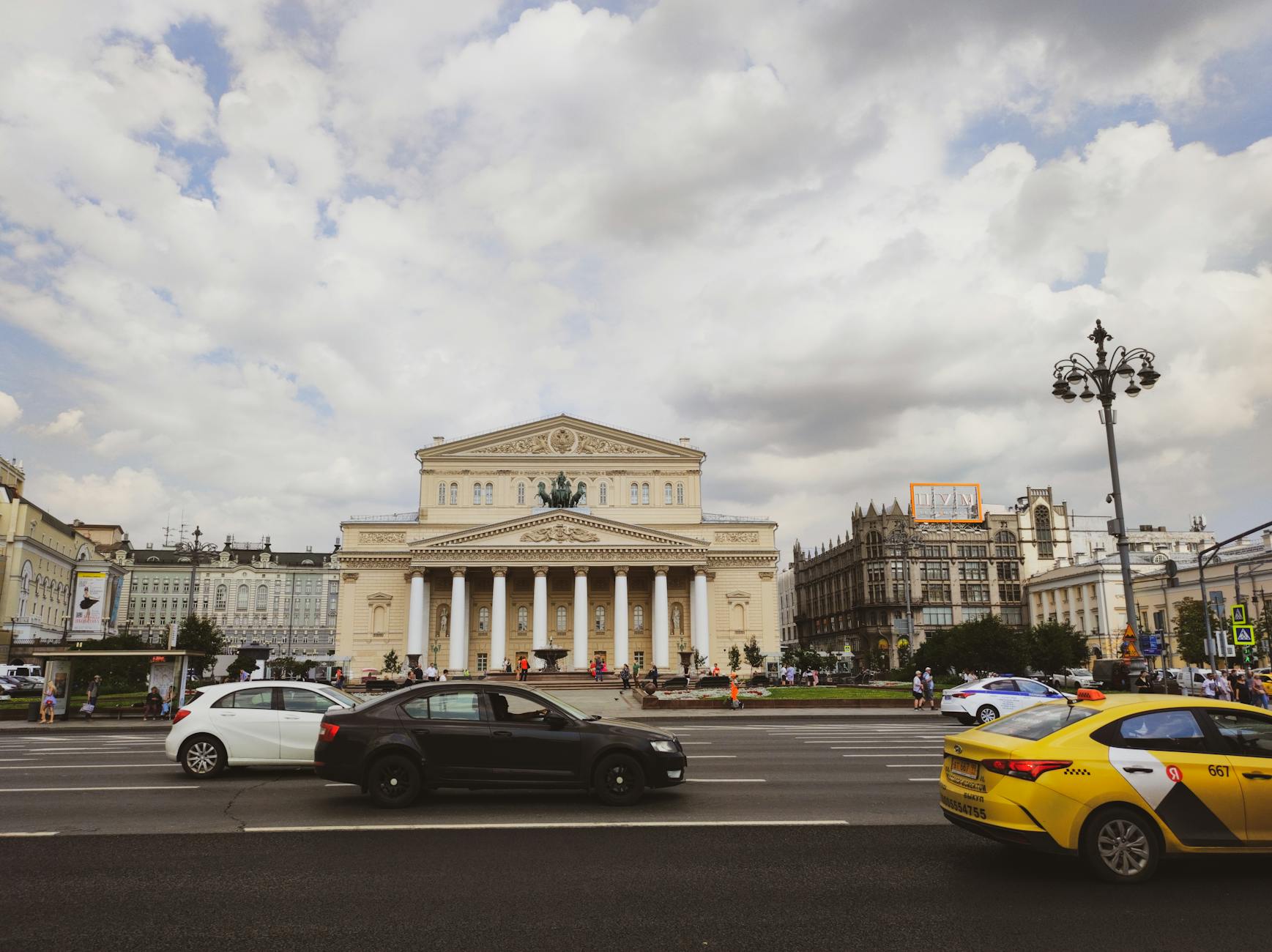
Commencez par confirmer une course réservée par l'intermédiaire d'un répartiteur agréé ; à Moscou en 2010, héler un taxi dans la rue n'est pas fiable pendant les heures de pointe du matin et du soir. Choisissez un système avec un numéro de téléphone connu et un portail en ligne si disponible, et veuillez vérifier les détails du chauffeur avant de partir.
L'endroit où réserver est important : plusieurs agences opèrent à Moscou avec une couverture étroite dans des zones comme le centre-ville et le périphérique extérieur. En 2010, la pénurie de voitures pendant les heures de pointe entraînait des retards ; vérifiez l'heure d'arrivée estimée et gardez à l'esprit que le tarif total peut inclure des péages. Un chauffeur d'un système réputé est plus susceptible de vous joindre plus rapidement qu'une prise en charge aléatoire dans la rue, en particulier près des centres de transit achalandés.
Après avoir appelé ou vous être connecté, précisez les classes que vous préférez : berline complète ou véhicule plus grand si vous avez des bagages ; à Moscou en 2010, il y avait plusieurs niveaux et différents niveaux de prix ; vous pouviez demander des classes standard ou executive ; indiquez clairement que vous vous attendez à un chauffeur agréé et que la voiture n'est pas réservée par quelqu'un d'autre.
Seuls les services de taxi agréés doivent être utilisés. Traditionnellement, les chauffeurs faisaient la queue près des principaux corridors et des centres de métro ; le point de rencontre doit être une adresse visible, pas un coin vague. Ici, vous pouvez vérifier la plaque d'immatriculation et le nom de l'entreprise lorsque la voiture arrive ; certaines voitures peuvent être un peu plus anciennes, mais un système enregistré réduit les risques.
Pendant que vous attendez, restez à l'intérieur de la zone de prise en charge désignée pour éviter toute confusion ; gardez le numéro de téléphone du répartiteur à portée de main et vérifiez que le chauffeur correspond au nom indiqué sur la réservation. Après être monté, confirmez la destination avec le chauffeur et demandez une estimation du tarif avant de commencer ; cela permet d'éviter les malentendus dès le départ.
Le paiement doit être effectué avec le système utilisé pour la réservation ; de nombreux chauffeurs n'acceptaient que de l'argent comptant en 2010, tandis que certains ont commencé à offrir des options sans espèces. Si quelqu'un essaie de vous vendre quelque chose ou d'emprunter un itinéraire plus long, insistez sur l'itinéraire que vous avez spécifié. Assurez-vous de conserver le reçu ou le numéro de réservation pour un éventuel litige ultérieur.
La couverture variait : le centre et les zones extérieures étaient desservis, mais certains districts utilisaient un style de répartition de Saint-Pétersbourg pour accélérer les appels ; il y avait plusieurs centres de transit pour joindre un chauffeur, en particulier près des sorties de métro. Cette approche a permis d'obtenir des estimations plus claires et une prise en charge plus rapide dans les corridors achalandés.
Après l'arrivée à destination, vérifiez le reçu et confirmez que vous êtes facturé comme convenu ; si la voiture ne s'est pas présentée dans le délai prévu, contactez le répartiteur et demandez un remplacement sans quitter le trottoir ; si nécessaire, vous pouvez utiliser un transfert de secours avec un autre système pour éviter de manquer des réunions importantes.
Prévoyez plus de temps ; pendant les matins achalandés, réservez plus tôt et choisissez les zones centrales avec plusieurs options de répartition pour réduire le risque de pénurie. Ici, confirmez toujours l'heure et le lieu de la prise en charge.
Identifier les options de taxi à Moscou (héler dans la rue, comptoir d'hôtel, radio-taxi et répartition téléphonique)
Choisissez le comptoir d'hôtel ou un réseau radio pour obtenir le meilleur équilibre entre fiabilité et clarté des prix ; héler dans la rue peut être plus rapide sur les routes peu fréquentées, mais attendez-vous à des temps d'attente plus longs et à des lacunes linguistiques. Voici quatre façons de vous faire conduire à Moscou qui vous aideront à faire un choix judicieux pour vos plans et votre esprit.
Après un vol, que vous arriviez d'un aéroport ou en train, réserver par téléphone ou au comptoir de l'hôtel vous semblera plus sûr et probablement plus rapide ; vous pouvez suivre la voiture et passer moins de temps à attendre en toute sécurité.
Les langues sont importantes : les chauffeurs russes dominent, tandis que l'anglais est courant dans les grands hôtels et les réseaux ; pour ceux qui parlent d'autres langues, ayez les détails de la destination prêts ici en cyrillique ou en anglais pour éviter toute confusion avec le chauffeur.
Les prix varient selon l'option et la zone ; tarifs de base autour de 80 à 150 roubles, puis 10 à 15 roubles par kilomètre ; les trajets à l'aéroport et les heures de pointe prennent plus de temps et coûtent plus cher, prévoyez donc des dépenses qui correspondent à votre budget ; les pourboires sont gagnés par les chauffeurs et sont courants dans la culture, alors ayez-en en pièces de monnaie ou en petits billets à portée de main.
Éléments à prendre en compte : une connaissance complète de l'itinéraire aide à tenir compte de la configuration des routes et des options de transport en commun ; vous pouvez choisir le service qui convient le mieux à vos besoins, que vous soyez seul ou avec eux ; cet article énumère les détails pour vous aider à comparer, ce qui vous permet de prendre une meilleure décision ici et maintenant. Vous pouvez ensuite choisir l'option qui offre le meilleur équilibre entre prix, sécurité et rapidité.
| Option |
Où y accéder |
Comment ça marche |
Avantages |
Inconvénients |
Coûts typiques (approximatifs) |
| Héler dans la rue |
Dans les rues achalandées près des avenues centrales ou près des sorties de métro |
Levez la main ; confirmez la prise en charge ; indiquez la destination ; le compteur démarre à la prise en charge |
Rapide lorsque les voitures passent ; pas de réservation à l'avance ; flexible |
Peu fiable en cas de circulation dense ; lacunes linguistiques ; le prix peut varier |
Base 80 à 150 roubles ; en ville 600 à 1200 roubles ; trajets à l'aéroport 1500 à 2500 roubles |
| Comptoir d'hôtel |
Comptoir de concierge dans les grands hôtels ; demandez à la réception |
Ils appellent un réseau de confiance ; vous fournissez le lieu de prise en charge et la destination ; peuvent demander un chauffeur anglophone |
Fiabilité accrue ; reçus ; heure d'arrivée prévue prévisible |
Plus lent pendant les heures de pointe ; frais de comptoir possibles |
Base 120 à 180 roubles ; ville 700 à 1500 roubles ; aéroport 1500 à 2500 roubles |
| Répartition radio |
Flottes d'entreprises ; souvent visibles dans les quartiers d'affaires |
Le répartiteur attribue un taxi ; le chauffeur est avisé ; rendez-vous au lieu de prise en charge |
Prix au compteur ; traçable ; options anglophones |
Les heures de prise en charge dépendent de la demande de la flotte |
Base 100 à 160 roubles ; ville 700 à 1400 roubles ; aéroport 1400 à 2300 roubles |
| Répartition téléphonique |
Services de centre d'appels ou d'applications ; utilisable partout |
Passez une commande ; recevez l'heure d'arrivée prévue ; demandez la langue ; le chauffeur appelle ou envoie des messages |
Bonne couverture linguistique ; suivi du chauffeur ; options de pré-arrangement |
Frais de téléphone ; certains réseaux sont lents aux heures de pointe |
Base 100 à 170 roubles ; ville 800 à 1500 roubles ; aéroport 1400 à 2300 roubles |
Passez une commande par téléphone ou par radio : script et conseils pour une communication claire
Recommandation : Appelez le répartiteur le plus proche maintenant et présentez une demande concise dans les langues de votre choix. Indiquez la ville : Saint-Pétersbourg ; précisez une berline noire et donnez le lieu de prise en charge exact. Demandez un chauffeur et notez les options pour le type de voiture, le mode de paiement et la langue ; cela vous aide à obtenir la bonne voiture plus rapidement et en toute tranquillité d'esprit.
Script : "Bonjour, c'est Saint-Pétersbourg. J'ai besoin d'une berline noire à [adresse]. Langue : anglais. Veuillez envoyer le chauffeur et confirmer l'heure d'arrivée prévue. S'il y a des options, indiquez-moi les frais et le chauffeur le plus proche. J'aurai une liste de bagages prête et une heure de départ en tête ; le but est de minimiser le trafic à travers et d'obtenir une prise en charge rapide.
Conseils : Parlez lentement et clairement. Énoncez les noms de rues et les rues transversales, puis répétez-les pour confirmer. Si vous préférez d'autres langues, mentionnez-le ; vous pouvez même dire appeler pour demander un rappel dans cette langue. Gardez le moment de la course très précis et vérifiez l'estimation des frais avant la course, en évitant absolument les surprises concernant le tarif.
Une approche étape par étape est utile ; tout au long de l'appel, recueillez une liste claire de détails : lieu de prise en charge, destination, nombre de bagages, nombre de passagers et toutes les dettes ou notes de facturation. S'il y a un autre voyageur, mentionnez-le. Utilisez l'heure de départ pour vous aligner sur le système et vérifiez entre les options pour choisir la meilleure solution. Connaître les itinéraires peut réduire les retards.
Vérifications du système : confirmez le chauffeur le plus proche, les heures entre prévues et tout ajustement des frais. Si vous avez des dettes au dossier, réglez-les avant la prise en charge ; sinon, demandez comment gérer le paiement. Si les bagages sont lourds ou volumineux, précisez la taille pour éviter les problèmes d'espace. Si quelque chose change, demandez une autre option ou un véhicule différent.
Cet article sur les courses à Saint-Pétersbourg met en évidence les étapes pratiques ; dans les conditions du marché russe, les tarifs et les heures peuvent varier. Si vous n'avez pas encore gagné de récompenses, commencez par les bases et créez un flux plus fluide à partir du répartiteur le plus proche. N'oubliez pas que le système est conçu pour vous aider à vous déplacer rapidement, mais vous devez fournir beaucoup de clarté et les bons détails pour éviter les allers-retours.
Fournissez des détails précis sur le lieu de prise en charge : adresse, point de repère, entrée de l'immeuble et étage
Quatre éléments essentiels aident les chauffeurs à vous localiser rapidement : l'adresse exacte avec le numéro de l'immeuble, un point de repère à proximité, l'entrée spécifique et l'étage d'attente. À Moscou et dans les centres de transit, cela réduit les retards pendant les heures de pointe dans les aéroports et les gares.
Enregistrez l'adresse sur une seule ligne : nom de la rue, numéro de l'immeuble, lettre de l'entrée (A/B) si elle est présente et l'étage. Si un complexe a plusieurs entrées, précisez celle qui est désignée et le nom du hall d'entrée tel qu'il est indiqué sur la signalisation. Si l'accès est restreint, ajoutez des instructions d'interphone ou de concierge afin qu'un chauffeur puisse arriver sans confusion.
Incluez un point de repère clair : devanture de magasin, statue, entrée de métro ou station de taxi à portée de vue ; notez l'étiquette de la station et tout numéro de station visible dans les aéroports ou les terminaux. Cela aide la voiture à vous prendre plus rapidement au lieu de tourner en rond dans une station achalandée pendant plus longtemps.
Indiquez l'entrée exacte et les indications intérieures : "2e étage près des ascenseurs", "rez-de-chaussée près du café". Dans les villes rurales de Russie ou les centres-villes achalandés, précisez le corridor ou le point de rencontre pour accélérer la prise en charge. Cela minimise le risque d'un changement de dernière minute et maintient le processus bien organisé.
Conseils : conservez un enregistrement concis sur votre appareil avec l'adresse, le point de repère, l'entrée, l'étage, le terminal ou la station et tous les détails du vol, le cas échéant. Si possible, téléchargez les informations sur votre téléphone afin que le chauffeur puisse suivre les progrès et arriver à l'heure prévue. Cette approche rend la course plus confortable pour quelqu'un et contribue à un sentiment de sécurité pour le transit.
Le paiement en roubles est courant ; mentionnez la devise préférée si nécessaire. Si vous vous attendez à une prise en charge tôt ou à une heure de pointe en semaine, précisez une fenêtre qui évite les heures chargées et réduit le risque d'une correspondance manquée, en particulier après une arrivée de vol.
Comprendre les itinéraires, les tarifs et les détours courants à prévoir à Moscou en 2010
Prenez le métro comme épine dorsale pour la plupart des trajets centraux ; il vous mènera directement aux centres névralgiques et constitue un excellent moyen de vaincre la congestion routière de fin de journée.
- Itinéraires et réseau : en 2010, Moscou exploitait huit lignes de métro avec environ 180 stations, couvrant environ 300 km. Bien qu'il existe plusieurs itinéraires, la méthode la plus simple consiste à planifier avec un site Web ou une recherche de type Google Maps pour les points de transfert tels que Kiyevskaya, Tverskaya et Park Pobedy. Les trains électriques de banlieue (elektrichka) des gares de Belorussky ou de Kazansky offraient une autre option pour atteindre les districts extérieurs lors du même trajet.
- Tarifs et paiement : un seul trajet coûtait environ 22 à 28 roubles dans le métro et la plupart des transports de surface ; ces prix variaient légèrement selon la ligne. L'argent comptant était largement disponible aux guichets et dans de nombreux autobus ; les jetons étaient courants, tandis que les cartes existaient à une échelle limitée. Si possible, apportez de l'argent comptant et vérifiez les chiffres actuels sur le site Web officiel ; certains itinéraires permettaient le paiement par carte sur des bases d'essai. Juste au cas où, quelques véhicules prenaient en charge les cartes même à ce moment-là, mais l'argent comptant restait la méthode prédominante.
- Détours et travaux routiers : les artères principales comme l'avenue Leningradsky et l'anneau des jardins ont connu de fréquents détours, en particulier pendant la construction ou les événements. La circulation de fin de journée pouvait prolonger les trajets de 10 à 20 minutes, et les longs détours n'étaient pas rares. Il peut y avoir une pénurie de taxis pendant les heures de pointe, alors planifiez à l'avance et envisagez de passer à un trajet en train ou en autobus au besoin.
- Planification pratique : pour effectuer un trajet efficacement, utilisez la recherche sur un site Web et confirmez l'itinéraire sur Google avant de partir. Ces outils vous permettent de comparer les itinéraires directs aux plans à plusieurs étapes et de choisir un chemin simple qui minimise la marche. Si une ligne est temporairement fermée, des autobus de remplacement ou un segment de métro différent seront suggérés pour vous permettre de continuer à vous déplacer.
- Signalisation et langues : les panneaux dans le réseau central étaient souvent bilingues ; la connaissance du cyrillique reste utile, mais la prise en charge des langues est apparue sur de nombreuses cartes et par le biais d'applications de traduction. Une recherche rapide peut vous aider à lire les noms de stations et les correspondances dans votre langue, ce qui facilite la vie des voyageurs.
- Conclusion : combinez le métro pour le centre-ville, le train pour la périphérie et un dernier trajet en autobus pour les derniers kilomètres. Cette méthode est simple et vous fera gagner du temps pour la plupart des trajets. Ils seront suffisamment fiables pour atteindre votre destination si vous planifiez, tenez compte des retards possibles et transportez à la fois de l'argent comptant et une carte transférable si disponible.
Méthodes de paiement, normes de pourboire et comment obtenir un reçu après la course
Sélectionnez toujours un mode de paiement à l'avance dans l'application pour facturer automatiquement le tarif après la course. Parmi les services de la ville de Moscou, les paiements par carte et les portefeuilles mobiles sont les options les plus populaires, avec un traitement rapide et sans contact qui maintient la ligne en mouvement ; l'argent comptant n'est pas toujours pratique et peut entraîner des temps de prise en charge plus longs selon le service. Vérifiez toujours les frais finaux dans l'application avant de la fermer. La configuration ne prend que quelques clics, très rapide pour changer de méthode ou revenir plus tard si nécessaire. Les options disponibles incluent le paiement sans contact et les portefeuilles QR.
Choisissez de payer avec des tarifs fixes ou par distance/temps ; des offres fixes existent pour les trajets à l'aéroport ou les corridors spécifiques, tandis que les autres courses suivent un tarif variable. Suivez le tarif avant de confirmer, et soyez conscient que différents itinéraires et charges de bagages peuvent faire grimper le total au-dessus du prix de base, parfois plus élevé que prévu. Si vous voyagez en groupe, envisagez un véhicule plus grand pour éviter les frais supplémentaires et maintenir le coût équitable pour tout le monde ; certains services affichent également une promotion à moitié prix pendant les heures creuses, le cas échéant.
N'oubliez pas que le pourboire n'est pas obligatoire mais assez courant dans les courses en ville. Vous pouvez arrondir le tarif ou ajouter un pourboire dans l'application ; si vous avez payé en espèces, un petit pourboire en espèces est le bienvenu. Pour les chauffeurs, les pourboires aident à compléter le salaire, en particulier lors des longs quarts de travail ou des heures de pointe ; le salaire n'est pas élevé sur tous les itinéraires, mais le supplément vient de vous lorsque le service répond aux attentes. La meilleure pratique est de donner un pourboire lorsque cela aide vraiment le chauffeur et maintient le service à son meilleur. Venez avec soin ?
Reçu après la course : Dans l'application, allez dans les détails du trajet et sélectionnez Reçu. L'application offre généralement des options pour Envoyer le reçu par courriel ou Enregistrer au format PDF ; vous pouvez télécharger un document qui sert de billet pour le suivi des dépenses. Si l'option n'est pas visible, contactez le support ; vous pouvez demander une copie par clavardage, courriel ou soumission de billet. Puisque l'historique des courses est suivi, le document affichera la date, l'heure, la distance et les détails des frais ; gardez-le à portée de main pour les journaux de voyage et le remboursement. L'application conserve les reçus et les billets pendant un an ; conservez les dossiers annuels pour les futurs audits. Puisque ces données sont enregistrées, vous pouvez filtrer par date pour simplifier une liste ou un rapport d'impôt.
Gardez ces conseils à l'esprit pour rester efficace : suivez toujours les frais, choisissez des méthodes de paiement rapides et conservez un reçu. Conservez une liste personnelle de reçus pour simplifier la budgétisation et le remboursement. Dans les grandes villes de Moscou, cette approche réduit la confusion et aide à la budgétisation et aux remboursements. Si vous voyagez avec des bagages, notez tous les frais supplémentaires et assurez-vous d'avoir des billets précis pour chaque course ; cela vous aide à éviter les surprises lorsque vous passez en revue la liste plus tard. Revenez pour vérifier les reçus à tout moment.