Ces étapes commencent par un visa via le portail en ligne officiel et un sponsor avant le départ. Cette action concrète vous aide à devenir qualifié pour la Russie, accélère la décision et renforce vos droits de travailler et d'accéder aux services publics. Lorsque vous atterrissez, vous devez être enregistré à votre adresse dans les sept jours ; cette exigence comporte des limitations si vous la manquez, alors organisez le logement et l'enregistrement en tandem. Conservez des copies numérisées de chaque document en ligne et prêtes pour des mises à jour rapides.
Vérifiez la liste des documents requis auprès du consulat ; ces exigences énumérées varient selon la catégorie et la saison. Si un élément est manquant, l'ambassade demande souvent un ajout, ce qui retarde l'approbation. Conservez un dossier en ligne avec tous les documents et un e-mail de sauvegarde pour recevoir les mises à jour en temps réel. Des conseils supplémentaires sont disponibles sur les portails officiels.
Pour devenir qualifié pour la Russie, vous avez généralement besoin d'une offre d'emploi ou d'une admission d'une entité russe. La réforme de la politique migratoire élargit les canaux d'accès aux travailleurs qualifiés, permettant une entrée plus facile lorsque vous avez des spécialités recherchées. Après votre arrivée, vous aurez le droit de travailler et d'accéder aux soins de santé publics, à condition d'avoir une couverture d'assurance maladie appropriée ; certaines cliniques acceptent également les assurances internationales. Cette approche ne vous enferme pas dans un seul employeur, et vous devez surveiller les conditions de visa et les exigences de déclaration. L'enregistrement doit être tenu à jour pour éviter les pénalités ; si vous restez en dehors de la catégorie indiquée, vous risquez de perdre votre statut.
Les options de logement varient selon la ville. À Moscou et à Saint-Pétersbourg, un appartement d'une chambre dans le centre-ville coûte généralement entre 1200 et 1800 euros par mois, tandis qu'en dehors des centres, il varie entre 700 et 1100 euros. Dans les petites villes, prévoyez entre 350 et 700 euros. Les arrangements de longue durée nécessitent généralement un dépôt de garantie d'un mois plus les charges de 50 à 150 euros par mois. De plus, tenez compte d'Internet, de l'entretien et des frais de propriétaire. Des options abordables existent au-delà des villes principales ; les investissements dans des quartiers conviviaux peuvent offrir une bonne valeur. Si vous prévoyez d'investir dans le logement, travaillez avec une agence agréée pour éviter les escroqueries et recevoir des contrats clairs ; les agences légitimes sont des entités enregistrées et peuvent vous aider à négocier des conditions favorables.
Ouvrez un compte bancaire local auprès d'une entité bancaire russe ; les services bancaires en ligne aident à gérer le salaire et les impôts. Choisissez des banques avec un support multilingue pour faciliter l'intégration. Lorsque vous remplissez les contrats de logement et de service, conservez les reçus officiels et assurez-vous que votre enregistrement est mis à jour pour protéger vos droits en tant que résident. Si vous avez des investissements ou des partenariats, consultez un conseiller local pour vous assurer de la conformité aux règles fiscales et de résidence ; vous pouvez recevoir des revenus de placement via la zone euro ou des comptes en roubles, selon le cas. Ces étapes consolident ensuite vos droits de résidence.
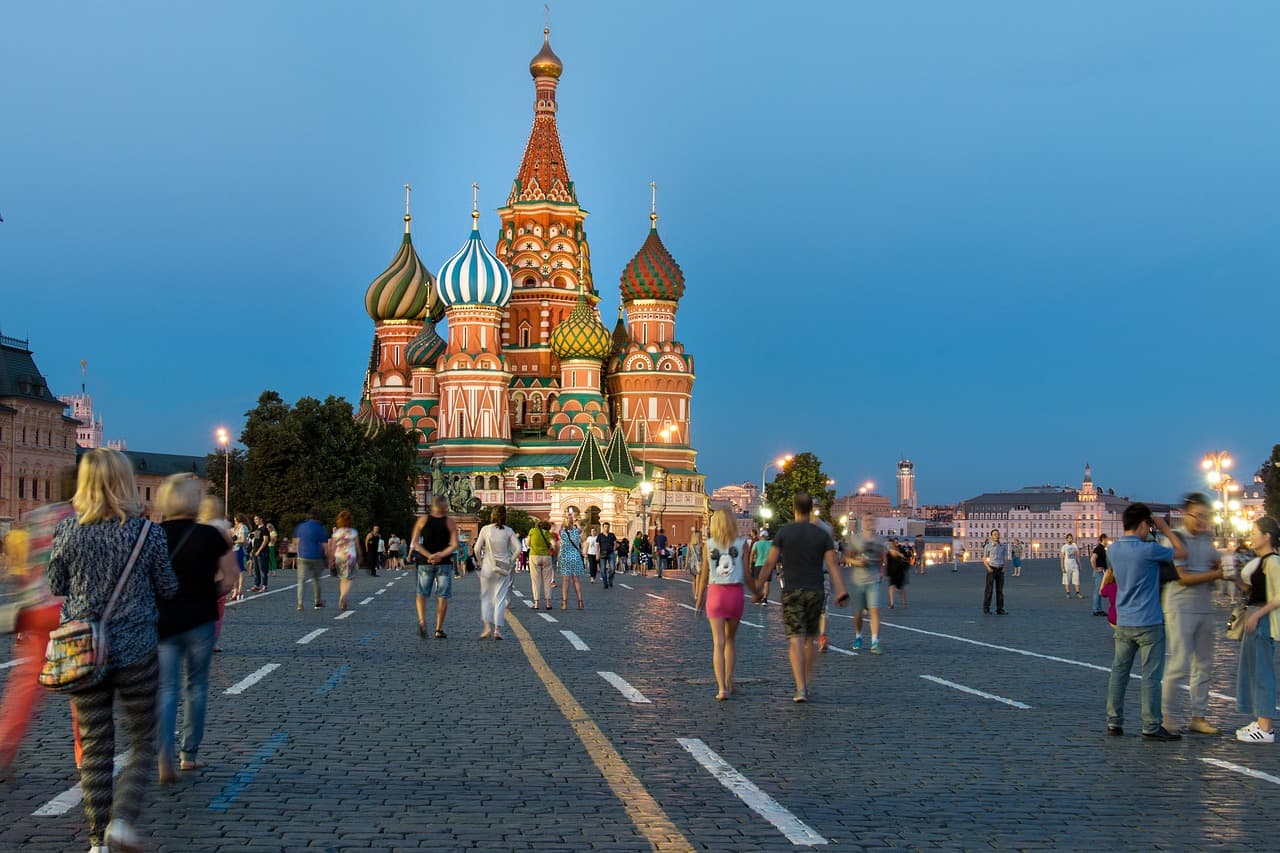
Déménager en Russie : Un guide pratique pour les expatriés (Visas, Coûts, Logement) ; Complexités fiscales transfrontalières
Vérifiez votre résidence fiscale dans les 30 premiers jours de votre relocalisation ; cela clarifie si vous êtes imposé en tant que résident et comment vos revenus provenant de l'emploi, des investissements et des entreprises sont traités. Cette seule décision déclenche des obligations de conformité essentielles, en gardant les déclarations personnelles alignées sur les règles de référence locales.
Dans les scénarios transfrontaliers, comprenez le cadre de la double imposition et comment les crédits ou les exemptions s'appliquent. Distinguez les revenus provenant de l'emploi, du travail indépendant et des investissements ; assurez-vous du même traitement dans toutes les juridictions. Lorsque des traités existent, vérifiez les conditions ouvertes pour éviter les chocs et protéger vos résultats.
| Sujet | Considérations clés | Action |
|---|
| Définition de la résidence fiscale |
Règle des 183 jours ; le statut de résident affecte l'imposition du revenu mondial ; peut nécessiter un enregistrement local |
Suivre les jours ; consulter un conseiller ; déposer une déclaration annuelle |
| Statut du traité de double imposition |
Crédits vs exemptions ; certains types de revenus sont répertoriés avec des taux réduits |
Vérifier les clauses du traité ; cartographier l'allègement par rapport à la juridiction d'origine |
| Sources de revenus |
Emploi, travail indépendant et investissements en capital ; retenue sur dividendes/intérêts |
Identifier le pays source ; planifier les taux de retenue |
| Cotisations sociales |
Des cotisations obligatoires peuvent s'appliquer quel que soit le lieu de résidence ; les taux varient |
S'inscrire auprès du fonds social ; budgétiser mensuellement |
| Déclaration fiscale et délais |
Déclarations annuelles ; conversion de devises ; conservation des documents |
Préparer les documents de référence ; tenir des registres de haute qualité |
| Impôt sur la succession et l'héritage |
Selon le régime ; peut affecter les héritiers transfrontaliers |
Planifier avec un spécialiste ; envisager la planification successorale |
| Investissements agricoles/commerciaux |
Des régimes spéciaux peuvent s'appliquer aux entreprises agricoles et aux petites entreprises ; les impôts peuvent être volatils |
Engager un conseiller fiscal ; structurer les investissements pour s'aligner sur la conformité |
Ouvrez des lignes de communication avec les autorités et conservez un centre pour les registres ; suivez les chocs dans les taux et rappelez-vous qu'une approche bien structurée donne des résultats stables. Les pratiques de référence en matière de documentation et de dépôts en temps opportun minimisent les risques, en particulier lors de la gestion des investissements et des accords répertoriés.
Visas, résidence et installation de logement pour les expatriés
Obtenez un chemin de travail-résidence par le biais de l'autorité régionale de migration dès que les documents s'alignent ; embauchez un spécialiste. Cela permet l'enregistrement du centre, l'accès bancaire et les options de logement.
- Principales voies :
- Résidence basée sur l'emploi : le parrainage de l'employeur initie un permis de travail ; les RH soumettent à l'autorité ; après approbation, une carte de séjour est délivrée et valable plusieurs années avec des renouvellements. En pratique, les chances s'améliorent dans les plus grandes villes et avec les équipes internationales.
- Voie d'études : admission par une université ; visa étudiant ; droits de travail limités ; le traitement varie généralement de 1 à 3 mois ; les services aux étudiants internationaux aident à l'enregistrement et à l'installation du logement.
- Regroupement familial : rejoindre un conjoint ou un proche parent ; nécessite une documentation valide, des traductions et des apostilles ; les délais varient selon la région.
- Documents dont vous aurez besoin :
- Passeport avec une validité d'au moins six mois
- Photos récentes ; biométrie si nécessaire
- Lettre d'invitation ou lettre d'admission de l'université
- Preuve de revenu ou de fonds (bulletins de salaire ou relevés bancaires)
- Contrat de location ou confirmation de logement
- Assurance médicale couvrant le séjour
- Historique de résidence antérieure ou casier judiciaire si demandé
- Calendrier et prix :
- La fenêtre de traitement typique varie de 1 à 3 mois ; les périodes de pointe peuvent s'étendre au-delà.
- Les frais varient selon la voie et la ville ; les frais typiques se chiffrent en milliers de roubles plus les frais d'agence ; budgétiser les prix et planifier à l'avance, les prix diffèrent selon l'autorité.
- Le pourcentage d'approbation dépend de la voie, de l'exhaustivité des documents et de l'autorité ; des registres solides augmentent les rendements.
Le consultant jamess, un spécialiste de la relocalisation basé à Austin avec une formation britannique et une pratique internationale, aide à adapter les documents, les traductions et les contacts ; cela réduit les retards et aligne les soumissions sur les exigences locales. Ce que vous devez comprendre, c'est qu'un dossier clair se déplace plus rapidement au centre du processus et vers un statut stable.
- Installation du logement et paiements :
- Le choix de la zone est important : le centre offre des trajets plus courts mais des prix plus élevés ; les complexes adjacents aux bois offrent de la verdure sans sacrifier l'accès. Différents quartiers offrent des ambiances et des niveaux de sécurité variables ; évaluez vos priorités avant un bail.
- Fourchettes de budget (loyers mensuels) :
- Centre de Moscou : 70 000 à 120 000 roubles ; quartiers extérieurs : 40 000 à 70 000
- Centre de Saint-Pétersbourg : 50 000 à 90 000 ; quartiers extérieurs : 28 000 à 50 000
- Le dépôt équivaut généralement à 1 à 2 mois de loyer ; les baux sont généralement de 12 mois avec des options de renouvellement ; les services publics peuvent être facturés séparément et varient selon la saison.
- Approche de recherche : utilisez des courtiers réputés, des portails locaux et renseignez-vous sur les options meublées ; assurez-vous que le contrat comprend les droits aux services publics et à l'accès au bâtiment ; demandez une copie en anglais du bail si nécessaire ; enregistrez l'adresse dans les 7 jours suivant l'emménagement.
- Liste de contrôle d'emménagement : inspectez l'état de l'appartement, documentez les défauts avec des photos, vérifiez Internet et le chauffage, confirmez que les coordonnées du propriétaire sont disponibles et notez les procédures d'accès au bâtiment.
- Des configurations fiscalement avantageuses existent pour le travail à distance international ; consultez un spécialiste local pour optimiser votre salaire net et comprendre les avantages régionaux disponibles.
Un changement de statut de résidence ou de conditions de logement peut entraîner des exigences de revalidation ; restez informé via les mises à jour de l'autorité et maintenez une négociation flexible avec les propriétaires pour protéger vos intérêts. Les options disponibles se développent dans les principaux centres, tandis que les valeurs dans les complexes de banlieue ont tendance à générer des prix stables et des services fiables.
Options de visa par objectif et nationalité
Commencez par une voie de travail alignée sur votre plan professionnel, ou une voie d'investisseur si la propriété fait partie de votre objectif ; les candidats américains avec une offre d'emploi confirmée obtiennent généralement un permis de travail via le système public, avec un calendrier rapide et des restrictions claires. Ce qui est réellement possible dépend de votre profil ; posez des questions à votre conseiller et gardez une liste de contrôle à portée de main.
Les types comprennent l'emploi, l'investissement, les études, le regroupement familial, la retraite et les catégories humanitaires. Chaque type a sa propre liste de preuves et son propre chemin de transition entre les options, et vous pouvez changer plus tard si les objectifs changent - plus d'une voie peut s'appliquer en parallèle.
Spécificités de la voie de l'emploi : un contrat de travail, le parrainage de l'employeur et une vérification des antécédents publics ; les documents requis comprennent le passeport, les photos, le certificat médical et la preuve des qualifications professionnelles ; le traitement typique dure de 4 à 12 semaines selon la région.
Voie de l'investisseur : une entreprise enregistrée ou un capital important ; des structures fictives peuvent exister pendant la mise en place, mais une activité réelle doit suivre dans les mois qui suivent ; les fonds doivent provenir de sources légitimes ; des restrictions s'appliquent. источник le portail officiel répertorie les exigences.
Voie étudiante : inscription à des programmes accrédités ; visa lié à la fréquentation continue ; doit maintenir le statut d'inscription ; mises à jour requises à chaque trimestre ; les documents comprennent la lettre d'admission, les reçus de scolarité et les détails de l'assurance maladie ; vous postulez via le département de l'éducation ou le consulat.
Séjours familiaux, de transit et humanitaires : le regroupement familial nécessite une preuve de parenté ; les visas humanitaires couvrent les soins médicaux ou les circonstances de refuge ; les visas de transit sont de courte durée ; vérifiez les restrictions sur les longues escales et les étapes supplémentaires ; vous pouvez avoir des questions à un conseiller local.
Spécificités de la nationalité : les antécédents américains, britanniques, indiens, chinois, allemands et autres ont des temps d'attente et des vérifications différents ; consultez toujours un conseiller local, préparez des questions spécifiques et vérifiez la dernière mise à jour avec le portail public avant de postuler.
Étapes pratiques : rassemblez les documents, les traductions et les apostilles ; postulez en ligne, ou via une soumission de ticket à un consulat ; suivez les progrès et attendez-vous à un éventuel crash du système ; gardez la main sur le processus et coordonnez-vous avec un comptable pour aligner les documents fiscaux ; cela réduit les erreurs.
Location et vie locale : le type de visa influence les droits de location et les vérifications du propriétaire ; connectez-vous avec un conseiller local pour cartographier les zones de la ville avec un bon rendement ; les bois ruraux près des options moins chères peuvent aider pendant que vous attendez ; planifiez à l'avance l'enregistrement de la résidence.
Banque et finances quotidiennes : les résidents américains peuvent utiliser des banques comme Chase pour les dépôts initiaux ; assurez-vous que le statut de visa est reflété dans l'ouverture du compte ; les services publics exigeront une preuve ; mettez à jour les documents lorsque le statut change.
Documents, délais et conseils pour les rendez-vous
Réservez le rendez-vous le plus tôt possible et rassemblez un dossier complet six à huit semaines à l'avance. Cela évite les bousculades de dernière minute, garantit que les traductions et les timbres sont en place et maintient votre dossier en mouvement constant dans le système.
Les documents de base à préparer maintenant comprennent : la page du passeport avec une validité au-delà de votre séjour prévu ; un acte de naissance complet ; tout acte de mariage/divorce ; les diplômes ou les licences professionnelles ; une lettre ou un contrat de l'employeur indiquant le poste et le salaire ; les relevés de pension le cas échéant ; les relevés bancaires ou la preuve des fonds ; la preuve de propriété ou un contrat de location signé pour régler les arrangements de logement ; le casier judiciaire ; les photos répondant aux spécifications officielles ; le numéro de sécurité sociale ou l'équivalent national ; les traductions effectuées par un traducteur assermenté ; l'apostille ou l'authentification si demandée ; et les reçus pour tous les frais gouvernementaux. Si certains documents proviennent d'Italie, assurez-vous de la légalisation et de la traduction appropriées ; leurs traductions reposent sur des sources externes (источник).
Attentes en matière de calendrier : les fenêtres d'examen de routine durent de 4 à 8 semaines ; les cycles d'automne peuvent se resserrer et le traitement peut s'étirer pendant les arriérés. Attendez-vous à ce que des milliers de pages passent par plusieurs bureaux et à ce qu'un certain nombre de formulaires soient nécessaires lorsque des personnes à charge sont incluses. Généralement, avoir un dossier préparé avec des sections bien organisées réduit les retours en arrière ; les changements réglementaires volatils peuvent modifier le calendrier, alors restez en contact avec votre point de contact pour les mises à jour.
Conseils pour les rendez-vous : apportez les originaux et les copies certifiées conformes, ainsi que les sauvegardes numériques ; Souvent, il vous sera demandé de fournir à la fois les originaux et les copies certifiées conformes. transportez les traductions sur papier plutôt que uniquement sous forme de scans ; utilisez un comptable pour vérifier toute preuve fiscale ou de paie ; préparez un dossier compact et logiquement ordonné avec des étiquettes claires pour ce que chaque document prouve ; expliquez ce que vous voulez régler et comment vous financerez la résidence continue, y compris tout petit transfert récurrent. Incluez un historique des virements bancaires indiquant la source des fonds ; si vous avez des investissements, incluez des notes à leur sujet ; discutez du statut temporaire et de la propriété potentielle à long terme, le cas échéant. Dans de nombreux cas, une bonne préparation réduit les retards inévitables et rend le processus satisfaisant ; des milliers de détails peuvent être demandés, alors gardez une liste de contacts et des notes de chaque rendez-vous. Certains formulaires de réception comprennent des champs sur les besoins familiaux, y compris les aliments.
Étapes d'enregistrement après l'arrivée : carte de migration, adresse locale et enregistrement fiscal
Effectuez la validation de la carte de migration et l'enregistrement de l'adresse locale dans les sept jours pour rester conforme aux réglementations et éviter les pénalités. Apportez votre passeport, votre carte de migration, votre page de visa et votre contrat de location ; demandez des confirmations écrites et stockez des copies numériques. Négociez les délais avec votre employeur si nécessaire ; il s'agit d'une étape de base fortement conseillée dans le monde financier.
Les données de la carte de migration doivent être mises à jour auprès du service d'immigration local pour refléter votre adresse réelle et votre plan de séjour ; ayez votre passeport et la carte sur vous et attendez-vous à une courte file d'attente. Les délais de traitement varient, mais les mises à jour se produisent généralement dans les 7 à 14 jours ; assurez-vous d'obtenir et de conserver un reçu. Cette étape aide à consolider votre statut de conformité et soutient les actions administratives ultérieures.
L'enregistrement de l'adresse locale (propiska) nécessite un dépôt auprès de l'autorité locale appropriée, généralement via le MFC ou un canal équivalent. Un propriétaire ou un hôte peut fournir une preuve d'adresse ; dans les sept jours suivant le déménagement, soumettez vos coordonnées et demandez une confirmation officielle. Cet enregistrement prend en charge l'accès aux services bancaires, à la livraison du courrier et aux services, et est également une condition préalable courante pour les renouvellements de location et les réglementations citées.
L'enregistrement fiscal commence par l'obtention d'un numéro d'identification du contribuable (INN) auprès du Service fédéral des impôts. Vous pouvez postuler en ligne via le portail officiel ou dans un bureau local ; les documents standard comprennent votre passeport, votre carte de migration et une preuve d'adresse. Le traitement prend souvent de 5 à 15 jours ouvrables. Avec l'INN, vous pouvez déposer des déclarations de revenus, ouvrir des comptes bancaires et poursuivre une planification fiscalement avantageuse pour les revenus provenant du pays. Si vous travaillez, votre employeur retiendra les impôts, mais les investissements indépendants et les opportunités de trading occasionnelles peuvent nécessiter une surveillance proactive ; les paiements en euros, les investissements et les revenus liés aux bâtiments relèvent des réglementations énumérées, et des conseils professionnels peuvent vous aider à optimiser la conformité et les finances. De plus, envisagez de mettre une bouteille d'eau et un bloc-notes dans votre sac pour rester organisé lors des rendez-vous de la première semaine ; pequenos detalhes comme ceux-ci peuvent améliorer votre flux de travail.
Pour rester du bon côté des règles et éviter les pièges, maintenez un calendrier clair, conservez des copies numériques de toutes les confirmations et demandez conseil à un conseiller qualifié lors de la négociation d'enregistrements complexes. De plus, restez au courant des options de service nueva ou جديدة qui peuvent rationaliser les processus et évaluez comment vos enregistrements s'alignent sur vos plans de résidence permanente à long terme et vos investissements fiscalement avantageux dans divers mondes financiers.
Recherche de logement : baux, dépôts et attentes du propriétaire
Négociez un dépôt remboursable de deux mois et insistez sur un bail signé et détaillé avant l'occupation. Exigez un inventaire clair du mobilier, inspectez l'état de l'appartement avec le propriétaire et exigez une date d'emménagement concrète ; confirmez les conditions de retour du dépôt dans les 30 à 60 jours suivant la fin de la location.
Les durées de bail typiques dans les plus grandes villes sont de 12 mois, avec des prolongations à 6 mois parfois possibles ; des durées plus courtes de 3 à 6 mois apparaissent dans les segments étudiants ou d'entreprise.
Comprendre les frais et la retenue : la règle générale est de 1 à 2 mois de loyer à titre de dépôt ; certains propriétaires conservent une partie du dépôt à titre de frais pour les dommages ; assurez-vous d'une liste précise dans le contrat ; vérifiez le moment du retour.
Consultez les données cadastrales et les exigences de résidence : les propriétaires peuvent demander une preuve de statut de résidence, une copie des documents de migration ou des détails du visa ; vérifiez le numéro cadastral de la propriété et le statut de propriété pour éviter toute fausse déclaration ; dans les quartiers centraux, l'emplacement, l'âge du bâtiment et la disponibilité de l'ascenseur sont des points de négociation clés.
Options de paiement : de nombreuses annonces indiquent le loyer en roubles, en dollars ou en euros ; les paiements multidevises sont courants dans les grands centres ; confirmez la devise, le traitement du taux de change et si vous pouvez payer par virement bancaire ou par carte.
Conseils généraux pour réduire les risques : recherchez les annonces avec une adresse complète, des photos et une référence cadastrale ; méfiez-vous des listes noires et des propriétaires qui exigent uniquement de l'argent comptant ; voici des conseils aux personnes qui transportent des marchandises et demandent un inventaire et un contrat signé ; les jours entre la visite et la signature peuvent être de quelques jours à plusieurs semaines.
Considérations sur la dynamique des prix : compte tenu des conditions du marché, les plus grands centres deviennent les plus chers ; le loyer moyen par mètre carré dans le centre est plus élevé ; des augmentations annuelles à deux chiffres sont possibles dans les quartiers branchés, alors vérifiez les conditions annuelles et tout plafond ; si un prix semble trop bas, réévaluez compte tenu de l'infrastructure environnante.
Budgétisation : principaux coûts par ville et type de logement
Recommandation : ouvrez un compte bancaire local, bloquez un bail à long terme dans la mesure du possible et constituez une réserve de 3 mois pour les dépôts et les services publics. vous réduirez probablement les dépenses mensuelles en choisissant une résidence en dehors des quartiers centraux tout en restant à distance de marche des transports en commun. Pour les professionnels expérimentés et toute personne qualifiée pour la Russie, la négociation d'un bail plus long peut entraîner une baisse du loyer global et une planification plus simple des permis et des enregistrements.
Fourchettes de loyer par ville et type de logement (une chambre, non meublée sauf indication contraire) :
- Moscou - centre : 70 000 à 120 000 RUB ; en dehors du centre : 50 000 à 90 000 RUB ; prix par mètre carré dans le centre : 1 800 à 2 600 RUB
- Saint-Pétersbourg - centre : 60 000 à 90 000 RUB ; en dehors du centre : 40 000 à 70 000 RUB ; prix par mètre carré dans le centre : 1 500 à 2 300 RUB
- Kazan - centre : 35 000 à 60 000 RUB ; en dehors du centre : 25 000 à 45 000 RUB ; prix par mètre carré dans le centre : 1 100 à 1 800 RUB
- Iekaterinbourg - centre : 40 000 à 70 000 RUB ; en dehors du centre : 25 000 à 45 000 RUB ; prix par mètre carré dans le centre : 1 200 à 1 900 RUB
- Novossibirsk - centre : 40 000 à 68 000 RUB ; en dehors du centre : 28 000 à 45 000 RUB ; prix par mètre carré dans le centre : 1 300 à 2 100 RUB
Coûts initiaux et récurrents liés au logement (fourchettes typiques) :
- Dépôts : généralement 1 à 2 mois de loyer ; certaines annonces demandent un acompte ; prévoyez 60 000 à 240 000 RUB selon la ville et l'unité
- Frais d'agence ou de courtage : 0 à 50 % d'un mois de loyer ; dans les transactions privées, souvent évités avec un contact direct avec le propriétaire
- Mobilier : les unités non meublées permettent d'économiser de l'argent ; les unités meublées ou semi-meublées ajoutent une valeur équivalente mensuelle de 5 000 à 25 000 RUB ou un loyer mensuel plus élevé
- Installation des services publics : des frais de connexion uniques peuvent s'appliquer ; prévoyez 1 000 à 3 000 RUB par service (électricité, eau, gaz)
Finances courantes mensuelles (fourchettes typiques, hors achats personnels) :
- Services publics (gaz, électricité, eau) : 6 000 à 12 000 RUB ; le chauffage de décembre peut ajouter 2 000 à 6 000 RUB
- Internet : 400 à 700 RUB
- Forfait mobile : 300 à 800 RUB
- Carte de transport en commun : 2 500 à 4 500 RUB
- Épicerie : 15 000 à 25 000 RUB ; Moscou et Saint-Pétersbourg ont tendance à être plus chers
Facteurs d'emplacement pour optimiser le budget :
- En dehors des quartiers centraux, vous gagnez 20 à 40 % sur le loyer tout en restant à distance de marche d'une ligne de métro ou de tramway principale
- Les prix sont généralement indiqués par mois et par mètre carré ; la comparaison des annonces par codes ec2n ou des filtres similaires permet de prédire les dépenses mensuelles réelles
- La taille de l'appartement est importante : une unité compacte de 25 à 35 m2 dans le centre peut coûter autant qu'une unité plus grande de 50 à 60 m2 à l'extérieur du centre
- Changements saisonniers : les mois de forte chaleur augmentent les services publics ; prévoyez des factures plus élevées en décembre et janvier
Notes de planification et conseils pratiques :
- Permis et enregistrements : les longs séjours nécessitent souvent un enregistrement local ; budgétisez une fenêtre de traitement unique et les frais connexes, le cas échéant
- Planification de la santé et des urgences : maintenez une couverture de santé privée et sachez où chercher des soins ; la préparation aux urgences réduit les perturbations
- Banque et transferts : utilisez une banque basée en Russie pour les transferts locaux ; conservez un compte secondaire pour les besoins internationaux
- Tactiques de recherche de propriété : ciblez les annonces avec des conditions de location flexibles ; contactez les propriétaires directement dans la mesure du possible pour éviter les frais d'agence
- Fenêtres de visite : planifiez des visites pendant les mois où le temps est doux pour évaluer avec précision le chauffage et l'isolation ; en dehors des saisons de pointe, vous obtiendrez des réponses plus rapides
- Posture de négociation : les candidats expérimentés ou les candidats qualifiés pour la Russie peuvent obtenir des contrats plus longs et des dépôts favorables
Cadre de budgétisation clé pour un plan concret :
- Estimez le loyer mensuel dans la ville et le type de logement choisis
- Ajoutez les services publics, Internet et le transport en tant que coûts mensuels fixes
- Incluez une réserve de dépôt de 1 à 2 mois et une contingence de 1 à 2 mois pour les meubles ou les réparations
- Mettez de côté un fonds annuel pour la santé et les urgences équivalent à 2 à 3 mois de dépenses essentielles
Exemple de base des finances (indicatif, Moscou en dehors du centre, une chambre non meublée) :
- Loyer : 60 000 RUB
- Services publics : 8 000 RUB
- Internet/mobile : 1 000 RUB
- Transport : 3 500 RUB
- Épicerie : 20 000 RUB
- Réserve annuelle et divers : équivalent mensuel de 10 000 à 20 000 RUB en moyenne
Un état d'esprit de planification de style européen vous aide à vous installer de façon permanente avec moins de surprises. Il est utile de cartographier un profil de mètre carré, de vérifier les permis et de s'aligner sur une banque fiable et des réseaux sociaux lorsque vous visitez des quartiers potentiels. Apprenez le système local tôt, et vous construirez un plan de finances robuste qui soutient un déménagement sûr et stable vers une nouvelle propriété dans les régions adjacentes à l'Europe et au-delà.