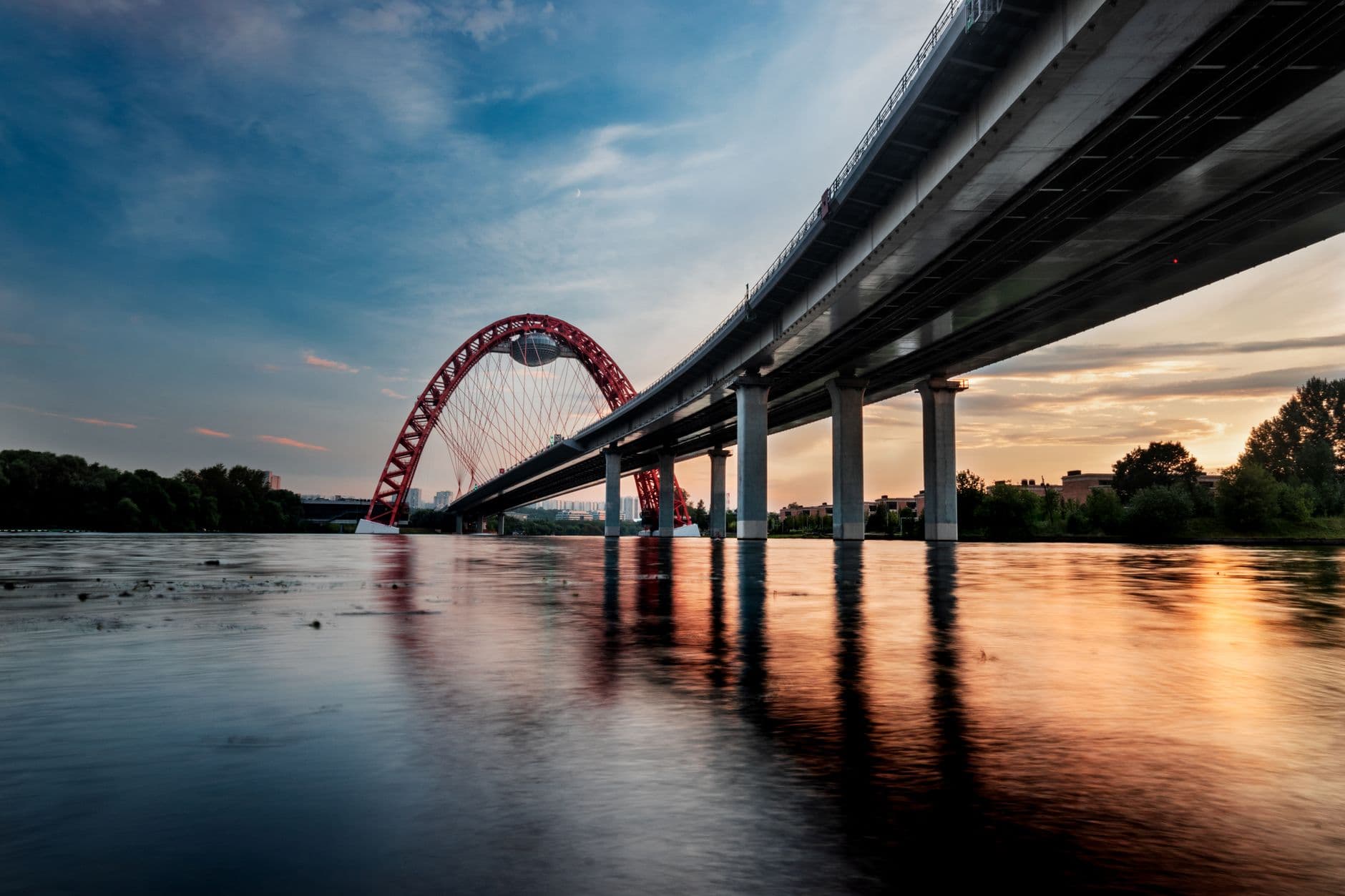
Commencez à la station Mayakovskaïa et entrez dans une place où un seul arbre, marqué par une plaque commémorative, indique l'endroit. Bien que la rue dégage une ambiance architecturale, une passerelle couverte et une tour voisine encadrent le paysage urbain, offrant une esthétique épurée.
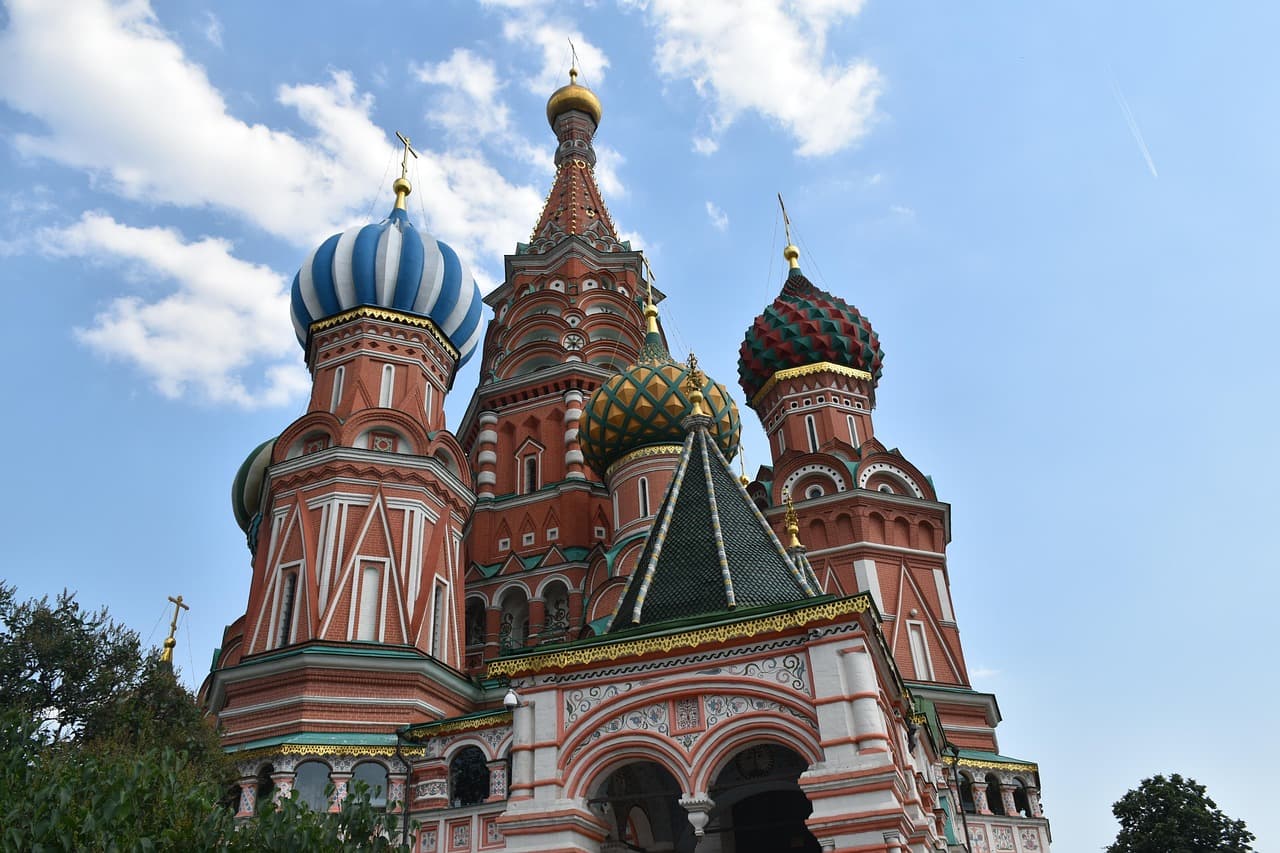
D'ici, dirigez-vous vers la zone autour des dômes et des églises près de la place emblématique. Les icônes sur les façades captent la lumière, et les vues panoramiques s'offrent quand les foules se dispersent à certaines heures. Observez les décorations sur les arches tout en saisissant l'ambiance d'époque.
Choisissez des heures où l'espace est ouvert et sûr, même si les foules sont denses. Lors d'un court voyage, un objectif léger vous permet de capturer la skyline avec un rendu net, tandis que les prises de vue à la main offrent des lignes nettes de tours contre la ville.
Que photographier : des scènes qui mélangent une tour, un arbre et des décorations avec un premier plan dégagé. En marchant, nommez l'itinéraire et notez où se trouvent les meilleurs angles, surtout le long d'une galerie couverte où les reflets multiplient les vues.
10 Spots de Street Art à Moscou : Un Guide Pratique pour 2025
Commencez par Winzavod : des murs photogéniques, une architecture en brique et une ambiance de marché. Si des autorisations sont nécessaires, consultez le bureau officiel à l'entrée et vérifiez les exigences.
Les rues du parc Gorki récompensent les explorateurs patients avec des fresques colorées et un beau contraste entre la nature et les textures industrielles. Évitez les heures d'affluence pour garder les photos nettes.
VDNKh propose des œuvres spectaculaires à grande échelle ; la lumière du jour est optimale sur les avenues orientées à l'est. De nombreuses zones ouvertes permettent des prises de vue sans autorisation, mais les chambres intérieures ou les pavillons nécessitent des permis via la voie officielle. Les prix pour l'accès aux intérieurs varient, prévoyez en conséquence.
Loubianka expose des pierres austères et des cours à la manière des domaines. Les textures y dessinent des portraits intéressants ; on peut explorer les recoins tranquilles sans foule, vérifier les règles de sécurité autour de la zone des chambres.
Les murs de la chambre près d'une propriété abandonnée le long d'un couloir d'usine de chocolat créent un décor magnifique et tendance ; le mélange de couleurs est photogénique et inspiré de la ville.
Des ruelles de marché abandonnées près du centre-ville abritent des graffitis vibrants avec des prix sur certaines toiles et de petits stands où l'on peut attraper des friandises au chocolat entre deux prises ; un tag abramovichs apparaît sur un mur de briques, ajoutant une texture personnelle audacieuse.
Winzavod : vérifiez un nouvel angle à l'intérieur des galeries blanches ; le beau contraste entre la brique ancienne et la peinture moderne est spectaculaire et photogénique ; planifiez un itinéraire pittoresque après le coucher du soleil.
Les coins de rue de la Loubianka arborent une typographie audacieuse ; les panneaux officiels apportent du contexte aux portraits ; explorez l'architecture des façades et saisissez l'ambiance de la ville avec des angles de mode audacieux.
Les rues autour des places du marché révèlent des couches d'histoire, des affiches officielles aux tags modernes ; de Gorki à VDNKh ; explorez du sol au plafond, chaque détail compte.
Conseils pratiques : emportez les autorisations nécessaires, vérifiez les horaires d'ouverture des espaces officiels, évitez les heures d'affluence et planifiez votre visite pour profiter des meilleures textures photographiques ; respectez toujours les habitants, les propriétés privées, et savourez la beauté de la ville à travers votre objectif.
Centre de Moscou : Quartiers avec une forte concentration de street art et un accès facile
Commencez dans le quartier de Maïakovskaïa, où une dense couche de fresques contemporaines borde les ruelles pavées et les nœuds de transport, offrant des décors immédiats pour des clichés vibrants et un accès facile pour explorer.
Dans le corridor central autour du quartier du théâtre, les murs de brique et les vastes cours intérieures accueillent des couleurs à fort contraste, offrant des toiles populaires pour les prises de vue nocturnes et les paysages.
Les transports sont simples : la station Maïakovskaïa relie plusieurs lignes, et le quartier est proche des grands magasins et des centres commerciaux ; si vous commencez par ici, vous profiterez d'un accès facile ainsi que des illuminations de Noël en chemin.
Un campus académique à proximité attire des étudiants dont les fresques contribuent à l'énergie créative ; le quartier abrite également de petites galeries et des ateliers informels qui accueillent les visiteurs.
Prévoyez une boucle de deux heures, en cartographiant les zones les plus denses ; utilisez un appareil photo avec un objectif rapide ; photographiez de la fin de l'après-midi jusqu'à la nuit ; gardez votre matériel léger ; les fermetures de dernière minute sont rares, mais vérifiez les itinéraires le matin.
Aperçu : cette zone centrale offre la plus forte concentration d'art sur brique, métal et plâtre ; les alentours de Maïakovskaïa restent le meilleur point de départ pour l'exploration, alliant énergie contemporaine et textures traditionnelles.
Œuvres murales emblématiques : les incontournables et les meilleurs angles
Trois fresques murales emblématiques dans le vaste patrimoine artistique public de la capitale, faisant partie d'un circuit géré, puis poursuivre l'heure de lumière la plus élevée pour capturer des tons vraiment vibrants et des contours nets.
Le mur littéraire près d'une ancienne usine fait face à une place et accueille les visiteurs avec une histoire dense en couleurs ; ses trois panneaux forment un récit cohérent qui récompense une visite guidée en détail comme une vue large pour observer les passants.
L'œuvre célèbre mêle l'architecture à une palette audacieuse ; créée il y a des années par une coopérative locale, elle associe des bruns chocolat à des bleus électriques pour un effet saisissant.
Un mural inspiré par la science s'étend sur un long mur, avec des motifs évoquant diverses sciences : l'astronomie, la biologie et la physique. Ils sont disposés à différentes distances pour révéler des micro-textures et de grandes silhouettes.
Des permis existent dans quelques zones le long du parcours ; la plupart des éléments se trouvent dans des espaces publics qui ne nécessitent pas d'autorisation formelle, mais vérifiez les directives actuelles avant de planifier votre tournage.
Une liste guidée de trois arrêts clés vous aide à optimiser votre itinéraire ; chaque site offre une ambiance distincte : le mur littéraire, l'œuvre inspirée de l'architecture et le mur des sciences diverses.
Voici les conseils pour photographier une fresque murale : observez d'abord sa position sur la façade, puis changez de hauteur - au niveau de la rue, en reculant ou depuis un point de vue plus élevé - pour révéler différentes relations entre les figures, le texte et l'architecture.
Trois fenêtres préférées : la lumière du matin, l'éclat de la fin d'après-midi et l'heure bleue ; chaque période offre une ambiance distincte qui complète la palette de l'œuvre. Les habitants disent parfois *goda*, un signal pour faire une pause, afin de saisir la meilleure réflexion avant que les foules ne reviennent.
La palette passe du chocolat profond aux tons vifs au fil de la journée ; cette évolution s'est produite sur plusieurs années, vérifiez donc si des travaux de restauration ont modifié les lignes.
Gardez un œil sur les passants autour du mur ; les meilleures photos surviennent souvent lorsqu'un passant s'assoit dans le cadre ou qu'un musicien de rue ajoute un moment de drame.
L'éclairage et le timing : capturer les fresques à l'aube, en journée et la nuit
Commencez à l'aube le long de la façade des fresques avec l'éclairage public ; un objectif grand angle capture facilement toute la toile urbaine et l'architecture environnante. Installez-vous dans le quartier de Zhukova, puis faites une boucle vers les cours adjacentes où le bois et le plâtre blanc créent un contraste naturel. La lumière matinale accentue les tons chocolat au fur et à mesure qu'elle monte, alors prévoyez plusieurs prises de vue et gardez l'appareil photo prêt. Si vous visitez avec un groupe guidé, écoutez les commentaires sur l'histoire et le patrimoine pour découvrir l'histoire derrière chaque mur, puis composez de vastes paysages qui ressemblent à une chambre d'art urbain.
Le matin jusqu'à l'après-midi : utilisez l'ombre ou la lumière réfléchie pour préserver les couleurs ; un grand angle aide à établir le contexte, tandis que les objectifs macro ou standard capturent la texture. Planifiez des itinéraires dans la zone qui mettent en valeur les fresques sous différents angles, en passant facilement d'un mur à l'autre. Pour les touristes, visitez les murs publics accessibles et vérifiez les prix pour toute entrée ou autorisation requise lorsque les plans incluent des cours privées. Un équilibre des blancs autour de 5500-6000K préserve les tons naturels ; restez proche de l'art pour éviter les reflets et capturer les teintes crayeuses ou chocolat qui persistent lorsque la lumière change.
Soirée et nuit : les lampadaires publics projettent une lumière chaude, chocolatée, qui met en valeur les lignes et les textures ; utilisez un trépied et un objectif grand-angle pour encadrer la fresque avec la vie urbaine environnante. Exposez pour la couleur du mur, pas pour l'éclairage de la rue ; expérimentez avec des vitesses d'obturation plus longues pour capturer le mouvement subtil des piétons tout en restant respectueux des limites légales. Le droit de passage reste essentiel ; gardez le bruit au minimum, puis comparez l'équilibre des couleurs en post-production pour préserver les tons naturels de la fresque.
Découvrez le patrimoine de Moscou en vous promenant dans le quartier de Joukov au petit matin, en journée et la nuit ; cette approche attire les voyageurs en quête de fresques murales photogéniques et d'une ambiance cinématographique. Prévoyez un séjour près des quartiers urbains et des galeries publiques, puis planifiez les meilleurs créneaux horaires pour photographier lorsque la lumière passe du blanc aux tons chocolat. Les prix des autorisations et des visites guidées varient selon les lieux, mais en gardant un itinéraire simple et en documentant votre plan, vous obtiendrez des résultats des années après votre visite.
Perles cachées : ruelles méconnues et murs colorés à explorer
Commencez par les ruelles de la Loubianka à l'aube ; les volets verts brillent tandis que les façades de verre captent une réflexion saisissante le long des murs étroits.
Le long de la Loubianka, d'immenses murs s'épanouissent en tons vifs ; les coins bordés d'arbres, les portes en bois et les textures naturelles créent une ambiance charmante et littéraire, idéale pour des cadres atmosphériques lors de vos prises de vue.
Vérifiez les panneaux d'information pour confirmer l'accès ; les jours particulièrement calmes, en période creuse, attirent moins de visiteurs et des files d'attente plus courtes, révélant des détails sacrés, de petits monuments et des citations gravées dans le plâtre sur des surfaces naturelles.
En explorant, vous remarquerez un mélange de styles - brique, verre et plâtre peint - qui révèlent des mondes dans une toile urbaine compacte ; chacun offre quelque chose de spécial, avec la première ruelle près d'une petite tour offrant des angles élevés qui semblent cinématographiques, tandis que les éléments en bois ajoutent une profondeur tactile.
| Site | Éléments photogéniques | Meilleure période | Notes |
|---|
| Les ruelles de la Loubianka | volets verts, panneaux en verre, portes en bois | Première lumière, heures creuses | Charmante ambiance littéraire ; vérifier la proximité des foules |
| Les murs latéraux de la Loubianka | des fresques colorées, d'immenses murs, des motifs d'arbres | Matin ou fin d'après-midi | Idéal pour un contraste élevé ; particulièrement spectaculaire lorsque le soleil est bas. |
| Mur adjacent | texture de brique, arches hautes, accents en verre | Ombre de midi | Angles spéciaux ; surveiller les reflets gênants, utiliser un pare-soleil |
10 arrêts photo : Comment découvrir les incontournables du street art à Moscou en une journée
- Spot 1 : les fresques murales du front de mer de l'Usine Rouge
Conseil de départ : commencez ici pour vous imprégner de l'ambiance grâce à de grandes peintures audacieuses sur des murs de briques au bord de la rivière. L'énergie sacrée, créée par des artistes issus de visites locales, se mêle aux échos soviéto-modernistes des structures environnantes. La lumière d'août apporte des teintes chaudes qui rendent le paysage urbain dramatique derrière les œuvres.
- Ce qu'il faut photographier : les détails de la façade avant, les vues larges avec la courbe de la rivière, et les silhouettes contre la masse de briques des blocs d'usine.
- Promenez-vous le long du chemin riverain, puis prenez un transport pour le prochain endroit afin de maintenir un rythme soutenu.
- Spot 2 : les murs du parc d'art Muzeon
Pourquoi y aller : l'espace en plein air le long du parc de sculptures accueille une sélection tournante de fresques murales que les visiteurs manquent souvent sur les plans des musées. Il offre des occasions de capturer à la fois les peintures et la végétation environnante.
- Quoi photographier : des gros plans de textures, des plans larges avec des statues dans le cadre, et le contraste entre les blocs de couleurs modernes et la sculpture classique.
- Lisez les étiquettes murales pour savoir quels artistes ont laissé les dernières œuvres ; visez des clichés qui incluent les lignes du parc et les drapeaux en dessous.
- Spot 3 : Les murs du quartier ArtPlay
Pourquoi y aller : ce lieu allie studios, galeries et murs qui changent chaque mois. C'est l'endroit idéal pour découvrir de nouvelles fresques et croiser un artiste local lors de visites ou de sessions informelles.
- Ce qu'il faut photographier : les peintures sur surfaces industrielles, les panneaux géométriques colorés et le contraste entre les décors en acier et béton et les couleurs organiques.
- Conseils : photographiez à une lumière de milieu de matinée lorsque les reflets sur le métal sont doux ; capturez quelques images qui montrent la texture des façades des bâtiments.
- Spot 4 : les murs du district de Krasny Oktyabr
Pourquoi y aller : un dense ensemble de fresques entoure la zone de l'ancienne usine, offrant un bon mélange de phrases audacieuses et d'illustrations nettes. C'est un lieu emblématique qui apparaît souvent dans les publications, donnant un aperçu fort de l'art urbain de la région.
- Ce qu'il faut photographier : l'interaction entre les façades murales et le pont sur la rivière au loin ; recherchez les lignes qui guident l'œil à travers la composition.
- Conseils : chronométrez votre tir pour inclure la silhouette de la skyline qui dépasse des toits ; il y a un effet de niveau supérieur lorsque le soleil se cache derrière les tours.
- Spot 5 : allée de fresques murales du quartier de Chabolovka
Pourquoi y aller : la zone autour des anciennes tours de diffusion abrite un ensemble compact de murs aux palettes de couleurs frappantes et aux formes graphiques. C'est un véritable joyau caché pour ceux qui savent où regarder.
- Quoi photographier : les fresques murales verticales qui s'alignent avec les rues étroites, les textures des murs en premier plan, et les visiteurs qui passent pour donner une idée d'échelle.
- Conseils : apportez un objectif grand angle pour les hauts murs ; capturez un moment où un cycliste ou un piéton passe, ajoutant de la vie à la prise de vue.
- Spot 6 : graffiti du quai de Zamoskvorechye
Pourquoi y aller : le long de la rivière, cette zone mêle de vieilles maisons à de nouvelles œuvres, créant un décor magnifique pour des récits photographiques qui captent l'essence de la ville.
- Que photographier : de longues lignes de fresques avec des reflets d'eau, ou un gros plan d'une peinture emblématique sur une façade usée par les intempéries.
- Un court trajet entre les lieux maintient une ambiance cohérente ; vérifiez les murs en dessous pour les styles de tags qui ont bien vieilli.
- Spot 7 : les ruelles de l'Arbat et leurs fresques murales
Pourquoi y aller : les ruelles plus calmes offrent des vues que tous les visiteurs ne voient pas. Vous y trouverez un mélange d'œuvres contemporaines et d'enseignes murales préservées, un bel équilibre avec les itinéraires touristiques.
- Ce qu'il faut photographier : des peintures qui interagissent avec les portes, les lignes de fenêtres et les panneaux de signalisation ; recherchez des cadres qui attirent l'œil vers une fresque murale centrale.
- Conseils : photographiez les petits détails texturés au niveau des yeux, puis reculez pour composer une scène plus large incluant des passants.
- Spot 8 : Arc et fresques murales du VDNKh
Pourquoi y aller : le lieu allie architecture monumentale et couleurs modernes, idéal pour une photo façon affiche qui montre la diversité de l'art urbain.
- Quoi photographier : les fresques sur les murs en arc avec les silhouettes des monuments au loin ; capturer les lignes des fresques contre les formes géométriques des pavillons.
- Conseils : visez le moment où un bus touristique ou un promeneur apporte de l'échelle ; le coucher de soleil peut transformer les briques en tons chauds qui complètent la peinture.
- Spot 9 : travaux d'escalier et de mur sur la pente du Muzeon
Pourquoi y aller : une autre dose d'art en plein air près du parc de sculptures, cette portion offre un bon équilibre entre la lumière naturelle et les couleurs urbaines lorsque vous descendez vers la berge de la rivière.
- Ce qu'il faut photographier : les lignes ascendantes et descendantes le long du mur de l'escalier, ainsi que des gros plans sur les textures montrant à la fois l'écaillage de la peinture et les couches fraîches.
- Conseils : apportez un trépied compact pour les prises de vue à longue exposition dans les segments ombragés ; capturez une séquence pour créer un flux dynamique en dessous.
- Spot 10 : Ensemble mural de la rue Kuznetsky Most
Pourquoi y aller : densité urbaine, blocs de couleurs marqués et scène de photographie de rue animée. C'est une bonne conclusion pour une journée, combinant personnes, styles et œuvres achevées.
- Quoi photographier : des fresques superposées avec des gens qui passent devant ; prendre un cliché avec la foule créant un flou de mouvement pour souligner l'énergie.
- Voici la traduction :
Conseils : terminez par une photo de nuit avec des lampadaires pour mettre en valeur les peintures ; cela permet à une publication finale de se démarquer dans un fil d'actualité bondé.
Photo Etiquette : Respectez les artistes, les réglementations locales et les espaces publics.
Demandez la permission avant de photographier les œuvres commandées près des installations ; cela montre du respect envers les artistes, les commissaires d'exposition et les équipes des lieux, et aide à éviter les litiges sur votre compte.
- Respectez le créateur : abordez avec une demande concise, obtenez son consentement et créditez l'auteur dans votre légende ; cela préserve l'œuvre et signale une norme ultime de soin dans un cadre public vaste ; cette observation soutient définitivement le fait d'être attentif lors de la planification de meilleures prises de vue.
- Respectez les panneaux affichés, notez les limites d'accès et évitez d'utiliser des trépieds ou des flash là où ils sont interdits ; planifiez vos prises de vue pendant les événements théâtraux ou les marchés uniquement lorsque cela est autorisé pour éviter de perturber les espaces bondés.
- Soyez attentif dans les espaces publics : gardez une voix basse, ne bloquez pas les passages et abstenez-vous de toucher les installations ou les décorations, comme les arbres et les installations festives ; vos actions influencent l'opinion des autres et doivent être courtoises, vous permettant de rester sans causer de problèmes.
- Crédit et exactitude : mentionnez l'origine de l'œuvre comme winzavod, parc ou espaces de chambre dans votre publication ; ne déformez pas la scène ; de meilleures légendes éduquent les abonnés et entretiennent la confiance.
- Sensibilité saisonnière et cérémonielle : pendant les décorations de Noël ou les rituels orthodoxes, respectez les pratiques et le flux de la foule ; choisissez les heures creuses pour capturer des moments iconiques ; planifiez un itinéraire offrant la meilleure perspective sans interrompre les représentations au théâtre ou dans d'autres lieux, et vous obtiendrez à coup sûr une photo parfaite, avec plus de place pour la créativité.