
Podróżuj do Moskwy pod koniec kwietnia/wczesnym maju lub na początku września, aby uzyskać najlepszy kompromis między pogodą a tłokiem. Ten okres oferuje komfortowe temperatury dzienne, pewne warunki do spędzania czasu na zewnątrz i łatwiejsze rezerwowanie hotelowe niż w tym samym okresie w innych miejscach. Ceny są zgodne z tym, czego oczekują podróżnicy w tym okresie wiosennym.
Wiosną średnie dzienne temperatury wzrastają z około 8-12°C na początku kwietnia do 15-20°C pod koniec maja; wczesna jesień ma podobny wzór, z dniami w wrześniu w granicach 15-20°C, a nocami spadającymi do 8-12°C. Weź płaszcz przeciwdeszczowy i warstwową odzież, aby móc przełączać się między słońcem a wiatrem; deszcze mogą pojawić się bez ostrzeżenia w kwietniu, maju i wrześniu. Trzymaj pod ręką repelent od owadów w parkach i w pobliżu zbiorników wodnych pod koniec wiosny.
Wiosna oferuje pachnące parki i miejsca kulturalne z mniejszym tłokiem niż latem. Początek maja przynosi święta narodowe i występy; w święta publiczne może wystąpić duży ruch wokół centralnych atrakcji, dlatego planuj wizyty w muzeach na inne dni. Jeśli podróżujesz z Magadanu, planuj dłuższą przesiadkę, ponieważ połączenia krajowe dobrze funkcjonują w kierunku głównych lotnisk Moskwy. Jednym z punktów kulminacyjnych sezonu są uroczystości parady Zwycięstwa 9 maja, które mogą stanowić pamiętny tło dla zdjęć, jeśli trafisz w odpowiedni moment.
Transit w mieście działa dobrze: sieć metra jest sprawna, a trasy piesze łączą większość głównych atrakcji. Typowy plan na cztery do pięciu dni obejmuje teren Kremlu, Czerwony Plac, Teatr Bolszoj, Galerię Tretiakowską i kilka parków. Aby pogłębić wiedzę, dodaj wycieczki do Sergijewa Posada lub Kołomny; tego typu wyjazdy wzbogacą Twój program moskiewski. Jeśli potrzebujesz zwięzłego planu, zarezerwuj wcześniej i znajdziesz rozsądne ceny hotelowe; bliżej długich weekendów świętowych będą wyższe ceny.
Spakowana lista powinna zawierać płaszcz przeciwdeszczowy, wygodne buty, kompaktowy parasol i lekki szal na chłodne poranki. Aby uniknąć owadów, stosuj repelent w parkach i w pobliżu zbiorników wodnych pod koniec wiosny; ta mała dodatkowa precyzja sprawia, że dni spędzone na zewnątrz są łatwiejsze. Całkowity koszt posiłków i aktywności pozostaje przystępny, jeśli planujesz z wyprzedzeniem i korzystasz z ofert śródtygodniowych.
Te punkty obejmują jasny sposób na sezon: wizualne kontrasty między kwitnącymi ogrodami w maju a brązowymi koronami drzew w wrześniu, starannie dobrany mix aktywności w pomieszczeniach i na świeżym powietrzu oraz skupienie się na praktycznych aspektach podróży w komfortowych warunkach. Doświadczenie pozostaje unikalne dla Moskwy wiosną i na początku jesieni, z możliwością degustacji sezonowych kwiatów, spacerów nad rzeką i odwiedzania ikonicznych miejsc.
Przejrzyj swój plan podróży do Moskwy i złoż wniosek.
Finalizuj swój plan podróży już dziś, zebraj dokumenty i złoż wniosek w centrum wizowym lub na portalu ambasady.
- Czas i dni: Zarezerwuj okno na wiosnę (kwiecień-maj) lub wczesną jesień (wrzesień-październik). W Moskwie te okresy oferują łagodniejsze temperatury, niebieskie niebo i energię, która czyni zwiedzanie komfortowym. Zaplanuj 7-12 dni, aby obejrzeć Kreml, Plac Czerwony, muzea i dzielnice. Grudzień prezentuje zupełnie inny rytm z chłodniejszymi dniami i krótszymi godzinami świtania, co może pasować do aktywności w pomieszczeniach.
- Dokumentacja i format: Upewnij się, że Twój paszport jest ważny co najmniej przez sześć miesięcy po podróży, posiadaj wizę, jeśli jest wymagana, zaproszenie, ubezpieczenie podróżne i aktualne zdjęcia. Dla obcokrajowców sprawdź wymagania ambasady; przesyłaj dokumenty w dokładnym formacie, jaki oczekuje portal. Termin złożenia zależy od Twojego obywatelstwa i centrum przetwarzania.
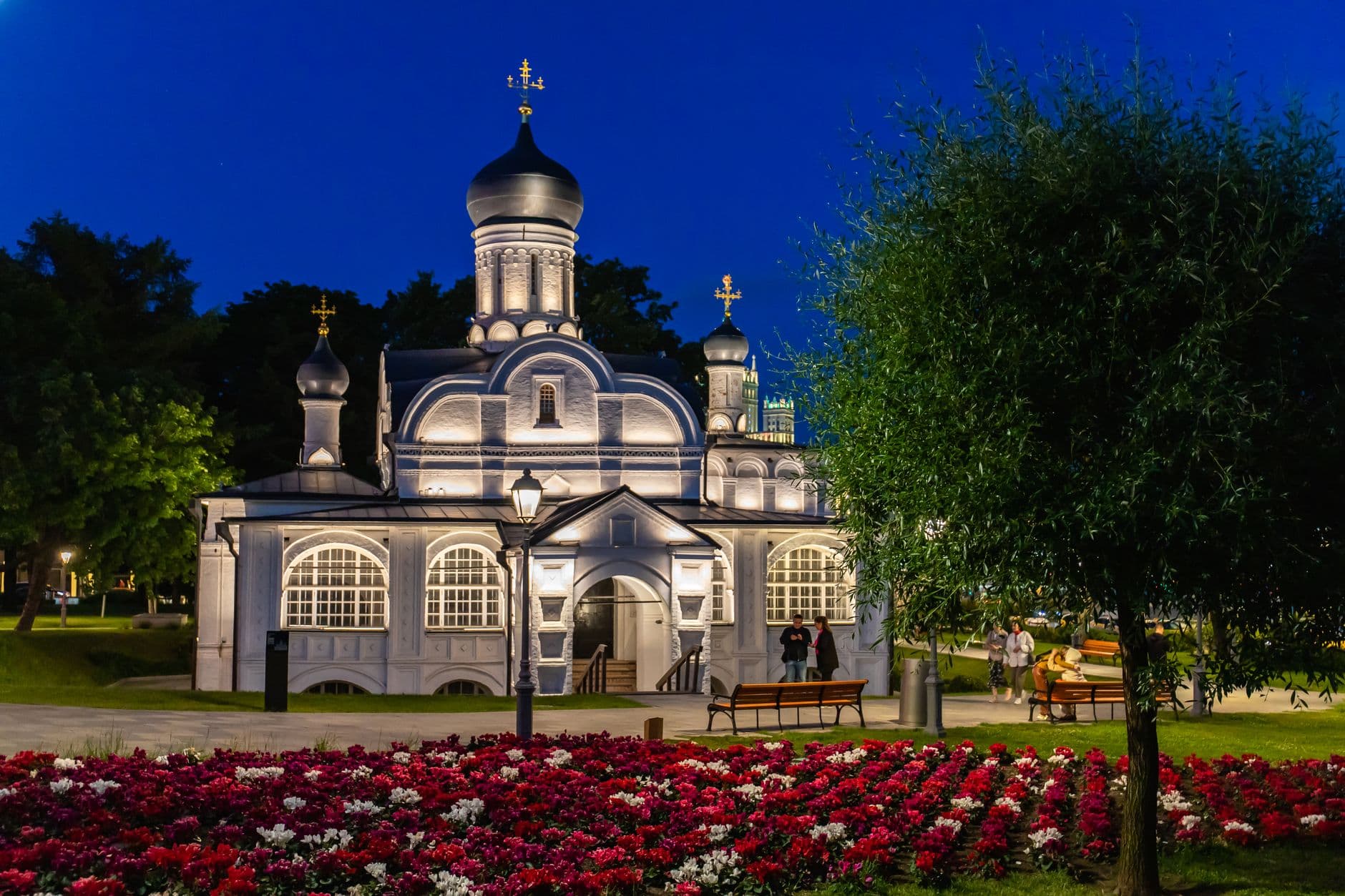
- Dzienny plan: Stwórz prostą tabelę przypisującą dni do miejsc takich jak Czerwony Plac, Kreml, ulica Arbatska, oraz kilka lokalnych barów lub miejsc koncertowych z żywą muzyką. Włącz wizytę w cerkwi prawosławnej rano, aby usłyszeć dźwięk dzwonów, a następnie spacer po muzeum lub parku popołudniem. W przeciwieństwie do pośpiesznych planów, ten układ pozostawia miejsce na spontaniczne odkrycia.
- Gotowość lokalna i pakowanie: pogoda w Moskwie może być wietrzna z okazjonalnymi opadami; pakuj warstwy, nieprzemakalną kurtkę i wygodne buty do chodzenia. W łagodniejsze dni preferujesz lżejsze ubrania, ale bądź przygotowany na chłodne wieczory.
- Submission follow-up: Po przesłaniu monitoruj portal w celu aktualizacji statusu; jeśli wynik zajmie więcej czasu, planuj kontyngenty na dni wokół planowanej wyjazdu. Jeśli wszystko jest w porządku, otrzymasz jasną decyzję bez opóźnień.
Potwierdź daty podróży dla Moskwy wiosną (marzec-maj) i wczesną jesienią (wrzesień-październik) 2025.
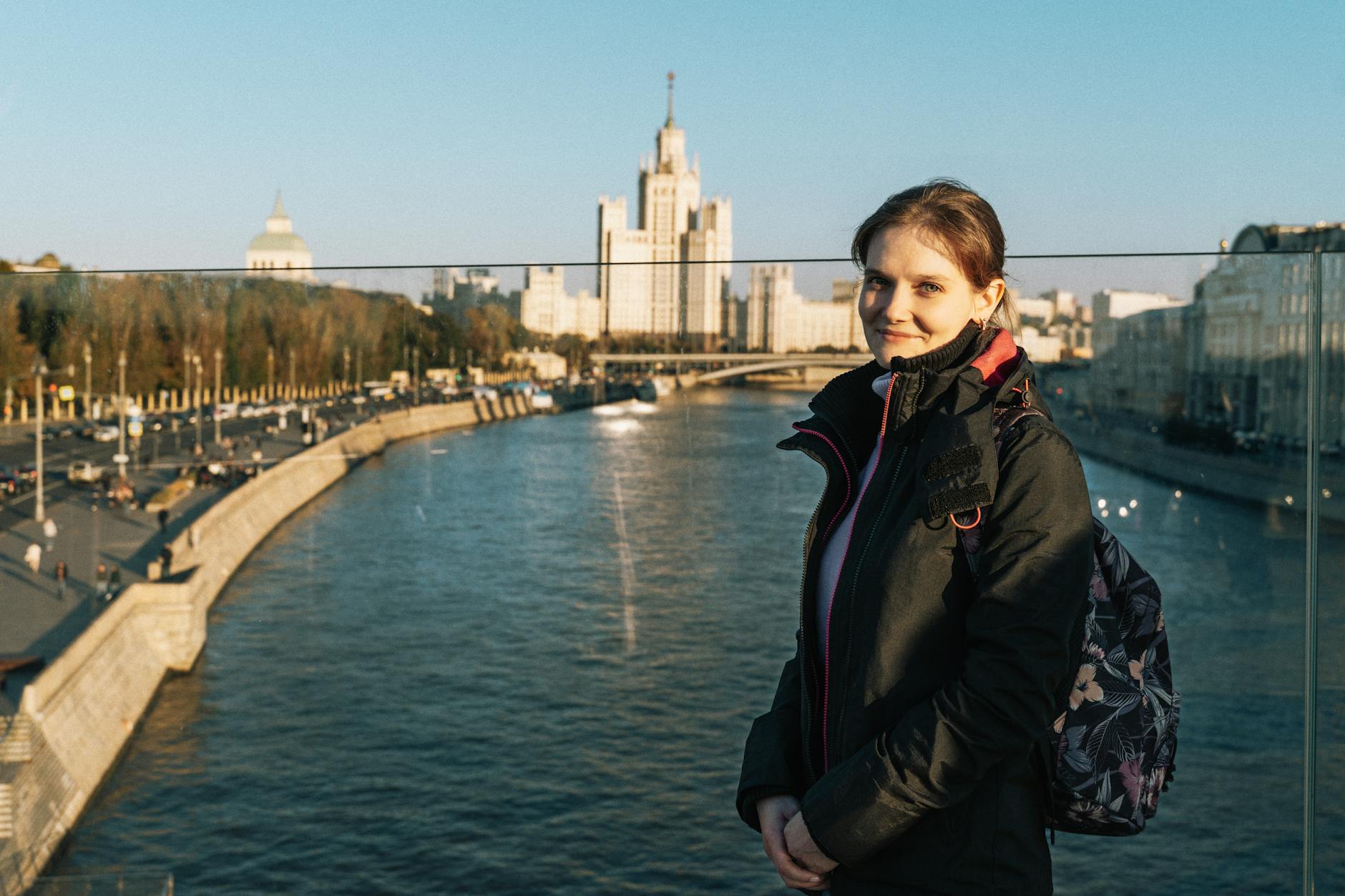
Najlepszy plan: celuj w dwa okna - od końca marca do maja i od września do października 2025 roku - z 10 kwietnia do 5 maja oraz od 15 września do 6 października jako najlepszymi okresami pod względem komfortu pogodowego i aktywności kulturalnej. Ten wybór utrzymuje miasto w większości dostępnym do zwiedzania pieszo, z długimi godzinami dziennymi trwającymi do późnego wieczora i mniejszymi tłumami w weekendy niż w szczytowym sezonie letnim.
- Wiosna w oknie: 25 marca - 4 maja - dlaczego to działa: łagodne temperatury, kwitnące parki, a miasto zmienia się z szarego na zielone, gdy dni się wydłużają; masz pełne światło dzienne na trasach na świeżym powietrzu wokół Parku Gorkiego i kolorowych placach w pobliżu Czerwonego Placu.
- Wczesna jesień: 1 września - 15 października - dlaczego to działa: przyjemna pogoda, stabilne harmonogramy muzeów i zacienione aleje wzdłuż Moskwy; miasto wydaje się spokojne po letnich tłumach, z długimi godzinami dziennymi, które trwają jeszcze do późnego popołudnia.
Wskazówki, jak dokładnie planować i unikać luk:
- Bilety: kup online z wyprzedzeniem do muzeów, galerii i popularnych miejsc, takich jak Galeria Tretiakow (dom Czarnego Kwadratu). Oszczędza to czas i pozwala uniknąć długich kolejek w godzinach szczytowych.
- Pogoda i pakowanie: najlepiej sprawdzają się ubrania w warstwach; koniec marca może być chłodny, podczas gdy koniec kwietnia i maj przynoszą łagodniejsze dni, a wczesna jesień może być chłodna wieczorami. Zawsze sprawdź prognozę kilka dni wcześniej i zabierz lekki płaszcz przeciwdeszczowy.
- Dzienny rytm: większość obiektów kulturalnych otwiera się około godziny 10:00 i zamyka między 18:00 a 19:00; w weekendy lub okresach świątecznych mogą wystąpić różnice w godzinach, dlatego sprawdź harmonogram z wyprzedzeniem dla danego dnia.
- Transit: sieć metra, oznaczona kropkami, zapewnia szybki dostęp do głównych atrakcji miasta; podróż między Parkiem Gorkiego, placem wokół Czerwonego Placu i kluczowymi budynkami jest efektywna, ale unikaj godzin szczytu, jeśli chcesz cieszyć się spokojniejszą podróżą.
- Które dni wybrać: dni robocze są zazwyczaj cichsze niż weekendy; przykładowo, planuj wizyty w muzeach we wtorek lub środę, aby uniknąć tłoku i cieszyć się lepszą obsługą na wejściach oraz w pobliskich kawiarniach.
- Czas na zewnątrz: poszukaj cieniących ścieżek wzdłuż nabrzeża Moskwy i w parkach; późne popołudniowe światło może tworzyć dramatyczne zdjęcia budynków miasta i otwartych placów.
- Planowanie formularza: zachowaj krótką wersję swojego planu podróży do szybkich aktualizacji; używaj wersji cyfrowej, aby dostosować plany, jeśli pogoda się zmieni. To utrzymuje Twoją bazę w domu elastyczną i pełne wykorzystanie dni.
- Insekty i komfort: wiosna może przyciągnąć więcej owadów w pobliżu zbiorników wodnych; zabierz repelent i wybierz schronione, dobrze utrzymane trasy w parkach, aby zachować komfort.
- Podróżnicy z Irkucka i innych miast często zgadzają się, że te okna łagodzą pogodę, bilety i światło dnia; użyj tego przykładu do kształtowania własnego planu.
- Ostateczna kontrola: ustaw plan na koniec marca lub początek września, aby móc uczestniczyć w sezonowych wydarzeniach, specjalnych wystawach i miejskich aktywnościach kulturalnych, które rozwijają się w trakcie sezonu.
Sprawdź ważność wizy, ważność paszportu i zasady wjazdu dla Twojego obywatelstwa.

Sprawdź wymagania wizowe dla Twojego obywatelstwa już teraz i zebraj niezbędne dokumenty przed podróżą.
Jeśli wymagana jest wiza, ubiegaj się o nią przez oficjalną konsulat lub centrum wizowe i przewidzij co najmniej 2-3 tygodnie na standardową obsługę; w niektórych przypadkach istnieją opcje przyspieszania za dodatkową opłatą, ale potwierdź terminy z lokalną ambasadą.
Twoje paszport powinno być ważne co najmniej przez 6 miesięcy po planowanym wyjeździe z Rosji, a powinno mieć co najmniej dwie wolne strony dla wiz i stempli. Jeśli Twoje paszport wygaśnie w tym okresie, odnow je przed rezerwacją lub złożeniem wniosku o wizę.
Zasady wjazdu różnią się w zależności od narodowości. Niektórzy podróżnicy mogą korzystać z bezwizowego wjazdu na krótkie pobyty, podczas gdy inni muszą uzyskać wizę lub skorzystać z opcji e-wizy na określony okres; sprawdź oficjalną stronę, aby dowiedzieć się, czy kwalifikujesz się do bezwizowego wjazdu lub e-wizy - różnice mogą być regionalne, a polityka może się zmieniać. W przypadku podróży do Moskwy zabierz ze sobą zaproszenie lub rezerwację hotelową oraz wydruk zatwierdzenia e-wizy, jeśli dotyczy. Zawsze nosić z sobą zarówno wersje cyfrowe, jak i drukowane.
Przygotuj dokumenty: ważny paszport, wypełniony wniosek o wizę, aktualne kolorowe zdjęcie, ubezpieczenie podróżne oraz dowód środków finansowych lub plan podróży; może być wymagane list polecający lub potwierdzenie rezerwacji hotelu; w przypadku podróży wielomiejskich wzdłuż trasy łączącej Moskwa z Soczi i Irkuckim, upewnij się, że dokumenty obejmują całą trasę i daty. Jeśli planujesz wjechać autobusem, pociągiem lub samolotem, sprawdź, czy potrzebujesz oddzielnych wiz lub e-wiz dla innych regionów; istnieją różne rodzaje wydawania wiz w zależności od narodowości, więc postępuj zgodnie z instrukcjami na oficjalnej stronie. Również zachowaj poziomą kopię głównych dokumentów i przechowuj kopie cyfrowe.
Na przybycie musisz wypełnić kartę migracyjną i przedstawić paszport oraz wizę; w większości przypadków hotel zajmie się rejestracją, ale prywatne pobyty mogą wymagać rejestracji w urzędzie lokalnym w ciągu siedmiu dni. Jeśli podróżujesz do wielu obszarów, zachowaj kopie swoich dokumentów i bądź przygotowany na kontrole przez miejscowych urzędników; w przeciwieństwie do niektórych krajów, Rosja wymaga formalnej rejestracji przy dłuższych pobytach. Gdy zimowa podróż jest w planach, zaplanuj dodatkowe warstwy i plan B w przypadku opóźnień spowodowanych warunkami pogodowymi.
Dla wiosny i wczesnej jesieni 2025 roku planuj z wyprzedzeniem podróż do Moskwy z wycieczkami do miejsc takich jak Soczi lub Irkuck. W okresach przejściowych mogą pojawić się wilgotne dni, więc pakuj warstwy i, jeśli zarezerwujesz uzdrowisko z basenem przy plaży, zabierz lekki płaszcz. Główną zasadą jest dostosowanie daty wjazdu do potwierdzonej wizy i rezerwacji hotelowych, aby uniknąć opóźnień; późne przygotowania mogą skomplikować sprawy na granicy, więc rezerwuj wcześnie i potwierdź wszystkie formularze. Autobusy i pociągi łączą Moskwę z innymi obszarami turystycznymi, ale sprawdź ważność wizy na całej trasie i najnowsze wymagania wjazdowe przed wyjazdem.
Jeśli podróżujesz z innymi, ustalcie wspólny checklistę i przechowujcie kopie w bezpiecznym miejscu; następujące kroki pomagają turystom zachować zgodność: potwierdź wymagania dla Twojego obywatelstwa, sprawdź ważność paszportu, zabezpiecz dokumenty hotelowe lub zaproszenie, uzyskaj potwierdzenie wizy lub e-wizy i zabierz wydrukowaną kopię na lotnisku. Dla podróżujących kobiet korzystaj z lokalnych zasobów i oficjalnych kanałów oferujących aktualne wskazówki; proszę, пожалуйста, odwołaj się do strony ambasady w Twoim przypadku i różnic w poszczególnych regionach.