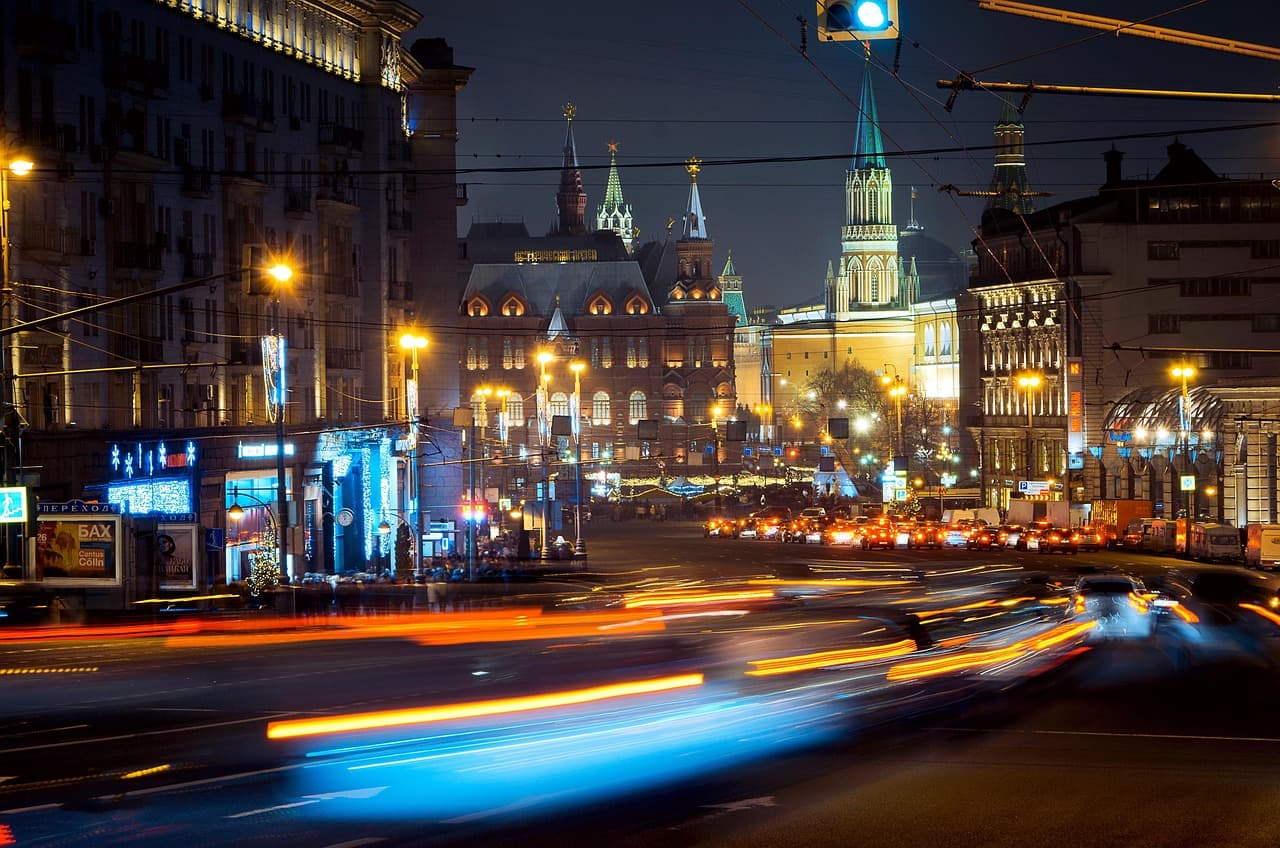
Recomandare: Rezervați o vizită de o zi din mijlocul săptămânii, în grup restrâns, la un centru de producție din inima industrială a capitalei și solicitați să vi se alăture un ghid local, cum ar fi Vasile. Această abordare minimizează cozile, permite conversații directe cu operatorii și permite vizitatorilor să observe utilajele în funcțiune, în timp ce dumneavoastră documentați fluxul de lucru.
În anul 2024, planificatorii au subliniat cum reutilizarea adaptivă susține o renaștere economică prin transformarea depozitelor în centre de meșteșug, cercetare și formare. Acest cadru permite vizitatorilor să observe echipamente în funcțiune, să documenteze fluxurile de lucru și să compare practicile de management între diferite locații.
Țesătura arhitecturală variază de la blocuri constructiviste la turnuri rafinate de după război, cu biserici ocazionale de-a lungul rutelor pietonale. Această tendință arată că spațiile respective păstrează configurațiile originale, adăugând măsuri moderne de iluminat și siguranță. Vizitatorii pot compara volumele constructiviste cu structuri noi, observând cum forma se aliniază cu nevoile de producție și cerințele de acces public.
Pentru cercetători și studenți, experiențele oferă date practice: metrici anuale ale producției, inventare de echipamente și rolul centrelor în economia regională. Cele mai informative sesiuni pun în paralel rutinele reale din spațiile de producție cu expozițiile, ajutând vizitatorii orientați spre valoare să evalueze potențialul economic și să se conecteze cu metode arhivistice similare celor utilizate de hermitage.
Pentru a maximiza valoarea, planificați vizitele în jurul a două blocuri: o plimbare introductivă prin zonele de producție și o demonstrație concentrată pe o singură linie. Așteptați-vă să vedeți ritmul mașinăriilor, să fiți prezentat unei echipe, inclusiv lui Vasili, și să încheiați lângă un balcon cu vedere la turnuri și zone riverane. Această secvență reflectă siturile istorice și centrele urbane care leagă cultura de industrie, consolidând învățarea practică pentru cei care caută o perspectivă economică și experiență practică.
Turismul industrial în Moscova: Tururi ale fabricilor și moștenirea industrială a Moscovei „în pericol" în goana de a dezvolta vechile situri sovietice
Alege o strategie conservatoare, etapizată, care prioritizează cea mai puțin distructivă reconstrucție a zonelor de patrimoniu industrial, permițând accesul publicului prin centre specializate și experiențe ghidate.
Concentrați-vă pe ansambluri binecunoscute de-a lungul fostelor districte industriale; formate în epoca sovietică timpurie; un turn se ridică deasupra fațadelor de cărămidă, creând o citadela ce întruchipează constructivismul și memoria orașului. Exemple includ campusuri de fabricare a cărămizilor și blocuri de producție care încă dezvăluie planurile originale.
Comparațiile internaționale, de exemplu Moldova, arată că atunci când protecția este codificată, vizitele pot susține economiile locale fără a șterge caracterul siturilor.
Pentru a continua, autoritățile ar trebui să acorde permisiunea numai după ce studiile de impact demonstrează o interferență minimă cu țesutul construit; să desemneze zone cu reguli clare pentru a preveni schimbările fragmentate; să stabilească parcuri și centre ca puncte de reper pentru a face patrimoniul inteligibil pentru fiecare vizitator.
Planul de conservare ar trebui să trateze fiecare sit ca parte a unui domeniu mai larg: îngrijirea turnurilor, bisericilor din apropiere și a ansamblurilor formate în jurul centrelor de producție; reconstrucția ar trebui să respecte piatra, zidăria, ferestrele și inscripțiile. Rețelele din epoca goelro și formele constructiviste ar trebui evidențiate ca elemente conexe într-o narațiune stabilită.
Neîndeplinirea distincției între investiția valorică și cea speculativă ar putea afecta accesul publicului; nerespectarea celor mai bune practici ar putea șterge memoria locală și identitatea orașului; politica de conservare stabilită ar trebui să asigure transparența proceselor de autorizare și să nu permită niciodată ca proiectele conexe să suprascrie ansamblurile de bază. Acesta este un memento că memoria contează; aceste centre ar putea contribui la creșterea interesului public și la prezervarea unei citadele a patrimoniului pentru fiecare vizitator.
Ghid practic pentru vizitarea fabricilor și a siturilor istorice din Moscova
Obțineți permisiunea scrisă de la conducerea șantierului cu cel puțin două săptămâni înainte.
Planifică un traseu circular de două zile prin patru centre care dezvăluie straturi ale industriei urbane și ale zonelor de locuit. Malurile râului găzduiesc depozite și camere de negustori ale căror fațade înscrise trasează patru secole de comerț. Pe tot cuprinsul cartierului, blocurile de apartamente se află lângă foste linii de producție, iar arhitectura în sine reflectă structura socială a epocii.
Când să mergi: țintește spre răsărit sau spre sfârșitul după-amiezii deasupra marinei pentru fotografii care arată reflexiile pe apă. Peste un kilometru de faleză oferă șanse de a compara stilurile arhitecturale și de a observa cum spațiile au fost reutilizate pentru expoziții.
Opțiuni de rută:
- Hub 1 - Bănci și Camere - începeți la marină, de-a lungul râului și urmați malul până la patru intrări istorice. Citiți inscripțiile, comparați zidăria și pășiți în camerele conservate unde odinioară se întâlneau negustorii. Timp: 2 ore. Fotografia este cea mai reușită în lumina timpurie, care face apa să reflecte.
- Hub 2 - Aleea Arhitecturii Comerciale - plimbă-te pe vechea stradă a negustorilor pentru a vedea urmele producției pe fațade, arcade și atelierele adiacente locuințelor care dezvăluie viața de zi cu zi. Timp: 1,5-2 ore.
- Hub 3 - Expoziții industriale - un complex de muzee și hale de producție conservate prezintă amenajări de mașini și arhitectura care le-a susținut. Sesiuni ghidate de experți iluminează modul în care a funcționat rețeaua comercială. Durată: 2-3 ore.
- Hub 4 - Galerii de patrimoniu și malul apei - sfârșit la galeriile contemporane de lângă râu; este permisă fotografia cu flash limitat pentru a surprinde modul în care designerii contemporani reinterpretază trecutul. Durată: 1,5-2 ore.
Note practice: rezervarea este esențială pentru accesul în sălile restricționate; obțineți permisiunea administratorului proprietății; traseul este prietenos cu turiștii, cu semnalizare clară și informații multilingve. Spațiile centrale poartă nume și date înscrise; studiați cele patru linii principale care definesc dispunerea blocurilor și se conectează la malurile de-a lungul râului.
Context și referință încrucișată: articolul realizat de oameni de știință ruși și experți din Suedia descrie modul în care țesutul urban al capitalei păstrează moștenirea comerțului și a producției. Fotografia este o parte cheie a experienței, dar accesul în unele zone este limitat la tururi ghidate și permisiuni oficiale. Siturile au fost fondate în secole diferite, cu peste un milion de vizitatori anual și patru centre principale legate printr-o rețea care continuă să atragă vizitatori.
Ecouri regionale: unele elemente rezonează cu stilul Smolensk și Vladimir-Suzdal, unde arhitectura și camerele dezvăluie istoria socială. Pentru o perspectivă mai largă, combinați un traseu pe malul râului cu o vizită la o marină din apropiere, apoi luați în considerare o excursie de o zi la puncte naționale conexe pentru a compara liniile de meșteșug și spațiile de locuit. Interacționați cu un ghid oficial pentru a personaliza un traseu conform intereselor dumneavoastră și pentru a vă ajuta să planificați o sesiune foto concentrată.
Identificarea fabricilor care oferă tururi și cum să rezervi locuri
Începe cu două sau trei situri de producție accesibile publicului, care publică programe clare pentru vizitatori și opțiuni de rezervare online. Caută programe în limba engleză, durate definite și reguli de siguranță transparente. Mulți operatori publică locuri disponibile cu săptămâni înainte, așadar planifică cu cel puțin două săptămâni în avans pentru a acomoda grupuri și parteneri academici.
Pentru a identifica candidații, scanează site-urile corporative, calendarele culturale regionale și parteneriatele educaționale pentru expresii precum zi deschisă, acces pentru invitați, zonă de producție sau program educațional. În Moscova, mai multe întreprinderi pun accentul pe reînnoire și transformare ca parte a narativelor lor publice; compară astfel de eforturi cu modelele de industrie deschisă din Suedia pentru a stabili standardele pentru vizita ta.
Pașii de rezervare: contactați site-ul prin email sau formular online, specificați preferința de limbă, numărul de persoane din grup și data. Unele facilități necesită confirmare instituțională; oferiți o scurtă descriere a grupului dumneavoastră (academic, media, club). Așteptați-vă la o scurtă prezentare de securitate și o hartă către intrare. Plățile se fac de obicei prin transfer bancar sau card online aproape de ziua vizitei. Ajungeți cu actele de identitate și alocați 15-20 de minute în plus pentru verificările de securitate pentru a evita întârzieri care vă încetinesc.
Reguli pe teren: purtați încălțăminte închisă, îmbrăcați-vă corespunzător zonelor industriale și fiți pregătiți să semnați un acord de confidențialitate (NDA) dacă sunt incluse procese sensibile. Fotografia este permisă în zonele exterioare și în zonele desemnate atunci când este acordată permisiunea; întrebați fiecare manager înainte de a captura prim-planuri ale mașinăriilor sau panourilor de control. O vizită tipică durează 60-90 de minute, incluzând o prezentare, acces în câteva zone de producție și o sesiune scurtă de întrebări și răspunsuri cu ingineri sau supervizori. Aduceți un caiet pentru notițe academice și plănuiți să fotografiați detalii cheie ale clădirii pentru povești viitoare.
Tipurile de situri de producție care merită investigate includ: fabrici de ambalare a produselor de cofetărie, îmbuteliatoare de băuturi, facilități de asamblare a electronicii de larg consum, ateliere de componente auto, tipografii, ateliere textile și laboratoare farmaceutice deschise publicului sub supraveghere. Prioritizați locurile cu narațiuni coerente de reînnoire, transformare și un puternic sentiment de statut în economia orașului. Dacă sunt disponibile, alegeți situri care oferă o privire din culise asupra atelierului de prelucrare și a sălii de control, acestea oferind imagini puternice pentru portofoliul dumneavoastră.
Context și planificare: selectați rute care trec pe lângă parcuri ale orașului și muzee academice, oferind un echilibru între vechi și nou. Ziua poate include o plimbare pe lângă mausoleu pentru o scurtă încadrare istorică, legând vizita la sit de istoria politică, reînnoire și transformare care au modelat statutul economiei Moscovei. Un itinerar unitar și concis ajută participanții - fie studenți, fie profesioniști - să rămână concentrați și să evite întârzierile, ceea ce contează atunci când mulți participanți fotografiază fațadele clădirilor și detaliile interioare. Narațiunea poate atinge subiecte legate de revoluție și schimbări de politică ce au redirecționat creșterea industrială.
Ce acoperă un tur standard de fabrică: rute, durată și limbi vorbite
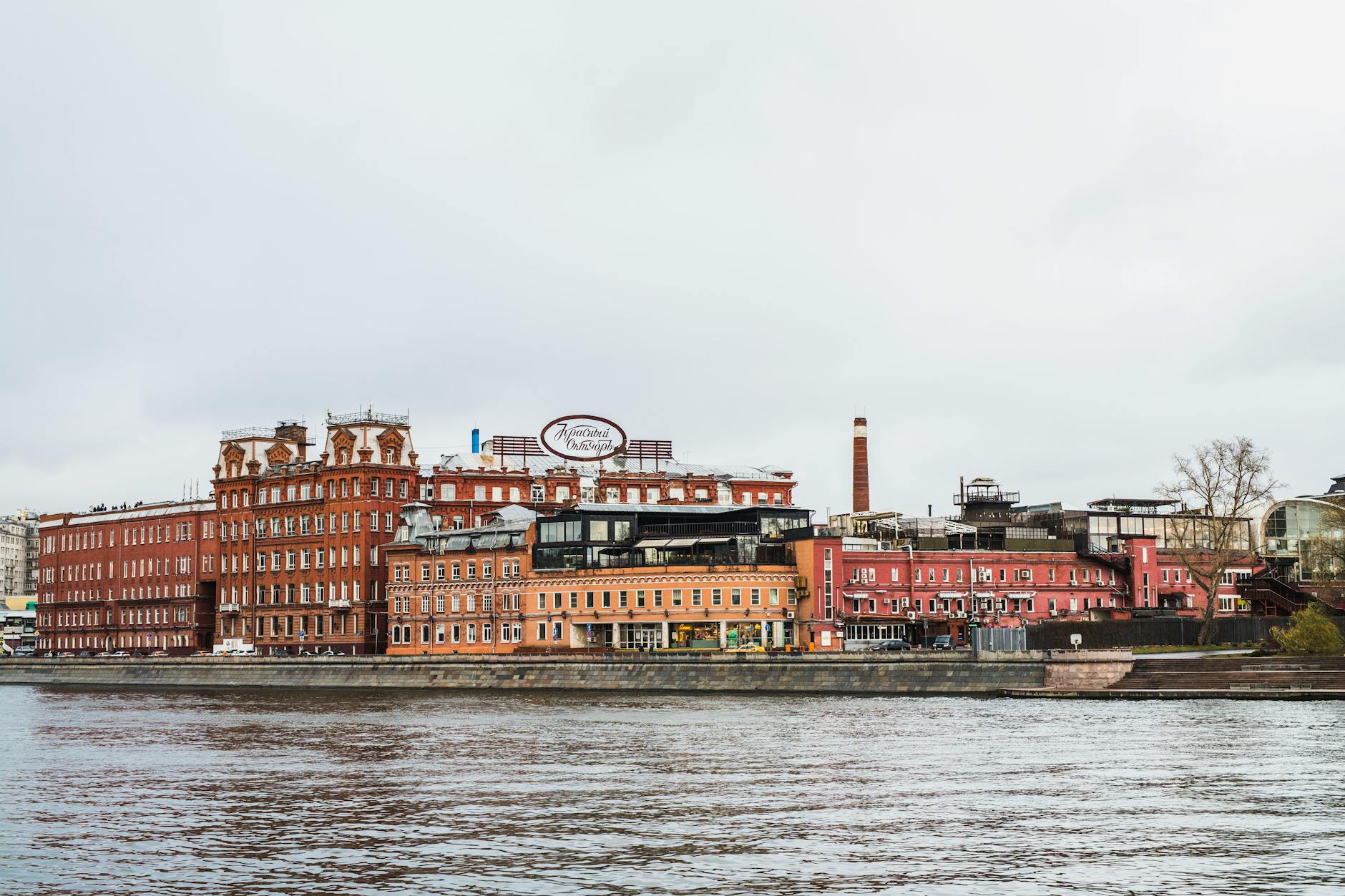
Rezervați în avans un tur ghidat și alegeți un traseu care se potrivește programului dumneavoastră; dacă sunteți în căutarea unei introduceri concise, opțiunea de 60 de minute este suficientă, în timp ce un itinerar de 90 de minute dezvăluie mai multe detalii.
Rutele acoperă, de obicei, trei zone: intrarea și recepția, liniile de producție și zona produselor finite; unele programe adaugă o vizită la o facilitate de mentenanță, iar altele includ o plimbare printr-o secțiune conservată de cărămidă cu fortificații care rezonează cu fostele granițe ale uzinei.
Limbi: vizita standard este oferită în engleză și rusă; la cerere, sunt disponibile limbi europene precum germana sau franceza, iar interpreți pot fi aranjați pentru grupuri mai mari în centre cu personal calificat.
Durata și ritmul: rutele standard durează 60-75 de minute; itinerariile extinse ajung la 90-120 de minute; sesiunile de dimineață încep adesea la 9:00 sau 10:00, luna iunie având vârful sezonier; planificarea în avans ajută la evitarea mulțimilor.
Ghidurile oferă pachete concise de informații; literatura și notițele digitale sunt disponibile în mai multe limbi; obțineți date utile despre cum munca de producție contribuie la economia locală și la tendințele generale ale industriei în orașul pe care îl vizitați, inclusiv despre tinerii lucrători și rolurile cu calificare superioară.
Siguranță și acces: purtați încălțăminte confortabilă; fotografierea este de obicei permisă în zonele desemnate; semnele indică spațiile restricționate, iar personalul se asigură că panourile electrice și alte echipamente sensibile rămân interzise; măsurile de securitate ale facilității mențin programul fluent pentru vizitatorii implicați.
Note-uri post-vizită: unele situri păstrează fostele ateliere cu fațade din cărămidă și urme de fortificații în jurul vechiului centru; experiența poate da senzația unui mic monument dedicat dezvoltării industriale, dezvăluind cum centrele de muncă au evoluat în economia de astăzi; acest format captivant ar putea atrage atât pasionații de istorie, cât și pe cei dornici să înțeleagă lanțul modern de producție.
Regulile de acces, echipamentul de siguranță și eligibilitatea vizitatorilor
Recomandare: Verificați regulile de acces cu 48 de ore înainte de vizită și prezentați un act de identitate; înscrierea poate fi necesară pentru grupuri, iar anumite zile sunt restricționate cercetătorilor autorizați. Există o pagină publică de arhivă care listează segmentele și intervalele orare curente deschise pentru fiecare zonă.
Echipamentul și regulile locului: căștile și vestele reflectorizante sunt de obicei puse la dispoziție la intrare pentru zonele cu utilaje în mișcare sau platforme ridicate; toți participanții trebuie să poarte încălțăminte închisă la vârf; evitați hainele largi și bijuteriile; prindeți părul lung; sacoșele pot fi verificate, iar unele facilități necesită dulapuri cu cheie, care reprezintă o măsură practică pentru a menține accesul liber; acest lucru ajută foarte mult la siguranță în incintă.
Eligibilitate și acces: traseele publice sunt limitate la puncte de observație; majoritatea zonelor necesită aprobarea prealabilă pentru cercetători sau grupuri partenere; vizitatorii copii trebuie însoțiți de un adult, iar pragurile de vârstă variază în funcție de locație; în majoritatea siturilor, există trasee accesibile, însă etajele superioare pot necesita un lift sau escortă din partea personalului.
Conducere și măsuri de protecție: nu atingeți echipamentele, rămâneți pe traseele marcate și respectați instrucțiunile afișate; fotografierea cu bliț poate fi restricționată în zonele sensibile, iar utilizarea dronelor este interzisă fără autorizare explicită; există o temă de păstrare a detaliilor de design și arhitecturale din perioada goelro, inclusiv un turn central și urme care se întind pe secole; materialele de arhivă pot contribui la discuțiile privind reconstrucția.
Complexul se află în centrul orașului, unde fostele spații de lucru au fost transformate într-un mediu dinamic de explorare. Programele publice includ activități prietenoase pentru copii, precum demonstrații simple care încurajează învățarea practică, în timp ce adulții pot studia designul arhitectural și contextul istoric prin intermediul arhivei. La planificarea vizitei, alegeți spațiile cele mai relevante pentru interesele dumneavoastră pentru a vă concentra atenția și a profita la maximum de experiență.
Fotografierea, filmarea și înregistrarea audio pe platformele de producție sunt interzise, cu excepția cazurilor în care este obținută o autorizație scrisă prealabilă din partea managementului fabricii.
Obțineți autorizația scrisă de la biroul de presă al site-ului înainte de orice captură, cu data, zonele și durata clar menționate; purtați o copie la intrare. Vizitatorii interesați care doresc să documenteze transformarea spațiilor de producție adaptabile trebuie să depună cereri cu cel puțin 14 zile înainte și să aranjeze un traseu escortat, inclusiv un traseu definit.
Zonele de producție sunt alcătuite din insule de spații accesibile și un arhipelag de spații restricționate în jurul mașinilor grele și al camerelor de control. Aceste zone sunt situate în principal în apropierea atelierelor centrale, dar unele fațade și expoziții publice oferă fundaluri dinamice. Expozițiile istorice și vitrinele magazinelor ilustrează scopul și momentele semnificative ale facilității; fotografiați aceste componente numai atunci când este permis și cu autorizația corespunzătoare.
Atenția acordată siguranței este obligatorie: purtați căști de protecție, ochelari de protecție și încălțăminte de protecție conform cerințelor; când semnalele de avertizare se aprind sau personalul indică o pauză, opriți-vă imediat. Persoanele din zonele de producție trebuie tratate cu respect; vizitatorii trebuie să rămână sub escortă și să evite conversațiile care perturbă operațiunile.
Regulile echipamentelor: grupurile nu trebuie să depășească șase persoane, cu maximum trei dispozitive de înregistrare per grup; rămâneți în spatele liniilor marcate și nu avansați în zonele restricționate. Nu folosiți trepiede în pasajele înguste; evitați folosirea blițului lângă suprafețe reflectorizante sau mașini în mișcare. Dronelor le este interzis accesul, cu excepția cazului în care este obținută o autorizație separată, și numai în intervalele orare aprobate, sub supraveghere. Planificarea adaptivă este încurajată; puteți solicita rute alternative dacă zgomotul sau vibrațiile fac un segment nepotrivit.
Drepturile de conținut și partajare: evitați să capturați persoane identificabile fără consimțământ; estompați fețele atunci când este necesar și menționați locația și data în legendă. Pentru materialele de arhivă, limitați distribuirea la canalele aprobate; dacă întâlniți panouri care menționează numele Struve, tratați-le ca parte a înregistrării de arhivă. Dacă un practician dorește să includă componente sensibile, obțineți permisiunea explicită a echipei de comunicare și respectați confidențialitatea și restricțiile de siguranță. Aceste îndrumări sunt concepute pentru a proteja persoanele și a păstra experiența vizitatorilor, menținând totodată integritatea istorică.
| Area | Permisiune | Moscova
Catedrala Sfântul Isaac
Muzeul Ermitaj
Strada Bolșaia
Strada Malaya Sadovaya
Strada Nevski
Strada Sadovaia
Stradă 37
Stradă 4
Stradă 2
Stradă 1
Stradă 2
Stradă 1
Stradă 2
Stradă 1
Stradă 2
Stradă 1 | Acțiuni recomandate |
|---|
| Coridoare publice, expoziții și fațade exterioare | Moscova
Catedrala Sfântul Isaac
Palatul de Iarnă
Muzeul Ermitaj
Strada Nevski
Piața Palatului
Strada Bolșaia Morskaia
Stradă Dvortsovaia
Stradă Sadovaia
Stradă Gorohovaia
Stradă Malaia Morskaia
Stradă Millionnaia
Stradă Kazanskaia
Stradă Sadovaia
Stradă Gorohovaia
Stradă Malaia Morskaia
Stradă Millionnaia
Stradă Kazanskaia
Stradă Sadovaia
Stradă Gorohovaia | Nu sunt fotografii de aproape cu mașini în mișcare; nu este audio; nu este imitare a personalului. | Vă rog să-mi trimiteți textul pe care doriți să-l traduc. Voi folosi numele consacrate în limba română pentru locuri, monumente, muzee, catedrale, străzi, orașe și țări, păstrând exact numele de brand-uri, companii, produse, numere de telefon și prețuri, precum și adresele cu numerele și denumirile originale ale străzilor. |
| Etajele de producție și zonele de lucru | Numai cu permis de vizitare aprobat și escortă | Nu se permite fotografierea dispozitivelor sau personalului critici fără consimțământ; fără bliț; rămâneți în spatele liniilor de siguranță. | Coordonare cu legătura media; urmați ruta escortată; mențineți echipamentul compact |
| Zonele restricționate în jurul utilajelor | Moscova
Catedrala Sfântul Isaac
Palatul de Iarnă
Muzeul Ermitaj
Aleea Nevski
Strada Bolșaia Morskaia
Strada Malaya Sadovaya
Strada Gorohovaia
Strada Marata
Strada Rubinstein
Stradă Lomonosov
Strada Vosstania
Strada Suvorov
Strada Tverskaia
Strada Kuznețki Most
Strada Arbat
Strada Tverskaya
Strada Petrovka
Strada Neglinnaia
Strada Ilinka
Strada Varvarka
Strada Znamenka
Strada Preciștenka
Strada Ostojenka
Strada Znamenka
Strada Preciștenka
Strada Ostojenka
Strada Znamenka
Strada Preciștenka | Imaginile sunt interzise; respectați semnele de avertizare | Nu traversați barierele; priviți din exterior. |
| Expoziții istorice și arhive | Permis în cadrul programelor organizate | Respectați semnalizarea; evitați să capturați documente sensibile; creditați sursele | Utilize ghiduri pentru accesare; fotografiați etichete, plăci și fotografii contextuale |
| Magazine și facilități pentru angajați | Permis cu aprobarea conducerii site-ului | Protejează confidențialitatea; evită fotografierea persoanelor fără consimțământ | Concentrați-vă pe arhitectură și spații publice; obțineți consimțământul când fețele sunt vizibile |
| Drone și dispozitive aeriene | Neadmis, dacă nu este autorizat explicit | Nu trebuie operat în zone de producție | Folosiți perspective de la nivelul solului sau imagini aeriene aprobate în perioade liniștite desemnate, cu supraveghere. |
Aceste reguli se aplică în special atunci când trebuie să documentați transformarea în curs, subliniind modul în care spațiile istorice se adaptează la noi scopuri, menținând în același timp siguranța ca prioritate absolută pentru oameni și vizitatori deopotrivă. Abordarea ajută la surprinderea atmosferei vibrante și funcționale, fără a perturba operațiunile.