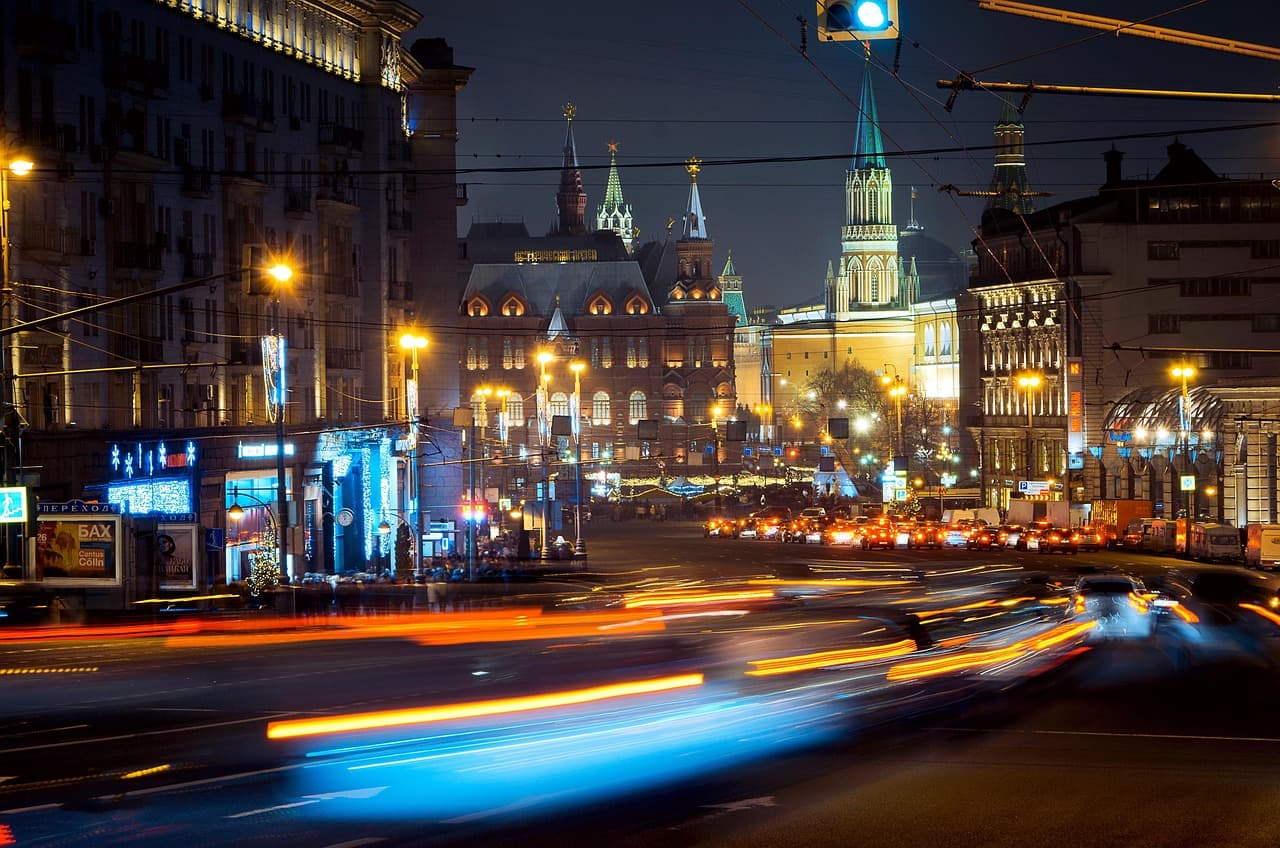
Odporúčanie: Zarezervujte si v polovici týždňa prístup pre malú skupinu do výrobného centra v priemyselnom srdci hlavného mesta a požiadajte miestneho sprievodcu, ako je Vasilij, aby sa pripojil. Tento prístup minimalizuje rady, umožňuje priame rozhovory s operátormi a umožňuje návštevníkom pozorovať stroje v akcii, zatiaľ čo vy dokumentujete pracovný postup.
V roku 2024 plánovači zdôraznili, ako adaptívne opätovné využitie podporuje hospodárske oživenie premenou skladov na centrá pre remeslá, výskum a školenia. Tento rámec umožňuje návštevníkom pozorovať zariadenia v prevádzke, dokumentovať pracovný postup a porovnávať manažérske postupy na rôznych miestach.
Architektonická štruktúra siaha od konštruktivistických blokov po rafinované povojnové veže, s občasnými kostolmi pozdĺž peších trás. Tento trend ukazuje, že tieto priestory zachovávajú pôvodné zálivy a zároveň pridávajú moderné osvetlenie a bezpečnostné opatrenia. Návštevníci môžu porovnávať konštruktivistické objemy s novými štruktúrami a všímať si, ako sa forma zhoduje s výrobnými potrebami a požiadavkami na verejný prístup.
Pre výskumníkov a študentov ponúkajú tieto skúsenosti praktické údaje: ročné výstupné metriky, inventáre zariadení a úlohu centier v regionálnej ekonomike. Najinformatívnejšie stretnutia porovnávajú skutočné rutiny v dielňach s výstavami, čo pomáha týmto návštevníkom zameraným na hodnoty posúdiť ekonomický potenciál a spojiť sa s archívnymi metódami podobnými tým, ktoré používa Ermitáž.
Ak chcete maximalizovať hodnotu, naplánujte si návštevy okolo dvoch blokov: úvodná prechádzka výrobnými zónami a cielená ukážka na jednej linke. Očakávajte, že uvidíte rytmus strojov, budete predstavení tímu vrátane Vasilija a skončíte v blízkosti vyhliadkovej plošiny s výhľadom na veže a nábrežia. Táto sekvencia odráža pamiatkové miesta a mestské centrá, ktoré spájajú kultúru s priemyslom, čím posilňuje praktické učenie pre tých, ktorí hľadajú ekonomický prehľad a praktické skúsenosti.
Priemyselná turistika v Moskve: Prehliadky tovární a moskovské priemyselné dedičstvo „v ohrození" v zhone s prestavbou starých sovietskych lokalít
Zvoľte konzervatívne riadenú stratégiu, ktorá uprednostňuje najmenej deštruktívnu rekonštrukciu zón výrobného dedičstva, umožňujúc verejný prístup prostredníctvom kurátorských centier a riadených zážitkov.
Zamerajte sa na známe súbory pozdĺž bývalých priemyselných štvrtí; vznikli v ranom sovietskom období; veža sa týči nad tehlovými fasádami, čím vytvára citadelu, ktorá stelesňuje konštruktivizmus a pamäť mesta. Príklady zahŕňajú tehliarske výrobné areály a výrobné bloky, ktoré stále odhaľujú pôvodné plány.
Medzinárodné porovnania, napríklad Moldavsko, ukazujú, že keď je ochrana kodifikovaná, návštevy môžu podporovať miestne ekonomiky bez toho, aby sa vymazal charakter lokalít.
Na pokračovanie by úrady mali udeliť povolenie až po tom, čo štúdie vplyvu preukážu najmenšie narušenie zastavanej štruktúry; určiť zóny s jasnými pravidlami na zabránenie čiastkových zmien; zriadiť parky a centrá ako kotvy na sprístupnenie dedičstva každému návštevníkovi.
Plán ochrany by mal zaobchádzať s každým miestom ako so súčasťou širšieho poľa: starostlivosť o veže, kostoly nájdené v blízkosti a súbory vytvorené okolo výrobných centier; rekonštrukcia by mala rešpektovať kameň, tehlové murivo, okná a nápisy. Siete z éry Goelro a konštruktivistické formy by mali byť zdôraznené ako súvisiace prvky v zavedenom rozprávaní.
Neschopnosť rozlišovať medzi hodnotou a špekulatívnymi investíciami by mohla poškodiť verejný dosah; nedodržiavanie osvedčených postupov by mohlo vymazať miestnu pamäť a identitu mesta; zavedená politika ochrany by mala zabezpečiť transparentnosť povoľovacích procesov a nikdy nedovoliť, aby súvisiace projekty prekonali základné súbory. Cest pripomína, že pamäť je dôležitá; tieto centrá by mohli pomôcť vzostupu verejného záujmu a zachovať citadelu dedičstva pre každého návštevníka.
Praktický sprievodca po moskovských továrenských prehliadkach a pamiatkových miestach
Získajte písomné povolenie od vedenia miesta aspoň dva týždne vopred.
Naplánujte si dvojdňovú slučku cez štyri centrá, ktoré odhaľujú vrstvy mestského priemyslu a obytných štvrtí. Riečne brehy hostia sklady a obchodné komory, ktorých popísané fasády sledujú štyri storočia obchodu. Naprieč štvrťou sedia bytové domy vedľa bývalých výrobných liniek a samotná architektúra odráža sociálnu štruktúry doby.
Kedy ísť: zamerajte sa na úsvit alebo neskoré popoludnie nad prístavom pre fotografovanie, ktoré ukazuje odrazy na vode. Viac ako míľa nábrežia ponúka možnosti porovnať architektonické štýly a všimnúť si, ako boli priestory prepracované pre výstavy.
Možnosti trasy:
- Centrum 1 - Banky a komory - začnite v prístave pozdĺž rieky a sledujte breh k štyrom historickým vchodom. Prečítajte si nápisy, porovnajte tehlové murivo a vstúpte do zachovaných komôr, kde sa kedysi stretávali obchodníci. Čas: 2 hodiny. Fotografovanie je najlepšie pri skorom svetle, ktoré spôsobuje odraz vody.
- Centrum 2 - Ulička obchodnej architektúry - prejdite sa starou obchodnou ulicou, aby ste videli línie výroby na fasádach, oblúkoch a dielňach pri bytoch, ktoré odhaľujú každodenný život. Čas: 1,5 - 2 hodiny.
- Centrum 3 - Priemyselné výstavy - skupina múzeí a zachovaných výrobných hál demonštruje usporiadanie strojov a architektúru, ktorá ich podporovala. Riadené stretnutia s odborníkmi objasňujú, ako fungovala obchodná sieť. Čas: 2 - 3 hodiny.
- Centrum 4 - Galérie dedičstva a nábrežie - skončite v súčasných galériách pri rieke; povolené je fotografovanie s obmedzeným bleskom, aby ste zachytili, ako súčasní dizajnéri reinterpretujú minulosť. Čas: 1,5 - 2 hodiny.
Praktické poznámky: rezervácia je nevyhnutná pre prístup do obmedzených sál; získajte povolenie od správcu nehnuteľnosti; trasa je priateľská k turistom, s jasným značením a viacjazyčnými informáciami. Hlavné priestory nesú vpísané názvy a dátumy; preštudujte si štyri hlavné línie, ktoré definujú rozloženie blokov a spájajú sa s brehmi pozdĺž rieky.
Kontext a krížové odkazy: článok ruských vedcov a švédskych expertov opisuje, ako mestská štruktúra hlavného mesta zachováva dedičstvo obchodu a výroby. Fotografovanie je kľúčovou súčasťou zážitku, ale prístup do niektorých oblastí je obmedzený na prehliadky so sprievodcom a oficiálne povolenie. Miesta boli založené v rôznych storočiach, s viac ako miliónom návštevníkov ročne a štyrmi hlavnými centrami prepojenými sieťou, ktorá naďalej láka návštevníkov.
Regionálne ozveny: niektoré prvky odrážajú smolenský a vladimirsko-suzdalský štýl, kde architektúra a komory odhaľujú sociálnu históriu. Pre širšiu perspektívu spojte okruh pozdĺž rieky s návštevou neďalekého prístavu, potom zvážte jednodňový výlet na súvisiace národné miesta, aby ste porovnali línie remesiel a obytných priestorov. Zapojte sa s oficiálnym sprievodcom, aby ste si prispôsobili trasu svojim záujmom a pomohli naplánovať cielený fotografický plán.
Identifikujte továrne hodné prehliadky a ako si rezervovať miesta
Začnite s dvoma až tromi verejne prístupnými výrobnými závodmi, ktoré zverejňujú jasné programy pre návštevníkov a možnosti online rezervácie. Hľadajte anglické rozvrhy, definované trvanie a transparentné bezpečnostné pravidlá. Mnohí prevádzkovatelia zverejňujú dostupné miesta týždne vopred, takže plánujte aspoň dva týždne vopred, aby ste vyhoveli skupinám a akademickým partnerom.
Ak chcete identifikovať kandidátov, prehľadajte firemné stránky, regionálne kultúrne kalendáre a vzdelávacie partnerstvá pre frázy ako deň otvorených dverí, prístup pre hostí, výrobná hala alebo vzdelávací program. V Moskve niekoľko podnikov zdôrazňuje obnovu a transformáciu ako súčasť svojich verejných naratívov; porovnajte takéto úsilie s modelmi otvoreného priemyslu vo Švédsku, aby ste stanovili štandardy pre svoju návštevu.
Kroky rezervácie: kontaktujte miesto e-mailom alebo online formulárom, uveďte preferovaný jazyk, veľkosť skupiny a dátum. Niektoré zariadenia vyžadujú inštitucionálne potvrdenie; poskytnite krátky popis vašej skupiny (akademická, mediálna, klub). Očakávajte krátku bezpečnostnú inštruktáž a mapu k vstupu. Platby sú zvyčajne bankovým prevodom alebo online kartou v blízkosti dňa návštevy. Príďte s preukazmi totožnosti a vyhraďte si 15-20 minút navyše na bezpečnostné kontroly, aby ste predišli oneskoreniam, ktoré vás spomalia.
Pravidlá na mieste: noste uzavreté topánky, oblečte sa do priemyselných oblastí a buďte pripravení podpísať NDA, ak sú zahrnuté citlivé procesy. Fotografovanie je povolené vo vonkajších častiach a vo vyhradených zónach, keď je udelené povolenie; opýtajte sa každého manažéra pred zachytením detailov strojov alebo ovládacích panelov. Typická cesta trvá 60-90 minút, zahŕňa inštruktáž, prístup do niekoľkých výrobných oblastí a krátke otázky a odpovede s inžiniermi alebo supervízormi. Prineste si zápisník na akademické poznámky a naplánujte si fotografovanie kľúčových detailov budovy pre budúce príbehy.
Typy výrobných závodov, ktoré stoja za to navštíviť, zahŕňajú: závody na balenie cukroviniek, plniarne nápojov, montážne závody spotrebnej elektroniky, dielne na automobilové komponenty, tlačiarne, textilné dielne a farmaceutické laboratóriá otvorené pre verejnosť pod dohľadom. Uprednostnite miesta s ucelenými príbehmi o obnove, transformácii a silným pocitom postavenia v ekonomike mesta. Ak sú k dispozícii, vyberte si miesta, ktoré ponúkajú pohľad do zákulisia strojovne a riadiacej miestnosti, ktoré poskytujú silné vizuálne prvky pre vaše portfólio.
Kontext a plánovanie: vyberte trasy, ktoré sa nachádzajú v blízkosti mestských parkov a akademických múzeí, ponúkajúce rovnováhu starého a nového. Deň môže zahŕňať prechádzku okolo mauzólea pre rýchly historický rámec, spájajúci návštevu miesta s politickou históriou, obnovou a transformáciou, ktoré formovali postavenie moskovskej ekonomiky. Jednotný, stručný itinerár pomáha účastníkom - či už študentom alebo profesionálom - udržať si sústredenie a vyhnúť sa oneskoreniam, čo je dôležité, keď mnohí účastníci fotografujú exteriéry budov a detaily interiéru. Rozprávanie sa môže dotknúť revolúcie a politických zmien, ktoré presmerovali priemyselný rast.
Čo zahŕňa štandardná prehliadka továrne: trasy, trvanie a jazyky
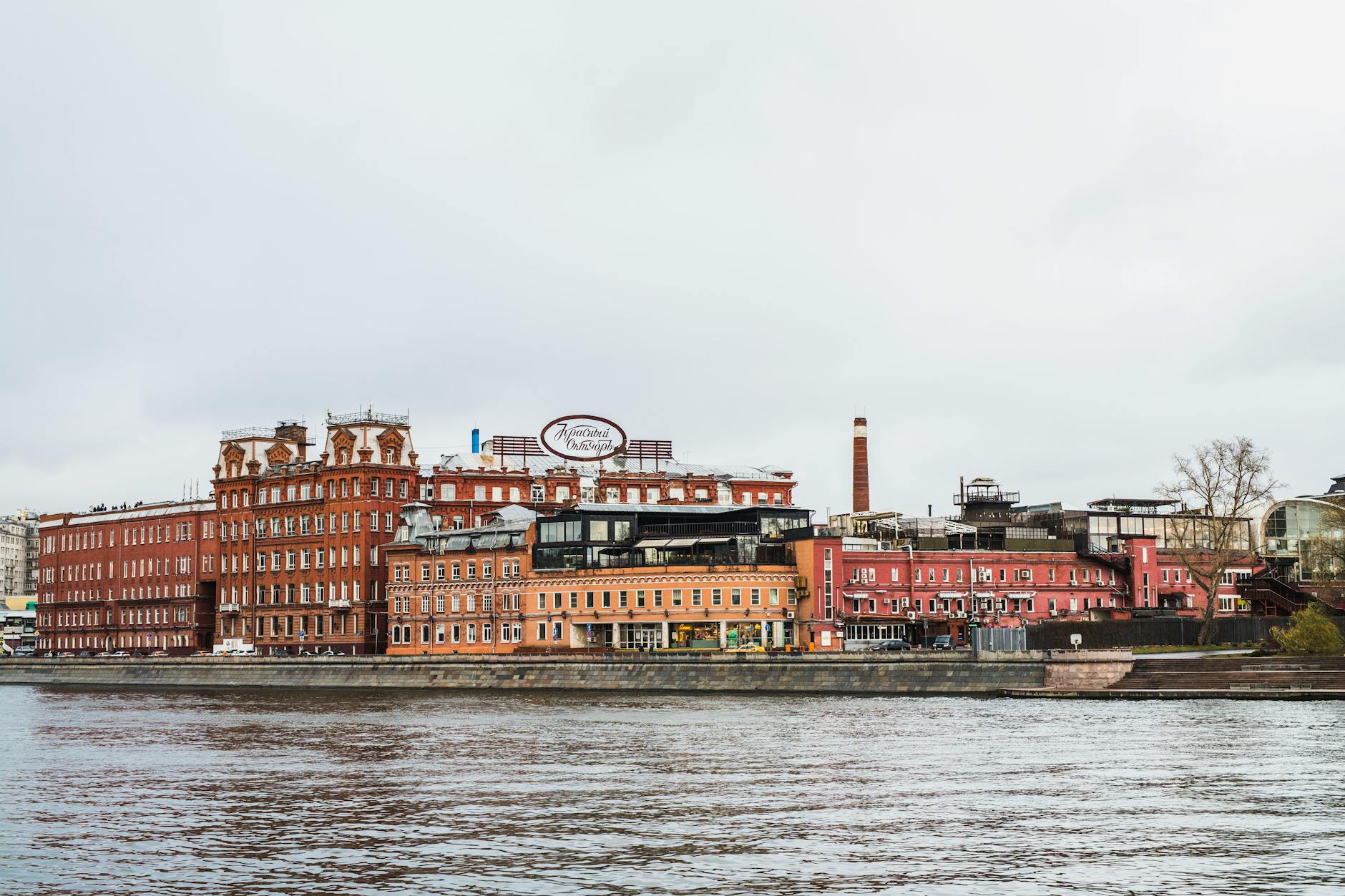
Rezervujte si prehliadku so sprievodcom vopred a vyberte si trasu, ktorá vyhovuje vášmu rozvrhu; ak hľadáte kompaktný úvod, postačí 60-minútová možnosť, zatiaľ čo 90-minútový itinerár odhalí viac detailov.
Trasy zvyčajne pokrývajú tri zóny: vstup a recepciu, výrobné linky a oblasť hotových výrobkov; niektoré programy pridávajú pohľad na údržbárske zariadenie a iné zahŕňajú prechádzku zachovanou tehlovou časťou s opevneniami, ktoré odrážajú bývalé hranice závodu.
Jazyky: štandardná návšteva je ponúkaná v angličtine a ruštine; na požiadanie sú k dispozícii európske jazyky ako nemčina alebo francúzština a pre väčšie skupiny v centrách s profesionálnym personálom je možné zabezpečiť tlmočníkov.
Trvanie a tempo: štandardné trasy trvajú 60-75 minút; rozšírené itineráre dosahujú 90-120 minút; ranné stretnutia často začínajú o 9:00 alebo 10:00, pričom jún je sezónne najrušnejší; plánovanie vopred pomáha vyhnúť sa davom.
Sprievodcovia poskytujú stručné informačné balíčky; literatúra a digitálne poznámky sú k dispozícii vo viacerých jazykoch; získate užitočné údaje o tom, ako výrobná práca prispieva k miestnej ekonomike a všeobecným priemyselným trendom v meste, ktoré navštívite, vrátane mladých pracovníkov a vysoko kvalifikovaných pozícií.
Bezpečnosť a prístup: noste pohodlnú obuv; fotografovanie je zvyčajne povolené vo vyhradených priestoroch; značky označujú obmedzené priestory a personál zabezpečuje, aby elektrické panely a iné citlivé zariadenia zostali mimo dosahu; bezpečnostné opatrenia zariadenia zabezpečujú hladký priebeh programu pre zúčastnených návštevníkov.
Poznámky po návšteve: niektoré miesta zachovávajú bývalé dielne s tehlovými fasádami a náznakmi opevnení okolo hraníc starého mesta; zážitok môže pôsobiť ako malý pamätník priemyselného rozvoja, odhaľujúci, ako sa centrá práce vyvinuli do dnešnej ekonomiky; tento fascinujúci formát by oslovil milovníkov histórie aj tých, ktorí chcú pochopiť moderný výrobný reťazec.
Pravidlá prístupu, bezpečnostné vybavenie a oprávnenosť návštevníkov
Odporúčanie: Skontrolujte pravidlá prístupu 48 hodín pred návštevou a majte pri sebe preukaz totožnosti s fotografiou; pre skupiny môže byť potrebná registrácia a niektoré dni sú obmedzené na schválených výskumníkov. Existuje verejná archívna stránka s aktuálnymi otvorenými segmentmi a časovými oknami pre každú zónu.
Vybavenie a pravidlá miesta: prilby a reflexné vesty sa zvyčajne poskytujú pri vstupe do zón s pohyblivými strojmi alebo vyvýšenými plošinami; všetci účastníci musia nosiť uzavretú obuv; vyhýbajte sa voľnému oblečeniu a šperkom; dlhé vlasy si zviažte; tašky môžu byť skontrolované a niektoré zariadenia vyžadujú skrinky, čo je praktické opatrenie na udržanie voľného prechodu; to naozaj pomáha bezpečnosti na mieste.
Oprávnenosť a prístup: verejné trasy sú obmedzené na pozorovacie body; väčšina zón vyžaduje predchádzajúce schválenie pre výskumníkov alebo partnerské skupiny; detskí návštevníci by mali byť sprevádzaní dospelou osobou a vekové hranice sa líšia podľa miesta; na väčšine miest existujú prístupné trasy, ale vyššie poschodia môžu vyžadovať výťah alebo sprievod personálu.
Správanie a bezpečnostné opatrenia: nedotýkajte sa zariadení, zostaňte na vyznačených cestách a dodržiavajte vyvesené pokyny; fotografovanie s bleskom môže byť v citlivých oblastiach obmedzené a drony sú zakázané, pokiaľ nie sú výslovne povolené; existuje téma zachovania dizajnu a architektonických detailov z éry GOELRO, vrátane centrálnej veže a storočných pozostatkov; archívne materiály môžu informovať diskusie o rekonštrukcii.
Ďalšie poznámky: venujte pozornosť srdcu komplexu a jeho transformácii pracovísk; verejné programy ponúkajú aktivity pre deti, ako sú jednoduché ukážky, ktoré zodpovedajú tradičnému praktickému učeniu, zatiaľ čo dospelí môžu študovať architektonický dizajn a historický kontext v archíve; pri plánovaní si vyberte návštevy, ktoré zodpovedajú vášmu záujmu o najvýznamnejšie priestory, aby ste maximalizovali pozornosť a učenie.
Pravidlá fotografovania, filmovania a nahrávania v výrobných halách
Pred akýmkoľvek zachytením si vyžiadajte písomné povolenie od mediálneho oddelenia miesta, s jasne uvedeným dátumom, zónami a trvaním; kópiu majte pri vstupe. Záujemcovia, ktorí chceli zdokumentovať transformáciu adaptívnych výrobných priestorov, by mali podať žiadosti najmenej 14 dní vopred a dohodnúť si sprevádzanú trasu, vrátane definovanej cesty.
Výrobné zóny pozostávajú z ostrovov prístupných oblastí a súostrovia obmedzených priestorov okolo ťažkých strojov a riadiacich miestností. Tieto oblasti sa nachádzajú hlavne v blízkosti hlavných dielní, ale niektoré fasády a verejné expozície poskytujú živé pozadia. Historické expozície a výklady obchodov ilustrujú účel zariadenia a významné míľniky; tieto komponenty fotografujte len vtedy, ak je to povolené a s príslušným povolením.
Pozornosť venovaná bezpečnosti je povinná: noste ochranné prilby, ochranné okuliare a bezpečnostnú obuv podľa potreby; keď blikajú výstražné značky alebo personál signalizuje prestávku, okamžite zastavte. S ľuďmi vo výrobných priestoroch by sa malo zaobchádzať s rešpektom; návštevníci musia zostať so sprievodcom a vyhýbať sa rozhovorom, ktoré narúšajú prevádzku.
Pravidlá pre vybavenie: skupiny by nemali presiahnuť šesť osôb, s maximálne tromi zobrazovacími zariadeniami na skupinu; zostaňte za vyznačenými čiarami a nevstupujte do obmedzených pruhov. Žiadne statívy v úzkych priechodoch; vyhýbajte sa blesku v blízkosti reflexných povrchov alebo pohyblivých strojov. Drony sú zakázané, pokiaľ nie je udelené samostatné povolenie, a to len počas schválených časových úsekov pod dohľadom. Adaptívne plánovanie je podporované; môžete požiadať o alternatívne trasy, ak hluk alebo vibrácie robia segment nevhodným.
Práva na obsah a zdieľanie: vyhýbajte sa zachytávaniu identifikovateľných osôb bez súhlasu; v prípade potreby rozostrite tváre a v popisoch uveďte miesto a dátum. Pre archívny materiál obmedzte distribúciu na schválené kanály; ak narazíte na panely s menom Struve, považujte ich za súčasť archívneho záznamu. Ak chce odborník prezentovať citlivé komponenty, získajte výslovné povolenie od komunikačného tímu a rešpektujte obmedzenia súkromia a bezpečnosti. Tieto pokyny sú navrhnuté tak, aby chránili ľudí a zachovali zážitok pre návštevníkov pri zachovaní historickej integrity.
| Oblasť | Povolenie | Obmedzenia | Odporúčané akcie |
|---|
| Verejné chodby, expozície a vonkajšie fasády | Povolené s predchádzajúcim oznámením | Žiadne detailné zábery pohyblivých strojov; žiadny zvuk; žiadne vydávanie sa za personál | Požiadajte o schválenie vopred; fotografujte značenie, architektúru a historické panely |
| Výrobné haly a pracovné zóny | Len so schváleným návštevníckym preukazom a sprievodom | Žiadne fotografovanie kritických ovládacích prvkov alebo personálu bez súhlasu; žiadny blesk; zostaňte za bezpečnostnými čiarami | Koordinujte sa s mediálnym styčným pracovníkom; dodržiavajte sprevádzanú trasu; udržujte vybavenie kompaktné |
| Obmedzené oblasti okolo strojov | Nepovolené bez autorizácie | Zobrazovanie zakázané; dodržiavajte výstražné značenie | Neprekračujte bariéry; spoliehajte sa na vonkajšie pozorovacie body |
| Historické expozície a archívy | Povolené v rámci organizovaných programov | Rešpektujte značenie; vyhýbajte sa zachytávaniu citlivých dokumentov; uvádzajte zdroje | Používajte sprievodcov na prístup; fotografujte štítky, plakety a kontextové fotografie |
| Obchody a zamestnanecké zariadenia | Povolené so súhlasom vedenia miesta | Chráňte súkromie; vyhýbajte sa fotografovaniu osôb bez súhlasu | Zamerajte sa na architektúru a verejné priestory; získajte súhlas, keď sú viditeľné tváre |
| Drony a letecké zariadenia | Nepovolené, pokiaľ nie sú výslovne autorizované | Nesmie sa prevádzkovať vo výrobných zónach | Používajte perspektívy na úrovni zeme alebo schválené letecké zábery počas určených tichých období pod dohľadom |
Tieto pravidlá platia najmä vtedy, keď potrebujete zdokumentovať prebiehajúcu transformáciu, zdôrazňujúc, ako sa historické priestory prispôsobujú novým účelom, pričom bezpečnosť ľudí a návštevníkov zostáva prvoradá. Tento prístup pomáha zachytiť živú, funkčnú atmosféru bez narušenia prevádzky.