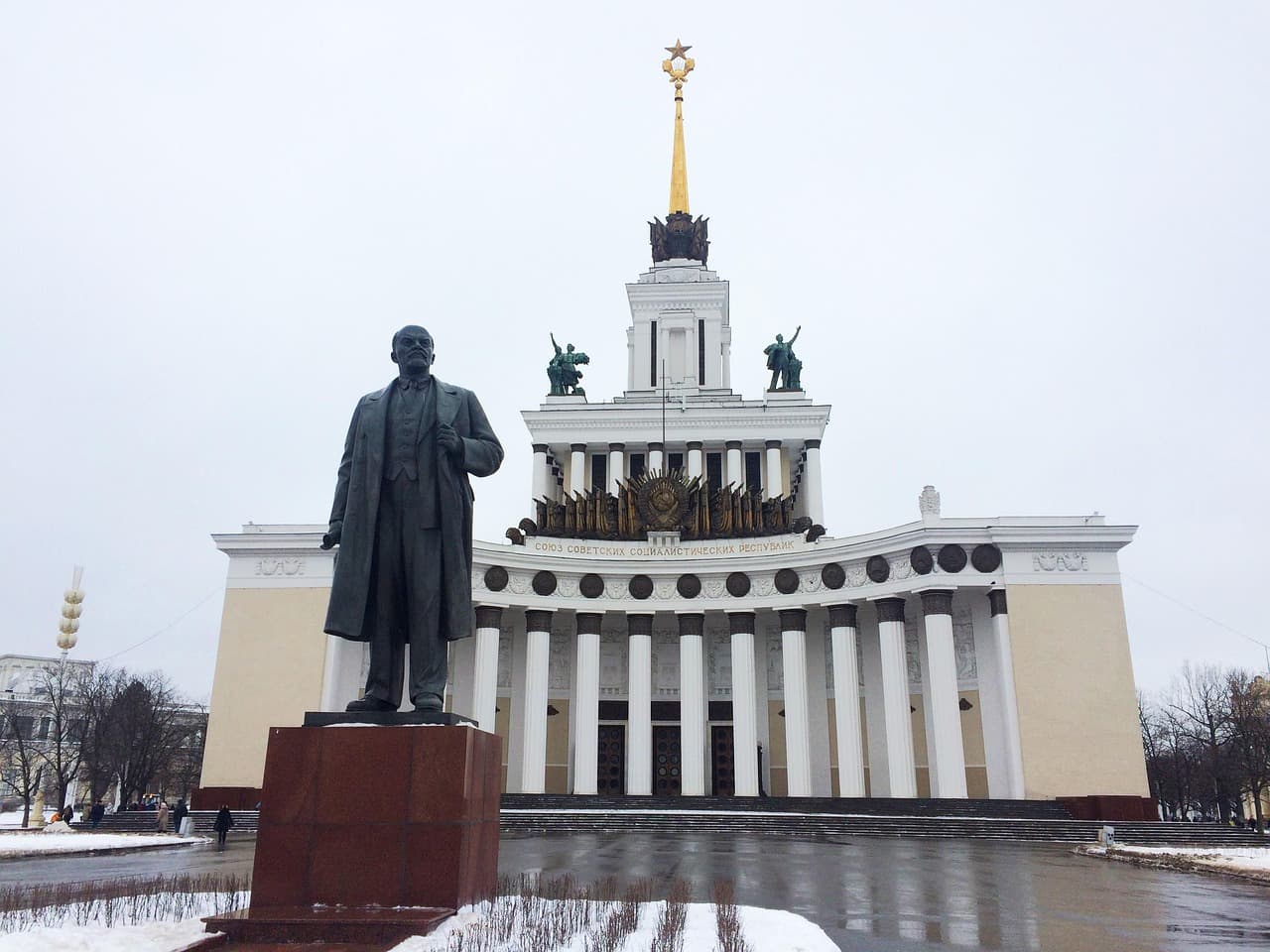

Lenins mausoleum på Röda torget är platsen där Vladimir Lenins balsamerade kropp förvaras och är öppet för allmänheten utan kostnad på bestämda dagar, med säkerhetskontroller som på en flygplats och fotografering förbjuden inuti. Den här guiden täcker besökstider, regler, historia och vad du kan förvänta dig.
Gå vid första ljuset till Lenins mausoleum för att känna platsens stillhet. Kreml reser sig bakom Röda torget och Moskvas gator är tysta. De stunderna erbjuder en viktig inblick i hur platsen ligger vid historiens gräns, sedd genom besökarnas ögon genom århundraden. Detta århundrade lägger ytterligare ett lager till berättelsen.
Byggnaden uppfördes 1929-1930 av arkitekten Aleksej Sjtsjusev och ger torget en tyngdpunkt med sin återhållsamma, låga profil. Taket är platt och fasaden av mörk sten och röd granit ger ett högtidligt intryck. Inuti vilar graven under glas i ett marmorkantat rum, en tyst motpunkt till vimlet utanför. För varje detalj belönar designen en noggrann, medveten betraktelse.
Leninmausoleet förkroppsligar ett symboliskt arv som överskrider politik. Sedan 1930 vilar kroppen här och formar aktuella debatter om minne och makt. För dem som studerar arkitektur avslöjar byggnadens volym, trånga passager och hur ljuset spelar på ytorna ett medvetet, bestående språk av auktoritet. Om du frågar vad som finns inuti, är svaret en förseglad grav under glas. Idén om kontinuitet - närvaro även efter årtionden - förblir uppenbar när du promenerar längs torget med blicken fäst på väggarna och den långsamt rörliga folkmassan. Andra noterar hur utrymmet styr tempot, och den ceremoniella exteriören kontrasterar mot den tysta interiören, vilket förstärker vad monumentet betyder idag.
Planera ditt besök med tanke på det aktuella schemat; inträdet är begränsat och säkerhetskontroller är standard. Det finns inga skyltar invändigt; du följer en kontrollerad rutt. Fotografering invändigt är förbjuden. Om du anländer tidigt får du uppleva den lugna atmosfären; annars kommer du att se en jämn ström av besökare. Eftersom platsen är ömtålig förblir tillträdet begränsat. Upplevelsen är kort, men den fokuserar på högtidlighet och återhållsamhet snarare än prålig lyx, och bjuder in dig att reflektera över historien snarare än att fånga den.
De som anländer från natten kan kombinera besöket med en snabb promenad längs Kremlmuren eller en vy över Röda torget från de omgivande gatorna, vilket avslöjar hur mausoleet ligger nära taklinjen i Moskvas centrum. För läsare som vill ha mer sammanhang ger närliggande museer och texter om Sovjettiden en bredare bakgrund. Men kom ihåg att det du ser är ett ögonblicksfoto, inte en fullständig dokumentär - platsen bjuder in dig att skapa din egen tolkning av vad du lägger märke till och vad du ifrågasätter.
Röda torget, det mest berömda i Ryssland: Lenins mausoleums historia, arkitektur och symboliska arv
Planera ditt besök i gryningen på Röda torget för en bättre atmosfär kring Lenins mausoleum, där tegel- och stentexturer kommer till liv i det bleka ljuset och den nuvarande stämningen känns mer respektfull. Anblicken längs torgens gångvägar sätter tonen innan du går in på det offentliga utrymmet och möter det ordnade flödet av besökare och lokalbefolkning.
Röda torget utgör ankaret i Moskvas historiska centrum, kantat av Kremls murar och katedraler i fjärran, med Lenins mausoleum som ett konkret uttryck för den tid som formade platsen. Byggnaden skapades av arkitekten Aleksej Sjtsjusev och färdigställdes 1930-31, utformad för att vara värd för en statlig uppvisning som kunde vara både högtidlig och tillgänglig. Lenins kvarlevor, bevarade för allmän beskådan, skapade en plats som samhället skulle bevaka och medierna bevaka - en balans mellan makt, minne och ritual. Platsen är strängt bevakad medan folkmassor cirkulerar, och det omgivande utrymmet samt vatteninstallationerna bidrar med en reflekterande bakgrund till den röda tegel- och stenfasaden.
Mausoleet utgör en kompakt massa av tegel och sten, en sober, rektangulär form som betonar hållbara detaljer snarare än utsmyckning. Tegelfasaden vilar på en stenbas, medan en mörk interiör rymmer sarkofagen av glas som omsluter Lenins kropp. Detta utrymme känns intimt men ändå monumentalt, med svag belysning, avmätta steg och en känsla av att byggnaden är byggd för att bestå. Naturligt ljus filtreras genom en diskret öppning, vilket framhäver de subtila guldtonade accenter som används vid ceremoniella tillfällen och förstärker platsens högtidliga stämning. Designen skulle se lika lämplig ut som en del av ett presidentkomplex eller ett offentligt monument, eftersom den syftar till att tjäna minne och statligt syfte tillsammans.
Som en symbol bidrog Lenins mausoleum till att forma det sovjetiska samhällets och omvärldens medborgerliga fantasi. Det fungerade som en synlig länk mellan makt och minne, en plats som besöktes av både tjänstemän och vanliga människor, och en fast punkt i mediernas berättelser kring statliga evenemang. Kvarlevorna väcker ständiga diskussioner om hur ett samhälle minns sitt förflutna, hur sådana monument bör bevaras, och hur minnet kan anpassa sig till nya myter. Återbalsameringsprocedurer, fortlöpande underhåll och debatter om allmänhetens tillträde beror alla på en balans mellan respekt för historien och transparens för besökare, en balans som fortsätter att locka internationell uppmärksamhet. Utrymmet ovanför graven har betydelse, och än idag är platsen en kraftfull påminnelse om eran ambitioner och dess katedral-liknande symbolismens konstnärlighet.
Praktisk vägledning: fotografering inomhus är inte tillåten och besöket är kort, med vakter som dirigerar flödet för att upprätthålla den högtidliga atmosfären. Kontrollera det aktuella schemat eftersom öppettiderna varierar säsongsmässigt, och myndigheterna kontrollerar tillträdet medan kameror och väskor är begränsade. Därefter kan du promenera till de närliggande kaféerna på Röda torget för en fika eller en lätt bit för att reflektera över det du sett och diskuterat. Klä dig respektfullt, i en prydlig kostym eller smart casual, för att passa in i de historiska omgivningarna. Utanför mausoleet fortsätter den aktuella stämningen i det öppna utrymmet, där besökare talar om hur kvarlevorna och monumentet har fungerat som minne för generationer och som en påminnelse om Rysslands föränderliga samhälle.
Ursprung och byggnadstidplan
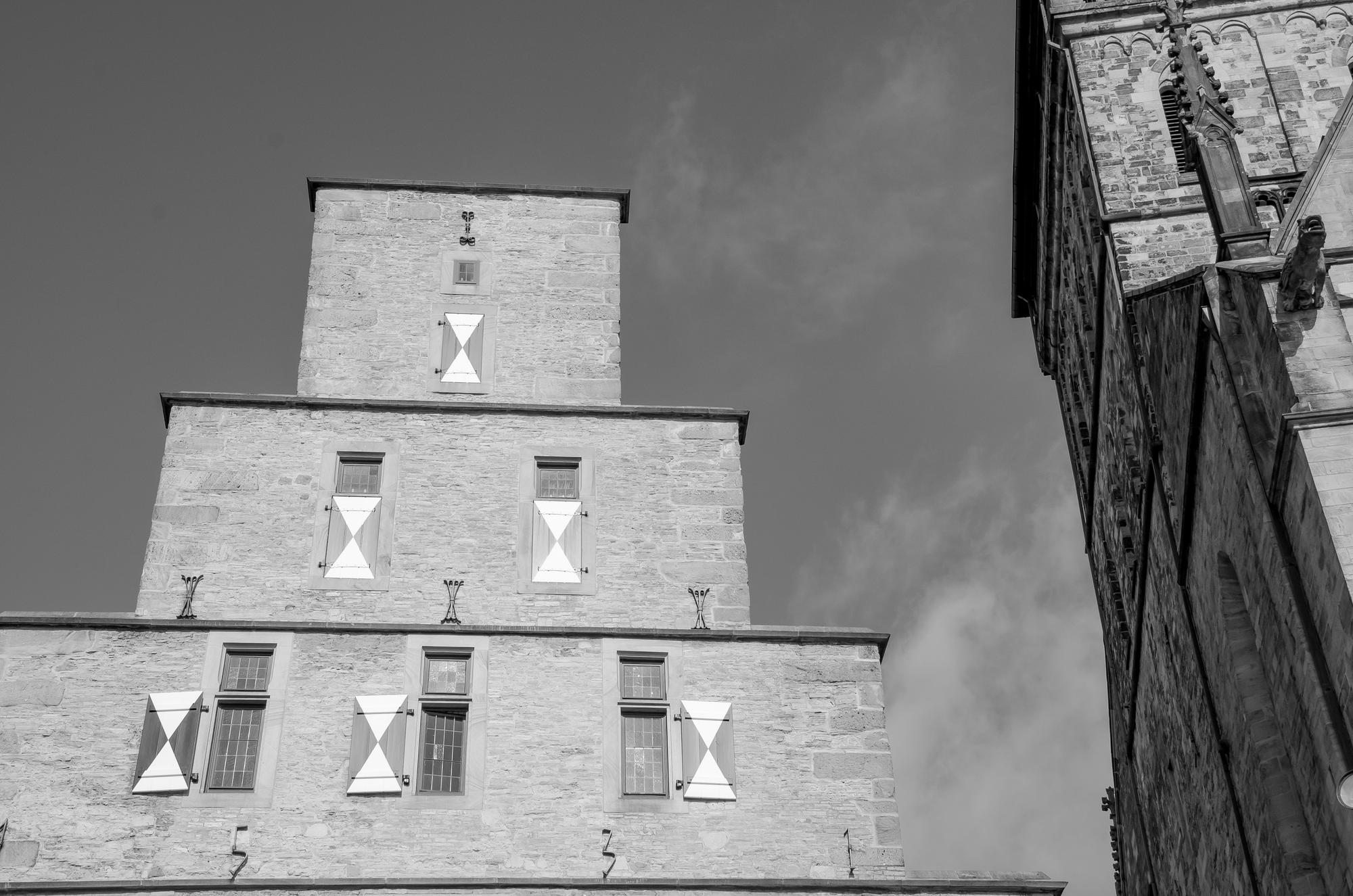
Börja med Lenins död 1924 och beslutet att ersätta den tillfälliga graven med ett ordentligt mausoleum. Flytten hade patriotisk och politisk symbolik och knöt ledarens namn till en varaktig symbol för statlig auktoritet. Formgivarna siktade på ett monument på Röda torget som kunde underhållas ordentligt och tolkas som ett tydligt uttryck för kontinuitet för en ny ledardynasti. Valet av plats, på torget och nära Kreml, förstärkte monumentets status som ett centralt medborgarminne snarare än en privat helgedom.
Projektet samlades kring Alexei Shchusev, som översatte debatter från sent 1920-tal till ett kompakt, granitansikte block. Ursprunget sträcker sig från kommissionens tidiga diskussioner till ögonblicket då byggandet godkändes. Byggnadstiden sträcker sig ungefär 1929-1931: grunden lades 1930, strukturen färdigställdes och Lenins kropp placerades i en sarkofag med glastopp i ett centralt rum tidigt 1931. Platsen ligger på Röda torget, mittemot Vasilijkatedralen, nära Kremlmurarna, vilket gör ceremonin synlig för de flesta besökare och förbipasserande.
Arkitektoniskt språk blandar praktisk massa med ceremoniell lugn, undviker utsmyckade kyrkor och anammar sekulära, monumentala former. Exteriören använder hållbar sten för att förmedla bestående makt, medan interiören fokuserar på en sarkofag som hyser Lenin bakom glas. I grunden sökte projektet en balans mellan värdighet och tydlighet, ett vackert, hisnande uttryck för politisk vilja med en subtil lyx i finishen. Vissa observatörer jämför planeringsdisciplinen med en astronaut, och lyfter fram den noggranna sekvenseringen av plats, struktur och presentation. Resultatet erbjöd en omfattande fallstudie för såväl historiker som arkitekter. Tips för läsare: jämför arkivritningar med publicerade fotografier, notera hur massan styr betraktarens rörelse över Röda torget, och leta efter de mest avslöjande detaljerna kring sarkofagen och belysningen.
Arkitektoniska höjdpunkter: Material, planlösning och konstruktion
Börja med en panoramavy av fasaden från torget, för att sedan röra dig längs den axlade rutten mot dörren. Denna approach avslöjar byggnadens massa och proportion, dess relation till Röda torget och dess roll som ett politiskt monument som med åren blev en sevärdhet och en attraktion för landet. Observera hur folkmassor flyter som en flod, och styr rytmen av inpassager och säkerhetskontroller; en sådan perception informerar planeringen av besöksflöden och siktlinjer.
Det yttre skalet kombinerar slitstarkt stenmaterial med en återhållsam färgskala: röda granitpaneler ramar in mörkare band och skapar en lugn, monumental fasad. Inuti stöder en armerad betongkärna tegelvalv och en exakt utformad placering av öppningar. Insidans ytor använder ljus marmor och puts, med guldfärgade ljusaccenter som framhäver processionsvägen. Subtila prickar i stenen, som påminner om tsum, ger textur utan att dra uppmärksamheten från den högtidliga sekvensen.
Layoutet betonar axial symmetri och kompakt skala: en smal entréhall leder till ett centralt rum, flankerat av servicekorridorer och diskreta källarplan. Graven ligger längs en nord-sydlig axel för att skapa en tydlig processionslinje; en grottliknande nisch rymmer tekniska installationer utan att störa huvudutrymmet. En annan del av planen tar hand om personalflöden och en liten samling ceremoniella föremål. Huvudentrédörren ligger på axeln, med en sekundär dörr för serviceåtkomst som öppnas vid behov för guidade turer. Klockformade takfönster ovan modulerar dagsljuset och ger en lugn, kontemplativ kvalitet till interiören.
Konstruktionen vilar på en styv, effektiv ram: armerad betong, stålstag och fristående fundament förankrade i berg. Fasaden är fäst med korrosionsbeständig hårdvara för att bättre tåla Moskvas väder under längre tid, medan insidan använder fuktskydd och ickereflektiva ytor för att kontrollera bländning. Designen förutser förändringar i bemanning och ceremoniella bruk genom att hålla servicevägar åtskilda från huvudprocessen, vilket säkerställer en värdig upplevelse för både besökare och dignitärer. Strukturen förblir dock anpassningsbar för framtida underhållsbehov utan att kompromissa med sin ikoniska silhuett.
Åtkomst och symbolism konvergerar i praktiska åtgärder: biljetter utfärdas via officiella kanaler och priserna varierar med säsonger eller speciella evenemang. Ordningen passar stora grupper, skolprogram, forskare och nyfikna resenärer från andra länder, med rutter utformade för att hantera skiftande folkmassor smidigt. Dörrprotokollet balanserar säkerhet med välkomnande, och erbjuder ett förutsägbart flöde samtidigt som webbplatsens högtidliga stämning bevaras. Trots den strikta säkerheten känner sig besökarna välkomna, med tillgång för forskare och allmänna besökare. Kända år av restaurering och en fortlöpande samling av arkivfoton, inklusive uppdateringar från Andropov-eran, förstärker monumentets status som en nationell attraktion och en påtaglig länk till dynastins politiska minne.