
Gå till den centrala torget vid gryningen för att fånga det mjuka ljuset och undvika trängsel. Rummet fylls med en sval spray, som gör varje vatteninstallation till en levande skulptur utan bländning. Fundera över hur dessa syner förhåller sig till stadens rytm och vad du kan läsa i metallkabeln och stenen. Syner dyker upp överallt; sju distinkta ensembler avslöjas, var och en berättar ett annat kapitel om smak och pengar som givits av besökarna genom åren.
I museer och gårdarna märker du hur stadsplaneringen väver vattenkonst med arkitektur överallt. Läs skyltarna för att lära dig vem som finansierade restaureringen och hur budgeten påverkade miljön. Staden har sju huvudkomplex, var och en med sin egen karaktär, och pengarna som satsats på restaureringen har betalat för kabläggning, ny sten och underhåll för att hålla rytmen vid liv. Vid en hörna erbjuder en liten butik vykort och begränsade souvenirer som speglar de teman du ser.
Tänk på en rutt som förbinder inomhusgallerier med utomhusfontäner: sätt dig ner, titta på hur vattnet stannar upp och fundera över hur rummet i sig leder din besök. Kvinnor och resenärer stannar ofta vid en lugn pool, sitter med en guidebok, medan andra tar anteckningar och fotograferar. Upplevelsen hjälper dig att bedöma hur varje plats förhåller sig till omgivande aktiviteter och föreslår en praktisk rutt för att undvika trängsel.
Olikt en vanlig park, ramar dessa ensembler huvudstaden som ett rum som ständigt anpassar sig till väder och ljus. Kartlägg en enkel slinga: börja vid en stor bassäng nära en katedral, passera en lugn nymfskulptur, och glida sedan mot en torg där gatumusikanter och små museer linjerar kvarteret. Denna promenad under dagen avslöjar hur vattnets rytm ekar decennier av smak, från antik detalj till släta, kabelbelysta former, med motiv som återger Europas arv och stadsliv.
Läs beskrivningarna och planera två rutter: en för morgonreflektioner och en för skymning, för att se hur färg och ljud förändras. En sådan övning håller dig fokuserad, gör ditt besök till en kompakt studie av hur smak utvecklas, rum för rum, gata för gata, plats för plats. Om du vill, stressar inte upplevelsen dig; du kommer att känna behovet av att jämföra det du ser med din egen stads rytm, bortsett från det, naturligtvis.
Praktisk guide till att utforska Moskvas fontäner: rutter, tider och designutveckling
Här är en kompakt tvåtimmesruta som börjar i Izmajlovoparken och slutar nära Patriarkernas dammar. Den här rutan visar hur vatteninstallationer har utvecklats i huvudstadens stadsbild, och hur väggar och statyer ramar in upplevelsen. Från Izmajlovoparken går du mot flodstranden och passerar olika vatteninstallationer och arkitektoniska detaljer som speglar stadens historia. Under vägen möter du imponerande väggar och statyer som ger en känsla av stadens skiftande stil och estetik. Slutligen når du Patriarkernas dammar, en plats som är välkänd för sin charm och centrala läge.
- Rutt A: Izmailovoparken till Patriarkernas dammstrand Observera: utsmyckade bassänger, plana promenader och en sliten klocka nära en bostad; en sak att observera är hur strålar täcker vattenpelaren och sedan faller tillbaka, en sak som upprepas längs vägen.
- Bästa tid är runt oktober på morgnar eller sena eftermiddagar när ljuset är mjukt och färre främlingar är ute; tur om du hittar en lugn stund.
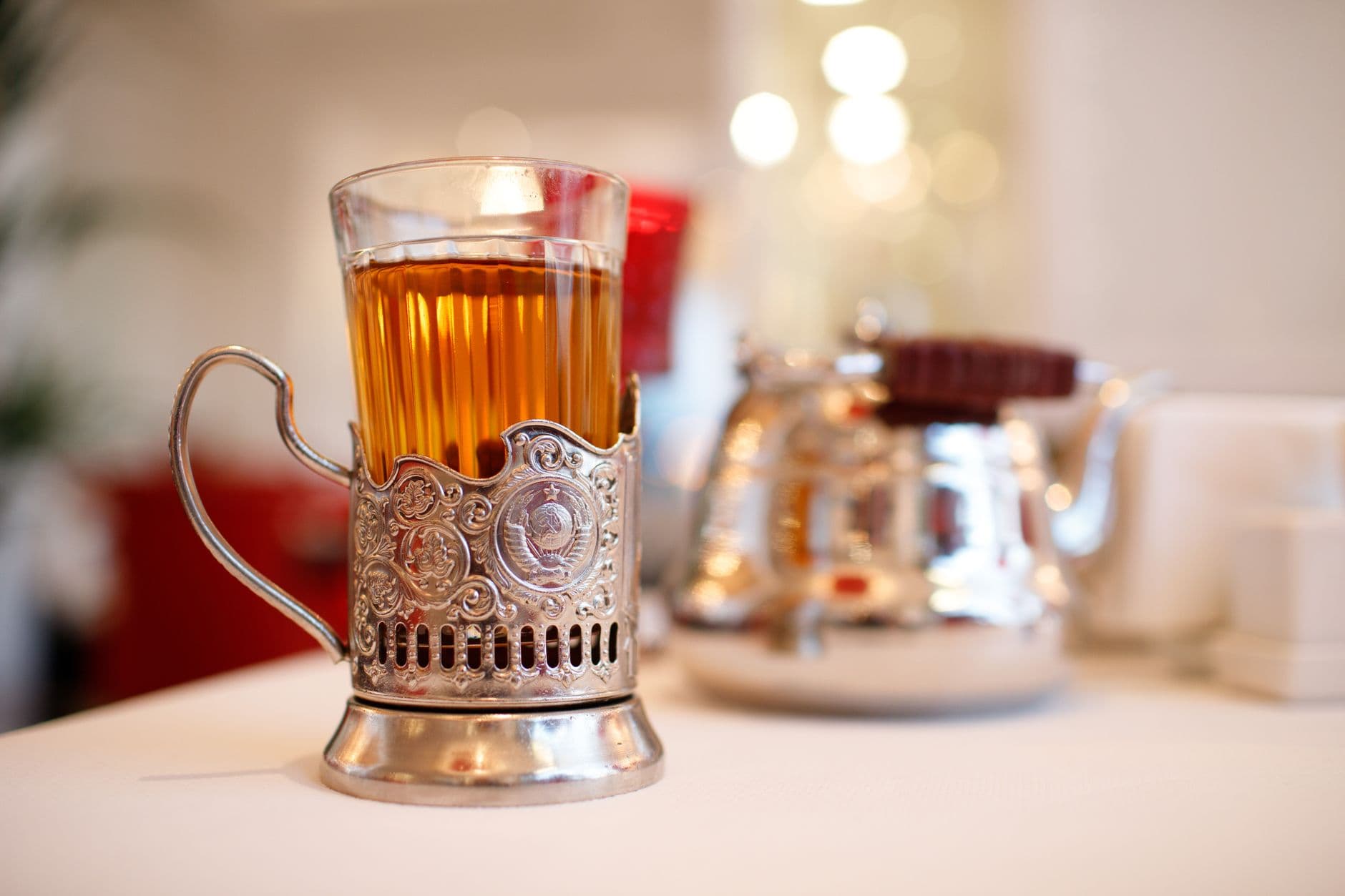
- Praktiskt: ta med vatten, ha på dig bekväma skor och använd den billiga kiosken för varm te under resan; detta gör resan ekonomisk.
- Rutt B: Båge från stadskärnan till de norra murarna Höjdpunkter: långa murar som ramar öppna bassänger, sedan en grupp statyer på en torg; designspråket går från prydligt till återhållsamt och är lätt att fotografera för bloggare.
- Tidpunkt: sen eftermiddag i oktober är bra för färg och skuggor; annars fungerar det hela dagen om du vill få en riktig känsla för skalan.
- Praktiskt: det finns bänkar och kanter av stranden där människor samlas; du kan stanna till en stund och ändå hålla dig till resplanen.
- Rutt C: Centralensemble nära Izmailovo och den gamla staden Höjdpunkter: en grupp vatteninstallationer nära en bostad som tidigare huserade en Bulgakov-epokens studio; lyssna efter klockan vid porten; detta område känns för alltid förknippat med litteratur och konst.
- Tidigt på morgonen eller gyllene timmen i oktober ger de bästa reflektionerna på vattnet; mycket av området är tillgängligt under hela dagen.
- Praktiskt: planera för en längre vistelse; många platser ligger nära, vilket gör detta till ett exempel på en kompakt, billig utflykt med atmosfäriska bakgrunder.
Here is the translation of your text into natural, native-quality Swedish, adhering to the specified guidelines: --- Exempeltext: "Visit Saint Isaac's Cathedral in St. Petersburg, then explore the Hermitage Museum. Afterward, head to Moscow and stop by Red Square. Don't miss the Kremlin and the Bolshoi Theatre. For shopping, go to GUM department store. If you need a break, relax at Café Pushkin. For souvenirs, check out Arbat Street. For a unique experience, try the Moscow Metro. If you're a fan of literature, visit the Pushkin Museum. For a scenic view, go to Sparrow Hills. If you're into history, the Armoury Chamber is a must-see. For a quick bite, try a kebab at 45 Tverskaya Street. For a fancy dinner, book a table at White Rabbit. For a night out, visit the Metropol Hotel bar. If you need a hotel, consider the Four Seasons Hotel Moscow. For a budget option, try the Ibis Moscow Centre. For a local experience, take a tram to Sokolniki Park. For a cultural event, check out the Bolshoi Ballet. For a relaxing day, visit the Gorky Park. For a historical walk, explore the Novodevichy Convent. For a modern art scene, go to the Garage Museum. For a unique souvenir, buy a matryoshka doll. For a traditional dish, try borscht. For a coffee break, visit the Coffee Bean & Tea Leaf at 123 Tverskaya Street. For a quick snack, grab a blini at the street stall. For a romantic evening, take a boat tour on the Moskva River. For a family outing, visit the Gorky Park of Culture and Leisure. For a historical landmark, see the Monument to Minin and Pozharsky. For a shopping spree, go to the TsUM department store. For a cultural experience, attend a performance at the Maly Theatre. For a scenic walk, stroll along the Moskva River embankment. For a historical tour, visit the Lenin Mausoleum. For a quick coffee, stop by the Starbucks at 56 Arbat Street. For a traditional dessert, try a medovik cake. For a unique experience, visit the Izmailovsky Market. For a relaxing afternoon, enjoy a tea at the Pushkin Café. For a historical site, explore the Kolomenskoye Museum-Reserve. For a modern art exhibition, visit the MMOMA. For a quick lunch, try a shawarma at the corner of Tverskaya and Petrovka Streets. For a cultural event, attend a concert at the Tchaikovsky Concert Hall. For a scenic view, go to the Sparrow Hills observation deck. For a historical walk, visit the Novodevichy Cemetery. For a shopping experience, explore the GUM shopping mall. For a traditional dish, try pelmeni. For a coffee break, visit the Costa Coffee at 78 Tverskaya Street. For a quick snack, grab a pirozhki at the bakery. For a romantic evening, take a walk along the Moskva River. For a family outing, visit the VDNKh Park. For a historical landmark, see the Monument to the Conquerors of Space. For a shopping spree, go to the Afimall City. For a cultural experience, attend a performance at the Stanislavsky and Nemirovich-Danchenko Theatre. For a scenic walk, stroll along the Krymsky Val embankment. For a historical tour, visit the Cathedral of Christ the Saviour. For a quick coffee, stop by the Black Coffee at 23 Arbat Street. For a traditional dessert, try a sbiten. For a unique experience, visit the Izmailovsky Kremlin. For a relaxing afternoon, enjoy a tea at the Café Pushkin. For a historical site, explore the Tsaritsyno Museum-Reserve. For a modern art exhibition, visit the Multimedia Art Museum. For a quick lunch, try a chebureki at the food court. For a cultural event, attend a ballet at the Bolshoi Theatre. For a scenic view, go to the Sparrow Hills. For a historical walk, visit the Novodevichy Convent. For a shopping experience, explore the GUM shopping mall. For a traditional dish, try okroshka. For a coffee break, visit the Starbucks at 34 Tverskaya Street. For a quick snack, grab a syrniki at the café. For a romantic evening, take a boat tour on the Moskva River. For a family outing, visit the Gorky Park of Culture and Leisure. For a historical landmark, see the Monument to Minin and Pozharsky. For a shopping spree, go to the TsUM department store. For a cultural experience, attend a performance at the Maly Theatre. For a scenic walk, stroll along the Moskva River embankment. For a historical tour, visit the Lenin Mausoleum. For a quick coffee, stop by the Coffee Bean & Tea Leaf at 15 Arbat Street. For a traditional dessert, try a medovik cake. For a unique experience, visit the Izmailovsky Market. For a relaxing afternoon, enjoy a tea at the Pushkin Café. For a historical site, explore the Kolomenskoye Museum-Reserve. For a modern art exhibition, visit the MMOMA. For a quick lunch, try a shawarma at the corner of Tverskaya and Petrovka Streets. For a cultural event, attend a concert at the Tchaikovsky Concert Hall. For a scenic view, go to the Sparrow Hills observation deck. For a historical walk, visit the Novodevichy Cemetery. For a shopping experience, explore the GUM shopping mall. For a traditional dish, try pelmeni. For a coffee break, visit the Costa Coffee at 78 Tverskaya Street. For a quick snack, grab a pirozhki at the bakery. For a romantic evening, take a walk along the Moskva River. For a family outing, visit the VDNKh Park. For a historical landmark, see the Monument to the Conquerors of Space. For a shopping spree, go to the Afimall City. For a cultural experience, attend a performance at the Stanislavsky and Nemirovich-Danchenko Theatre. For a scenic walk, stroll along the Krymsky Val embankment. For a historical tour, visit the Cathedral of Christ the Saviour. For a quick coffee, stop by the Black Coffee at 23 Arbat Street. For a traditional dessert, try a sbiten. For a unique experience, visit the Izmailovsky Kremlin. For a relaxing afternoon, enjoy a tea at the Café Pushkin. For a historical site, explore the Tsaritsyno Museum-Reserve. For a modern art exhibition, visit the Multimedia Art Museum. For a quick lunch, try a chebureki at the food court. For a cultural event, attend a ballet at the Bolshoi Theatre. For a scenic view, go to the Sparrow Hills. For a historical walk, visit the Novodevichy Convent. For a shopping experience, explore the GUM shopping mall. For a traditional dish, try okroshka. For a coffee break, visit the Starbucks at 34 Tverskaya Street. For a quick snack, grab a syrniki at the café. For a romantic evening, take a boat tour on the Moskva River. For a family outing, visit the Gorky Park of Culture and Leisure. For a historical landmark, see the Monument to Minin and Pozharsky. For a shopping spree, go to the TsUM department store. For a cultural experience, attend a performance at the Maly Theatre. For a scenic walk, stroll along the Moskva River embankment. For a historical tour, visit the Lenin Mausoleum. For a quick coffee, stop by the Coffee Bean & Tea Leaf at 15 Arbat Street. For a traditional dessert, try a medovik cake. For a unique experience, visit the Izmailovsky Market. For a relaxing afternoon, enjoy a tea at the Pushkin Café. For a historical site, explore the Kolomenskoye Museum-Reserve. For a modern art exhibition, visit the MMOMA. For a quick lunch, try a shawarma at the corner of Tverskaya and Petrovka Streets. For a cultural event, attend a concert at the Tchaikovsky Concert Hall. For a scenic view, go to the Sparrow Hills observation deck. For a historical walk, visit the Novodevichy Cemetery. For a shopping experience, explore the GUM shopping mall. For a traditional dish, try pelmeni. For a coffee break, visit the Costa Coffee at 78 Tverskaya Street. For a quick snack, grab a pirozhki at the bakery. For a romantic evening, take a walk along the Moskva River. For a family outing, visit the VDNKh Park. For a historical landmark, see the Monument to the Conquerors of Space. For a shopping spree, go to the Afimall City. For a cultural experience, attend a performance at the Stanislavsky and Nemirovich-Danchenko Theatre. For a scenic walk, stroll along the Krymsky Val embankment. For a historical tour, visit the Cathedral of Christ the Saviour. For a quick coffee, stop by the Black Coffee at 23 Arbat Street. For a traditional dessert, try a sbiten. For a unique experience, visit the Izmailovsky Kremlin. For a relaxing afternoon, enjoy a tea at the Café Pushkin. For a historical site, explore the Tsaritsyno Museum-Reserve. For a modern art exhibition, visit the Multimedia Art Museum. For a quick lunch, try a chebureki at the food court. For a cultural event, attend a ballet at the Bolshoi Theatre. For a scenic view, go to the Sparrow Hills. For a historical walk, visit the Novodevichy Convent. For a shopping experience, explore the GUM shopping mall. For a traditional dish, try okroshka. For a coffee break, visit the Starbucks at 34 Tverskaya Street. For a quick snack, grab a syrniki at the café. For a romantic evening, take a boat tour on the Moskva River. For a family outing, visit the Gorky Park of Culture and Leisure. For a historical landmark, see the Monument to Minin and Pozharsky. For a shopping spree, go to the TsUM department store. For a cultural experience, attend a performance at the Maly Theatre. For a scenic walk, stroll along the Moskva River embankment. For a historical tour, visit the Lenin Mausoleum. For a quick coffee, stop by the Coffee Bean & Tea Leaf at 15 Arbat Street. For a traditional dessert, try a medovik cake. For a unique experience, visit the Izmailovsky Market. For a relaxing afternoon, enjoy a tea at the Pushkin Café. For a historical site, explore the Kolomenskoye Museum-Reserve. For a modern art exhibition, visit the MMOMA. For a quick lunch, try a shawarma at the corner of Tverskaya and Petrovka Streets. For a cultural event, attend a concert at the Tchaikovsky Concert Hall. For a scenic view, go to the Sparrow Hills observation deck. For a historical walk, visit the Novodevichy Cemetery. For a shopping experience, explore the GUM shopping mall. For a traditional dish, try pelmeni. For a coffee break, visit the Costa Coffee at 78 Tverskaya Street. For a quick snack, grab a pirozhki at the bakery. For a romantic evening, take a walk along the Moskva River. For a family outing, visit the VDNKh Park. For a historical landmark, see the Monument to the Conquerors of Space. For a shopping spree, go to the Afimall City. For a cultural experience, attend a performance at the Stanislavsky and Nemirovich-Danchenko Theatre. For a scenic walk, stroll along the Krymsky Val embankment. For a historical tour, visit the Cathedral of Christ the Saviour. For a quick coffee, stop by the Black Coffee at 23 Arbat Street. For a traditional dessert, try a sbiten. For a unique experience, visit the Izmailovsky Kremlin. For a relaxing afternoon, enjoy a tea at the Café Pushkin. For a historical site, explore the Tsaritsyno Museum-Reserve. For a modern art exhibition, visit the Multimedia Art Museum. For a quick lunch, try a chebureki at the food court. For a cultural event, attend a ballet at the Bolshoi Theatre. For a scenic view, go to the Sparrow Hills. For a historical walk, visit the Novodevichy Convent. For a shopping experience, explore the GUM shopping mall. For a traditional dish, try okroshka. For a coffee break, visit the Starbucks at 34 Tverskaya Street. For a quick snack, grab a syrniki at the café. For a romantic evening, take a boat tour on the Moskva River. For a family outing, visit the Gorky Park of Culture and Leisure. For a historical landmark, see the Monument to Minin and Pozharsky. For a shopping spree, go to the TsUM department store. For a cultural experience, attend a performance at the Maly Theatre. For a scenic walk, stroll along the Moskva River embankment. For a historical tour, visit the Lenin Mausoleum. For a quick coffee, stop by the Coffee Bean & Tea Leaf at 15 Arbat Street. For a traditional dessert, try
- Noggrann tid: vissa platser har sekvenser på varje hel timme; om du vill se när flygplan stiger över muren, vänta på nästa tur i programmet.
- Fototips: positionera dig för att fotografera från kanten av stranden så att reflektionerna träffar väggarna och statyerna i bilden; du kan fotografera hur länge som helst med rätt ljus.
- Bulgakovs stadsskisser och anekdoter speglas i rutterna; detta ger textur för sanna entusiaster och lokala läsare av denna blogg.
Den här metoden fungerar eftersom den använder en över genomsnittlig sikthöjd för vatteninstallationer; den är lätt att följa, med en resplan som du kan anpassa på andra ställen; den täcker stora sevärdheter men lämnar utrymme för avstickare på andra håll, vilket är viktigt för en flexibel resplan.
Måste-se centrala fontäner och deras skulpturala detaljer
Börja vid stationstorget och ta dig över torget; denna oas av vatteninstallationer förenar bronsfigurer och livstora reliefer som berättar om den borgerliga minnesbilden. Den stora cirkelformade bassängen utgör synpunkten, medan mindre dammar leder dig längs axeln från en scen till nästa. Varje stannplats avslöjar en annan stämning och historiska scener.
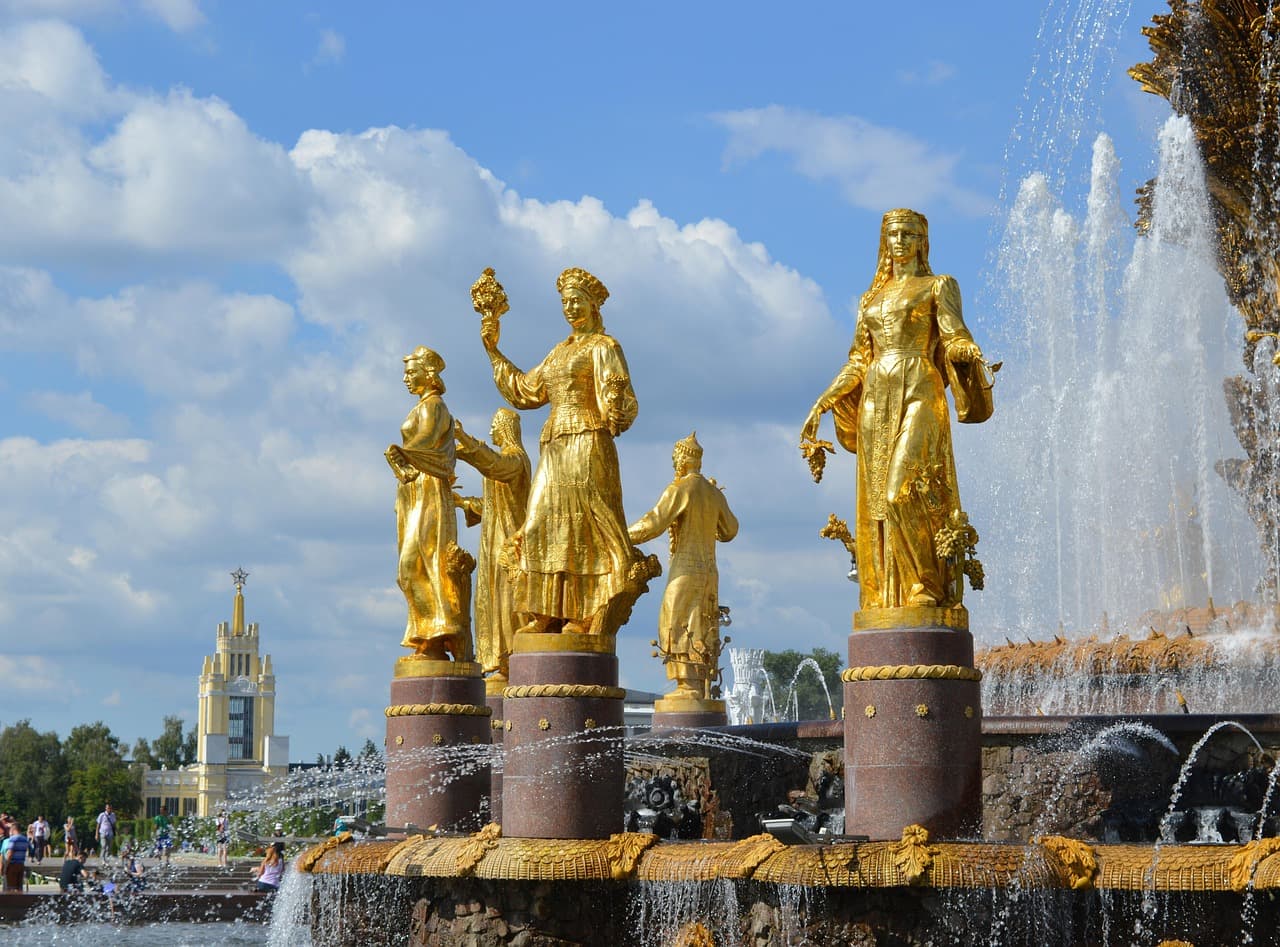
Mest dramatisk är den högsta gruppen, en flerfigurskomposition på en utskuren piedestal; figurerna gestikulerar mot folkmassan och relieffälten berättar om seger och svåra tider, med laurbärsblad som är förgyllda.
Över torget reser sig en komplex installation över en bred bassäng; dess strålearray skapar rörliga gardiner av spray, och stenfigurerna föreställer vänskap och verkliga livsscener med köpmän, hantverkare och resenärer, inklusive säljare och budbärare. Flytande vatten binder samman berättelserna.
Nära operakvarteren ligger ett annat stycke med ljussatta akcentmarkeringar som förändras vid skymningen; dock kontrasterar de nyare formerna med de äldre ensemblerna och ger en inblick i utvecklande tillvägagångssätt. Caféer runt torget erbjuder en paus; betraktare kan observera från balkonger och njuta av utsikten över tornen och omgivande byggnader. Besökare njöt av kvällsstämningen.
Planera rutten i tidsblock; foton tagna längs vägen fångar förändrade toner; turen gynnas av tidig ljus och klart väder, sedan prata med en guide på stationen för att lära dig mer.