


Planera ditt besök till tidigt på morgonen och avsätt åtminstone två timmar för att uppleva Spasskaja-tornet och dess klockmekanism. Tornet reser sig cirka 71 meter över marken, och klockans visare är cirka 6 meter i diameter, så de förblir läsliga när solen stiger över Röda torget.
Spasskaya Tower byggdes 1491 av den italienske mästaren Pietro Solari; den förankrar Kremlmurens vägg och vetter mot torget. År 1937 ersattes dubbelhuvudade örnen på spiran av en röd stjärna, och symbolen monterades upp på spiran. Uret fungerar genom flera stationer av kugghjul, och mekanismen fungerar praktiskt taget oförändrad, vilket ger pålitliga klämtoner under stora evenemang. Det fanns ryktet om att spränga urtavlan, men säkerheten förhindrade någon skada.
Tillträde börjar vid portarna: besökare gick in genom portarna till Kremlområdet och följde sedan en markerad väg mot klocktorgsplatsen. En utsiktsplattform har dykt upp nära muren erbjuder en nära titt på urtavlan och visarna; du kommer att märka den noggranna utjämningen av siffrorna och markörerna.
Under ceremonier ackompanjerar klockorna hymnen. Åren då landet led, påminner besökarna om att tiden fortsätter framåt medan historien består. En liten skulptur nära basen lutar sitt huvud mot gryningen, och bjuder in fotografen att rama in tavlans med Röda torget i bakgrunden.
Kontrollera Kremlens schema i förväg, kom tidigt för att undvika köer och överväg en guidad tur för att lära dig mer om tornets ursprung och underhåll. För dramatiska foton, ta bilder vid gryningen eller på sena eftermiddagen när solen skiner över murverket och urtavlorna, och använd ett vidvinkelobjektiv för att fånga tornets höjd - cirka 71 meter - mot himlen.
Spasskaya tornet och Kremlklockan i Moskva: En praktisk översikt
Planera ditt besök för att höra de timvisa klockringningarna från Spasskaya-tornets klocka och fotografera de fyra urtavlorna när ljuset träffar Röda torget på rätt sätt.
- Struktur och historia Spasskaja tornet är en del av Kreml-fästningen och når en höjd av cirka 71 meter. Byggandet påbörjades under 1400-talet som en central del av Kremls försvar, med senare uppdateringar för att rymma klockan.
- Design och med ett urtavla varje urtavla sträcker sig ungefär 6 meter i diameter, och det finns fyra ansikten som visar siffror (цифр) med romerska siffror I-XII. Visarna är prydliga, vilket gör att klockan är känd från andra sidan torget.
- Mekanism och tillförlitlighet Urmaskinens ursprung går tillbaka till 1850-talet och används fortfarande regelbundet idag. Periodiska restaureringar åtgärdar slitage och skador, vilket bevarar tidens rytm utan att kompromissa med borgens atmosfär.
- Historisk kontext Reparationerna började långt innan modern tid, med uppdateringar från 1600-talet som formade dess nuvarande utseende. Utställningen speglar en rysk, moscovitisk tradition som knyter Spasskijtornet till stadens identitet.
- Bästa vinklarna får du från Röda torget och längs med Kremlmurarna nära Охотный мост-området. Från dessa utsiktsplatser kan du fotografera statyerna längs den nedre försvarslinjen och klockan mot natthimlen.
- Praktiska anteckningar Tillträde till inre delen av Spasskij-tornet är begränsat; fotografering utomhus är vanligt, men respektera säkerheten och folkmassorna. Om du vill ha en lugn stund, kom tidigt eller stanna kvar efter solnedgången för att njuta av skenet på fasaden utan bländning på urtavlan.
- Varför det är viktigt Tornet förenar byggnadskonst och ceremonier: det är en fysisk länk till Kremls planering på 1600-talet och till en klocka som har hållit tiden under krig, revolutioner och restaureringar, eller som lokalbefolkningen kanske skulle säga, ett under att hålla takten i föränderliga omgivningar.
- Planera ditt besök med tillräckligt med tid för att promenera runt Nedre hovet och betrakta Spasskij-tornet från flera vinklar; detta hjälper dig att uppfatta klockans skala och den omgivande arkitekturen.
- Kläd dig efter Moskvas väder och ta med ett mångsidigt objektiv; de fyra ansiktena fotograferas bäst med ett måttligt teleobjektiv för att isolera siffrorna (цифр) mot natten eller en ljus dag.
- Observera underhållsuppdateringar: mekanismen får regelbunden vård för att förhindra signalstopp, så att du upplever klockan som ett levande relik istället för ett statiskt monument.
Originer: Kremlens grundande och tidiga historia
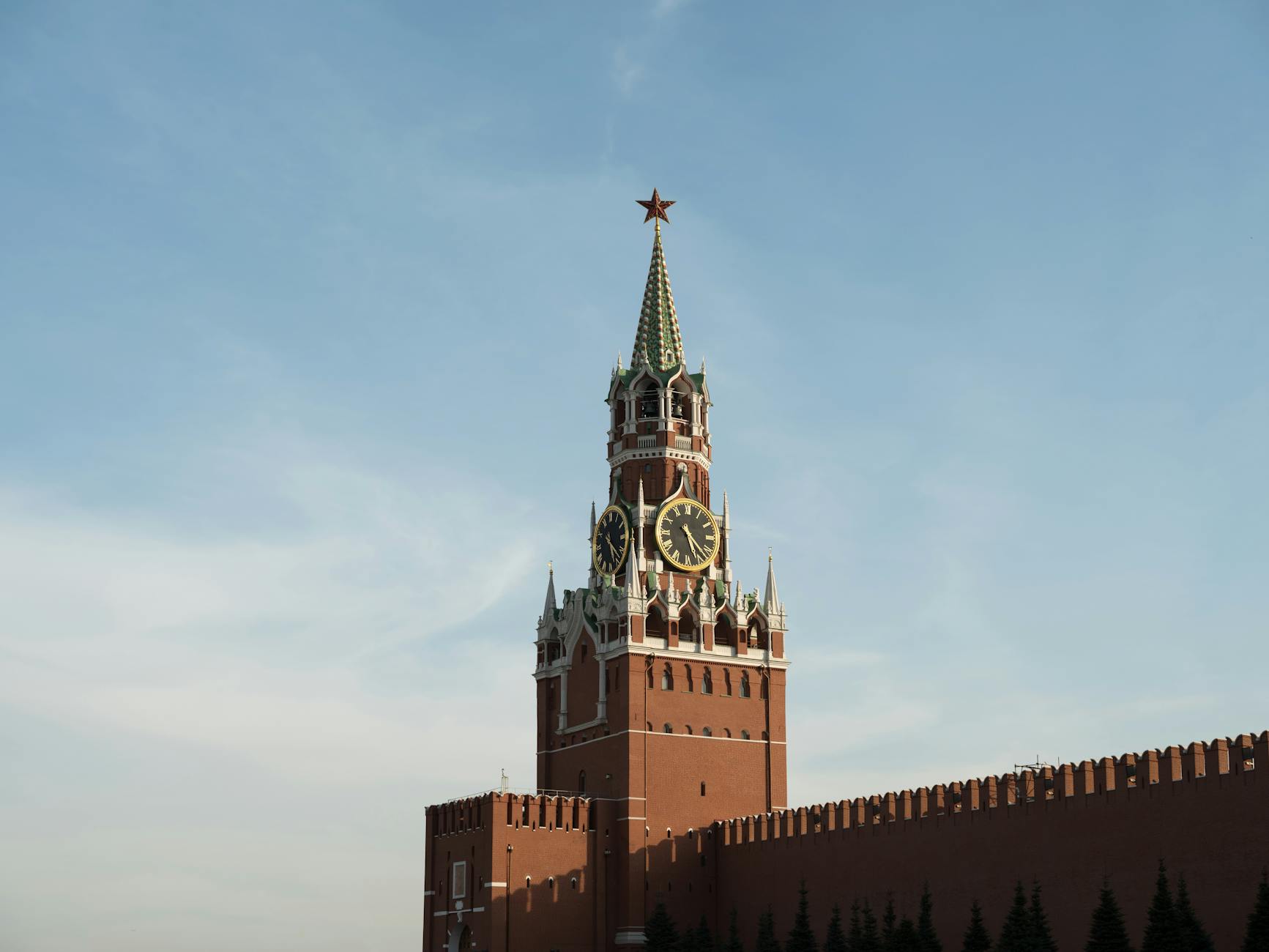
Yuri Dolgorukys 1200-talsbefästning vid Moskvafloden och spåra Moskvas uppgång genom Kremlmurarna. Den träbefästa fästningen gav vika för tegelmurarna under 1300-1400-talet, som de ryska krönikorna beskriver, när Moskva växte till tsarernas och furstarnas residens. Ivan III beordrade en avgörande ombyggnad, genom vilken Kreml blev en röd tegelborg vid Moskvas stränder, formade den ryska statsmakten genom åren och skapade en vacker siluett över staden.
På slutet av 1400-talet formade italienska mästare planen; den åttakantiga basen av Spasskaja tornet steg upp vid Kremls östra sida. Uret kom med en cyferbladsdel, dess siffror (цифр) marscherade med timmarna. Ett solmotiv (солнца) pryder urtavlan, vilket lägger till en subtil glans. Tornet ligger mittemot Röda torget, vilket binder samman Kreml med Moskva.
En grundsten bär en inskription som noterar datumet och byggarna. En senare plakett nämner Michailovitj som en mästare. Kremlen var värd för högtidliga ceremonier och statyer som minnestecknade händelser. Fästningen led av belägringar och strid, medan senare reliefer förgyllts lyste upp kronorna.
Dessa ursprung gjorde Kremlen till en maktens säte och en kulturell fyr; moderna restaureringar använder rostfritt stål för fästen för att bevara silhuetten.
Arkitektoniska detaljer och urverket
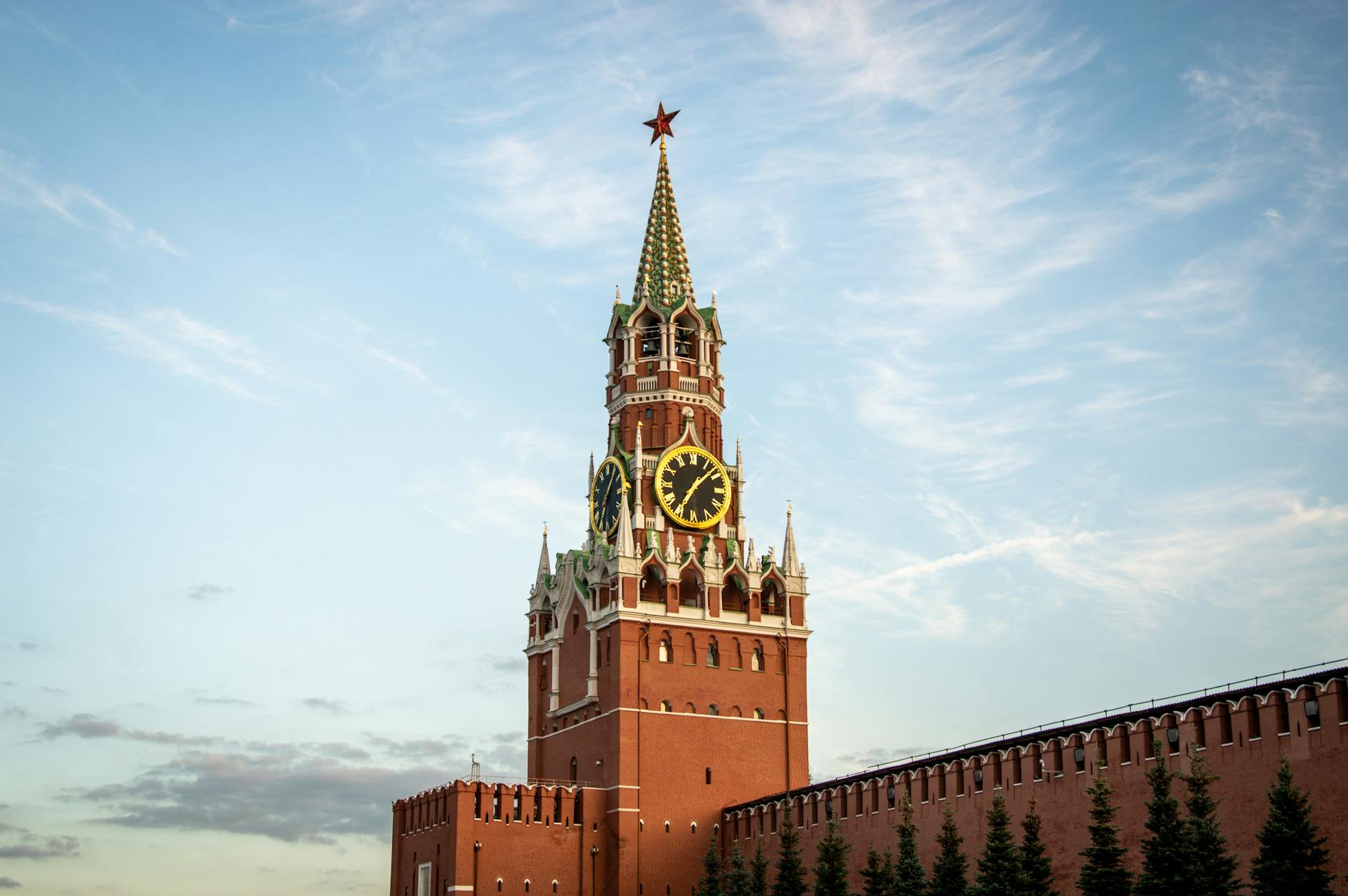
Börja med en vägledd inspektion av klockans inre växlar för att förstå hur mekanismen driver циферблатом och markerar часов med exakta, hörbara slag, som synkroniseras med dagens мелодии. I den inre kammaren överför en viktdriven växelrörelse genom växlarna till visarna, vilket säkerställer pålitlig tidtagning under dagen.
Externt sett visar Spasskaja-tornet befästningsdetaljer typiska för Kremlmurarnas befästningar, med vit sten i basen och en kupolkrans som reser sig över spiran. De fyra sidorna visar klockans visare så att tiden kan läsas från olika vinklar, och den övergripande silhuetten betonar borgens karaktär medan den inre mekanismen tyst bekräftar klockornas takt. Klockans funktion är kopplad till klockorna i Spasskaja-tornet som markerar timmarna.
Historien började under tsarens order att utrusta Kreml med en pålitlig tidtagare. Utländska mästare och arkitekter utarbetade den ursprungliga planen, inspirerad av Frälsarkyrkans motiv i stenarbetet. En senare uppdatering tillkom under Kristoferos ledning, och ombyggnaden avslutades på 1800-talet, när en modern escapement och större klockor förstärkte melodierna.
När du planerar ett besök, lyssna på de melodier som följer de stora klockorna och fyller torget med ljud. De fyra ansiktena på urtavlan gör att tiden kan läsas från flera vinklar, och den interna viktdrivna mekanismen håller takten med varje tick. Om du vill se närmare på den inre mekanismen, delta i en guidad tur under godkända tider; guiderna pekar på escapementet, den hävarm som justerar hastigheten, och växellådan inuti kammaren. Kanten på urtavlan bär märkningar en meter ifrån varandra, vilket gör att rytmen känns begriplig när visarna rör sig. Denna fusion av arkitekturens dramatik och mekanisk klarhet gör att Spasskaja-tornet blir en levande monument över rysk hantverkskonst och planering, där varje tick översätts till ett tydligt klockslag och en melodi som resonerar över torget.
Kulturella och ceremoniella roller av tornet
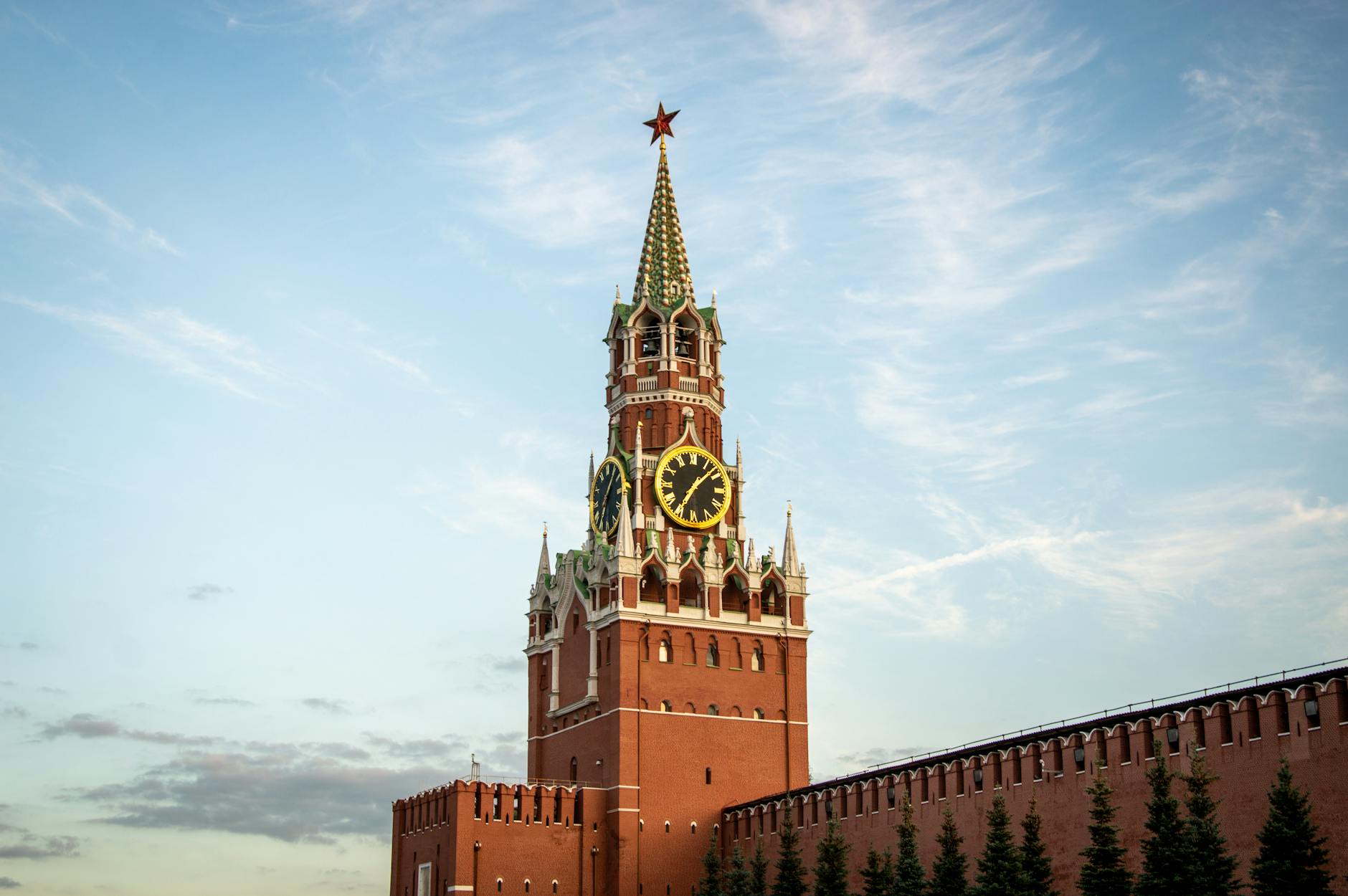
Använd Spasskijtornet som det ceremoniella centrum i Moskva, så att klockan slår i takt med klockan och Spasskijtornets signaler sveper över Röda torget som ett tydligt tecken på nationell rytm. Tornet är känt för sin dramatiska höjd och sina stora klockor, stående bland andra torn på Kremls rygg. Dess solfjädrar ger arkitekturen djup medan urverket rör sig med precision, vilket gör tornet till en konstant närvaro på skylinjen.
Under parader och minneshögtider samordnar tjänstemän från mitten av Röda torget, och leder händelser från sidorna av torget. Om en stund kräver precision justerar tekniker mekanismen manuellt. Även under perioder av oduglighet förblir tornet ett stabilt tecken som knyter ihop minnen med nutid. Minnena av beskjutningen av Moskva under krigen påminner besökare om att tidtagning kan bli ett enande symbol. På revolutionära årsdagar ansluter sig Spasskijklockorna till klockan i en synkroniserad rytm - intressanta ögonblick för åskådare - medan den enorma höjden på höjden ramar in föreställningen. Solklockorna och de stora klockorna arbetar med urverken för att markera varje timme, och observatörer från Moskva och utöver känner igen hur tornet förankrar tiden bland närliggande torn och andra sevärdheter. Man kan boka en guidad besök för att se de inre kugghjulen och höra klockorna nära.
Besökartips: bästa tider att se klockan och tillgångszoner
Besök tidigt på morgonen (9:30-10:30) eller sent på eftermiddagen (15:30-17:00) för att se klockan på Spasskaya-tornet med minimalt med folk. Stå längs Rödaplatstens sida för en tydlig vy av klockan högt upp på Kremlens fasad, och observera hur solen belyser tornets silhuett när staden vaknar eller lugnar sig för dagen.
Tillträdesområden koncentreras kring Röda torget och den yttre Kremlmurens omkrets. För att komma närmare tornet, ansluta dig till en Kremlområdesrundtur, som ger tillträde till zoner nära Frlovskajatornet och till utsiktsplatser längs den nedre parapetlinjen. Förvänta dig begränsade öppettider på hektiska dagar och planera att boka i förväg via den officiella källan för att bekräfta gällande tillträdesregler.
Klockan i sig är en modern underverk inom en århundraden gammal struktur. Under reparations- och byte av delar kan det förekomma korta pauser, så kontrollera schemat i förväg. Klockan har stora siffror och inskriptioner runt visaren, vilket gör tiden lättläst från andra sidan torget även när skymningen sänker sig. Dess höjd dominerar utsikten och förstärker Spasskaja tornet som den centrala punkten i Kremlens skyline.
På nyårsnätter och högtidsperioder strömmar utländska besökare till Röda torget för att höra klockorna ringa vid midnatt. Kom minst 30 minuter i förväg för att bevittna klockringningen, eftersom folkmassorna växer och säkerhetskontrollerna förlänger köerna. Imorgon (завтра) eller under de kommande dagarna, kontrollera de exakta tiderna med den officiella источник, och planera din väg för att hålla dig inom tillåtna zoner samtidigt som du bibehåller god sikt på dubbelhuvudskylten och klockans glöd.
Bevarande och restaurering: bevara tornets arv
Genomför en detaljerad tillståndsundersökning och arkivforskning innan någon ingripande, och samordna med de lokala myndigheterna i Moskva för att anpassa sig till stadens kulturpolitiska riktlinjer. Spasskaja tornet når en höjd av cirka sjuttio meter och utgör en central del av Kremls silhuett för Moskva, samt markerar Moskvas kulturella identitet under århundraden. Från arkivmaterial från 1700-talet framgår det att tornets murverk, träelement och urverket utgör en sammanhängande helhet som måste bevaras utan att utplåna historien.
Adoptera en plan som prioriterar restaurering med reversibilitet och noggrann dokumentation. Använd icke-invasiva undersökningar, 3D-laserscanning och infraröd bildbehandling för att kartlägga sprickor, fukt och murbruksammansättning, och se till att de ursprungliga materialen - murbruk och sten - förblir referenspunkten. Bevara förgyllda detaljer på klockramen och urtavlan, och applicera beläggningar som kan återställas i framtiden. I stället för detta kan en skyddande visningsskärm placeras för att minimera oavsedd kontakt samtidigt som betraktarna kan uppskatta tornets profil utan att äventyra dess integritet.
Involve an italiensk expert, Kristofer, som leder återställningen av klockmekanismen och detaljerna på tornspiran. Hans team testar limeblandningar inspirerade av lori och århundraden gamla ytbehandlingar, i enlighet med XVIII-sekelstekniker beskrivna i tidens handlingar. Projektet bevarar tornets tsariska aura genom att respektera proportioner, linjer och texturer på tornet, samtidigt som det säkerställer att allt nytt arbete tydligt skiljer sig från originalet genom reversibla behandlingar. Målet är att bevara tornets väsen intakt för framtida generationer, utan att skada dess struktur eller fasad.
Den inskription på den nedre murverket uppstod under tidigare restaureringar, och det nuvarande arbetet konserverar den noggrant utan att utplåna dess årtusendens betydelse. Dokumentationen registrerar årtusendets och årtalens installation, kopplar dem till tornets första aktiva tjänsteår. Denna metod bevarar de skiktade betydelserna - det historiska registret, hantverksarvet och den moderna användningen - så att besökarna inte bara förstår vad de ser, utan också hur det kom till.
Under högtider förhöjer nyårsbelysningen området kring Galoveja-tornet, samtidigt som tornets linjer förblir tydliga. Designen betonar måttfullhet: varmt ljus på tornets förgyllda detaljer och mjuka skuggor som avslöjar murverket utan bländning. Denna balans respekterar tornets kejsliga värdighet och den omgivande stadsbilden, och bjuder in både lokalbefolkningen och turister att uppleva historien i en samtida miljö. Inkluderingen av Galoveja i belysningsplanen förstärker den offentliga berättelsen om Moskvas mest ikoniska klocktorn.
Vaksamhet och skydd utgör grunden för underhållsregimen. Stränga regler förbjuder alla åtgärder som skulle kunna spränga eller skada strukturen. Restaureringsteamet samarbetar med polisen och stadens säkerhet för att avskräcka vandalism och säkerställa att tillgången till tornet förblir kontrollerad och säker för hantverkare, guider och besökare. Dessa åtgärder skyddar inte bara murverket och mekanismen, utan också den kulturella minnesbilden som är inbäddad i varje detalj av tornet.
Underhållsprogrammet inkluderar flera återkommande uppgifter: årliga tillståndsgranskningar, fuktkontroll, ommålning eller förgyllning av förgyllda element med reversibla lacker, samt noggrann övervakning av vibrationer från närliggande trafik. Arbetet erkänner rollen för Moskvas levande stadsbild i tornets hälsa och använder responsiv planering för att anpassa sig till årliga vädermönster och arkitektoniska behov. Genom att behandla Spasskaja-tornet som ett levande monument bevarar Moskva sin historia samtidigt som den låter framtiden läsa samma historia i realtid.
| Milstolpe | Focus | Partners | Notes |
|---|---|---|---|
| 2010-2012 | Försäkringsbesiktning | myndigheterna i Moskva; konservatorerna | 3D-skanningar; arkivforskning |
| 2015 | Guldiga detaljer | Den italienska mästaren Kristofer | växelbara beläggningar |
| 2018-2020 | Ursprungstext saknas. Vänligen ange den text du vill ha översatt. | urmakare; lokala verkstäder | precisionåterställning; förbättrad tillförlitlighet |
| 2021-2023 | Allmän belysning | stadsförvaltningen; arkitekter | nyårslojalitet; Galovejs plats |


