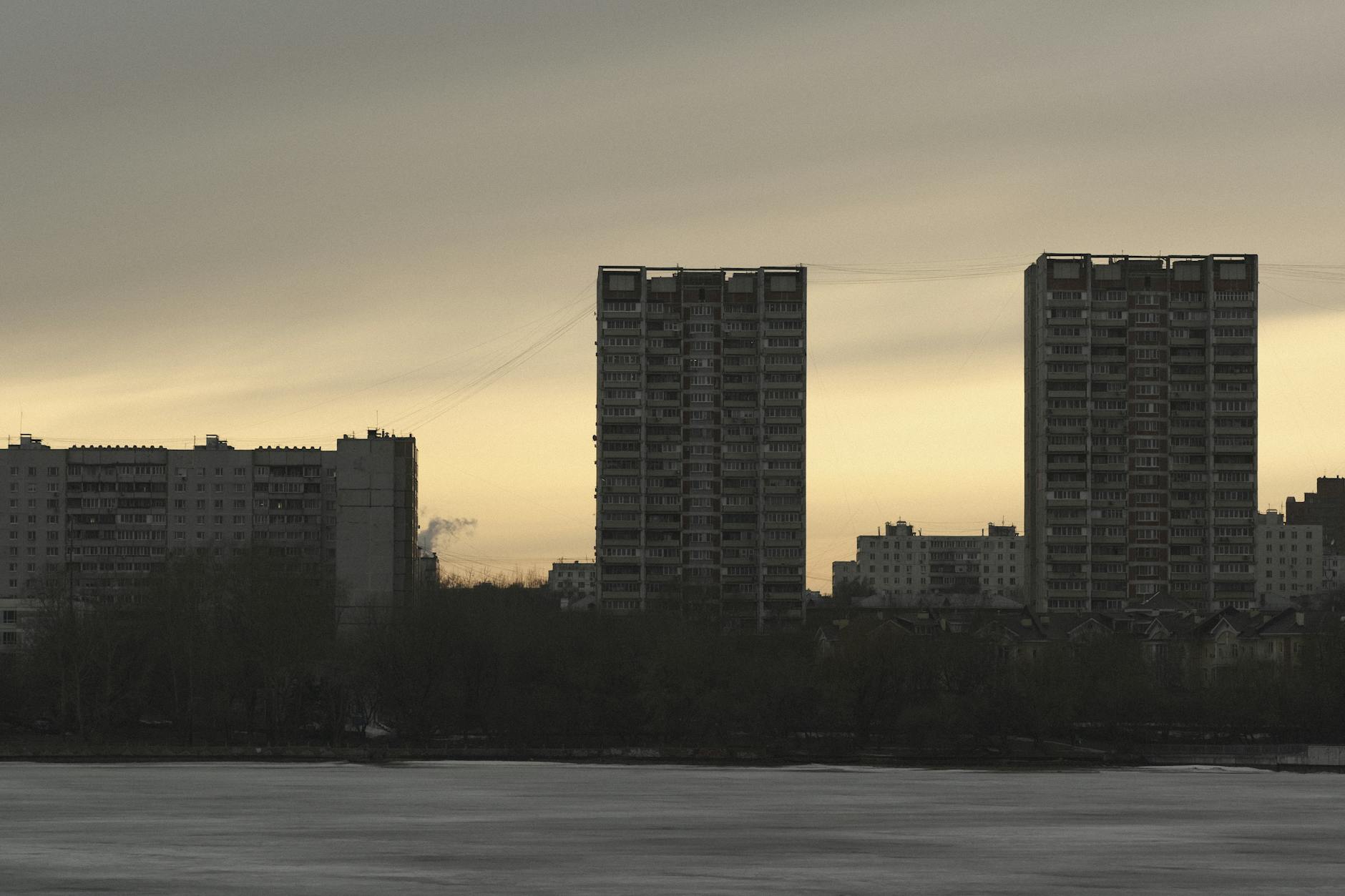
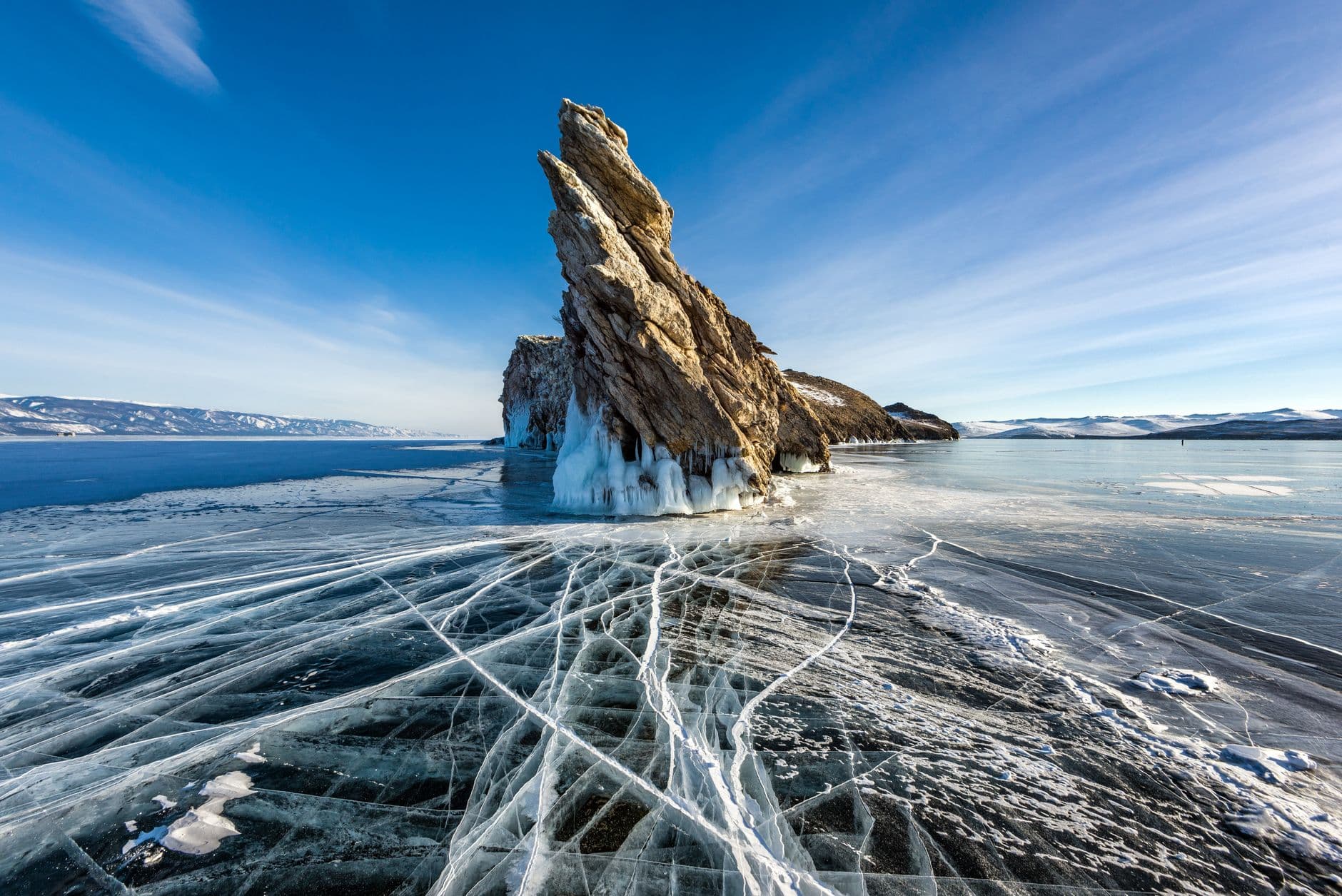
Tek bir ana nehirle başlayın; bu, kıyısındaki bir köyde kalarak, yakındaki demiryolunu kısa servisler için kullanarak ve akşamları taş setler boyunca meditatif yürüyüşlere ayırarak iki günlük bir döngü oluşturmayı kolaylaştırır. Bu seçimler, güzergahı odaklı ve ödüllendirici tutar.
Volga Nehri, Avrupa'nın en uzun nehridir ve yoğun bir nüfus koridorundan geçerek Kazan'dan Volgograd'a kadar uzanan bir kasabalar mozaiğini içerir. Kıyı şeridinin galerisi manastırları, müzeleri ve taş setleri içerir. Küçük bir köyün yakınındaki Bulgar tarzı bir konukevi, suyun sakin bir akşam manzarasını ve basit bir yemek sunmaktadır. Önemli bir vurgu, kıyılarda modern zamanlara kadar devam eden kültürlerin karışımıdır.
Lena Nehri, geniş bir Sibirya alanına ulaşır, büyük bir drenaj havzasına ve donma ve çözülme arasında değişen bir iklime sahiptir. Yakutsk gibi kasabalardan geçen rota mevsimseldir ve akşam ışığında tayga parlar. Göçebe tüccarların bir efsanesi, bir avuç yerel galeride korunur ve nehrin aşağı kesimindeki nüfus seyrektir ve içinde engin bir sessizlik duygusu barındırır. Kısa bir sapma için, argun vadisi küçük bir köyün yakınında meditatif, koşu mesafesi sunar.
Yenisey Nehri, orta Sibirya ovasını oyar ve Arktik'e doğru keser. Krasnoyarsk yakınlarındaki barajlar büyük hidroelektrik kapasitesi yaratır; kanyonun blok duvarları rotayı çerçevelerken, yavaşladığınızda akıntı meditatif kalır. Kültürel bir mola vermek isteyenler, bir nehir kasabasındaki küçük bir galeriyi ziyaret edebilir ve bölgeyi şekillendiren tüccarların ve kaşiflerin bir efsanesinin izini sürebilir.
Ob Nehri, Batı Sibirya'dan Ob Körfezi'ne akar ve aşağı deltası Tyumen ve Omsk gibi kasabalar boyunca büyük bir nüfusu destekler. Nehir boyunca uzanan demiryolu koridoru erişimi kolaylaştırır ve taş kıyılardaki akşamlar, bir günlük koşu tekne gezisinden sonra sessiz bir tefekkür sunar. Bir köyde Bulgar esintili mutfağın tadına bakabilir ve yerel efsaneleri öğrenebilirsiniz; nehir içinde ticaret ve yerleşim yerlerinin derin bir tarihini içerir.
Amur Nehri, Çin ile geniş bir sınır şeridini işaretler ve aşağı kesimleri Blagoveshchensk ve Khabarovsk gibi büyük şehirlere ev sahipliği yapar. Nehir, kasabalarda geniş bir nüfusu barındırırken, köy kırsalında sessiz döngüler kalır. Yakındaki demiryolu genellikle vadiye paralel uzanır ve akşam yürüyüşlerine ve taş rıhtımlarına hızlı erişim sağlar. Yerel bir galeri, bir zamanlar kültürleri köprüleyen tüccarların efsane hikayelerini korur ve bu sınır bölgesinin benzersiz bir kültürel karışımı barındırdığını hatırlatır.
Rusya Nehirleri: Flora ve Fauna
Kamışlıkları, nilüferleri ve yuva yapan kuşları gözlemlemek için Yenisey deltası boyunca şafak vakti bir tekne gezisine çıkın; bu erken ışık, sucul yaşamın nehir teraslarına ve mevsimsel taşkınlara nasıl bağlı olduğunu açıkça vurgular.
Flora ve habitatlar, taşkın desenlerine, tuzluluğa ve sıcaklığa uyum sağlar. Taşkın ovası bölgelerinde, söğüt ve kızılağaç korulukları amfibiler ve böcekler için barınağı güçlendirirken, kıyılardaki yoğun kamış yatakları balık yavruları ve su kuşları için örtü sağlar. Baykal bölgesi nehirleri boyunca, soğuk akıntılar berrak, iyi oksijenlenmiş suya toleranslı bir bitki mozaiğini besler. Adalar ve sığ göller, nilüferler ve su mercimeği gibi su bitkilerinin geliştiği cepler oluştururken, yosunlar gölgeli koylarda nemli taşlara tutunur.
Söğüt (Salix spp.) ve kızılağaç (Alnus spp.) çalılıkları alçak kıyıları kaplar ve balıkçıllar, yalıçapkınları ve çamurcunlar için yuvalama alanları sunar.
Kenarlardaki kamış yatakları (Phragmites australis) omurgasızları, amfibileri ve kaşıkçıları destekler; ayrıca akıntı akışını yavaşlatarak üretken kenar bölgeleri şekillendirir.
Nilüferler (Nymphaea spp., Nuphar spp.) sakin sığlıklarda yüzer, yusufçukları ve küçük balıkları çekerken kenarlara renk katar.
Yosunlar ve ciğerotları nemli taşları ve dere kenarlarını kaplar, omurgasızlar ve amfibiler için mikrohabitatları artırır.
Sucul algler ve makroalgler sığ koylarda paspaslar oluşturarak salyangozlar, iribaşlar ve utangaç balık türleri için beslenme noktaları oluşturur; Baykal havzası, hızlı değişime direnen kendine özgü soğuk su florasına sahiptir.
Fauna, doğu nehirlerinde turna balığı, levrek, tatlı su kefali, lenok ve taimen gibi tatlı su balıklarını içerir; mersin balığı, akıntıların yavaşladığı ve derinliğin arttığı aşağı kesimlerde sık görülür.
Kuş yaşamı, balık kartalı, akkuyruklu kartal, gri balıkçıl ve turnalar üzerine odaklanır; kuğular ve ördekler gibi su kuşları adaların ve göllerin yakınındaki sığ bölgelerde yiyecek arar.
Su samuru ve kunduz, bitki örtüsüyle kaplı kıyılar boyunca baraj ağlarını korur; ormanlık kenarlar boyunca tilkiler ve daha küçük memeliler alacakaranlıkta yiyecek arar.
Gözlemlemek için en iyi zaman, taşkın ovalarının aktif olduğu ve üreme alanlarının görülebildiği ilkbaharın sonlarından yazın başlarına kadardır; karşılaşmaları en üst düzeye çıkarmak için 3-5 günlük bir rota planlayın.
Sınırlı tekne trafiğine sahip korunan sulak alanlar sunan rotaları seçin; orada, su kenarında zaman geçirirken, derinlik değişikliklerini ve habitat yamalarını gözlemlerken rahatlık artar.
Yuvalardan uzaklık konusunda yerel yönergeleri izleyin ve tüneyen kolonileri rahatsız etmekten kaçının; yaklaşımınızı sessiz, yavaş hareketlerle ve minimum ekipman gürültüsüyle güçlendirin.
Ekipman: dürbün, hafif bir teleskop, su geçirmez botlar, nefes alabilen giysiler ve kompakt bir kamera; referans için ada ve göl kümelerini gösteren bir harita taşıyın.
Baykal besleme akıntılarını ziyaret etmeyi planlıyorsanız, daha soğuk suya ve değişken koşullara hazırlıklı olun; orada, ekosistem bozulmamış ve gerçek hissedilir ve nehir ağlarını daha derin bir şekilde takdir edersiniz.
Flora ve fauna gözlemlerini birleştirmenin pratik yolları vardır: korunaklı koyların yakınında başlayın, ardından akıntı hızlarının farklı bitki topluluklarını şekillendirdiği yukarı akış kollarına doğru ilerleyin; orada, karşılaşma ritmi değişir ve akış yönünün türlerin dağılımını nasıl etkilediğini fark edebilirsiniz. Sudaki bir günü, her sıçrama ve dalganın başka bir biyoçeşitlilik katmanını ortaya çıkardığı canlı bir sınıf olarak düşünün; deneyim harika görünüyor, ancak her durak farklı bir habitat nişini vurgulayarak açık ve ölçülebilir kalıyor. Bazen balıkların tohum arabalarının sürüklendiği sessiz cepler bulacaksınız ve yaşamın değişen derinliklere uyum sağlama biçiminde bir hayret duygusu hissediyorsunuz. Orada, ben, kendim, saatlerce sadece suyu dinleyerek, yusufçukların havada asılı kalmasını izleyerek ve ışık kaydıkça günün ilerleyen saatlerinde hangi türlerin hareket ettiğini not ederek geçirdim.
Volga Deltası: Başlıca Kuş Gözlem Noktaları ve Baskın Sulak Alan Bitkileri
Nehrin geniş bataklıklara ayrıldığı kuzey topraklarında başlayın; bu topraklar, şafak vakti göçmen çamurcunların, pelikanların, balıkçılların ve ördeklerin yüksek konsantrasyonlarına ev sahipliği yapar ve bu da odaklanmış iki günlük bir devre için en güçlü başlangıç olmasını sağlar.
Hedeflenecekler: sığ göllere dağılmış ada kümeleri ve ana kollardaki geniş kamış kuşakları. Burada 260'tan fazla tür belgelenmiştir ve kuşlar tünekler ve beslenme alanları arasında hareket ederken sabahlar ve öğleden sonraları en zengin aktiviteyi sağlar.
Kanallardaki derinlikler yaklaşık 0,5 ila 3 metre arasında değişir, en derin cepler ana ağızların yakınındaki daha geniş kıvrımları kaplar; soluk bir gökyüzüne karşı siluetleri çizilmiş batağanlar, ördekler ve çamurcunlar için su sütununu taramaya devam edin. Kayalık kıyılar nadirdir, ancak eski toprak su kenarıyla buluştuğu yerlerde meydana gelir ve yırtıcı kuşlar ve martılar için farklı tünekler sunar.
Erişim ve lojistik: Moskova'dan kalkan uçuşlar Astrakhan'a bağlanır, ardından demiryolu veya demiryolu ile geçit kasabalarına devam edilir; tekne transferleri sizi ada ağlarına ve bataklık uzantılarına iter. En iyi pencere, sığ koyların ve kamış yataklarının yaşamla dolup taştığı ve nehrin akışının günlük kalıpları tanımladığı ilkbaharın sonlarından sonbaharın başlarına kadardır. Akşam kasabalarında, sauna sudaki uzun günlerden sonra rahatlamaya yardımcı olur.
Baskın sulak alan florası: geniş kamış (Phragmites australis) kümeleri nehir kenarlarına ve göl kenarlarına hakimdir, Typha latifolia (kedi kuyruğu) sığ bataklık kenarlarını kaplar. Scirpus ve Carex sazları daha ıslak bölgeleri doldurur ve açık koylar Nymphaea nilüferlerine ev sahipliği yapar; bu bitkiler, çok çeşitli yerleşik ve göçmenleri besleyen omurgasızları destekler. Adalar ve sessiz koylar, bitki örtüsü yapısının kuş gözlem sonuçlarını doğrudan şekillendirdiği, gözlerden uzak tünekler ve zengin beslenme alanları sunan mikrohabitatlar yaratır.
Rusya Merkez Bankası'nın 20.10.2026 kuruyla · powered by tutkakdoma
Lena Nehri: Tayga Florası ve Nehir Kıyısı Yaban Hayatı Gözlem Noktaları
En iyi yaban hayatı tespiti için Lena üzerindeki Yakutsk yakınlarındaki ahşap seyir terasında şafak vakti başlayın, ardından sığ bataklıkları olan iki veya üç kıvrım seçmek için tayga kenarları boyunca güneydoğuya doğru nehri takip edin. Bu rotalara karar verdikten sonra, her durakta gördüğünüzü karşılaştırabilirsiniz.
Lena'nın kıyılarındaki flora, klasik bir tayga paletidir: baskın Sibirya melezi, karışık ladin ve çam, huş ağacı kümeleri ve taşkın ovası boyunca söğüt-kızılağaç kenarları. İlkbaharın sonlarından yaz aylarına kadar, yaban mersini ve kızılcık çalılıkları kenarları renklendirir ve yosun yüzeydeki düşmüş kütükleri örter. Nehir, dünyanın en uzun nehirlerinden biridir ve bu gerçek, taşkın ovasını uzun mevsimler boyunca şekillendirir.
Lena boyunca en iyi görüntüleme kasabaları - Yakutsk, Lensk, Ust-Kut, Kirensk - erişim ve hizmetler sunar. Kıvrımlarda, kunduz kulübeleri kıyıları sabitler; su samurları yüzeye çıkar ve kayalar arasında atlayabilir. Daha büyük memeliler, geyikler ve boz ayılar dahil, alacakaranlıkta taşkın ovası açıklıklarının yakınında görünür. Işık doğru olduğunda, bir kıyı şeridindeki bir düğün fotoğraf çekimi bile sahnenin bir parçası haline gelebilir.
Görüntüleme için en iyi aylar, ilkbaharın sonlarından sonbaharın başlarına kadar uzanır; yılda iki kez göçmen sürüler nehir boyunca yükselir. Yüzeydeki parlamayı en aza indirmek için rüzgar yönünü ve güneş açısını düşünün ve açık suyun üzerinden düz geçmek yerine kıvrımları yuvarlayın. Delta kenarı perspektifleri için, nehirlerin ana kanaldan daha geniş bir ağa yayıldığı Tiksi bölgesine ve kuzey ağızlarına gidin.
Güvenlik ve erişim: yalnızca belirlenmiş parkurları kullanın; dışarı çıkmadan önce sel verilerini ve yerel rehberliği kontrol edin. Görgü kuralları açısından, yuvalama alanlarından en az 50 metre mesafe bırakın. Buradaki kelime sabır: kunduzların yüzeye çıkmasını veya turnaların kamışlardan kalkmasını dakikalarca bekleyebilirsiniz. Nehrin ritmine uyum sağladığınızda, ışık kaydıkça gerçekten samimi anlara tanık olacaksınız. Lena, gezegen ölçeğinde bir nehir koridorunda yer alır ve karşılaşabileceğiniz en büyük tatlı su manzaralarından bazılarına ev sahipliği yapar ve her kıvrımın yüzeyi genellikle kıştan yaz sonuna ve tekrar geri dönene kadar unutamayacağınız yaşamı ortaya çıkarır.
Yenisey Nehri: Somon Göçleri ve Çevredeki Kıyı Bitki Örtüsü
Yenisey sularında ilerleyen ve taşkın ovası boyunca sahne alan maksimum sayıda somona tanık olmak için Ağustos sonu ile Eylül başı arasında gelin. Ovalar içinde, göç kanalları mevsimsel sellerle yön değiştirerek balıkları daha sakin bataklıklara ve gizli yan havuzlara yönlendirir. Ben, zamanlamayı izliyorum ve ilk dalgaların şafak vakti geldiğini biliyorum; su soluk gökyüzünü yansıttığında onları tespit etmek kolaydır.
Kıyı bitki örtüsü, habitatı şekillendiren farklı katmanlar oluşturur. Zemin katmanı yosunlara ve otlara ev sahipliği yapar; çalı katmanı söğütleri ve kızılağaçları barındırır; üst katman, arka kıyılar boyunca suyu daha serin tutan gölge oluşturur. Bu net katmanlama, somon yavrularını ve geri dönen yetişkinleri yumurtlama alanlarına doğru hareket ederken destekleyen zengin bir böcek topluluğunu destekler.
Gözlem noktaları: çoklu yönlerdeki göçleri görmek ve kenar havuzlarını daha derin bölümlerle karşılaştırmak için ana kanal ve kol ağızları boyunca erişilebilir parkurları seçin; her nokta kendi zamanlamasını verir.
Zamanlama ve seyahat: tek bir gezi içinde farklı nehir bölümlerini kapsayacak şekilde birkaç gün planlayın; Yekaterinburg rotalarından Altay eteklerine ve oradan da Yenisey'in üst kısımlarını besleyen Moğolistan'ın kaynaklarına doğru seyahat edin.
Davranış notları: geç sezonda tahmin edilebilirler, ancak yumurtlama alanlarını ve genç balıkları rahatsız etmemek için biraz mesafe bırakın. Şanslı gözlemciler, yukarı akış yumurtlamasına bir bakış yakalayabilir.
Fotoğrafçılık ipuçları: uzaktan eylemi yakalamak için uzun lensler kullanın, parıldayan suya sabırla bakın ve maksimum renk ve doku için sabahın erken saatlerinde çekim yapın.
Bölgesel bağlam: Yenisey, Altay'dan Moğolistan'a ve orta Sibirya'ya kadar akıntıları toplayarak çeşitli ekosistemlere ev sahipliği yapan bir koridor oluşturur. Avrupalı gezginler için pratik bir rota, Yekaterinburg gibi bir merkezden başlar ve ardından Krasnoyarsk'a doğru ilerler ve nehir havzasına uzantıları vardır. Yolculuk harika zıtlıklar sunar: kamp alanlarında yerel bir gruptan geleneksel müzik duyabilir, kıyıda ev sahipleriyle tanışabilir ve toplulukların nehir manzaralarını kendi kültürel uygulamaları içinde nasıl yönettiklerini öğrenebilirsiniz. Nehir boyunca sessiz gözlem için birçok bakış açısı vardır.
Ob Nehri: Taşkın Ovası Habitatları, Memeli Koridorları ve Erişim Noktaları
Bir bahar ziyareti planlayın ve Salekhard nehir terminalinden başlayan rehberli bir gezi için bilet ayırtın; bu, Ob boyunca taşkın ovası habitatlarını ve memeli koridorlarını gözlemlemek için pratik bir rota sağlar.
Bu taşkın ovası habitatları, aşağı yönde yüzlerce kilometre uzanır ve temiz kanallar, kamış yatakları ve söğüt çalılıklarından oluşan dolambaçlı bir ağ oluşturur. Koridorlar, daha büyük orman bloklarını ve çok sayıda gölü birbirine bağlayarak kunduz, su samuru, geyik, karaca, kurt sürüleri ve daha küçük etoburlar için kolay hareket rotaları oluşturur. İlkbaharda, su seviyeleri yükselir ve ovaya yayılır, bu da alanı güzel ama dinamik hale getirir; hayvan aktivitesinin belirtileri, izlerin ve beslenme alanlarının yaban hayatının bu alanları nasıl kullandığını ortaya çıkardığı kıyılarda görünür. Manzara soğuk ama canlı hissediliyor, aniden sıcaklığa ve ışığa yol açan donmuş kışlara bir tezat; ziyaret eden Ruslar, zemin hala nemli ve sert olsa bile, havanın bir şekilde beklenenden daha sıcak olduğunu hissediyorlar.
Orada, manzaranın şekli pratik keşfi destekliyor: daha büyük memeliler tarafından mevsimlik beslenme alanlarına ulaşmak için kullanılan rotaları izleyerek, ıslak taşkın ovası bloğu boyunca tekneyle veya yürüyerek hareket edebilirsiniz. Bu ağlar, temel habitatları ayıran yüzlerce metre ile doğal bir metroya benziyor, ancak yine de uzun menzilli hareketler için yeterince bağlantılı. Ziyaretçiler genellikle et yemeklerinin daha uzun geziler sırasında rustik, basit bir karakter kazandığını ve yemek molalarının en yoğun hayvan aktivitesine göre zamanlandığını fark eder; bu tür anlar grup dinamikleriyle iyi uyum sağlar ve arkadaş veya aile grupları için unutulmaz, sosyal deneyimler yaratır.
Baykal'ın göl hakimiyetindeki manzarasına ve daha geniş Amur orman sistemlerine kıyasla, Ob'nin taşkın ovası daha yoğun memeli koridorları ve dolambaçlı bir sulak alan mozaiği sunar. Orada, otantik nehir yaşamı açık su, kamış yatakları ve çalılıklar aracılığıyla ortaya çıkar ve beklenmedik bir şekilde yakın hisseden çeşitli kuşları ve memelileri destekler. Bahar ziyaretleri, izleri ve kışın son izlerini görmek için en iyi şansı sunar ve birkaç tür, ovalarda hızla ilerlemek için çözülmeden yararlanır. Erişim noktaları, seçilen rotaya ve su seviyelerine bağlı olarak, nehrin aşağı kesimi boyunca yayılmıştır ve arabayla, tekneyle veya demiryoluyla ulaşılabilir; rahat bir hız planlayın ve acele etmeyin - bu deneyim sabrı ve dikkatli gözlemi ödüllendirir.
Pratik notlar: mümkün olduğunca önceden bilet satın alın, yerel rehberlerle erişimi sürdürmek için grup boyutunuzu orta düzeyde tutun ve mobil bir üsten yakındaki sulak alanlara seyahat etmenizi sağlayan çok günlük bir güzergah düşünün. Serin sabahlar ve daha sıcak öğleden sonralar dahil olmak üzere dalgalı hava koşullarına göre paketleyin; uzun bir günün ardından bir sauna durağı hoş bir sıfırlama sağlar. Göller ve dereler arasında yürümek için zaman ayırın ve platolardaki geniş, temiz havanın tadını çıkarın. Suyun bataklıklara yavaşladığı ve aniden geniş çayırların açıldığı dağların yakınında rotalar vardır ve yerel bir rehberden memeli davranışı hakkında bilgi edinmek için çeşitli fotoğraf fırsatları ve şanslar sunar.
Erişim Noktası
En Yakın Şehir
Tipik Rota
En İyi Sezon
Dikkate Değer Yaban Hayatı
Pratik Notlar
Salekhard nehir terminali
Salekhard
Taşkın ovası boyunca su yoluyla bölümler; tam bir nehir-ilk deneyimi için buradan başlayın
Bahar selleri (Nisan-Mayıs)
Kunduz, su samuru, kutup tilkisi, geyik
Erken rezervasyon yapın; terminalde biletler; buz sürüklenme riski için plan yapın; sıcak katmanlar taşıyın
Omsk nehir limanı
Omsk
Aşağı Ob koridorları; paralel kanallar ve kamış yatakları; günübirlik geziler veya kısa gecelemeler
İlkbaharın sonlarından sonbaharın başlarına kadar
Karaca, vaşak izleri, kunduz
Yol ile erişilebilir; daha küçük gruplar için pratik; metrelerce su hala düzlükleri kaplayabilir
Novosibirsk nehir rıhtımı
Novosibirsk
Sağ kıyı boyunca çapraz akış rotaları; şehir müzelerini ziyaretle birleştirin
Mayıs-Haziran
Geyik, tilki, çeşitli su kuşları
Çok günlük seçenekler; güvenlik için rehberler ayarlayın; resmi turlar için biletler gerekli
Barnaul nehir rıhtımı
Barnaul
Batıya doğru taşkın ovası döngüleri; şehirden nehir feribotu ile erişim
Haziran-Ağustos
Kunduz kolonileri, su samuru, geyik
Daha büyük gruplar için uygun; parkurda uzun bir günün ardından bir ısınma sauna durağı planlayın
Amur Nehri: Kaplan Koridorları, Orman Kenarı Florası ve Ziyaret Edilecek Korunan Alanlar
Amur'un güneydoğu koridoru boyunca 4 günlük bir ziyaret planlayın, kaplan koridorlarına, orman kenarı florasına ve sorumlu erişime izin veren korunan alanlara odaklanın. Konaklamanızı argun vadisinin yakınında tutun, yerel korucularla koordinasyon sağlayın ve ayak izinizi dolu tutun, ancak habitatları sonsuza kadar bozulmamış tutmaya özen gösterin. İlk ışıktan alacakaranlığa kadar sabahlarınız berrak nehir kıyılarında başlar ve akşamlarınız sessiz orman seslerine dönüşür.
Kaplan koridorları, avın toplandığı taşkın ovalarına ve adalara sarılır, bu nedenle argun'dan Amur'un uzun kıvrımları boyunca kuzeye doğru ilerleyin. İzler neredeyse tek olabilir ve çamurda koşabilir, bazen olgun bir kedinin aktivitesini ortaya çıkaran ayak uzunluğuna kadar ulaşabilir. Her zaman işaretli yollarda kalın; çekirdek alanları rahatsız etmez; yavrulara güvenli bir mesafe bırakın; bir yırtıcı yakındayken bir kuş sürüsü havalanabilir.
Orman kenarı florası, nehir yüzleri boyunca saf, berrak mikrohabitatlarda gelişir. Güneydoğu uzantısı yüksek huş ağaçlarına, Mançurya dişbudak ağacına ve söğüt kenarlarına ev sahipliği yapar; adalarda ve kıyılarda eğrelti otları ve yosunlar sonsuz halılar oluşturur. Güzellik her esintide hissedilir, bu kenar habitatının yaşamı sonsuza kadar desteklediğini hatırlatır.
Dahil etmeye değer korunan bölgeler: Lazovsky Doğa Koruma Alanı, Zov Tigrovoy Koruma Alanı ve Bikin Milli Parkı. Giriş için park yönetiminden izin alınması gerekmektedir; güvenli bir rota ayarlamak için tamara ve diğer gardiyanlara danışın. Nehir yolculuğu yaygındır, ancak bir demiryolu bağlantısı bazı kasabaları birbirine bağlayabilir. Sahada, işaretli parkurları izleyin, yüksek sesli duraklardan kaçının ve bitki örtüsüne zarar vermeyin, aksi takdirde görmeye geldiğiniz yüksek biyoçeşitliliği baltalarsınız.
Gözlemler için en iyi aylar Mayıs'tan Ekim'e kadar sürer; kışlar uzun ve soğuktur, ancak hava izin verirse bazı rotalar açık kalır. Hafif yağmurluk ve botlar getirin; su çoğu muslukta saf ve güvenlidir, kendi şişenizden. Bir köyde kısa bir mola, yerel şaraptan bir yudum ve parkurda uzun bir günün ardından bir dinlenme anı sunabilir. Bu deneyim, nehir kıyısından ormanın yüksek tepesine kadar, gerçekten güzel, neredeyse sonsuz bir ufuktan sonsuza kadar sizinle kalır.