Почніть з маршруту, який використовує денне світло: петля довжиною 6-9 кілометрів біля станції, яку можна пройти за 3-5 годин. Маршрут контролює вплив зовнішніх факторів, підкреслює стабільний темп і має спуски, які закінчуються біля вершин.
Місцеві гіди діляться розповідями про маршрути, які пролягають через долини та піднімаються до відкритих вершин, з яких відкриваються краєвиди на вкриті інеєм схили. Якщо ви хочете різноманітності без надмірних зусиль, поєднайте маршрут довжиною 8-12 кілометрів з теплою зупинкою в сауні або хатині. Для груп додайте підземну ділянку в замерзлій печері та зафіксуйте години, витрачені на пересування між локаціями в мережі маршрутів.
Кожен день включає заходи, які збалансовують навантаження та відновлення: підйом на оглядовий майданчик, швидкий спуск і легка стежка, щоб завершити день з підкріпленням сил. План передбачає кілька коротких відрізків, а не одне важке випробування, без важкого спортивного спорядження, забезпечує зручні перерви на перекус і гарантує безпечні переходи по пересіченій місцевості. Практичне правило: не більше 2-4 годин безперервного руху на день і довша перерва в місці біля станції.
Коли погода погіршується, вибирайте альтернативні маршрути в межах долинної мережі, щоб залишатися з видом на мальовничі долини, залишаючись у безпеці. Якщо ви плануєте коротку підземну екскурсію, бронюйте місця заздалегідь і беріть із собою додатковий сухий перекус. Завжди майте запасний варіант у теплій хатині, щоб сховатися від холоду та обговорити розповіді дня.
Завершіть підсумком у місці, яке служить центром для майбутніх маршрутів; план розроблений таким чином, щоб бути гнучким: він може варіюватися від кількох кілометрів до більше десятка, залежно від денного світла та снігового покриву. Загальна ідея полягає в тому, щоб використовувати поєднання занять, які підтримують частоту серцевих скорочень, не виходячи за межі своїх можливостей, поважаючи при цьому моделі сплячки у вищих альпійських зонах.
Практичне планування та виконання зимових пригод
Виберіть петлю з гарантованим снігом на горбистій місцевості, почніть на світанку та встановіть суворий час повернення на обід, щоб тримати втому під контролем. Запакуйте компактний набір для безпеки, карту, компас і телефон з офлайн GPS, а також невеликий бівак або аварійну ковдру.
Спорядження має бути компактним, але повним: снігозахисна куртка з утеплювачем, водонепроникні штани, міцні черевики з підтримкою гомілкостопу, гетри, шолом, маячок, лопата, щуп, налобний ліхтар із запасними батарейками, карта, компас і офлайн GPS. Включіть компактний бівак і аварійну ковдру, а також базову аптечку. Візьміть із собою 2-3 літри води та енергетичні перекуси, щоб підтримувати сили на різноманітній місцевості, яку ви плануєте подолати.
Плануйте маршрут через долини та в гори, враховуючи прогноз погоди та можливості вашої групи. Використовуйте діапазон висот близько 300-900 м для легких і помірних днів у сніжних умовах. Встановіть чітку точку повороту, якщо темп сповільнюється або видимість падає. Тримайте всіх разом - один лідер, один замикаючий і кілька людей між ними, щоб залишатися на зв'язку під час проходження складних ділянок. Якщо видимість погіршується, припиніть рух і поверніться тим самим шляхом.
Регіональні примітки: у Куусамо маршрути пролягають через ялинові ліси та навколо замерзлих озер; у Таннхаймері вибирайте широкі лісові дороги та лугові лінії; у Квітф'єллі або Альпах шукайте альпійські стежки зі стабільними ухилами та надійним снігом; великодні періоди часто приносять більше сонця, але більший трафік у хатинах, тому плануйте логістику відповідно. Переконайтеся, що у вас є гарантований сніг, перевіривши поточну глибину снігу та фактори вітрового навантаження; шукайте вікна сонячного світла протягом дня, щоб максимізувати видимість і комфорт.
Фізична підготовка: підтримуйте кардіобазу з 3-4 щотижневими заняттями, додайте роботу на ноги та корпус і практикуйте баланс на снігу, використовуючи вправи на суші. Плануйте відпочинок після довгих днів і підтримуйте водний баланс. Темп має залишатися стабільним протягом 3-5 годин на легких і помірних маршрутах; використовуйте перерви для розтяжки, сушіння рукавичок і відновлення водного балансу. Якщо ви помітили оніміння пальців рук або ніг або тремтіння, зупиніться та зігрійтеся, перш ніж продовжувати.
Безпека та командна робота: розподіліть ролі, забезпечте чіткий зв'язок, переконайтеся, що у кожного є маячок і він знає, як ним користуватися; відстежуйте пройдені етапи; якщо група відстає більше ніж на кілька хвилин або якщо погода погіршується, відступайте. Нотатки після дій слід записувати, щоб покращити наступний раз і поділитися розповідями про успіхи та невдачі з майбутніми учасниками. Ви та всі інші повинні залишатися в межах своїх можливостей.
Після кожної подорожі записуйте, що пройшло добре, а що потрібно скоригувати; збирайте розповіді від команди, щоб покращити вибір спорядження, темп і критерії повороту для наступного переходу через гори та долини.
Контрольний список спорядження для турів у холодну погоду: верхній одяг, черевики, палиці та списки речей
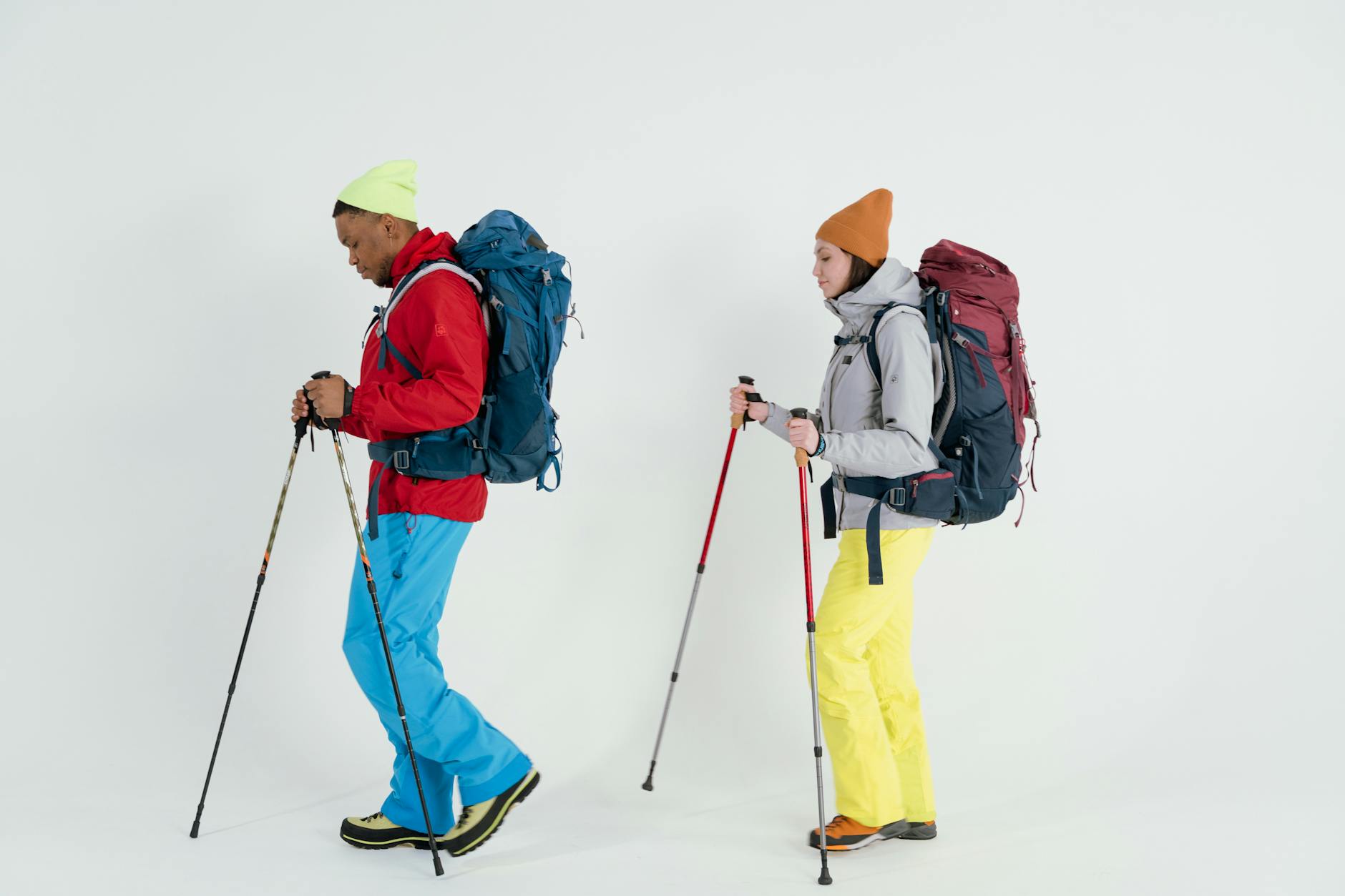
Почніть з тришарової системи: базовий, середній і зовнішній шар. Виберіть водонепроникну, вітрозахисну куртку з герметичними швами та вентиляцією; додайте теплий утеплений шар для пауз і сильних вітрів на хребті та переконайтеся, що посадка забезпечує повний діапазон рухів, не стискаючи базовий шар.
Вибір верхнього одягу збалансовує повітропроникність і тепло. Тришарова куртка з 2- або 3-шаровою конструкцією з DWR зберігає вас сухими на відкритих ділянках; для подорожі через гори в Маунтополісі запакуйте пухову або синтетичну утеплену куртку, яка компактно складається та залишається теплою, коли ви зупиняєтеся. Включіть балаклаву, шапку та рукавички або рукавиці; гетри допомагають запобігти потраплянню снігу в черевики. Чудові альпійські краєвиди вимагають надійного тепла та повітряного потоку під час швидких рухів і тривалих очікувань. Цей баланс важливий.
Черевики повинні бути водонепроникними та утеплені, розраховані на мінусові температури. Виберіть модель з високим вирізом і жорсткою підошвою з місцем для товстих шкарпеток і теплих пальців; приміряйте з підкладками та розгляньте гетри для глибокого снігу. Переконайтеся в сумісності з кішками, якщо ваш маршрут може вимагати зчеплення; візьміть із собою запасну пару шкарпеток і використовуйте вологовідвідні вовни, щоб запобігти замерзанню ніг.
Трекінгові палиці: регульована довжина приблизно від 100 до 140 см, карбонові або алюмінієві, з карбідними наконечниками для льоду та гумовими наконечниками для слідів від черевиків. Використовуйте антишок, якщо ви віддаєте перевагу більш плавному перенесенню; тримайте ремінці щільно прилягаючими та не забувайте послаблювати натяг під час перетину нерівної місцевості.
Рюкзак 40-50 л з водонепроникним чохлом; організуйте за допомогою сухих мішків і пакувальних кубиків. Предмети першої необхідності включають компактну плиту або паливо, посуд і тарілку для їжі; візьміть із собою щонайменше 1,5 л води; ізольовану пляшку; енергетичні батончики; суміш для стежок; запасні батарейки; аптечку; налобний ліхтар із додатковими батарейками; карту, компас або GPS-пристрій; і аварійний притулок або бівак. Для такого місця, як Ріттісберг, готова до вживання страва з лосося може покращити відновлення після довгих днів; додайте набір посуду та невеликий рушник.
Кожен мандрівник повинен адаптувати список до своїх занять і погоди. Ранні старти максимізують світло та зменшують вплив вітру; плануйте заздалегідь ночівлі в хатинах або саунах і гарячі напої та скористайтеся можливістю висушити спорядження на грілках для рук. Запакуйте додаткові батарейки для налобних ліхтарів на випадок, якщо ви затримаєтеся після настання темряви; тепла шапка та друга пара рукавичок стануть у нагоді для кількох днів із низьким сонцем на мальовничих маршрутах поблизу гірських зон.
Крос-кантрі траси світового класу: як вибирати маршрути та регіони
Почніть з вибору регіонів з надійним снігом, чіткими знаками та густою мережею трас, таких як Альпи або Фінляндія. Плануйте 2-3 денні маршрути з щоденними відстанями 20-28 км по доглянутих трасах, залишаючи місце для коротших варіантів, якщо погода зміниться. Шукайте маршрути, які поєднують паркові ділянки, сільські відрізки та лісові стежки, щоб збалансувати темп і краєвиди, які можуть бути надзвичайно різноманітними та пропонувати корисний досвід.
Щоб вибрати маршрути, нанесіть на карту різноманітність місцевості та доступність. Віддавайте перевагу мережам, які пропонують легке залізничне сполучення, паркування біля початку трас і варіанти обіду поблизу. У Фінляндії чи Альпах шукайте траси, які добре позначені, використовуються регулярно та підтримуються парковими службами, з чіткими знаками та частими зупинками для відпочинку за селами. Якщо ви каталися на подібних мережах, ви знаєте, чого очікувати. Хоча поєднання може бути вимогливим, воно підійде досвідченому мандрівнику.
Бронювання заздалегідь є важливим, особливо в пікові періоди. Використовуйте регіональні туристичні ради або місцеві платформи бронювання, щоб забронювати ліжка, харчування та абонементи на траси. Якщо ви подорожуєте між регіонами, нанесіть на карту розклад поїздів і щоденні трансфери, щоб залишити енергію на наступний день.
Обладнання має значення: перевірте спорядження перед відправленням - віск, черевики та палиці - плюс запасну батарею та компактний набір для обіду для довших ділянок. Майте звичку заряджати запасні батареї в середині дня, коли ви проїжджаєте через село. У магазинах Anna в придорожніх містах часто є віск і прості закуски, що полегшує поповнення запасів у дорозі. Після дня на трасі замініть або зарядіть батареї за потреби.
Поради щодо дизайну траси: поєднуйте альпійські підйоми з рівнинами біля озера, щоб змінювати зусилля; якщо ви спортсмен, наполегливо працюйте на гірських ділянках, але полегшуйте на спусках, щоб закінчити сильно. Спробуйте інший маршрут після дня відпочинку, щоб розширити свій досвід і підтримувати високу мотивацію. Залиште час, щоб насолодитися спостереженнями за кроликами вздовж тихих петель.
Регіональні примітки: Альпи пропонують високогірні мережі з довгими спусками до альпійських долин і важчими підйомами; Фінляндія пропонує горбисті траси через соснові ліси та замерзлі озера, що чудово підходить для стабільного прогресу та щоденного ритму. Обидва регіони надають надійні вікна бронювання та можливості зупинитися в невеликих селах і гостьових будинках.
З чого почати: базуйтеся в долині поблизу парку та кількох сіл, а потім зробіть петлю до сусідніх трас і поверніться до свого житла щовечора. Це спрощує логістику та дозволяє уникнути додаткових зусиль на наступний ранок. Якість траси та оновлення безпеки можна перевірити в місцевих магазинах або на онлайн-дошках в магазині Anna, коли ви плануєте наступний день.