


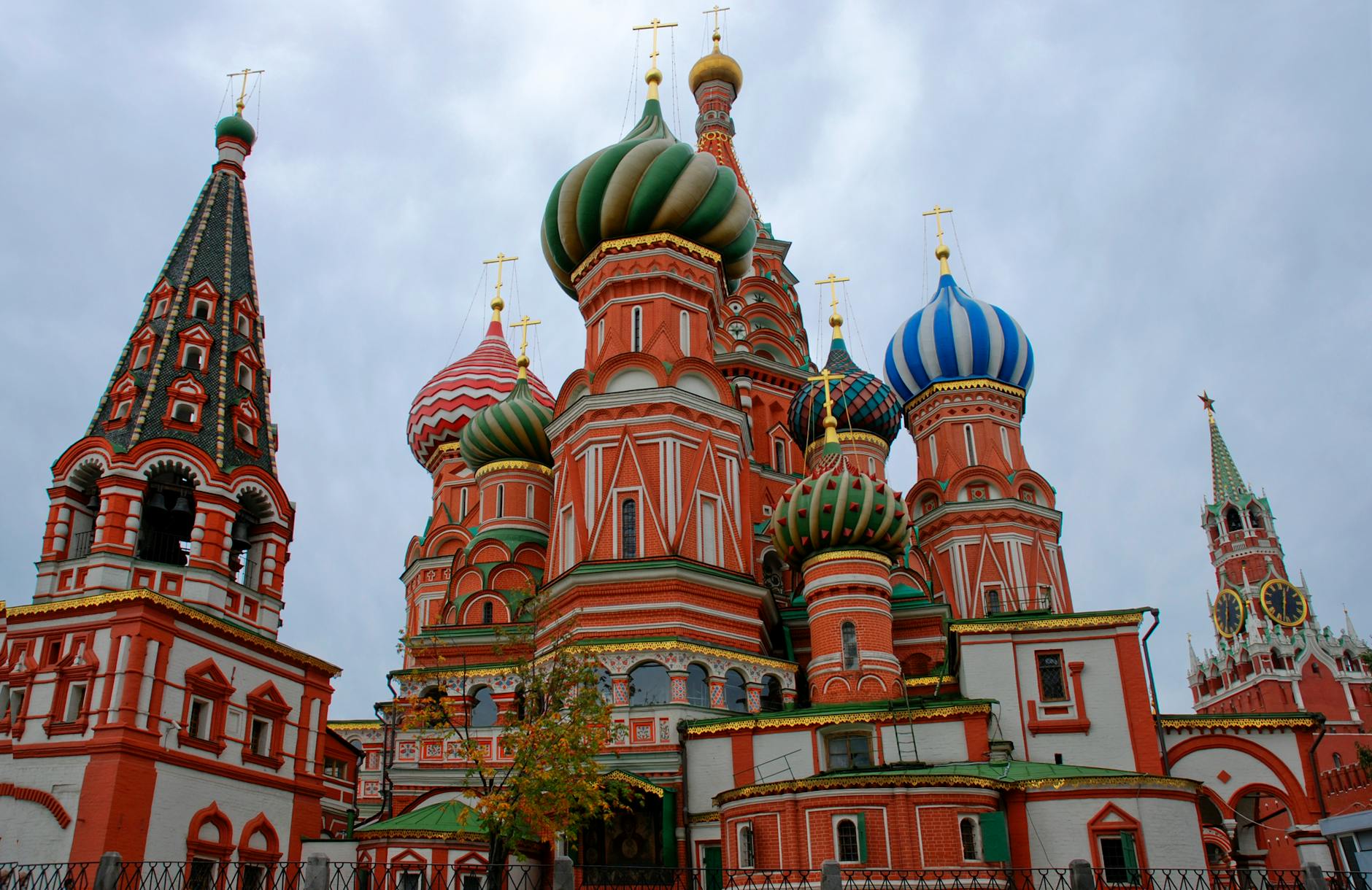
Отримайте спочатку дводенний міський паспорт; він швидко відкриє доступ до іконічних місць, таких як Большой театр, Собор Василя Блаженного, Мавзолей Леніна, а також прогулянку вздовж живописного берега річки.
Прогулюйтеся історичним центром; вулиці вигинаються навколо кремлівських стін; будівля Большого театру приймає вистави; базиліки створюють яскраву силует; мавзолей Леніна розташований на площі, оточений музеями, культурними закладами, однією вулицею неподалік.
Слідуйте компактному маршруту, щоб не тратити час: околиці мавзолею Леніна; прогулянка вздовж набережної річки; перехід до комплексу Кремля; всередині, Великий театр; Базилік сяє на заході сонця. Перевіряйте загальну вартість перед покупками; міський паспорт зменшить загальну вартість; додавання швидкої зупинки в сусідньому магазині дасть компактний сувенір.
Навіть якщо натовп навалює, обирайте відвідування вранці або пізнім пополудні; літнє світло надає оточенню особливого відтінку; західний фасад поєднує європейські вібрації зі стильними магазинами; оглядовий майданчик вежі Івана пропонує панорамний вид на місто, де виділяються найвищі споруди; якщо хочете пам'ятних фотографій, найчастіше це трапляється під час переходу вулиць у золотому світлі.
Кращі речі для відвідування та місця в Москві, Росія: топ-атракції та путівник для подорожей
Спочатку відвідайте Червону площу на світанку, щоб надихатися пам'ятками, підняти погляд до найвищих веж над вулицею та насолоджуватися розкішними фасадами, які є основою історичного центру столиці. Якщо є час, прогуляйтеся до Олександровського саду та подивіться, як тіні подовжуються над старинними стінами.
Трет'яковська галерея містить російські шедеври, великі полотна та глибокий історичний контекст; ця колекція допомагає зрозуміти національну художню мову та світи, які надихали її. Для тих, хто шукає глибшого контексту, бічні галереї пропонують інтимні простори.
На Арбаті прогулюйтеся між бутіками, кафе та закладами; деякі квартали зберігають дух старих вулиць, а сучасні ресторани пропонують швидкі перекуси та дегустаційні меню. Для обміну валюти використовуйте офіційні каси або банки; шукайте таблички та уникайте нереєстрованих кіосків.
Біля річки височіє Храм Христа Спасителя; його інтер'єр блищить позолоченими деталями, а сусідня тераса відкриває високі панорами міста над водною межею.
Для швидкого огляду панорами міста можна піднятися на Останкінську телевежу, де швидкі ліфти доставлять вас на верх, звідки відкриваються далекоглядні види на навколишні райони; це одна з найвищих споруд, яку можна побачити з багатьох точок метрополітену.
ВДНГ пропонує величезну, розкішну панораму радянських павільйонів; його музеї з безкоштовними секціями та експериментальними просторами дозволяють досліджувати різні світи — від науки до дизайну. Навколишні колишні промислові зони тепер проводять танцювальні вечори та виставки, перетворюючи промислову пам'ять на сучасні майданчики, які можна відвідувати після заходу сонця.
Час відвідування краще планувати за робочим графіком, перевіряйте, чи дозволено фотографувати всередині, і уникайте черг, приходячи раніше. Найзручніший спосіб пересуватися між пам'ятками — метро. Занепокоєний дощем? Возьміть компактний парасольку; на вулицях вітряно, але ви все одно зможете насолоджуватися енергією між пам'ятниками та парками. Фотографування всередині деяких приміщень не дозволено без дозволу.
Одностанційний путівник по головних визначних пам'ятках Москви та корисних порад для мандрівників
Почніть на Арбаті, щоб відразу почути ритм столиці: світанкова світло піднімає фасади, кафе світяться, вуличні музиканти настройуються у двориках.
Досліджуйте три кластери навколо історичного центру: всесвітньо відомий музей; театральний район із щовечірніми виставами; університетський квартал, де архітектура, книгарні та галереї поєднуються.
Парки надають тіні, водні елементи, скульптури; побудовані бульвари, стіни вздовж набережних відбивають світло, створюючи особливу атмосферу протягом дня.
Перевізні поради: носите з собою необхідні речі; перезаряджувана транспортна картка відкриває швидкі переїзди через станції; маршрути з'єднують райони, час економиться завдяки ефективним лініям.
Харчові вибори: ресторани доставляють швидкі закуски, місцеві страви, кав'ярні; виберіть перекус поблизу театрального району або всередині університетського кварталу.
Відвідування ритмів: вулиці змальовують суміш стилів; Арбат залишається надійним маршрутом; звідти — до історичних пам'яток, музеїв, парків.
перед від'їздом зверніть увагу на ці деталі; ці речі допомагають мандрівникам протягом подорожей.
Практичні поради: одягайтеся на змінчиву погоду; беріть з собою воду; дотримуйтеся місцевих тихих годин поблизу музеїв; щось грайливе чекає на вас, як тільки ви вийдете на бічні вулички.
Мандрівники приходять з різних куточків світу; ці маршрути проходять через парки, вулиці, пам'ятки, красу повсюди.
темні вечори освітлюють інтимні двори, музика, ліхтарі.
Дружелюбні райони навколо кампусів пропонують безпечні маршрути, спокійні куточки.
Кремль і Червона площа: години роботи, квитки та поради щодо безпеки
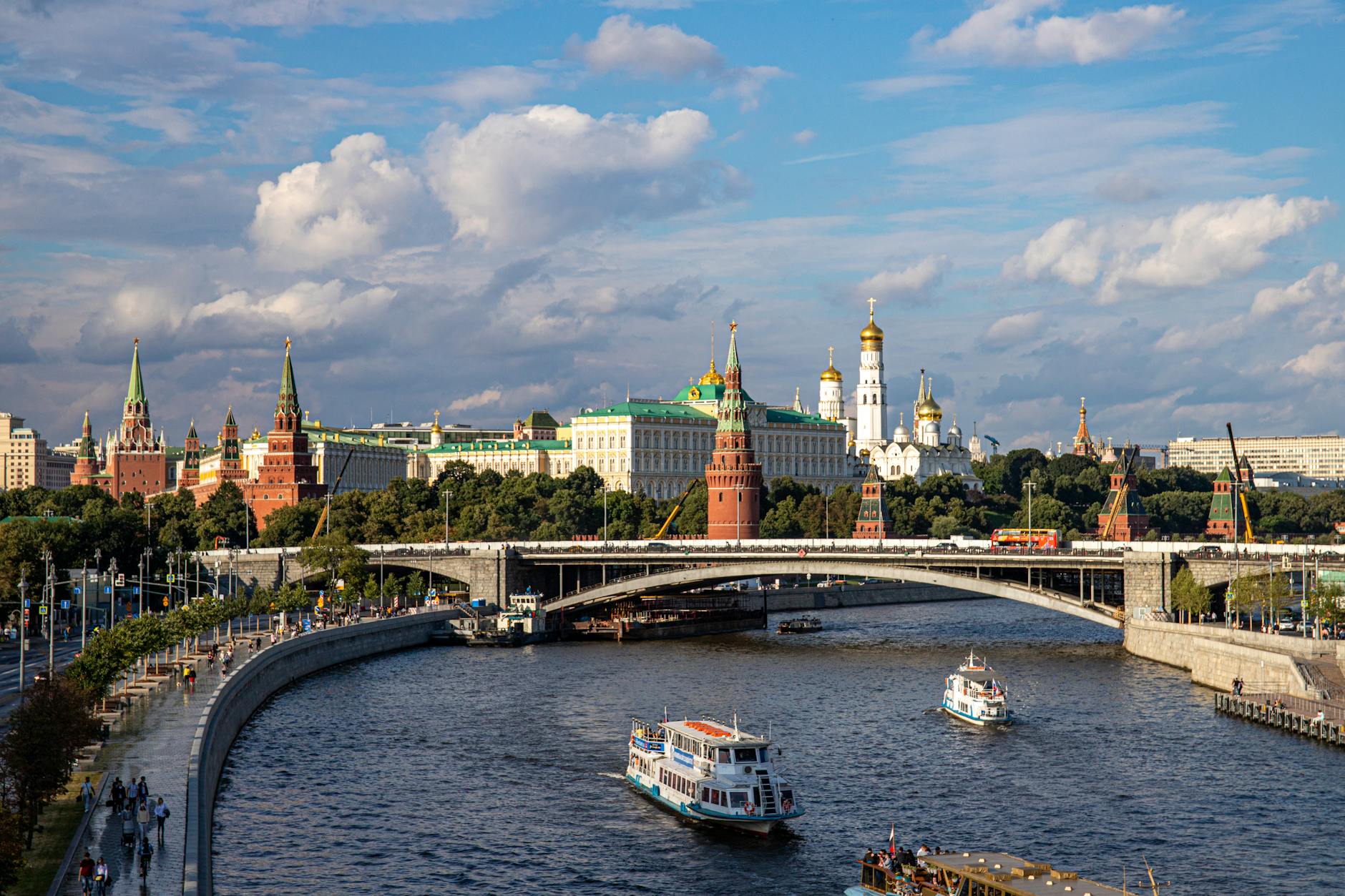
Забронюйте онлайн-квиток з обмеженим часом відвідування, щоб забезпечити собі місце; приїжджайте раніше, щоб швидко пройти через охорону.
Справжня цінність полягає в навколишньому культурному районі, де розташований державний будівничий комплекс, який містить численні музеї та галереї. З станції «Маяковська» або «Арбатська» можна потрапити до центрального комплексу, а потім досліджувати собор Василя Блаженного та інші архітектурні дива, які формують цей надзвичайно кольоровий майданчик. Район запрошує як місцевих мешканців, так і відвідувачів навчатися, спостерігати та розмірковувати про тривале культурне надбання Росії, одночасно насолоджуючись навколишніми вулицями під час короткої перерви між залами.
Години роботи відрізняються залежно від місця, але територія Кремля відкривається з першими променями сонця кожного дня і залишається відкритою до пізнього вечора, а головні музеї зазвичай працюють з середини дня до пізньої післяобідньої години. Перевірте офіційну сторінку перед плануванням, оскільки деякі вихідні або сезонні зміни можуть вплинути на доступ до певних будівель або галерей.
Для тих, хто відвідує Ізмайлово до або після, плануйте дні, щоб максимально провести час у головній частині, а потім завершити прогулянкою по сусідніх площах, де часто виступають вуличні митці, а групи художників фіксують момент. Якщо ви не впевнені в розкладах, вам доведеться перевірити актуальні розклади; найкращий підхід — виділити кілька днів для повільного, детального дослідження цього великого культурного центру.
| Aspect | Details |
|---|---|
| Територіальні години | 06:00-22:00 щодня; протягом дня проводяться перевірки безпеки |
| Музейні години | Зазвичай 10:00-17:00; останній вхід приблизно о 16:00; деякі місця залежать від сезону |
| Tickets | Одномісні квитки зазвичай 700-1500 РУБ; комбіновані квитки 1500-2500 РУБ; онлайн-бронювання дуже рекомендується |
| Безпекові поради | Несіть дійсний документ, очікуйте металошукачі; великі сумки обмежені; без спалаху в приміщеннях; плануйте 60-90 хвилин на об'єкт. |
| Доїхати | Виходи поруч з станцій Маяковська, Арбатська; позначені маршрути ведуть до центру; пішки до Собору Василя Блаженного, Галереї, урядових будівель |
| Близькі нотатки | Ізмайловський район можна додати до багатоденного маршруту; поєднайте з культурною прогулянкою вулицями навколишніх районів |
Центральний музей Збройних Сил: 10 обов'язкових до перегляду експонатів, квитки та маршрут відвідування
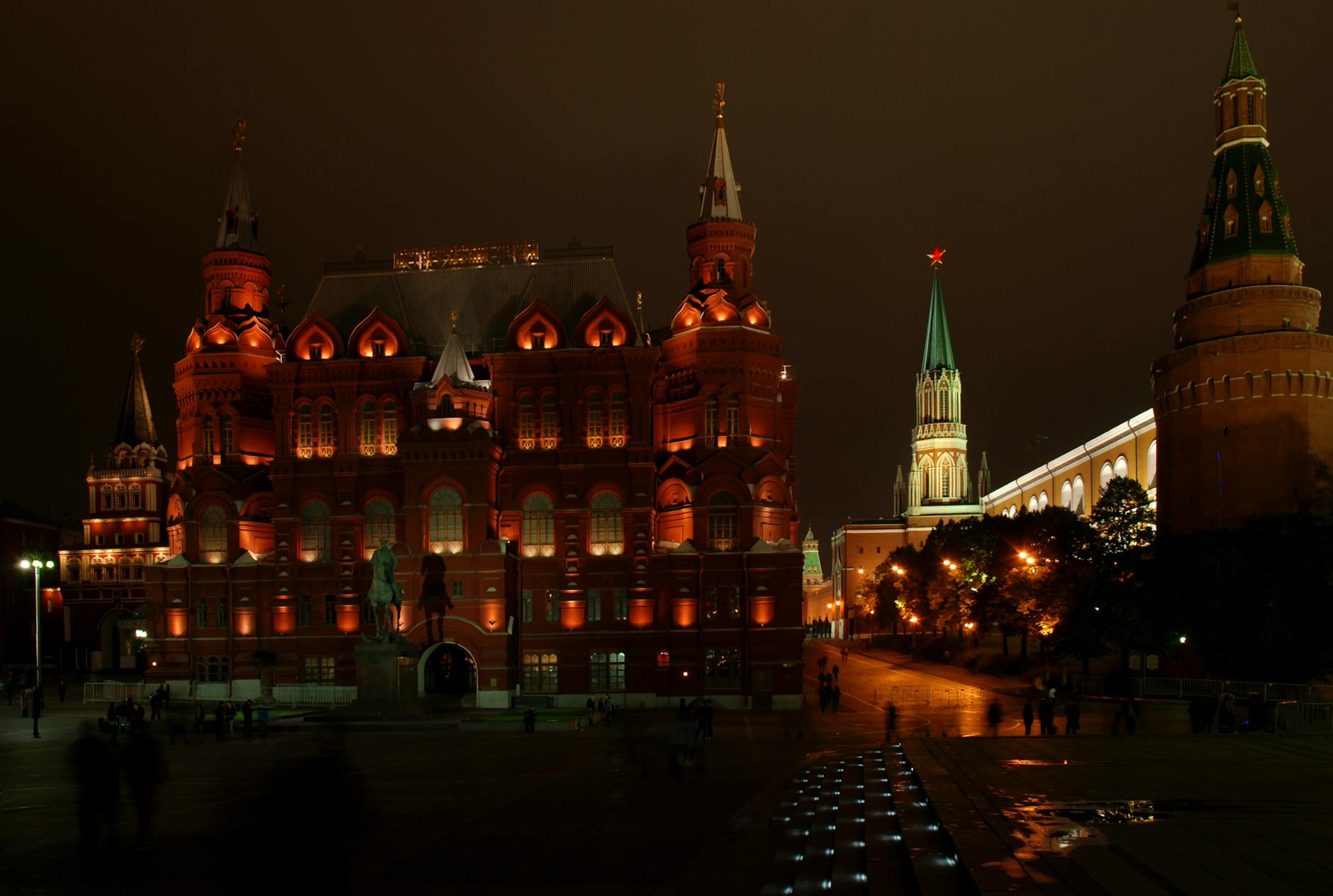
Прибудьте до відкриття; зали ще здаються просторими; онлайн-покупка квитків економить час; безкоштовні квитки для ветеранів, студентів, дітей з посвідченням; возьміть план у вестибюлі біля входу з площі.
- Експонат 1 - Галерея Другої світової війни: радянські уніформи, прапори, медалі; макет у натуральну величину; імітація атмосфери; навчає прийняття рішень під тиском.
- Експонат 2 - Зала авіації: копії кабін пілотів, льотні куртки, карти епохи; демонструє розвиток повітряної потужності; приваблюючі експозиції.
- Експонат 3 - Секція броньованих машин: модель Т-34, екіпірування екіпажу, броньові плити; компактна легенда про рухливість на полі бою.
- Експонат 4 - Артилерія та протиповітряна оборона: польові гармати, ракети, радіолокаційне обладнання; зосереджується на розвитку вогневої потужності; підкреслює логістичну складність.
- Експонат 5 - Галерея космічної оборони: космічні костюми, супутники, ранні системи наведення; відображає радянську наукову спадщину; відчуття масштабу проти відстані.
- Експонат 6 - Цивільна оборона: протигази, захисні костюми, обладнання для укриттів; практичні заняття для цивільних; спокійне, методичне представлення.
- Експонат 7 - Особисті архівні матеріали: листи, фотографії, уніформа Івана-охоронця; нотатки про походження; названі експонати підкреслюють людську мужність.
- Експонат 8 - Зала нагород: ордени, медалі, парадні мундири; блискучі експозиції розкривають культуру визнання; пам'ятні сувеніри.
- Експонат 9 - Збірка вогнепальної зброї: пістолети, гвинтівки, боєприпаси; компактні послідовності ілюструють стандартне озброєння; компактні, чіткі позначки.
- Експонат 10 - Меморіальний коридор: дошки, цитати, експозиції пам'яті; атмосфера елегійна; підкреслює випробування конфлікту.
Білетні деталі: офіційні тарифи опубліковані онлайн; стандартний вхід; знижки для студентів, пенсіонерів; безкоштовні квитки для дітей до семи років; можуть застосовуватися державні програми; придбання біля каси; доступна онлайн-опція; доступність: пандуси для інвалідних візків; магазин на місці пропонує модельні набори та сувеніри; зона відпочинку під назвою європейський куточок надає можливість відпочити; фотографування дозволено в більшості зон; деякі секції обмежені для збереження.
Відвідайте маршрут: починайте з західної частини біля площі; рухайтеся за годинниковою стрілкою по коридорах, щоб мінімізувати повернення; приблизна тривалість становить близько одного години; доступ для інвалідних візків є на основних маршрутах; плакати з описами розміщені біля кожної експозиції; виділіть хвилину, щоб поділитися враженнями в світлому лобі; далі пройдіть до магазину за унікальними сувенірами; фінальна зупинка біля головного виходу надасть спокійне відчуття перед від'їздом.
Третьяковська галерея vs Музей Пушкіна: Швидкі вибори для шанувальників російського мистецтва
Оберіть Галерею Третьякова для компактного, насиченого історією огляду національного живопису; вона пропонує стислений розповідь, від ікон до знакових полотен.
Дім країни монментальних полотен розкривається на Лаврського провулку; масивні галереї розміщують твори Репіна, Васнецова, Шишкіна; повний аркус від реалізму до досліджень кінця XIX століття. Зали для спостереження, прикрашені приміщення створюють величний відчуття; у вас є час зупинитися, вивчити деталі, почути мову художників на палубі вишуканої архітектури.
Музей Пушкіна пропонує більш широкий огляд: європейські майстри, антична скульптура, значна російська колекція, включаючи Рембрандта, Моне, Ренуара; додаткові галереї відкривають світи за межами столиці. Розкішні інтер'єри, великі зали запрошують розслабитися, ідеально для південного дня. Близький район Арбат надає зручний доступ; Микільська додає класичний колорит з кафе, освітленнями на набережних, оглядовими майданчиками; сезонні концерти поблизу збагачують культурний ритм.
Практичні поради щодо маршруту: підготовте щільний план, щоб охопити головні виставкові зали. Третьяковська галерея починається з раннього реалізму на нижніх поверхах, а потім піднімається до полотен кінця XIX століття; Пушкінський музей починається з європейських майстрів у центральних залах, а потім російські колекції. Якщо є час, об'єднайте обидва музеї в один міський маршрут; ви відчуєте, як два головних місця формують національний смак, від кола історії до культури. Архівісти відзначають кровожерливі сліди реставрації на деяких полотнах, нагадуючи про хрупку історію мистецтва.
Який вибір зробити? Третьяковська галерея для чисто російського живописного аркушу; Пушкінський музей для космополітичного змішання епох і континентів. Після заходу сонця фасади підсвічуються, створюючи тепле сяйво; поблизу є дегустація вин, прогулянка вулицями, а також готелі в життєрадісному районі біля Арбатської та Ніколської. У районах Москви атмосфера залишається гостинною, пропонуючи чудове поєднання культури, архітектури та кухні.
ГУМ, Арбатська вулиця та сусідні заклади: маршрути для шопінгу та місцева кухня
Зробіть маршрут від скляного купола ГУМа до Арбату, плавний перехід від величних люстр до вузьких вуличок.
Всередині ГУМу - поєднання преміальних брендів та місцевих ательє, які заповнюють головні проходи. Витратьте час на дослідження виставкових залів; перейдіть до менших крамниць для регіональних ремесел.
На вулиці Арбат ритм життя стає спокійнішим: середньоцінові бутики, незвичайні сувеніри; вуличні виступи на розі — це живий фон.
Близькі заклади пропонують пірошки, блини з ікрою, пельмені; гаряча чашка кави завершить обід для тих, хто шукає швидкого перекусу між магазинами.
Публічний транспорт у Новослобідській надає швидке сполучення з ринком Ізмайлівський на вихідних відвідинах; ринок Ізмайлівський пропонує величезний асортимент ремесел, їжі та винтажних речей.
Коротка відхилення до Новодівичого парку пропонує історичну атмосферу; територія включає монастир, озеро та скульптуру колеса біля набережної, щоб повністю відпочити. Віддалене бачення Храму Христа Спасителя додає відчуття масштабу.
Звідти район Казань пропонує інший смак; тоді як готель поблизу Новослобідської надає зручний доступ, окремий денний виїзд додає різноманіття тим, хто шукає більше смаків.
Поки маршрут залишається в центрі міста, ті, хто шукає більш насиченого культурного досвіду, можуть звернутись до ставка Новодівичого монастиря; силует Спаської вежі на сутінках надасть історичного фону для останньої чашки кави. Шанувальники балету оцінять близький виступ у історичному закладі як приємне доповнення.
Загалом, досвід охоплює головні місця з величезним відчуттям масштабу; більшу частину часу ви будете перебувати в компактному радіусі, з варіантами розміщення поруч для комфортного завершення, віддаленого від натовпу.
Московський метрополітен та міський громадський транспорт: як пересуватися як місцевий
Почніть з картки Troika на будь-якому касі метро; поповнюйте баланс через автомат або офіційний додаток; торкайтеся при вході та виході на турнікетах; квитки зникнуть з рутини, оскільки одна картка оброблятиме кожну поїздку, робитиме подорожі плавнішими.
Маршрутне планування: лінії розфарбовані за номерами; центральні станції виконують функцію вузлів пересадки; спостереження від відвідувачів показує, що потяги часто курсують у години пік; така надійність робить можливим дослідження міста після роботи; краще планування зменшує відхилення, коли не планували заздалегідь.
Перевезення: протягом 90 хвилин можна пересаджуватися між лініями метро, автобусами, трамваями, приміськими поїздами; квитки покривають ці пересадки через Troika; безкоштовні пересадки застосовуються між видами транспорту; метро само по собі діє як швидкісна артерія міста по розгалуженій мережі.
Належність: тримайте речі поруч; зберігайте габаритні речі в верхніх полицях; уникайте залишати речі на сидіннях; біля пам'ятників, вежі піднімаються над галереями; спостереження за серпнем вказують, що монастир пропонує тихі куточки, базиліки, винні крамниці поруч для швидкого відпочинку перед маршрутами.
Серпнева порада для відвідувачів: відвідати район Великого театру можна метро; квитки можна купити онлайн або в кіосках; відомі маршрути ведуть до театрів; безкоштовні екскурсії проводяться на окремих лініях за участю волонтерів відділу; ця культура викликає більший інтерес; ви, безсумнівно, переконаєтеся в цьому досвіді, надзвичайно незабутньому.

