


Цей шоу розкриває найшвидший спосіб орієнтуватися в Москві: починайте з метро та завантажте картку Троїка. У години пік поїзди ходять кожні 2-3 хвилини; поза піком — кожні 5-7 хвилин. У районі Горького та інших головних центрах міста цей маршрут скорочує час прибуття та тримає вас в русі — здається, найпростіший варіант для першодослідників.
Наступні автобуси заповнюють пробіли та розширюють охоплення за межами центральних ліній. Денні інтервали руху складають 5-10 хвилин; нічні маршрути на деяких лініях курсують кожні 20-30 хвилин. Шукйте маршрути, які з'єднують головні вузли метро, автобусні вокзали та зупинки, щоб мінімізувати пересадки та охопити більшу територію.
Альтернативні варіанти транспорту додають гнучкості, особливо в години пік. Поїздки з місцевим водієм зручні, але не очікуйте низьких ціни — тарифи можуть бути високими в розпал сезону, тому перевірте ціни перед бронюванням і зважте, чи варто зробити коротку поїздку на велосипеді або самокаті для близьких відстаней. Як і міська інфраструктура, велосипеди найкраще працюють на рівних ділянках і для коротких перегонів між зупинками.
Плануйте заздалегідь, щоб уникнути затримок біля театрів і в часи пік. Приїжджаєте до міста влітку? Почніть з метро вранці, а потім пересідайте на автобуси для мальовничих маршрутів; перегляд карти заздалегідь допоможе порівняти варіанти та врятувати час до початку вистави.
Практичний посібник з пересування по Москві
Отримайте картку «Троїка» перед першою поїздкою. Поповнюйте баланс на автоматах у метро або в кіосках, а потім скануйте при вході. Одна картка покриває поїздки метро, автобусами та трамваями, зменшуючи кількість речей і прискорюючи пересадки.
Метро відкривається близько 05:30, а останні потяги курсують близько 01:00. У години пік потяги прибувають кожні 2-3 хвилини на центральних ділянках; увечері інтервали збільшуються до 8-12 хвилин. Завжди перевіряйте актуальний графік у офіційному додатку, оскільки деякі лінії змінюють роботу через свята або ремонтні роботи.
Плануйте пересадки на великих пересадкових станціях, де перетинаються дві або більше ліній. Пересадки залишаються дійсними протягом 90 хвилин після першого тапу між видами транспорту; ви можете переходити між лініями без додаткового тарифу протягом цього періоду. Якщо ви вийдете зі станції та повернетеся пізніше, таймер скидається, тому групуйте довші ділянки в один план.
Автобусні маршрути заповнюють пробіли, де залізниця не дістає, а електробуси надають тихі та чисті варіанти після темряви. Нічний сервіс існує на багатьох маршрутах; перевірте додаток щодо останніх відправлень та альтернативних коридорів. Коли автобуси прибувають, сідайте з передньої дверей; при вході торкніться картки Троїка та тримайте очі на оголошеннях зупинок.
Щоб дістатися міжнародних хабів, скористайтеся швидкісними залізничними лініями або прямими міжміськими автобусами від центральних вокзалів. Швидкісні залізниці працюють від ключових терміналів і забезпечують швидкі перевезення з багажем. Для аеропортів плануйте вирушити від центрального хабу та виділіть 30-45 хвилин на пересадку до терміналів, залежно від їх складності.
Мапи та додатки дуже допомагають. Використовуйте офіційний додаток громадського транспорту або довірні картографічні сервіси, щоб перевірити кольори ліній, пункти пересадки та останні рейси. У більшості станцій є англомовні вказівники на головних входах, а співробітники можуть надати швидкі вказівки, якщо ви запитаєте коротким реченням англійською.
Доступність і безпека: завантажте картку перед подорожжю; тримайтеся за поручні на ескалаторах; уважні будьте до проміжків на платформах і рухомих натовпів у години пік.
Метро: тарифи, проїзні та використання смарт-карток
Отримайте картку «Троїка» у будь-якому касі метро або білетному кіоску та поповніть її рахунок перед поїздкою. Вона працює у метро, автобусах, тролейбусах та деяких приміських потягах, тому ви можете швидко просканувати і пройти через турнікети. У години пік це допомагає економити хвилини тим, хто щодня їздить на роботу та досліджує місто.
Ціни за одну поїздку вказані на автоматах і табло відправлення; абонементи доступні на щоденні, тижневі та місячні терміни, а також зі знижками для студентів і пенсіонерів. Щоденні абонементи дозволяють безлімітно користуватися транспортом протягом 24 годин, що ідеально, якщо ви плануєте кілька поїздок по західних і центральних зонах. Для довших перебувань розгляньте місячний абонемент, щоб знизити середню вартість транспорту та зробити свої поїздки передбачуваними.
Щоб використати картку «Тройка», доторкніться до турнікету при вході; деякі апарати також дозволяють перевірити баланс і поповнити рахунок. Поповнити картку можна на станціях, через офіційний додаток або на mos.ru з прикріпленою карткою. Якщо ви забули перевірити баланс, апарат показує залишок коштів або кількість залишених поїздок, що допомагає планувати відправлення протягом дня у пікові години.
Прибувши до аеропорту Внуково, сідайте на Аероекспрес до станції Київський, а потім пересідайте на жовту Кільцеву лінію, щоб дістатися до західних районів Москви або нижніх районів. Жовта лінія з'єднує ключові вузли з меншою кількістю пересадок, дозволяючи подолати більшу відстань за менший час і комфортно подорожувати між терміналами та центрами міст. Їхні карти показують основні маршрути та зручні пункти пересадки, що допомагає швидко спланувати шлях від хрущовок до сучасних районів.
Зберігайте речі в безпеці та перевіряйте табло відправлень на випадок робіт на лініях або змін у роботі. Часи роботи відрізняються за маршрутами та днями, тому швидка перевірка допоможе уникнути затримок. Для пізніх поїздок є інші варіанти транспорту, але використання картки «Троїка» у метро часто дозволяє заощадити час і гроші, забезпечуючи надійний спосіб пересування по місту, навіть після довгого дня.
Метро-навігація: карти, планування маршрутів та правила пересадки
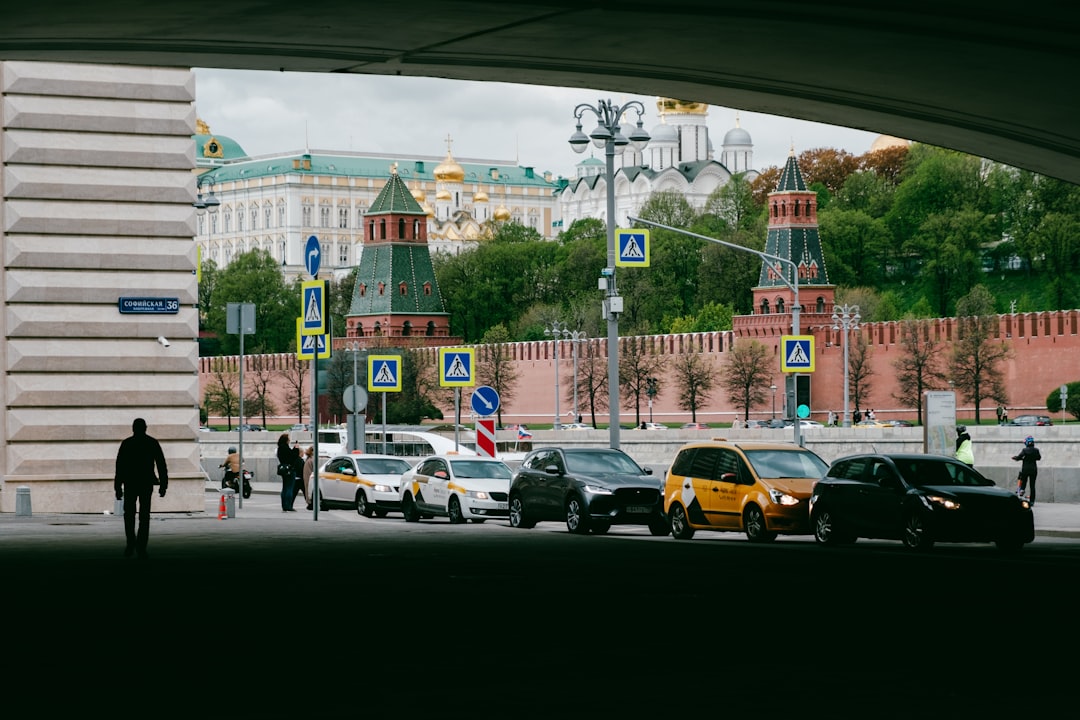
Почніть з офіційного додатку карти московського метро, щоб спланувати свій маршрут: порівняйте прямі рейси та пересадки та виберіть найшвидший варіант на час доби. Використання цього підходу допомагає відвідувачам з легкістю орієнтуватися в метро, уникаючи переповнених станцій.
На карті представлено практичний і зрозумілий вигляд: колісно-радіальні лінії з'єднуються з променевими гілками; напрямкові стрілки та пункти пересадки відразу помітні. Станція «Комсомольська» виділяється як відома пересадкова станція для швидких пересадок між лініями. Деталі стелі та барокові мотиви в багатьох станціях створюють приємний фон, який допомагає орієнтуватися під час руху. Система надає чіткі вказівки для російськомовних читачів, а дизайн гармонійно поєднується з залізничними знаками. Карта доступна для всіх, а графічне оформлення дозволяє легко порівнювати маршрути одним поглядом.
Пересадка з валідним квитком дозволяє пересідати між лініями протягом 90 хвилин без додаткової оплати. Звертайте увагу на позначки пересадок та таблички з напрямками ліній і коридорами пересадок. Якщо потрібно пересісти на вузловій станції, наприклад, на Комсомольській, зазвичай потрібно пройти короткий відрізок між платформами, що зручно і швидко. Відсоток пасажирів, які віддають перевагу прямим маршрутам, залежить від часу доби, але добре спланований маршрут допомагає врятувати хвилини. Для відвідувачів краще спланувати маршрут, який займе кілька хвилин на вивчення та виконання, ніж блукати. Поїзди ходять часто, а система забезпечує швидкий і безпечний транспорт по місту.
Маршрутна мережа: квитки, посадка та онлайн-оновлення
Отримайте картку «Троїка» перед першою поїздкою та поповнюйте її онлайн або в кіосках; це забезпечує зручний посадку та зменшує обіг готівки на завантажених зупинках.
- Білети та тарифи Картка Троїцька діє у всіх видах транспорту, включаючи автобуси, метро та трамваї. Пересадки протягом 90 хвилин дозволяють переходити з одного виду транспорту на інший без повторної оплати.
- Одиночні квитки доступні у водія або через QR-коди в підтримуваних додатках; не покладайтеся на готівку, якщо читач не працює - майте запасний варіант.
- Нові користувачі можуть потребувати невеликий повернений депозит за картку; перевірте актуальні правила на офіційному сайті Московського метрополітену для отримання останніх деталей.
- Посадка та перевірка Вхід через головний вхід, торкніться Troika на считывачі; якщо у вас немає картки, запросіть QR-квиток або сплатіть водієві готівкою або безконтактним способом, якщо це можливо.
- Картку тримайте готовою і швидко заходите на зупинках, де багато пасажирів. На завантажених маршрутах спочатку виходять пасажири.
- У великих вузлах, таких як Комсомольська та Маяковська, автобуси з'єднуються з лініями метро, роблячи пересадки частиною плавного плану.
- Реальні оновлення та інструменти Використовуйте Yandex Transport, Google Maps або додаток Mosgortrans для отримання актуальних даних про прибуття, зміни маршрутів і повідомлень про роботу транспорту; дані надаються профспілками та транспортними органами, що допомагає отримати корисну інформацію для кожної поїздки.
- Дані в реальному часі відображають минулі та поточні умови, а також показують затримки та об'їзди, пов'язані з кліматичними умовами, щоб ви могли швидко адаптуватися.
- Деякі додатки інтегрують голосову допомогу на основі алекси, щоб відповідати на запитання про наступні зупинки та варіанти пересадок, що спрощує подорож для першокласних мандрівників.
- Практичні поради Для двомовних користувачів інтерфейс пропонує мовні опції та чіткі правила, включаючи основні правила посадки та пересадок.
- Уникайте автостопу поблизу дворів або зупинок; користуйтеся офіційними каналами, щоб залишатися в безпеці та мати запис свого маршруту.
- Архітектура транспортної системи Москви сприяє легким пересадкам між наземними автобусами та лініями метро, часто з пересадками на станціях Комсомольська або Маяковська.
- Якщо вам потрібні індивідуальні рекомендації, не соромтеся поділитися вашим початковим пунктом - я допоможу вам скласти легкі маршрути та визначити найкращі вузлові пункти для досягнення вашого місця призначення, включаючи залізничні з'єднання, якщо це актуально.
- Цей підхід забезпечує гарний баланс для мандрівників, надаючи кожному пасажиру надійну та своєчасну інформацію для планування кожної зупинки з впевненістю; мета полягає в тому, щоб ви плавно рухалися по місту.
Аеропортний доступ: найшвидші маршрути до Домодєдово, Шереметєво та Внуково
Скористайтеся Аероекспресом від центральних станцій Москви, щоб швидко дістатися до всіх трьох аеропортів. Сідайте на Покровській для Домодєдово, Білоруській для Шереметєво або Київській для Внуково, і під'єднайтеся до терміналу з мінімальним рухом вуличного транспорту. Це найшвидший варіант від дверей до терміналу як для мандрівників з центру міста, так і для гостей готелів. Цей шлях допомагає їм вчасно прибути.
Домодєдово: До станції Павліцька метро можна дістатися за 15-25 хвилин з більшості центральних районів, потім слід сісти на Аероекспрес до ДМЕ приблизно за 30-40 хвилин. Всього з дверей до дверей потрібно планувати 45-60 хвилин за звичайних умов; у ранкову спішку додайте до 15 додаткових хвилин, але ви все одно отримаєте короткі переїзди та ефективне обслуговування.
Шереметьєво: Дістаньтеся до станції Білоруська і сядьте на аероекспрес до SVO за 35-45 хвилин. Загальний час від дверей до дверей становить приблизно 55-75 хвилин; у ранкову спішку виділіть 70-85 хвилин. Великий залізничний вузол на станції Білоруська забезпечує надійну частоту руху поїздів, а чіткі вказівники допомагають не заплутатися.
Внуково: Дійдіть до станції Київська, сідайте на експрес Внуково та дістаньтеся VKO приблизно за 30-40 хвилин. Всього від дверей до дверей — 50-65 хвилин; вранці час може збільшитися до 65-85 хвилин. Як метро, так і експрес працюють протягом усього дня, пропонуючи стабільні варіанти для мандрівників з багажем.
Планируйте подорожі: використовуйте Яндекс.Карти для актуальних часів і вказівок. Дані з поточних розкладів показують такі діапазони. Вранці, коли ви підійдете до платформи, може прокричати півень, але пересадки залишаються ефективними з короткими чергами та мінімальним ходом. Для безперебійної подорожі слідуйте короткому списку: підтвердьте свій термінал, виберіть найшвидший залізничний варіант і майте квиток готовим для швидкого переходу від дверей до терміналу.
Трамваї, велосипеди та сервіси виклику таксі: варіанти останньої милі
Сідайте на трамвай на останньому етапі після виходу з метро; він з'єднує центральні райони з районами, де менше руху, і курсує в надійному режимі. Цифри показують, що денні трамваї прибувають приблизно кожні 6-10 хвилин; у пізні вечори — кожні 12-20 хвилин. З великою кількістю зупинок на маршрутах ви можете вийти поруч із муром і статуями, а потім пройти коротку відстань до місця призначення. Деякі лінії прямують до парків і музеїв, а лінія простягається на милі колії, пропонуючи легку, спокійну поїздку, яка сприймається чудово і зменшує незручності. Ви можете купити сувенір у кіоску поруч зі станцією і продовжити шлях пішки. Цей варіант має явну перевагу над автобусами під час пікових заторів.
Велосипедний прокат має розгалужену мережу з хабами поблизу виходів з основних станцій метро. Розпочніть поїздку за кілька секунд; ціни відображаються в додатку для щоденних або місячних абонементів. Низька вартість за півгодини робить поїздки доступними, а є різні варіанти для випадкових мандрівників або постійних комутерів; учасники економлять більше за умовами довгострокових планів. Станції розташовані за кілька хвилин ходьби від більшості зупинок, а велосипеди регулярно обслуговуються для забезпечення безпеки. Деякі велосипеди мають білі рами та яскраві ліхтарі, що сприяє комфортним поїздкам уночі.
Райд-хейлінг: Для зручності від дверей до дверей, сервіси замовлення поїздок закривають останню милю між станціями та місцями призначення. Ви можете порівняти ціни в додатку перед бронюванням, а вибір спільної поїздки часто допомагає знизити вартість. Замість чекати автобус, ви можете замовляти зараз і поїхати пізніше. Якщо ви подорожуєте з кількома сумками, стандартна машина добре підійде; сервіс працює до пізньої ночі та охоплює більшість районів, надаючи вам дуже гнучкі можливості. Факти показують, що в багатьох випадках час подорожі коротший, ніж на вуличному маршруті в години пік.
Практичні поради: тримайте при собі невелику мапу та перевіряйте маршрути в реальному часі; тримайте додаток відкритим, щоб відстежувати прибуття та близькі вузли. Шукайте ескалатори в великих вузлах, щоб переміщатися між рівнями, і досліджуйте зали торгівлі біля зупинок, де можна купити солодку страву або швидку каву. Відкриті кіоски біля входу в метро пропонують легкі закуски, а білі довідники вказують правильні платформи, тоді як кілька хвилин ходьби тримають вас у комфорті.


