


Перевірте карту при вході; ви швидко зорієнтуєтеся, уникніть повернення назад.
У місті Санкт-Петербурзі цей відомий комплекс відомий своїми гарматними вежами, унікальними будівлями та спорудами, які нагадують про перемогу ленінградських років.
Найкращі екскурсійні маршрути; вони пояснють контекст епохи більшовиків, проведуть вас через зали, коридори, відкриті двори.
Перевірте години роботи, серед варіантів виберіть ранкову сесію, коли натовп менший; ви зможете пересуватися без проблем.
Під час Маслениці виступи проводяться на вулицях; натовпи збираються біля центральних площ; будь ласка, слухайте оголошення працівників, скульптури у вигляді зайців додають кольору до маршруту; ви відчуєте унікальну атмосферу.
історичні таблички згадують ленінградську епоху, битви, громадську пам'ять; якщо ви знаєте ці деталі заздалегідь, ви максимально використаєте свій час для навчання.
включений перелік допоможе вам залишитися організованими; галочки, точно позначте обов'язкові до відвідування споруди, масляничні куточки, гарматні позиції, мости, двори, маршрути для фотографування.
Петропавлівська фортеця, Санкт-Петербург: Практичний посібник для відвідувачів, щоб не заблудитися
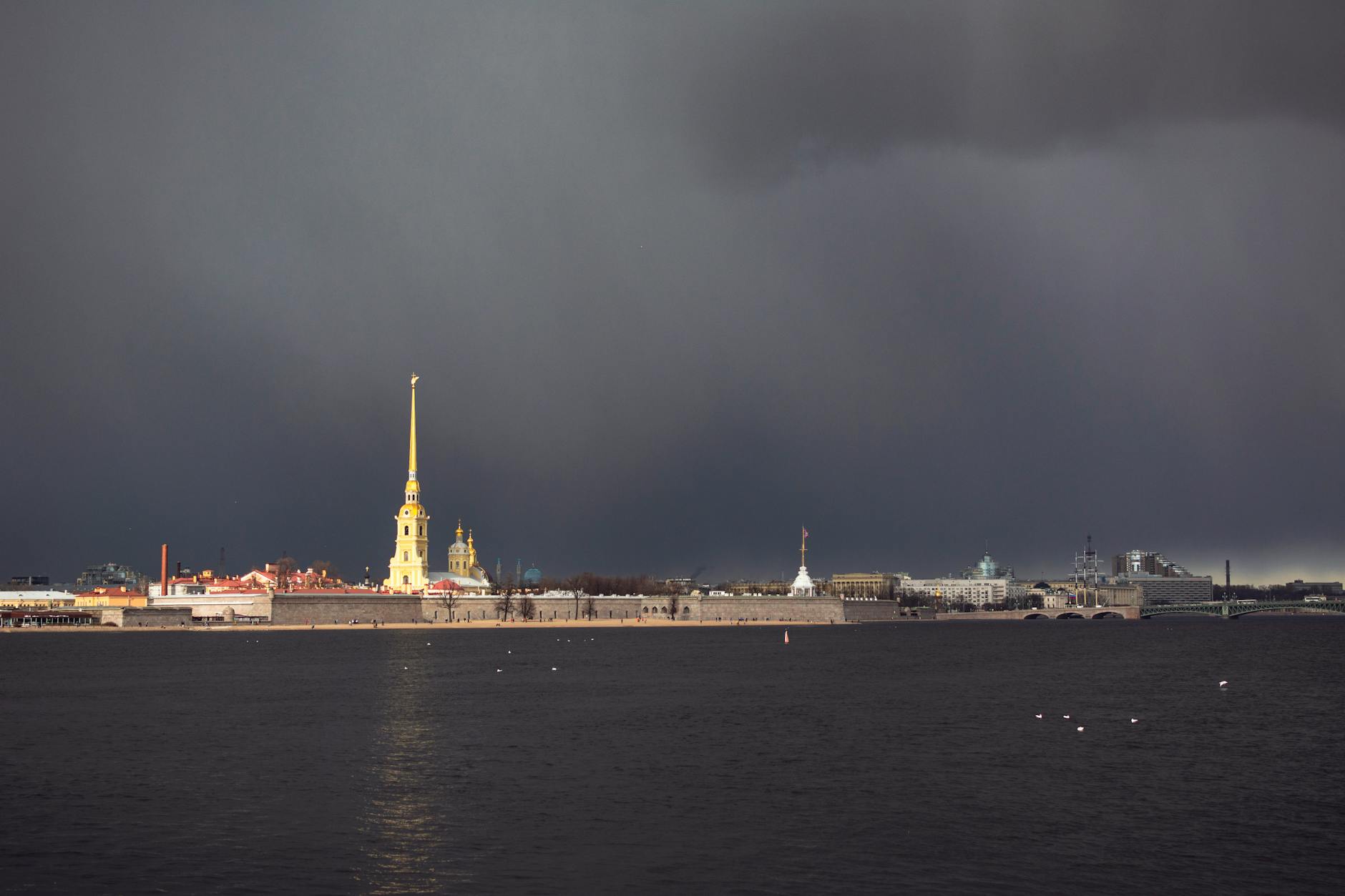
Почніть з головних воріт, де є карта, яка входить до вашого квитка; години роботи та час роботи воріт вказані біля входу та онлайн. Плануйте близько 90 хвилин, щоб пройти основний маршрут у полуденному світлі вздовж піщаного кольору стін.
Слідуйте центральній осі; серед скульптур, статуй, район Іоаннівського собору знаходиться серед групи історичних будівель; наявні вказівники, але рух по головній дорозі мінімізує необхідність повертатися назад і показує, куди йти.
Внутрішні приміщення включають вітрини з артефактами; історія розгортається через галереї та експозиції про артилерію, гвинтівки, ракети, облогові тактики; ця робота з збереження очевидна в підписаних вітринах та виставкових шкафах.
Свята та звичайні справи залежать від сезону; гарне денне світло робить зовнішні фотографії привабливими; вулиці району Невський розміщують музеї для європейських ентузіастів; зимові відвідини відкривають інший настрій з легкою навігацією та спокійнішими вулицями; полуденне світло разом із рідкісними зайцями біля піщаного переднього дворика створюють тихі моменти для фотографування.
Практичні поради: збережіть копію вказаної карти, слідкуйте за годинами роботи, уникайте відхилень, які викликають дезорієнтацію; якщо ви відокремилися, зверніться до співробітників біля воріт за вказівками; вони допоможуть вам знайти відкритий шлях до правильного маршруту.
Цей сайт містить кілька пам'яток: Іванівський район, інтер'єр собору з куполами, артилерійська тераса, каплиця ув'язнених; після завершення можна вийти за межі стін на піщаний передпліччя, де щодня проводяться дійства в полдень та іноді фестивалі.
| Aspect | Advice |
|---|---|
| Години роботи | 9:30-18:00; години можуть змінюватися залежно від сезону; перевірте на воротах |
| Навігація | Слідуйте центральній осі; вказівники покажуть, куди йти; уникайте бічних двориків. |
| Sights | скульптури, статуї, Іоаннівська площа, внутрішні приміщення, артилерійські експонати, вітрини |
| Близькі варіанти | Музеї на Невському, за межами стін; європейські заклади |
| Спеціальні дні | 27-ті святкові заходи можуть змінити робочий графік; перевірте офіційний календар |
Петропавлівська фортеця в Санкт-Петербурзі: Практичний посібник для відвідувачів, щоб не заблудитися
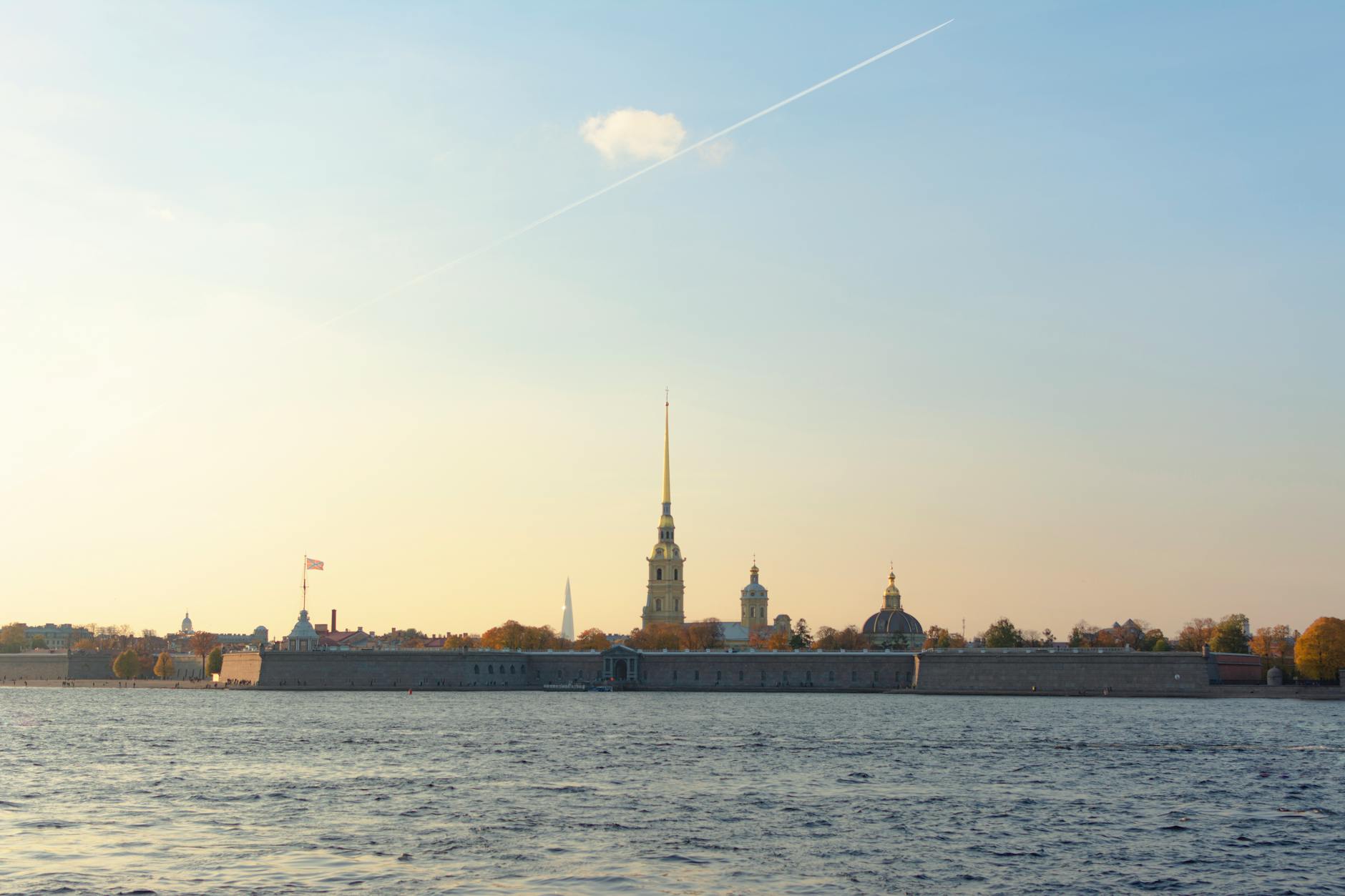
Ввійдіть через західні ворота поруч із спортівною, возьміть мапу в магазині на території, і зверніть увагу на години роботи, щоб скласти точний маршрут, який залишається на головній осі.
Слідуйте цій компактній маршруту, щоб максимально орієнтуватися, зберігаючи дослідження простим: 1. Петропавлівська фортеця - історичний центр Санкт-Петербурга, де все почалося. 2. Зимовий палац - головний музей Ермітажу, символ російської імперської влади. 3. Ісаакіївський собор - один з найбільших православних храмів світу. 4. Дворцова площа - серце міста, де розташований Ермітаж і Адміралтейство. 5. Невський проспект - головна вулиця, де можна побачити Казанський собор і Книжковий будинок. 6. Спаський собор - історичний храм у центрі. 7. Площа Олександра Невського - місце, де знаходиться Александро-Невська лавра. 8. Фінляндський вокзал - відвідайте місце, звідки Ленін повернувся до Росії. 9. Смольний собор - архітектурна пам'ятка, символ міста. 10. Петропавлівська площа - завершуйте маршрут біля фортеці. Цей маршрут дозволить вам побачити головні пам'ятки Санкт-Петербурга, не втрачаючи часу на довгі переходи.
- Почніть з західного підходу біля спортівної; перевірте таблички з позначенням кімнат і возьміть швидку мапу, щоб дізнатися, де знаходиться найвища шпилька відносно навколишніх будівель.
- Слідуйте вздовж центральної осі до внутрішнього двору; серед будівель слідуйте головним вказівникам, щоб не потрапити в бічні провулки.
- У центральному майдані спостерігайте за гарматними установками та виставкою ракет; цей комплекс допомагає оцінити відстані та надає чудову можливість для фотографування.
- За собором розташований компактний комплекс; серед його вуличок ви знайдете монетарний будинок і кілька спокійних куточків, де сім'я може відпочити без натовпу.
- Від головного майданчика планування спрямоване на забезпечення руху від спортивного входу до набережної; їхні вказівники сприяють дослідженню та зменшують необхідність повернення назад.
- Для любителів архітектури варто звернути увагу на фасади у французькому стилі та вікна, які демонструють, як місцева майстерність адаптується до зимового світла; це гарний контраст з величними проспектами Москви.
- Зупиніться на хвилину в зонах набережних, щоб зробити фото з річкою на задньому плані; території навколо об'єкта варто кількох фотографій під різними кутами.
- Взимку плануйте короткий світловий день і склизкі поверхні; входите раніше або пізніше, щоб уникнути натовпу і комфортно прогулюватися по території.
- Сімейні варіанти включають короткі маршрути з власним темпом та дитячі інформаційні панели; у магазині або на інформаційній стійці можна запитати про питання та рекомендовані маршрути для дітей.
- Перед виїздом представте свій квиток на шлюзі; це гарантує, що ви не пропустите закриття і будете знати, що вже зробили, а що ще залишилося на маршруті.
- Сайт добре позначений; якщо ви втратите шлях, поверніться до оригінальної назви вулиці, щоб повернутися до головної стежки.
Цей сучасний комплекс об'єднує кілька територій, пам'яток та приміщень, утворюючи компактну споруду, яка стала віхою північної спадщини росії. Він розташований серед міських святкувань та пішохідних маршрутів вздовж набережних; відвідувачі часто роблять швидку фотографію біля пам'ятника, а потім продовжують дослідження лівобережжя. Для сімейного відпочинку, який поєднує історію та свіже повітря, це один з найкращих варіантів у країні, а працівники каси можуть відповісти на ваші запитання про те, що відкрито, де ввійти та як розпланувати відвідування. Цей досвід ідеально підходить для тих, хто хоче зрозуміти, як оборонний об'єкт перетворився на громадський простір з музейними приміщеннями, спокійними двориками та зручними вказівниками, усі ці елементи знаходяться за кілька хвилин ходьби від дипломатичного району та берега річки. Увесь маршрут варто відвідати протягом декількох годин, залежно від зимових натовпів та темпу, який ви виберете. Атмосфера контрастує з міським ритмом москви та віддзеркалює більш широкі російські традиції пам'яті, музики та спільного простору, запрошуючи вас додати свої моменти до дослідження цього дня.
Прибуття та в'їзд: варіанти транзиту, квитки та години роботи відділень
Рекомендується прибути на річковий трамвай від центральних пристаней; він висаджує прямо за головними воротами. Існують три основні маршрути: метро до Гірської лінії, приватний таксі з центру міста та сезонний водний таксі. Вибір маршруту забезпечує ефективність часу; річкові рейси є найшвидшим зв'язком у години пік. Не пропускайте наступний відправлення, перевіряючи офіційний розклад перед вирушенням.
Білетна зона розташована біля входу; придбати можна безпосередньо на головній стійці; або через офіційний мобільний портал; ціни залежать від рівня доступу; одноразовий доступ до трьох споруд коштує стандартної вартості; комбіновані варіанти охоплюють позолочені купола; барокові фасади будинків; класичні пам'ятники; обладнання для оплати підтримує картки; готівку; безконтактну оплату; діють обмеження на фотографування; можна орендувати аудіогід; часи входу вказані на квитку; кіоски підтверджують розклад.
Час роботи змінюється залежно від сезону; ворота відкриваються о 10:00; останній вхід о 17:30; взимку години скорочуються; перевірте офіційний портал на свята; за головними воротами таблички направляють відвідувачів до трьох споруд; величні фасади височать над причалом; позолочені купола ловлять сонячне світло; барокові інтер'єри відкривають цікаву, унікальну атмосферу; французькі мотиви з'являються в декоративних деталях; кімнати епохи Катерини приміщають невеликий науково-дослідний куточок; ця пам'ятка зацікавить шанувальників історії; спадщина династії залишається помітною завдяки класичному стилю; таблички вказують напрямок до галереї-вшанування; квитки, куплені біля стійки, дозволяють безпосередній вхід до всіх трьох споруд; часи, надруковані на картці, відповідають відображенню на кіоску; шведські гіди працюють у вибрані дні; цікаві мандрівники зможуть глибше пізнати історію завдяки таким екскурсіям; це допомагає відвідувачам орієнтуватися.
Найкращий початковий пункт для орієнтації всередині фортеці
Починаючи з Неваської брами, орієнтація стає миттєвою. Компактний план показує бастіони, куртину, будинки та найвищу дзвіницю, яка слугує чітким символом для навігації. Відсюди кам'яні вулички ведуть до палацового комплексу, де розташовані кілька об'єктів, включаючи велику дзвіницю та відкритий майдан. Ця стартова точка сприяє самостійному дослідженню; гіди на місці надають короткі огляди; квитки можна придбати в кіоску біля брами; запис про години роботи допомагає планувати відвідування. Залежно від освітлення та натовпу, цей вибір залишається головною точкою орієнтації, надійним якорем, який не підводить.
- Маршрут встановлено: рухайтесь за годинниковою стрілкою вздовж кам'яних променадів, що прилягають до стіни з парапетом; тримайте на огляді найвищу вежу; ця орієнтирна точка є ключовою для стабільної навігації, яка не залежить від змін освітлення; дзвін дзвонів додає відому підказку.
- Контрольні пункти: позиція біля фасаду палацу, група будинків навколо площі, резонанс дзвіниці служить звуковим сигналом; символ часу допомагає вимірювати дослідження.
- Логістика: перевірте, які об'єкти сьогодні відкриті, виберіть квитки відповідно; запитайте про гіда для швидких карт; заплануйте маршрут на картці або мобільній мапі; з'єднані маршрути під арками показують ефективний просування.
- Вихідний план: повернутися тією ж кам'яною вулицею назад до Невської брами; петля створює базу для повернення; межі мурованої стіни позначують вхід до головних маршрутів.


