Купуйте гнучкі тарифи заздалегідь через офіційні портали; тримайте електронний гаманець поповненим для швидких платежів; покладайтеся на основні коридори, щоб швидко дістатися до визначних місць.
Опануйте розклади, щоб мінімізувати пересадки; віддавайте перевагу прямим лініям, коли це можливо; це мінімізує втому. У великих вузлах зверніть увагу на орієнтири: центральний зал, годинникова вежа; зверніть увагу на номери платформ, щоб прискорити посадку. Для студентів, які подорожують, перевірте офіційні знижки; майте при собі посвідчення особи для підтвердження тарифу; майте додатковий запас часу для пересадок.
У практичних сценаріях для вивчення кількох точок працює компактний план; візьміть із собою додатковий шар одягу, невеликий рюкзак; використовуйте надійний офіційний додаток розкладу. Для винахідливих дослідників статус podorozhnik виникає, коли економите на тарифах, не жертвуючи комфортом. З чіткими картами швидкий перегляд схем ліній показує найшвидші пересадки, комфортні місця для сидіння, доступні туалети у великих вузлах.
Підтримуйте точний план на дні з великим трафіком; перевіряйте офіційні портали на наявність оновлених тарифів; пред'являйте посвідчення особи, де це потрібно. Використовуйте той самий електронний гаманець на всіх станціях для швидких платежів; це скорочує час очікування в черзі. Якщо сталася затримка, зверніться до працівників станції за швидкими пропозиціями щодо перенаправлення; підтримка персоналу залишається надійною у великих вузлах.
Завжди підтверджуйте номери платформ через офіційні табло безпосередньо перед відправленням; уникайте затримок, перевіряючи зміни виходів; успіх залежить від чітких зон посадки, знайомих орієнтирів, передбачуваних розкладів; з такими запобіжниками мандрівники відчувають комфортні переїзди, особливо в сценаріях зі студентом.
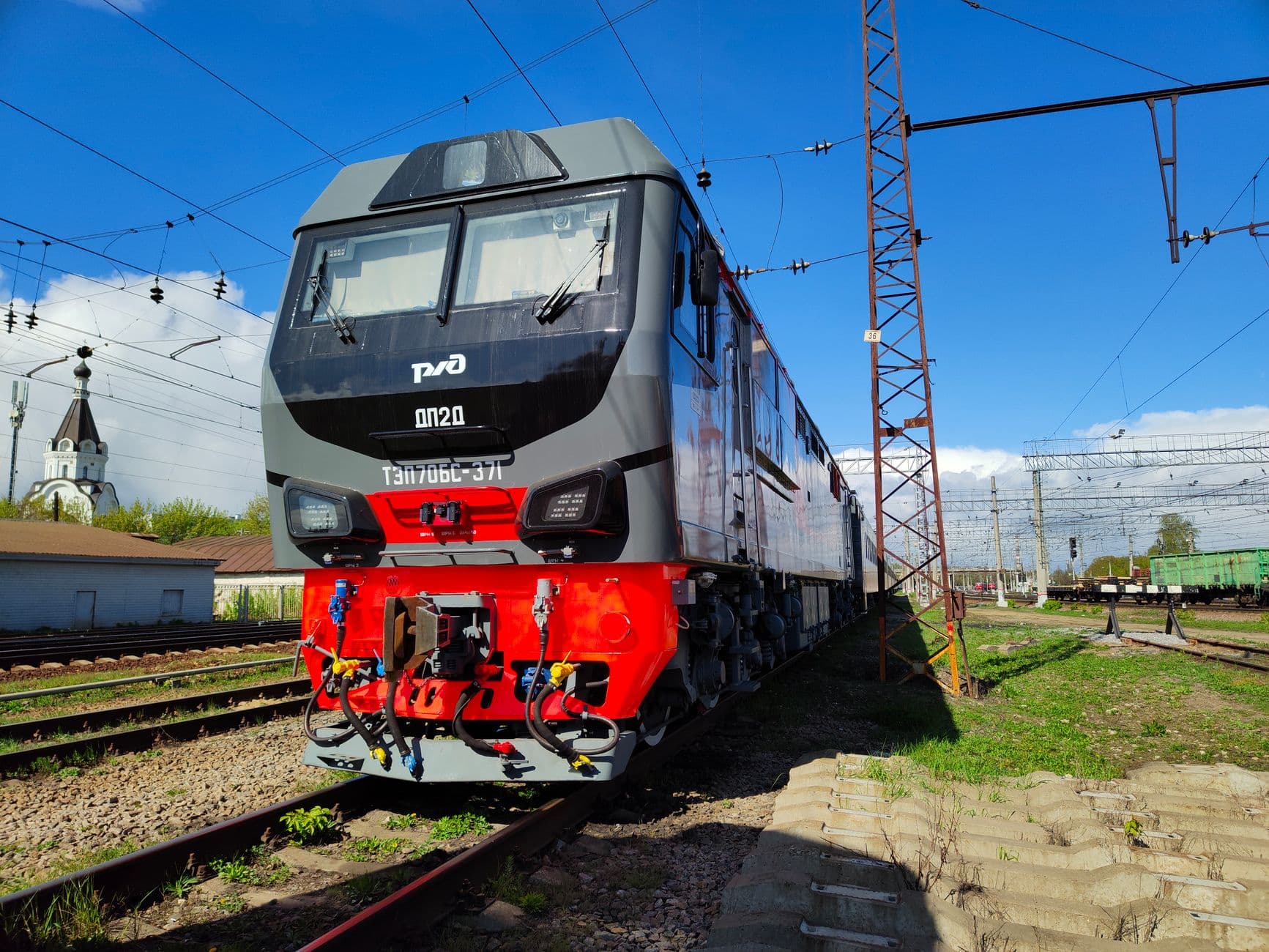
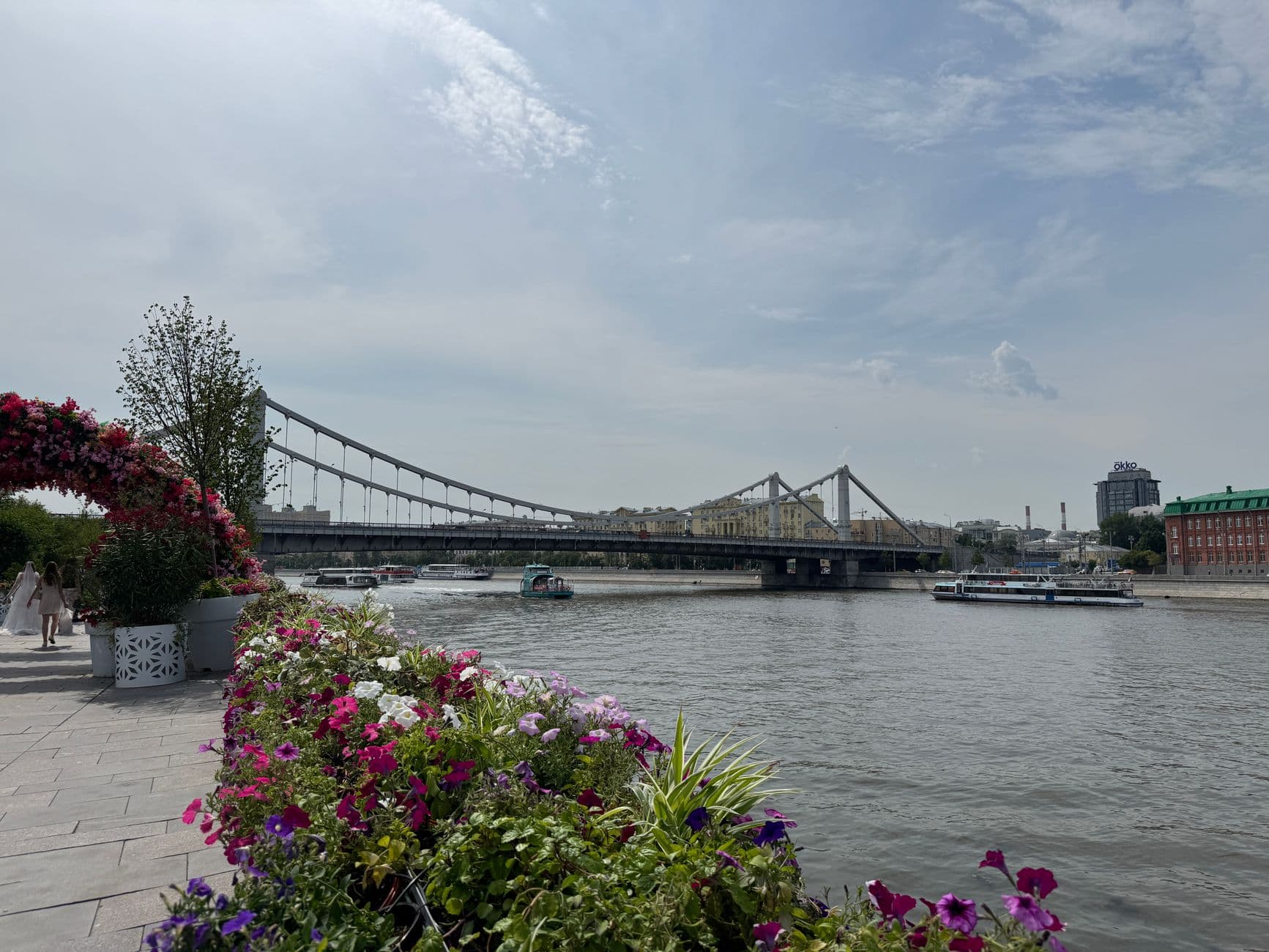
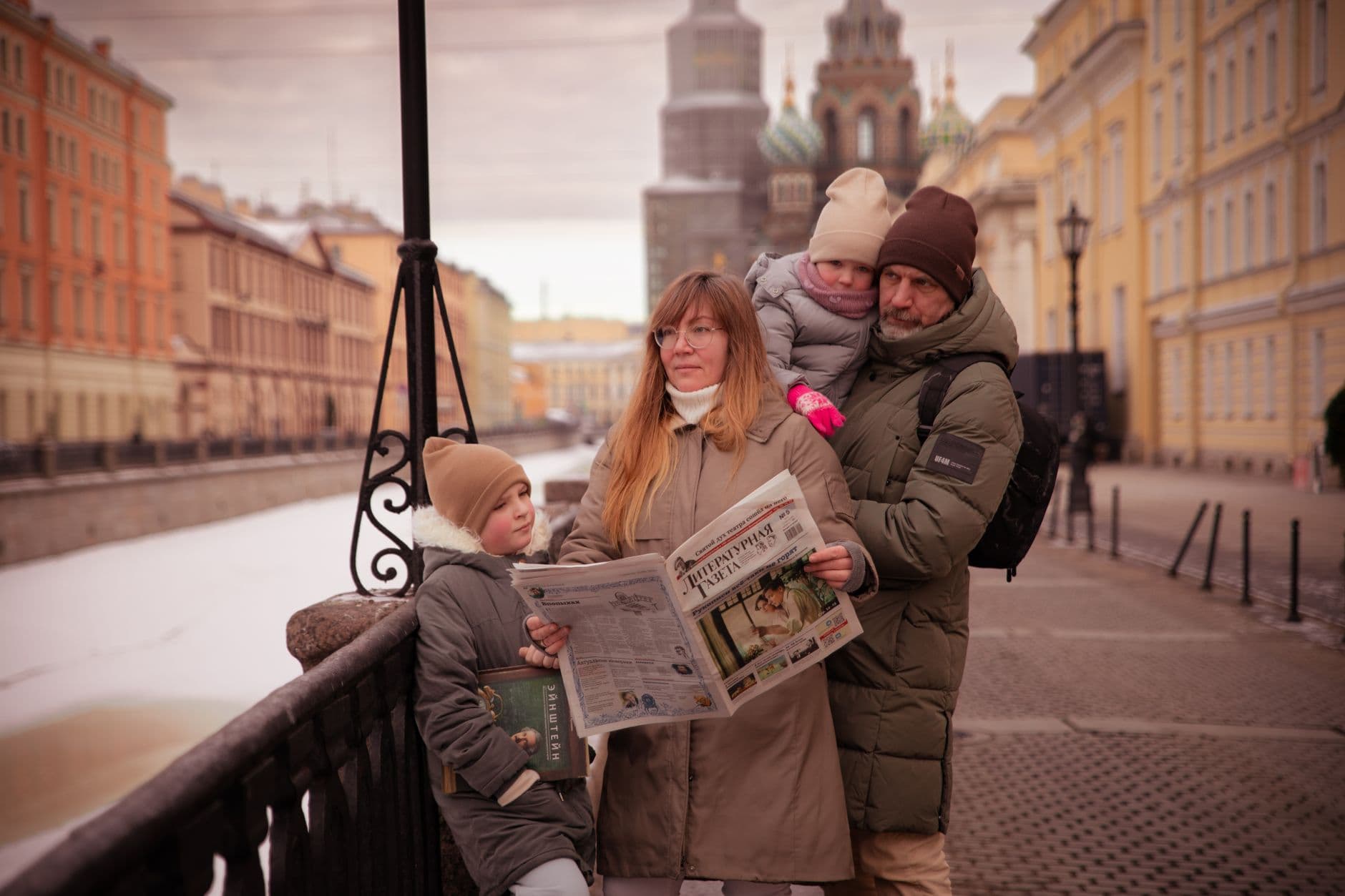
Російський путівник поїздами
Почніть з плану від дверей до дверей, що з'єднує прибуття в аеропорт з головними станціями; включені зупинки в сільській місцевості; відвідування центру міста заплановано після завершення переходів.
- Рекомендація: нанесіть на карту маршрут, використовуючи ділянки громадського транспорту; основні вузли з'єднані трамваями, автобусами; переходи з аеропорту в центр міста мінімізують час простою; стежте за оновленнями на екранах розкладу; повідомлення в кіосках показують зміни платформ; у напружені періоди потрібні швидкі пересування.
- Платежі: гаманці приймаються в кіосках; їх використання прискорює купівлю квитків; майте резервні копії: стійка namzhil у великих офісах пояснює варіанти; майте при собі запас готівки в місцевій валюті; підтвердьте успішність платежу на квитанції.
- Продаж квитків: купуйте надійний пакет, що охоплює кілька ділянок; покриття від дверей до дверей зменшує безлад у гаманці; остаточне повідомлення про підтвердження з'являється на екрані; ціна з'являється перед оплатою; переконайтеся, що на квитках відображаються правильні імена, дати.
- Пересадки: нелінійні маршрути вимагають пересадок через місто; щоб мінімізувати тертя, плануйте пересадку в центральних центрах; стежте за табло платформ; пересадки зазвичай включають коротку прогулянку до іншої колії; деякі поїзди мають спільний коридор.
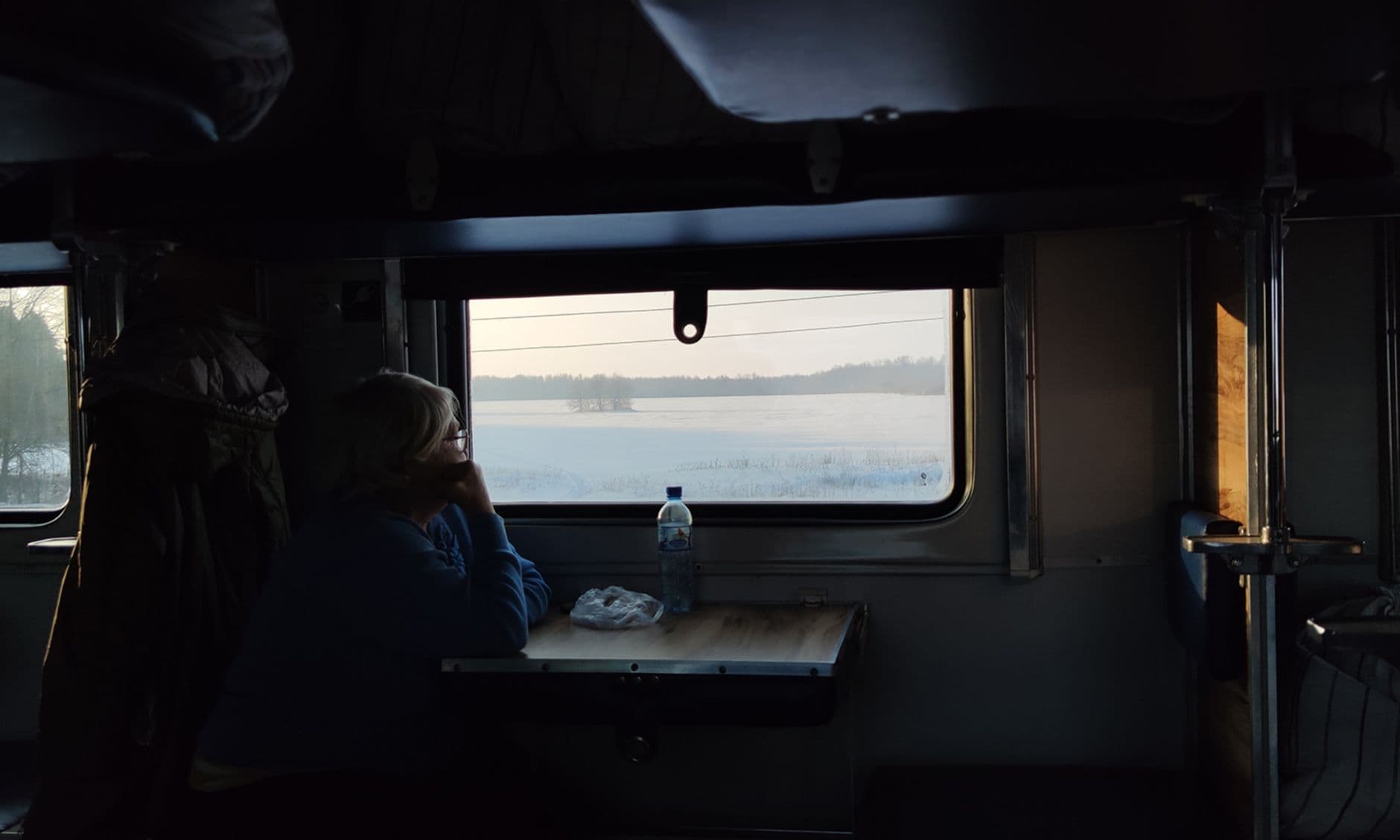
- Життя на борту: поїзди надають безкоштовний Wi-Fi, розетки, багажні полиці; тримайте цінні речі в полі зору; персонал у службових вагонах допомагає під час тривалих поїздок; ви можете прибути відпочилими після мальовничих краєвидів сільської місцевості.
- Прибуття: основні зупинки прибувають за розкладом; у жвавих коридорах пахне кавовими кіосками; прибувши в нове місто, зареєструйтеся в місцевому кіоску, щоб отримати карти; команда namzhil пропонує швидку допомогу в більшості великих міст.
- Витрати: рівні цін відображають клас, відстань, спальне місце проти сидіння; дешеві денні поїздки зазвичай є надійною цінністю; для тривалих поїздок розгляньте спальне місце, щоб заощадити на витратах на готель; подивіться на ціну, яка відображається на екрані перед покупкою.
- Практичне спорядження: запакуйте легкий багаж з ниткою; гаманці залишаються корисними; стежте за звичками подорожей; тримайте проїзні документи в доступному місці в центральній кишені; сплануйте варіант літака як резервний на останньому етапі, якщо погода зірве залізницю.
- Налаштування: тут інструкція з оплати в Росії показує точні варіанти; використання гаманців забезпечує безперебійні транзакції; центр офісу namzhil надає тут інструкції.
Практичні поради, маршрути та розклади для мандрівників
Бронюйте заздалегідь, використовуючи офіційні портали або кіоски, щоб зафіксувати дешевші тарифи; отримайте квиток заздалегідь.
Плануючи подорож по Росії, підготуйте рублі; обмін валюти в аеропортах або банках; картка podorozhnik може забезпечити безперебійну пересадку на певних коридорах; плюс перевірте в кіоску або на офіційному сайті перед оплатою.
- Валютні платежі: рублі широко приймаються; рекомендуються обмінні пункти; уникайте вуличних обмінів; прийняття карток зростає на основних коридорах; майте при собі невелику готівку для кіосків і торгових автоматів.
- Реєстрація: реєстрація закінчується за 20-30 хвилин до відправлення; прибуття на станцію заздалегідь скорочує черги; роздрукуйте або завантажте квиток через кіоск або додаток; номерний знак корисний для прибуття автомобілем.
- Налаштування сповіщень: увімкніть сповіщення в офіційному додатку; налаштуйте сповіщення про тарифи; перевіряйте тарифи перед покупкою; сплануйте час пересадки між службами, якщо це необхідно; плюс сповіщення про основні зміни тарифів.
- Безпека на борту: дотримуйтесь інструкцій екіпажу; тримайте цінні речі в безпеці; сценарій поломки: зверніться до працівників станції; слід дотримуватися знаків безпеки в напрямку платформи; безпечно рухайтеся до виходів, коли це необхідно.
- Доступність поблизу станцій: плануйте з найближчими аеропортами; залізничний вузол до центру міста зазвичай займає 30-60 хвилин; зверніть увагу на такі пункти, як обмінні пункти, валютні каси, туалети.
- Коридор Москва-Санкт-Петербург: найшвидше обслуговування близько 3 год 40 хв; денні відправлення кожні пару годин; існують дешевші варіанти в довших розкладах; тариф змінюється залежно від часу доби; найраніше відправлення близько 08:00; найпізніше близько 22:00; доступні з'єднання LED або SVO для прибуття.
- Коридор Москва-Казань в напрямку Європи: велика відстань; тривалість приблизно 7-8 год; звичайні нічні варіанти; тарифи вищі для місць преміум-класу; бронюйте заздалегідь, щоб зафіксувати дешевші тарифи; розклад зазвичай кілька щоденних відправлень.
- Коридор Санкт-Петербург-Нижній Новгород: прямі рейси займають близько 6-7 год; рекомендовано для денних подорожей; вікна реєстрації подібні; тарифи нижчі в непікові години.
- Коридор Москва-Єкатеринбург: східний відрізок через Волгу-Урал; тривалість 12-16 год залежно від обслуговування; нічні варіанти економлять час; можливості пересадки у великих вузлах; завжди переглядайте розклад заздалегідь, оскільки зміни відбуваються сезонно.
Додаткові примітки: найближчі аеропорти з'єднані з головними станціями; podorozhnik підтримується на певних коридорах; плануйте, використовуючи карту місцевості; плюс практичні поради, що дозволяють безпечно подорожувати залізничними коридорами Європа-Азія; після встановлення бюджету переглядайте тарифи щотижня; використання podorozhnik дозволяє здійснювати більш плавні пересадки.
Бронювання та продаж квитків: як забронювати місця на Російських залізницях
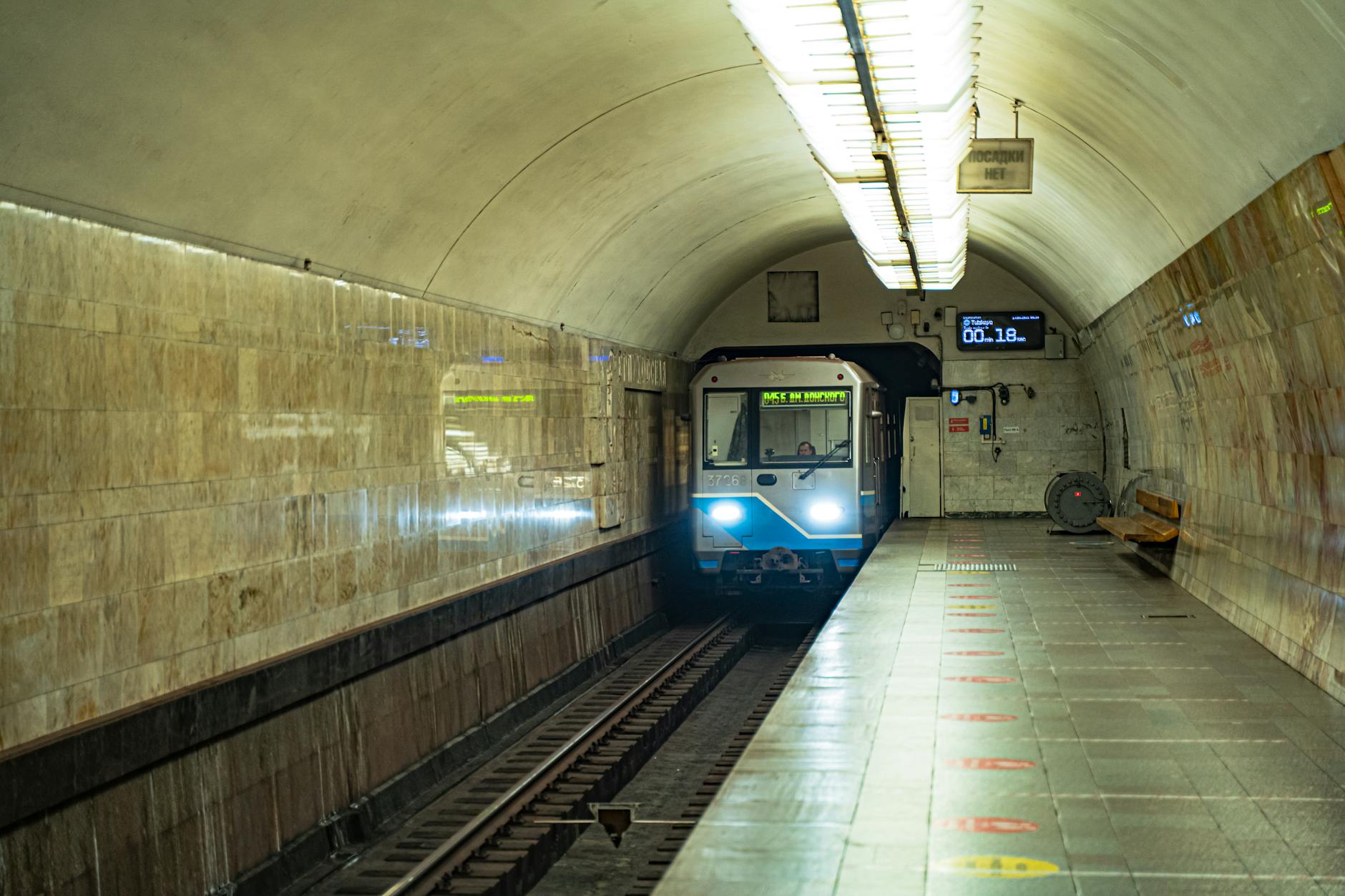
Купуйте квитки заздалегідь через офіційний інтерфейс, щоб автоматично забронювати місця; це мінімізує ризики розпродажу, зберігає простір у салоні, підтримує життя в русі, дозволяючи вам насолоджуватися більш плавною подорожжю.
Використовуйте карти місць у реальному часі, щоб вказати вагон, тип місця, зону для багажу; практичний посібник в інтерфейсі допомагає встановити параметри, передбачаючи трафік навколо центру Москви, транзитних коридорів Санкт-Петербурга.
Плюси: надійність, швидкість, покриття; варіанти оплати включають основні картки; сервіс приймає картки podorozhnik, де це можливо; оформлення замовлення відбувається швидко.
Місце для ручної поклажі має значення: вибирайте салон з верхніми полицями для багажу; це зменшує тертя під час посадки, підвищує безпеку на нерівних ділянках.
Після бронювання ви отримуєте цифрове підтвердження в режимі реального часу; збережіть квиток у мобільний гаманець, щоб прискорити сканування на станції в години пік.
Центральні вузли в мережі Росії включають Москву, Санкт-Петербург, інші міста; пересадки між маршрутами далекого прямування відбуваються через транзит, автобуси, місцевий транспорт; ефективні з'єднання мінімізують час простою.
У разі поломки або затримки надходять оновлення статусу в режимі реального часу; адаптуйте маршрути, перебронювання залишається можливим без значних втрат.
Включіть деталі політики щодо багажу, використання podorozhnik, правила безпеки, щоб зробити подорож більш плавною; цей підхід сприяє насолоді подорожжю по центру Росії.
Класи поїздів і кабіни: варіанти плацкарту, купе та купе
Рекомендація: плацкарт пропонує найбільше спальних місць за фіксованою ціною; орієнтований на конфіденційність варіант купе підходить для пар; планування купе підходить для сімей.
Огляд плацкарту: відкритий вагон з 54 спальними місцями, 9 купе, без дверей між секціями; спальні місця розташовані в три яруси: нижній, середній, верхній; спільні зручності в коридорі. Є спільний простір для харчування. Номер: 54.
Деталі купе: 2-місні купе з дверима; ліжка перетворюються з сидінь; невеликий столик, лампа для читання, розетка; вища конфіденційність; доступ обмежений для мешканців. Особливість: розетка в комплекті.
Варіант купе: 4-місні купе з дверима; на регіональних маршрутах вони з'являються; помірна конфіденційність; тривале перебування комфортне; поруч умивальник.
Практичні поради: пропонують справжню цінність завдяки гнучкості без точного часу; плануйте з оцінками; приблизно за дві-три години до прибуття в центри міст; місцеві повідомлення через citymobil допомагають; майте при собі картки для оплати, де це можливо; витратьте додаткові гроші на закуски; коротка перерва під час пересадок може зняти втому. Прибуває пізно.
Безпека та комфорт: безпечніша постільна білизна; купе, що замикаються; поради щодо непередбачених обставин у разі поломки; доступна допомога персоналу. Ці поради допоможуть пасажирам.
Примітка щодо логістики: основні вузли мають трамваї, літаки, таксі, що з'єднують з воротами; міські визначні пам'ятки поблизу станцій приносять користь пасажирам; перевірте вікно прибуття, а потім скоригуйте план; ймовірно, будуть затримки; можуть з'явитися сюрпризи.
Основні маршрути та коридори: Москва-Санкт-Петербург, Транссибірська магістраль і регіональні лінії
Почніть з високошвидкісного коридору між Москвою, Санкт-Петербургом, визначними містами. Щодня існує кілька відправлень. Більшість пасажирів долають ці 635 км приблизно за 3 год 30 хв до 4 год 15 хв; час змінюється залежно від зупинок. Квитки доступні заздалегідь; варіанти місць включають стандартні місця, спальні вагони. У залі знаходяться персонал, каси, камери зберігання багажу, магазини; Mirpay приймається у великих залах.
Транссибірська магістраль простягається від Москви до Владивостока, перетинаючи дев'ять часових поясів у межах Росії. Ключові розв'язки включають Єкатеринбург, Новосибірськ, Красноярськ, Іркутськ, Улан-Уде; продовження досягають Улан-Батора. У спальних вагонах сидять пасажири, а в денних поїздах є купе. Типова подорож Москва-Владивосток триває 6-7 днів; Москва-Новосибірськ близько 2 днів 18 годин. Пасажири можуть вибрати зарезервовані купе, купе відкритого планування, приватні кабіни. Персонал залізниці допомагає на борту; поточні оновлення новин допомагають планувати; відстеження доступне через yandexmaps. Пересування відбуваються безпечно на ділянках далекого прямування.
Регіональні коридори від центральних вузлів досягають Ярославля, Нижнього Новгорода, Твері, Великого Новгорода, Смоленська; інші міста області слідують. Зазвичай варіанти починаються заздалегідь у центрах міст; більшість рейсів обслуговують короткі пересадки в межах мережі районів Росії, з'єднуючи приміські вузли з віддаленими містами. Деталі розташування допомагають планувати пікапи, таксі, прокат автомобілів; у залах є варіанти зберігання багажу.
Інструменти для планування включають yandexmaps; поточний статус, поточні новини про транзит допомагають скоригувати розклад. Літак залишається варіантом для швидких пересадок; додаткове зберігання багажу пропонується в багатьох залах; безпека залишається пріоритетом; співробітники надають вказівки. Моделі трафіку змінюються сезонно; планування вимагає гнучкості. На цьому коридорі існують лише прямі ділянки.
Студенти-пасажири отримують вигоду від регіональних ліній завдяки нижчій вартості; розклади підходять для денних занять. У залах є чіткі знаки; платежі Mirpay широко приймаються; шафки зберігають спорядження в безпеці під час вивчення міст області. Тут карти розташування показують місця посадки для оренди автомобілів, з прямим ефіром через yandexmaps. Дуже актуальні новини забезпечують точний час; зміни трафіку можуть вимагати швидких змін плану; безпека залишається пріоритетом, тому персонал, як правило, допомагає на місці.
Розклади та графіки: читання розкладів, часових поясів і затримок
Перевірте офіційну сторінку розкладу після прибуття; московський час (MSK, UTC+3) регулює більшість маршрутів. Якщо маршрути перетинають часові пояси, перегляньте місцевий час на табло та встановіть будильник для пересадок; додайте кілька хвилин для зміни платформи.
Читання розкладів: стовпці показують номер, обслуговування, пункт відправлення, пункт призначення, відправлення, прибуття, тривалість і виходи. Час може бути вказано в MSK або за місцевим годинником; з'являються погодинні сесії, з чотиригодинними блоками як практичний план. Короткі підказки на табло допомагають прямувати до виходів і підтверджувати зміни платформи.
Часові пояси: Москва використовує MSK; деякі пункти призначення працюють за місцевим часом. Цільові сторінки на офіційному порталі містять англійські повідомлення для іноземних мандрівників.
Затримки: переглянутий час з'являється з остаточним статусом; якщо затримки тривають довго, плюс можуть бути доступні варіанти від інших служб. Ви можете замовити альтернативну поїздку, наприклад citymobil, або стандартні послуги з різною тривалістю. Деякі маршрути включають розкішні варіанти за преміальними тарифами. Деякі послуги пропонують розкішний автомобіль.
Оплата та коди: Квитки можна придбати за рублі або картки; поїздки citymobil пропонують комфортні варіанти від дверей до дверей; попередні покупки допомагають уникнути черг. Обробка багажу на станціях проста; англомовний персонал може допомогти. Офіційні термінали nmzhlk приймають картки. Система автоматично керує оновленнями.
| Маршрут |
Номер |
Відправлення (місцеве) |
Прибуття (місцеве) |
Часовий пояс |
Примітки |
| Москва - Казань |
704 |
08:15 |
14:40 |
MSK (UTC+3) |
погодинне обслуговування; варіант від дверей до дверей; офіційний nmzhlk; рублі або картки |
| Москва - Нижній Новгород |
512 |
09:00 |
12:35 |
MSK (UTC+3) |
чотиригодинний блок; виходи 2; англійські повідомлення |
| Москва - Санкт-Петербург |
201 |
07:20 |
10:20 |
MSK (UTC+3) |
коротка поїздка; англійські сповіщення; кілька послуг |
| Москва - nmzhlk City Express |
450 |
21:50 |
02:15 (наступного дня) |
MSK (UTC+3) |
нічне обслуговування; плюс обробка багажу; доступний розкішний варіант |
Комфорт і етикет на борту: багаж, харчування, Wi-Fi та безпека
Вкажіть обмеження на багаж під час реєстрації; тримайте компактну сумку під сидінням, невеликий особистий предмет у межах досяжності. Прикріпіть бирку namzhil, якщо цього вимагає персонал. У тривалих поїздках зменште безлад, розмістивши більші предмети у багажних відділеннях перед відправленням. Ці заходи прискорюють посадку, скорочують затримки. У чотирьох основних коридорах Росії ви тут, щоб подорожувати з комфортом, ви хочете гладкий старт, відстань до платформ різна, табло відправлення підтверджують деталі. Персонал зазначає, коли рейс прибуває на платформу.
Варіанти зберігання багажу: верхні полиці швидко заповнюються в поїздах; важкі предмети повинні знаходитися в нижніх контейнерах до прибуття на кожну зупинку; поважайте відстань до дверей, проходів. У переповнених поїздках розгляньте можливість використання тонкої валізи або сумки, щоб залишити місце для інших. Якщо вам потрібно більше місця, подорожуйте налегко; попросіть персонал надати доступ до особистої шафки під час тривалих поїздок. У залізничній мережі Росії залізничні практики відрізняються залежно від оператора. Можливі пересадки на метро; картка дозволяє безперебійний транзит між метро, тролейбусом, поїздами.
Обслуговування харчуванням залежить від залізничного оператора; деякі маршрути пропонують вагон-кафе; інші пропонують харчування на борту в певний час; вартість відрізняється, зверніться до меню. Ви можете замовити легкий перекус; приготування їжі може зайняти кілька хвилин, що дозволить не відставати від графіка. Упаковка невеликої закуски сприяє комфорту, особливо під час тривалих поїздок. Якщо можливо, сфотографуйте налаштування підносу, щоб допомогти екіпажу керувати відходами без затримок.
Продуктивність Wi-Fi залежить від маршруту; підказки інтерфейсу можуть з'являтися під час входу в систему, іноді вимагаючи кредитну картку або проїзний квиток. Безкоштовний базовий доступ існує на кількох коридорах; розгляньте можливість використання преміум-варіанту, якщо вам потрібне стабільне відео або завантаження фотографій. Вартість різна; перевірте перед відправленням, а потім ви можете спланувати використання даних під час поїздок. Якщо ваш поїзд прибуває із запізненням, скористайтеся інтерфейсом, щоб перевірити оновлення. Тут цей посібник наголошує на практичності, а не на розкоші.
Підказки щодо безпеки від персоналу мають значення: тримайте цінні речі в полі зору; закріплюйте речі під час пересування сидіння; уникайте блокування виходів. Коли двері працюють, дотримуйтесь вказівок екіпажу. Якщо прибуває рейс, повідомте персонал, щоб підтвердити призначення платформи. Після прибуття швидко заберіть багаж; підтвердьте прибуття екіпажу; виїжджайте з карткою, фотографією посвідчення особи, готовими для перевірки. Ці кроки захищають життя на борту залізниць; мінімізують стрес під час подорожі тут.