设定预算锚点:市中心1居室月租通常在60,000-90,000卢布;郊区为35,000-60,000卢布。使用预订平台、可信网站,登录后保存房源,尽早达成交易以锁定优惠价格。
在现代公寓中,公共事业和服务费用每月约为8,000-12,000卢布,其中互联网费用约为500-1,000卢布,移动数据流量约为400-900卢布。每人每月的食品杂货费用约为25,000-40,000卢布,具体取决于个人偏好。外出就餐每月约为6,000-12,000卢布。交通费用因人而异:月票通常为2,500-3,500卢布;偶尔使用叫车或出租车约为1,000-3,000卢布。价格会随季节变化,建议每月重新核对信息。对于一对夫妇来说,这些费用大约会翻倍,同时还要预留季节性波动的空间。
该国的就业市场涵盖各个行业。薪资水平因职位和行业而异:中级职位的月薪通常为80,000-180,000卢布(税前);金融、科技或跨国团队的高级职位可达250,000-500,000卢布或更高。工作经验的增加会提高晋升机会和职责扩大的可能性。在可靠的网站上构建薪资地图,然后登录对比各项报价,以设定合理的期望值。
文化与日常生活塑造了开支:沿河岸的历史遗迹、老城区的宫殿区以及画廊在配合限时门票或免费日时能提供价值。计划在傍晚时分参观以最大化价值。使用官方网站核实开放时间,并在合理时预订以避免排队。全年各季节的节目扩大了探索机会,同时不会超出预算。
智能设置:如有必要,要求租赁合同中明确分开水电费,并确认以卢布支付的付款时间表。使用单一登录账户管理租房平台、银行应用和交通卡,以简化跟踪。为应对季节性价格波动建立小额缓冲资金,尤其是在新年和夏季节日期间,此时整个大都市的出行需求都会上升。在简历中使用现实的职称并附上可信的推荐信,有助于为住房和服务谈判更有利的条款。
外籍人士财务规划系列
建立一个六个月的应急资金储备,以流动资产形式存放,分散在卢布和外币账户中,以应对市场的时时波动。这笔储备将稳定你的家庭预算,并帮助你应对突发的租金变动、医疗需求或旅行费用,而无需动用长期投资。
建立一个预算框架,通过定义费用类别组来控制开支:住房、水电、食品杂货、交通、医疗、保险和休闲。将目标与书面计划对齐,并跟踪每笔交易与类别总额,避免超支,同时培养每周审查预算的习惯。
住房策略应将区域划分为不同租金区域;选择外区的住所可以降低开支,同时仍能方便地前往景点。在评估选项时,考虑西式公寓的布局、短期租赁的可能性以及你想要的家居风格。
收入规划与货币管理:决定工资的到账方式及资金存放地点。如有可能,将收入分散到不同账户,以降低货币风险,跟踪公布的汇率,并处理货币兑换问题。网上银行和本地分行在手续费上存在差异;选择透明的汇率成本和合理转账时间的机构,以保持对每小时收入的灵活性。
保险与安全:审查健康、财产和火灾保险,以防止未保险损失。完善的计划应涵盖医疗紧急情况、财产损失和个人责任;可考虑增加旅行中断保障及资金安全保护。
文化与风险考量:您的目标应在稳健预算和欣赏城市景观之间取得平衡,同时需认识到与地缘政治变化相关的风险因素。尽管宏观冲击可能改变价格和汇率条款,但通过多元化货币、资产和资金来源的配置,可确保您保持稳定。在极端情况下,如种族灭绝等地缘政治事件,凸显了全球性问题,进一步强调了谨慎规划的必要性。
建立六个月的储备金,分类支出,选择在经济适用区域的住房,在可靠的金融机构开设两三个银行账户,关注公布的汇率,并每年进行一次审查。六个月后,调整预算项目,减少可自由支配的开支,确保你的选择与目标一致,同时保持住宅风格和自由感。
在莫斯科租房:按区域和公寓大小的典型价格
建议选择外环区域以获得最佳性价比——一居室的月租通常为40,000-70,000卢布,两居室为70,000-120,000卢布;市中心地区一居室的租金约为90,000-170,000卢布,两居室为150,000-260,000卢布。
价格按月和公寓面积计算,公共事业费用通常单独计费。以卢布标注的价格在国际网站上因汇率不同而有所变化,因此请核对汇率并以当前汇率计算一年的住宿费用。距离市中心区域与城市核心区域的距离线对价值和谈判空间影响很大。
- 莫斯科市中心区域(特维尔区、梅什昌斯基区、阿尔巴特区):1室90,000-170,000卢布;2室150,000-260,000卢布;3室230,000-380,000卢布。典型面积:1室28-45平方米,2室50-90平方米,3室90-120平方米。
- 内环区(普雷斯涅区、巴斯曼区、哈莫夫尼基区、多罗戈米洛沃区):1室65,000-110,000卢布;2室110,000-180,000卢布;3室170,000-280,000卢布。常见面积:35-50平方米,55-85平方米,85-110平方米。
- 花园环路内外围区域(如布列夫斯卡亚、伊兹梅洛沃、卡波特尼亚等):1室40,000-90,000卢布;2室70,000-150,000卢布;3室110,000-210,000卢布。典型面积:40-60平方米,60-90平方米,90-130平方米。
- 新莫斯科地区(科穆纳尔卡、鲁布廖沃-阿尔汉格尔斯科耶、沃斯克列先斯科耶):1室30,000-70,000卢布;2室60,000-110,000卢布;3室90,000-140,000卢布。常见面积:40-60平方米,60-90平方米,90-140平方米。
以下是翻译后的内容:
在进行搜索时,建议关注汇率稳定的周期以便比较货币;周末看房人多,尽量安排在工作日。务必核实基本设施和额外费用——并非所有房源都包含供暖、热水或网络。续租选项很重要:需明确租约是否允许超出初始期限续租且无需续约费。对于长期租赁,房东越来越倾向要求必要文件、收入证明和担保人。
各类网站和报告显示,价格模式在不同货币下表现出相似的趋势;即使是来自芝加哥或上海等其他城市的报告,也显示出可比区域的价格范围相似,这有助于校准预期。市中心与郊区之间的价值分界线非常清晰:靠近中心地带的区域价格较高,而更远的区域则通常能以相同价格获得更大的空间。在多个网站上做功课可以避免在不符合长期需求的高价交易上过度支出。
长期居住时,需计算基本租金加上水电费、物业费和偶尔的维修费用。部分房东提供基本家具,其他则需要额外支付家具费用。如果协商延长租期,可以获得更优惠的月租价格,并减少周末寻找房源的混乱。城市的不同社区各具特色,设施也不同——咖啡馆、公园和人性化的管理服务能提升日常生活质量,尤其是周末,你可能只想找个安静的角落工作或放松。
公用事业和互联网:每月费用概况
计划每月为莫斯科典型租房的水电费和网络支付8,000-15,000卢布,冬季供暖费用可能会达到较高端。此预算可在9月份电价调整前预测季节性波动。
- 电力和供暖
电力:暖季1,000-2,500卢布;寒季1,800-4,000卢布。使用LED照明,满负荷运行,拔掉闲置设备,安装智能插座以减少待机耗电。价格在加油站、区域和保温性能间波动。
- 供暖:大多数建筑采用集中供暖;冬季费用通常为小户型2,000-6,000卢布,大户型8,000-12,000卢布。9月及初冬时节,随着城市调整收费标准和规则,费用可能逐步上涨。
水和污水
冷水:每月300-700卢布;热水200-600卢布,具体取决于用量和季节。部分房屋将热水费包含在综合服务费中,需与房东确认并查看合同。
垃圾处理和建筑维护
垃圾收集和维护:300-700卢布;可能出现在服务费用中,并因区而异。核实该建筑是否将此费用包含在基础租金中,还是额外收费。
互联网和电视
互联网:基础服务300-700卢布;光纤高速1,000-2,000卢布。电视套餐250-600卢布。不同供应商的节目内容各异,可根据需求选择套餐组合。如需稳定流媒体,建议选择100-200 Mbps的网速。
质量与套餐:各供应商的套餐通常包含固定安装费和促销期;可考虑使用卡支付或在线支付以简化管理。价格往往在九月份趋于下降,因为促销活动开始推出。
移动数据SIM卡和数据:每月350-600卢布可获得5-10GB;1,000-2,000卢布可获得无限流量。常见做法是搭配家庭宽带和本地SIM卡,以降低成本并避免漫游费用。
支付、规则及设置
支付方式:银行卡广泛受理;部分服务商要求转账或钱包支付。迟付费用较少见,但某些建筑可能适用。查阅合同条款以避免额外费用。
入住时确认水表读数,核实是否包含热水,并查看公共事业费用的分项明细。这对规划现金流和避免意外费用至关重要。
实用省钱小贴士:采用精简基准,设定每月上限并对比各供应商的套餐;这种简单直接的方法很有效。在实际操作中,阿丽莎和唐纳德发现,快速切换到低成本套餐并配备稳定的路由器卡,能提升可靠性而不牺牲速度。
季节性价格波动;互联网和套餐在九月通常有促销价格。避免选择带有不必要附加功能的黄金套餐;选择一种契合实际使用需求且可后期调整的合同类型。
保持几件日常用品备用,减少补货次数;单独设置出租车预算,尽量使用公共交通工具以节省整体开支。主动安排支付和审核账单很重要。
电力:1,000-4,000卢布(每月参考范围)
供暖:2,000-12,000卢布
水/污水:300-1,300卢布
垃圾/维修:300-700卢布
互联网:300-2,000卢布
移动数据:350-2,000 卢布
食品杂货与外出就餐:预算范围和小贴士
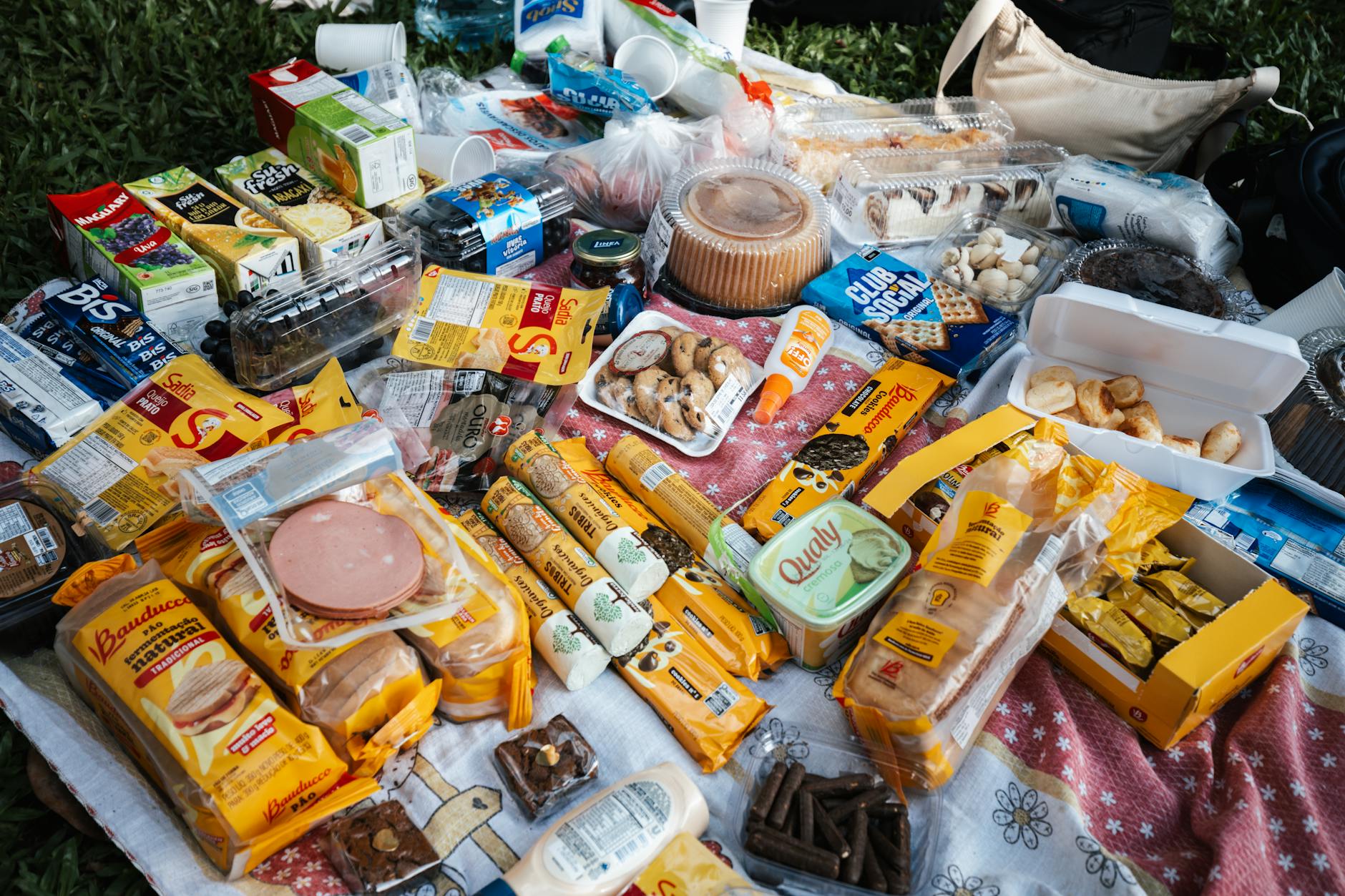
你的预算从俄罗斯首都每人每月大约25,000-35,000卢布的食品基准开始,然后根据个人偏好和促销活动快速调整。
日常购物清单的必需品通常占据基础预算:乳制品2,000-4,000卢布,肉类3,000-7,000,蔬菜3,000-6,000,水果2,000-4,000,谷物和面包2,000-3,500,其他主食2,000-4,000;总金额常常达到数千卢布,如果选择本地主食,通常不会达到较高的预算上限。
用餐价格:便宜餐点350-700卢布;两人中档餐2,500-4,500卢布;咖啡120-250卢布;饮料200-500卢布。快餐和偶尔的小吃可能会让每周总额更高,因此要用家庭餐来平衡。
预算管理小贴士:选择季节性食材,比较每公斤价格,利用积分计划;在深度折扣时批量购买;避免冲动消费;根据促销商品规划餐单;轮换菜单以减少浪费。如果需要进一步节省,改用小包装并更聪明地购物。如果发现其他地方有特价,立即抓住机会;否则考虑替代方案,如自有品牌商品以控制成本。
交通开支影响支出;月票能让总额保持可预测。了解购物地点可节省数千元;城市建筑和商家协会影响商品折扣的出现位置。关注横幅促销和周末集市有助于建立稳定的购物清单,并减少支出波动。
基本食材包括牛奶、鸡蛋、面包、意大利面或米饭、食用油、季节性蔬菜、水果、乳制品、酸奶、奶酪、茶或咖啡以及基本调料;每周可添加肉类或鱼类几次。每周的预算大约在4,000-7,000卢布之间,具体取决于选择和数量,每月总预算约为25,000-35,000卢布。新市场在社区的出现扩大了选择范围,因此要保持警惕并更新清单以满足基本需求。
你正在培养一个可能持续终身的习惯;记住价格会变动,有时变化很快,所以要跟踪收据并相应调整,保持严格的预算和积极的心态。
交通:公共交通方式及月票
在任何地铁售票亭购买特罗伊卡卡(Troika卡),并充值月卡金额。这样能获得极高性价比,是提升效率的最佳方式。单次刷卡进站,并在两小时内换乘,可保持三条线路的连续通行,覆盖整个城市。
莫斯科地铁是交通网络的主干,但三种主要交通方式均可使用交通卡:地铁、公交车和有轨电车。无轨电车网络和郊区火车将服务范围延伸至外围区域。各交通方式之间的换乘非常方便,开放式网络支持全球游客的简单路线规划。对于英国游客来说,该系统熟悉且易于导航。
月票在一个日历月内提供无限次乘车。如果每天都乘车,月票很快就能收回成本;预计需要花费数千卢布。价格以卢布显示,一张月票覆盖城市内及附近区域的大多数常用路线;性价比极高。
英国游客实用建议:在官方售票亭或通过可信赖的应用程序购买,并选择适合您使用时长的月度套餐。识别提供英语帮助的官方项目和服务台,以便新到访者和居民更轻松地适应。
部分路线设有限流时段,以应对高峰需求。查看西部三条主要走廊的路线图;白天后期服务仍稳定,但发车频率会有所下降。该系统支持开放式规划,提供直接换乘和更少的中转,以便快速到达目的地。
预算规划中,出租车或网约车的汽油成本会迅速累积;一个精心选择的通行证可以减少总体旅行支出,并适应各种出行需求,从短途差事到较长的通勤,系统适用于市中心的小型社区。这里没有核弹定价的花招;费用透明且提前公布。
在车站外要警惕不法分子,尤其是入口附近。请始终使用官方售票处和正规充值点;抱歉给您带来麻烦,但遵循官方渠道能确保安全,避免被骗。
这条网络覆盖全市,其可靠性和广泛覆盖范围使其成为许多居民和游客探索西区及其他地区的最佳选择。它始终向全球游客开放,项目还为后续抵达者和小城镇来客提供持续支持,确保导航简单、费用可预测。
医疗、保险和药品:自付费用和保障范围
在抵达后几周内购买私人医疗保险,覆盖医生就诊、检查和处方药;对比五家保险公司以避免超支。
公立医疗保险提供免费的初级护理和急诊服务,但等待时间可能较长,许多药品也未完全报销。专科医生的可及性因地而异;私立诊所填补了这一空缺,因此需预留自费支出。
私人医生门诊通常在1,500至5,000卢布之间;专科医生2,000-6,000卢布。部分区域的基础私人咨询费用较低,而私立医院住院费用每天8,000至25,000卢布,具体取决于病房类型和服务水平。规划时需明确费用范围,避免账单出现意外。若乘坐火车或步行,建议选择方便到达的诊所,以减少时间和压力。
药品在每个社区附近的药店都能轻松购买,药品供应持续改善以提高可及性。仿制药可使费用比专利药降低30%-70%,务必查看瓶身和处方上的活性成分。去不同的药店时,记得带上药瓶和处方,避免多次往返。对于昂贵的治疗方案,可寻找折扣计划或患者援助项目;部分方案通过捆绑购药方式促进节省。价格因区域和人群而异。
非处方药物如止痛药、维生素甚至饮料不会影响保险覆盖;但部分诊所可能会施压要求快速检测以增加账单金额。我认为,无辜的患者应获得清晰的解释,并应避免不必要的检查;始终要求提供详细的账单,列出每次就诊、每项检查、每种药物及折扣;账单上的数字能帮助你了解资金流向。如果遗漏任何细节,请索取收据副本并妥善保存。请记住,适度很重要:在检查或检测前避免饮酒以确保结果准确。
在选择供应商时,可考虑附近可步行或通过公共交通(包括火车)可达的选项。五个实用步骤可帮助减少开支:核实现有保障;选择仿制药;比较药店价格;在提供时选择捆绑计划;仅在医疗必要时预订高级房型。系统的发展包括远程医疗和数字化预约,减少就诊次数;这使常规事务保持快速节奏,并降低总支出。
价格因地区和人群而异;有些地方私人诊所提供紧凑的服务窗口,而在其他地方则可能排起长队。保持冷静的态度,遵守时间安排,并通过索要详细的账单和收据来促进透明度,以跟踪每一项费用。对于日常需求,附近的诊所、药店和小型商店使得在不远离家的情况下保持治疗的连续性变得容易。
教育、儿童保育和学校:抚养费用
选择靠近公寓的可靠教育中心聚集区,以减少通勤时间,最大化发展,让孩子的笑容常驻。这种近距离也有助于与老师和同伴的互动,丰富的日常生活能支持稳步进步。在搬家期间,考虑选择提供儿童友好项目的酒店,以便在寻找稳定住所时使用。
区域供应商表示,最大的差距在于公立和私立机构之间。公立中心收费较低,有时开放时间较短,而私立中心则因延长服务时间和专业人员配备收费较高。此类成熟机构通常保持较高标准,这赢得了重视可预测性作息和耐心教师的家长们的信任,尤其是在孩子关键的早期成长阶段。
典型的费用和收费标准(以当地货币表示)帮助家庭提前规划。市立幼儿园和学前班的费用约为每月0-12,000卢布。私立中心的收费约为每月60,000-180,000卢布,折合约每月700-2,000美元。国际小学到高中(K-12)的学费通常为每年15,000-40,000美元,此外还需支付考试、校服和交通等额外费用。保姆或寄宿家庭收费约为每小时600-1,000卢布,按工作时长计算,每月约为25,000-70,000卢布。课后俱乐部的费用约为每月5,000-25,000卢布,为孩子提供超出核心课程时间的重要发展时间。
| Option | 典型月费(卢布) | 年费(美元)/备注 | Notes |
|---|
| 市立幼儿园 | 0-12,000 | 0-140月等效量 | 低端,依赖地点;常见营业时间较短 |
| 私立幼儿园/幼儿园 | 60,000-180,000 | 700-2,000 | 延长营业时间常见;人工照明和设施齐全的空间普遍。 |
| 国际学校(幼儿园至12年级) | N/A | 1.5万-4万每年 | 制服、考试、交通通常额外 |
| 保姆 / 保姆兼家庭教师 | 600-1,000元/小时 | 25,000-70,000元/月(视工作时间而定) | 圣彼得堡
圣伊萨克大教堂
莫斯科
圣彼得堡
莫斯科
圣彼得堡
圣伊萨克大教堂
莫斯科
圣彼得堡
莫斯科
圣彼得堡
圣伊萨克大教堂
莫斯科
圣彼得堡
莫斯科
圣彼得堡
圣伊萨克大教堂
莫斯科
圣彼得堡
莫斯科
圣彼得堡
圣伊萨克大教堂
莫斯科
圣彼得堡
莫斯科
圣彼得堡
圣伊萨克大教堂
莫斯科
圣彼得堡
莫斯科
圣彼得堡
圣伊萨克大教堂
莫斯科
圣彼得堡
莫斯科
圣彼得堡
圣伊萨克大教堂
莫斯科
圣彼得堡
莫斯科
圣彼得堡
圣伊萨克大教堂
莫斯科
圣彼得堡
莫斯科
圣彼得堡
圣伊萨克大教堂
莫斯科
圣彼得堡
莫斯科
圣彼得堡
圣伊萨克大教堂
莫斯科
圣彼得堡
莫斯科
圣彼得堡
圣伊萨克大教堂
莫斯科
圣彼得堡
莫斯科
圣彼得堡
圣伊萨克大教堂
莫斯科
圣彼得堡
莫斯科
圣彼得堡
圣伊萨克大教堂
莫斯科
圣彼得堡
莫斯科
圣彼得堡
圣伊萨克大教堂
莫斯科
圣彼得堡
莫斯科
圣彼得堡
圣伊萨克大教堂
莫斯科
圣彼得堡
莫斯科
圣彼得堡
圣伊萨克大教堂
莫斯科
圣彼得堡
莫斯科
圣彼得堡
圣伊萨克大教堂
莫斯科
圣彼得堡
莫斯科
圣彼得堡
圣伊萨克大教堂
莫斯科
圣彼得堡
莫斯科
圣彼得堡
圣伊萨克大教堂
莫斯科
圣彼得堡
莫斯科
圣彼得堡
圣伊萨克大教堂
莫斯科
圣彼得堡
莫斯科
圣彼得堡
圣伊萨克大教堂
莫斯科
圣彼得堡
莫斯科
圣彼得堡
圣伊萨克大教堂
莫斯科
圣彼得堡
莫斯科
圣彼得堡
圣伊萨克大教堂
莫斯科
圣彼得堡
莫斯科
圣彼得堡
圣伊萨克大教堂
莫斯科
圣彼得堡
莫斯科
圣彼得堡
圣伊萨克大教堂
莫斯科
圣彼得堡
莫斯科
圣彼得堡
圣伊萨克大教堂
莫斯科
圣彼得堡
莫斯科
圣彼得堡
圣伊萨克大教堂
莫斯科
圣彼得堡
莫斯科
圣彼得堡
圣伊萨克大教堂
莫斯科
圣彼得堡
莫斯科
圣彼得堡
圣伊萨克大教堂
莫斯科
圣彼得堡
莫斯科
圣彼得堡
圣伊萨克大教堂
莫斯科
圣彼得堡
莫斯科
圣彼得堡
圣伊萨克大教堂
莫斯科
圣彼得堡
莫斯科
圣彼得堡
圣伊萨克大教堂
莫斯科
圣彼得堡
莫斯科
圣彼得堡
圣伊萨克大教堂
莫斯科
圣彼得堡
莫斯科
圣彼得堡
圣伊萨克大教堂
莫斯科
圣彼得堡
莫斯科
圣彼得堡
圣伊萨克大教堂
莫斯科
圣彼得堡
莫斯科
圣彼得堡
圣伊萨克大教堂
莫斯科
圣彼得堡
莫斯科
圣彼得堡
圣伊萨克大教堂
莫斯科
圣彼得堡
莫斯科
圣彼得堡
圣伊萨克大教堂
莫斯科
圣彼得堡
莫斯科
圣彼得堡
圣伊萨克大教堂
莫斯科
圣彼得堡
莫斯科
圣彼得堡
圣伊萨克大教堂
莫斯科
圣彼得堡
莫斯科
圣彼得堡
圣伊萨克大教堂
莫斯科
圣彼得堡
莫斯科
圣彼得堡
圣伊萨克大教堂
莫斯科
圣彼得堡
莫斯科
圣彼得堡
圣伊萨克大教堂
莫斯科
圣彼得堡
莫斯科
圣彼得堡
圣伊萨克大教堂
莫斯科
圣彼得堡
莫斯科
圣彼得堡
圣伊萨克大教堂
莫斯科
圣彼得堡
莫斯科
圣彼得堡
圣伊萨克大教堂
莫斯科
圣彼得堡
莫斯科
圣彼得堡
圣伊萨克大教堂
莫斯科
圣彼得堡
莫斯科
圣彼得堡
圣伊萨克大教堂
莫斯科
圣彼得堡
莫斯科
圣彼得堡
圣伊萨克大教堂
莫斯科
圣彼得堡
莫斯科
圣彼得堡
圣伊萨克大教堂
莫斯科
圣彼得堡
莫斯科
圣彼得堡
圣伊萨克大教堂
莫斯科
圣彼得堡
莫斯科
圣彼得堡
圣伊萨克大教堂
莫斯科
圣彼得堡
莫斯科
圣彼得堡
圣伊萨克大教堂
莫斯科
圣彼得堡
莫斯科
圣彼得堡
圣伊萨克大教堂
莫斯科
圣彼得堡
莫斯科
圣彼得堡
圣伊萨克大教堂
莫斯科
圣彼得堡
莫斯科
圣彼得堡
圣伊萨克大教堂
莫斯科
圣彼得堡
莫斯科
圣彼得堡
圣伊萨克大教堂
莫斯科
圣彼得堡
莫斯科
圣彼得堡
圣伊萨克大教堂
莫斯科
圣彼得堡
莫斯科
圣彼得堡
圣伊萨克大教堂
莫斯科
圣彼得堡
莫斯科
圣彼得堡
圣伊萨克大教堂
莫斯科
圣彼得堡
莫斯科
圣彼得堡
圣伊萨克大教堂
莫斯科
圣彼得堡
莫斯科
圣彼得堡
圣伊萨克大教堂
莫斯科
圣彼得堡
莫斯科
圣彼得堡
圣伊萨克大教堂
莫斯科
圣彼得堡
莫斯科
圣彼得堡
圣伊萨克大教堂
莫斯科
圣彼得堡
莫斯科
圣彼得堡
圣伊萨克大教堂
莫斯科
圣彼得堡
莫斯科
圣彼得堡
圣伊萨克大教堂
莫斯科
圣彼得堡
莫斯科
圣彼得堡
圣伊萨克大教堂
莫斯科
圣彼得堡
莫斯科
圣彼得堡
圣伊萨克大教堂
莫斯科
圣彼得堡
莫斯科
圣彼得堡
圣伊萨克大教堂
莫斯科
圣彼得堡
莫斯科
圣彼得堡
圣伊萨克大教堂
莫斯科
圣彼得堡
莫斯科
圣彼得堡
圣伊萨克大教堂
莫斯科
圣彼得堡
莫斯科
圣彼得堡
圣伊萨克大教堂
莫斯科
圣彼得堡
莫斯科
圣彼得堡
圣伊萨克大教堂
莫斯科
圣彼得堡
莫斯科
圣彼得堡
圣伊萨克大教堂
莫斯科
圣彼得堡
莫斯科
圣彼得堡
圣伊萨克大教堂
莫斯科
圣彼得堡
莫斯科
圣彼得堡
圣伊萨克大教堂
莫斯科
圣彼得堡
莫斯科
圣彼得堡
圣伊萨克大教堂
莫斯科
圣彼得堡
莫斯科
圣彼得堡
圣伊萨克大教堂
莫斯科
圣彼得堡
莫斯科
圣彼得堡
圣伊萨克大教堂
莫斯科
圣彼得堡
莫斯科
圣彼得堡
圣伊萨克大教堂
莫斯科
圣彼得堡
莫斯科
圣彼得堡
圣伊萨克大教堂
莫斯科
圣彼得堡
莫斯科
圣彼得堡
圣伊萨克大教堂
莫斯科
圣彼得堡
莫斯科
圣彼得堡
圣伊萨克大教堂
莫斯科
圣彼得堡
莫斯科
圣彼得堡
圣伊萨克大教堂
莫斯科
圣彼得堡
莫斯科
圣彼得堡
圣伊萨克大教堂
莫斯科
圣彼得堡
莫斯科
圣彼得堡
圣伊萨克大教堂
莫斯科
圣彼得堡
莫斯科
圣彼得堡
圣伊萨克大教堂
莫斯科
圣彼得堡
莫斯科
圣彼得堡
圣伊萨克大教堂
莫斯科
圣彼得堡
莫斯科
圣彼得堡
圣伊萨克大教堂
莫斯科
圣彼得堡
莫斯科
圣彼得堡
圣伊萨克大教堂
莫斯科
圣彼得堡
莫斯科
圣彼得堡
圣伊萨克大教堂
莫斯科
圣彼得堡
莫斯科
圣彼得堡
圣伊萨克大教堂
莫斯科
圣彼得堡
莫斯科
圣彼得堡
圣伊萨克大教堂
莫斯科
圣彼得堡
莫斯科
圣彼得堡
圣伊萨克大教堂
莫斯科
圣彼得堡
莫斯科
圣彼得堡
圣伊萨克大教堂
莫斯科
圣彼得堡
莫斯科
圣彼得堡
圣伊萨克大教堂
莫斯科
圣彼得堡
莫斯科
圣彼得堡
圣伊萨克大教堂
莫斯科
圣彼得堡
莫斯科
圣彼得堡
圣伊萨克大教堂
莫斯科
圣彼得堡
莫斯科
圣彼得堡
圣伊萨克大教堂
莫斯科
圣彼得堡
莫斯科
圣彼得堡
圣伊萨克大教堂
莫斯科
圣彼得堡
莫斯科
圣彼得堡
圣伊萨克大教堂
莫斯科
圣彼得堡
莫斯科
圣彼得堡
圣伊萨克大教堂
莫斯科
圣彼得堡
莫斯科
圣彼得堡
圣伊萨克大教堂
莫斯科
圣彼得堡
莫斯科
圣彼得堡
圣伊萨克大教堂
莫斯科
圣彼得堡
莫斯科
圣彼得堡
圣伊萨克大教堂
莫斯科
圣彼得堡
莫斯科
圣彼得堡
圣伊萨克大教堂
莫斯科
圣彼得堡
莫斯科
圣彼得堡
圣伊萨克大教堂
莫斯科
圣彼得堡
莫斯科
圣彼得堡
圣伊萨克大教堂
莫斯科
圣彼得堡
莫斯科
圣彼得堡
圣伊萨克大教堂
莫斯科
圣彼得堡
莫斯科
圣彼得堡
圣伊萨克大教堂
莫斯科
圣彼得堡
莫斯科
圣彼得堡
圣伊萨克大教堂
莫斯科
圣彼得堡
莫斯科
圣彼得堡
圣伊萨克大教堂
莫斯科
圣彼得堡
莫斯科
圣彼得堡
圣伊萨克大教堂
莫斯科
圣彼得堡
莫斯科
圣彼得堡
圣伊萨克大教堂
莫斯科
圣彼得堡
莫斯科
圣彼得堡
圣伊萨克大教堂
莫斯科
圣彼得堡
莫斯科
圣彼得堡
圣伊萨克大教堂
莫斯科
圣彼得堡
莫斯科
圣彼得堡
圣伊萨克大教堂
莫斯科
圣彼得堡
莫斯科
圣彼得堡
圣伊萨克大教堂
莫斯科
圣彼得堡
莫斯科
圣彼得堡
圣伊萨克大教堂
莫斯科
圣彼得堡
莫斯科
圣彼得堡
圣伊萨克大教堂
莫斯科
圣彼得堡
莫斯科
圣彼得堡
圣伊萨克大教堂
莫斯科
圣彼得堡
莫斯科
圣彼得堡
圣伊萨克大教堂
莫斯科
圣彼得堡
莫斯科
圣彼得堡
圣伊萨克大教堂
莫斯科
圣彼得堡
莫斯科
圣彼得堡
圣伊萨克大教堂
莫斯科
圣彼得堡
莫斯科 |
| 课后俱乐部 | 5,000-25,000 | 每月60-300 | 重要的社交互动和结构化活动 |
当规划时,建议使用稳定汇率进行货币转换,以避免意外;汇率会波动,有时受区域事件影响。最经济的选择仍是市政方案,但长期收益最大的来自国际或知名私立机构,其结构化课程和维护良好的设施能支持稳定进步。若与芝加哥比较,其范围在广度上相似,但本地选项在紧凑半径内可提供更快捷的英语专业项目和区域网络,其中无排放交通和稳定时间安排能最小化对日常作息的干扰。