Empfehlung: Beginnen Sie am Ufer in der Morgendämmerung; der Raum zwischen Fluss und Kathedralen leuchtet, der Beginn des Tages, richtig, ein offener, ruhiger Rundgang. Nutzen Sie öffentliche Trolleys, um den Bezirk Teatralnaya zu erreichen und den Plan zu beginnen.
Erster Halt: der Festungskomplex aus der Zarenzeit mit seinem Kathedralenensemble. Einst das Zentrum der imperialen Macht, beherbergt das einheitliche Gelände offene Kathedralen und weite Flussblicke. Die Besuchszeiten im Inneren variieren je nach Saison, aber ein Beginn vor 9:00 Uhr vermeidet Menschenmassen; die Gegend ist sicher und gut ausgeschildert, mit zahlreichen Fotopunkten entlang des Ufers. Eine Troika-Fahrt fügt eine greifbare Verbindung zur Vergangenheit des Anwesens hinzu, und Sie können Details von Kuppeln und Bögen an jeder Ecke vergleichen.
Zweiter Halt: der Bezirk Teatralnaya rund um das Bolschoi-Theater und die angrenzenden Veranstaltungsorte. Der öffentliche Platz bietet elegante Fassaden und eine Reihe von Theatern; die Buchung einer Führung bietet englische Optionen und einen Hintergrund zur Geschichte des Gebäudes. Wenn Sie an Tagen der offenen Tür besuchen, wenn keine Aufführungen stattfinden, können Sie die Backstage-Bereiche besichtigen; ansonsten genießen Sie die Außenfresken und den Straßenrhythmus kurz vor einer Vorstellung. Eine Trolleybus-Haltestelle befindet sich in der Nähe, und eine kurze Troika-Fahrt kann den Bezirk umrunden, um einen Einblick in die Kultur der Hauptstadt zu geben.
Die Sammlung der Tretjakow-Galerie umfasst verschiedene Malerschulen, von Ikonen bis hin zu modernen Werken. Beginnen Sie früh, um das Licht einzufangen, das durch hohe Fenster strömt; die Zeit im Inneren beträgt etwa 2-3 Stunden, was einen gründlichen Blick ermöglicht. Der Veranstaltungsort ist mit öffentlichen Verkehrsmitteln erreichbar, mit einer direkten U-Bahn-Haltestelle in der Nähe; die Öffnungszeiten variieren je nach Saison. Beinhaltet den Zugang zu ständigen Sammlungen und wechselnden Ausstellungen. Planen Sie einen Besuch von angemessener Länge und überprüfen Sie die englischsprachigen Beschreibungen.
Die Arbat-Straße bietet einheitliche Erlebnisse: Cafés, Galerien und Straßenaufführungen. Spazieren Sie entlang der Fußgängerzonen, wenn sich der Tag erwärmt, geöffnet bis spät in die Nacht; die Route umfasst zahlreiche Geschäfte und Künstler. Mit Trolleys in der Nähe können Sie schnell in die zentralen Viertel zurückkehren; lassen Sie immer Platz in Ihrem Zeitplan, um spontane Stopps und Teepausen auf Bänken mit Blick auf die alten Häuser zu ermöglichen.
Das Anwesen Kolomenskoje liegt auf einem Hügel mit Freiflächen, einem königlichen Palastkomplex und der Himmelfahrtskirche. Es ist eine sichere Flucht aus dem urbanen Kern mit Platz für ruhige Spaziergänge und Picknickplätze; dieses Anwesen umfasst Wanderwege, eine Holzkirche und saisonale Troika-Fahrten an ausgewählten Tagen. Die Tickets sind bescheiden und in typischen Jahreszeiten von 9:00 bis 18:00 Uhr geöffnet; Zugang mit öffentlichen Linien oder der nahegelegenen Haltestelle Kolomenskaja. Der Beginn der Tage bringt weniger Menschenmassen, während Wochenenden mehr Veranstaltungen in den öffentlichen Bereichen des Parks bieten.
Moskau Attraktionen Führer
Armory Treasury Lead: Fünf größte Stücke veranschaulichen königliche Waffen, heilige Insignien und Materialien aus der Ära der Schlachten; diese Stücke wurden über Jahrhunderte hinweg gefertigt, dieses Eröffnungssegment schafft einen klaren Blick auf die imperiale Macht, dann setzt sich die Route mit einer Reihe von ikonischen Stopps fort.
Gehen Sie im Inneren des Kreml-Komplexes durch die Hallen, in denen die Kronjuwelen und zeremoniellen Waffen ausgestellt sind, mit vergoldeten Details und Glasvitrinen, die die fachmännische Handwerkskunst offenbaren; die feuerbeleuchteten Ausstellungen betonen das komplizierte Design und die historische Bedeutung der Schatzkammer.
Die Basilius-Kathedrale erhebt sich mit heiliger Farbe und einer Größe, die den Roten Platz dominiert; der Außenblick bietet dramatische Winkel, während die Innenkapellen Ikonen bewahren, die seit vielen Jahrhunderten zu sehen sind und zum reflektierenden Sehen einladen.
Das Puschkin-Museum der Schönen Künste befindet sich in der Lavrushinsky Lane; Puschkin-Erinnerungen und Alexei-Stücke vermischen sich mit russischen Klassikern; Galerien beherbergen verschiedene Ausstellungen, und Geschäfte in der Nähe bieten Bücher, Drucke und kleine Souvenirs zur Erinnerung an Besuche; das kreative Treiben der Gasse spiegelt Trends von der Renaissance bis zur zeitgenössischen Kultur wider.
In der Nähe erscheinen Basilikummotive in der Beschilderung rund um die Arkaden und erinnern die Gäste an das Erbe des Ortes; das späte Tageslicht auf den Kuppeln erzeugt einen dramatischen Blick und lädt zum Sehen von Flussufern und Stadtterrassen ein; Tage mit weniger Menschenmassen ermöglichen ein ruhigeres Tempo, um Details zu untersuchen.
Stoßzeiten bringen Warteschlangen mit sich; späte Nachmittagsstunden reduzieren das Warten, dann gehen die Gäste den Fluss entlang zu einem letzten Blick auf beleuchtete Silhouetten vor dem Himmel.
Abendliche Uferansichten verstärken Details; spätes Licht verstärkt die Farben und schließt den Kreis auf einer unvergesslichen Route.
Roter Platz & Basilius-Kathedrale: beste Besuchszeiten und Fototipps
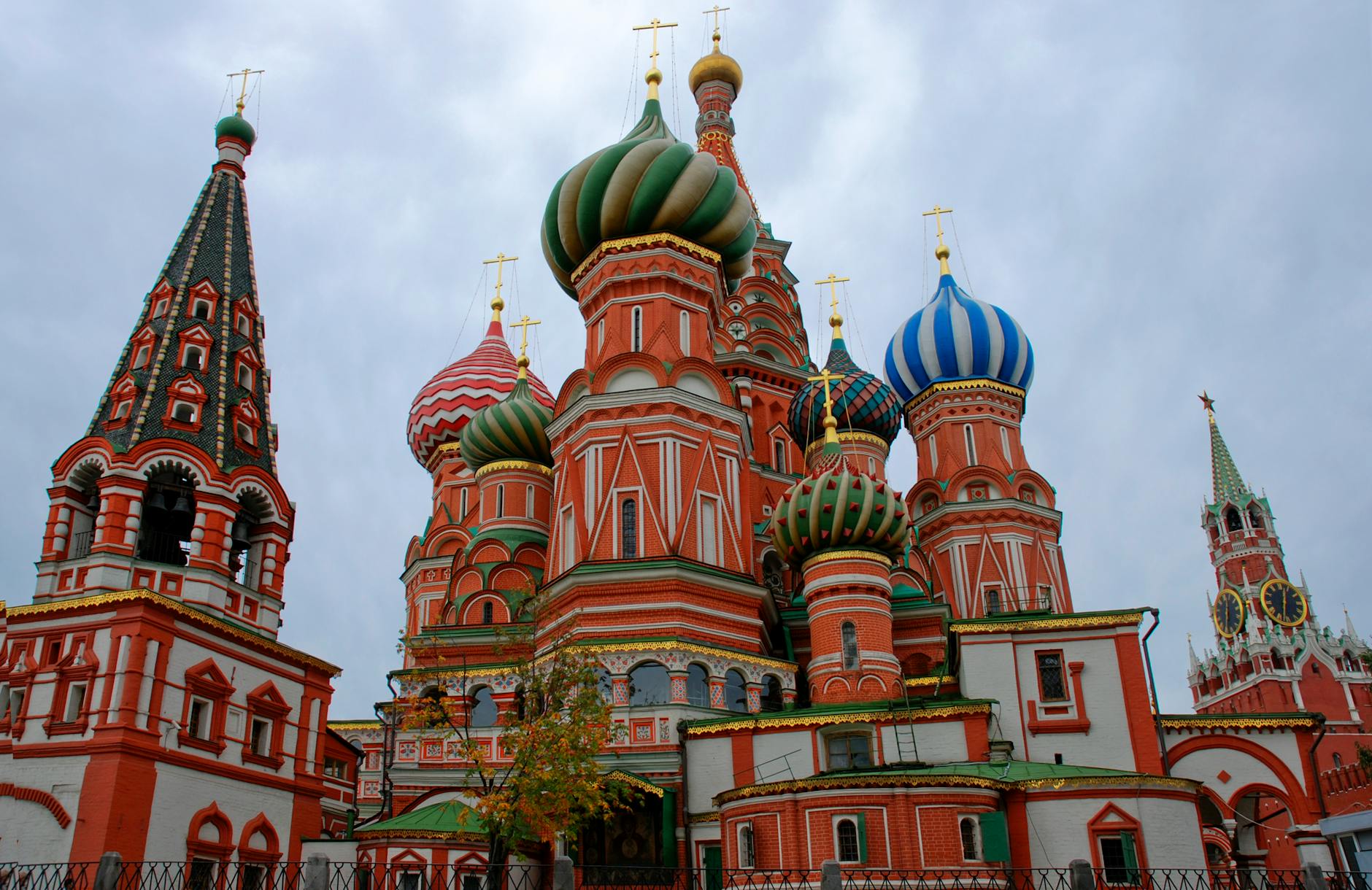
Kommen Sie in der Morgendämmerung an, um weiches Licht auf den Kuppeln einzufangen und die Basilius-Kathedrale mit minimalen Menschenmassen zu fotografieren. Achten Sie auf die wechselnden Farbtöne, da die Denkmäler Schönheit in frisch aktualisiertem Licht offenbaren, das sich über Jahrhunderte entwickelt hat.
Im Sommer verlängern lange Tage die Zeitfenster; der späte Nachmittag offenbart wärmere Farbtöne auf Mauerwerk, einschließlich der ikonischen Kirche und ihrer einzigartigen Glocken. Menschen werden sich versammeln und eine menschliche Dimension hinzufügen, die jede Komposition verbessert.
Nahegelegene Teiche im Alexandergarten reflektieren die Farbe der Türme und helfen Ihnen, eine ruhige Komposition mit einer persönlichen Note zu erstellen.
Kriegsschäden prägten die Skyline; nach Schlachten wurden die Denkmäler durch koordinierte Anstrengungen der Kulturabteilung wieder aufgebaut, wobei Yuri zur Beleuchtung und zum Mauerwerk beitrug. Universitätsarchive fügen diesen Rekonstruktionswellen Kontext hinzu.
Schauen Sie sich die Stellen an, an denen sich der Raum zwischen den Strukturen öffnet; das Labyrinth der Pfade lädt zu einer einzigartigen, persönlichen Sicht auf Jahrhunderte der Handwerkskunst ein. Die Glockentürme erheben sich über einer Kirche und anderen Denkmälern - respektieren Sie die Räume und achten Sie auf die Medienteams, die Fotoshootings veranstalten.
Die besten Tage sind Dienstagmorgen, wenn die Menschenmassen nachlassen; vermeiden Sie Wochenenden, wenn Sie ruhige Symmetrie suchen. Einige ruhige Momente erscheinen nach dem Regen, wenn die Bürgersteige wie Glas aussehen und die Farben vor den gut erhaltenen Fassaden leuchten.
| Fenster | Fototipp | Hinweise |
|---|
| Morgendämmerung (ca. 05:30-07:00) | Verwenden Sie ein Weitwinkelobjektiv (16-24 mm) für die vollständige Silhouette; ein Stativ hilft, subtile Schatten auf Kuppeln einzufangen | Ruhiges Ambiente, starke Vertikalen, gut für Denkmäler und Glockendetails |
| Goldene Stunde (später Nachmittag) | Warme Farbtöne auf Ziegeln; Reflexionen in Teichen in der Nähe; komponieren Sie mit Türmen und Kirchenglocken | Lebendige Farbe; beobachten Sie, wie sich Menschenmassen dem Sonnenuntergang nähern |
| Mittag | Schatten unter Bögen; suchen Sie nach menschlicher Dimension und Silhouetten; gleichen Sie hellen Himmel mit dunklerem Vordergrund aus | Höherer Kontrast; schnellere Verschlusszeiten empfohlen |
| Blaue Stunde (nach Sonnenuntergang) | Subtile Farbtöne, Stadtlichter leuchten; rahmen Sie die Türme mit Straßenlaternen ein | Große Dramatik; halten Sie den ISO-Wert niedrig, um Details zu erhalten |
Kreml-Komplex & Rüstkammer: Ticketing-Hacks und Must-See-Artefakte
Kaufen Sie offizielle Online-Tickets 2-3 Wochen im Voraus und wählen Sie die Morgenstunden, um Warteschlangen am Rüstkammerkomplex zu vermeiden.
Verwenden Sie die offizielle Kreml-Website oder -App, bestätigen Sie den Rüstkammer-Slot und überspringen Sie Drittanbieter-Wiederverkäufer. Bringen Sie einen Reisepass oder einen nationalen Ausweis mit; Eintrittsfenster mit genauen Zeiten; Morgen-Slots sind in der Regel weniger überfüllt. Basilikumgrüne Farbtöne erscheinen in einigen Emaillearbeiten.
Erwägen Sie eine geführte Route, die die Palastfassade und die Rüstkammer umfasst; kombinierte Tickets mit anderen Kreml-Museen können das insgesamt ausgegebene Geld reduzieren und den Eintritt beschleunigen; wählen Sie die Option mit festen Gruppenzeiten, damit Verzögerungen vermieden werden.
Die Sammlung ist international als bedeutend bekannt; Zu den Highlights gehören Kronen, Orbs, Zepter, zeremonielle Gewänder; Waffen und Rüstungen vom Beginn des 16. Jahrhunderts bis zur Periode des 20. Jahrhunderts; Werke berühmter Bildhauer in Gold und Emaille; Insignien des 20. Jahrhunderts veranschaulichen neuere Staatsrituale; einige Stücke zeigen blutige Kampfausrüstung aus früheren Jahrhunderten; bekannte Stücke ziehen Touristen weltweit an.
Der Straßenzugang ist öffentlich, mit Taxis, die vor dem Komplex warten; Geldeinsparungen: Verwenden Sie das gebündelte Ticket, überprüfen Sie die Stunden, die in der Nähe der Straße angegeben sind; sobald Sie drinnen sind, bieten die Palastbezirke einen Blick auf die Stadt; Führer aus dem Ausland schließen sich Touristen an; viele Vertreter von Reiseunternehmen brachten Gruppen mit und kauften Tickets zusammen, was den Eintritt in die Rüstkammer beschleunigt; wenn Sie in der Nähe des Palastes wohnen, ist Ihr bester Ausgangspunkt der Hauptplatz in Richtung Rüstkammer.
Es gibt von der Newa inspirierte Motive, aber dies ist nur ein Winkel unter den Trends überall im Komplex; von der Palastära bis zu späteren Stücken des 20. Jahrhunderts bleibt der Punkt, zu beobachten, wie Waffen, Insignien und zeremonielle Gegenstände den geografischen Austausch widerspiegeln, wobei ausländische Einflüsse aus vielen Ländern kommen.
Tretjakow-Galerie vs. Puschkin-Museum: welche Sammlung zu Ihrer Reiseroute passt
Jeder Ansatz zahlt sich aus; Wählen Sie die Tretjakow-Galerie, wenn die Tage begrenzt sind und Sie einen fokussierten Bogen russischer Malerei wünschen, oder das Puschkin-Museum, wenn Sie einen breiten, kontinentalen Dialog mit europäischen Meistern suchen.
Tretjakow bewahrt ein staatliches Gut russischer Kunst, das sich über Jahrhunderte von der Ikonenmalerei bis zum Realismus des späten 19. Jahrhunderts erstreckt. Der Lavrushinsky-Eingang platziert Sie innerhalb einer kompakten, kohärenten Route, die Entwicklung und Heldentum im Blick behält, während Sie durch die Ausstellung gehen; Achten Sie auf die Art und Weise, wie die Sammlung innerhalb der Hauptgebäude fließt, etwas dramatischer in den späten Räumen, und beachten Sie, wie sich die Form jeder Komposition entwickelt, während das Feuer des nationalen Stils mit jedem Schritt wieder entzündet wird.
Das Puschkin-Museum bietet eine parallele Spur mit europäischen Meisterwerken neben Skulptur, Ethnographie und Genres außerhalb Russlands; die Ausstellungsräume verwenden Glasvitrinen und ein zurückhaltendes blaues Licht, das Ihnen hilft, sich auf die Form zu konzentrieren. Die Bolshoy-Leinwände europäischer Meister dominieren die Haupthallen, während andere Räume jüdische Kunstgeschichte und anthropologische Objekte präsentieren, die alle in einem ruhigen, bürgerlichen Ausstellungszustand gehalten werden. In einigen Räumen können Sie Abgüsse klassischer Skulpturen entdecken, die einen Dialog über Jahrhunderte hinweg verstärken.
Praktisches Tempo: Fast zwei Tage lassen Sie beide Kontexte verdauen, es sei denn, ein einziger Fokus dominiert. Wintertageslicht lässt das blaue Glas anders leuchten; Newa-Himmel draußen tönen die Räume mit einem kühlen Farbton, also beginnen Sie früh in Lavrushinsky, überqueren Sie dann zum Volkhonka-Komplex von Puschkin und ruhen Sie sich in kleinen Innenhöfen zwischen den Ausstellungen aus. Das Personal hält Trolleys von Kunstwerken fern und stellt sicher, dass Sie ohne Unterbrechung schauen können.
Ihre Wahl hängt von der Präferenz ab: entweder tiefes russisches Erbe oder ein breites kontinentales Gespräch. Tretjakow glänzt, wenn Schönheit und Entwicklung innerhalb eines nationalen Guts am meisten ansprechen, während Puschkin den Rahmen mit einer Mischung aus europäischer Malerei, Skulptur und ethnographischem Material erweitert. Innerhalb dieser Hallen erblicken Sie Jahrhunderte der Handwerkskunst, betrachten Sie noch einmal die Art und Weise, wie Abgüsse und Glas die Ausstellung unterstützen, und beachten Sie, wie Anthropologie und jüdische Themen Ihrer Reiseroute Nuancen hinzufügen. Sie belohnen geduldige Betrachter.
Museum der Kosmonautik: Top-Exponate und Planung Ihrer Route
Beginnen Sie in der gläsernen Eingangshalle und gehen Sie direkt zur Yuri-Ausstellung, dem Anker, der einen engen Rundgang durch die Geschichte der Raumfahrt über der Erde rahmt.
Diese Displays zeigen Ihnen, dass Sie schnell lernen, mit Beschilderung, die Meilensteine, Designer und die Schritte hervorhebt, die jungfräuliche Ambitionen in moderne Missionen verwandelt haben, und ein wenig Geduld enthüllt subtile Details, die auf den ersten Blick übersehen wurden.
- Yuri Gagarins Fluganzug, Helm und Trainingsfotos - der Schlüsselanker der Sammlung, präsentiert mit einer klaren Zeitleiste und Bildunterschriften, die den ersten Orbitalflug über der Erde innerhalb des Dekrets platzieren, das die Ära auslöste.
- Vostok 1 Kapselreplik - kompakt, mit Glasfront und begleitet von Tafeln, die den Startschub, den Aufstiegswinkel und die kleinen, aber entscheidenden Schritte erklären, die zu späteren Besatzungen führen würden.
- Lunokhod 1 Mondrover - ein seltener Fall von Roboterarmen und Radsystemen; interaktive Tafeln beschreiben, wie das Fahrzeug das natürliche Gelände des Mondes durchquerte und welche Herausforderungen die Fernbedienung mit sich brachte.
- Soyuz-Dockingmodul und Crew-Transfer-Mock-up - beobachten Sie die Docking-Mechanik, die Lebenserhaltungszyklen und wie Crews trainiert wurden, sich während der späten Sowjetzeit parallel zwischen Schiffen zu bewegen.
- Mir-Raumstationsmodul und eine Ausstellung aus der Salyut-Ära - studieren Sie modulare Architektur, Langzeit-Lebenserhaltung und die Entwicklung der Crew-Effizienz mit authentischen Werkzeugen und einigen Gegenständen aus Projekten mit Sitz in St. Petersburg und anderen.
- Buran-Raumfähre und verwandte technische Artefakte - vergleichen Sie die Flugprinzipien mit denen der frühen Orbiter, inspizieren Sie die Kacheln und sehen Sie, wie der Hitzeschutz entwickelt wurde, um Feuer und extremen Temperaturen zu widerstehen.
- Schatzkammer von Artefakten - eine kleine Schatzkammer von Modellen, Komponenten und Dioramen, die Designempfindlichkeiten des 18. Jahrhunderts veranschaulichen, die Architekten über Jahrhunderte hinweg in moderne Lösungen übersetzt haben, und andere.
- Lernecken und die Liste der interaktiven Zonen - diese Räume laden zur praktischen Auseinandersetzung ein; eine Karten-Swipe-Station verfolgt Ihren Fortschritt und hilft Ihnen, die nächsten Schritte zusammen mit Begleitern zu planen.
Routenstrategie: Beginnen Sie mit dem Yuri-Moment, gehen Sie dann nacheinander durch jede Ausstellung, etwa 15-20 Minuten pro Display, und reservieren Sie 20-25 Minuten für die Schatzkammer und die interaktiven Ecken. Um die Effizienz zu maximieren, halten Sie den gesamten Rundgang kompakt, indem Sie dem nach vorne gerichteten Layout folgen und Rückverfolgungen vermeiden; Planen Sie zusätzliche Zeit ein, wenn Sie den architektonischen Kontext und die Designentscheidungen aufnehmen möchten, die Architekten aus Kirchen in Stadtbezirken gezogen haben, um Tageslicht und Rhythmus zu gestalten.
Tipps: Kaufen Sie eine einzelne Eintrittskarte am Schalter, tragen Sie bequeme Schuhe und überprüfen Sie die Beschilderung zur Richtlinie bezüglich der Fotografie; Diese praktischen Schritte helfen Ihnen, mit Ihrer Gruppe zusammenzubleiben und gleichzeitig wichtige Meilensteine zu lernen.
Verborgener Schatz: Izmailovo-Markt und andere ungewöhnliche Aussichtspunkte für eine einzigartige Perspektive auf Moskau
Beginnen Sie mit einem praktischen Plan: Kommen Sie früh, gegen 9:00 Uhr, mit der Metro nach Partizanskaja und betreten Sie die Open-Air-Gassen des Izmailovo-Marktes. Hunderte von Ständen säumen die Holzgänge und verkaufen Lackdosen, Matrjoschkas, Emaille-Schmuck und Vintage-Poster; Waren, die darauf warten, entdeckt zu werden, und Preise oft günstiger als in zentralen Kiosken. Verhandeln fügt Energie hinzu, Karten werden an einigen Ständen akzeptiert, Bargeld in kleinen Scheinen empfohlen.
Jenseits der Stände bietet das Izmailovo Estate eine blaue Kirche und einen Hain, in dem Grasschatten einen ruhigen Raum krönt. Der Ort spiegelt die Entwicklung wider, die Russlands kulturelle Entwicklung kennzeichnet; Denkmäler rund um das Anwesen zeigen eine Mischung aus Traditionen, während ein zitadellenartiger Aussichtspunkt einen bewusstseinserweiternden Blick über die Dächer bietet. Dies bietet in der Tat eine ruhige, neue Perspektive.
Kombinieren Sie dies mit einem Gespräch von einem lokalen Yuri-Führer oder ein paar erfahrenen Verkäufern; sie fördern den sozialen Austausch und teilen Geschichten darüber, wie die Märkte Handwerk und Familiengeschichten zusammenbringen. Erwarten Sie Handwerker, die Troika-Themenhüte, Abgüsse von Holztieren und von Gütern inspirierte Souvenirs anbieten, die Kultur widerspiegeln. Kinderstände, die weiche Spielsachen verkaufen, bilden einen sanften Kontrapunkt zum Metall- und Glas-Kerfuffle der zentralen Straßen. Ein lokales Unternehmen bietet kurze Spaziergänge an, die Kontext hinzufügen, eine Wendung, die Handwerk mit Kultur verbindet.
Open-Air-Gassen in der Nähe des Marktes verbinden sich mit Cafés im westlichen Stil, wo Sie Getränke schlürfen und Passanten beobachten können; viele Reisende kommen mit Geld, Gedächtnis und Geist im Gleichgewicht zum Tempo. Diese Open-Air-Szene ist beeindruckend, eine Mischung aus Epochen, die sich authentisch und dennoch lebendig anfühlt. Ermutigt durch das Tempo, fügen Sie eine Wendung in Richtung der Bolshoy-Ringstraße oder eine schnelle Wanderung in Richtung St. Petersburg-inspirierter Fassaden hinzu. Schauen Sie nach oben, schauen Sie sich um und lassen Sie sich von der Aussicht lehren, wie Izmailovo eine einzigartige Perspektive bietet, zusammen mit dem Gefühl, dass die Entwicklung die Stadt oben hält, die durch die lokale Kultur zum Leben erweckt wird.