Συνιστάται ο Μάιος ως ο καλύτερος μήνας για επίσκεψη στη Ρωσία για το πιο άνετο καιρό, ήπιες θερμοκρασίες και λιγότερους επισκέπτες. Τον Μάιο ή τον Σεπτέμβριο, η θερμότητα της ημέρας επιτρέπει εύκολη εξερεύνηση της πόλης από την Κόκκινη Πλατεία μέχρι τις όχθες του Βόλγα, με θερμοκρασίες που κυμαίνονται συνήθως μεταξύ 18-22°C και δροσερές βραδιές.
Χρησιμοποιήστε ένα σύστημα τριών στρωμάτων: ένα αναπνεύσιμο στρώμα βάσης, ένα ζεστό μεσαίο στρώμα και ένα εξωτερικό στρώμα ανθεκτικό στον άνεμο και στο νερό. Κρατήστε ένα σύνολο παλτών για τις βραδινές ώρες ή τις μεταβαλλόμενες εποχές, επιλέγοντας ελαφριές επιλογές για να αποφύγετε το όγκο. Αυτή η προσέγγιση παρέχει μαλακότητα και ευελιξία, προσφέροντας άνεση σε μακρές επισκέψεις σε μουσεία και βόλτες κατά μήκος των ποταμών.
Υπάρχουν διακριτές τάσεις ανά εποχή: ο χειμώνας (Δεκέμβριος-Φεβρουάριος) απαιτεί βαρύ εξωτερικό ενδύμα; η θερμοκρασία συχνά πέφτει στους -10 έως -15°C σε πολλές πόλεις; προσθέστε γάντια, καπέλο και ανθεκτικά σε νερό μπότες. Η άνοιξη (Μάρτιος-Μάιος) είναι μια μεταβατική περίοδος, ανεβαίνοντας από κοντά στο 0°C στους 15-20°C μέχρι τον Μάιο. Το καλοκαίρι (Ιούνιος-Αύγουστος) είναι συνήθως 20-25°C στην κεντρική Ρωσία, πιο ζεστό στο νότο, με περιστασιακές βροχερές περιόδους. Το φθινόπωρο (Σεπτέμβριος-Νοέμβριος) ψύχεται από 15°C σε μονοψήφιους αριθμούς, με περισσότερες βροχές τον Οκτώβριο. Αν ταξιδεύετε με φίλους από τροπικό κλίμα, τα στρωματοποιημένα ενδύματα σας επιτρέπουν να προσαρμόζεστε γρήγορα από τις ζεστές ώρες της ημέρας στις ψυχρότερες βραδινές ώρες.
Για να μένεις άνετος καθημερινά, προγραμμάτισε τουλάχιστον δύο ζευγάρια παπουτσιών με καλή πρόσφυση και ανθεκτικότητα στο νερό. Η υγρασία είναι σημαντική: φέρνε ένα μπουκάλι νερό και επιλέξε υφάσματα που απομακρύνουν την υγρασία για να αποφύγεις την υπερθέρμανση στις ηλιόλουστες μέρες.
Ο οδηγός μας για συσκευασία συλλέγει εξοπλισμό και συμβουλές που παρέχουν αξιόπιστη ζεστασιά και κινητικότητα. Προσφέρουμε συμβουλές για γρήγορη προσαρμογή για διαφορετικές πόλεις, από τη Μόσχα και το Αγία Πετρούπολη μέχρι το Καζάν και τη Σότσι, ώστε εσείς και οι φίλοι σας να οργανώσετε αποτελεσματικά και να αποφύγετε την υπερβολική συσκευασία. Η φέρνοντας το σωστό εξοπλισμό σας εξοικονομεί χρόνο και σας επιτρέπει να απολαύσετε μουσεία, πάρκα και βόλτες στην ακτή χωρίς προβλήματα λόγω καιρού.
Επιλογές της Εποχής ανά Περιοχή: Μόσχα, Αγία Πετρούπολη και Σιβηρία Παράθυρα Θερμοκρασίας
Επιλέξτε τον Μάιο ή τον Σεπτέμβριο - τα ιδανικότερα παράθυρα - για τη Μόσχα και την Αγία Πετρούπολη, για να απολαύσετε πιο ήπιες μέρες, εύκολα χειριζόμενα βροχόπτωση και μακρύτερες βραδιές.
Μόσχα & Αγία Πετρούπολη: Θερμοκρασιακά Παράθυρα και Στυλ
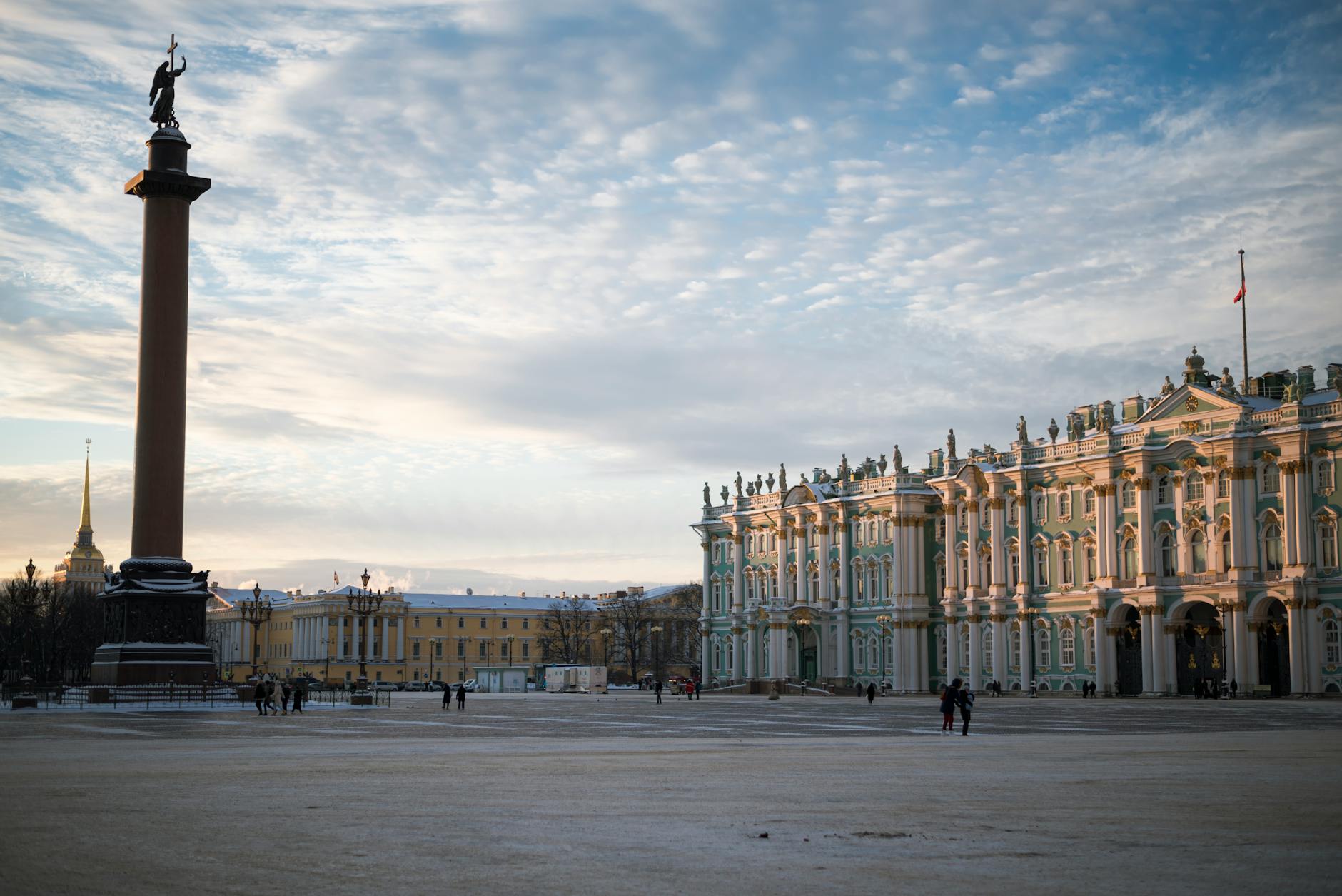
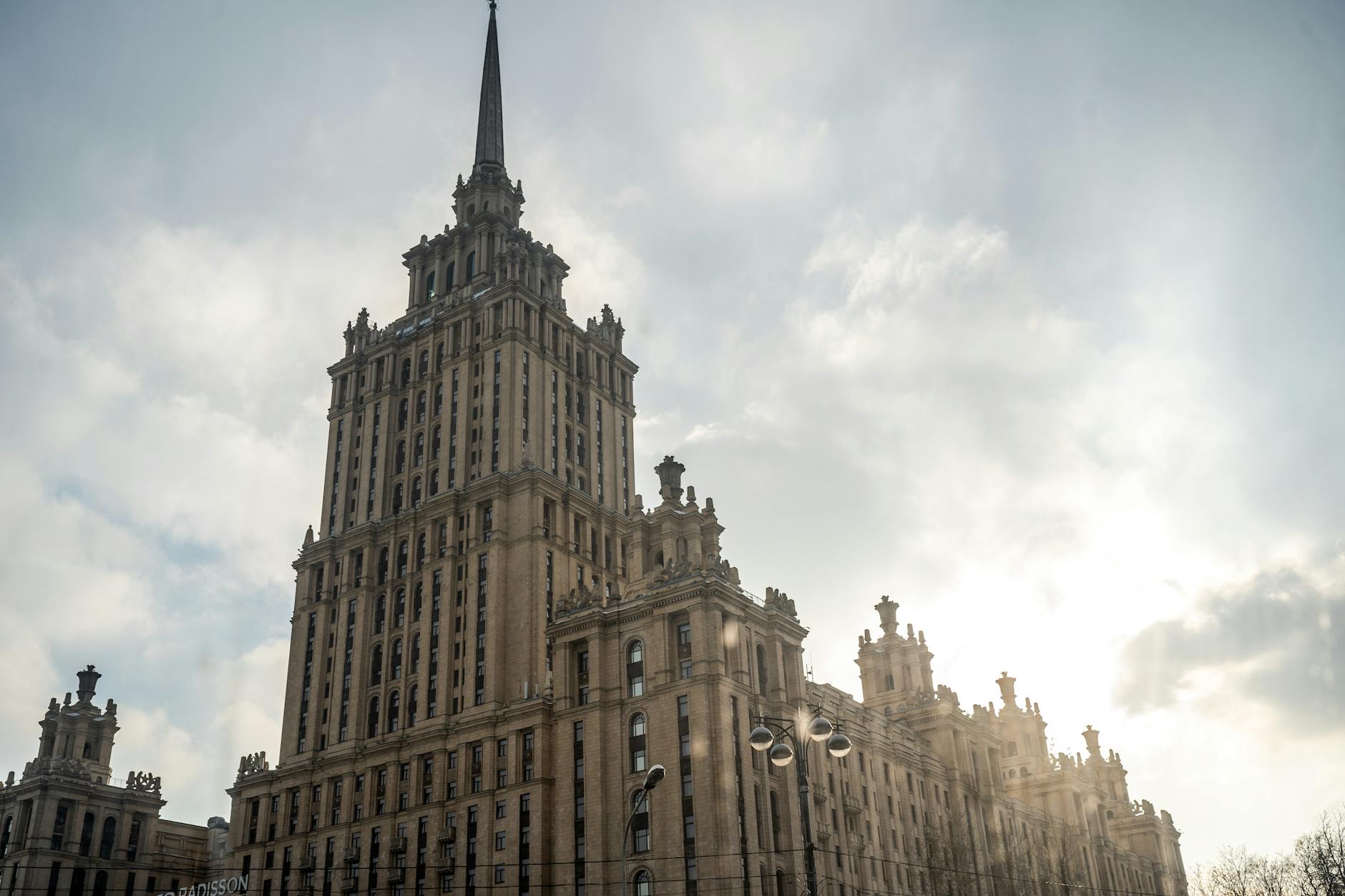
Βρίσκεται στη δυτική Ρωσία, η Μόσχα μεταβαίνει από το κρύο νωρίς την άνοιξη σε ζεστά καλοκαίρια. Ο Μάρτιος μπορεί να είναι πιο κρύος, με θερμοκρασίες γύρω στα -5 έως 5°C. Τον Μάιο οι θερμοκρασίες κυμαίνονται μεταξύ 12-20°C. Τον Ιούλιο-Αύγουστο οι θερμοκρασίες ανεβαίνουν στα 23-28°C. Τον Σεπτέμβριο ψύχεται ξανά στα 12-20°C. Η Αγία Πετρούπολη είναι λίγο πιο κρύα και αεριώδης, με θερμοκρασίες τον Ιούλιο-Αύγουστο που φτάνουν στα χαμηλά έως μεσαία 20°C και συχνές βροχερές περιόδους. Και στις δύο πόλεις υπάρχουν βροχερές μέρες, οπότε φέρτε ένα ελαφρύ ανθεκτικό στο νερό στρώμα για να αποφύγετε να μείνετε κλεισμένοι μέσα. Οι λαμπερές βραδιές κατά τη διάρκεια των Λευκών Νυκτών στην Αγία Πετρούπολη (από τα τέλη Μαΐου έως τα μέσα Ιουλίου) προκαλούν την επιθυμία για εξωτερικές δραστηριότητες και μακρές βόλτες κατά μήκος των καναλιών.
Τι να φορέσετε: δημιουργήστε συνδυασμούς ενδυμάτων που μπορείτε να ανακατατάξετε κατά τη διάρκεια της ημέρας. Για τους ώριμους μήνες, ένα μοντέρνο τρενς, ένα ζεστό πούλοβερ και ένα μαντήλι είναι ιδανικά; προσθέστε μανίκια για τη μέση της ημέρας. Για ταξίδια με τρένο ή μεγάλες βόλτες, φέρτε ένα συμπαγές αδιάβροχο και ένα άνετο ζευγάρι παπούτσια για βόλτα; προσθέστε ένα επιπλέον στρώμα για τις ψυχρές βραδιές. Τον Ιούλιο και τον Αύγουστο, αναπνεύσιμα ανώφια σε συνδυασμό με σορτς ή φούστα ταιριάζουν καλά, ενώ μια μόνη επίσημη επιλογή μπορεί να διατηρηθεί για τις βραδιές των γυναικών στα κεντρικά διαμερίσματα. Μπορείτε σίγουρα να δημιουργήσετε στυλ που είναι και μοντέρνα και πρακτικά, και θα βρείτε το στυλ εύκολο να προσαρμοστεί, αναζητώντας ισορροπία μεταξύ θερμότητας και αναπνοής. Η ζέστη του Ιουλίου μπορεί να αυξηθεί, οπότε σχεδιάστε επιλογές που παραμένουν άνετες με τον ήλιο.
Σιβηρία: Θερμοκρασιακά Παράθυρα και Εξοπλισμός
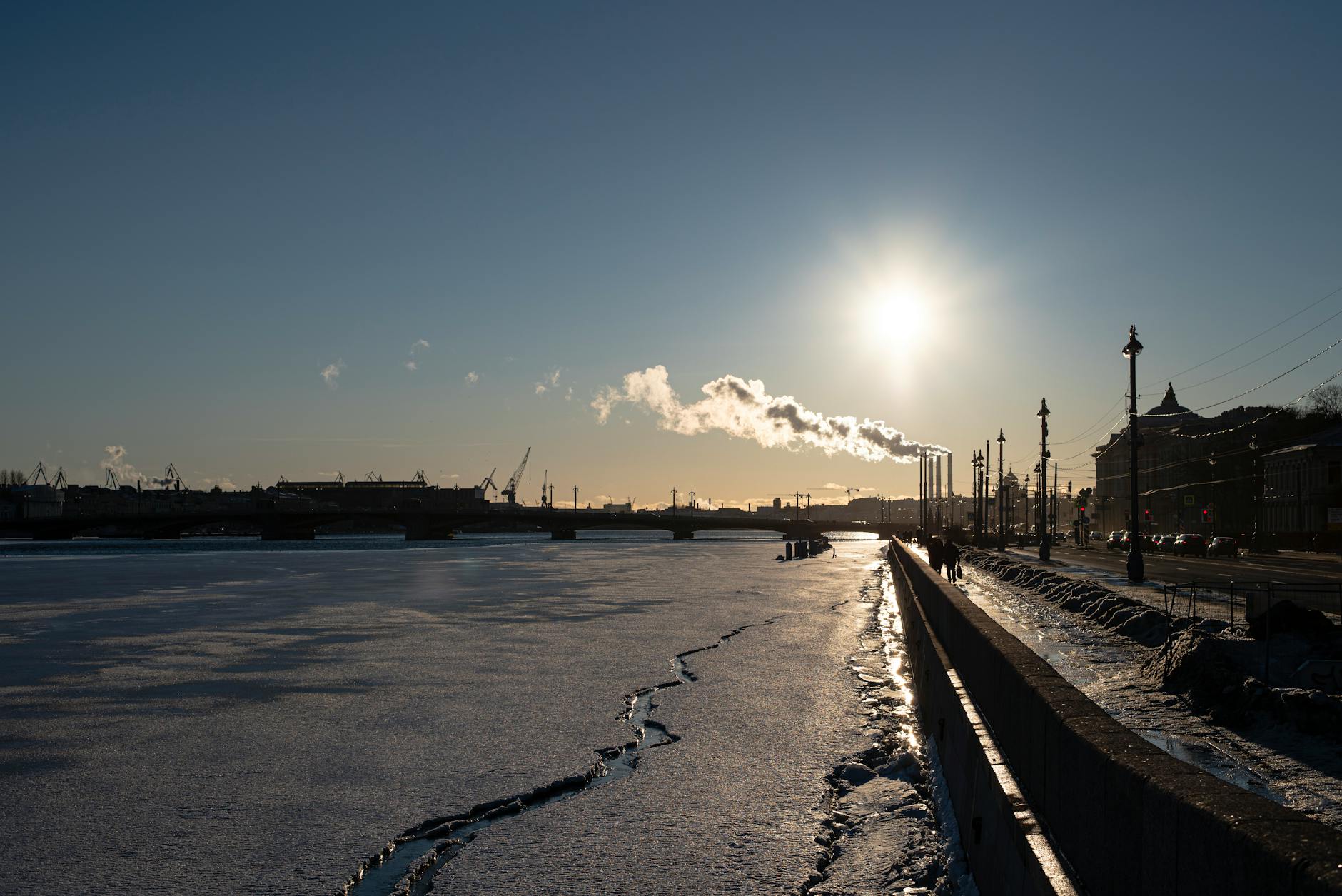
Η Σιβηρία εκτείνεται σε τεράστιες αποστάσεις, οπότε το κλίμα ποικίλλει ανά περιοχή. Το χειμώνα, οι βόρειες πόλεις μπορεί να φτάσουν τους -40°C ή και χαμηλότερους, ενώ οι νότιες περιοχές βιώνουν θερμοκρασίες από -15 έως -25°C στις πιο κρύες μέρες. Η θερμότερη περίοδος είναι ο Ιούλιος-Αύγουστος, με μέγιστες θερμοκρασίες κατά τη διάρκεια της ημέρας κοντά στους 20-25°C, ενώ οι νύχτες παραμένουν αρκετά δροσερές για να χρειάζεται ένα ζεστό στρώμα. Ο Αύγουστος συχνά ακολουθεί τον Ιούλιο με παρόμοιες θερμοκρασίες, οπότε προγραμματίστε ανάλογα για ζεστές μέρες και δροσερές βραδιές. Η πιο αξιόπιστη περίοδος για μακροχρόνιες ταξίδια είναι ο Ιούλιος-Αύγουστος, όταν αντιμετωπίζετε λιγότερες ακραίες θερμοκρασίες και μεγαλύτερη άνεση για εξερεύνηση στο εξωτερικό.
Σχεδιάζοντας την εξοπλισμό σου: συσκευάζε βαριά, στρωματοποιημένα ρούχα από συνθετικά υλικά για θερμομόνωση και έλεγχο υγρασίας. Περιλάβει ένα ζεστό τρενς ή ένα θερμομονωμένο παλτό, ένα καπέλο ή ένα ζεστό καπέλο, γάντια και μαντήλια για τις αργές βραδιές, καθώς και εσωρούχα για επιπλέον ζέστη σε μακρά ταξίδια με τρένο ή όταν αυξάνεται το υψόμετρο. Για τις εξορμήσεις της ημέρας, φέρνε ελαφριά τζάκετ, ένα αναπνεύσιμο σακάκι και ένα στερεό ζευγάρι παπούτσια για περπάτημα. Επειδή η βροχή μπορεί να εμφανιστεί, ένα συμπαγές βροχοπαλτό και ανθεκτικά μπότες θα σε κρατήσουν ζεστό και ξηρό κατά τη διάρκεια των ταξιδιών με τρένο ή των βόλτας στο εξωτερικό. Κρατά πάντα μερικά πολύπλευρα βασικά και δημιουργήστε ενδυμασίες που συνδυάζουν το ζευγάρι πουλόβερ με ένα λαμπερό εξωτερικό κομμάτι για μέγιστο αποτέλεσμα. Η επικρατούσα καιρός μπορεί να κρατήσει κάποιες μέρες, οπότε η αποφυγή της παγίδευσης μέσα με ειδοποιήσεις καιρού βοηθά να κρατήσεις τα ταξίδια από το σπίτι σου και χαλαρωτικά. Οι βραδιές του Αυγούστου μπορούν ακόμα να φέρουν ζέστη σε νότιες περιοχές, ενώ η ζέστη του Ιουλίου συνήθως απαιτεί ελαφριά στρώματα.
Στρατηγική Στρωματοποίησης: Βασικό Στρώμα, Μέσο Στρώμα και Εξωτερικό Κέλυφος για Άνεση
Ξεκίνα με ένα βασικό στρώμα που αναπνέει, από μαλακό μερίνο μαλλί ή υψηλής απόδοσης συνθετικά υλικά που απορροφούν την υγρασία και στεγνώνουν γρήγορα. Για τον Ιανουάριο, επιλέξτε 150-200 g/m² για να μένεις άνετος καθώς μετακινείσαι μεταξύ χιονισμένων δρόμων και ζεστών χώρων σε πόλεις σε όλη τη χώρα. Ένα στερεό βασικό στρώμα διατηρεί το δέρμα σου στεγνό όταν βγεις έξω μετά από ένα γεύμα σε εστιατόριο, και αποτελεί τη βάση για το υπόλοιπο ενδυμασία.
Προσθέστε ένα ενδιάμεσο στρώμα με μόνωση που ταιριάζει σφιχτά πάνω στο βάθος αλλά κάτω από το κέλυφος. Επιλέξτε μαλλί ή συμπιεσμένο πούχια στην περιοχή των 200-300 g/m². Το μαλλί είναι μαλακό και διατηρεί τη θερμότητα κατά τη διάρκεια των ισχυρών ανέμων, ενώ παραμένει ευέλικτο για μεγαλύτερες εκδρομές και καθημερινές μετακινήσεις. Τα υλικά και τα υφάσματα πρέπει να επιτρέπουν εύκολη στρωματοποίηση, και το ενδιάμεσο στρώμα πρέπει να συμπιέζεται για ταξίδια χωρίς να προσθέτει όγκο.
Το εξωτερικό στρώμα πρέπει να είναι ανθεκτικό στο νερό, στον άνεμο και να είναι αναπνεύσιμο, με ραφές που είναι σφραγισμένες και με μια ανθεκτική μεμβράνη. Αναζητήστε επιλογές αερισμού όπως τα pit zips, ρυθμιζόμενα καπέλα και μανίκια που κλείνουν για να προστατεύουν από τη χιονόπτωση. Ένα παλτό τύπου τρενς είναι ιδανικό για πιο ήπιες, υγρές μέρες σε παραθαλάσσιες πόλεις, ενώ για πιο σκληρές χειμερινές συνθήκες, ένα ανθεκτικό παλτό με καπέλο που αντέχει στο καιρό είναι καλύτερη επιλογή. Το εξωτερικό στρώμα φοριέται πάνω από τα βασικά και τα μεσαία στρώματα, διατηρώντας σας στεγνούς, είτε βρίσκεστε σε ένα δρόμο της πόλης εδώ ή σε έναν ανέμιστο δρόμο αλλού.
Πρακτικές συμβουλές για τη φόρεση: αυτή η προσέγγιση με τα τρία στρώματα σας δίνει την ευκαιρία να μείνετε έξω περισσότερο, είτε διασχίζετε αγορές και μουσεία είτε βγαίνετε για μια γρήγορη φωτογραφία. Κρατήστε τα γυαλιά ηλίου κοντά σας για το έντονο φως που αντανακλάται από το χιόνι, και φέρτε ένα επιπλέον στρώμα για ταξίδια που εκτείνονται μέχρι τον Ιανουάριο ή για μεγαλύτερες διαμονές. Μπορείτε να προσαρμόσετε τη θερμότητα των εσωτερικών χώρων σε τοπικά εστιατόρια και μέσα μαζικής μεταφοράς χωρίς να υπερθερμανθείτε, ανοίγοντας τις αεραγωγές ή αφαιρώντας το μεσαίο στρώμα όταν χρειάζεται.
Σε πόλεις με μεταβλητό κλίμα, αυτό το σύστημα λειτουργεί τόσο για τους χειμερινούς μήνες στο σπίτι όσο και για ταξίδια σε όλη τη χώρα. Το βασικό στρώμα αντιμετωπίζει την υγρασία, το μεσαίο στρώμα προσθέτει μαλακή μόνωση, και το εξωτερικό κέλυφος παρέχει υπερβολική προστασία στις πιο άγριες και ανέμιστες μέρες. Τελικά, είναι μια οικονομική λύση που σου δίνει άνεση, κινητικότητα και την ευκαιρία να εκμεταλλευτείς κάθε ευκαιρία στις χειμερινές συνθήκες.
Παντελόνια και Φόρμα: Γιατί τα Χαλαρά Παντελόνια Νικάνε τα Στενά Τζιν για Θέρμανση
Για τους χειμώνες της Μόσχας, επιλέξτε χαλαρά παντελόνια ως το βασικό στοιχείο της ζεστής σας εξοπλισμού. Ένα σύστημα τριών στρωμάτων—ένα βασικό στρώμα, ένα θερμομονωτικό μεσαίο στρώμα και ένα εξωτερικό στρώμα ανθεκτικό στο καιρό—σας κρατά ζεστό όλη την ημέρα. Επιλέξτε υφάσματα που κρατούν τον αέρα και απορροφούν την υγρασία, όπως μείγματα μαλλί ή βουρτσωμένο βαμβάκι. Ένα χαλαρό κομμάτι στο μέσο, με χώρο στα άκρα, προσαρμόζεται εύκολα σε παχιά κάλτσες και εισαγωγές, προστατεύοντας τα πόδια και τα τακούνια σε παγωμένες βόλτες, ταξίδια με τρένο και βροχερές μετακινήσεις. Αυτή η διαμόρφωση ταξιδεύει εύκολα από τα ψώνια στις βόλτες στην πόλη και παραμένει άνετη ακόμη και μετά από ώρες έξω.
Σε πράξη, τα χαλαρά παντελόνια υπερτερούν των στενών τζιν επειδή οι αερικοί χώροι μεταξύ των στρωμάτων μειώνουν την απώλεια θερμότητας και αποτρέπουν την υγρασία στα εσωτερικά πόδια. Ο επιπλέον χώρος σας επιτρέπει να βάλετε ένα σουτσάνι ή ένα ελαφρύ φλίσ για να μην νιώθετε περιορισμένος, έτσι μπορείτε να απολαύσετε μακρές εξερεύνησεις στην πόλη χωρίς να υπερθερμαίνεστε. Αν κάποιος ψάχνει για αξιόπιστη ζεστασιά, αυτή η προσέγγιση σας κρατάει άνετα στις ραφές και σας βοηθά να κινείστε από το ξημέρωμα μέχρι το σούρουπο στις ψυχρές, υγρές μήνες της Μόσχας.
Πώς να επιλέξετε τα κατάλληλα χαλαρά παντελόνια
- Κόψτε και ρυθμίστε: αφήστε το χαλαρό στο μέσο με μια ήπια στενεύση στα άκρα. Έτσι διατηρείται η θερμότητα κοντά στα πόδια, ενώ αποφεύγεται η περίσσεια που σας επιβραδύνει σε πολυσύχναστες αγορές κατά τη διάρκεια των αγορών.
- Υφάσματα: προτεραιότητα δώστε σε μείγματα μαλλιού, μείγματα βαμβακιού με εσωτερικό βουρτσισμένο ή συνθετική μόνωση που διατηρεί την θερμότητα ακόμα και όταν είναι βρεγμένα από βροχή ή χιόνι.
- Τριών στρωμάτων σύστημα: βεβαιωθείτε ότι η βάση σας είναι επίπεδη, το μεσαίο στρώμα προσθέτει θερμότητα χωρίς όγκο και το εξωτερικό κέλυφος αποκλείει τον άνεμο και τη βροχή, ενώ αφήνει να διαφεύγει η υγρασία.
- Πρακτικά χαρακτηριστικά: βαθιά τσέπες, κλειστά κουμπιά και ρυθμιζόμενα μανίκια βοηθούν να διατηρείται η θερμότητα και να απομακρύνεται η υγρασία όταν βγάζεις το πόδι σου σε υγρές πεζοδρόμους ή σε ένα καταφύγιο μια βροχερή μέρα.
- Στρώσεις επιλογών: ένα πούλο κάτω από ένα κουκούλα με κέιπα δίνει καλή προστασία· αυτή η συνδυασμός είναι ιδιαίτερα ευέλικτος για μήνες με μεταβαλλόμενο καιρό.
- Φροντίδα και ανθεκτικότητα: επιλέξτε υφάσματα που διατηρούν το σχήμα τους μετά το πλύσιμο και αντέχουν στη σχηματισμό μπαμπακών, έτσι ώστε να μπορείτε να φορέσετε τα ίδια σετ για πολλές σεζόν χωρίς συχνές αντικαταστάσεις.
Ιδέες ενδυμασίας για τους μήνες της Μόσχας
- Κλασικό αστικό στυλ: χαλαρά παντελόνια με ένα παχύ σουέτερ, ένα μπουφάν με καπούτ και σφιχτά μπότες. Συνδυάστε με παχιά κάλτσες και ένα μαντήλι. Παραμένετε ζεστοί και κινητοί σε πολυσύχναστες οδούς, ενώ τα πόδια σας προστατεύονται από τη βροχή και το χιόνι.
- Σετ για μετακινήσεις: εξωτερικό κέλυφος, μεσαίο στρώμα από φλίσ, εσωτερικό θερμικό στρώμα. Προσθέστε ένα μαντήλι με καπούτ και διατηρήστε τα μανίκια καθαρά με μανίκια που κλείνουν στα καρπούς.
- Βραδινή ζέστη: μεταβαίνετε σε ένα πιο παχύ ύφασμα και προσθέστε ένα μαντήλι που μοιάζει με κουβέρτα. Το σύστημα των τριών στρωμάτων παραμένει, με τη θερμότητα να παγιδεύεται κοντά στο σώμα για την επιστροφή σας από το τρένο ή το μετρό.
Υποδήματα και Αξεσουάρ για Ψυχρούς, Υγρούς και Χιονισμένους Καιρούς
Επιλέξτε μονωμένα, ανθεκτικά στο νερό μπότες με ψηλό σωλήνα και γρίπι, πολυκατευθυντικό πέλμα για να αντιμετωπίσετε παγωμένους πεζοδρόμους και χαλάζι όταν μετακινείστε μεταξύ της Μόσχας, της Αγίας Πετρούπολης και άλλων μεγάλων κέντρων. Μπότες με μεμβράνη ανθεκτική στο νερό, όπως το Gore-Tex ή ένα παρόμοιο στρώμα, κρατούν τα πόδια σας στεγνά σε υγρό και βροχερό καιρό και σε δρόμους με χαλάζι. Αναζητήστε ζεστή επένδυση και βάρος που ταιριάζει στην εποχή: για τα περισσότερα χειμερινά εβδομάδια, ένα μεσαίο πάχος περίπου 200-400 γραμμάρια είναι ιδανικό· για βαθιά κρύα απαιτείται πιο παχύ, 600 γραμμάρια ή περισσότερο.
Υλικά έχουν σημασία: προτεραιότητα δώστε σε μια υδροφοβική μεμβράνη και ραμμένα ραφές, ένα ανθεκτικό πάνω μέρος (δέρμα ή συνθετικό) με ενισχυμένη άκρη και ένα πρότυπο καρφιών με βάθος 4-6 mm για καλύτερη πρόσδεση σε παγωμένες επιφάνειες. Για υγρές χειμερινές μέρες, αποφύγετε τις μη υδροφοβικές επιλογές. Συνδυάστε τα παπούτσια σας με κάλτσες που απορροφούν την υγρασία και διατηρούν τη θερμότητα: ξεκινήστε με ένα λεπτό συνθετικό εσωτερικό ζευγάρι, στη συνέχεια ένα παχύτερο μείγμα με μαλλί μερίνο. Μην φορέσετε βαμβάκι κοντά στο δέρμα, καθώς χάνει τη θερμότητα όταν υγραίνεται.
Τα γκέιτερ προστατεύουν από το χιόνι που εισχωρεί στο κάτω μέρος του παντελονιού. Επιλέξτε ελαφριά νάιλον με γρήγορο κλείσιμο, προσαρμοσμένα στο ύψος των παπουτσιών σας. Βοηθούν να μείνετε στεγνοί όταν συναντήσετε βαθύ χιόνι ή λάσπη, και λειτουργούν καλά σε μεγάλες βόλτες ή ανεβαίνετε σκαλιά σε χειμερινές συνθήκες.
Γάντια ή μανίκια: επιλέξτε θερμομονωμένα, ανθεκτικά στο νερό μοντέλα με στενό μανίκι και αντιολισθητική παλάμη. Τα μανίκια προσφέρουν γενικά περισσότερο ζέστη, αλλά τα γάντια με δάχτυλα επιτρέπουν μεγαλύτερη ευελιξία για ρύθμιση φερμουάρ ή χρήση τηλεφώνου με οθόνη αφής. Χρησιμοποιήστε ένα λεπτό εσωτερικό στρώμα από συνθετικό υλικό για να προσθέσετε ζέστη χωρίς όγκο, και αποφύγετε τα εσωτερικά στρώματα από βαμβάκι που μειώνουν τη θερμότητα. Για τις περισσότερες μέρες, ένα στρώμα ζέστης γύρω στα -15 έως -20 °C αρκεί με σωστή στρωματοποίηση. Για ανέμους νύχτες σε εκτεθειμένες περιοχές, επιλέξτε ένα ανθεκτικό στο άνεμο εξωτερικό γάντι με στενό σφράγισμα στο καρπό.
Προστασία προσώπου και κεφαλής: ένα στενό μπαλακλάβα ή μπαλακλάβα για να σφραγίσει τον άνεμο, μαζί με ένα γάντι για το λαιμό και προστασία για το πηγούνι. Ένα ελαφρύ προστατευτικό προσώπου βοηθά στις ψυχρές πρωινές ώρες και ένα μαλακό επένδυμα γύρω από τα μάγουλα προσφέρει ζεστασιά κατά τη διάρκεια μακρών περιόδων αναμονής στο εξωτερικό. Αν προγραμματίζετε να παραμείνετε έξω για μεγάλες περιόδους, ένα στρώμα με κουκούλα και προστασία για τα αυτιά συμπληρώνουν το εξοπλισμό.
Φροντίδα και συντήρηση: Ξηραίνετε τα μπότες μετά τη χρήση, αφαιρέστε τα εσωτερικά παπούτσια για να αεριστούν και αποθηκεύστε τα μπότες σε αεριζόμενο χώρο. Χρησιμοποιήστε λιπαντικό δέρματος για το νάπα ή το δέρμα και επανεφαρμόστε ψεκασμό ανθεκτικό στο νερό μετά τη σεζόν για να διατηρήσετε την ανθεκτικότητα στο νερό. Αφήστε τα μπότες να στεγνώσουν μακριά από άμεση θερμότητα και κρατήστε τα όρθια για να διατηρήσετε το σχήμα τους. Μην τα αφήνετε υγρά σε μια τσάντα, καθώς αυτό μπορεί να βλάψει το υλικό.
Τράκτιον και ασφάλεια: σε παγωμένες οδούς, φέρτε μικροαγκύλους ή αγκύλους πρόσδεσης που ταιριάζουν πάνω στο τακούνι των παπουτσιών σας, και δοκιμάστε τα μέσα στο σπίτι πριν τα φορέσετε έξω. Βεβαιωθείτε ότι δεν ολισθαίνουν στο αστράγαλο και ότι μπορείτε να περπατάτε με ασφάλεια σε λευκωμένα πεζοδρόμια. Ασκηθείτε να περπατάτε με βοηθήματα τράκτιον σε ένα άνετο χώρο πριν τα χρειαστείτε έξω σε κρύες συνθήκες.
Πρακτική συσκευασία: κρατήστε ένα επιπλέον ζευγάρι ελαφρών κάλτσων και ένα συμπαγές ζευγάρι γάντια που μπορούν να συσκευαστούν στο τσάντα σας για την ημέρα. Όταν ο καιρός βελτιωθεί, μπορείτε να τα αλλάξετε γρήγορα, ώστε τα πόδια σας να παραμένουν ζεστά και στεγνά. Για τις καθημερινές εξορμήσεις σε αγορές ή μουσεία, ένα συμπαγές ομπρέλα ή ένα εξωτερικό κάλυμμα που αντέχει στον καιρό μπορεί να είναι χρήσιμο, αλλά συσκευάστε ελαφριά για να αποφύγετε την υπερφόρτωση.
Καλοκαίρια: Ελαφριά υφάσματα, υδράτωση και προστασία από τη βροχή
Αρχίστε με ένα ελαφρύ κέλυφος που αναπνέει και απορροφά την υγρασία, στη συνέχεια προσθέστε ένα άνετο εσωτερικό στρώμα και εύκαμπτα στρώματα για το ντύσιμο σας. Αυτή η προσέγγιση είναι γνωστή στους Ρώσους και στους ταξιδιώτες παγκοσμίως, οι οποίοι εκτιμούν ρούχα που προσαρμόζονται από τη ζέστη στη βροχή.
Η υγρασία είναι σημαντική κάθε μέρα. Πίνετε τακτικά και μεταφέρετε ένα συμπαγές μπουκάλι, στοχεύοντας περίπου 2-3 λίτρα ανάλογα με την δραστηριότητα και τη θερμοκρασία των 86 βαθμών Φαρενάιτ. Αν αισθανθείτε ζάλη ή κούραση, μην περιμένετε να κάνετε διάλειμμα· αναζητήστε σκιά και πίνετε νερό. Τα δισκία ηλεκτρολυτών μπορούν να βοηθήσουν κατά τη διάρκεια μακρών περιπάτων ή περιηγήσεων στην πόλη.
Οι επιλογές υφασμάτων βελτιώνουν την άνεση σε έντονο ήλιο και βροχή. Επιλέξτε υφάσματα με ελαστικότητα και ιδιότητες απομάκρυνσης της υγρασίας: μείγματα λινού, ελαφρύ βαμβάκι και σύγχρονα συνθετικά. Μια έκθεση για αυτές τις τάσεις αναφέρει ότι το μείγμα επιλογών τους προτιμάται για ζεστές προορισμούς, ισορροπώντας το στυλ με την απόδοση. Στην άποψη, τα άνετα υλικά νικούν πάντα τα σκληρά υφάσματα. Ένα σημείο αναφοράς είναι ένα ελαφρύ σακάκι που ταιριάζει με τζιν ή σορτς, και το να έχεις λίγα πολυλειτουργικά στρώματα διατηρεί το στυλ σου κομψό χωρίς όγκο, αυτό είναι το ιδανικό.
Όταν απειλεί βροχή, κρατήστε ένα συμπαγές ανθεκτικό στο νερό εξωτερικό στρώμα εύκολα προσβάσιμο. Ένα αναπνεύσιμο εξωτερικό στρώμα αποκλείει τη βροχή χωρίς να παγιδεύει τη θερμότητα και συνδυάζεται εύκολα με το εσωτερικό στρώμα για απλό στρωμάτισμα. Εστιάστε σε ένα βολικό σύνολο: πακάρετε ένα συμπαγές εξωτερικό στρώμα που τυλίγεται σε μια τσέπη και επιλέξτε ένα ελαφρύ σακάκι που προσαρμόζεται τόσο στις οδούς της πόλης όσο και στα σχέδια για δείπνο. Αποφύγετε εξοπλισμό που παγιδεύει θερμότητα ή υγρασία· επιλέξτε κομμάτια που αερίζονται καλά.
Για τα παπούτσια, επιλέξτε άνετα παπούτσια με καλή πρόσφυση και κάλτσες που απορροφούν την υγρασία. Αν η μέρα σας περιλαμβάνει πεζοπορία ή ακόμα και σκι στα βουνά, φέρτε ένα ελαφρύ αλλαγμάτι που περιλαμβάνει ένα εσωτερικό στρώμα και ένα ανεμόπροτο εξωτερικό. Σε ζεστές μέρες, αλλάξτε σε πιο ελαφριά ρούχα. Ανάλογα με την ημέρα, μπορείτε να προσαρμόσετε με στρώματα. Έχοντας αυτές τις επιλογές, είστε έτοιμοι για ήλιο και σκιά, υψηλές θερμοκρασίες και ξαφνικές βροχές.