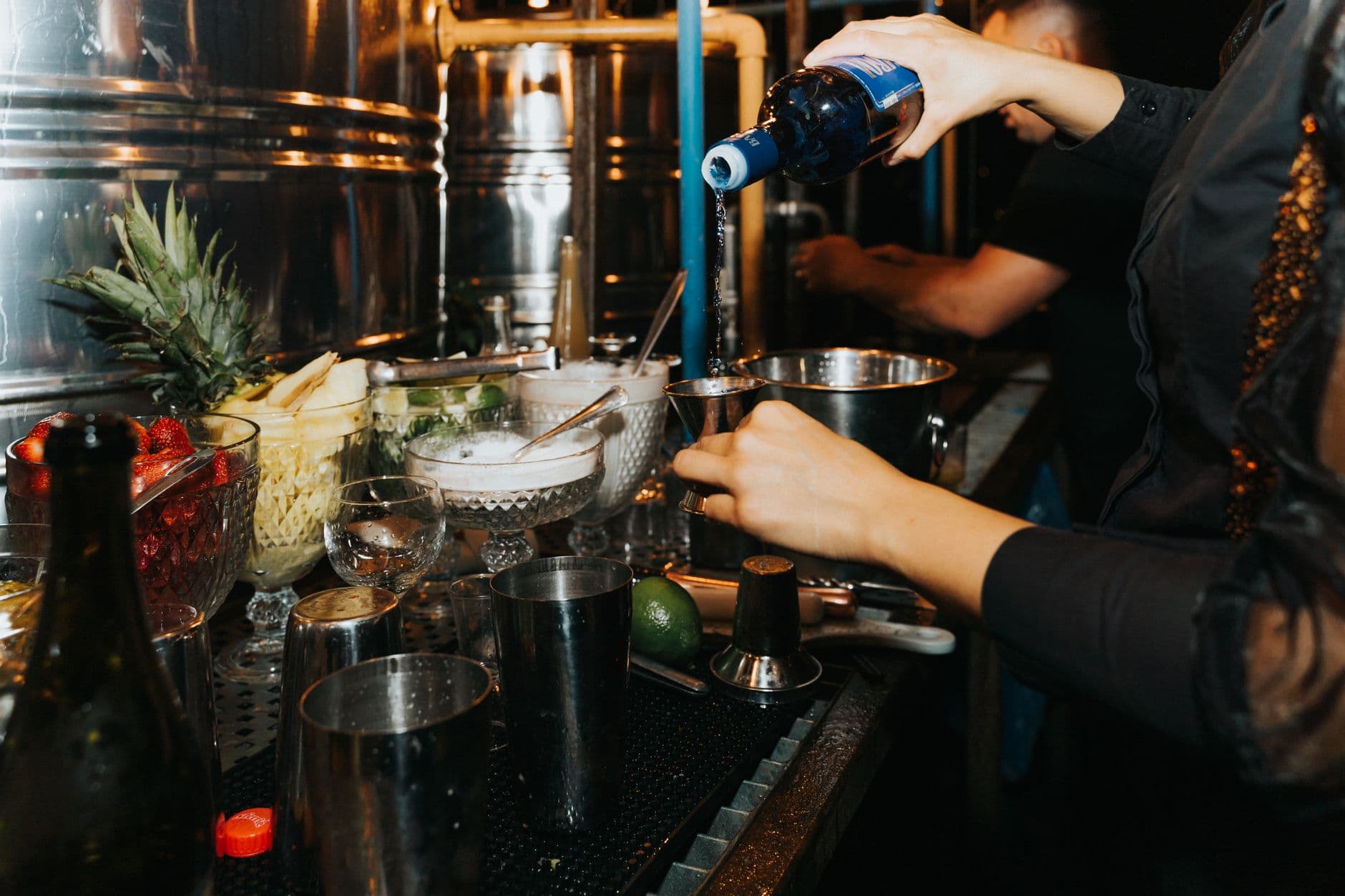
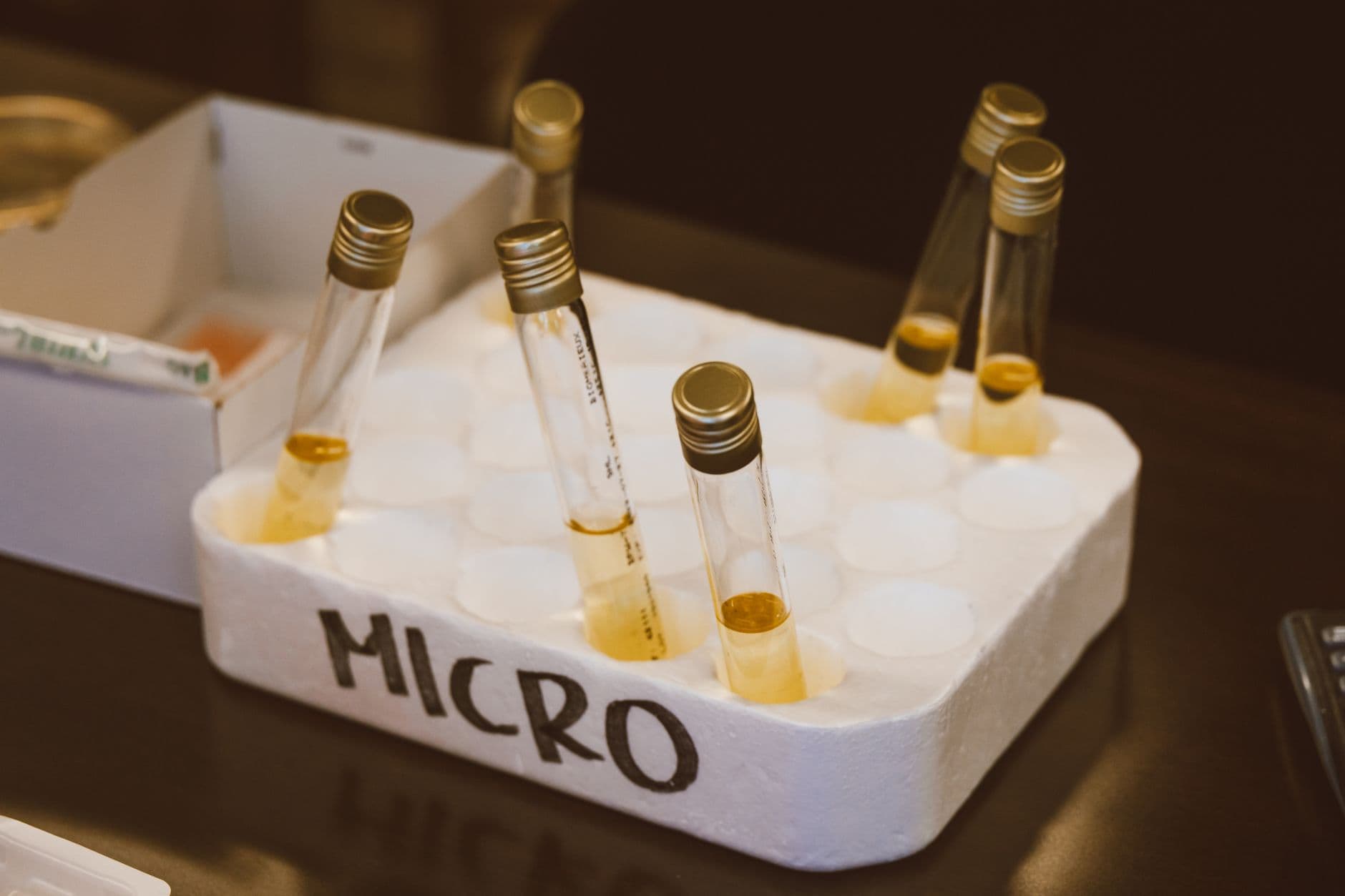
Comparez d'abord deux échantillons côte à côte - l'étiquette premium et un mélange artisanal - puis notez les données sur l'arôme, la texture et la finale. Observez comment l'eau (l'arrosage) modifie l'onctuosité en bouche. D'une bouteille à l'autre, les images marketing ne racontent pas toute l'histoire ; ne vous fiez jamais au texte attrayant sur l'étiquette.
Une croyance tenace veut que cet esprit neutre soit sans saveur. Les données des panels de dégustation révèlent des nuances subtiles : une douceur de grain douce, une vivacité minérale due à la qualité de l'eau, et une finition propre lorsque la filtration élimine les composés soufrés. Leur base compte ; quatre variables déterminent le caractère : la source de grain ou de pomme de terre, la qualité et l'équilibre minéral de l'eau, le nombre de distillations et les médias de filtration - soit quatre variables, évaluées avec des références littéraires. Les images d'étiquettes parfaites ne reflètent rarement ces différences.
La renommée d'une marque ne garantit pas la pureté. Les données issues de dégustations indépendantes montrent que le prix et la perception de prestige corréent mal avec les résultats des tests. Dans de nombreux marchés, les normes légales fixent un taux d'alcool de 40 % et permettent différentes méthodes de filtration. J'ai déjà vu cela : certains producteurs affirment une pureté ultra-élevée, mais peu de différences mesurables apparaissent lors des tests à l'aveugle. Les arômes peuvent évoquer des notes rappelant la fumée, y compris celle des cigarettes, car ces indices proviennent de solvants ou de composés de réduction lors du traitement. Ne vous fiez pas aux slogans ; examinez la liste des ingrédients et les étapes de production. La cause de la méconnaissance réside souvent dans le branding plutôt que dans la matière de base, ce qui explique pourquoi les comparaisons à l'aveugle sont importantes.
Quatre vérifications concrètes guident une évaluation fiable. Premièrement, vérifier les ingrédients : seules des céréales riches en sucre ou des pommes de terre plus de l'eau propre ; deuxièmement, examiner le nombre de distillations et la méthode de filtration ; troisièmement, confirmer les allégations légales sur l'étiquetage concernant l'origine et le traitement ; quatrièmement, comparer avec un échantillon témoin dans un protocole en aveugle. Ces vérifications enregistrent des données et permettent des comparaisons entre les essais. Une connaissance issue de processus contrôlés aide à distinguer le bruit du signal. En pratique, on constate que des différences subtiles apparaissent dans l'arôme et la texture en bouche lors de dégustations côte à côte ; les données recueillies lors des essais étayent ces observations. Cette connaissance devient un bon outil lorsque les marchés varient, où l'étiquetage diffère.
Démystifier les mythes courants sur la vodka : des faits pratiques à utiliser
Recommandation : conservez les spiritueux à des températures d'environ 15°C dans un endroit frais et stable ; le congélateur n'est pas idéal pour un usage quotidien, car les fluctuations peuvent altérer l'arôme et le goût, ainsi que la sécurité. Un environnement stable préserve assurément la cohérence entre les bouteilles.
La réalité des boissons remuées versus secouées - la croyance stéréotypée veut que les boissons remuées préservent mieux le goût ; en réalité, les deux méthodes fonctionnent, selon l'objectif du mélange. Les distillateurs soulignent que les différences résident dans la dilution et la texture, pas dans la sécurité ; il ne semble y avoir aucun effet nocif lorsque la qualité de la glace et la technique sont bonnes. Pour ceux qui s'inquiètent d'un changement de goût, l'effet est minime avec une méthode appropriée.
Voici la traduction :
Fait sur le stockage au congélateur - Les températures du congélateur peuvent garder les boissons très froides, mais il n'y a aucun gain en sécurité et l'arôme a tendance à être atténué. Nous avons appris dans les laboratoires de dégustation qu'un bref refroidissement au réfrigérateur ou un rinçage à l'eau dans un verre donne une meilleure clarté de saveur sans odeur au moment de la dégustation. Pour des marques comme delcheva, préserver un profil propre bénéficie d'éviter une congélation prolongée.
Sans odeur mais pas sans saveur - bien que beaucoup décrivent la base comme inodore, il existe des notes de goût subtiles qui varient selon le grain ou la base, la distillation et la filtration. Les experts aident à clarifier que sans odeur ne signifie pas sans saveur ; il y a une légère saveur autour du grain ou du maïs, même dans les styles neutres. Cette prise de conscience est importante pour évaluer la qualité sans se fier uniquement à l'arôme.
Culture et sélection - à part les histoires de babouchkas et les chansons de marques, le vrai critère est la constance de la qualité, le contrôle de la température et une distillation propre. Avec les bonnes pratiques, les impuretés nocives sont minimisées et le profil reste sûr et doux. Bien que le profil puisse être doux, il est utile de comparer plusieurs marques, dont delcheva pour une référence gustative.
Voici les conseils pratiques pour optimiser l'expérience : gardez les bouteilles à l'abri de la chaleur et de la lumière, et évitez les variations brutales de température ; servez-les pures à environ 6-12°C ou bien froides pour les cocktails à 4-6°C. Inutile de recourir à des rituels exotiques ; utilisez un verre propre et assurez-vous qu'aucune odeur persistante ne subsiste dans la pièce, car cela peut altérer la perception. Si une séance de dégustation est prévue, commencez par une petite quantité et évaluez la progression à la bonne température ; cela permet de révéler une qualité fiable et des caractéristiques sûres.
La vodka est-elle sans saveur ou présente-t-elle des arômes détectables ?
Réponse : Ce n'est pas sans saveur ; des notes détectables existent autour de la plupart des bouteilles. En réalité, l'idée d'un spiritueux sans goût est une simplification. Quatre facteurs façonnent le profil : la composition du moût (seigle, blé, maïs ou pomme de terre), les congénères de fermentation, les coupes de distillation et la filtration. Les différences entre les marques proviennent de ces éléments, seuls, et de la manière dont le liquide est stocké avant sa commercialisation. Contre le mythe de l'absence de goût, la réalité montre que des notes apparaissent autour de chaque bouteille, et non de manière isolée.
Les notes couramment repérées incluent la douceur du grain, l'épice poivrée, la zeste d'agrumes, la vanille et une touche minérale provenant de l'eau. D'une marque à l'autre, on peut trouver un éventail allant des lignes croquantes et neutres aux finitions plus riches, type pain ou crémeuses. La réalité est que de nombreuses expressions modernes sont conçues pour la douceur, mais elles ne sont rarement complètement dépourvues de caractère. Le cadre gouvernemental garantit la sécurité et la pureté, tandis qu'un mélange de choix de procédés et de techniques influence le goût - pas la chance. La filtration peut agir comme un suppresseur des notes plus rudes, déplaçant l'équilibre vers des profils plus accessibles. Comparons quatre voies typiques : les profils orientés grain, les lignes sucrées de maïs, les textures riches en pomme de terre et les styles mélangés qui combinent les ingrédients. Un mélange explique pourquoi deux bouteilles peuvent avoir des goûts différents, même si elles proviennent de la même marque.
Pour juger les notes de manière fiable, les lecteurs doivent lire l'étiquette pour connaître le mash bill, la méthode de distillation et les étapes de filtration. Les détails particuliers contribuent à l'arôme et à la texture en bouche. Lors de la dégustation en magasin, laissez les échantillons reposer dans la main pour qu'ils se réchauffent légèrement, identifiez l'arôme avant de siroter et prenez en compte la finale. Vous remarquerez des différences entre quatre échantillons côte à côte : les blends à base de seigle peuvent offrir du poivre et des fruits secs ; les bouteilles à base de blé tendent vers une croûte de pain légère et une touche crémeuse ; les variétés à base de maïs mettent l'accent sur la douceur et une texture en bouche propre ; les expressions à base de pomme de terre peuvent sembler crémeuses avec des nuances terreuses. Les différences, bien que subtiles, comptent pour l'équilibre du cocktail ou le style de dégustation. Cela reste généralement vrai pour toutes les marques, et vous remarquerez probablement des variations en fonction du mash et de la filtration également.
Voici la traduction :
Pratique : privilégiez les marques qui publient leurs assemblages, utilisent des procédés de distillation raffinés et appliquent une filtration ciblée. Si vous souhaitez plus d'expressivité, les distilleries artisanales ou inspirées des *babouchkas* offrent souvent des arômes plus prononcés que les bouteilles grand public. Conservez dans un endroit frais, sombre et sec, à l'abri de la lumière, et manipulez-les avec soin lors de la dégustation pour préserver l'arôme. Dans les discussions sur liquor.com et les lectures, vous trouverez des conseils sur la conservation, la manipulation et le service ; ces facteurs influencent l'arôme et le goût tout au long de la vie de la boisson. Si vous cherchez un partenaire fiable pour les cocktails, une marque avec une filtration contrôlée offre généralement une expérience équilibrée et agréable, mettant en valeur des notes agréables plutôt qu'un profil insipide.
Les Russes boivent-ils vraiment de la vodka par litre ?
Les séances d'un litre ne sont pas la norme. Pour une personne commandant une bouteille, les tailles habituelles sont de 0,5 ou 0,7 litre, ce qui permet de garder des portions modestes par personne ; 1 litre apparaît surtout dans les commandes en gros ou lors de rassemblements plus importants. L'âge légal pour boire est de 18 ans, et les magasins appliquent des règles strictes de vérification et de service responsable. Ainsi, l'image d'une consommation continue et en grande quantité n'est pas représentative du comportement typique. Une commande de bouteille par un groupe donne généralement lieu à 1-2 bouteilles sur une soirée.
En Russie, boire fait partie des pratiques culturelles liées aux repas et aux toasts ; les doses typiques sont d'environ 25 à 40 ml par verre, souvent suivies d'eau. Les données recueillies par les observateurs montrent une diminution des épisodes de beuverie depuis les années 2000, bien que des variations régionales existent. Lorsqu'une personne commande une bouteille pour une fête, le volume total sur plusieurs heures tend vers 1 à 2 bouteilles, et non un litre. Ce n'est pas le seul schéma dans le pays.
Voici la traduction :
Privilégiez les marques et la qualité en choisissant des produits issus de producteurs agréés ; vérifiez l'étiquette pour l'origine légale, le degré d'alcool (ABV) et la méthode de distillation. En particulier, recherchez une marque avec une filtration propre et une histoire de création claire ; certains magasins proposent la gamme teodora, aux côtés de noms internationaux. Pour une expérience plus douce, certains producteurs offrent des variantes sans odeur, commercialisées pour une dégustation facile, mais le goût reste distinct. Pour ceux qui s'intéressent au processus, rappelez-vous que l'esprit de base distillé est produit à partir de céréales ou de pommes de terre et mélangé avec de l'eau pour obtenir la force souhaitée ; la vérité sur la propreté réside dans des tests impartiaux et une étiquetage transparent. Comparons les options en termes de prix, d'avis et d'héritage de la marque pour faire un choix judicieux qui les aidera à se sentir confiants dans leur achat.
Vérité vs. stéréotype : l'idée longtemps entretenue selon laquelle les Russes boivent par litres est une simplification excessive présente dans certaines images. La réalité dépend de la région, de l'âge et du contexte. La pratique implique généralement un rythme modéré, avec des toasts et de l'eau entre les tours, et une diversité de préférences incluant la bière ou le vin dans de nombreux foyers. Si un spectacle est souhaité, planifiez l'événement avec une commande responsable de toasts et assurez-vous d'avoir accès à des options non alcoolisées. Bien que la consommation excessive reste une préoccupation dans certaines zones, les tendances actuelles autour des grandes villes et des zones rurales montrent des variations ; l'oie n'est pas le maître de la culture, et l'idée de versements sans fin n'est pas exacte dans la plupart des situations quotidiennes. Cette approche respecte les normes légales et le contexte culturel, et permet à chacun de profiter d'une création équilibrée d'expériences avec des marques qui reflètent sûrement la vérité plutôt que des images sensationnalistes.
Non, la vodka n'est pas l'alcool fort le plus courant en termes de degré d'alcool (ABV). Des spiritueux comme le grain alcohol (alcool neutre de grain) ou l'alcool pur peuvent avoir des degrés d'alcool plus élevés, souvent supérieurs à 90 %. La vodka, en revanche, a généralement un ABV compris entre 35 % et 50 %.
Pas de beaucoup. Dans le commerce de détail traditionnel, le taux d'alcool standard pour ce distillat clair et neutre se situe autour de 40 % d'alcool par volume ; des degrés plus élevés existent, mais ils ne sont pas typiques dans les bouteilles du quotidien.
Où le degré d'alcool varie selon la catégorie, la concentration et le goût diffèrent. Pour ceux qui recherchent des options plus fortes, le gin de marine titre environ 57 % d'alcool, tandis que les rhums surproof et les bouteilles de type absinthe oscillent entre environ 50 et 75 % d'alcool. Entre ces niveaux grand public, quelques bouteilles mettent l'accent sur la puissance, mais le standard à 40 % d'alcool reste l'ancrage, avant toute addition d'eau dans un cocktail.
Pour ceux qui suivent un régime ou ont des préoccupations liées à la maladie cœliaque, la plupart des distillats sont sans gluten grâce à la distillation, sauf si des arômes introduisent des traces de gluten. Ne supposez pas qu'un degré d'alcool plus élevé garantit une meilleure saveur. Vérifiez toujours les étiquettes, sauf si un produit indique explicitement qu'il est sans gluten. Les personnes sensibles au gluten doivent aborder les variantes aromatisées ou infusées avec prudence. Nous avons observé que certaines marques conservent des profils de saveur distinctifs tout en maintenant une concentration d'alcool mesurée.
Prise rapide :
- La norme est de 40 % d'alcool; la plupart des bouteilles se situent ici.
- Gamme supérieure : gin à 57° d'alcool ; les rhums surproof et les produits de la famille de l'absinthe atteignent 50 à 75° d'alcool.
- Les marques delcheva et teodora ont lancé des éditions à forte teneur en alcool, prouvant que la puissance peut coexister avec l'équilibre.
- Étiquettes, campagnes et ambassadeurs : lisez le degré d'alcool sur l'étiquette ; les campagnes peuvent mettre en avant la puissance, mais la vraie force se trouve dans la bouteille.
- Saveur vs force : ceux qui ont des notes distinctives et savoureuses peuvent encore prospérer à un degré d'alcool plus faible, tandis qu'une concentration plus élevée modifie la texture en bouche ; la mémoire de l'arôme compte lors d'une dégustation.
- Les variantes de mauvais goût existent dans cette catégorie également ; sans arôme ni texture, l'expérience est limitée.
Le prix reflète-t-il la qualité dans la vodka ?
La réponse est simple : le prix ne garantit pas une qualité élevée ; la définition littéraire de la qualité repose sur la matière première, la pureté de la distillation et une finition propre, plutôt que sur le prestige de l'étiquette.
Une base à base de céréales offre généralement un meilleur contrôle des arômes, tandis qu'un profil sans odeur facilite l'accord avec les cocktails. Lors de l'essai d'une nouvelle bouteille, évaluez l'arôme initial et l'arrière-goût ; si la sensation est trop âpre, reconsidérez votre choix. Les images sur l'étiquette peuvent être trompeuses, et même celles prises lors de séances photo marketing ne reflètent pas toujours le goût.
Les prix reflètent souvent l'emballage, le marketing et la distribution, pas seulement la pureté. À 15-25 USD, une bouteille peut offrir une clarté surprenante ; à 30-50 USD, la régularité tend à s'améliorer ; à 60-100+ USD, la texture peut être plus douce, bien qu'il n'existe pas de règle universelle selon laquelle un prix plus élevé signifie une meilleure saveur ou une finale plus longue. Ils conservent leur valeur grâce à l'artisanat derrière la base, mais la relation prix-qualité variable n'est pas fixe et dépend du producteur.
Après un test pratique, vérifiez une source à base de céréales, de l'eau propre et une filtration robuste. Dans des comparaisons à l'aveugle, des bouteilles de milieu de gamme peuvent rivaliser avec des options coûteuses ; essayer plusieurs côte à côte aide le palais à identifier ce qui compte. Veuillez noter à la main ; un arôme neutre, une texture douce et un goût équilibré soutiennent de meilleures décisions pour la consommation et pour les recettes de martini.
Découvrez, puis jugez de la valeur selon des critères autres que le prix : un produit d'une pureté élevée, un profil de goût concis et une finale constante. L'amour pour une bouteille bien conçue grandit lorsque l'arôme reste discret et que la texture tient ; un emballage attrayant peut attirer l'œil, et les images sur l'étiquette peuvent être persuasives, mais l'expérience de dégustation reste le test ultime. La définition de la qualité dans ce contexte est une texture nette et croquante en bouche qui s'accorde bien avec un mélangeur ou se suffit à elle-même en shot pur.
Peut-on attribuer des bienfaits pour la santé ou des vertus curatives à la vodka ?
Recommandation : il n'existe aucune preuve scientifique étayant les avantages ou les vertus thérapeutiques de l'éthanol, quelle que soit la quantité consommée ; les données issues des études ne soutiennent pas de tels résultats, et seule une interprétation prudente est justifiée.
Les données issues d'essais contrôlés ne montrent aucun bénéfice robuste ; les résultats observationnels révèlent souvent de petites associations, généralement comprises entre trois et cinq pour cent, mais ces signaux ne prouvent pas la causalité et sont fortement influencés par le mode de vie et les facteurs de santé concomitants.
Entre les allégations marketing et les rapports scientifiques, les effets de chaleur ou d'humeur sont temporaires et ne se traduisent pas par une prévention ou un traitement des maladies. La consommation quotidienne n'est pas conseillée comme stratégie de santé ; à la place, les régimes à base d'aliments complets, l'activité physique régulière, un sommeil suffisant et les vaccinations offrent des avantages plus clairs et prouvés. Les ambassadeurs de la santé insistent sur la modération et le contexte, pas sur des gains universels.
À Saint-Pétersbourg, sur les marchés et dans de nombreux médias, circulent des images et des déclarations littéraires qui paraissent convaincantes ; pourtant, une grande partie de ce discours repose sur du sensationnalisme de mauvais goût plutôt que sur des données solides. Ce qui contribue réellement au bien-être est étayé par la recherche, pas par des signaux brillants ou des slogans.
Trois enseignements pratiques : premièrement, il n'existe pas de remède contre l'éthanol ; deuxièmement, les associations potentielles avec une réduction des risques ne constituent pas une preuve fiable de bénéfice ; troisièmement, les meilleurs résultats proviennent d'approches fondées sur des preuves plutôt que de toute consommation quotidienne.
Claim
| Preuves |
Voici la traduction en français :
Prenez des notes pratiques |
| Bienfaits pour la santé ou remèdes |
Les essais randomisés ne montrent aucun avantage causal ; les données sont souvent confondantes et les résultats varient d'une étude à l'autre. |
Relyez-vous sur des mesures de mode de vie éprouvées pour une meilleure santé globale. |
| Boost d'humeur ou chaleur comme thérapie |
Effets psychologiques de courte durée, sans modification de la maladie ; une utilisation quotidienne augmente le risque de dommages et de dépendance. |
Cherchez des stratégies non alcoolisées pour soutenir votre humeur et votre énergie. |
| Stratégie de prévention en santé |
Ne répond pas aux normes de réduction des risques ; une consommation accrue augmente le risque de cancer et de maladie du foie. |
Privilégiez les pratiques étayées par des preuves plutôt qu'une consommation régulière. |