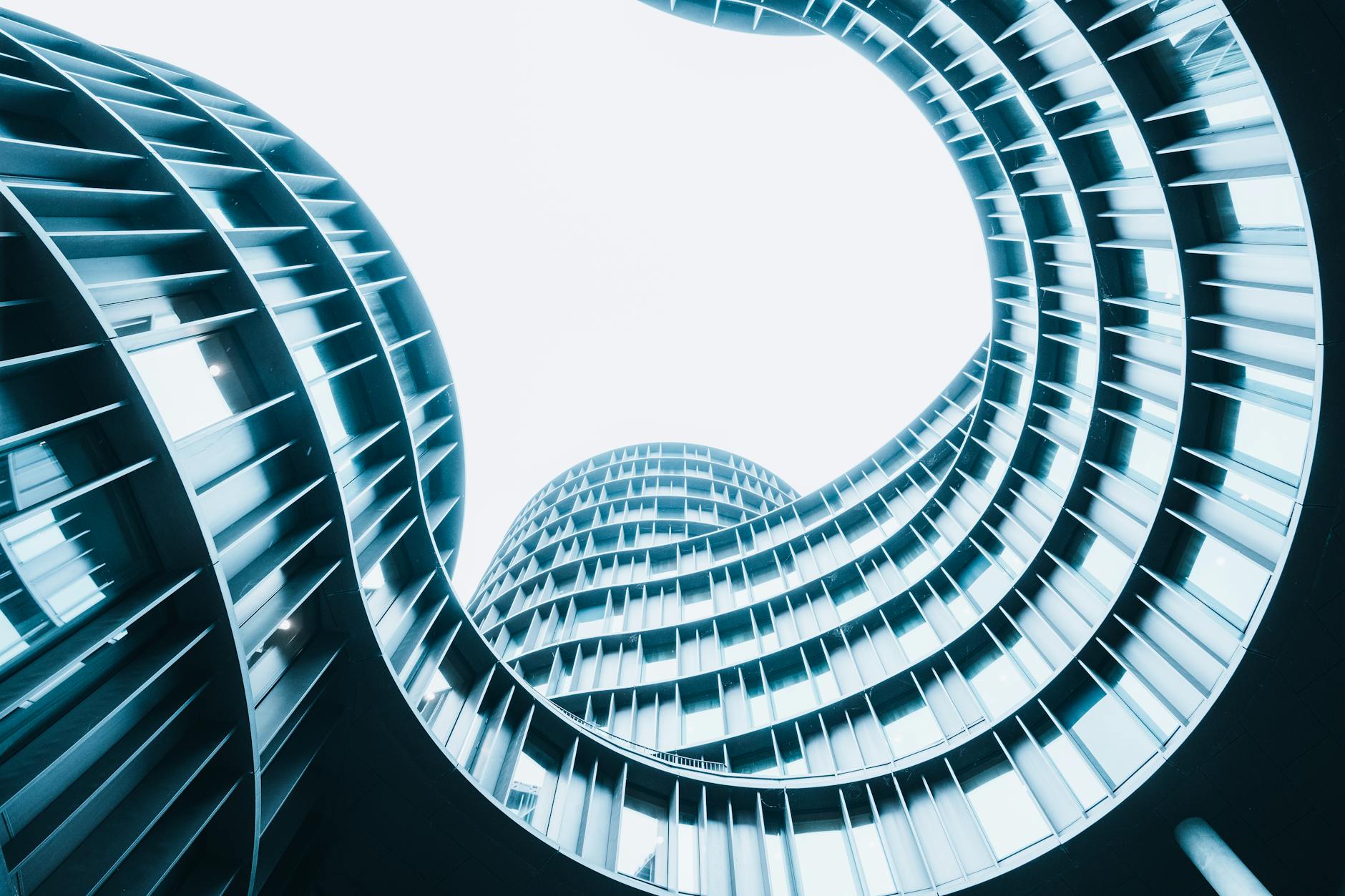
Recommandation : Examinez le twist sous trois angles à l'aube, à midi et au crépuscule pour comprendre comment sa forme interagit avec la vie de la rue et la lumière du jour.
Le socle constitue un cœur mixte dédié aux activités commerciales, au commerce de détail et aux espaces publics, favorisant la collaboration entre les membres de l'équipe et les visiteurs. Sa palette de matériaux - verre, acier et pierre - crée une image magnifique qui évolue avec la lumière et les saisons, mariant l'artisanat de la Renaissance à l'efficacité contemporaine dans un contexte urbain dense.
Dans le dialogue européen du design, cette figure se distingue par sa géométrie épurée et la manière dont le twist guide la circulation. Sans aucun doute, sa logique s'inspire des lignes tatliniennes et d'une approche philip led de l'expérimentation. Elle permet aux designers et aux ingénieurs de repousser les limites de la pensée paramétrique pour optimiser le vent, les reflets et le rythme d'étage en étage, un excellent exemple de collaboration transfrontalière.
Le gratte-ciel présente une verticalité cathédrale, avec une silhouette élancée, des podiums en gradins et une base qui ancre l'ensemble. La ville gagne un repère visible pour les nouveaux quartiers, tandis que les podiums animent les rues avec des cafés, des studios et des événements - un équilibre efficace entre forme et fonction.
Pour les praticiens en quête de gains concrets : étudiez les performances lumineuses du twist ; organisez des ateliers communs avec des talents issus d'un héritage inspiré par Tatline ; et documentez comment la base soutient des résultats à usage mixte pour éclairer des projets urbains similaires ailleurs. À travers le monde, cette approche montre comment la forme peut servir les objectifs commerciaux tout en enrichissant la vie urbaine.
Classement, caractéristiques de conception, jalons de construction et statut de la tour Evolution à Moscou-City
Pour les investisseurs et les locataires, choisissez cette tour emblématique en plein cœur de la ville ; une collaboration entre des designers européens et des équipes de développement russes donne un résultat gagnant qui renforce l'image de la ville sur la scène mondiale et offre une adresse professionnelle de premier ordre.
Les caractéristiques clés incluent une forme sculpturale avec une torsion continue, des murs-rideaux en verre et une couronne sur le toit. La base ancrée soutient un podium courbe, tandis que chaque étage révèle un rythme de lumière et d'ombre ; la silhouette fait référence à la géométrie des cathédrales de la Renaissance, et le concept reflète l'héritage de Tatline avec une collaboration dirigée par Philip.
Les jalons de construction incluent l'achèvement des fondations, la montée de la structure verticale, la fixation des panneaux de façade, les tests d'éclairage de la couronne et la remise finale des espaces clés. Le projet se distingue comme l'un des développements les plus surveillés en centre-ville, reconnu par un jury et associé à des récompenses.
Actuellement, le bâtiment abrite des bureaux d'entreprises et des commerces sélectionnés, contribuant à un centre urbain dynamique ; il façonne l'image de la ville et soutient de nombreuses activités corporatives en Europe et sur le marché russe ; le design reste l'un des gratte-ciel les plus reconnaissables de la région et un centre de collaboration d'affaires.
Alignons la stratégie de location avec les entreprises multinationales à la recherche d'un emplacement central et facilement accessible. Une collaboration avec des locataires européens renforce la visibilité des récompenses et élargit l'image mondiale de l'endroit. L'occupation peut tirer parti de plans d'étage flexibles, avec un accent sur les aménagements au niveau de la toiture et une culture de travail axée sur la performance.
L'actif se distingue par une rare combinaison de silhouette élancée et d'énergie urbaine, offrant une base solide pour les activités russes et internationales, et renforçant sa position de centre urbain privilégié dans la région.
Comment la tour Evolution se classe parmi les gratte-ciel de Moscou-City
Prenez cet immeuble de grande hauteur sinueux comme point de référence pour classer les bâtiments élevés au centre. Il se distingue par sa forme sculpturale et sa façade en verre et lumière, évoquant une image de modernité plutôt que de hauteur monotone. Le design, attribué à philip avec une équipe de contractors russes, reflète une éthique de travail et un fini final qui fixent une référence pour leurs pairs.
Dans la hiérarchie, cette structure imposante se classe parmi les plus hautes, mais reste en dessous du trio dépassant les 300 mètres. Elle surpasse la plupart des constructions de 200 mètres et plusieurs projets récents de taille moyenne, la plaçant parmi les cinq ou six premières des listes de gratte-ciel publics. Ses plateaux, disposés autour d'un noyau central, optimisent l'utilisation des bureaux, tandis que la ligne de toit contribue à une silhouette distinctive.
Pour les entrepreneurs, le développement s'est appuyé sur les normes européennes et le contrôle russe. Les travaux se sont déroulés par phases ; les détails de la toiture, l'assemblage de la façade et les finitions ont exigé une coordination serrée entre les équipes, aboutissant à une enveloppe résistante et à une silhouette reconnaissable. L'image de la ville gagne avec cette addition sculpturale, qui attire les visiteurs venus étudier la forme.
Les photographes remarquent comment la courbure et la torsion créent un contour sculptural et magnifique qui ancre la silhouette de la ville. La hauteur et la forme dégagent un sentiment de grandeur aux côtés des gratte-ciel voisins et une présence cathédrale dans les quartiers financiers. La structure se dresse comme une icône moderne pour un centre qui continue d'évoluer avec chaque nouveau projet.
Pour les développeurs visant à reproduire un impact, suivez l'approche de philip combinée à une stratégie de contrat disciplinée, en mettant l'accent sur la géométrie du toit, la planification des étages et les finitions finales. Le résultat donne une image qui restera remarquable pendant de nombreuses années, tout en permettant à d'autres gratte-ciel de s'élever autour d'elle grâce à un rythme de développement mesuré qui respecte le patrimoine et les influences européennes, tout en soutenant les besoins commerciaux actuels.
Toujours la demoiselle d'honneur et jamais la mariée : facteurs derrière son profil international
Recommandation : Accroître la visibilité grâce à des prix internationaux et des partenariats médiatiques qui se traduisent par des signaux d'image de confiance pour les clients du monde entier.
Positionné comme un lieu où convergent les affaires et la culture au cœur d'une métropole, il se distingue de nombreux concurrents de sa catégorie grâce à des partenariats mondiaux avec des entreprises et médias européens, ainsi qu'à une exposition médiatique accrue, ce qui renforce sa reconnaissance à l'échelle internationale.
Le design repose sur des formes sculpturales avec une touche qui rend la silhouette immédiatement reconnaissable ; les plateaux d'étage s'étagent en hauteur pour créer un rythme élancé, tandis que les lignes de toiture et la texture de la façade contribuent à une image magnifique vue depuis la rue et la skyline.
Ses racines russes se manifestent dans l'approche disciplinée de l'équipe : une base solide, une forme claire et une collaboration durable qui s'alignent sur leurs objectifs commerciaux. Le concept du chef designer tisse un langage conscient de son environnement avec le centre urbain environnant, l'aidant à se distinguer parmi les plus grands bâtiments du monde dans un centre européen, tout en évoquant une verticalité cathédrale lors de son ascension.
Ses tours se dressent comme un signe urbain clair au cœur d'un paysage urbain dense.
Par leur travail, il devient un symbole visible de la place de l'Europe dans le commerce mondial, un ancrage de type palais au cœur urbain, et une source d'images qui traverse les médias. La base du bâtiment supporte un profil élevé avec des éléments sculpturaux qui séduisent à la fois les goûts conventionnels et les observateurs avant-gardistes, faisant de lui bien plus qu'une simple structure dans un paysage urbain dense.
au taux de la Banque de Russie du 22.09.2026 · powered by tutkakdoma
La conception de la tour Evolution : géométrie en spirale, matériaux de la façade et approche structurelle.
Des formes tordues ancrées sur une base solide, alignant la colonne vertébrale centrale avec le centre urbain et façonnant une silhouette sans encoches qui optimise l'ensoleillement, la réponse au vent et le confort des occupants. Les agencements les plus efficaces transforment les plateaux en un système modulaire grâce à une hiérarchie claire, garantissant une cohérence entre les niveaux.
La stratégie de façade associe des vitrages haute performance à des enveloppes métalliques sculpturales. La face extérieure utilise du verre à revêtements basse émissivité et des zones frittées pour contrôler la chaleur et l'éblouissement, tandis que des panneaux en aluminium perforé ajoutent de la profondeur le long du profil inspiré par la torsion. La palette s'inspire de tons évoquant la Renaissance, offrant un look intemporel qui s'adapte aux revêtements futurs et aux conditions d'éclairage urbain.
La structure repose sur un noyau central et un cadre périphérique : un noyau en béton armé, composé de colonnes et de murs, supporte les charges gravitationnelles et les forces principales du vent, tandis que des poutres de ceinture et des contreventements transfèrent les charges entre le noyau et la façade à travers des groupes d'étages clés. Cette approche permet de soutenir une couronne de toit sculpturale et une base stable, offrant ainsi un gratte-ciel qui s'intègre avec assurance dans le tissu urbain.
Le développement repose sur la collaboration entre l'équipe, les entrepreneurs et le jury, sous la direction d'un chef de projet. La séquence de travail est axée sur les affaires, avec des jalons qui reconnaissent les récompenses et garantissent une livraison à temps. Grâce à une coordination rigoureuse, le projet atteint un profil gagnant selon les normes européennes et fixe une référence pour les futurs bâtiments en centre-ville.
La construction de la tour Evolution : chronologie, techniques et défis du chantier
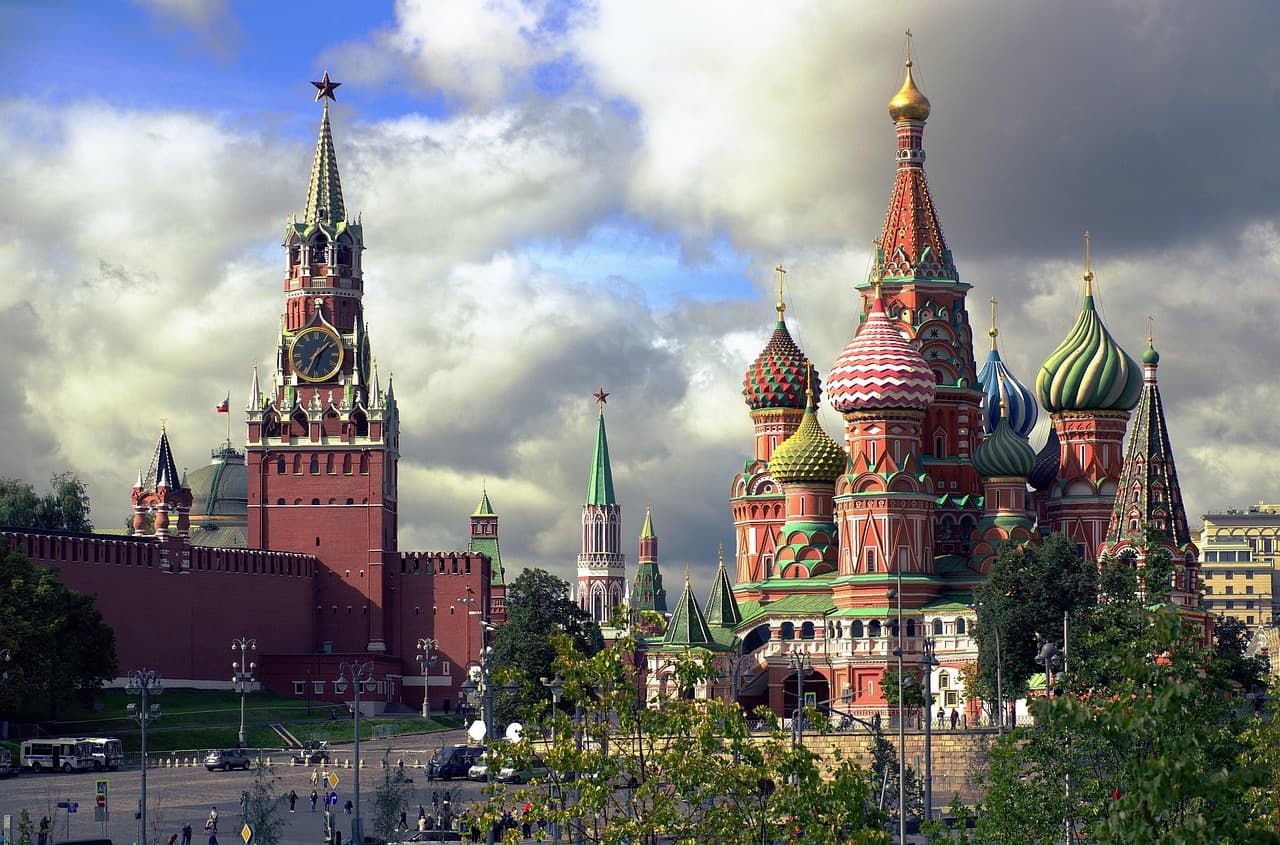
Adoptons un plan directeur en plusieurs étapes utilisant des modules modulaires, un noyau central robuste et une silhouette torsadée pour accélérer les travaux et réduire les mouvements de grue. Au cœur de la capitale russe, la collaboration avec leurs partenaires commerciaux et le jury de la ville garantit une image forte pour le lieu et les tours qu'ils ont construites. L'équipe dirigée par Philip pilote l'effort, avec l'image de la basilique Saint-Basile guidant les travaux de façade.
Le calendrier se déroule en cinq phases distinctes : faisabilité et approbations, fondation et infrastructure, noyau et ossature, enveloppe avec la façade torsadée, et finitions intérieures ainsi que travaux de toiture. Chaque phase s'appuie sur la précédente, réduisant au minimum les temps d'arrêt et permettant des flux de travail parallèles lorsque cela est possible - une approche judicieuse pour un tissu urbain dense.
Les techniques utilisées combinent des méthodes traditionnelles et modernes : des fondations en caissons et des pieux battus pour la stabilisation du sol, un noyau renforcé avec précontrainte pour la stabilité latérale, des panneaux de façade unitaires pour une installation rapide, et une géométrie inspirée des essais en soufflerie pour garantir des performances en hauteur. Les modules préfabriqués permettent un développement rapide de la ligne de toit et réduisent les travaux sur site, tandis qu'une coordination minutieuse avec les relocalisations des réseaux évite de paralyser le chantier.
Les défis du site découlent d'un espace urbain très fréquenté, d'un espace de montage limité et d'un environnement sensible. Les relocalisations d'utilités, la gestion des eaux souterraines et les contraintes strictes à proximité des basiliques historiques et de la cathédrale voisine exigent une planification minutieuse. La chorégraphie des grues et la gestion du trafic nécessitent des levages par phases, des voies d'accès dédiées et une communication continue avec le public pour préserver l'image tout en maintenant le centre fonctionnel pour les entreprises et les résidents.
Phase
Activités clés
Techniques
Site challenges
Durée approximative
Étude de faisabilité & autorisations
Esquisse conceptuelle, alignement des parties prenantes, brief créatif
Planification sensible au vent, conception basée sur des paramètres
Contraintes réglementaires, impact urbain
3-6 mois
Fondation & infrastructure
Investigation du site, disposition des pieux, puits caissons
Fondations par pieux forés, pieux battus, stabilisation des sols
Nappe phréatique élevée, accès limité
6-12 mois
Voici la traduction en français :
Core & squelette
Noyau central, dalles de plancher, interfaces
Cœur renforcé, précontrainte
Raccordements des services publics, espace pour l'équipement
12-24 mois
Enveloppe & façade torsadée
Revêtement, panneaux unitisés, détails de bordure
Façade unitaire, modules préfabriqués
Mise en scène pour conditions venteuses, coordination des grues
12-18 mois
Finitions intérieures & remise des clés
Installation, tests et mise en service des systèmes
Conçu pour les systèmes intégrés, calendriers de finition
Planification de l'occupation, sécurité
6-12 mois
Le processus démontre comment la collaboration entre le designer en chef Philip, son équipe et les autorités municipales a permis d'obtenir un excellent résultat, remportant des prix et renforçant l'esprit de renaissance au cœur de la ville, tout en préservant une image forte dans le monde de l'architecture urbaine de cet endroit.
Evolution Tower comme emblème architectural en spirale de Moscou-City : impact sur le paysage urbain et l'identité du quartier
recommandation : aligner le développement sur les objectifs de conception urbaine, l'intégrer aux parcs et aux itinéraires piétons, et veiller à ce que la forme finale renforce l'identité du quartier tout en soutenant la croissance des entreprises.
La torsion sculpturale, inspirée de Tatline, crée une image distinctive qui modifie sans aucun doute le paysage urbain de la capitale et renforce le sentiment d'appartenance dans la zone d'affaires. Sa silhouette audacieuse sert de phare pour les habitants et les visiteurs, façonnant la manière dont la ville se présente en Europe.
À travers la séquence du sol au plafond, le bâtiment se lit comme une ligne unique et continue qui ancrage le centre de l'îlot. La couronne au-dessus du toit devient un symbole mémorable visible depuis les points de vue clés, guidant la circulation et influençant la vie de rue alentour.
En termes d'image urbaine, le projet met en avant la collaboration d'une équipe diversifiée et contribue à une ambiance de renaissance pour le quartier. philip, en tant que membre du jury, a souligné comment le concept final allie une forme audacieuse à des préoccupations pragmatiques telles que le comportement du vent, l'accessibilité et la durabilité.
Silhouette et forme de la skyline : des lignes sculpturales avec une touche de torsion créent une image distinctive qui se détache assurément des bâtiments environnants et redéfinit l'angle de vue urbain.
Centre et perception : le centre du bloc gagne un nouveau point focal, guidant les itinéraires piétons et reliant les places, les nœuds de transport et les étages commerciaux.
Matériaux et toiture : le traitement de surface et les détails de la couronne sur le toit renforcent un profil élégant en forme de couronne, visible de loin et intégré à l'éclairage nocturne.
Signal économique : la présence des tours indique un lieu d'affaires haut de gamme, attirant les investisseurs nationaux et européens et renforçant une image de classe mondiale.
L'identité et le lieu : la forme contribue à la marque de la ville en présentant une forme sculpturale rare à laquelle les urbanistes locaux peuvent se référer dans les futures règles de développement et d'aménagement urbain.
Palais couronné et espace public : les terrasses du podium créent un espace accueillant pour la vie urbaine, aidant les habitants et les visiteurs de la ville à se sentir plus connectés au quartier.
Collaboration et gouvernance : l'implication précoce de l'équipe, des entrepreneurs et d'un jury formel a garanti que le design respectait les jalons de sécurité, de calendrier et de budget, avec des approbations finales reflétant un consensus interdisciplinaire.
La connectivité avec l'Europe : le projet renforce les liens régionaux, invitant les talents européens en affaires et en design à considérer la région comme un hub stratégique pour les opérations et les partenariats.
Le modèle de collaboration montre comment un architecte en chef, des entrepreneurs et des parties prenantes peuvent transformer une idée audacieuse en un atout concret pour la ville. Soulignons que les décisions de conception prises dès le début ont influencé non seulement l'esthétique, mais aussi l'accessibilité, l'éclairage et la vie quotidienne dans les rues environnantes, garantissant que le développement s'intègre aux bâtiments existants et aux espaces publics plutôt que de rivaliser avec eux. Les autorités d'urbanisme devraient envisager des directives évolutives qui soutiennent des initiatives similaires dans les futurs projets, en maintenant un équilibre entre spectacle et fonction.
Dans l'ensemble, la structure se dresse comme un symbole contemporain du développement urbain, alliant une forme sculpturale à un fort ancrage dans son environnement. L'image de la couronne, le rythme des étages et la connexion harmonieuse avec l'espace public créent un repère à la fois dominant et accessible au cœur de cette ville, prêt à influencer les futures commandes, les délibérations des jurys et les performances des entrepreneurs à travers le monde.