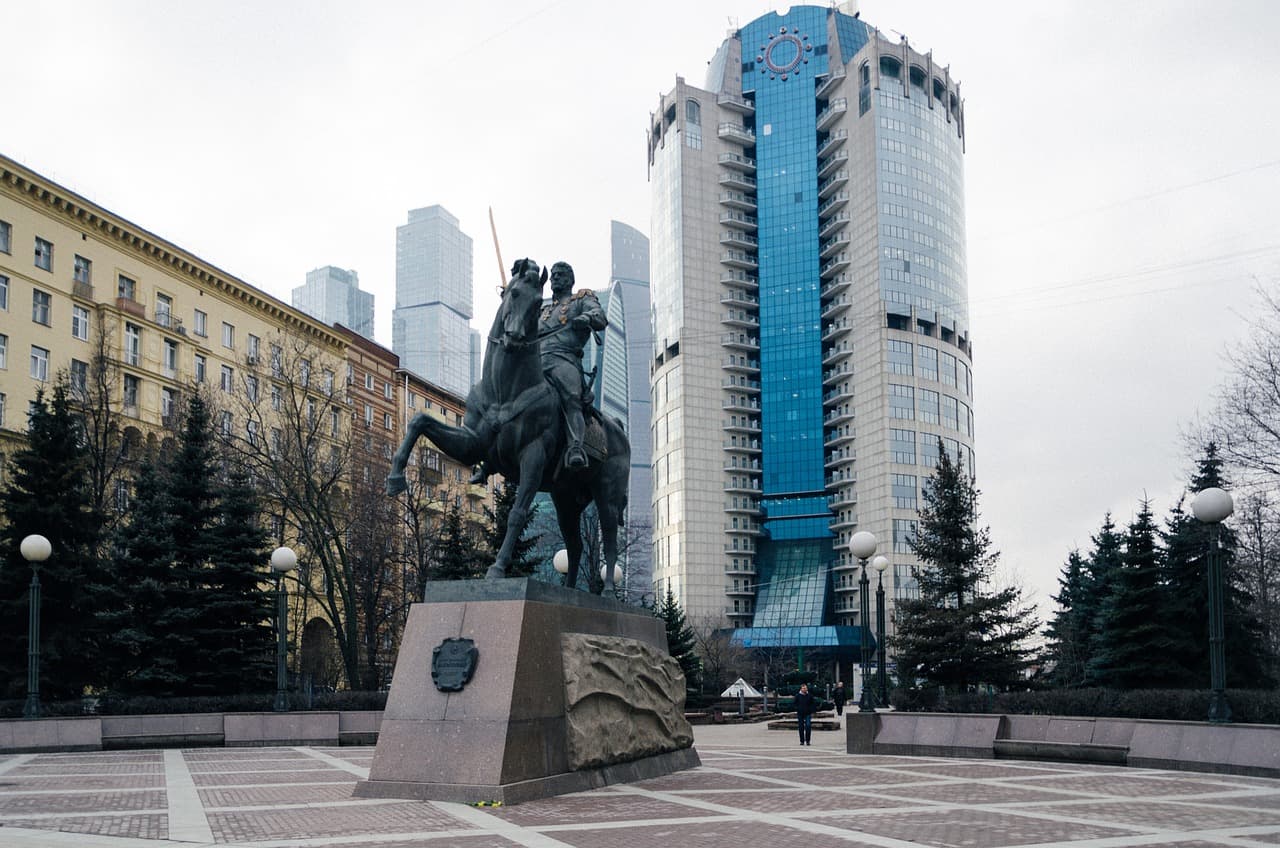
Recommandation : Commencez au niveau du quai à l'aube ; l'espace entre la rivière et les cathédrales brille, le début de la journée, juste, un circuit ouvert et calme. Utilisez les trolleybus publics pour rejoindre le quartier de Teatralnaya et commencer le plan.
Premier arrêt : le complexe de la forteresse de l'époque tsariste avec son ensemble de cathédrales. Autrefois le centre du pouvoir impérial, les terrains unifiés accueillent des cathédrales ouvertes et des vues imprenables sur la rivière. Les heures de visite intérieure diffèrent selon la saison, mais commencer avant 9h00 permet d'éviter les foules ; la zone est sûre et bien signalisée, avec de nombreux points de vue pour les photos le long du quai. Une promenade en troïka ajoute un lien tangible avec le passé du domaine, et vous pouvez comparer les détails des dômes et des arches à chaque coin.
Deuxième arrêt : le quartier de Teatralnaya autour du Bolchoï et des lieux adjacents. La place publique offre des façades élégantes et une série de théâtres ; la réservation d'une visite guidée offre des options en anglais et un aperçu de l'histoire du bâtiment. Si vous visitez les jours d'ouverture lorsque les spectacles sont annulés, vous pouvez visiter les coulisses ; sinon, profitez des fresques extérieures et du rythme de la rue juste avant un spectacle. Un arrêt de trolleybus se trouve à proximité, et une courte promenade en troïka peut faire le tour du quartier pour partager un aperçu de la culture de la capitale.
La collection de la galerie Tretiakov présente diverses écoles de peinture, des icônes aux œuvres modernes. Commencez tôt pour capter la lumière qui traverse les hautes fenêtres ; le temps passé à l'intérieur est d'environ 2 à 3 heures, ce qui permet un examen approfondi. Le lieu est accessible par le réseau de transport en commun, avec un arrêt de métro direct à proximité ; les heures d'ouverture varient selon la saison. Comprend l'accès aux collections permanentes et aux expositions temporaires. Planifiez une visite de la bonne durée et vérifiez les descriptions en anglais.
La rue Arbat offre des expériences unifiées : cafés, galeries et spectacles de rue. Promenez-vous le long des voies piétonnes lorsque la journée se réchauffe, ouvert jusqu'à tard ; l'itinéraire comprend de nombreux magasins et artistes. Avec les trolleybus à proximité, vous pouvez retourner rapidement dans les quartiers centraux ; laissez toujours de l'espace dans votre emploi du temps pour accueillir des arrêts spontanés et des pauses thé sur les bancs qui font face aux vieilles maisons.
Le domaine de Kolomenskoïe est situé sur une colline avec des espaces ouverts, un complexe de palais royaux et l'église de l'Ascension. C'est une évasion sûre du centre urbain avec de l'espace pour des promenades tranquilles et des aires de pique-nique ; ce domaine comprend des sentiers pédestres, une église en bois et des promenades en troïka saisonnières certains jours. Les billets sont modestes et ouverts de 9h00 à 18h00 en saison typique ; accès par les lignes publiques ou l'arrêt Kolomenskaïa à proximité. Les jours de début de semaine attirent moins de monde, tandis que les week-ends offrent plus d'événements dans les sections publiques du parc.
Guide des attractions de Moscou
Trésor de l'Armurerie : cinq pièces maîtresses illustrent les armes royales, les insignes sacrés et les matériaux de l'ère des batailles ; ces pièces ont été fabriquées au cours des siècles, ce segment d'ouverture crée une vue claire du pouvoir impérial, puis l'itinéraire se poursuit avec une séquence d'arrêts emblématiques.
À l'intérieur du complexe du Kremlin, promenez-vous dans les salles où sont exposés les joyaux de la couronne et les armes de cérémonie, avec des détails dorés et des vitrines qui révèlent un savoir-faire expert ; les présentations éclairées par le feu mettent en valeur la conception complexe et la signification historique du trésor.
La cathédrale Saint-Basile s'élève avec une couleur sacrée et une taille qui domine la place Rouge ; la vue extérieure offre des angles spectaculaires, tandis que les chapelles intérieures conservent des icônes vues par de nombreux siècles, invitant à une observation réfléchie.
Le musée des beaux-arts Pouchkine est situé sur la ruelle Lavrouchinski ; les souvenirs de Pouchkine et les pièces d'Alexeï se mêlent aux classiques russes ; les galeries accueillent diverses expositions, et les boutiques à proximité proposent des livres, des estampes et de petits souvenirs pour commémorer les visites ; l'effervescence créative de la ruelle reflète les tendances de la Renaissance à la culture contemporaine.
Des motifs de basilic voisins apparaissent dans la signalisation autour des arcades, rappelant aux visiteurs l'héritage du site ; la lumière de fin de journée sur les dômes crée une vue spectaculaire, invitant à l'observation depuis les quais de la rivière et les terrasses de la ville ; les jours avec moins de monde permettent un rythme plus calme pour examiner les détails.
Les heures de pointe entraînent des files d'attente ; les heures de fin d'après-midi réduisent l'attente, puis les visiteurs continuent le long de la promenade fluviale jusqu'à une vue finale des silhouettes illuminées sur le ciel.
Les vues du quai en soirée amplifient les détails ; la lumière tardive rehausse les couleurs et boucle la boucle sur un itinéraire mémorable.
Place Rouge et cathédrale Saint-Basile : meilleurs moments pour visiter et conseils photo
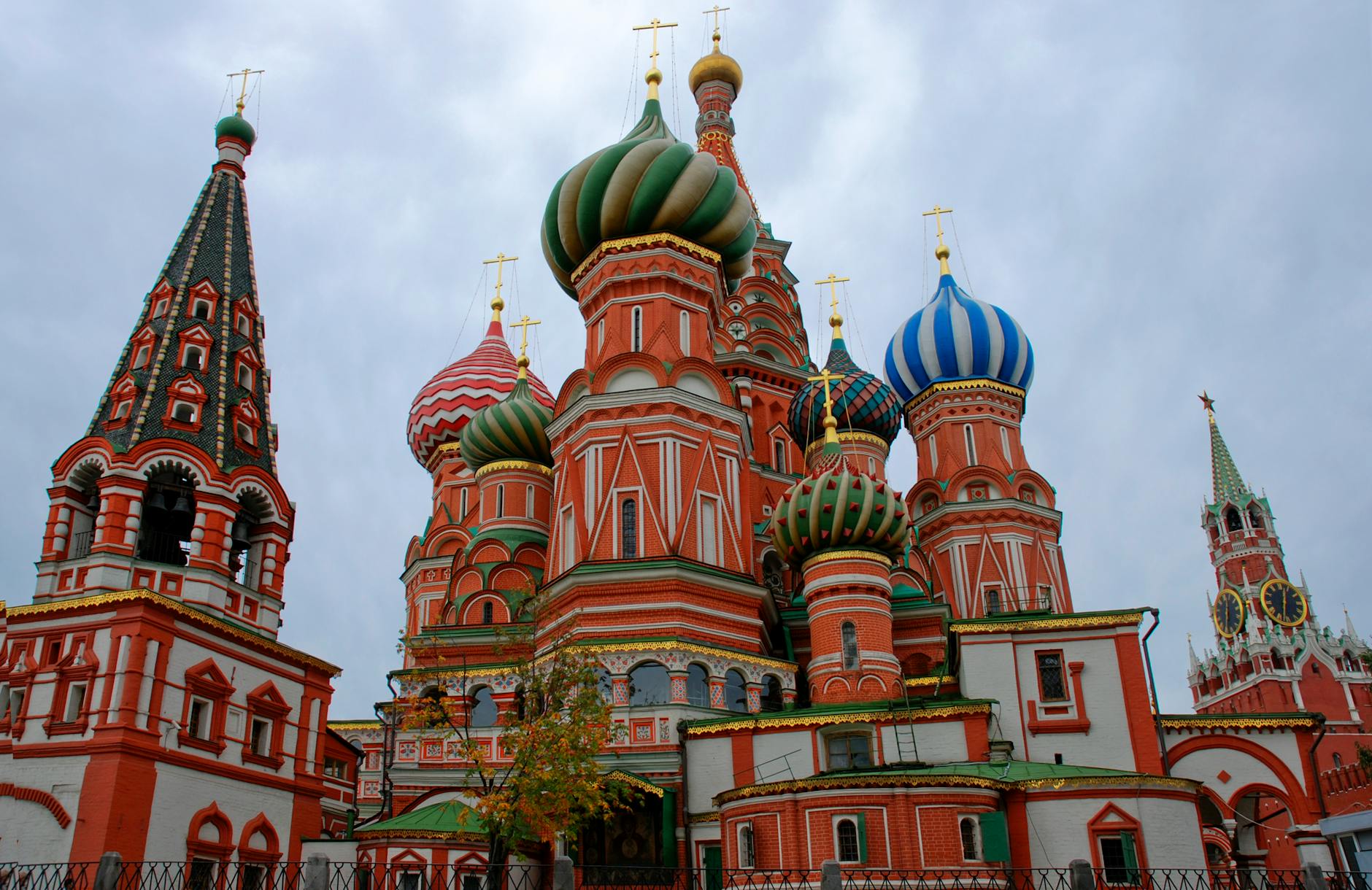
Arrivez à l'aube pour capter la douce lumière sur les dômes et photographier la cathédrale Saint-Basile avec un minimum de monde. Faites attention aux tons changeants, car les monuments révèlent leur beauté dans une lumière fraîchement mise à jour qui s'est développée au cours des siècles.
En été, les longues journées prolongent les fenêtres d'opportunité ; la fin d'après-midi révèle des tons plus chauds sur la maçonnerie, y compris l'église emblématique et ses cloches uniques. Les gens se rassembleront, ajoutant une échelle humaine qui améliore chaque composition.
Les étangs voisins du jardin Alexandre reflètent la couleur des tours, vous aidant à créer une composition sereine avec une touche personnelle.
Les dommages de guerre ont façonné l'horizon ; après les batailles, les monuments ont été reconstruits grâce à un effort coordonné du département de la culture, avec la contribution de Youri à l'éclairage et à la maçonnerie. Les archives universitaires ajoutent du contexte à ces vagues de reconstruction.
Regardez les endroits où l'espace s'ouvre entre les structures ; le labyrinthe de chemins invite à une vue unique et personnelle de siècles d'artisanat. Les clochers s'élèvent au-dessus d'une église et d'autres monuments - respectez les espaces et faites attention à l'équipe des médias qui organise les séances de photographie.
Les meilleurs jours incluent les mardis matin lorsque la foule se calme ; évitez les week-ends si vous recherchez une symétrie tranquille. Quelques moments de calme apparaissent après la pluie, lorsque les trottoirs ressemblent à du verre et que les couleurs éclatent sur les façades bien conservées.
| Fenêtre | Conseil photo | Remarques |
|---|
| Aube (environ 05h30-07h00) | Utilisez un objectif grand angle (16-24 mm) pour la silhouette complète ; un trépied aide à capturer les ombres subtiles sur les dômes | Ambiance calme, verticales fortes, bon pour les monuments et les détails des cloches |
| Heure dorée (fin d'après-midi) | Tons chauds sur la brique ; reflets dans les étangs à proximité ; composez avec les tours et les cloches de l'église | Couleur vibrante ; surveillez les foules qui se forment vers le coucher du soleil |
| Milieu de journée | Ombre sous les arches ; recherchez l'échelle humaine et les silhouettes ; équilibrez le ciel lumineux avec un premier plan plus sombre | Contraste plus élevé ; vitesses d'obturation plus rapides recommandées |
| Heure bleue (après le coucher du soleil) | Tons subtils, les lumières de la ville brillent ; encadrez les flèches avec des lampadaires | Grand drame ; gardez l'ISO bas pour préserver les détails |
Complexe du Kremlin et Armurerie : astuces pour les billets et artefacts incontournables
Achetez les billets officiels en ligne 2 à 3 semaines à l'avance et sélectionnez les heures du matin pour éviter les files d'attente au complexe de l'Armurerie.
Utilisez le site ou l'application officielle du Kremlin, confirmez le créneau horaire de l'Armurerie et évitez les revendeurs tiers. Apportez votre passeport ou votre carte d'identité nationale ; créneau horaire avec des heures précises ; les créneaux du matin sont généralement moins fréquentés. Des tons vert basilic apparaissent dans certains travaux d'émail.
Envisagez un itinéraire guidé qui comprend la façade du palais et l'Armurerie ; les billets combinés avec d'autres musées du Kremlin peuvent réduire le total des dépenses et accélérer l'entrée ; choisissez l'option avec des heures de groupe fixes afin d'éviter les retards.
La collection est connue internationalement comme étant importante ; les points forts comprennent les couronnes, les orbes, les sceptres, les robes de cérémonie ; les armes et les armures couvrant le début du XVIe siècle jusqu'à la période du XXe siècle ; les œuvres de sculpteurs célèbres en or et en émail ; les insignes du XXe siècle illustrent les nouveaux rituels d'État ; certaines pièces révèlent des équipements de bataille sanglants des siècles précédents ; les pièces connues attirent les touristes du monde entier.
L'accès à la rue est public, avec des taxis qui attendent à l'extérieur du complexe ; économies d'argent : utilisez le billet groupé, vérifiez les heures affichées près de la rue ; une fois à l'intérieur, les enceintes du palais offrent une vue sur la ville ; des guides de pays étrangers rejoignent les touristes ; de nombreux représentants de sociétés de voyage ont amené des groupes, achetant des billets ensemble, ce qui accélère l'entrée à l'Armurerie ; si vous séjournez près du palais, votre meilleur point de départ est la place principale en direction de l'Armurerie.
Des motifs inspirés de la Neva existent, mais ce n'est qu'un angle parmi les tendances partout dans le complexe ; de l'ère du palais aux pièces plus tardives du XXe siècle, le but reste d'observer comment les armes, les insignes et les objets de cérémonie reflètent les échanges géographiques, avec des influences étrangères provenant de nombreux pays.
Galerie Tretiakov vs. Musée Pouchkine : quelle collection correspond à votre itinéraire
Chaque approche est payante ; choisissez la galerie Tretiakov lorsque les jours sont limités et que vous souhaitez un arc ciblé de la peinture russe, ou le musée Pouchkine lorsque vous avez envie d'un dialogue large et transcontinental avec les maîtres européens.
Tretiakov préserve un domaine d'État de l'art russe, couvrant des siècles de la peinture d'icônes au réalisme de la fin du XIXe siècle. L'entrée de Lavrouchinski vous place dans un itinéraire compact et cohérent qui garde le développement et l'héroïsme en vue lorsque vous traversez l'exposition ; recherchez la façon dont la collection circule dans les bâtiments principaux, un peu plus dramatique dans les salles tardives, et remarquez comment la forme de chaque composition évolue, tandis que le feu du style national s'embrase à nouveau à chaque pas.
Le musée Pouchkine offre une voie parallèle avec des chefs-d'œuvre européens aux côtés de la sculpture, de l'ethnographie et des genres en dehors de la Russie ; les espaces d'exposition utilisent des vitrines et une lumière bleue discrète qui vous aide à vous concentrer sur la forme. Les toiles bolchoï des maîtres européens dominent les salles principales, tandis que d'autres salles présentent l'histoire de l'art juif et des objets d'anthropologie, tous conservés dans un état d'exposition calme et civique. Dans certaines salles, vous pouvez apercevoir des moulages de sculptures classiques, renforçant un dialogue à travers les siècles.
Rythme pratique : près de deux jours vous permettent de digérer les deux contextes, à moins qu'un seul objectif ne domine. La lumière du jour en hiver fait briller différemment le verre bleu ; les ciels de la Neva à l'extérieur teintent les pièces d'une teinte froide, alors commencez tôt à Lavrouchinski, puis traversez le complexe Volkhonka de Pouchkine et reposez-vous dans les petites cours entre les expositions. Le personnel éloigne les chariots des œuvres d'art, vous assurant de pouvoir regarder sans interruption.
Votre choix dépend de vos préférences : soit un profond héritage russe, soit une large conversation continentale. Tretiakov brille lorsque la beauté et le développement à l'intérieur d'un domaine national plaisent le plus, tandis que Pouchkine élargit le cadre avec un mélange de peinture européenne, de sculpture et de matériel ethnographique. Dans ces salles, vous apercevez des siècles d'artisanat, regardez à nouveau la façon dont les moulages et le verre soutiennent l'exposition, et notez comment l'anthropologie et les thèmes juifs ajoutent une nuance à votre itinéraire. Ils récompensent les observateurs patients.
Musée de la Cosmonautique : principales expositions et planification de votre itinéraire
Commencez par le hall d'entrée vitré et dirigez-vous directement vers l'exposition Youri, l'ancre qui encadre un circuit serré à travers l'histoire du vol spatial au-dessus de la Terre.
Ces expositions vous montrent que vous apprenez rapidement, avec une signalisation qui met en évidence les jalons, les concepteurs et les étapes qui ont transformé l'ambition vierge en missions modernes, et un peu de patience révèle des détails subtils qui ont été manqués au premier coup d'œil.
- La combinaison de vol, le casque et les photos d'entraînement de Youri Gagarine - l'ancre clé de la collection, présentée avec une chronologie claire et des légendes qui placent le premier vol orbital au-dessus de la Terre dans le décret qui a stimulé l'ère.
- Réplique de la capsule Vostok 1 - compacte, vitrée et accompagnée de panneaux qui expliquent la poussée de lancement, l'angle d'ascension et les petites mais décisives étapes qui mèneraient aux équipages ultérieurs.
- Rover lunaire Lunokhod 1 - un rare exemple de bras robotiques et de systèmes de roues ; des panneaux interactifs décrivent comment le véhicule a traversé le terrain naturel de la Lune et les défis du fonctionnement à distance.
- Module d'amarrage Soyouz et maquette de transfert d'équipage - observez la mécanique d'amarrage, les cycles de survie et la façon dont les équipages se sont entraînés à se déplacer entre les engins en parallèle pendant la fin de la période soviétique.
- Module de la station spatiale Mir et une exposition de l'ère Saliout - étudiez l'architecture modulaire, le maintien de la vie à long terme et l'évolution de l'efficacité de l'équipage, avec des outils authentiques et quelques éléments de projets basés à Saint-Pétersbourg et d'autres.
- Navette spatiale Bourane et artefacts d'ingénierie connexes - comparez les principes de vol avec ceux des premiers orbiteurs, inspectez les tuiles et voyez comment la protection thermique a été conçue pour résister au feu et aux températures extrêmes.
- Trésor d'artefacts - un petit trésor de modèles, de composants et de dioramas qui illustrent les sensibilités de conception du XVIIIe siècle que les architectes à travers les siècles ont traduites en solutions modernes, et d'autres.
- Coins d'apprentissage et la liste des zones interactives - ces espaces invitent à un engagement pratique ; une station de balayage de cartes suit vos progrès et vous aide à planifier les prochaines étapes avec vos compagnons.
Stratégie d'itinéraire : commencez par le moment Youri, puis passez en revue chaque exposition en séquence, environ 15 à 20 minutes par exposition, et réservez 20 à 25 minutes pour le trésor et les coins interactifs. Pour maximiser l'efficacité, gardez l'ensemble du circuit compact en suivant la disposition frontale et en évitant les retours en arrière ; prévoyez plus de temps si vous voulez absorber le contexte architectural et les choix de conception que les architectes ont tirés des églises des quartiers de la ville pour façonner la lumière du jour et le rythme.
Conseils : achetez une seule carte d'entrée au comptoir, portez des chaussures confortables et vérifiez la signalisation sur la politique concernant la photographie ; ces étapes pratiques vous aident à rester ensemble avec votre groupe tout en apprenant les principaux jalons.
Joyau caché : le marché d'Izmaïlovo et d'autres points de vue insolites pour une perspective unique de Moscou
Commencez par un plan pratique : arrivez tôt, vers 9h00, en métro jusqu'à Partizanskaïa et entrez dans les allées en plein air du marché d'Izmaïlovo. Des centaines d'étals bordent les allées en bois, vendant des boîtes laquées, des matriochkas, des bijoux en émail et des affiches vintage ; des marchandises qui attendent d'être découvertes, et des prix souvent moins chers que les kiosques centraux. Le marchandage ajoute de l'énergie, les cartes sont acceptées dans quelques étals, l'argent liquide en petites coupures est recommandé.
Au-delà des étals, le domaine d'Izmaïlovo offre une église bleue et un bosquet où l'ombre de l'herbe couronne un espace tranquille. Le site reflète le développement qui marque l'évolution culturelle de la Russie ; les monuments autour du domaine montrent un mélange de traditions, tandis qu'un belvédère en forme de citadelle offre une vue époustouflante au-dessus des toits. Ceci, en effet, offre une perspective calme et nouvelle.
Combinez cela avec une conversation avec un guide local Youri ou quelques vendeurs vétérans ; ils encouragent les échanges sociaux, partageant des histoires sur la façon dont les marchés rassemblent l'artisanat et les histoires familiales. Attendez-vous à des artisans proposant des chapeaux sur le thème de la troïka, des moulages d'animaux en bois et des souvenirs inspirés du domaine qui reflètent la culture. Les étals pour enfants vendant des jouets en peluche créent un doux contrepoint à la cohue de métal et de verre des rues centrales. Une entreprise locale organise de courtes promenades qui ajoutent du contexte, un tour reliant l'artisanat à la culture.
Les allées en plein air près du marché mènent à des cafés de style occidental où vous pouvez siroter des boissons et regarder les passants ; de nombreux voyageurs viennent avec de l'argent, de la mémoire et de l'esprit équilibrés par rapport au rythme. Cette scène en plein air est impressionnante, un mélange d'époques qui semble authentique mais vivant. Encouragé par le rythme, ajoutez un tour vers le périphérique Bolchoï ou une randonnée rapide vers les façades inspirées de Saint-Pétersbourg. Levez les yeux, regardez autour de vous et laissez la vue vous apprendre comment Izmaïlovo apporte une perspective unique, ainsi qu'un sentiment que le développement maintient la ville au-dessus, ramenée à la vie par la culture locale.