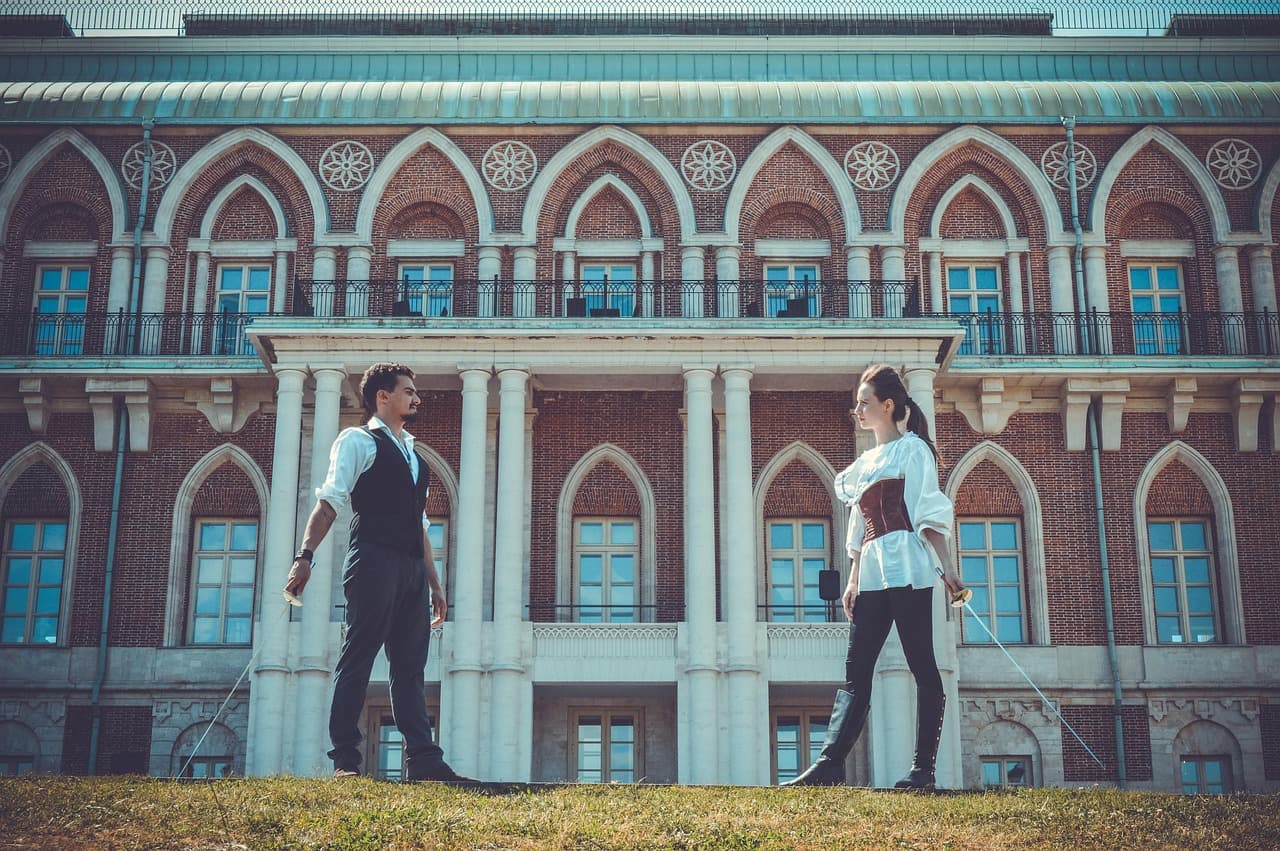
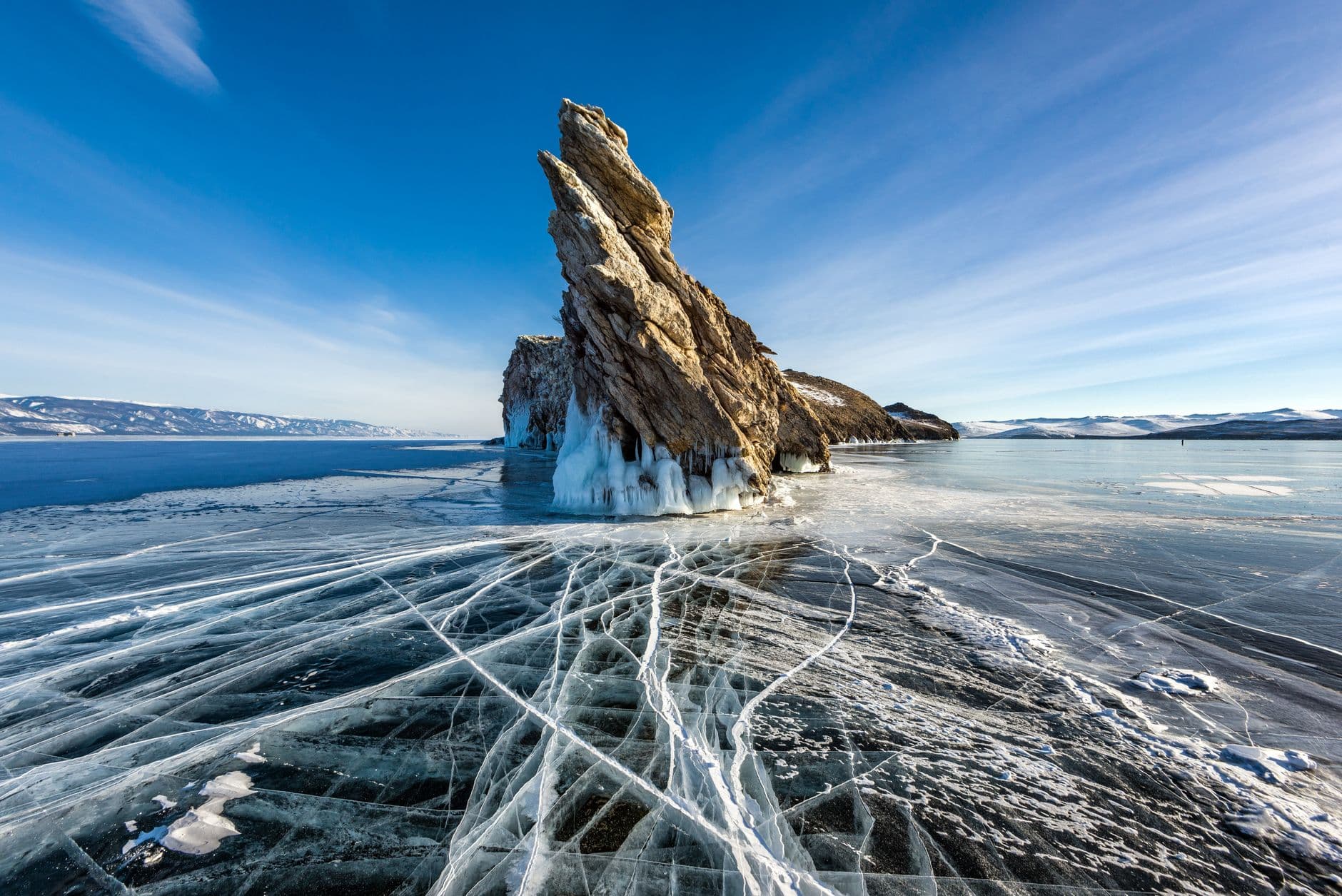
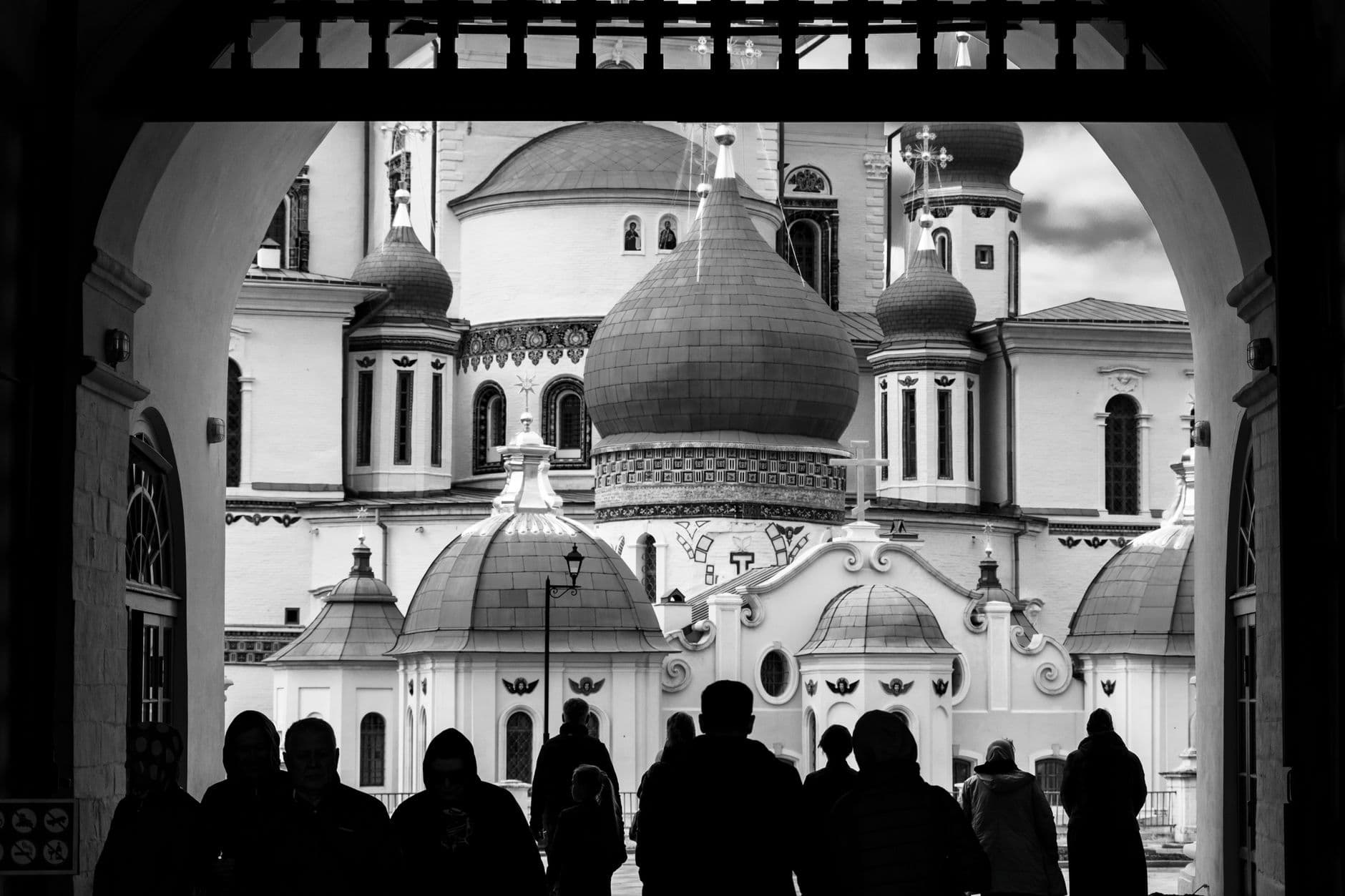
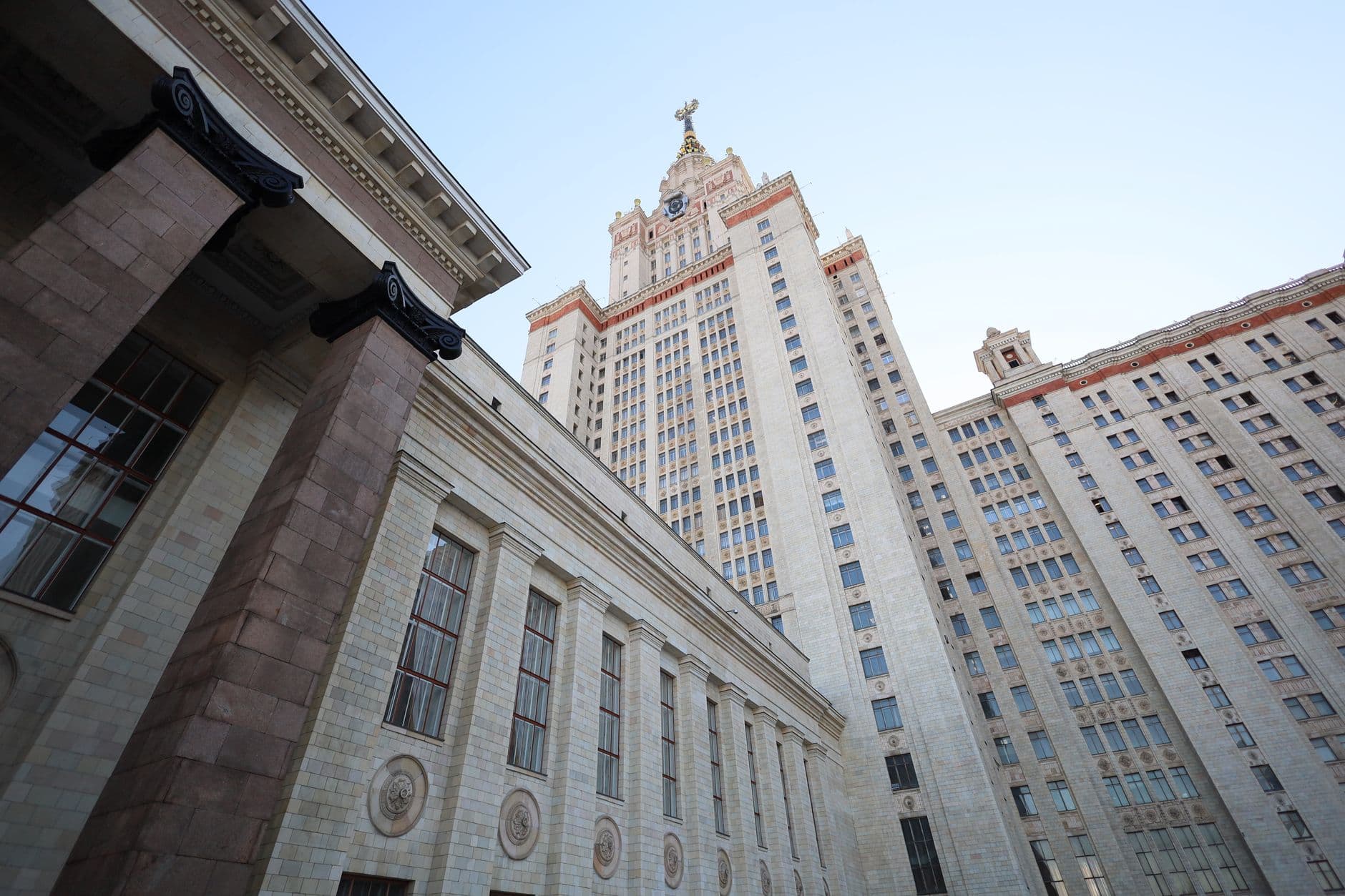
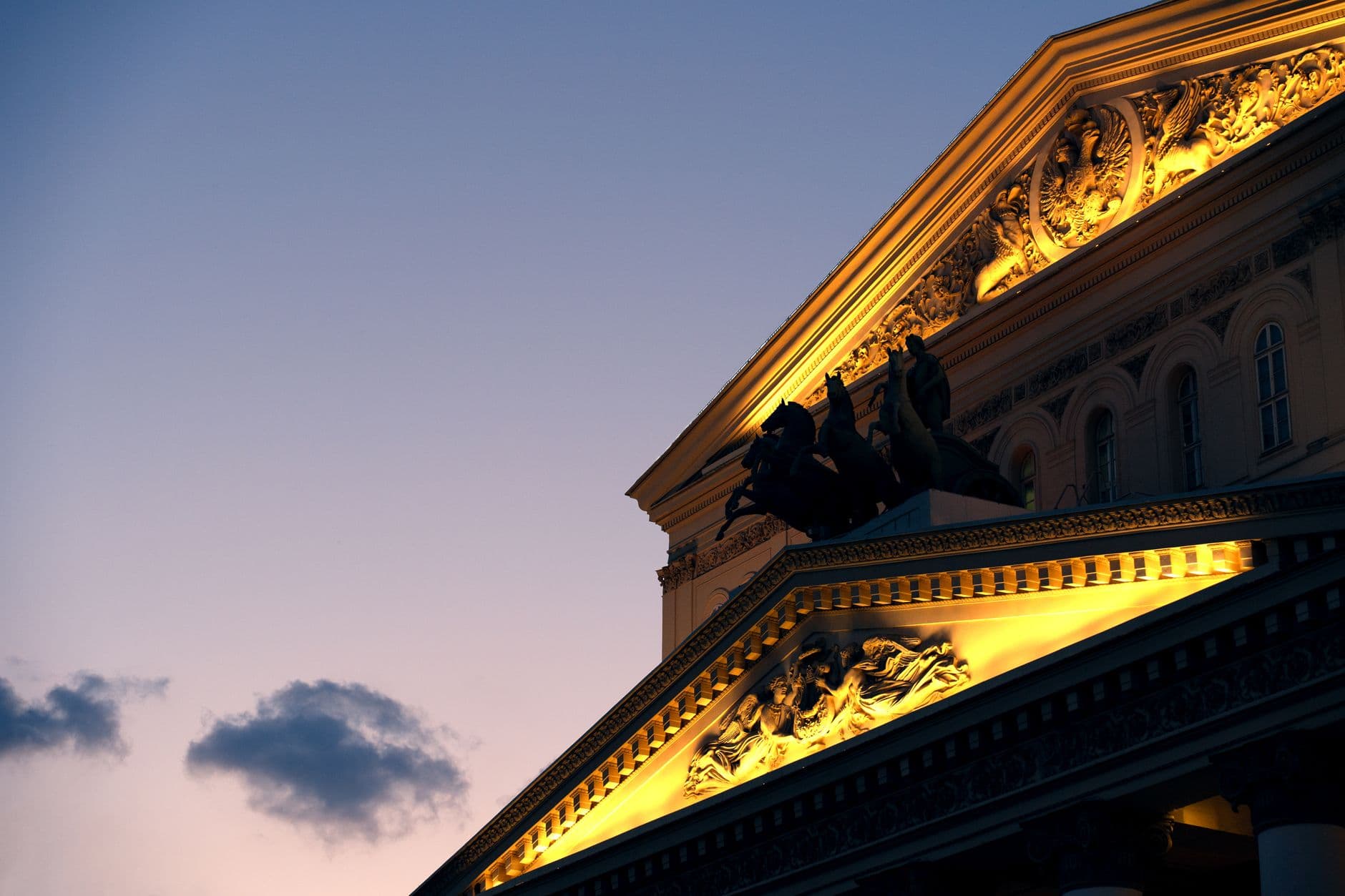
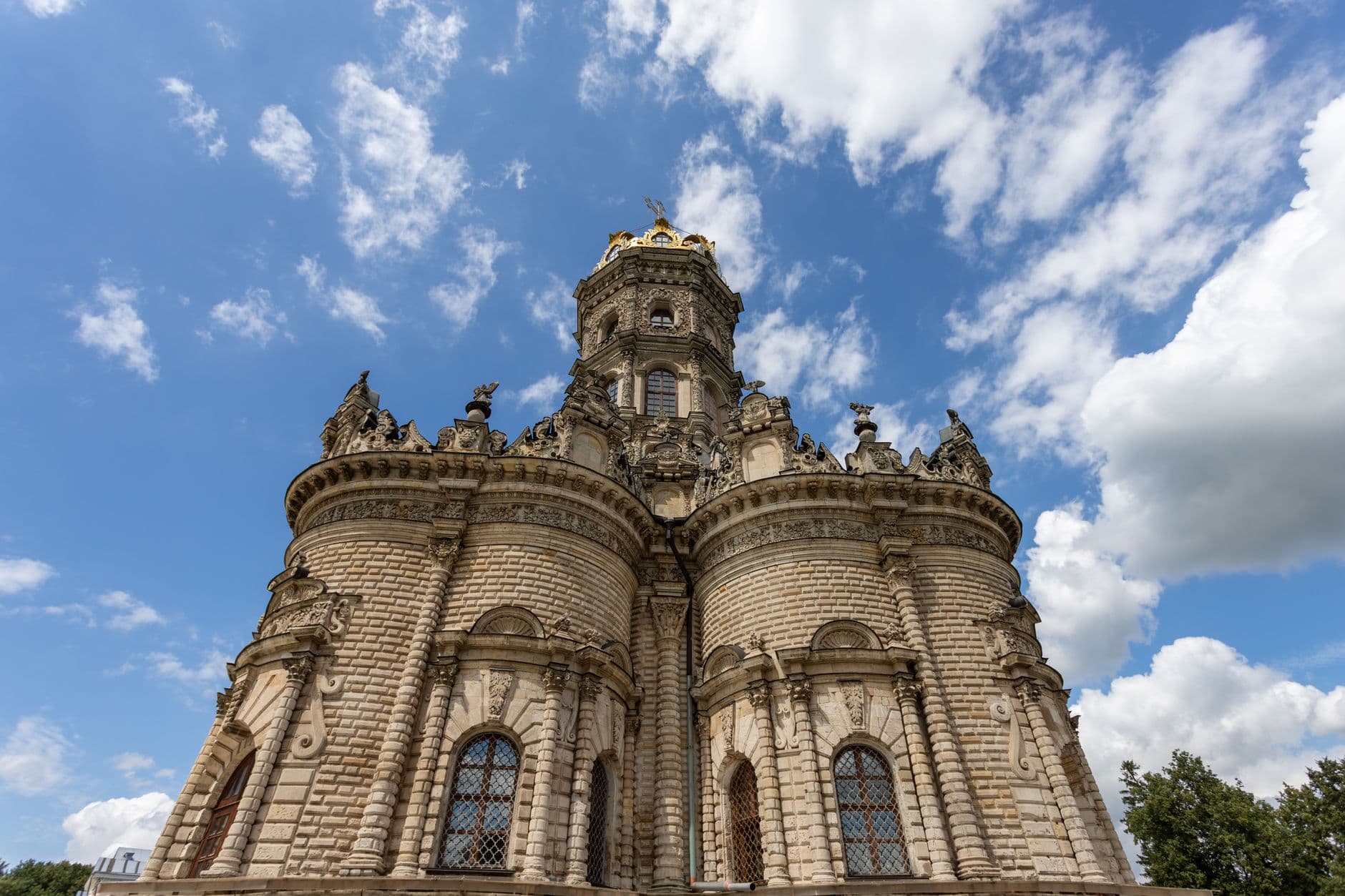
Kolomenszkij Park hajnalban kezdve, hogy megfigyelje a hatalmas területeket és a vízreflexiókat. Nagyon sok járat van sétáláshoz, megnevezett tornyokkal és egy belső térrel, amely a múlt századok életére utal. A palota-együttes a 16. század óta királyi rezidenciának szolgált, és voltak bejáratok, amelyet azok őriztek, akik a területet birtokolták, és ez adta formát ennek a célnak. Századok változásai voltak, amelyek rétegeket hagytak a köveken. Egy régi kapuépület jelzi a központi terület bejáratát.
A Carszino birtok más méretarányokat mutat. A 20. század végén végrehajtott felújítás újjáélesztette a belső tér színeit és elrendezést; a legnagyobb termek kiállításokat és koncertet rendeznek. Az épületet üvegház és vízi csatornák veszik körül, ami hozzáad a szépséghez. A komplexumot lakók foglalták el, ami a helynek réteges történelmet adott.
Gyakorlati lépések: tervezzen egy egynapos körutat, amely Kolomenszkoye és Carićino látnivalóit foglalja magába, rövid megállóval a Kreml külső körútjainál. A metró (метро) megállók könnyűvé teszik a további látnivalók beépítését. A legtöbb belső tér belépőjegyének ára mérsékelt, és vezetett túrák is elérhetőek azok számára, akik kontextust szeretnének. Ha futó vagy lassabb tempót preferál, a vízparton vannak különleges ösvények és ülőhelyek. A közelben néhány szálláshely lehetőséget biztosít a látogatóknak egy hosszabb tartózkodásra.
A fotográfusok és a történelemrajongók számára a különlegesség a változatosságban rejlik: vörös téglahomlokzatok, üveg elemek, vízesések és kiterjedt fűterületek. Ez a célpont ötvözi az ó- és új stílusokat, bemutatóként a paloták kialakulását. Egy gondosan megtervezett útvonal biztosítja, hogy láthasson mind külső pompát, mind kiválasztott belső helyiségeket; az élmény megfizető a türelemmel. Vannak helyek, ahol élvezheti a modern komfortot is.
Röviden, ez a vár és paloták útvonala hatalmas történelmi sokszínűséget, mozgást és művészetet mutat be - egy igazi célpont azokat a utazóknak, akik a város zűrzavara közepette keresik a szépséget és a nyugodtságot.
Moszkva fontos várainak felfedezése
Kezdjük a Kreml erődítményegyüttessel, a lényeges kiindulóponttal, majd ágazzunk el a kisebb erődítmények felé a folyónál, helyről helyre haladva a történelem rétegeit érzékelve. A Vörös térről könnyen megközelíthetőek a bejáratok; tervezze be napjait az Orugránc, a katedrálisok és a magas tornyok megtekintésére. A pompa itt a mesterség idő felett aratott győzelmét sugallja, és a legszebb kilátások a felső teraszokról nyílnak; egyes részek elnéptelenedtek, de a helyreállítások megőrizték a magját. Az összhatás egy nyugodt tempót ösztönöz, nem pedig egy sietős körbejárást.
Menj el az Izmailovói Kremlinhez, egy színes, a piac mellett fekvő erőd-együtteshez, amely ellentétben áll a történelmi központtal. Kényelmesen megközelíthető a metróval, és a tornyok színpaddíszekhez hasonlóan emelkednek a trópusi égbolt előtt. Egy közeli kolostor csendes, meditatív hangulatot kölcsönöz, míg egy rövid sétával eljuthatsz egy pékséghez, ahol egy süteményt vehetsz és új erőt szerezhetsz. Ha egy könnyedebb hangulatot preferálod, ez a terület gyakran vidámabb, mint komoly, ami szép egy nyugodt napra.
A Novogyecseri kolostor komplexum pedig kompaktnak mondható állami és vallási történelmi áttekintést nyújt. A épületek szimmetriájukban, mint egy építészeti iskola olvashatóak, míg a tó környéke tükrözött kilátást és békés hangulatot nyújt. Ha szertartás folyik, csendben imádkozhat a kápolnában. A dátumok és nyitvatartások az évszakoktól függnek; tervezzen 60-90 percet erre a látogatásra, majd utána a metróval (метро) végső pillanatokra térjen vissza a környékre. Keresse a boltozatokban a visszatekintő részleteket, és vegyen egy utolsó pillantást a folyóra, mielőtt kellemesen visszatérne a bejárathoz.
Moszkvában látogatni kellő vár
A főváros legrégebbi erődjében kezdjük, ahol a hagyományos cári kor hatalma találkozik három templommal és az ősi idők szellemével teli téglaművészetekkel. A 12. század óta áll, megőrizve a győzelem szellemét.
Alapvető tények: 1156-ban alapították; területe körülbelül 27 hektárnyi, a központi tér és a Kreml komplexum mellett található. A bonyolult falak három toronnyal emelkednek, üvegkupolákkal a templomokon; a komplexum híres kincseiről ismert, köztük az Oruzsárnyáról. Turistalátogatások, jegyek és szakértői útikalauzok állnak rendelkezésre; tervezzen egy rövid programot a fő látnivalók megtekintéséhez és emlékezetes fényképek készítéséhez.
Izmajlovói Kremlin, eredetileg egy vidám királyi tiszteletadásként épült és modern korban készült el, egy kreatív másolat egy bricskereső negyed mellett. Fából készült tornyok keverednek üvegelemmel; kávézók és üzletek sorakoznak a kisutcák mentén, így könnyű a látnokozást egy kis étellel vagy ajándékkal kombinálni.
Kolomnai Kremlin, amelyet a 16. században az Oka folyó mentén alapítottak, egy jól megőrzött erőd, amely kiváló kirándulóhely. Falai és tornyai drámai fényképfelvételekhez nyújtanak lehetőséget; lehet egy szakértő útmutatását igénybe venni, vagy bérkocsit bérelni, hogy saját tempójában felfedezhesse, és a közeli pékségek kenyérrel és péksüteményekkel várják a gyors ebédre vágyókat.
Itinerárium ötlet: egy rövid, három állomásos útvonal, amely a központi erődítménytől indul, Izmajlovóban varázslatos hangulatot élvez, majd Kolomnában zárul egy szép folyóparti kilátással és néhány további fényképezési lehetőséggel.
Gyakorlati tanácsok: legyen online jegyet, ellenőrizze a nyitvatartási időket, viseljen kényelmes cipőt, és gondoljon egy bérkocsira rugalmasság érdekében. Minden helyszínen talál kávézókat és kis üzleteket, ahol emléket vehet, teát iszhat, és spontán fényképeket készíthet a utazás emlékezésére. Ez a terv mindenféle utazó számára alkalmas, a szakmai fotósoktól a szórakozó felfedezőkig.
Nyitvatartási idők, szezonális látogatási lehetőségek és a legjobb látogatási időpontok
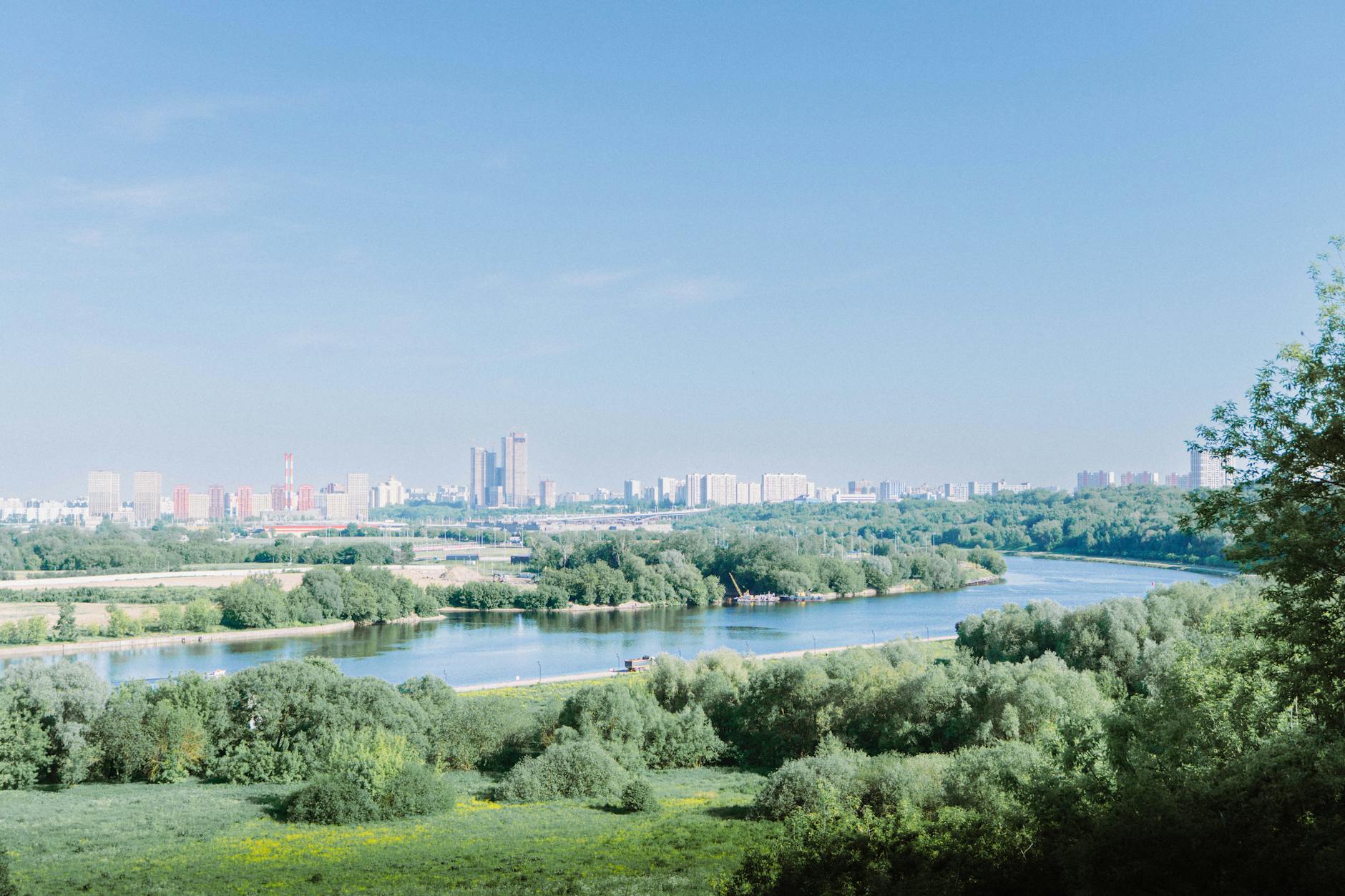
Érdemes a hétköznapokon 11 óra előtt érkezni, hogy elkerüljük a tömegessé vált látogatókat és élvezheted a központi területeket az Izmajlovszkij Parkban; a Julia az információs pultnál megosztja a jelenlegi nyitvatartást és ajánlhat térképeket vagy hangos útmutatókat; a szökőkút közelében lévő parkolás egyszerű hozzáférést biztosít, és a keleti oldalakon kezdve haladsz át a történelmi hangulatú épületeken.
Nyitvatartás: a legtöbb rész 9:00-18:00 között nyitva naponta; a fő szezonban (május-szeptember) egyes területek hétvégén 20:00-ig nyitva maradnak; a kolostorok és templomok 12:00-14:00 között zárhatnak az istentiszteletek miatt, ezért tervezzen ezekre az időközökre; frissítéseket a központi információs táblán keresse, és használjon mobilvezetőket a képszerű részletek és a lelkiesség megörökítéséhez, amely áthatja a helyet.
Időszakos hozzáférés: a tél időjárási körülményei csökkentik a nyitott utakat az Izmajlovszkij komplexum több oldalán, és bizonyos kertterületek karbantartás miatt zárva lehetnek; a tavasz és az ősz kedvezőbb időjárással kényelmesebb pihenést biztosít; a központi területből távolabb lakóknak extra időt kell számolniuk a közlekedésre; a közügyek ünnepein egyes részeken rendezvények lehetnek, ezért rugalmas útvonalakat és tartalékterveket kell előkészíteni; egy könnyen hozzáférhető térkép hasznos eszköz lehet.
Legjobb látogatási időpontok és útvonallal: a festői csodák és értékes élmény érdekében célszerű a reggeli 7:30-9:30 óra közötti időszakot választani, amikor a tömeg kisebb, mint délután; a késő délutáni 16:00-19:00 óra közötti időszak pedig melegebb fényben tetszőleges fényképezéshez alkalmas; 2-3 órát szánjon a történelmi kolostor területének, a templomoknak és a körülötte lévő parknak a megtekintésére; viseljen kényelmes cipőt és vigyen magával vizet egy kényelmes naphoz.
Gyakorlati tanácsok: parkoljon a főbejárat közelében lévő parkolóban, és kövesse a központi bejáratok irányába mutató jeleket, hogy minimalizálja a gyaloglást; forró hétvégén érkezzen korán, hogy biztosítson egy kényelmes helyet, és csökkentse a parkolás kereséséhez szükséges időt; egy összefoglaló áttekintésért csatlakozzon a központi területen szervezett vezetett túrákhoz, majd bolyongjon a park szép sarokain önállóan; ha gyors frissítést szeretne, kérjen Julitól egy rövid összefoglalót és néhány helyi látványosságot, amelyeket a kút, a templom belseje és az ezek körül zajló élet kiemel, így a látogatása értékes és időtakarékos lesz.
Közelben található látnivalók és sétatúrák
Zaryadye parkból indulva, egy kompakt, hatalmas körutat követve, amely a fő emlékműveket és múzeumokat köti össze, beleértve egy folyóparti szakaszt a közel parti sétányon. Az útvonal a várost magában tárja fel, keverve üvegházakat és téglalapú homlokzatokat, és a gyalogosok számára is kényelmes marad még a forgalmas napokon is. Ha a tájékoztató táblák rosszul vannak elhelyezve, a helyiek tanácsaira támaszkodj.
Követve a берегу-t a központi tér felé, átlépve a történelmi magba. A 2,5 km-es körút általában 40-60 percet vesz igénybe nyugodt tempóban, padokkal a pihenéshez és kilátópontokkal a kupolák és tornyok megörökítéséhez. A út jól megjelölve van, közel a kerékpárutakhoz azok számára, akik inkább gyorsan kerékpároznak, mint hogy végig járnák a teljes távolságot.
Olga és Gulnara, szakértő útikalauzok, hivatalos speciális túrákat kínálnak; a randizási lehetőségek a nap aranyórájával esnek egybe. Egyetemes útvonalakat alakítanak ki iskolai csoportok és klubok számára, találkozóhely a metrókijárat mellett lévő pékségállvány közelében. Megismerkedhetsz a helyszínekkel kapcsolatos történetekkel, köztük a közterületi művészetekkel és a jelentős emlékművek fejlődésének történetével.
A út mentén télen korcsolyázó zónákra, nyáron pedig trópusi ihletettségű udvarokra lehet bukkanni. A útvonal mentén több jelentős múzeum is található, valamint a város intézményei által szervezett események. Családok és diákok számára Nikita segít térképekkel és gyors tanácsokkal. Az útvonalat teljesen követhetik, a következő látogatásokkal és lehetőségekkel, hogy később részletesebb információkért térjenek vissza.
Fotózási tippek erődökhöz: külső és belső felvételek
Erős állványon használj, RAW-ban rögzít, és brackelj a felvételeket, hogy a mennyezet és a kő textúrája is részletesen megjelenjen.
Exteriors
- Identify main façades, courtyards, and distant towers; craft an itinerary to cover each angle in a single session.
- Aranyóra fényében látszanak a faragott domborművek; a kövekhez színt ellentétben álló virágokat is be kell venni a képbe, hogy élezőbbé tegyék a kifakuló kőanyagot.
- Szimmetria és ívek: keretezzük be a bejáratokat és az ablakokat pontosan elhelyezett szimmetriával; helyezzünk el egy gyalogos vagy szobor sziluettjét méretarányhoz.
- Lencsek és beállítások: 14-24mm vagy 16-35mm széles látószögű felvételekhez; nyílás f/8-f/11 éles széleképpen; ISO 100-400 napsütéses időben.
- Szűrők és technikák: polarizátor a fényes felületek fényvisszaverésének csökkentésére, ND a világos égbolt miatt, és expozíciós sorozat HDR készítéséhez, amikor a kontraszt nehéz.
- Aranyozott díszítések, reliefben levő ikonok, díszes kőfaragványok; figyelj a nap azimutjára a fény és árnyék pozíciójának meghatározásához; jelölj meg a legjobb képkeretet későbbi gyors visszanevezéshez.
- Mozgás és kontextus: megfigyelheted a különböző textúrákat, a durva kőművességet a üvegtükröktől kezdve; egy távoli tornyocska vagy pályaudvar szilett mélységet ad a jelenetnek.
Belsőterek
- Alacsony fényviszonyok esetén: használjon gyors prime objektívet (f/1.8-2.8) vagy stabilizált zoomot; hosszabb expozíciókhoz állítson tripodra, és tartsa a munkaképes ISO tartományban.
- Fehér egyensúly: RAW-ban fényképez, és manuálisan állítsd be, hogy elkerüljük a fáklyák vagy mesterséges világítás meleg árnyalatait; ha lehet, használj ablakokból származó környezeti fényt és visszaverő táblákat, hogy a árnyékokat kiemelj.
- Fényképezés: középmagasságból, hogy a boltozatok, ívek és freskók is bemutathatóak legyenek; nézzen felfelé a mennyezeti motívumokért, és foglaljon be olyan szerkezeti vonalakat, amelyek a szem irányát vezérlik.
- Detaljképek: feliratok, domborművek és aranylemezek; változtassuk a szögét és a fókuszpontot, hogy elválasszuk a előtér és háttér.
- Mozgás és hangulat: a felvételek során a mozgást minimálisra kell tartani, de képzeljük el a helyek narratív-spirituális világát, a csendes tiszteletet és a történelem iránti időtlen szeretetet.
Munkafolyamat és készség
- A megállás során képzeljen el előre néhány jelenetet; használjon billentyűparancsokat a szerkesztőprogramjában a gyorsabb feldolgozás érdekében.
- Útvonaltervezés segít, hogy a helyén maradjon; kövesse a fény útját és jegyezze fel a csúcsfényesség időpontjait minden szobára.
- Télen a közeli jégpálya vagy a falak közelében lévő jég tükrözései lenyűgöző látványt nyújthatnak.
- A guide, Ivan vagy Alexei, segít a méretek megértésében a képeken.
- Tartson kész tartalék akkumulátort és memóriakártyákat; készítsen gyors biztonsági másolatot, hogy a felvételek időben befejezhetők legyenek.
Jegyek, vezetett túrák, és hozzáférési lehetőségek
Vásároljon előre online időpontos belépőjegyet, hogy elkerülje a sorokat; a vezetett körútos kombinált jegy a hatékony tervezés és jobb ár-érték arány biztosítékát jelentheti.
Jegyek részletei: A jegyeket a kreml területén meghatározott időpontokra adják ki; a csúcsidőszakban gyorsan elfogy a kapacitás, ezért korán foglaljon; a nyelvek közül angol, francia és orosz is elérhető; a mobiljegyeket elfogadják; a visszajuttatott jegyeket a szabályok szerint át lehet foglalni; a napot simán kezdve, érkezzen 15 perc múlva a megadott időpont előtt, és tartson készen a személyazonosságát igazoló dokumentumot; a helyszín vízkutakkal, mosdókkal és segítőkész információs pulttal rendelkezik; őrizze meg ezt az örökséget, miközben tervez.
Irányított túrák: angol és francia nyelven is elérhetőek; a kis csoportok lehetővé teszik a kölcsönös interakciót és a színes homlokzatok és a vízi elemek közelében való megtekintést; a típustól függően a túrák 90-120 percig tartanak; a vezetők mesés történeteket mesélnek a nagyságról és a történelmről, kiemelve azokat az alakokat és eseményeket, amelyek meghatározták a helyet; a Kreml csodáit már a látogatás elején is meg lehet figyelni; a fő szezonban ezek a túrák gyorsan elfogynak, ezért előre való foglalás fontos; egy barátoddal való együttlátogatás még élvezetesebbé teheti az élményt és együtt megörökíthető nézeteket hozhat.
Jegy/Szolgáltatás
| Hozamutatás |
A következő szöveget természeti, anyanyelvi minőségű magyarra fordítom, helyneveket, látnivalókat, múzeumokat, katedrálokat, utcákat, városokat és országokat a megszokott magyar megfelelőkkel (pl. "Saint Isaac's Cathedral" → a standard magyar neve; "St Petersburg" / "Saint Petersburg" → a standard magyar neve; "Moscow" → a standard magyar neve). Márkaneveket, cégneveket, termékneveket, telefonszámokat és árakat pontosan a forrásban lévő formában hagyom. Az utcaneveket (épület számokat és eredeti utcanév írásmódot) is pontosan a forrásban lévő formában hagyom. Nem paraphrázálok el konkrét tényeket. Csak a fordítást adom, nincs előszó, nincs idézőjel a szöveg körül.
Nyelvek opciók |
Átlagos időtartam |
Notes |
| Alapjegy |
Főbejáratoknál rámpák; néhány belső út lépcsőmentes; a parkutak jól megjelölve |
Angol, orosz és francia nyelvű hangos útmutatók elérhetők |
Önmagunkkal vezetett, körülbelül 60-90 perces |
Jó áttekintéshez; tervezze, hogy a napon kezdje, hogy maximalizálja a kilátásokat |
| Irányított túra (angol vagy francia nyelven) |
Kisebb csoportok; a legtöbb útvonal hozzáférhető; szükség esetén segítség elérhető kérésre |
Angol, francia |
90-120 perc |
Legjobb a helyszín történelmének és csodáinak megértéséhez |
| Összetett jegy |
Teljes hozzáférés, lehetővé téve a mozgássérültek számára a prioritásos ülőhelyek használatát. |
Angol, francia, orosz |
120-150 perc |
Nagyon jó ár-érték arány; figyeljen a időintervallumra, mert a naponta korlátozott kapacitás miatt. |