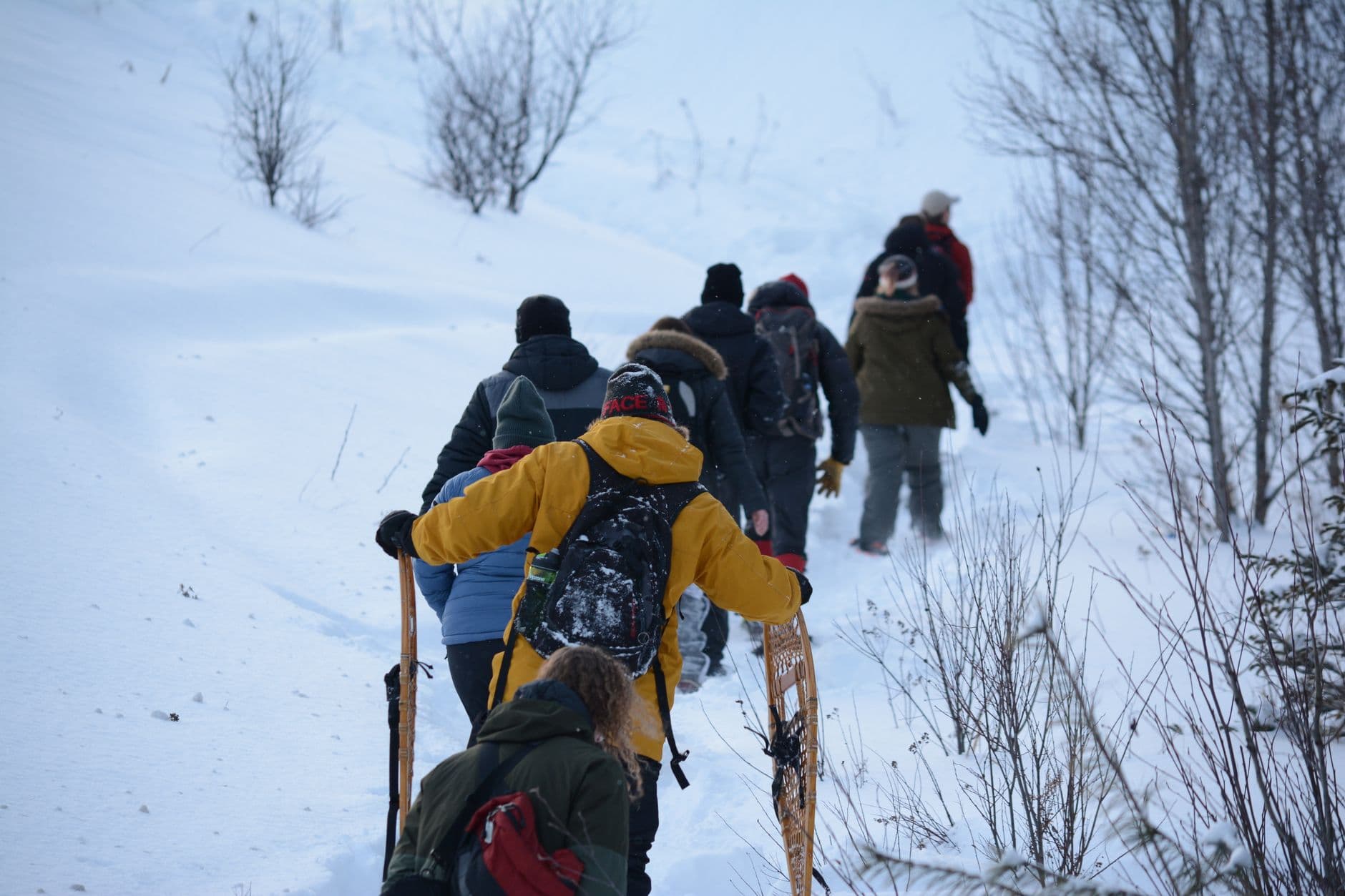

Begin je seizoen met een week in de Sayangebergte, waar makkelijke rondjes en goed gemarkeerde paden perfect zijn voor gezinnen die samen willen verkennen. Vaak blijft de sneeuw maandenlang liggen van december tot februari, waardoor er betrouwbare omstandigheden zijn voor korte wandelingen. Neem een eenvoudige kaart mee, pak broeken en warme lagen aan, en plan een lunchpauze in een gezellig restaurant voordat de kinderen moe worden.
Daarbuiten bieden andere regio's verschillende landschappen: beboste ravijnen, open weiden en kamlijnen die het tempo vertragen en belonen met uitzichten. Sommige plaatsen bieden kabeltoegang tot wandelroutes, waardoor jongere deelnemers makkelijker in langere routes kunnen starten. In Russischsprekende gebieden zijn gidsen en kaarten tweetalig, waardoor het verkennen voor beginners soepeler verloopt. Zoek naar routes met duidelijke markeringen en frequente rustplaatsen, terwijl gezinnen taken verdelen zodat één volwassene de leiding neemt, een ander met de kinderen verder verkent en een derde snacks en een kleine eerstehulpkit draagt.
De après-ski cultuur is belangrijk voor evenwicht en motivatie: veel resorts bieden restaurants met eenvoudige menukaarten, warme drankjes en gezellige lounges. Voor een actieve levensstijl, kies voor locaties die geschikt zijn voor beginners en gemiddelden, met korte rondes en langere opties als de vaardigheden groeien. Sommige plekken organiseren zelfs kindvriendelijke nachtwandelingen, waarbij het tempo rustig is en de focus ligt op het genieten van de buitenlucht in plaats van het achterhalen van afstand.
Uitrusting en conditiedata helpen je plannen: in de kernmaanden varieert de sneeuwhoogte op de middenbergpaden meestal tussen de 40 en 70 cm, en de temperaturen schommelen rond de -5 tot -15 °C in de ochtend, met een matiging in de middag. Neem waterdichte broeken, geïsoleerde lagen en stevige laarzen, plus scheenbeschermers om sneeuw uit je laarzen te houden. Hotels en lodges bieden vaak begeleide tours en verhuur aan, waardoor aanbiedingen ontstaan die geschikt zijn voor beginners en terugkerende avonturiers.
Praktische tips voor gezinnen: kies locaties met korte, vergevingsgezinde routes en duidelijke borden, en kleed kinderen in lagen met waterdichte broeken. Zorg ervoor dat je een betrouwbare kaart, een kleine eerstehulpkit en een lichtgewicht schuilplaats hebt; neem regelmatig pauzes in gezellige cafés die eenvoudige maaltijden serveren. Check de weersverwachting en de toestand van de paden voor je vertrekt, en zoek naar restaurants die eenvoudige maaltijden aanbieden na de tocht.
Dolomieten Italië: Topwandelingen en tips voor sneeuwschoentochten
Begin op de Seceda-ritslus voor een bondige, afgeronde introductie tot sneeuwactiviteiten in de Dolomieten; een vijf kilometer lange route met ongeveer 300 meter stijging, meestal 2,5 tot 3,5 uur op sneeuw die goed compact is, met zonnige ochtenden die het uitzicht maximaliseren.
Cinque Torri-lus (6-7 km, 350 m hoogtewinst) biedt een adembenemend alpien amphitheater van granieten wanden; toegang vanaf de Falzaregopas, met rifugi daar die warme drankjes serveren; plan ongeveer 3 uur in en houd rekening met vorst op de hogere gezichten.
Sella Pas rondritten (5-8 km, 300-550 m) bieden ruime panoramische uitzichten over de Alpen en de Odle-torens; begin vroeg om het beste licht te vangen; op steviger sneeuw zijn steekijzers een must, en neem altijd uitrusting mee zoals een kaart, een pieper en extra lagen.
Gear en kledingessentials: broeken die vocht afvoeren en isoleren, een waterdichte shell, en een compacte dagrugzak; neem alleen een lichtgewichthelm mee als je van plan bent om in de buurt van blootgestelde kamlijnen te zwerven; een paar steekijzers voor variabele sneeuw; neem altijd een hoofdlamp en extra batterijen mee voor late afsluitingen; hutten en hotels in de buurt bieden verwarmingsstops, waardoor het mogelijk is om te kamperen voor een langere tocht als je een echte meerdaagse ritme wilt.
Veiligheid en planning: huur een expertgids voor onbekend terrein; zij zijn vaak de veiligste optie op steilere hellingen; check de huidige sneeuwcondities en lawinevoorspellingen; boek via bekende hotels in de buurt van Cortina, Ortisei of Arabba om toegang en vervoer te verzekeren; er zijn vijf hoofdroutes rond de Sella- en Odlegroepen die zelfs in het weekend populair blijven.
Breedere reisnotities: bronnen uit Transsylvanië, Cheget en Ergaki bieden soms een contrast met de ervaringen van Elbroes, wat perspectief geeft op wintertrekken; de exodus van bezoekers uit stedelijke centra verandert de Dolomieten in een rustige, goed georganiseerde plek, vooral als je verblijft in hotels en kampeerplaatsen bij rifugios; rusiadeelenaa en nikkismirnov delen praktische tips, terwijl nakhazo-threads zich richten op het vangen van zonsopgangen, camera-instellingen en het genieten van het ochtendlicht; met de juiste uitrusting en een geduldige gids is de beloning adembenemend: de vijf torens tegen een blauwe hemel, een moment dat je wilt vastleggen en herbeleven, vaak herhaald door ervaren experts die de route goed kennen.
Beginner-Vriendelijke Sneeuwschoenwandelingen in de Dolomieten
Aanbeveling: begin met Seiser Alm (Alpe di Siusi) voor een 4-6 km lus met een stijging van 60-120 meter. De brede, geprepareerde paden blijven zacht, ideaal voor beginners, en bieden wereldklasse alpiene panorama's. Uitleen van uitrusting en eenvoudige begeleide opties zijn beschikbaar bij nabijgelegen gastenhuizen; luxe accommodatie biedt een comfortabele basis na de wandeling. Raadpleeg lokale TikTok-clips voor de huidige omstandigheden, zodat je je plannen kunt aanpassen als de windrichting verandert.
Andere beginnersvriendelijke opties zijn Val di Funes en Lago di Carezza. De Val di Funes-lus is 5-7 km lang met een hoogteverschil van 100-180 meter, en voert over sneeuwbedekte weiden met de Odle-toppen op de achtergrond; de paden rond Lago di Carezza zijn 3-5 km lang met ongeveer 40-90 meter hoogteverschil. Beide routes vertrekken vanuit toegankelijke dorpen met betrouwbare busverbindingen, en trekken gezinnen aan die een rustig tempo en constante uitzichten willen.
Praktische zaken: het seizoen loopt meestal van december tot april, met een sneeuwlaag die per jaar verschilt. Blijf op de gemarkeerde paden, houd je aan landroutes en gebruik een lokale leverancier voor uitrusting als je apparatuur wilt testen voordat je ervoor kiest. Een compacte set (laarzen, stokken, lagen) past in een kleine dagrugzak. Voor een meerdaagse optie is kamperen (kamp, kamperen) mogelijk op aangewezen plaatsen, of boek verblijven in gastenhuizen langs de routes; сутки-tarieven zijn gebruikelijk voor korte routes. De regionale bassins-бассеин-en nabijgelegen Taganai-uitrustingswinkels bieden extra opties als je tijdens je verblijf je uitrusting wilt vernieuwen. De mogelijkheid om meerdere korte wandelingen in één reis te combineren laat je een persoonlijk plan maken dat past bij de veranderingen in het lenteweer en je behoefte aan variatie en tempo.
Verblijf en basiskampen: veel gastenverblijven bieden een gebalanceerde mix van comfort en toegang tot paden, inclusief opties die worden omschreven als роскошный voor reizigers die een hoger serviceniveau willen. Ze organiseren vaak dagtochten naar nabijgelegen alpinistische landschappen en bieden opslagruimte voor uitrusting na sneeuwsessies. Ze fungeren ook als een knooppunt voor sociaal delen, inclusief korte clips op TikTok die pittoreske delen van de paden tonen, wat gasten helpt bij het plannen van toekomstige delen van hun route. Voor snowboardliefhebbers biedt de Dolomieten-zone een compatibele, wereldklasse achtergrond die sneeuwschoentrails aanvult en de opties uitbreidt tijdens een enkel bezoek.
| Trail | Area | Afstand (km) | Hoogteverschil (m) | Vertrekpunt | Notes |
|---|---|---|---|---|---|
| Seiser Alm Rondrit | Seiser Alm | 4-6 | 60-120 | Compaccio of Santa Cristina | Zacht, verzorgd, gezinsvriendelijk; hoge malafide van uitzichten; eenvoudige toegang via gondel; ideaal voor de eerste dag |
| Val di Funes Lus | Funesdal | 5-7 | 100-180 | Santa Maddalena → Sint-Magdalenakerk | Odelle pieken in zicht; golvende secties; geschikt voor een ontspannen tempo |
| Weg naar Lago di Carezza | Carezzameergebied | 3-5 | 40-90 | Carezza / Nova Levante gebied | Scenisch meerroute; vlak tot zacht hellend; weinig drukte |
| Fiames/Pocol Alpenlus | Cortina d'Ampezzo-gebied | 6-8 | 120-200 | Fiames | Alpiene omgeving; bereikbaar met openbaar vervoer; goed voor een tweede dag |
Dagje-sneeuwschoenwandelingen van Cortina en Ortisei
Begin met de Lagazuoi-lus van de Falzarego Pas: neem de kabelbaan naar Rifugio Lagazuoi, loop met sneeuwschoenen over het plateau naar de WWI-tunnels, en keer dan terug op dezelfde manier. Deze ongeveer 6 km lange heen-en-terugroute met ongeveer 350 meter hoogteverschil past in een halve dag en is geschikt voor gezinnen met kinderen. De route biedt brede panoramische uitzichten op de Dolomieten en enkele vlakke stukken voor beginners in sneeuwschoenlopen. Nabijgelegen gastenverblijven bieden binnenruimtes om laarzen te drogen na de uitstap, en de berghutten langs de weg serveren warme drankjes en soep. Als je kampeert, zijn er aangewezen gebieden waar je kan overnachten bij de pas; anders kiezen veel gezinnen voor een warme maaltijd binnen in een rifugio voordat ze teruggaan.
Voor een compacte Cortina-circuit vormen Cinque Torri en de Averau-rug een lus van 4-5 km met een stijging van 280-320 meter. Begin bij Rifugio Averau, ga op sneeuwschoenen naar de Cinque Torri-torens voor dramatische foto's, en daal vervolgens door een dennenbos terug naar de auto of ga verder naar Rifugio Nuvolau voor een korte extra lus. De route duurt meestal 2,5-3 uur; het is goed geschikt voor kleine groepen en kinderen die comfortabel zijn op zachte hellingen. De hutten van Nuvolau en Averau hebben binnenplaatsen, en het gebied ligt bij een paar bergen met ademloze uitzichten op de Sella en de Tofane. Voor sociale berichten werkt dit goed voor russiantiktok en acorner2discover-feed.
Ortisei biedt gezinsvriendelijke wandelingen over het Alpe di Siusi-plateau: een 6-8 km lus vanaf Compaccio of Sant'Antonio met een stijging van 150-250 meter, meestal 2-3 uur. De brede, goed gepakte paden zijn vergevingsgezind voor beginners en kinderen; warme drankjes en snacks zijn beschikbaar in verschillende berghutten, en binnenruimtes met verwarming zijn veelvoorkomend in gastenhuizen aan de rand van het plateau. Als je een hoger uitzichtpunt wilt, is er een Seceda-optie via Col Raiser die een extra stijging van 250-350 meter over 5-7 km toevoegt, wat ongeveer 3-3,5 uur duurt. De kamlijn biedt adembenemende uitzichten op de Dolomieten, met name de Sella-groep en het panorama van de Seiser Alm; maak een afwijking naar Fermeda voor een langere lus. Beide routes in Ortisei zijn ideaal voor een ontspannen dag en kunnen gemakkelijk worden gecombineerd met een lunch op een nabijgelegen kampeerplaats of gastenhuis.
Praktische tips: draag waterdichte broeken, pak reserve sokken mee en neem een lichte hoofdlamp voor late afsluitingen; touwen en microspikes zijn vaak voldoende, maar beoordeel de omstandigheden met lokale gidsen. De routes van Lagazuoi en Cinque Torri lopen door aanzienlijke bergpassen en pieken; gebruik de kabelbaan voor de opstijging waar beschikbaar. Binnenshuizen in berghutten maken het herstel na de tocht eenvoudig, en sommige routes kunnen worden gecombineerd met een korte kampeerstop voor wie een compact meerdaagse programma zoekt. Deze mix past bij kleine gezinnen tot groepen die een pittoreske sneeuwschoentocht willen ondernemen met veel fotomogelijkheden en gemakkelijke toegang vanaf Cortina of Ortisei. Het is een goede manier om een fractie van een Elbrus-grootte winterlandschap te proeven zonder lange ritten, en past goed bij mensen die Москву of russiantiktok content bekijken of acorner2discover volgen.