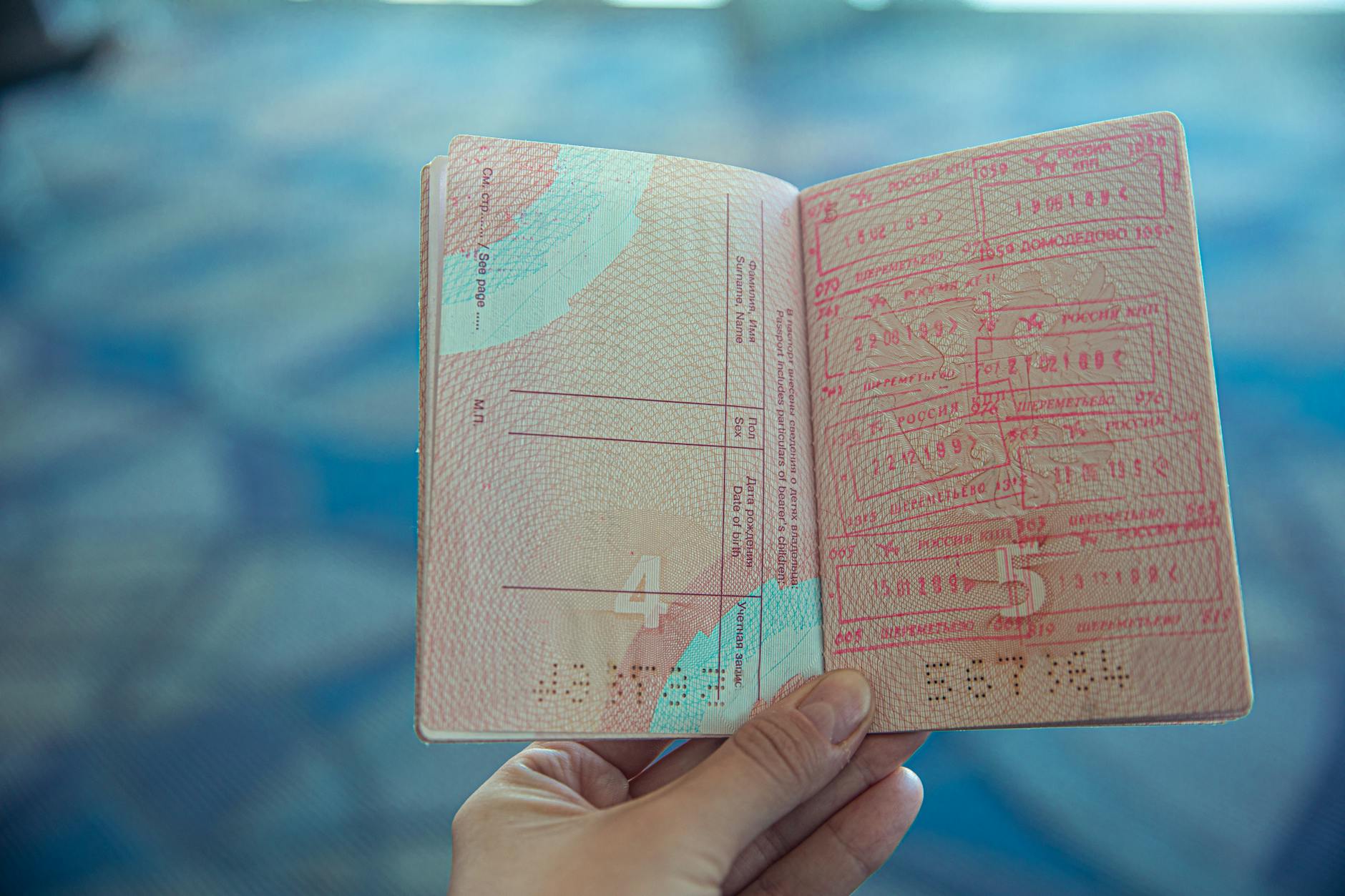
Voor veel reizigers uit Indonesië betekent een bezoek aan Rusland een spannende kans om een land te verkennen dat rijk is aan geschiedenis, cultuur en natuurlijke schoonheid. Echter, het navigeren door het visumaanvraagproces kan ontmoedigend zijn, vooral omdat het verschillende soorten en categorieën omvat die zijn afgestemd op specifieke redoelen. Of je nu een korte reis plant of een langere verblijfstijd, het begrijpen van de eisen van de Russische Federatie is essentieel voor een succesvolle aanvraag.
Het aanvragen van een visa is geen lichtzinnige zaak, omdat het het indienen van benodigde documenten vereist, waaronder een geldig paspoort, een recent pasfoto en een uitnodigingsbrief indien vereist. Het is cruciaal om ervoor te zorgen dat alle documenten up-to-date zijn, omdat verlopen papieren tot vertragingen of zelfs de afwijzing van je aanvraag kunnen leiden. In deze gids gaan we het hele proces doorlopen, waarbij we details geven over hoe je je visa effectief kunt regelen, terwijl we ook gerelateerde zorgen behandelen, zoals accommodatie en de vereiste vaccinatievereisten.
Als je aan deze reis begint, weet dan dat het Russische visumaanvraagproces verschillende stappen omvat, zoals het online uploaden van je documenten, het volgen van je aanvraag en het begrijpen van de in- en uitreisbeleid. Dit is vooral belangrijk voor reizigers die via verschillende havens of eilanden reizen, zoals die uit Japan, Slowakije of andere landen in de regio. Door de hierbij verstrekte richtlijnen te volgen, ben je goed voorbereid om dit complexe systeem te doorlopen, waardoor je reis naar Rusland zo soepel en aangenaam mogelijk verloopt.
Algemene informatie
Het verkrijgen van een visum voor Rusland vanuit Indonesië vereist een systematische procedure die specifieke documenten en naleving van de eisen van de Russische overheid vereist. Als buitenlandse inwoner moet u ervoor zorgen dat alle documenten nauwkeurig zijn ingevuld, aangezien eventuele fouten kunnen leiden tot vertragingen of afwijzing van uw aanvraag.
Het type visum dat je nodig hebt, hangt af van het doel van je bezoek, of het nu voor toerisme, zakelijk bezoek of transit is. Bijvoorbeeld, toeristenvisa vereisen meestal een briefhoofd van een geregistreerd reisbureau en een uitnodigingsbrief, terwijl zakelijke visa mogelijk een ander set referenties en goedkeuringen vereisen.
Verschillende buitenlandse nationaliteiten, waaronder die uit landen zoals Oekraïne, Mongolië en Israël, hebben verschillende visumvereisten en procedures. Het is belangrijk om rekening te houden met recente wijzigingen in de migratieprocedures in het licht van internationale betrekkingen, aangezien deze van invloed kunnen zijn op de verlening van visa.
Als je van plan bent om Rusland binnen te komen vanuit gebieden zoals Tadzjikistan of Kameroen, weet dan dat sommige landen visumvrij toegang hebben tot Rusland, terwijl andere landen strenge vereisten hebben. De geschatte verwerkingsduur voor visumaanvragen kan variëren op basis van de nationaliteit van de aanvrager en het gebied waar ze hebben aangevraagd.
Expatriates uit landen zoals Malawi, Tsjaad en Vanuatu kunnen mogelijk extra interne regels moeten volgen of een strafbladcontrole moeten ondergaan tijdens het visumproces. Raadpleeg altijd de officiële informatie van het consulaat of de ambassade van de Russische Federatie voor de meest accurate richtlijnen.
Onthoud dat de uitgifte datum van het visum cruciaal is; zorg ervoor dat je visum correct gestempeld is en alle vereiste gegevens bevat voordat je vertrekt. In geval van vragen of problemen tijdens het aanvraagproces kun je hulp zoeken bij geautoriseerde instanties of raadpleeg reizigers die ervaring hebben met deze handleiding.
In conclusie, moet iedere partij die betrokken is bij het visumaanvraagproces extra voorzichtig zijn bij het voorbereiden van hun documenten, of ze nu reizen vanuit Indonesië of een ander land, inclusief afgelegen plaatsen zoals de Grenadines of verafgelegen regio's zoals Schotland en Argentinië. Goede planning en voorbereiding zorgen voor een vlotte toegang tot Rusland, waardoor je je verblijf in dit enorme land kunt genieten.
Types of Visas Available for Indonesian Citizens
Indonesische burgers die Rusland willen bezoeken, kunnen verschillende soorten visa aanvragen afhankelijk van hun doel. De meest voorkomende categorieën zijn toeristen-, zakelijke, studenten- en werkvisa. Elk van deze voldoet aan verschillende behoeften en vereist specifieke documenten.
Toeristenvisum: Dit visum is geschikt voor wie Rusland voor plezier wil verkennen. Aanvragers moeten een bevestiging van accommodatie, een reisroute en soms een reisverzekeringsbewijs voorzien. Dit visum is meestal geldig voor een korte periode.
Zakenvisum: Voor personen die vergaderingen houden of zakenactiviteiten ondernemen in Rusland, is een zakenvisum nodig. Dit vereist vaak een uitnodiging van een Russisch bedrijf en kan worden afgegeven voor één of meerdere ingangen. De Russische consulates kunnen vragen om de operationele details van de aanvrager die relevant zijn voor de zakelijke transacties.
Studentvisum: Indonesische burgers die willen studeren in Rusland moeten een studentenvisum aanvragen. Toelating tot een onderwijsinstelling is verplicht. Aanvragers moeten hun inschrijvingsdocumenten indienen samen met bewijs van verblijf in het thuisland.
Arbeidsvisum: Wie een baan in Rusland heeft gevonden, moet een arbeidsvisum aanvragen. Het bedrijf in Rusland dat u in dienst neemt, regelt meestal de documentatie en helpt bij het aanvraagproces. Een gedetailleerd contract en andere belangrijke papieren moeten worden ingediend.
Vervolgens is het van belang om te weten dat biometrische gegevens steeds vaker worden gevraagd tijdens het aanvraagproces. Dit kan vingerafdrukken en gezichtsherkenning omvatten als onderdeel van de veiligheidsmaatregelen die door Russische ambtenaren zijn geïmplementeerd. Aanvragers moeten deze extra stap in hun visumregelingen meenemen.
In sommige gevallen zijn er ook speciale visa beschikbaar voor staatloze personen of mensen met specifieke paspoorten uit landen zoals Maleisië, Papoea en de Filipijnen. Deze visa hebben unieke vereisten en moeten zorgvuldig worden nagelezen om te voldoen aan de federale richtlijnen.
Voor verdere informatie en hulp kunnen Indonesische burgers het officiële portaal portal_kemlu_ri bezoeken of hun respectievelijke consulaats raadplegen. De beschikbaarheid van visa en de daarmee verbonden procedures kunnen veranderen op basis van lopende onderhandelingen en de operationele status tussen Rusland en Indonesië.
In conclusie vereist het visumaanvraagproces grondige voorbereiding. Indonesische burgers moeten ervoor zorgen dat ze hun plannen goed hebben begrepen en voldoen aan de vereiste documenten, vooral bij het binnenkomen met doeleinden gerelateerd aan zaken of onderwijs.
Vereiste documenten voor visumaanvraag
Wanneer je een visum voor Rusland aanvraagt vanuit Indonesië, is het cruciaal om een uitgebreid set documenten voor te bereiden. Hieronder volgt een lijst met de vereiste documenten om een soepele aanvraagprocedure te garanderen:
Voltooide Visa-Aanvraagformulier: Dit formulier moet nauwkeurig en volledig worden ingevuld. De meeste ambassades bieden een online formulier aan dat elektronisch kan worden ingediend.
Geldig paspoort: Uw paspoort moet ten minste zes maanden geldig zijn vanaf uw geplande vertrekdatum uit Rusland. Zorg ervoor dat het ten minste twee lege pagina's heeft.
Foto: Een recent pasfoto in kleur, hoogwaardig en met een eenkleurige achtergrond, in overeenstemming met de eisen voor een Russisch visum.
Invitatiebrief: Afhankelijk van het type visum, kunt u een officiële uitnodigingsbrief nodig hebben van een geregistreerd entiteit in Rusland. Dit kan onder meer hotels, reisorganisaties of particuliere personen omvatten.
Reisbewijs: Lever een kopie van je heen- en terugvluchtboeking en bewijs van accommodatie tijdens je verblijf, zoals hotelreserveringen.
Reisverzekering: Bewijs van een geldige gezondheidsverzekering in Rusland voor de duur van je verblijf, die medische kosten en repatriëring dekt.
Bewijs van financiële middelen: Documentatie zoals bankafschriften die voldoende middelen tonen om uw verblijf in Rusland te ondersteunen.
Rechtelijke status in Indonesië: Als je geen burger van Indonesië bent, moet je documenten voorleggen die je wettelijke verblijfs- of werkstatus in het land bewijzen.
Het is belangrijk om te onthouden:
Understood. Please provide the text you'd like translated into Dutch, and I will ensure it meets the specified requirements—using native Dutch place names, landmarks, and other proper nouns while preserving brand names, addresses, and other exact details. I will output only the translation without any additional commentary.
Go ahead with the text you'd like translated.
Hier is de vertaling:
Alle documenten moeten recent en geldig zijn.
Understood. Please provide the text you'd like me to translate into Dutch, and I will ensure it meets all your requirements—using native Dutch place names, preserving brand names, addresses, and exact details as specified. I will output only the translation without any additional commentary.
Go ahead and share the text when you're ready.
In sommige gevallen kan het Russische consulaat of ambassade aanvullende documenten of details vragen. Raadpleeg altijd de officiële website van de ambassade voor de meest accurate en actuele informatie.
Door ervoor te zorgen dat alle vereiste documenten voorbereid en correct ingediend worden, neemt u een belangrijke stap in het succesvolle proces van een visumaanvraag.
tegen de koers van de Bank van Rusland op 29.09.2026 · powered by tutkakdoma
Sollicitatieprocedure stap voor stap
Het proces om een visum voor Rusland te verkrijgen vanuit Indonesië omvat verschillende belangrijke stappen die reizigers moeten volgen om een succesvolle aanvraag te garanderen. Ten eerste moeten burgers het type visum bepalen waar ze naar zoeken, afhankelijk van het doel van hun reis. Dit kan variëren van toeristen- tot zakenvisa, elk met verschillende vereisten voor documenten.
Voor het aanvragen is het essentieel om de benodigde documenten voor te bereiden. Dit omvat meestal een geldig paspoort met een geldigheidsduur van minimaal 6 maanden na de geplande vertrekdatum, een ingevuld en ondertekend visa-aanvraagformulier, een recent pasfoto en een uitnodigingsbrief van een gastgever of een bedrijf in Rusland. De uitnodigingsbrief kan worden afgegeven door een lokale reisorganisatie of een particulier.
Eenmaal alle benodigde documenten zijn verzameld, kunt u doorgaan naar het dichtstbijzijnde Russische consulaat of ambassade. Het is raadzaam om alle documenten te verzamelen door hun officiële website te bezoeken, waar specifieke vereisten kunnen verschillen. Tijdens uw bezoek dient u uw aanvraag en documenten in te dienen, wat mogelijk vingerafdrukken omvat als onderdeel van de verzameling van biometrische gegevens. Dit is een standaardproces dat is gericht op het verbeteren van het beveiligings- en verifiëringssysteem.
Na aflevering ontvangt u een ontvangstbewijs met de verwerkingsduur van uw aanvraag, die meestal enkele uren tot enkele dagen in beslag neemt, afhankelijk van het type visum en het aantal aanvragen dat op dat moment wordt verwerkt. Als u voor een versnelde service heeft gekozen, controleer dan de status van uw visumaanvraag om vertragingen te vermijden.
In sommige gevallen moet u mogelijk een interview afleggen. Wees voorbereid om vragen over uw reis te beantwoorden en indien nodig aanvullende informatie te verstrekken. Als u wordt goedgekeurd, wordt uw visum met een officiële stempel in uw paspoort afgegeven, waardoor u naar Rusland kunt reizen.
Altijd controleren of je in aanmerking komt voor visumverlichtingen of -overeenkomsten, zoals die onder het APEC-systeem, die het aanvraagproces kunnen vereenvoudigen. Na het ontvangen van je visum, bekijk de geldigheidsdata en zorg ervoor dat je deze naleeft tijdens je verblijf in Rusland.
Laatstelijk, bewaar een kopie van alle documenten die je tijdens het proces hebt ingediend en ontvangen. In geval van noodgevallen of onverwachte vertragingen kan deze documentatie helpen bij het verkrijgen van eventuele terugbetalingen of aanpassingen aan je reisplannen.
Visaheffingen en betaalmethoden
De kosten voor het verkrijgen van een visum voor Rusland vanuit Indonesië kunnen variëren, afhankelijk van het type visum waarvoor je solliciteert. Meestal liggen de kosten tussen USD 30 en USD 150, afhankelijk van de verwerkingsduur en of het een toeristen-, zakelijke of studentenvisum betreft. Over het algemeen zijn visumkosten niet terugbetaalbaar, dus het is belangrijk om ervoor te zorgen dat alle vereiste documenten correct zijn ingediend.
Betalingen voor visumkosten kunnen worden gedaan via verschillende methoden om het proces voor alle burgers die een reis plannen te vergemakkelijken. Veelvoorkomende betaalmogelijkheden zijn creditcards en bankoverschrijvingen. Het wordt aanbevolen om contact op te nemen met het lokale Russische consulaat of ambassade in Jakarta voor de meest actuele betaalmogelijkheden en beschikbare opties.
Eenmaal de betaling is gedaan, ontvangt u een bevestigingsbewijs, dat u samen met uw aanvraagdocumenten moet overleggen. Bewaar dit bewijs goed, omdat het mogelijk nodig is bij het volgen van de status van uw visum. Voor vragen over tarieven en betalingsprocessen kunt u terecht op de website e-visagovuz of raadpleeg de FAQ-sectie voor meer informatie.
Voor reizigers met paspoorten uit landen zoals Australië, Maldiven, Tunesië of Afrikaanse landen, zorg ervoor dat u controleert of er extra kosten van toepassing zijn op uw reiscategorie. Bovendien kunnen bepaalde speciale entiteiten, zoals burgers van Oost-Timor of Azerbeidzjan, specifieke tarieven hebben.
Indien u vragen heeft over het betalingsproces of vragen heeft over tarieven, overweeg dan om contact op te nemen met de betreffende Russische autoriteiten of bezoek het dichtstbijzijnde Russische diplomatieke missie. Let erop dat verwerkings tijden ook uw reisplannen kunnen beïnvloeden en is het raadzaam om uw aanvraag enkele weken van tevoren in te dienen om eventuele laatste-minuutproblemen te vermijden.
In geval van problemen met betaling of verwerkingsproblemen van het aanvraagproces, kan de Russische minister van Buitenlandse Zaken en andere overheidsinstanties hulp bieden. Voor aanvullende ondersteuning kunt u de evisamfauz-platform gebruiken voor verdere begeleiding tijdens uw visumaanvraagprocedure.
Veelvoorkomende fouten om te vermijden bij het solliciteren
Het aanvragen van een visum voor Rusland vanuit Indonesië vereist nauwkeurigheid. Veel mensen overzien cruciale aspecten die vertraging of afwijzing van hun aanvragen kunnen veroorzaken. Hier zijn enkele veelgemaakte fouten om te vermijden:
Mistake
Beschrijving
Onvolledige documentatie
Zorg ervoor dat alle benodigde documenten zijn inbegrepen bij je aanvraag. Ontbrekende bijlagen kunnen vertragingen veroorzaken. Controleer nogmaals je kopieën van uitnodigingen, identiteitsdocumenten en het visa-aanvraagformulier.
Onnauwkeurige informatie
Veel sollicitanten controleren de juistheid van hun numerieke gegevens of persoonlijke geschiedenis niet goed, wat kan leiden tot vragen van de autoriteiten.
Het negeren van het dichtstbijzijnde ambassade
Solliciteren via de dichtstbijzijnde ambassade of consulaat is cruciaal. Sommige aanvragers sturen hun verzoeken per abuis naar verre locaties, wat leidt tot langere verwerkings tijden.
Hier is de vertaling:
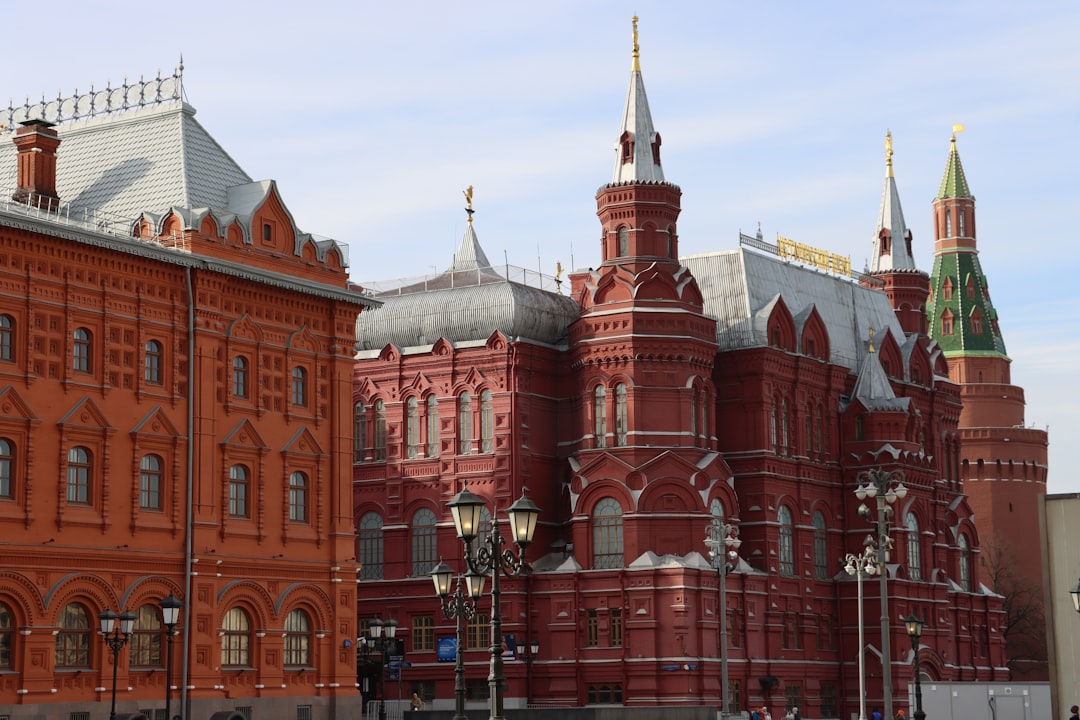
Moscou is de hoofdstad van Rusland en een van de grootste steden ter wereld. De stad staat bekend om zijn rijke geschiedenis, architectuur en culturele bezienswaardigheden. Een van de meest iconische gebouwen is de Kremlin, een fort dat al eeuwenlang het politieke en religieuze centrum van Rusland vormt. Naast de Kremlin is de Sint-Basiliuskathedraal een ander bekend monument, herkenbaar aan zijn kleurrijke koepels.
Voor kunstliefhebbers is het Pusjkinmuseum een must-visit, met een indrukwekkende collectie van Europese en Russische kunst. Wie meer wil weten over de geschiedenis van Rusland kan het Staatelijk Historisch Museum bezoeken, dat zich direct naast de Kremlin bevindt.
De stad heeft ook een levendige straatcultuur, vooral in het Arbatstraatje, een van de oudste en meest charmante straten van Moscou. Voor een modernere sfeer kun je naar het Tverskaja-boulevard gaan, waar je veel winkels, cafés en restaurants vindt.
Als je van architectuur houdt, is de Moskou-universiteit op de Leninheuvels een spectaculair gebouw dat je niet mag missen. Het is niet alleen een van de grootste universiteiten ter wereld, maar ook een van de meest fotogenieke gebouwen van Moscou.
Voor een ontspannende dag kun je naar het Gorki Park gaan, een van de grootste en populairste parken van de stad. Het is perfect voor wandelingen, picknicks en recreatie.
Als je van winkelen houdt, is het GUM-warenhuis een must-visit. Dit luxueuze warenhuis ligt op het Rode Plein en biedt een breed scala aan luxe merken en producten.
Voor een culinaire ervaring kun je terecht in Café Pushkin, een van de meest beroemde restaurants van Moscou, bekend om zijn traditionele Russische gerechten en elegante sfeer.
Als je een bezoek aan Moscou plant, zorg er dan voor dat je ook de Metro van Moskou gebruikt. Deze metro is niet alleen een efficiënt vervoermiddel, maar ook een kunstwerk op zich, met prachtige stations die elk een uniek ontwerp hebben.
Tot slot, als je van muziek houdt, kun je een concert bezoeken in de Bolsjojtheater, een van de meest prestigieuze theaters ter wereld, bekend om zijn ballet- en operaproducties.
Moscou is een stad die je niet snel vergeet, met zijn mix van geschiedenis, cultuur en moderniteit. Of je nu geïnteresseerd bent in kunst, geschiedenis, architectuur of culinaire hoogstandjes, Moscou heeft voor ieder wat wils.
Visa-regels kunnen vaak veranderen. Zorg ervoor dat je de huidige vereisten controleert op de officiële websites van het MOFA of Kemlu, of andere betrouwbare bronnen. Verlaat je niet alleen op verouderde informatie.
Overzicht van Zorgverzekeringen
Enkele landen, zoals Letland of landen in Afrika, kunnen een bewijs van ziektekostenverzekering vereisen. Voeg uw verzekeringsdocumenten toe aan uw aanvraag om complicaties tijdens uw reis te vermijden.
Het indienen van late aanvragen
Laat voldoende tijd over voor het verwerken van je visum. Het indienen van je aanvraag met te weinig voorloop is risicovol voor je reisplannen, vooral als je een spoedprocedure aanvraagt.
Het negeren van lokale gewoontes
Of je nu reist vanuit Pakistan, Italië of een ander land, het begrijpen van de lokale gewoontes en etiket in Rusland kan je ervaring verrijken en context geven voor je reis.
Vermijd deze valkuilen om een vlottere aanvraagprocedure voor je Russische visa te garanderen. Of je nu komt uit Turkmenistan, een tour geniet vanuit Servië, of vrienden bezoekt in Guinee, goed georganiseerd en goed geïnformeerd zijn is essentieel voor een succesvolle aanvraag.
Visa-verlenging en -vernieuwing procedures
Het verlengen of verlengen van een visum voor Rusland vanuit Indonesië vereist een specifiek proces dat sollicitanten moeten volgen om voldoende te voldoen aan de officiële regels. Over het algemeen moeten personen die hun verblijf willen verlengen, of het nu voor zakelijke, toeristische of andere redenen is, het verlengingsproces starten ten minste één maand voor het verlopen van het visum.
Voor gewone visums kunnen toeristen een verlenging aanvragen via het lokale kantoor van het Ministerie van Binnenlandse Zaken (Ministerstvo vnutrennych del) in Rusland. Dit kan meestal online worden gedaan via een e-formulier, of persoonlijk, afhankelijk van de ambtenaren die verantwoordelijk zijn voor dat lokale kantoor.
Sollicitanten moeten bereid zijn om de benodigde documenten te verstrekken, waaronder een geldig paspoort, een recent pasfoto, bewijs van financiële steun en een gedetailleerd reisplan van geplande bezoeken. De documenten worden gecontroleerd om te waarborgen dat de sollicitant aan alle vereisten voldoet, inclusief eventuele specifieke bepalingen met betrekking tot wederkerigheid met het land van herkomst van de sollicitant.
Indien het visum tijdens het verlengingsproces verloopt, is verblijf in het land onder bepaalde voorwaarden toegestaan. Aanvragers mogen het land niet verlaten totdat hun visum met succes is verlengd of uitgebreid, omdat dit hun kansen op het verkrijgen van een nieuw verblijfsvergunning kan schaden.
Voor wie een langetermijnvisum of een verblijfsvergunning heeft, is het essentieel om op de hoogte te blijven van veranderingen in wereldwijde immigratiebeleid, met name die beïnvloed door ziekteuitbraken of internationale relaties. Landen in Zuidoost-Azië, zoals Brunei en de Maldiven, hebben specifieke regels die reizigers kunnen beïnvloeden die Russische gebieden bezoeken.
Individuen uit bepaalde landen, waaronder Oekraïne en China, kunnen strenger hernieuwingsvereisten ondergaan vanwege geopolitieke factoren of strafrechtelijke achtergrondcontroles. Het is daarom essentieel om contact op te nemen met het dichtstbijzijnde Russische consulaat of ambassade voor op maat gemaakte adviezen.
De hele vernieuwing of verlenging van het proces kan variëren van enkele dagen tot een paar weken, afhankelijk van de omstandigheden en locatie. Het is raadzaam om hier rekening mee te houden om eventuele reisschade te voorkomen. In sommige gevallen kan een telex worden gegenereerd voor visumverificatie, met name voor reizigers die plan hebben om naar afgelegen regio's zoals de Marshalleilanden of Tuvalu te reizen.
In samenvatting, goed op de hoogte blijven van specifieke vereisten en heldere communicatie onderhouden met de relevante autoriteiten kan het proces van het verlengen en verlengen van een visum aanzienlijk vergemakkelijken, waardoor uiteindelijk een vlotte en nalevende ervaring wordt gegarandeerd.